Original | Odaily Planet Daily (@OdailyChina)
Author | Asher (@Asher_ 0210)

PiP World: Web3 Gamified Trading Learning Platform
Project Introduction
PiP World is a Web3 gamified trading learning platform, creating a "hedge fund in your pocket," allowing every user to create, train, and deploy their own smart trading agents. Users can build, train, and backtest trading strategies in a simulated environment, then let the agents participate in competitions, and even deploy them to real markets to earn rewards, learning finance while having fun.
According to ROOTDATA, PiP World completed a $10 million seed round on October 10, 2024, with participation from Exinity.
On November 10, PiP World announced the start of Season 0 activities on X platform.
Interaction Tutorial
STEP 1. Enter the interaction website (Link: https://mm.pip.world/), and register for a platform account via a social media account.
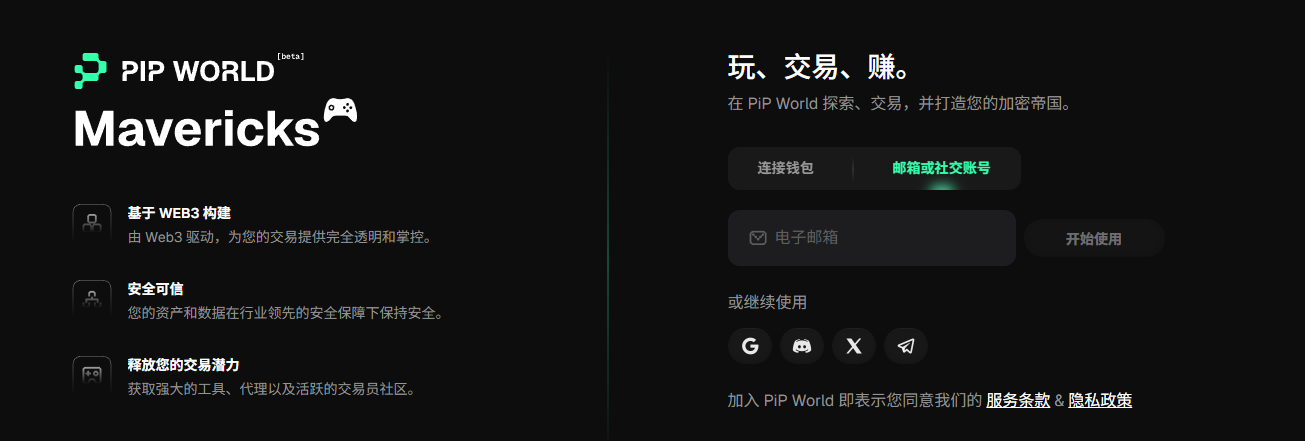
STEP 2. After successful registration, click "Activate My Funds" to receive $100,000 in simulated funds.

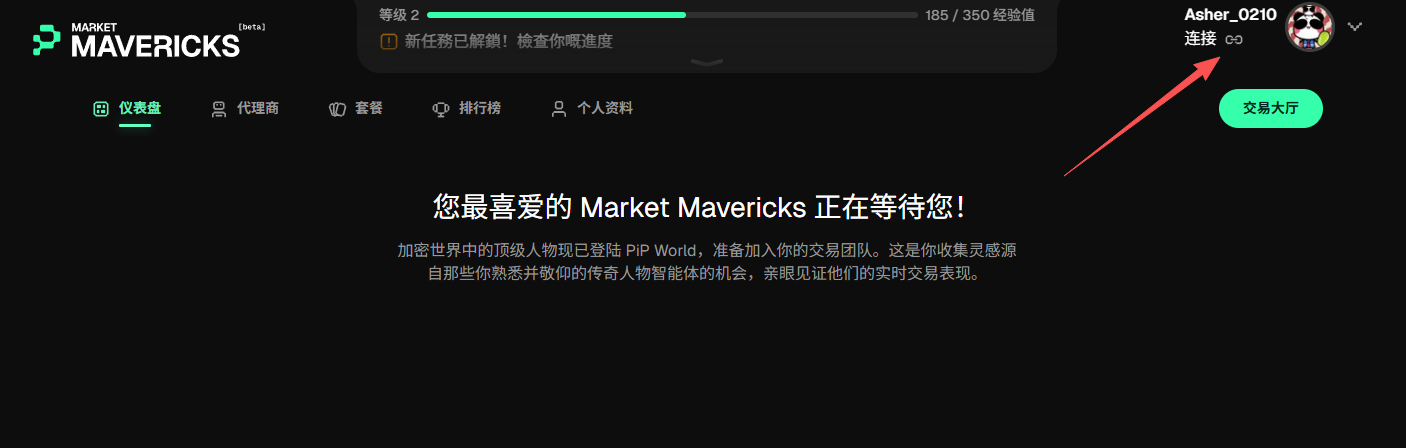
STEP 3. Click the avatar in the upper right corner to complete Web3 wallet binding.
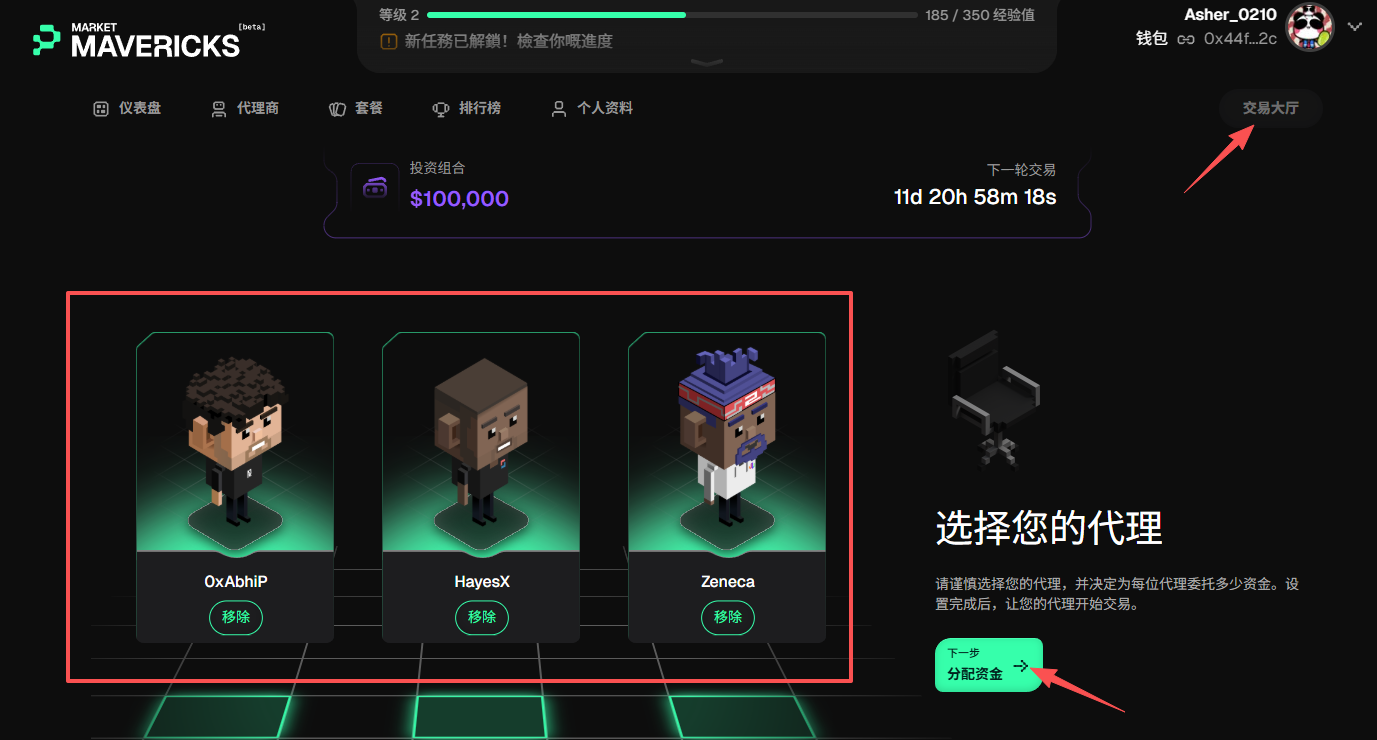
STEP 4. Click "Trading Hall," select three "Trading Agents" as prompted, and then click "Allocate Funds."
STEP 4. After allocating funds, click "Confirm."
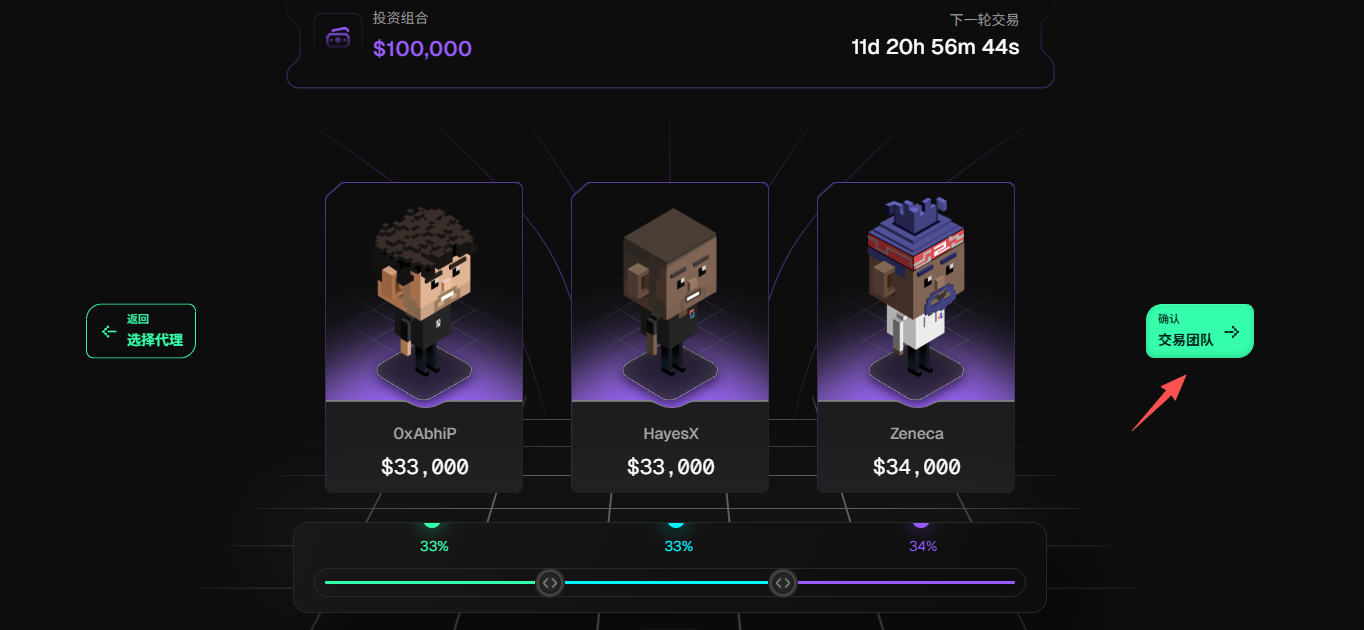

STEP 5. Click "Profile," scroll down the page to view badge unlocking status, which includes tasks such as consecutive check-ins and product experience.

ETHGas: A DeFi Project Born to Solve Ethereum's High Gas Fees and Network Congestion
Project Introduction
ETHGas is committed to building real-time Ethereum infrastructure. By partnering with top-tier protocols, it markets block space (Blockspace), achieving the vision of "Instant Ethereum, Invisible Gas" with just 3-millisecond pre-confirmation technology. The starting point of ETHGas is to solve the pain point of high Gas fees on the mainnet. By cooperating with protocols, it partially or fully refunds Gas fees to users, significantly reducing Gas fees or even achieving "Gas-free" effects when users use the protocols.
According to ROOTDATA, ETHGas completed a $12 million seed round on December 17 this year, led by Polychain Capital, with participation from Stake Capital, BlueYard Capital, Lafayette Macro Advisors, SIG DT, and Amber Group. The project previously completed an undisclosed ~$5 million Pre-Seed round around mid-2024.
Interaction Tutorial
STEP 1. Enter the interaction website (Link: https://www.ethgas.com/community/onboarding/), and bind your personal X account.
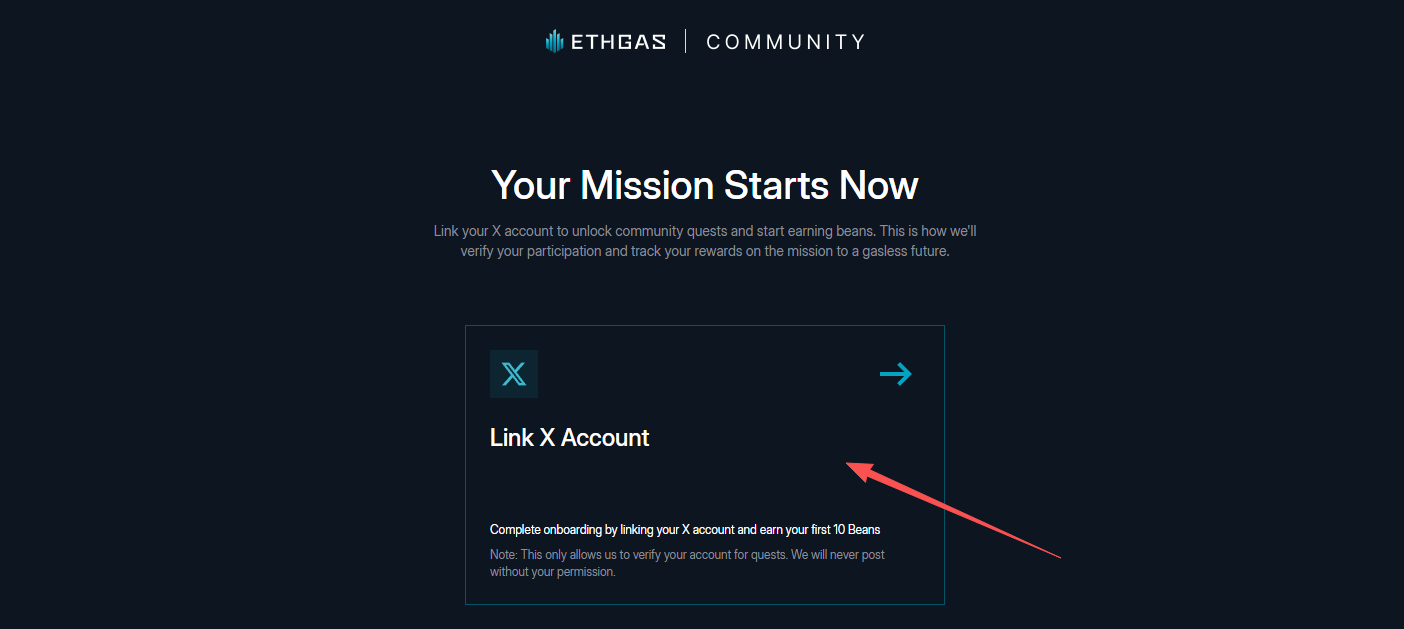
STEP 2. After entering the main page, click the avatar in the upper right corner to bind your personal Web3 wallet.
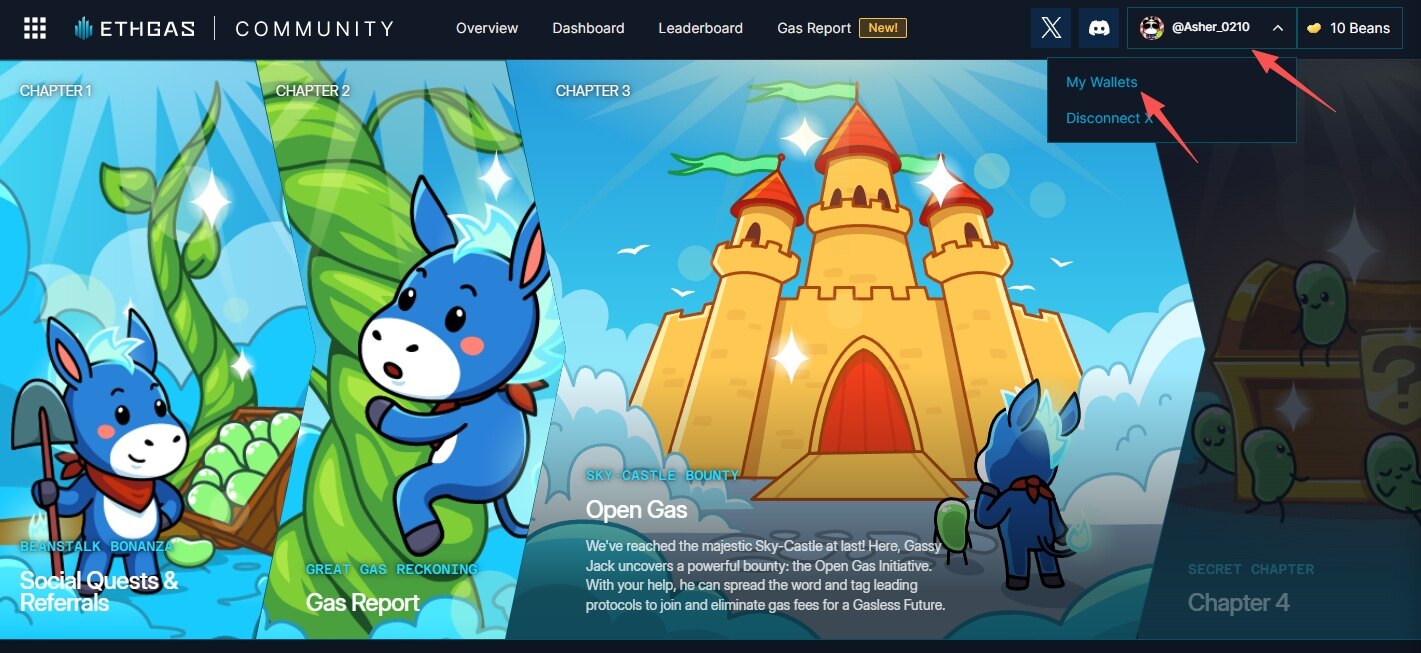
STEP 3. Enter the "Gas Report" section, follow the official Twitter, and select "Generate Gas Report" to generate your personal Gas report.
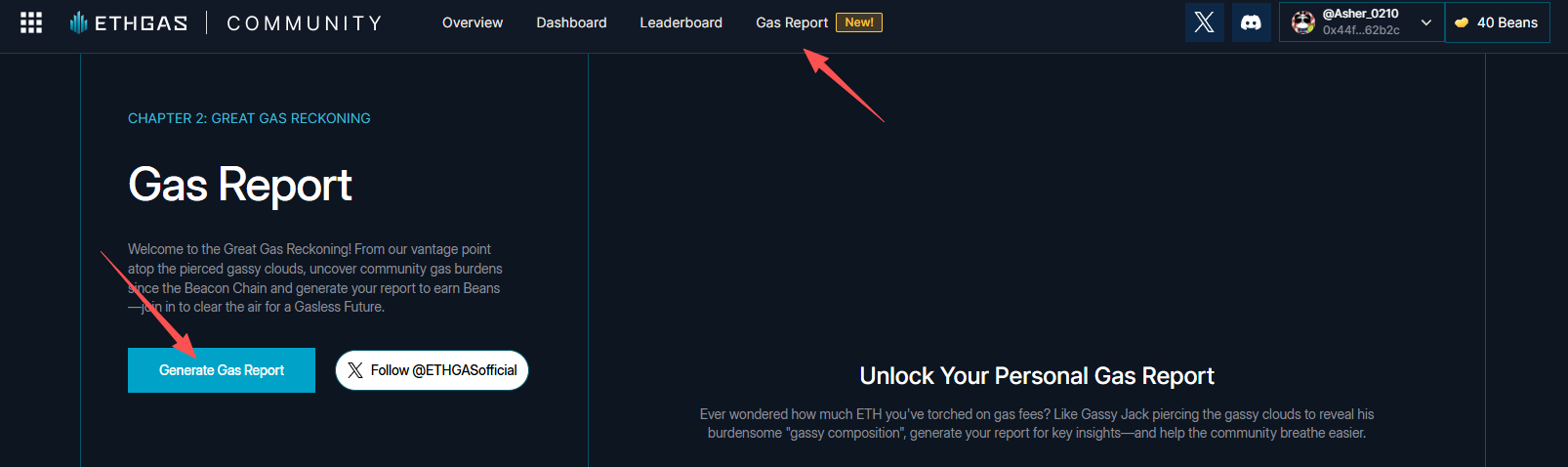
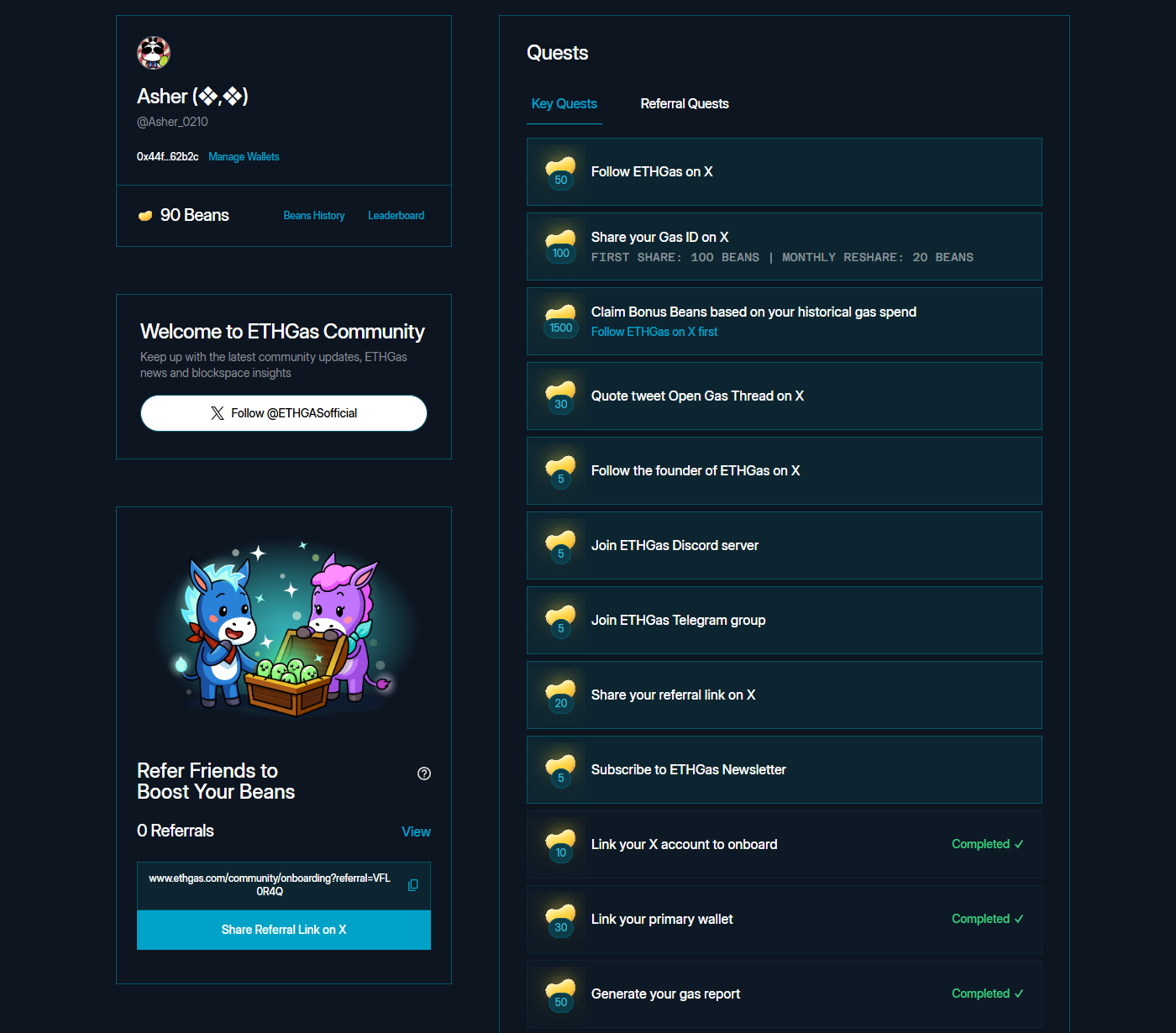
STEP 4. Return to the main page to view social tasks and invitation tasks; complete tasks to earn corresponding points rewards.
Mocaverse: The Metaverse Product Under Animoca Brands
Project Introduction

Mocaverse is a metaverse product under Animoca Brands, building Web3-native tools to empower products in gaming, culture, and entertainment verticals. It allows users to create their own digital identities, accumulate reputation, earn and spend loyalty points, and use their digital identities to access the Mocaverse ecosystem supported by Animoca Brands' network of over 450 portfolio companies and partners.
On December 9, Mocaverse announced on X platform the launch of MocaProof Beta. MocaProof is a gamified digital identity verification and rewards platform that leverages blockchain technology to simplify and advance the progress of privacy protection and sovereignty over personal data. Its core is privacy-preserving credit verification; users do not need to reveal any raw data or identifiable private information when completing verification.
Interaction Tutorial
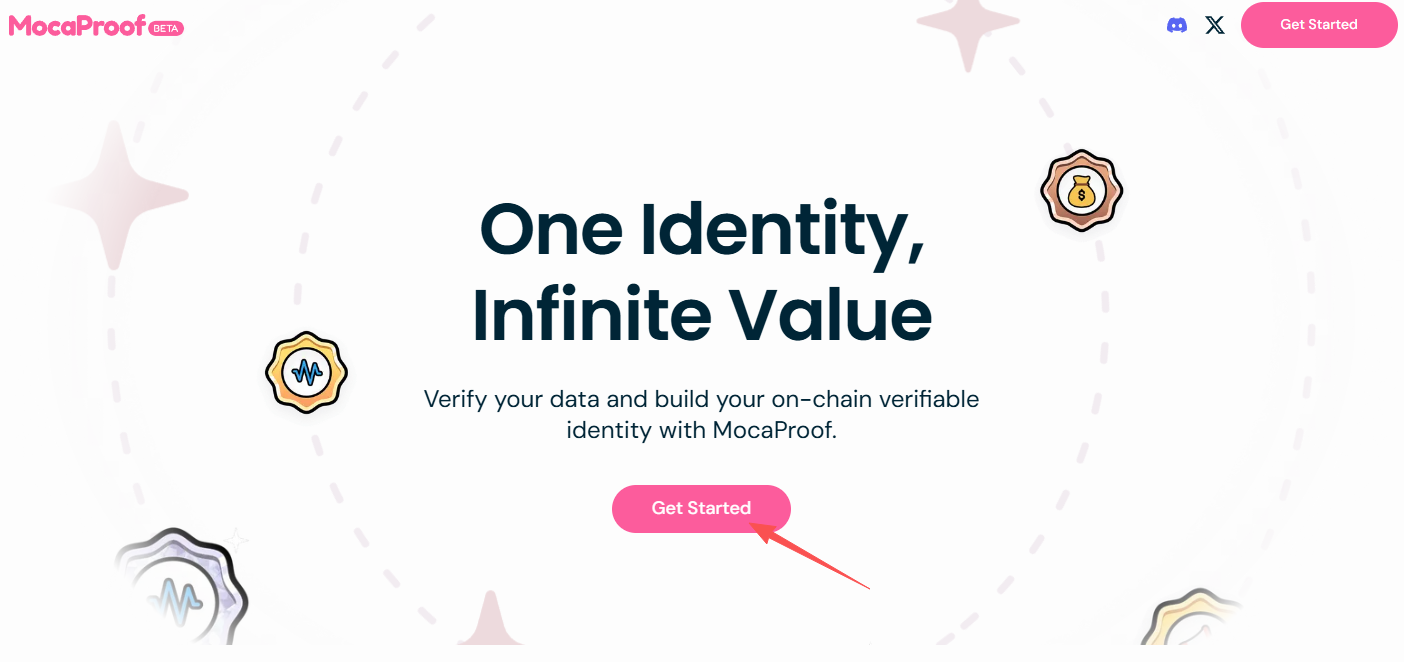
STEP 1. Enter the official interaction website (Link: https://app.moca.network/), click "Get Started," and register an account using a Google email.
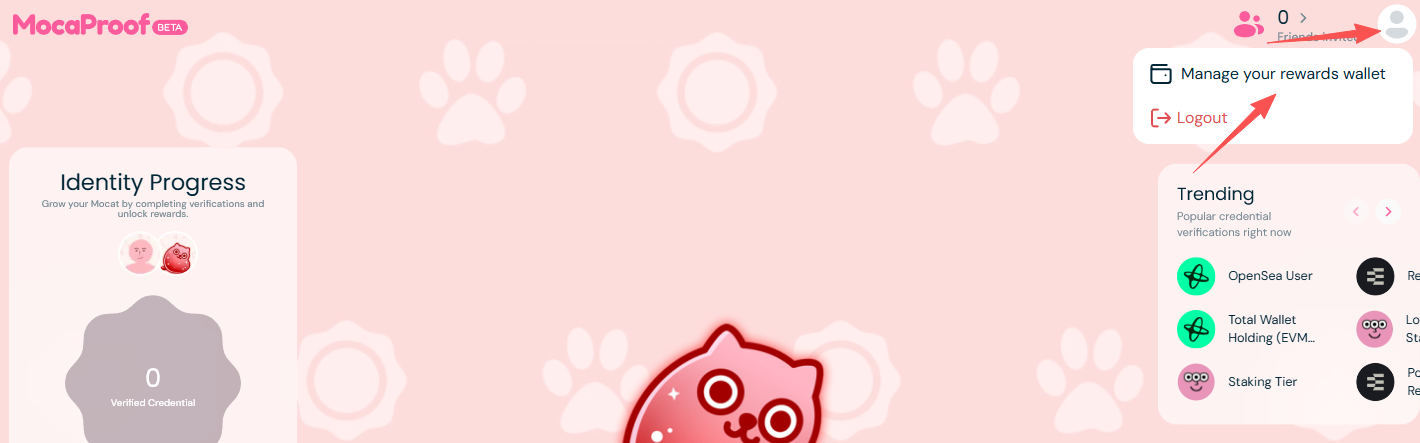
STEP 2. Click the personal avatar in the upper right corner to add an EVM address for receiving rewards.
STEP 3. Click "Start Verification" to begin verification tasks. Currently available tasks include: assets and staking related, Blue Chip NFT holdings, Opensea active users, addresses labeled by Nansen, Ethos and Cookie3 related activity addresses, etc.
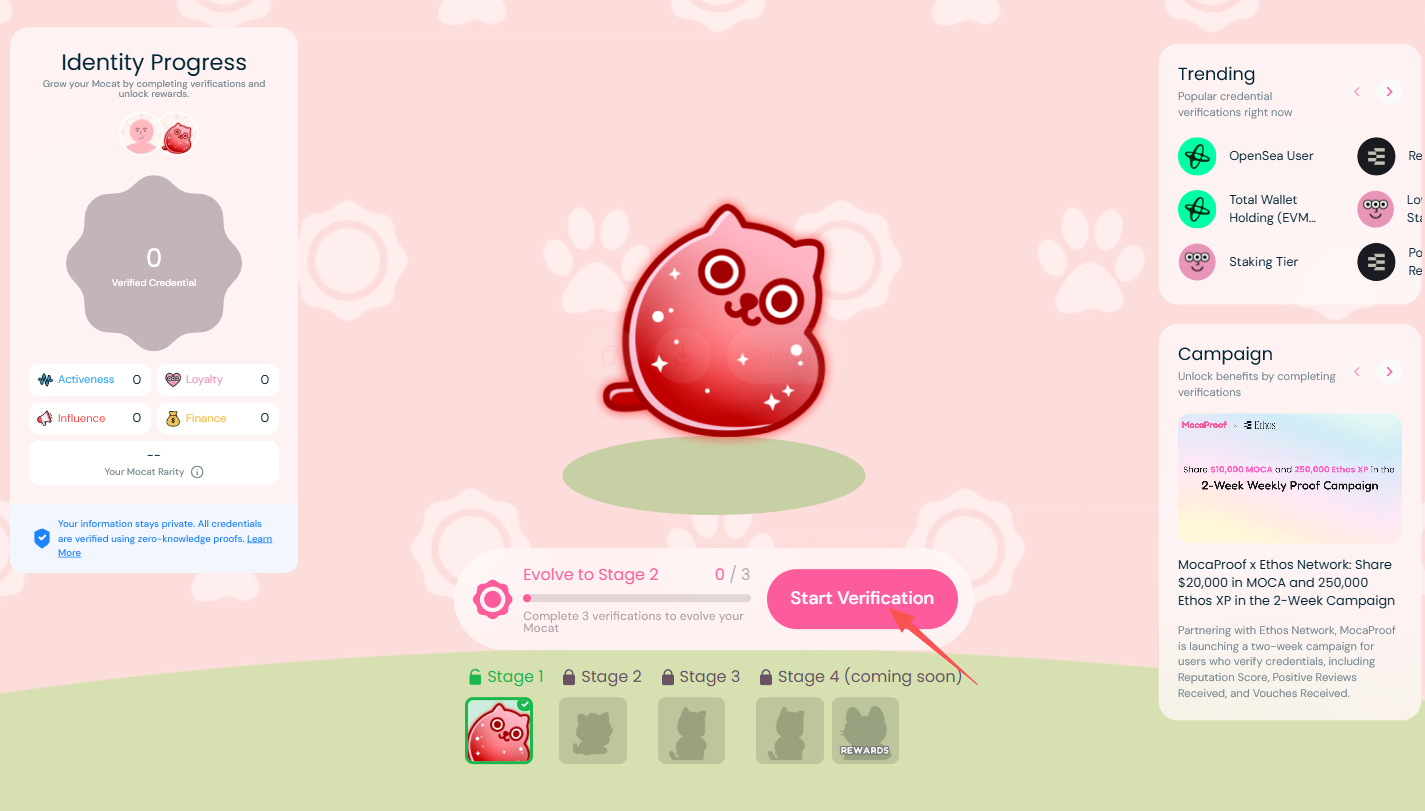
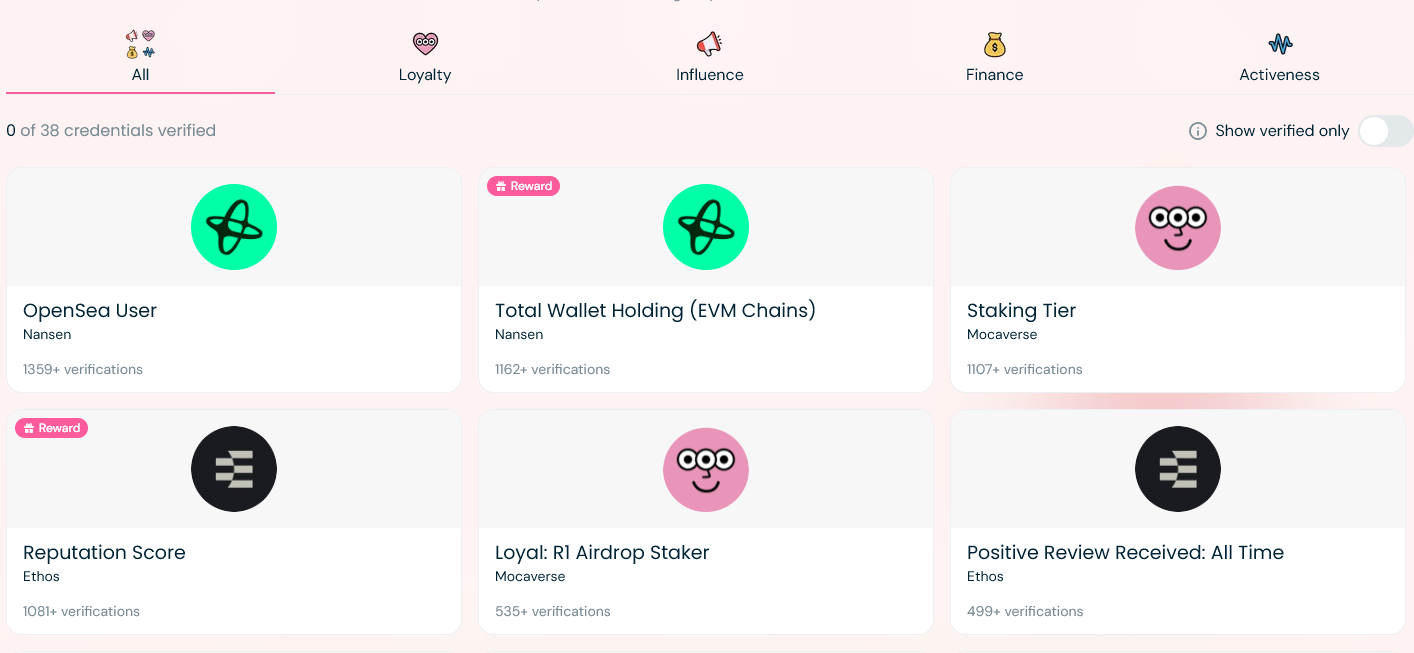
Each user will have a pet called Mocat. The more types and quantities of verifications passed, the more points earned, the higher the level of Mocat, and potentially unlocking of more rewards.
Domande pertinenti
QWhat is PiP World and what is its main purpose?
APiP World is a Web3 gamified trading learning platform that aims to be a 'hedge fund in your pocket.' It allows users to create, train, and deploy their own smart trading agents in a simulated environment to build, test, and compete with trading strategies, and even deploy them in real markets to earn rewards.
QHow much funding did PiP World raise in its seed round and who participated?
APiP World raised $10 million in a seed funding round on October 10, 2024, with participation from Exinity.
QWhat problem does ETHGas aim to solve in the Ethereum ecosystem?
AETHGas aims to solve the problem of high Gas fees and network congestion on Ethereum by building real-time infrastructure that markets block space. It collaborates with top protocols to partially or fully refund Gas fees to users, achieving an 'instant Ethereum, invisible Gas' vision.
QWho led the $12 million seed round for ETHGas and when was it announced?
AThe $12 million seed round for ETHGas was led by Polychain Capital and announced on December 17, 2024. Other participants included Stake Capital, BlueYard Capital, Lafayette Macro Advisors, SIG DT, and Amber Group.
QWhat is Mocaverse and what new feature did it recently launch in beta?
AMocaverse is a metaverse product under Animoca Brands, focused on building Web3-native tools for gaming, culture, and entertainment. It recently launched MocaProof Beta, a gamified digital identity verification and rewards platform that uses blockchain for privacy-preserving credential verification without revealing users' original data.
Letture associate




Trading
Articoli Popolari
Come comprare HOT
Benvenuto in HTX.com! Abbiamo reso l'acquisto di Holo (HOT) semplice e conveniente. Segui la nostra guida passo passo per intraprendere il tuo viaggio nel mondo delle criptovalute.Step 1: Crea il tuo Account HTXUsa la tua email o numero di telefono per registrarti il tuo account gratuito su HTX. Vivi un'esperienza facile e sblocca tutte le funzionalità,Crea il mio accountStep 2: Vai in Acquista crypto e seleziona il tuo metodo di pagamentoCarta di credito/debito: utilizza la tua Visa o Mastercard per acquistare immediatamente HoloHOT.Bilancio: Usa i fondi dal bilancio del tuo account HTX per fare trading senza problemi.Terze parti: abbiamo aggiunto metodi di pagamento molto utilizzati come Google Pay e Apple Pay per maggiore comodità.P2P: Fai trading direttamente con altri utenti HTX.Over-the-Counter (OTC): Offriamo servizi su misura e tassi di cambio competitivi per i trader.Step 3: Conserva Holo (HOT)Dopo aver acquistato Holo (HOT), conserva nel tuo account HTX. In alternativa, puoi inviare tramite trasferimento blockchain o scambiare per altre criptovalute.Step 4: Scambia Holo (HOT)Scambia facilmente Holo (HOT) nel mercato spot di HTX. Accedi al tuo account, seleziona la tua coppia di trading, esegui le tue operazioni e monitora in tempo reale. Offriamo un'esperienza user-friendly sia per chi ha appena iniziato che per i trader più esperti.
96 Totale visualizzazioniPubblicato il 2024.12.11Aggiornato il 2026.06.02

Cosa è HOLO
Comprendere HOLO: Il Futuro delle Applicazioni Decentralizzate Introduzione a HOLO, $holo Nel panorama in rapida evoluzione delle criptovalute e delle tecnologie decentralizzate, HOLO, noto anche come Holo, è emerso come un attore notevole. Questo progetto innovativo facilita lo sviluppo di applicazioni decentralizzate (DApps) attraverso la sua architettura sottostante conosciuta come Holochain. Con una visione di creare un ponte tra l'internet centralizzato che conosciamo oggi e l'ecosistema decentralizzato del futuro, HOLO mira a rendere le DApps accessibili all'utente comune senza gli ostacoli di installazioni complesse e competenze tecniche. Cos'è HOLO, $holo? Alla sua base, HOLO è una piattaforma distribuita progettata per ospitare DApps costruite su Holochain. A differenza delle tradizionali piattaforme blockchain, Holochain adotta un approccio unico consentendo a ciascuna applicazione di funzionare secondo un proprio insieme di regole. Il mandato di HOLO è connettere queste applicazioni Holochain (hApps) con gli utenti tramite tecnologie web familiari. L'obiettivo principale di HOLO è democratizzare l'accesso e l'uso delle DApps consentendo agli utenti di accedere a queste applicazioni direttamente attraverso i normali browser web. Questa accessibilità è fondamentale per ridurre le frizioni per gli utenti medi di internet, permettendo loro di utilizzare applicazioni di nuova generazione senza dover affrontare le complessità spesso associate alle criptovalute e all'uso delle DApp. Creatore di HOLO, $holo HOLO nasce dalla visione dei suoi creatori, Arthur Brock ed Eric Harris-Braun. Entrambi sviluppatori esperti e programmatori di contratti, hanno avviato il progetto nel dicembre 2016 come parte del MetaCurrency Project. Questa iniziativa era inizialmente focalizzata sullo sviluppo di strumenti e tecnologie mirati a promuovere un'economia peer-to-peer. I loro background nella programmazione e nelle iniziative imprenditoriali li hanno posizionati in modo unico per affrontare le sfide dello sviluppo e dell'hosting di applicazioni decentralizzate. Investitori di HOLO, $holo Sebbene i dettagli specifici riguardanti investitori individuali in HOLO non siano facilmente disponibili, è evidente che il progetto ha ricevuto un sostegno significativo e attenzione dalla comunità più ampia delle criptovalute. Il suo approccio innovativo all'hosting di applicazioni decentralizzate, insieme a una comunità di supporto, ha alimentato l'interesse e l'investimento nel progetto. Come funziona HOLO, $holo? HOLO opera creando un ampio ecosistema in cui gli host contribuiscono con spazio di archiviazione e potenza di elaborazione per le DApps basate su Holochain. Trasformando i loro dispositivi o anche hardware dedicato come HoloPorts in nodi di hosting, gli individui possono monetizzare efficacemente le risorse inutilizzate dei loro computer. I principali componenti funzionali di HOLO includono: Fornitore di Applicazioni: Queste entità acquistano crediti di hosting da HOLO, che vengono mantenuti in un conto di riserva. Questo meccanismo consente agli sviluppatori di DApp di garantire le risorse necessarie per eseguire le loro applicazioni. Host: Individui o organizzazioni che scelgono di ospitare DApps generano log di servizio firmati mentre rispondono alle richieste degli utenti. Questo processo garantisce che tutte le interazioni sulla rete siano tracciate e autenticate. Prova di Servizio: Un elemento cruciale dell'integrità operativa di HOLO, gli host presentano fatture ai fornitori di applicazioni, che poi convalidano il servizio fornito. Una volta convalidato, gli host ricevono compenso sotto forma di crediti di hosting. HoloFuel: Servendo come token nativo della rete Holo, HoloFuel è progettato per microtransazioni. Questo token facilita l'ampio throughput di transazioni necessario affinché la piattaforma supporti miliardi di transazioni simultanee senza problemi. La sinergia combinata di questi componenti garantisce un ambiente di hosting robusto e decentralizzato, spingendo l'utilità e la portata delle applicazioni Holochain. Cronologia di HOLO, $holo Il percorso di HOLO è stato segnato da diversi traguardi sin dalla sua nascita: Dicembre 2016: L'inizio di HOLO da parte di Arthur Brock ed Eric Harris-Braun come parte del MetaCurrency Project. 2018: L'emissione di un token ERC20, noto come HoloToken (HOT), ha servito come un “IOU” che è riscattabile per HoloFuel al lancio del progetto. Sviluppo Continuo: Avanzamenti, test e ottimizzazione continui della rete Holo e di HoloFuel, assicurando che il progetto rimanga all'avanguardia della tecnologia di hosting di applicazioni decentralizzate. Caratteristiche Uniche di HOLO, $holo HOLO si distingue nel campo affollato delle criptovalute e delle piattaforme decentralizzate grazie alle sue caratteristiche distintive e al framework innovativo su cui opera: Hosting Peer-to-Peer: HOLO apre la porta a chiunque per diventare un host per DApps semplicemente utilizzando i propri computer. Questa democratizzazione dell'hosting è simile a come piattaforme come Airbnb hanno interrotto l'industria alberghiera tradizionale dando potere agli individui di partecipare all'economia. Framework Holochain: Centrale alle innovazioni di HOLO è il framework Holochain stesso. Posizionato come una tecnologia di nuova generazione, Holochain vanta scalabilità senza pari, velocità di transazione rapide, eccezionale efficienza energetica e convenienza rispetto alle tecnologie blockchain convenzionali. HoloFuel per Microtransazioni: HoloFuel è meticolosamente progettato per accogliere microtransazioni, consentendo alla rete Holo di gestire efficientemente miliardi di transazioni contemporaneamente. Questa capacità è fondamentale per l'adozione mainstream, consentendo agli sviluppatori di creare applicazioni che siano economicamente sostenibili su larga scala. Conclusione HOLO rappresenta un significativo avanzamento nel panorama delle applicazioni decentralizzate e della tecnologia blockchain. Con la sua infrastruttura robusta, un approccio user-friendly e il framework innovativo Holochain, HOLO è pronto a svolgere un ruolo cruciale nel futuro del web. Se migliorerà le esperienze quotidiane su internet o ridefinirà il modo in cui sviluppatori e utenti interagiscono con le applicazioni digitali rimane da vedere, ma i suoi progressi finora meritano di essere seguiti mentre il mondo continua a muoversi verso un'economia digitale decentralizzata. Man mano che il progetto evolve, i suoi sviluppi in corso e il coinvolgimento della comunità saranno componenti cruciali del suo successo, potenzialmente stabilendo HOLO come una piattaforma mainstream per applicazioni decentralizzate. Con il crescente interesse attorno alle tecnologie decentralizzate, l'importanza e l'impatto di progetti come HOLO aumenteranno solo negli anni a venire.
101 Totale visualizzazioniPubblicato il 2024.12.26Aggiornato il 2024.12.26

