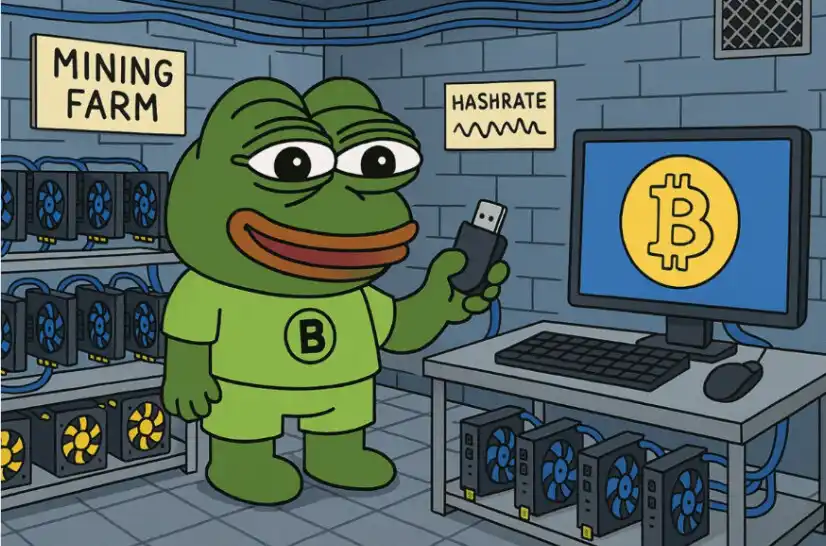
From Libya to Iran: Nations in Blackout, Bitcoin Miners Uninterrupted

marsbitPubblicato 2026-02-02Pubblicato ultima volta 2026-02-02

Introduzione

From Libya to Iran: Nations in Darkness, Bitcoin Miners That Never Stop In the summer of 2025, Tehran and other parts of Iran faced extreme heat and severe power outages, forcing government offices and schools to shut down. Hospitals relied on diesel generators to keep life-saving equipment running. Yet, behind city walls, rows of Bitcoin mining machines continued operating at full capacity, almost never losing power. Similarly, in Libya, residents endure daily blackouts of 6 to 8 hours, while unauthorized mining farms in abandoned industrial sites run non-stop, using some of the world’s cheapest electricity—subsidized as low as $0.004 per kWh—to mine Bitcoin, often with outdated equipment smuggled into the country. This reflects one of the 21st century’s starkest energy paradoxes: in nations crippled by sanctions and civil conflict, electricity is no longer just a public service but a form of “exportable” hard currency. In Iran, mining was legalized in 2019 as a state strategy to bypass international financial sanctions. Miners were required to sell mined Bitcoin to the central bank. However, an estimated 85% of mining occurred illegally or semi-legally, often with ties to powerful entities. Despite temporary bans and crackdowns, mining rebounded quickly, draining the national grid and worsening public power shortages. Libya, fragmented since the fall of Gaddafi, lacks coherent regulation. Although cryptocurrency transactions and mining imports are officially banned, en...

On a summer night in Tehran, the heatwave felt like an airtight net, making it hard to breathe.

Amid the recurring power crises of recent years, the summer of 2025 became the most unbearable moment for this Iranian capital; that year, the city experienced one of the most extreme high temperatures in nearly half a century, with the mercury repeatedly breaking 40 degrees Celsius. Power rationing was enforced in 27 provinces, and numerous government offices and schools were shut down. In local hospitals, doctors had to rely on diesel generators to maintain power—if the blackout lasted too long, ventilators in the ICU could stop working.

But on the city's outskirts, behind walls, another sound was sharper: the deafening roar of industrial fans, rows of Bitcoin miners running at full capacity; large and small LED indicators twinkled like a sea of stars in the dark, and here, the power almost never went out.

On the other side of the Mediterranean, in the North African nation of Libya, the same scene plays out daily. Residents in the eastern region have long grown accustomed to daily rotating blackouts of 6 to 8 hours; food in refrigerators often spoils, children do homework by candlelight. But in abandoned steel mills outside the city, smuggled-in old mining rigs run nonstop, converting the country's nearly free electricity into Bitcoin, which is then exchanged for dollars through cryptocurrency exchanges.

This is one of the most absurd energy stories of the 21st century: in two nations battered by sanctions and civil war, electricity is no longer just a public service but is treated as a form of "exportable" hard currency.
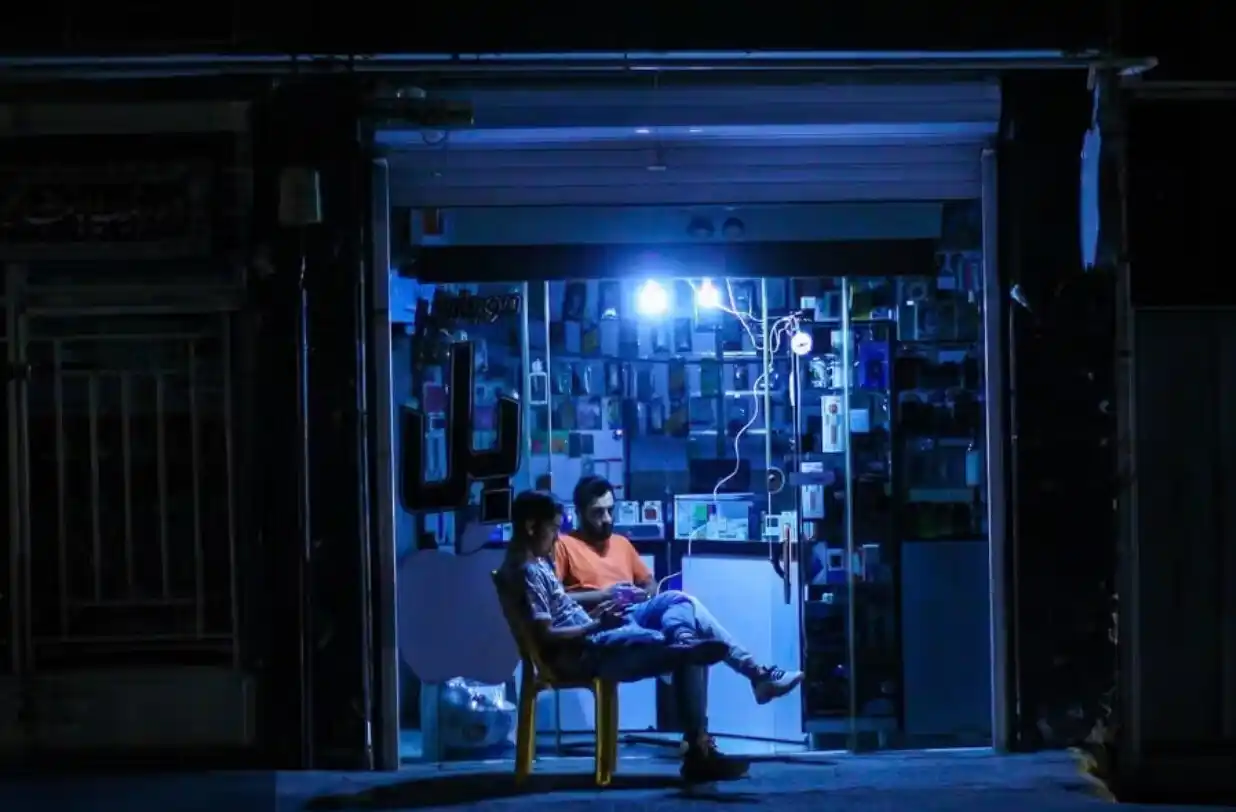
Image description: Two Iranian men sit outside their mobile phone shop, with only emergency lights on inside, as a power cut leaves the street in darkness.

Chapter One: Power Run: When Energy Becomes a Financial Tool
Bitcoin mining is, at its core, an energy arbitrage game. Anywhere in the world, if the electricity price is low enough, mining can be profitable. In Texas or Iceland, mine operators meticulously calculate the cost per kilowatt-hour; only the latest generation of efficient miners can survive the competition. But in Iran and Libya, the rules of the game are entirely different.

Iran's industrial electricity price is as low as $0.01 per kWh, Libya's is even more extreme—at approximately $0.004 per kWh, it is one of the lowest electricity prices in the world. Such low prices are possible due to massive government subsidies on fuel and artificially suppressed electricity tariffs. In a normal market, these prices wouldn't even cover the cost of generation.

But for miners, this is paradise. Even old mining rigs淘汰 from China or Kazakhstan—equipment long considered electronic waste in developed countries—can still turn an easy profit here. According to official data, in 2021, Libya's Bitcoin hash rate一度 accounted for about 0.6% of the global total, surpassing all other Arab and African countries and even some European economies.

This figure might seem small, but in Libya's context, it is absurd. This is a country of only 7 million people, with a grid loss rate as high as 40%, where daily rotating blackouts are the norm. At its peak, Bitcoin mining consumed about 2% of the country's total electricity generation, equivalent to 0.855 terawatt-hours (TWh) annually.

In Iran, the situation is even more extreme. The country possesses the world's fourth-largest oil reserves and second-largest natural gas reserves; theoretically, it should not lack power. But U.S. sanctions have cut off its access to advanced power generation equipment and technology, coupled with an aging grid and chaotic management, leaving Iran's power supply perpetually strained. The explosive growth of Bitcoin mining is pulling this taut string to its limit.

This is not ordinary industrial expansion. It is a run on a public resource—when electricity is treated as "hard currency" that can bypass the financial system, it no longer优先 flows to hospitals, schools, and residents, but to the mining rigs that can convert it into dollars.

Chapter Two: Two Countries, A Tale of Dual Mining

Iran: From "Exporting Energy" to "Exporting Hash Rate"
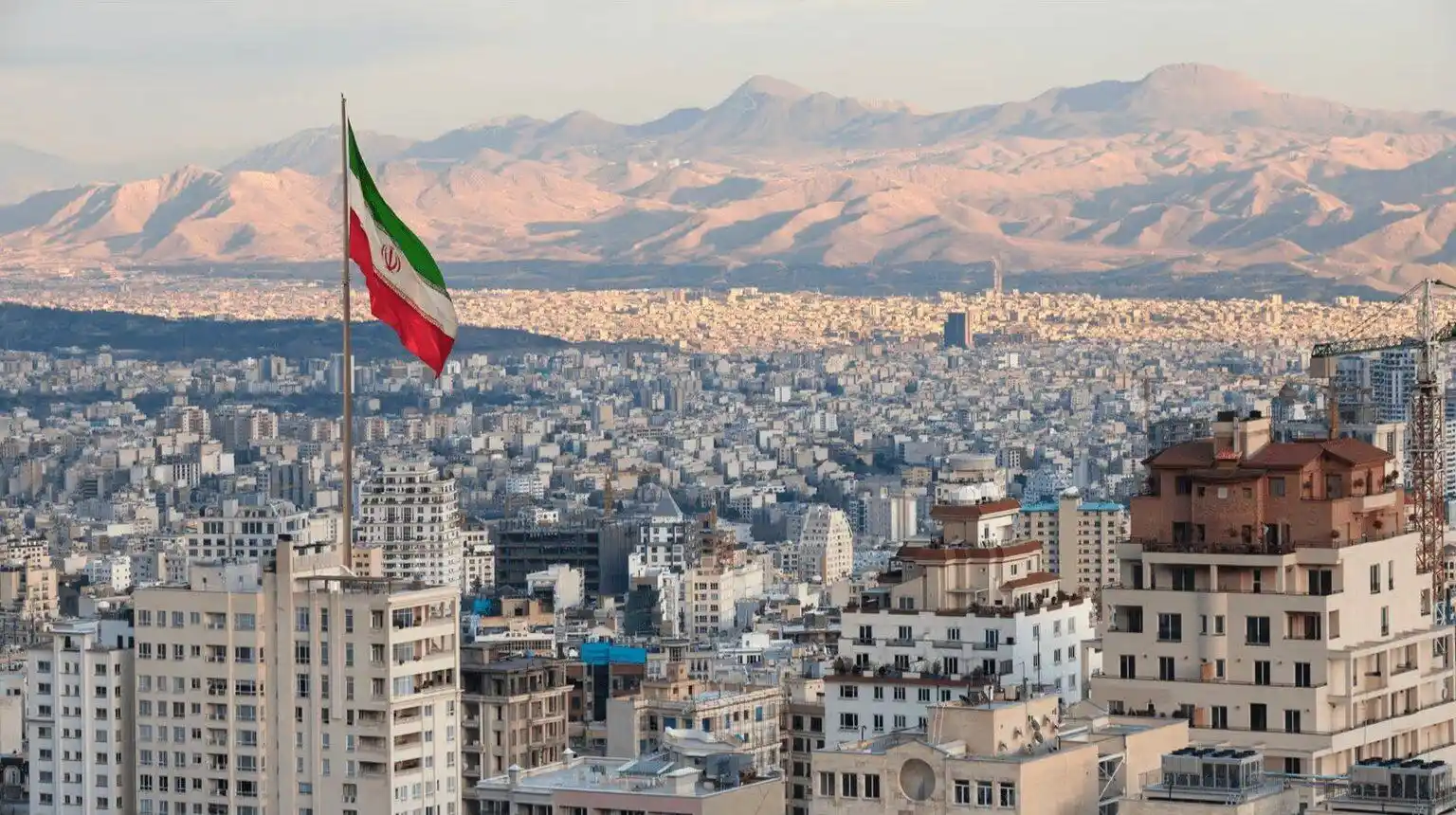
Under extreme sanction pressure, Iran chose to legalize Bitcoin mining, converting its cheap domestic electricity into globally tradable digital assets.

In 2018, the Trump administration withdrew from the Iran nuclear deal and reimposed "maximum pressure" sanctions. Iran was kicked out of the SWIFT international settlement system, unable to use dollars for international trade. Oil exports plummeted, foreign exchange dried up. In this context, Bitcoin mining恰好 provided a "energy monetization" side door: no need for SWIFT, no correspondent banks, just electricity, mining rigs, and a pipeline to sell the coins.

In 2019, the Iranian government formally recognized cryptocurrency mining as a legal industry and established a licensing system. The policy design seemed "modern": miners could apply for licenses, operate mines at preferential electricity rates, but had to sell the mined Bitcoin to the Central Bank of Iran.

In theory, this was a triple-win solution—the state exchanges cheap electricity for Bitcoin, then uses Bitcoin for foreign exchange or imports; miners get stable profits; grid load can be planned and regulated.

However, reality soon veered off course: Licenses existed, but the gray area was vast.

By 2021, then-President Rouhani publicly admitted that about 85% of Iran's mining activity was unlicensed; underground mines sprang up like mushrooms, from abandoned factories to mosque basements, from government office buildings to ordinary homes, mining rigs were everywhere. The deeper the electricity subsidy, the stronger the arbitrage motive; the looser the regulation, the more stealing electricity resembled a "default benefit."

Facing worsening power crises and illegal mining consuming over 2 gigawatts, the Iranian government announced a temporary ban on all cryptocurrency mining activities from May to September that year, for 4 months. This was the toughest nationwide ban since legalization in 2019.

During this period, the government organized large-scale raids: the Ministry of Energy, police, and local authorities stormed thousands of illegal mines, confiscating tens of thousands of mining machines in the second half of 2021 alone.

Yet after the ban ended, mining activity quickly rebounded. Many confiscated miners were put back into use, the scale of underground mines不减反增. This "crackdown" was seen by the public as a brief performance:表面上 cracking down on illegality, but in reality failing to address the deep-seated problems, instead allowing some well-connected mines to expand趁机.

More critically, multiple investigations and reports pointed out that entities closely linked to power structures had大规模介入 this industry, forming "privileged mines" enjoying independent power supply and law enforcement immunity.

When mines are backed by "untouchable hands," so-called crackdowns become political theater; and the public narrative is sharper: "We endure the darkness, just to keep the Bitcoin machines running."

Source: Financial Times

Libya: Cheap Power, Shadow Mining
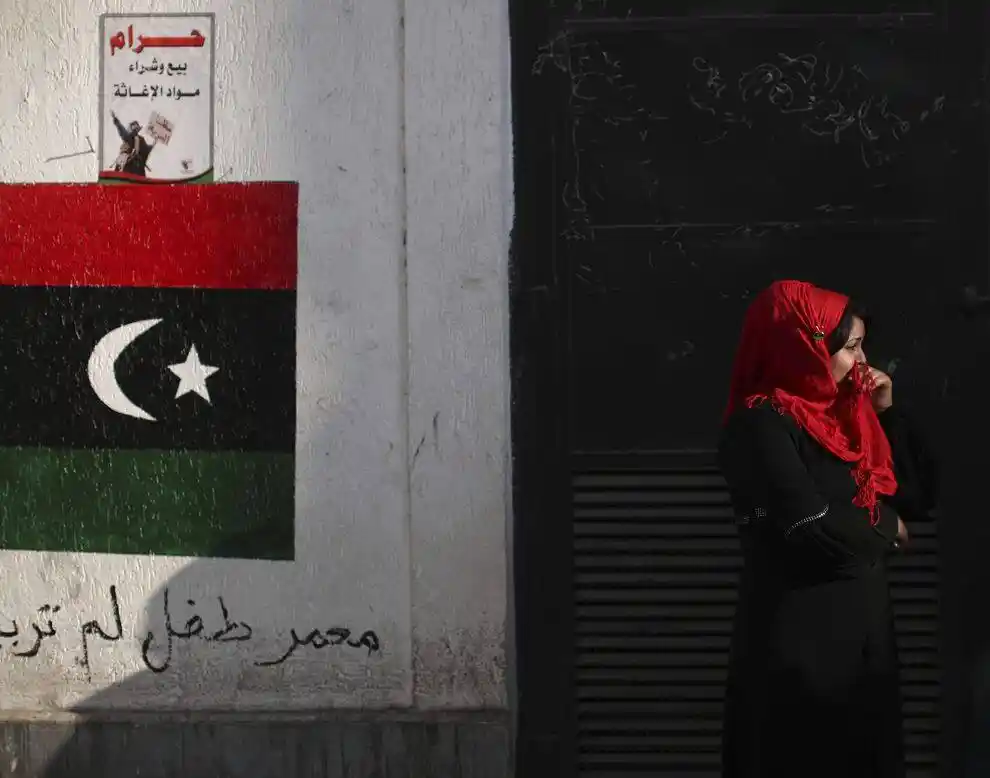
A wall graffiti in Libya condemns "buying and selling relief materials is illegal," reflecting public moral anger over unfair resource distribution—similar sentiments simmer quietly in the context of electricity subsidies being diverted for mining.

Libya's mining script is more like "wild growth in the absence of institutions."

Libya, this North African country (population approx. 7.3-7.5 million, area nearly 1.76 million sq km, the fourth largest country in Africa by area) on the southern Mediterranean coast, borders Egypt, Tunisia, Algeria, and others. Since the fall of Gaddafi's regime in 2011, the country has been mired in prolonged turmoil: recurring civil war, myriad armed factions, severely分裂 state institutions, creating a state of "managed fragmentation" (where violence levels are relatively controlled, but unified governance is absent).

What truly propelled Libya into a mining hotspot is its absurd electricity price structure. As one of Africa's largest oil producers, the Libyan government has long provided massive subsidies on electricity, keeping it at around $0.0040 per kWh—a price even lower than the fuel cost of generation. In a normal country, such subsidies are meant to safeguard people's livelihoods. But in Libya, it became a huge arbitrage opportunity.

Thus, a classic arbitrage model emerged:

  • Old mining rigs淘汰 in Europe and America can still be profitable in Libya;
  • Industrial zones, abandoned factories, warehouses are naturally suited to hide high electricity loads;
  • Equipment imports are restricted, but gray channels and smuggling keep machines coming in;

Although the Central Bank of Libya (CBL) declared virtual currency transactions illegal in 2018, and the Ministry of Economy banned the import of mining equipment in 2022, mining itself has not been explicitly prohibited by national law. Enforcement often relies on peripheral charges like "illegal electricity use" or "smuggling," and is ineffective in the reality of fragmented power, allowing the gray zone to persist and expand.

This state of "banned but not eradicated" is a typical manifestation of power fragmentation—decrees from the Central Bank and Ministry of Economy are often难以执行 in eastern Benghazi or southern regions. Local militias or armed groups sometimes even tacitly allow or protect mines, leading to wild growth in the gray zone.
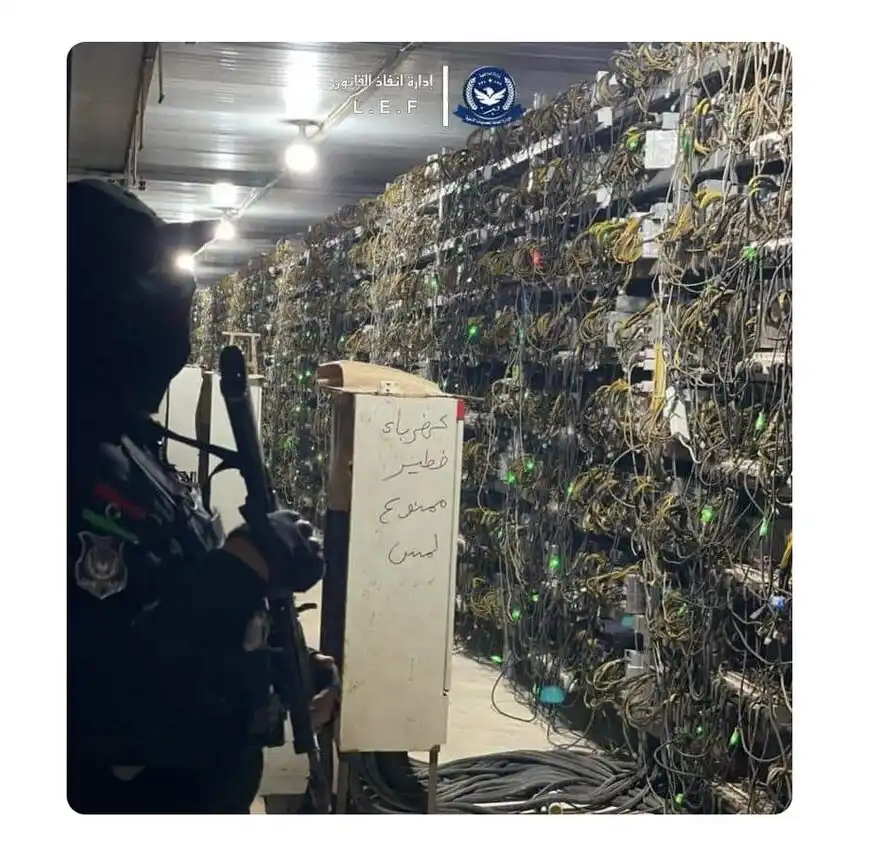
Source: @emad_badi

Even more absurd is that a significant portion of these mines are operated by foreigners. In November 2025, a Libyan prosecutor sentenced 9 people operating a mine inside the Zliten steel mill to three years in prison, confiscated equipment, and追缴 illegal proceeds. In previous raids, dozens of Asian nationals were arrested operating industrial-scale mines using old rigs淘汰 from China or Kazakhstan.

This old equipment早已无利可图 in developed countries, but in Libya, it's still a money printer. Because electricity is so cheap, even the least efficient miners can be profitable. This is why Libya has become the resurrection ground for the global "miner graveyard"—electronic waste淘汰 in Texas or Iceland finds a second life here.

Chapter Three: Collapsing Grids and Energy Privatization

Iran and Libya took two different paths: one tried to incorporate Bitcoin mining into the state apparatus, the other long let it drift in the shadows of the system. But the destination is the same—widening grid deficits, and the political consequences of resource allocation are beginning to show.

This is not merely a technical failure, but a result of political economy. Subsidized electricity creates the illusion that "electricity is cheap"; mining provides the temptation that "electricity can be monetized"; and the power structure determines who can cash in on this temptation.

When mining rigs share the same grid as hospitals, factories, and residents, the conflict is no longer abstract. Blackouts damage not just refrigerators and air conditioners, but also operating lights, blood bank refrigerators, and industrial production lines. Every blackout is a silent scrutiny of how public resources are allocated.

The problem is that the profits from mining are highly "portable." Electricity is local, its cost borne by society; Bitcoin is global, its value can be transferred instantly. The result is an extremely asymmetric structure: society bears the power consumption and blackouts, a few reap the cross-border mobile profits.

In countries with sound institutions and abundant energy, Bitcoin mining is usually discussed as an industrial activity; but in countries like Iran and Libya, the nature of the question itself changes.

Emerging Industry, or Resource Plunder?

Globally, Bitcoin mining is seen as an emerging industry, even a symbol of the "digital economy." But in the cases of Iran and Libya, it more closely resembles an experiment in the privatization of public resources.

If it were an industry, it should at least create jobs, pay taxes, accept regulation, and bring net benefits to society. But in these two countries, mining is highly automated, creating almost no jobs; a large number of mines are illegal or semi-legal, their tax contributions are limited, and even licensed mines lack transparency in where their profits flow.

Cheap electricity originally existed to safeguard people's livelihoods. In Iran, energy subsidies have been part of the "social contract" since the Islamic Revolution—the government uses oil revenues to subsidize electricity, and the people accept authoritarian rule. In Libya, electricity subsidies are also core to the welfare system inherited from the Gaddafi era.

But when these subsidies are used for Bitcoin mining, their nature fundamentally changes. Electricity is no longer a public service, but a means of production used by a few to create private wealth. Ordinary citizens not only do not benefit from it, but actually pay the price—more frequent blackouts, higher costs for diesel generators, and more fragile medical and educational services.

More importantly, mining does not bring real foreign exchange income to these countries. In theory, the Iranian government requires miners to sell Bitcoin to the central bank, but the actual implementation is questionable. In Libya, there is no such mechanism. Most Bitcoin is exchanged for dollars or other currencies on foreign exchanges, then流出 through underground banks or cryptocurrency channels. These funds neither enter the state treasury nor flow back into the real economy; they become the wealth of a few individuals.

In this sense, Bitcoin mining更像 a new form of "resource curse." It does not create wealth through production and innovation, but rather extracts public resources by leveraging price distortions and institutional loopholes. And those who pay the price are often the most vulnerable groups.

Conclusion: The True Cost of One Bitcoin

In a world of increasingly scarce resources, electricity is no longer just a tool to illuminate darkness, but a commodity that can be transformed, traded, and even plundered. When a nation "exports" electricity as "hard currency," it is essentially consuming the future meant for people's livelihoods and development.

The issue is not Bitcoin itself, but who controls the allocation of public resources. When this power lacks constraints, the so-called "industry" becomes just another form of plunder.

And those sitting in the darkness are still waiting for the lights to come back on.

"Not everything that is faced can be changed, but nothing can be changed until it is faced."

Domande pertinenti

QWhat is the core paradox highlighted in the article regarding electricity and Bitcoin mining in Iran and Libya?

AThe core paradox is that while the general population in Iran and Libya suffers from frequent and severe power outages, affecting hospitals, schools, and daily life, Bitcoin mining operations continue to run almost uninterrupted, consuming significant portions of the national power supply to generate a privately held, exportable digital asset.

QHow did the government of Iran attempt to regulate and benefit from Bitcoin mining, and what was the outcome?

AIn 2019, the Iranian government legalized cryptocurrency mining, established a licensing system, and required miners to sell their mined Bitcoin to the central bank. The intended outcome was a 'win-win' where the state could monetize its cheap electricity for foreign exchange. However, the reality was that an estimated 85% of mining remained unlicensed and illegal. A temporary ban and crackdowns failed to stop the activity, which rebounded afterward, with well-connected entities often operating with impunity.

QWhy is Libya, a country with a fragmented government and daily power cuts, an attractive location for Bitcoin mining?

ALibya is attractive due to its extremely low, heavily subsidized electricity price (approximately $0.004 per kWh), which is among the cheapest in the world. This makes it profitable to run even old, inefficient mining rigs that are obsolete in other countries. The lack of unified national governance and enforcement of bans allows mining to persist in a legal gray area, often protected by local militias.

QWhat is the fundamental economic and social problem created by Bitcoin mining in the context of these two nations?

AThe fundamental problem is the asymmetric distribution of costs and benefits. The cost of electricity (heavily subsidized by the state) and the social cost of frequent blackouts are borne by the public, affecting essential services like healthcare and education. Meanwhile, the profits from converting that electricity into Bitcoin are highly portable and are largely captured by a few private actors, often flowing out of the country without contributing to the national economy or tax base, resembling a form of resource掠夺 (plunder).

QAccording to the article, how does Bitcoin mining in Iran and Libya differ from how it is perceived in countries with robust institutions and ample energy?

AIn countries with robust institutions and ample energy, Bitcoin mining is typically discussed as an industrial activity or part of the digital economy. In Iran and Libya, however, it is less an industry and more a mechanism for the privatization and exploitation of a public resource. It creates few jobs, contributes little in taxes, operates largely outside of effective regulation, and ultimately functions as a form of resource extraction that benefits a privileged few at the expense of the broader population's well-being.

Letture associate

Trading

Spot
Futures

Articoli Popolari

Cosa è BITCOIN

Comprendere HarryPotterObamaSonic10Inu (ERC-20) e la sua posizione nel mondo delle criptovalute Negli ultimi anni, il mercato delle criptovalute ha assistito a un aumento della popolarità delle meme coin, catturando l'interesse non solo dei trader, ma anche di coloro che cercano coinvolgimento comunitario e valore di intrattenimento. Tra questi token unici c'è HarryPotterObamaSonic10Inu (ERC-20), un progetto intrigante che mescola riferimenti culturali nel tessuto delle criptovalute. Questo articolo esplora gli aspetti chiave di HarryPotterObamaSonic10Inu, analizzando i suoi meccanismi, l'etica guidata dalla comunità e il suo coinvolgimento con il panorama crittografico più ampio. Che cos'è HarryPotterObamaSonic10Inu (ERC-20)? Come suggerisce il suo nome, HarryPotterObamaSonic10Inu è una meme coin costruita sulla blockchain di Ethereum, classificata secondo lo standard ERC-20. A differenza delle criptovalute tradizionali che possono enfatizzare l'utilità pratica o il potenziale investimento, questo token prospera grazie al valore di intrattenimento e alla forza della sua comunità. Il progetto mira a creare un ambiente in cui gli utenti coinvolti possono riunirsi, condividere idee e partecipare ad attività ispirate a diversi fenomeni culturali. Una caratteristica notevole di HarryPotterObamaSonic10Inu è la zero tassa sulle transazioni. Questo elemento allettante tende a incoraggiare il trading e il coinvolgimento della comunità, privo di costi aggiuntivi che possono scoraggiare i trader di piccole dimensioni. L'offerta totale della moneta è fissata a un miliardo di token, un numero che segna la sua intenzione di mantenere una circolazione sostanziale all'interno della comunità. Creatore di HarryPotterObamaSonic10Inu (ERC-20) Le origini di HarryPotterObamaSonic10Inu sono avvolte in un certo mistero; i dettagli sul creatore rimangono sconosciuti. Lo sviluppo di questo token non presenta un team identificabile o un piano esplicito, cosa non rara nel settore delle meme coin. Invece, il progetto è emerso organicamente, con il suo progresso fortemente dipendente dall'entusiasmo e dalla partecipazione della sua comunità. Investitori di HarryPotterObamaSonic10Inu (ERC-20) Per quanto riguarda investimenti esterni e finanziamenti, HarryPotterObamaSonic10Inu rimane ambiguo. Il token non elenca alcuna fondazione di investimento conosciuta o un sostegno organizzativo significativo. Invece, la linfa vitale del progetto è la sua comunità di base, che informa la sua crescita e sostenibilità attraverso azioni collettive e coinvolgimento nello spazio crittografico. Come funziona HarryPotterObamaSonic10Inu (ERC-20)? In quanto meme coin, HarryPotterObamaSonic10Inu opera principalmente al di fuori delle strutture tradizionali che governano spesso il valore degli asset. Ci sono diversi aspetti distintivi che definiscono il funzionamento del progetto: Transazioni senza tasse: Senza costi fiscali sulle transazioni, gli utenti possono comprare e vendere liberamente il token senza preoccuparsi di costi nascosti. Coinvolgimento della comunità: Il progetto prospera sull'interazione della comunità, sfruttando le piattaforme social per creare entusiasmo e facilitare il coinvolgimento. Discussioni, condivisione di contenuti e coinvolgimento sono elementi cruciali che aiutano ad espandere la sua portata e a favorire la lealtà tra i sostenitori. Nessuna utilità pratica: Va notato che HarryPotterObamaSonic10Inu non offre un'utilità concreta all'interno dell'ecosistema finanziario. Piuttosto, è classificato come un token principalmente per attività di intrattenimento e comunitarie. Riferimento culturale: Il token incorpora astutamente elementi della cultura pop per attirare interesse, collegandosi a appassionati di meme e seguaci delle criptovalute. HarryPotterObamaSonic10Inu esemplifica come le meme coin operino in modo diverso rispetto ai progetti di criptovalute più tradizionali, entrando nel mercato come costrutti sociali innovativi piuttosto che come asset utilitari. Cronologia di HarryPotterObamaSonic10Inu (ERC-20) La storia di HarryPotterObamaSonic10Inu è segnata da diversi traguardi notevoli: Creazione: Il token è emerso da un meme virale, catturando l'immaginazione di molti appassionati di criptovalute. Le date di creazione specifiche non sono disponibili, sottolineando la sua crescita organica. Inserimento negli scambi: HarryPotterObamaSonic10Inu ha fatto il suo ingresso in vari scambi, consentendo un accesso e un trading più facili da parte della comunità. Iniziative di coinvolgimento della comunità: Attività in corso volte a migliorare l'interazione della comunità, comprese gare, campagne sui social media e generazione di contenuti da parte di fan e sostenitori. Piani di espansione futura: La tabella di marcia del progetto include il lancio di una collezione NFT, merchandising e un sito di eCommerce relativo ai suoi temi culturali, coinvolgendo ulteriormente la comunità e cercando di aggiungere più dimensioni al suo ecosistema. Punti chiave su HarryPotterObamaSonic10Inu (ERC-20) Natura guidata dalla comunità: Il progetto dà priorità al contributo collettivo e alla creatività, garantendo che il coinvolgimento degli utenti sia al centro del suo sviluppo. Classificazione come meme coin: Rappresenta l'epitome delle criptovalute basate sull'intrattenimento, distinguendosi dai veicoli d'investimento tradizionali. Nessuna affiliazione diretta con Bitcoin: Nonostante la somiglianza nel nome del ticker, HarryPotterObamaSonic10Inu è distintivo e non ha alcuna relazione con Bitcoin o altre criptovalute consolidate. Focus sulla collaborazione: HarryPotterObamaSonic10Inu è progettato per creare uno spazio per la collaborazione e la condivisione di storie tra i suoi detentori, fornendo un canale per la creatività e il legame comunitario. Prospettive future: L'ambizione di espandersi oltre il suo presupposto iniziale verso NFT e merchandising delinea un percorso per il progetto per potenzialmente entrare in strade più mainstream all'interno della cultura digitale. Poiché le meme coin continuano a catturare l'immaginazione della comunità crittografica, HarryPotterObamaSonic10Inu (ERC-20) si distingue per i suoi legami culturali e il suo approccio centrato sulla comunità. Anche se potrebbe non adattarsi al modello tipico di un token orientato all'utilità, la sua essenza risiede nella gioia e nella camaraderia coltivate tra i suoi sostenitori, evidenziando la natura in evoluzione delle criptovalute in un'epoca sempre più digitale. Con la continuazione dello sviluppo del progetto, sarà importante osservare come le dinamiche della comunità influenzano la sua traiettoria nel panorama in continuo cambiamento della tecnologia blockchain.

1.2k Totale visualizzazioniPubblicato il 2024.04.01Aggiornato il 2024.12.03

Cosa è BITCOIN

Come comprare BTC

Benvenuto in HTX.com! Abbiamo reso l'acquisto di Bitcoin (BTC) semplice e conveniente. Segui la nostra guida passo passo per intraprendere il tuo viaggio nel mondo delle criptovalute.Step 1: Crea il tuo Account HTXUsa la tua email o numero di telefono per registrarti il tuo account gratuito su HTX. Vivi un'esperienza facile e sblocca tutte le funzionalità,Crea il mio accountStep 2: Vai in Acquista crypto e seleziona il tuo metodo di pagamentoCarta di credito/debito: utilizza la tua Visa o Mastercard per acquistare immediatamente BitcoinBTC.Bilancio: Usa i fondi dal bilancio del tuo account HTX per fare trading senza problemi.Terze parti: abbiamo aggiunto metodi di pagamento molto utilizzati come Google Pay e Apple Pay per maggiore comodità.P2P: Fai trading direttamente con altri utenti HTX.Over-the-Counter (OTC): Offriamo servizi su misura e tassi di cambio competitivi per i trader.Step 3: Conserva Bitcoin (BTC)Dopo aver acquistato Bitcoin (BTC), conserva nel tuo account HTX. In alternativa, puoi inviare tramite trasferimento blockchain o scambiare per altre criptovalute.Step 4: Scambia Bitcoin (BTC)Scambia facilmente Bitcoin (BTC) nel mercato spot di HTX. Accedi al tuo account, seleziona la tua coppia di trading, esegui le tue operazioni e monitora in tempo reale. Offriamo un'esperienza user-friendly sia per chi ha appena iniziato che per i trader più esperti.

3.6k Totale visualizzazioniPubblicato il 2024.12.12Aggiornato il 2025.03.21

Come comprare BTC

Cosa è $BITCOIN

ORO DIGITALE ($BITCOIN): Un'Analisi Completa Introduzione all'ORO DIGITALE ($BITCOIN) L'ORO DIGITALE ($BITCOIN) è un progetto basato su blockchain che opera sulla rete Solana, con l'obiettivo di combinare le caratteristiche dei metalli preziosi tradizionali con l'innovazione delle tecnologie decentralizzate. Sebbene condivida un nome con Bitcoin, spesso definito “oro digitale” a causa della sua percezione come riserva di valore, l'ORO DIGITALE è un token separato progettato per creare un ecosistema unico all'interno del panorama Web3. Il suo obiettivo è posizionarsi come un asset digitale alternativo valido, anche se i dettagli riguardanti le sue applicazioni e funzionalità sono ancora in fase di sviluppo. Cos'è l'ORO DIGITALE ($BITCOIN)? L'ORO DIGITALE ($BITCOIN) è un token di criptovaluta esplicitamente progettato per l'uso sulla blockchain di Solana. A differenza di Bitcoin, che fornisce un ruolo di stoccaggio di valore ampiamente riconosciuto, questo token sembra concentrarsi su applicazioni e caratteristiche più ampie. Aspetti notevoli includono: Infrastruttura Blockchain: Il token è costruito sulla blockchain di Solana, nota per la sua capacità di gestire transazioni ad alta velocità e a basso costo. Dinamiche di Offerta: L'ORO DIGITALE ha un'offerta massima fissata a 100 quadrilioni di token (100P $BITCOIN), sebbene i dettagli riguardanti la sua offerta circolante siano attualmente non divulgati. Utilità: Sebbene le funzionalità precise non siano esplicitamente delineate, ci sono indicazioni che il token potrebbe essere utilizzato per varie applicazioni, potenzialmente coinvolgendo applicazioni decentralizzate (dApp) o strategie di tokenizzazione degli asset. Chi è il Creatore dell'ORO DIGITALE ($BITCOIN)? Attualmente, l'identità dei creatori e del team di sviluppo dietro l'ORO DIGITALE ($BITCOIN) rimane sconosciuta. Questa situazione è tipica tra molti progetti innovativi nel settore blockchain, in particolare quelli allineati con la finanza decentralizzata e i fenomeni delle meme coin. Sebbene tale anonimato possa favorire una cultura guidata dalla comunità, intensifica le preoccupazioni riguardo alla governance e alla responsabilità. Chi sono gli Investitori dell'ORO DIGITALE ($BITCOIN)? Le informazioni disponibili indicano che l'ORO DIGITALE ($BITCOIN) non ha alcun sostenitore istituzionale noto o investimenti di venture capital prominenti. Il progetto sembra operare su un modello peer-to-peer incentrato sul supporto e sull'adozione della comunità piuttosto che su percorsi di finanziamento tradizionali. La sua attività e liquidità si trovano principalmente su exchange decentralizzati (DEX), come PumpSwap, piuttosto che su piattaforme di trading centralizzate consolidate, evidenziando ulteriormente il suo approccio di base. Come Funziona l'ORO DIGITALE ($BITCOIN) Le meccaniche operative dell'ORO DIGITALE ($BITCOIN) possono essere elaborate in base al suo design blockchain e alle caratteristiche della rete: Meccanismo di Consenso: Sfruttando il proof-of-history (PoH) unico di Solana combinato con un modello di proof-of-stake (PoS), il progetto garantisce una validazione efficiente delle transazioni contribuendo all'alta performance della rete. Tokenomics: Sebbene meccanismi deflazionistici specifici non siano stati dettagliati ampiamente, l'ampia offerta massima di token implica che potrebbe soddisfare microtransazioni o casi d'uso di nicchia che devono ancora essere definiti. Interoperabilità: Esiste il potenziale per l'integrazione con l'ecosistema più ampio di Solana, inclusi vari piattaforme di finanza decentralizzata (DeFi). Tuttavia, i dettagli riguardanti integrazioni specifiche rimangono non specificati. Cronologia degli Eventi Chiave Ecco una cronologia che evidenzia traguardi significativi riguardanti l'ORO DIGITALE ($BITCOIN): 2023: Il dispiegamento iniziale del token avviene sulla blockchain di Solana, contrassegnato dal suo indirizzo di contratto. 2024: L'ORO DIGITALE guadagna visibilità poiché diventa disponibile per il trading su exchange decentralizzati come PumpSwap, consentendo agli utenti di scambiarlo contro SOL. 2025: Il progetto assiste a un'attività di trading sporadica e a un potenziale interesse per impegni guidati dalla comunità, sebbene non siano state documentate partnership significative o avanzamenti tecnici fino ad ora. Analisi Critica Punti di Forza Scalabilità: L'infrastruttura sottostante di Solana supporta alti volumi di transazioni, il che potrebbe migliorare l'utilità di $BITCOIN in vari scenari di transazione. Accessibilità: Il potenziale basso prezzo di trading per token potrebbe attrarre investitori al dettaglio, facilitando una partecipazione più ampia grazie a opportunità di proprietà frazionata. Rischi Mancanza di Trasparenza: L'assenza di sostenitori, sviluppatori o di un processo di audit pubblicamente noti potrebbe generare scetticismo riguardo alla sostenibilità e all'affidabilità del progetto. Volatilità del Mercato: L'attività di trading è fortemente dipendente dal comportamento speculativo, il che può comportare una significativa volatilità dei prezzi e incertezze per gli investitori. Conclusione L'ORO DIGITALE ($BITCOIN) emerge come un progetto intrigante ma ambiguo all'interno dell'evolvente ecosistema di Solana. Sebbene tenti di sfruttare la narrativa dell'“oro digitale”, la sua partenza dal ruolo consolidato di Bitcoin come riserva di valore sottolinea la necessità di una chiara differenziazione della sua utilità e struttura di governance. L'accettazione e l'adozione future dipenderanno probabilmente dall'affrontare l'attuale opacità e dalla definizione più esplicita delle sue strategie operative ed economiche. Nota: Questo rapporto comprende informazioni sintetizzate disponibili a ottobre 2023, e potrebbero essersi verificati sviluppi oltre il periodo di ricerca.

99 Totale visualizzazioniPubblicato il 2025.05.13Aggiornato il 2025.05.13

Cosa è $BITCOIN

Discussioni

Benvenuto nella Community HTX. Qui puoi rimanere informato sugli ultimi sviluppi della piattaforma e accedere ad approfondimenti esperti sul mercato. Le opinioni degli utenti sul prezzo di BTC BTC sono presentate come di seguito.

活动图片














