Former "NFT Chain" Spends $250 Million to Compete with Stripe and Circle

比推Pubblicato 2026-01-20Pubblicato ultima volta 2026-01-20

Introduzione

Polygon Labs has acquired Coinme and Sequence for over $250 million, positioning itself as a "stablecoin rail" competitor to Stripe and Circle. Coinme, a licensed money transmitter in 48 U.S. states, provides a compliant fiat on-ramp via a vast cash-to-crypto network. Sequence offers smart wallet infrastructure that abstracts blockchain complexities for end-users. Together, these acquisitions enable Polygon to offer a full-stack solution for stablecoin payments, combining regulatory access, user-friendly technology, and physical cash integration. This strategy aims to capture value in the growing stablecoin payment market, competing with closed ecosystems like Circle’s Arc and service-oriented platforms like Stripe’s Tempo, while avoiding the token economic pitfalls seen in projects like Tether’s Plasma.

Source: Fintech Blueprint

Author: Laurence Smith

Original Title: DeFi: Polygon’s $250MM play for the Stablecoin Rails, competing with Stripe

Compiled and Arranged by: BitpushNews


Polygon Labs has acquired Coinme and Sequence for over $250 million.
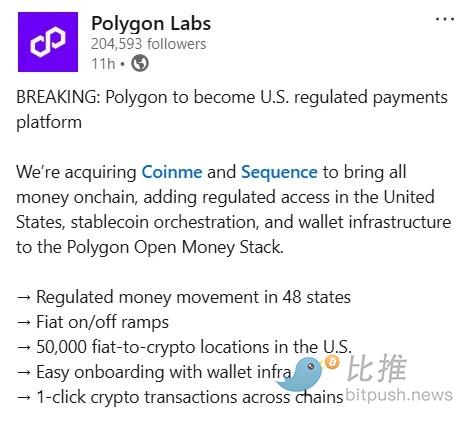
Founded in 2014, Coinme is a compliance and physical bridge in the payments space. It operates one of the largest licensed cash-to-cryptocurrency networks in the United States, covering over 50,000 retail locations (including Coinstar kiosks), where users can exchange cash for digital assets.

More importantly, Coinme holds Money Transmitter Licenses (MTL) in 48 states, which can be embedded into diverse user experiences. For comparison, Alpaca Markets recently raised $150 million at a valuation exceeding $1 billion, with its business focused on embedded crypto asset and stock trading services.
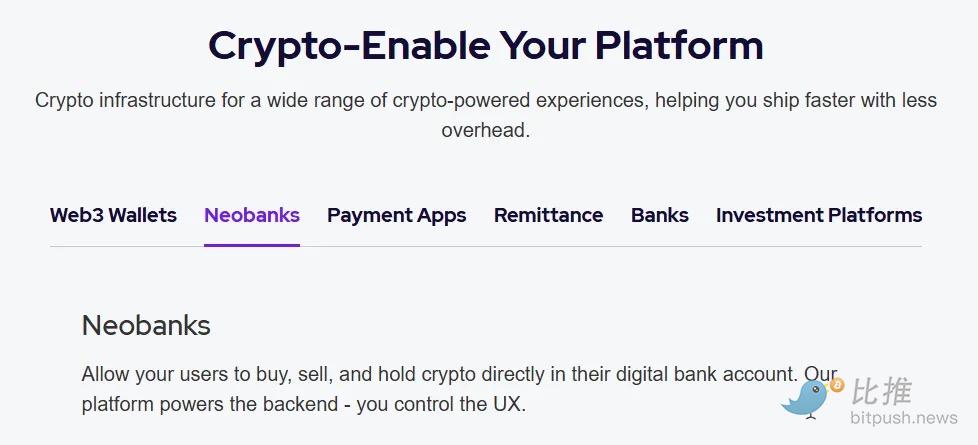
Under the current U.S. regulatory environment, particularly the "Genius Act," licenses are a key prerequisite for generating revenue. MTLs are necessary to access the Federal Reserve payment system and avoid legal risks associated with unauthorized banking activities. By acquiring Coinme, Polygon directly gains market access, enabling it to handle fiat and stablecoin conversions without relying on third-party banking partners (which may terminate relationships with crypto businesses at any time).

Sequence addresses the second obstacle: user experience.

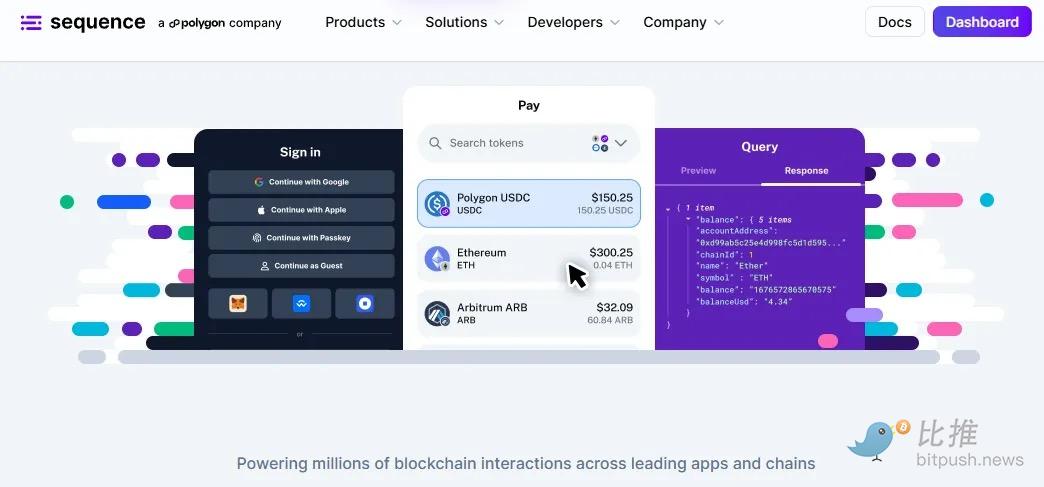
Polygon provides the underlying ledger, while Sequence offers smart wallet infrastructure. Its technology uses account abstraction to hide the complexities of blockchain (gas fees, private keys, cross-chain bridging), so end-users don't even need to be aware of the blockchain's existence. Its "Trails" coordination engine supports one-click payments, requiring no technical knowledge from the user.
Strategic Positioning: Becoming the "Stablecoin Public Chain"
Polygon's ultimate goal is to transform into a stablecoin public chain. The most direct comparison is the Stripe ecosystem: Polygon is analogous to Tempo (which raised $500 million), Sequence is analogous to Privvy (acquired by Stripe), and Coinme is analogous to Bridge (also acquired by Stripe).

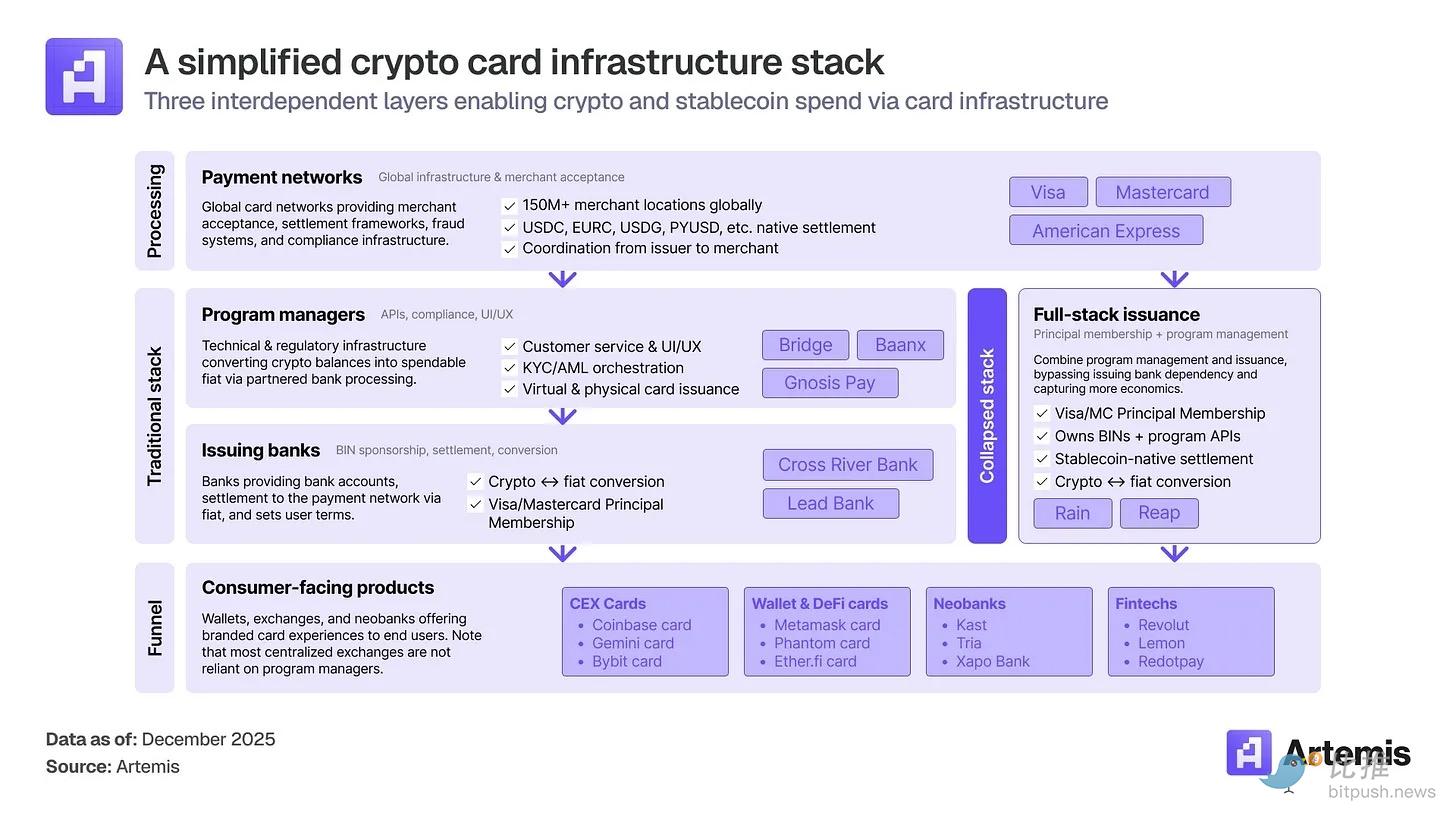
This move is not surprising. Over the past year, other players like Rain (which integrates stablecoin payments with Visa via a BaaS solution) have also seen significant success. The company recently completed a $250 million funding round, with payment volume growing 38-fold within a year.

Unlike Polygon, Rain does not provide a public chain but instead offers the underlying technology for payment cards that use stablecoins in the physical world. Polygon's acquisition reveals its strategic intent: to capture the value currently flowing to these specialized middleware providers.
Market Effect: Lowering Barriers, Reshaping the Narrative

By bundling Coinme's nationwide licenses with Sequence's smart wallet technology stack, Polygon lowers the entry barrier for a new generation of developers and simplifies its own positioning—transitioning from a former "media and NFT public chain" to a "money public chain."

This will have a dual market effect:

1. With Polygon's out-of-the-box compliant on-ramp and user experience tools, it will be easier to birth the next "Rain";

2. Large fintech companies can directly integrate with Polygon's "open money stack," completely bypassing third-party BaaS providers.

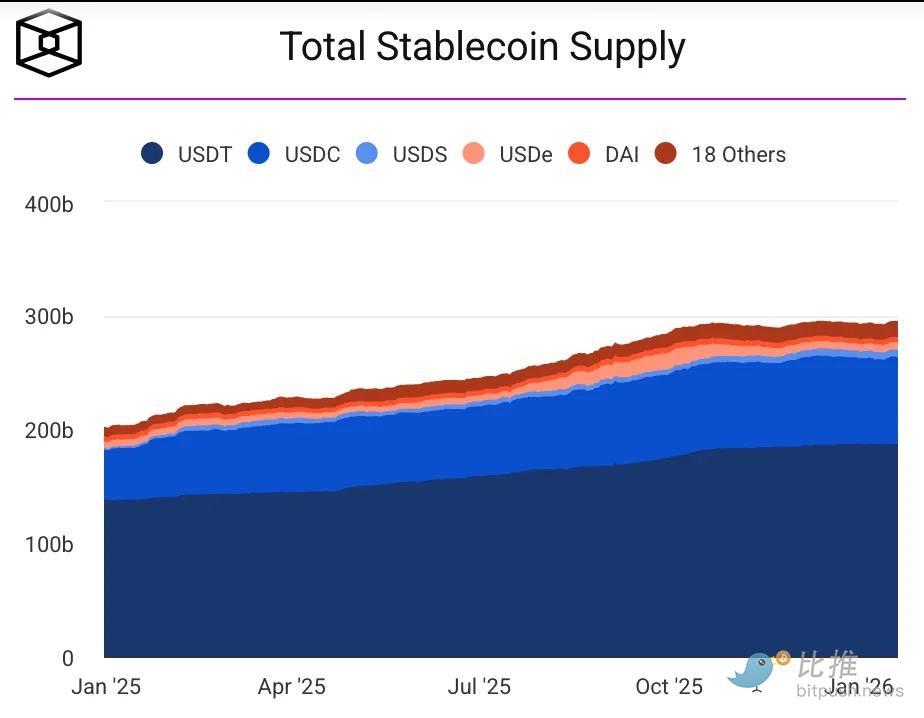
Total Addressable Market: $300 billion.
Precedent: The Failure of Tether Plasma (XPL)

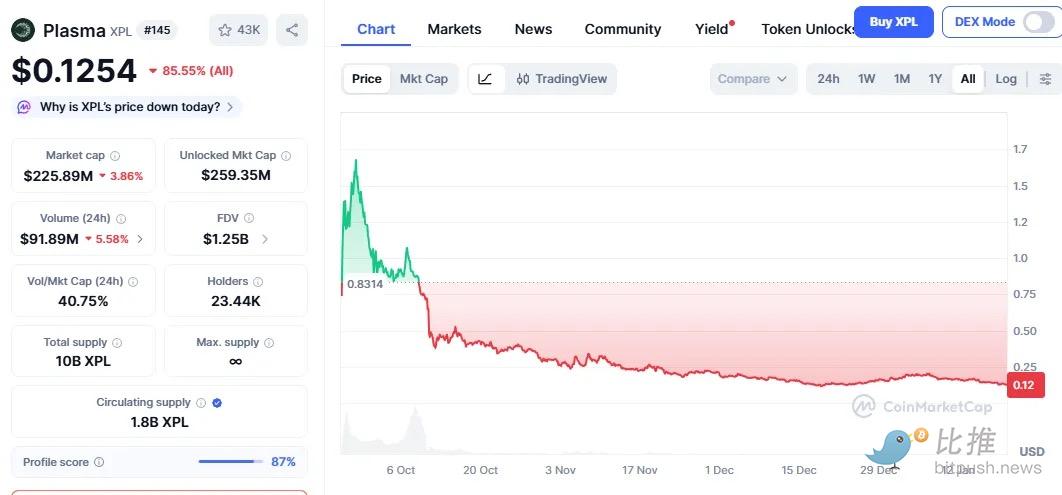
Tether's Plasma (XPL) also attempted to become the preferred stablecoin network, but its flawed token economic model led to excessive mining and aggressive selling. The XPL token, designed to secure the network, plummeted 80% in price, as the market realized the chain's "zero-fee" utility did not require holding a volatile native asset. By the time staking was expected to launch in early 2026, the speculative bottom had long since collapsed, validator incentives vanished, and the network's long-term viability was in doubt.
Polygon faces a similar contradiction. To avoid repeating this mistake, it must ensure its new integrated tech stack provides a stable business environment, decoupled from the price performance of its native token, POL. Instead of consumer-centric incentives, Polygon has chosen to attract user attention and activity through partnerships.

The crypto payments space also features two other integrated models vying for dominance: Stripe's Tempo and Circle's Arc. So far, each has its focus:
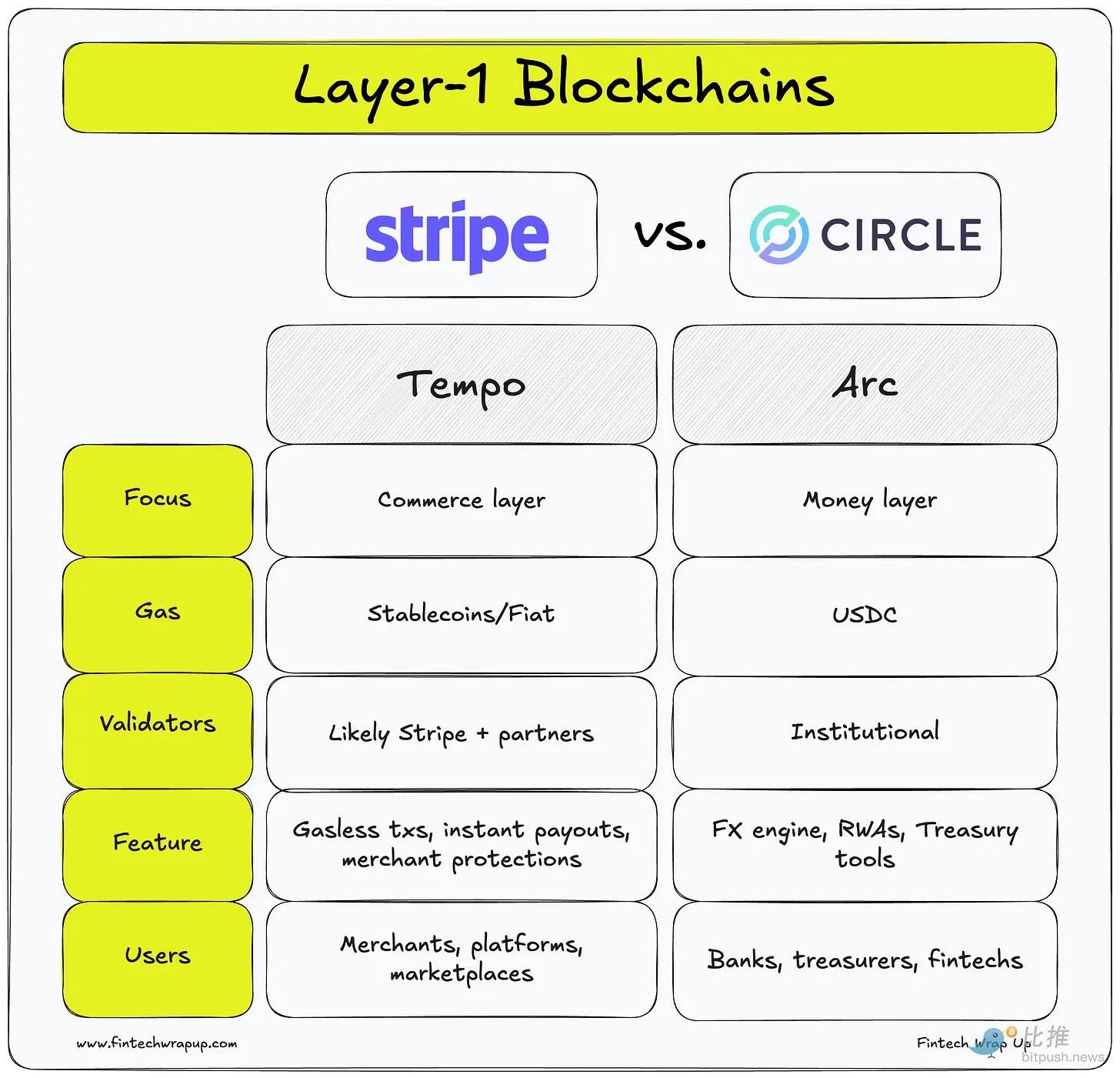
Circle Arc is a closed ecosystem. By making USDC the native gas token, Arc allows businesses to avoid exposure to volatile cryptocurrencies entirely. For banks, Arc, being built by the asset issuer, ensures the strictest compliance loop; it resembles an institutional settlement center more than a general-purpose blockchain.

Stripe's Tempo is more neutral—it doesn't care which stablecoin you use; it just wants to be the network that processes them. Tempo's unique advantage is its vast fintech distribution network, acting as an internet-scale SWIFT system that integrates with existing Stripe dashboards. It targets developers who already have a business and simply want to add "pay with stablecoins" as a feature.

Polygon is an infrastructure toolkit. Unlike Circle and Stripe, which focus on service provision, Polygon has long existed as an open ecosystem. The acquisition of Coinme and Sequence shifts its value proposition from a "high-speed public chain" to a "licensed payments-as-a-toolbox."

Among the three, Polygon is the only solution offering a physical cash bridge. This makes it a superior choice in certain real-world fintech scenarios (such as cross-border remittances, cash-dominant economies, payroll applications)—because the funds in these scenarios often originate as physical cash, flowing within a compliant environment spanning 48 states.

We look forward to the competition shifting more towards real-world application, rather than endless speculative casinos.


Twitter:https://twitter.com/BitpushNewsCN

Bitpush TG Discussion Group:https://t.me/BitPushCommunity

Bitpush TG Subscription: https://t.me/bitpush

Original Link:https://www.bitpush.news/articles/7604499

Crypto di tendenza

Domande pertinenti

QWhat is the strategic goal behind Polygon's $250 million acquisition of Coinme and Sequence?

APolygon's strategic goal is to transform into a 'stablecoin public chain' by acquiring Coinme for its regulatory compliance and physical cash-to-crypto infrastructure, and Sequence for its smart wallet technology that simplifies user experience, aiming to compete with companies like Stripe and Circle in the stablecoin payment rails sector.

QHow does Coinme's acquisition benefit Polygon in terms of regulatory compliance and market access?

ACoinme holds Money Transmitter Licenses (MTL) in 48 U.S. states, providing Polygon with regulatory compliance and direct market access to handle fiat and stablecoin conversions without relying on third-party banking partners, reducing legal risks and ensuring seamless operations under U.S. regulatory environment like the Genius Act.

QWhat role does Sequence play in Polygon's strategy to improve user experience in blockchain transactions?

ASequence provides smart wallet infrastructure that uses account abstraction to hide blockchain complexities such as gas fees, private keys, and cross-chain bridging. Its 'Trails' coordination engine enables one-click payments, allowing end-users to interact without needing to understand the underlying technology, thus simplifying the onboarding process for developers and users.

QHow does Polygon's approach to becoming a stablecoin public chain differ from competitors like Stripe's Tempo and Circle's Arc?

APolygon offers an open ecosystem with a licensed payment toolkit, including physical cash bridges via Coinme, targeting real-world use cases like cross-border remittances and cash-based economies. In contrast, Stripe's Tempo is a neutral network focused on integrating stablecoin payments into existing services, while Circle's Arc is a closed ecosystem prioritizing institutional settlement with USDC compliance, without direct cash handling capabilities.

QWhat was the key failure of Tether's Plasma (XPL) that Polygon aims to avoid in its stablecoin strategy?

ATether's Plasma (XPL) failed due to a flawed token economic model that led to excessive mining and aggressive selling, causing its native token price to drop 80%. Polygon aims to avoid this by ensuring its integrated tech stack provides a stable business environment decoupled from the price volatility of its native POL token, focusing on partnerships and utility rather than consumer-centric token incentives.

Letture associate

After Three Consecutive Quarters of Decline, Can the Crypto Market Find a Window for Stabilization in Q3?

The cryptocurrency market has just concluded its worst-performing quarter since 2022, with total capitalization dropping 12.6% to $2.1 trillion. All core metrics indicate capital is leaving the sector, not just rotating within it. Bitcoin fell 14.2% and Ethereum dropped 25.4% in Q2, breaking their previous correlation with US tech stocks. A key driver is the reversal in US spot Bitcoin ETF flows, which saw a net outflow of approximately $4.67 billion in Q2, including a record monthly outflow near $4.5 billion in June. While recent data suggests long-term holders are accumulating again, sustained ETF outflows mean continued selling pressure. Market focus is now singularly on the Federal Reserve. The upcoming July FOMC meeting is seen as the most critical event for Q3. A dovish signal could support Bitcoin reclaiming a $68,000-$84,000 range, while a hawkish stance might establish a new trading band around $50,000-$56,000. Additionally, regulatory uncertainty persists, with the progress of the crucial *CLARITY Act* stalling in the Senate, reducing its perceived 2026 passage probability to 40-45%. Despite the broad downturn, a few sectors showed growth. Prediction markets saw nominal volume surge 48.7% year-over-year to $113.8 billion, and tokenized collectibles transaction volume rose 143% quarterly to $1.4 billion. The Real-World Asset (RWA) tokenization sector also continued steady growth, now representing ~$28.1 billion in on-chain value. The market's foundation for an extreme crash appears limited, with Bitcoin price hovering near its 200-week moving average. However, the trading paradigm has shifted from narrative-driven speculation to decisions based on price action, policy developments, and interest rate expectations, making a broad sentiment-driven rally unlikely in the near term.

marsbit30 min fa

After Three Consecutive Quarters of Decline, Can the Crypto Market Find a Window for Stabilization in Q3?

marsbit30 min fa

BIT Trading Moment: BTC Still Suppressed by Weekly 200 EMA, Rejection May Restart Decline; Storage and Semiconductors that Surged Last Night Begin Falling in Evening Trading

**Crypto & Stock Market Wrap: Bitcoin Tests Resistance, Stocks Retreat After AI Surge** Bitcoin consolidates around $66,000, facing key resistance near $68,000—an area seen as a major psychological and technical hurdle where previous rallies have failed. Analysts note the cryptocurrency is caught between its 200-week moving average (~$63,333) and 200-week EMA (~$68,328). A clear break above $68k is needed to signal a stronger bullish trend, while a rejection could lead to a retest of $63k support. Market sentiment remains cautious, with low futures open interest pointing to a low-liquidity rebound rather than a full bull market. Bitcoin spot ETFs saw another $203 million inflow. US stock futures pointed lower after a strong Tuesday session led by a massive rebound in semiconductors and memory stocks. The rally was fueled by renewed optimism about AI-driven hardware demand, with Micron, SanDisk, and SK Hynix surging. However, those gains reversed in pre-market trading. Super Micro Computer (SMCI) soared over 20% after hours on strong guidance and a record backlog. Other standouts included Rocket Lab and nuclear energy plays Oklo and X-Energy. Rising oil prices (Brent above $91) and climbing Treasury yields (10-year near 4.64%), however, are reigniting inflation concerns and acting as a headwind for equities. In Asia, markets were mixed. South Korea's KOSPI pared early gains to close slightly higher as semiconductor stocks like SK Hynix gave back initial surges. Japan's Nikkei edged lower as the yen hit a fresh 38-year low against the dollar, raising fears of potential market intervention. Key events to watch include the Samsung Galaxy launch, AMD's AI event, and a slew of major tech earnings from Alphabet, Tesla, and IBM after the close on Wednesday, followed by the ECB meeting and Intel's earnings on Thursday.

marsbit39 min fa

BIT Trading Moment: BTC Still Suppressed by Weekly 200 EMA, Rejection May Restart Decline; Storage and Semiconductors that Surged Last Night Begin Falling in Evening Trading

marsbit39 min fa

Former CFTC Chairman, Circle President Tarbert: Preaching Long-Termism While Cashing Out $30 Million Himself

Former CFTC Chairman and Circle President Heath Tarbert has consistently advocated for a long-term vision in public, urging patience from investors as Circle’s stock price has fallen significantly from its peak. However, it has been revealed that since Circle’s IPO, Tarbert has continuously sold his CRCL shares through pre-arranged trading plans, cashing out approximately $30 million, without making any public market purchases. This contrast between his public messaging and personal actions has drawn criticism. Tarbert joined Circle in July 2023 as Chief Legal Officer, leveraging his regulatory experience to help guide the company through its IPO and expansion. Despite promoting stablecoins as long-term infrastructure, he established a 10b5-1 trading plan just before Circle went public, leading to substantial stock sales over the following year. In March 2026, he initiated another plan to sell more shares. His career trajectory highlights a pattern of moving between high-level regulatory roles and influential positions in the financial sector. After resigning as CFTC Chairman in early 2021, he joined Citadel Securities as Chief Legal Officer just 27 days later, during a period of intense regulatory scrutiny for the firm. He later joined Circle, aiding its efforts to navigate regulatory challenges for its public listing. While Tarbert's expertise in policy and compliance is valuable to companies like Circle, his actions—advocating long-term confidence while personally divesting—raise questions about the alignment between his public statements and his private financial decisions, leaving investors who followed his advice to bear the market risks.

marsbit1 h fa

Former CFTC Chairman, Circle President Tarbert: Preaching Long-Termism While Cashing Out $30 Million Himself

marsbit1 h fa

Gate Research Institute: The 'Wall Street-ization' Wave of Crypto Financial Products – Competition or Integration?

The article titled "Gate Research Institute: Are Crypto Financial Products Sparking a 'Wall Street' Wave—Competition or Convergence?" explores the evolving relationship between the crypto ecosystem and traditional finance (TradFi). The piece begins by reflecting on Bitcoin's original 2009 vision of decentralization, disintermediation, and moving away from banks. It then contrasts this with the 2024 landscape, where key crypto assets like Bitcoin are increasingly held through Wall Street products like ETFs issued by giants like BlackRock. The article questions whether this signifies that TradFi is systematically taking over the rights to issue, price, custody, and distribute crypto financial assets. The core argument is that this is not a zero-sum takeover but rather a bidirectional convergence where each side addresses the other's weaknesses. Crypto offers 24/7 global markets, programmable settlement, and open access but lacks compliant channels, institutional-grade custody, deep fiat liquidity, and mainstream distribution. TradFi possesses these but is constrained by legacy systems, limited operating hours, and slow settlement. Two primary convergence paths are highlighted: * **Path A (CEX to TradFi):** Exemplified by Gate, which has progressed from offering tokenized stocks and CFDs to providing direct, real stock trading (US, Hong Kong, South Korea) within its platform, using USDT. * **Path B (TradFi to Crypto):** Exemplified by Robinhood, which has integrated crypto trading, acquired exchanges like Bitstamp, and is moving traditional assets like stocks onto the blockchain via tokenization and its own Layer 2. Both paths are ultimately competing to become the next-generation, unified financial account—a "super account" where users can seamlessly trade cryptocurrencies, stocks, ETFs, RWA (Real World Assets), and tokenized treasury products in one interface. The growth of RWA and tokenized treasuries (e.g., BlackRock's BUIDL) is presented as the asset-layer fusion, providing stable, yield-bearing assets on-chain and acting as a bridge between the two worlds. In conclusion, the "Wall Street-ization" of crypto is framed as a mutual transformation. Decentralized ideals persist in the protocol layer, while at the application layer, a more efficient, global, and accessible unified capital market is emerging from this convergence. The future competition lies not between crypto exchanges and stockbrokers, but between platforms vying to offer the most comprehensive asset coverage, liquidity, and user experience within a single account.

marsbit1 h fa

Gate Research Institute: The 'Wall Street-ization' Wave of Crypto Financial Products – Competition or Integration?

marsbit1 h fa

Trading

Spot

Articoli Popolari

Come comprare NFT

Benvenuto in HTX.com! Abbiamo reso l'acquisto di APENFT (NFT) semplice e conveniente. Segui la nostra guida passo passo per intraprendere il tuo viaggio nel mondo delle criptovalute.Step 1: Crea il tuo Account HTXUsa la tua email o numero di telefono per registrarti il tuo account gratuito su HTX. Vivi un'esperienza facile e sblocca tutte le funzionalità,Crea il mio accountStep 2: Vai in Acquista crypto e seleziona il tuo metodo di pagamentoCarta di credito/debito: utilizza la tua Visa o Mastercard per acquistare immediatamente APENFTNFT.Bilancio: Usa i fondi dal bilancio del tuo account HTX per fare trading senza problemi.Terze parti: abbiamo aggiunto metodi di pagamento molto utilizzati come Google Pay e Apple Pay per maggiore comodità.P2P: Fai trading direttamente con altri utenti HTX.Over-the-Counter (OTC): Offriamo servizi su misura e tassi di cambio competitivi per i trader.Step 3: Conserva APENFT (NFT)Dopo aver acquistato APENFT (NFT), conserva nel tuo account HTX. In alternativa, puoi inviare tramite trasferimento blockchain o scambiare per altre criptovalute.Step 4: Scambia APENFT (NFT)Scambia facilmente APENFT (NFT) nel mercato spot di HTX. Accedi al tuo account, seleziona la tua coppia di trading, esegui le tue operazioni e monitora in tempo reale. Offriamo un'esperienza user-friendly sia per chi ha appena iniziato che per i trader più esperti.

533 Totale visualizzazioniPubblicato il 2024.12.10Aggiornato il 2025.03.21

Come comprare NFT

Cosa è AINFT

EternaFi Agents e $AINFT: Un'Analisi Completa dell'Infrastruttura NFT Potenziata dall'AI nell'Ecosistema Web3 L'intersezione tra intelligenza artificiale (AI) e tecnologia blockchain sta rapidamente evolvendo, stabilendo piattaforme innovative che ridefiniscono i modelli di proprietà e partecipazione economica. EternaFi Agents, insieme al suo token nativo $AINFT, esemplifica un approccio rivoluzionario alla tokenizzazione delle infrastrutture AI attraverso i token non fungibili (NFT). Lanciato a luglio 2025 dal team di sviluppo di Nova Club, EternaFi unisce i progressi dell'AI con i meccanismi finanziari decentralizzati della blockchain, presentando un'opportunità di investimento unica per i partecipanti all'interno dell'ecosistema web3. Questo articolo mira a fornire una valutazione approfondita di EternaFi Agents, coprendo i suoi componenti principali, la funzionalità e il significato nel panorama crypto. Introduzione e Panoramica del Progetto EternaFi Agents si presenta come un esempio saliente di come la tecnologia blockchain possa democratizzare l'accesso a capacità avanzate di AI. Il progetto si impegna a rimodellare il paradigma della proprietà dell'AI diversificando la partecipazione economica, rendendo i sistemi AI sofisticati accessibili a un numero maggiore di stakeholder. Al suo interno, il progetto tokenizza un modello di linguaggio di grandi dimensioni (LLM) proprietario sviluppato da Nova Club, consentendo ai detentori di NFT di ottenere un'esposizione frazionaria alle performance economiche del modello. Utilizzando NFT che rappresentano quote nel LLM, EternaFi Agents promuove un modello in cui gli stakeholder non solo partecipano al consumo dei servizi AI, ma godono anche della condivisione delle ricompense economiche generate dalla piattaforma. Questo approccio trasformativo consente lo sviluppo di modelli di reddito sostenibili per i servizi AI, promuovendo al contempo un ampio coinvolgimento della comunità e facilitando una governance trasparente. Cos'è EternaFi Agents? EternaFi Agents rappresenta un progetto di infrastruttura AI-NFT che mira a mescolare le capacità dell'AI con la tecnologia blockchain in un ecosistema coerente. La caratteristica essenziale di questo progetto è la creazione di NFT che fungono da strumenti finanziari, rappresentando frazioni di proprietà nell'infrastruttura AI proprietaria di Nova Club. Ogni NFT simboleggia un'esposizione diretta alle performance economiche del sistema AI sottostante, fornendo un'opportunità redditizia per gli investitori. Il progetto opera sulla blockchain Base, nota per la sua scalabilità e efficienza, garantendo così costi di transazione gestibili mentre facilita un'esperienza operativa senza soluzione di continuità. Una delle caratteristiche notevoli include un meccanismo di condivisione dei ricavi, in cui i detentori di NFT possono ricevere porzioni del reddito da abbonamenti generato dai servizi AI forniti sulla piattaforma. Questo approccio innovativo stabilisce una connessione tra il successo dei servizi AI e i dividendi economici distribuiti tra i detentori, garantendo così un allineamento degli interessi all'interno della comunità. Chi è il Creatore di EternaFi Agents? La forza creativa dietro EternaFi Agents è Nova Club, un team di sviluppo con sede a Singapore esperto nell'amalgama di AI e tecnologia blockchain. La loro esperienza precedente nello sviluppo di AI e nell'analisi delle criptovalute conferisce credibilità al progetto, contribuendo con una vasta gamma di competenze alla creazione di EternaFi Agents. La missione di Nova Club si concentra sulla democratizzazione dell'accesso alle tecnologie AI all'avanguardia, costruendo modelli economici sostenibili che avvantaggiano gli utenti insieme agli sviluppatori. Il loro impegno per la trasparenza, la governance della comunità e l'innovazione si riflette nel design e nell'implementazione della piattaforma EternaFi, mirando a stabilire un ecosistema unico che favorisca un coinvolgimento positivo e la creazione di valore a lungo termine. Chi sono gli Investitori di EternaFi Agents? I dettagli specifici riguardanti gli investitori o le organizzazioni di investimento che supportano EternaFi Agents non sono disponibili pubblicamente. Tuttavia, EternaFi ha adottato un approccio inclusivo per finanziare il suo sviluppo attraverso la vendita di NFT al pubblico, consentendo a una vasta gamma di partecipanti di investire nell'ecosistema. L'architettura del progetto garantisce che l'infrastruttura fondamentale sia finanziata in modo responsabile, consentendo ai membri della comunità di partecipare alla proprietà e ai ritorni economici generati dai servizi AI. Questo modello enfatizza il coinvolgimento della comunità allineando gli interessi degli investitori e degli sviluppatori del progetto, creando un ambiente collaborativo in cui la partecipazione a lungo termine è incentivata. Come Funziona EternaFi Agents? EternaFi Agents opera attraverso un ecosistema multifaccettato in cui gli NFT fungono da principale mezzo di rappresentazione della proprietà all'interno del progetto. Ogni detentore di NFT ha diritto a una quota del reddito mensile da abbonamento prodotto dalla piattaforma AI-powered sottostante, posizionando così la proprietà di NFT come un veicolo di investimento redditizio. Meccanismo di Generazione di Ricavi La principale fonte di generazione di ricavi per la piattaforma EternaFi deriva dalle commissioni di abbonamento relative ai servizi AI forniti. Gli utenti possono accedere a vari servizi a livelli, che vanno da strumenti di analisi di mercato di base a soluzioni di trading assistite da AI complete. Questi servizi sono monetizzati e formano la base per il framework di condivisione dei ricavi, che distribuisce i profitti ai detentori di NFT attraverso contratti intelligenti automatizzati. Una caratteristica innovativa dell'ecosistema EternaFi è il meccanismo di condivisione dei ricavi che opera in modo trasparente, garantendo che le ricompense siano allocate in base a metriche verificabili delle operazioni della piattaforma AI. Questo crea un legame diretto tra le performance dei servizi AI e i ritorni disponibili per gli investitori della comunità, stabilendo un modello economico sostenibile. Meccanismi di Staking e Vesting I partecipanti all'interno di EternaFi possono impegnarsi nello staking dei loro NFT per sbloccare ulteriori benefici economici. Il piano di vesting è progettato per promuovere un impegno a lungo termine tra i partecipanti, premiando coloro che mostrano un supporto continuo per il progetto. Questo garantisce un robusto allineamento degli interessi e favorisce un senso di coinvolgimento della comunità essenziale per raggiungere gli obiettivi a lungo termine del progetto. Governance Trasparente EternaFi Agents abbraccia la governance decentralizzata, consentendo ai detentori di NFT di svolgere un ruolo attivo nel processo decisionale riguardante lo sviluppo della piattaforma e le direzioni future. La struttura di governance include meccanismi di voto della comunità, fornendo ai detentori di NFT l'opportunità di influenzare decisioni significative e contribuendo a un approccio collaborativo alla crescita del progetto. Cronologia di EternaFi Agents La traiettoria di sviluppo di EternaFi Agents mostra un approccio sistematico verso la costruzione di un'infrastruttura AI sostenibile, soddisfacendo le esigenze dei partecipanti della comunità. Di seguito è riportata una cronologia delle tappe importanti nella storia del progetto: Luglio 2025: Lancio di EternaFi Agents, inclusa la vendita pubblica di NFT e il deployment del token $AINFT sulla blockchain Base. Q4 2025: Creazione dell'infrastruttura di mercato, inclusi pool di liquidità e lancio di dashboard di staking per i detentori di NFT. 2026: Inizio di programmi di coinvolgimento della comunità, espansione delle capacità AI e integrazione con tecnologie cross-chain. Q4 2026: Implementazione del sistema di distribuzione dei dividendi, consentendo ai detentori di NFT di raccogliere benefici economici dai loro investimenti. Queste tappe significano l'attenzione verso l'istituzione di un ecosistema funzionale e partecipativo, garantendo al contempo un'evoluzione continua per soddisfare le esigenze del mercato. Infrastruttura Tecnologica e Integrazione Blockchain EternaFi Agents è ancorato in un avanzato framework tecnologico che combina sistemi AI con capacità blockchain. Operando sulla blockchain Base, il progetto sfrutta i vantaggi della scalabilità e dei bassi costi di transazione. L'architettura sottostante dei contratti intelligenti governa la proprietà degli NFT, la condivisione dei ricavi e le caratteristiche di gestione della comunità, garantendo efficienza e trasparenza. Sviluppo del Sistema AI Il modello di linguaggio di grandi dimensioni proprietario che sostiene EternaFi Agents è stato sviluppato in modo indipendente ed è progettato per soddisfare applicazioni generatrici di reddito senza fare affidamento su framework esterni proprietari. Questo impegno riflette una dedizione a creare un'infrastruttura AI versatile e adattabile in grado di fornire servizi significativi agli utenti, generando così valore economico per gli investitori. Misure di Sicurezza La robustezza dell'infrastruttura di sicurezza di EternaFi è fondamentale. Audit regolari e misure di sicurezza rigorose garantiscono l'integrità dei sistemi AI e dei meccanismi blockchain, proteggendo da potenziali vulnerabilità mentre si favorisce la fiducia tra i partecipanti. Conclusione EternaFi Agents segna un'innovazione fondamentale nel campo dell'intelligenza artificiale e della tecnologia blockchain, aprendo strade per la proprietà della comunità e la partecipazione economica in capacità AI avanzate. La strategia globale del progetto di tokenizzare l'infrastruttura AI tramite NFT stabilisce un precedente per futuri ecosistemi decentralizzati. Armonizzando la sofisticazione tecnica con modelli economici centrati sull'utente, EternaFi non solo promuove il coinvolgimento, ma genera anche un framework di condivisione dei ricavi sostenibile per i partecipanti della comunità. L'importanza di EternaFi si estende ben oltre il suo successo operativo, poiché esemplifica come la blockchain possa democratizzare le tecnologie AI all'avanguardia, aprendo la strada a future iniziative in questo spazio intersezionale. L'evoluzione di EternaFi Agents potrebbe annunciare una nuova era di sviluppo dell'AI caratterizzata da governance guidata dai partecipanti, modelli economici sostenibili e verifica trasparente, contribuendo infine alla più ampia democratizzazione dell'AI e dell'accessibilità tecnologica in tutti i settori.

526 Totale visualizzazioniPubblicato il 2025.08.14Aggiornato il 2025.08.14

Cosa è AINFT

Discussioni

Benvenuto nella Community HTX. Qui puoi rimanere informato sugli ultimi sviluppi della piattaforma e accedere ad approfondimenti esperti sul mercato. Le opinioni degli utenti sul prezzo di NFT NFT sono presentate come di seguito.

活动图片














