Ethereum 2026: No Longer Obsessed with Mainstream Adoption, Vitalik Bets on Trustlessness

marsbitPubblicato 2026-02-07Pubblicato ultima volta 2026-02-07

Introduzione

Ethereum 2026 marks a turning point where the network shifts away from sacrificing decentralization, self-custody, and trustlessness for mainstream adoption. Vitalik Buterin’s vision focuses on strengthening core values through key technical upgrades: ZK-EVMs and block-level access lists to make running nodes easier, Helios light clients for verifiable RPCs, ORAM/PIR for private queries, social recovery wallets to replace fragile seed phrases, IPFS-hosted unstoppable dapp UIs, and FOCIL for censorship-resistant block building. These innovations aim to reverse the re-centralization of infrastructure—where trusted intermediaries like Infura and centralized block builders dominate—and restore true user sovereignty, privacy, and permissionless access. The goal is to make Ethereum a genuinely trust-minimized platform without compromising usability.

Author: Stacy Muur

Compiled by: Deep Tide TechFlow

Original link: https://x.com/stacy_muur/status/2019325467116126348

Deep Tide Guide: Over the past decade, Ethereum has made carefully calculated compromises. It traded trustlessness for convenience, self-sovereignty for user experience, and decentralization for mainstream adoption. But 2026 marks a turning point. This is the year Ethereum stops asking, "Is it worth diluting ourselves for mainstream adoption?" The answer is—no longer worth it. Stacy Muur details Vitalik's vision: Making full nodes easy to run again with ZK-EVM + block-level access lists, achieving verifiable RPC with Helios light client, enabling private payments with ORAM/PIR, moving beyond fragile seed phrases with social recovery, creating unstoppable dapp UIs with IPFS hosting, and achieving censorship-resistant block building with FOCIL. The recentralization of the infrastructure layer must end.

Over the past decade, Ethereum has made carefully calculated compromises. It traded trustlessness for convenience, self-sovereignty for user experience, and decentralization for mainstream adoption.

Every time you check your wallet balance, you are trusting a company like Alchemy or Infura. Every time you use a dapp, your data leaks to servers you never chose.

But 2026 marks a turning point. This is the year Ethereum stops asking, "Is it worth diluting ourselves for mainstream adoption?" The answer is—no longer worth it.

Vision

  • Full nodes easy to run again (ZK-EVM + block-level access lists)
  • Verifiable RPC instead of blind trust (Helios light client)
  • Private payments with a public payment experience
  • Wallets beyond fragile seed phrases (social recovery)
  • Unstoppable dapp UIs (IPFS hosting)
  • Censorship-resistant block building (FOCIL)

Problem: Recentralization of Infrastructure

Even if the base layer remains decentralized, Ethereum's infrastructure has become increasingly centralized.

Nodes went from laptop-friendly to requiring 800+ GB of storage and 24-hour sync times. Dapps evolved from simple HTML pages to server-side monsters that leak your data everywhere. Wallets shifted from user-controlled RPCs to hardcoded providers that track everything you do.

Most strikingly, 80-90% of Ethereum blocks are now produced by just 2 builders. This concentration puts transaction inclusion under the control of a few entities who can censor anything they want.
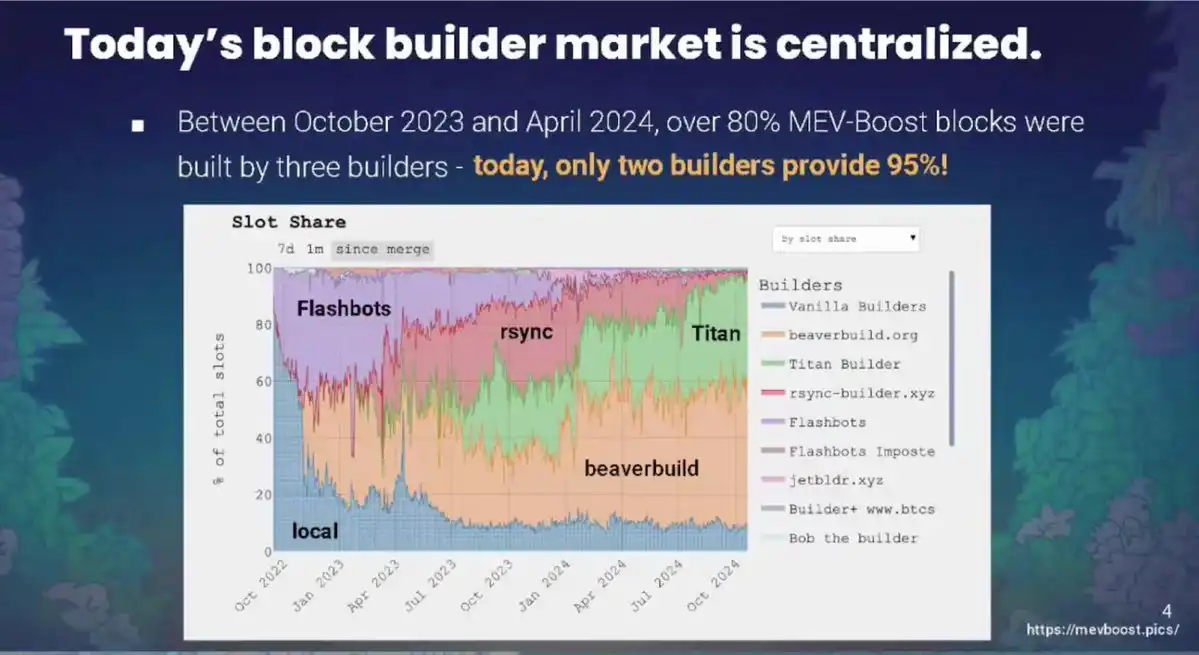
These are not mistakes; they were pragmatic choices made when scaling under Proof-of-Work constraints.

But the costs are real: trust assumptions crept into "trustless" systems, single points of failure proliferated, and users lost true self-sovereignty. We decentralized the ledger but recentralized the access layer.

The 2026 Landscape

Full Nodes

Today's reality: 800+ GB storage, 24-hour sync, requires constant operation. Most users give up.

Block-level access lists (BAL) fundamentally change this. Think of BAL as a directory for each block; it tells you in advance which state the block will touch. Your computer prefetches everything in parallel before execution begins. Non-conflicting transactions run concurrently on separate cores. Analysis shows 60-80% of transactions have no overlap.

Combined with ZK proofs that verify blocks without re-executing everything, sync times plummet and storage becomes manageable. Running a node shifts from "infrastructure companies only" back to "decent laptop territory."

Helios: Verifiable RPC

Imagine this attack: You swap on Uniswap. Your malicious RPC shows you a fake price. You sign to accept fewer tokens than you deserve. The RPC executes a sandwich attack and keeps the profit. You never see it coming.

This hasn't happened with major providers yet, but it's technically possible. The problem: you're trusting someone else to tell you the blockchain state.

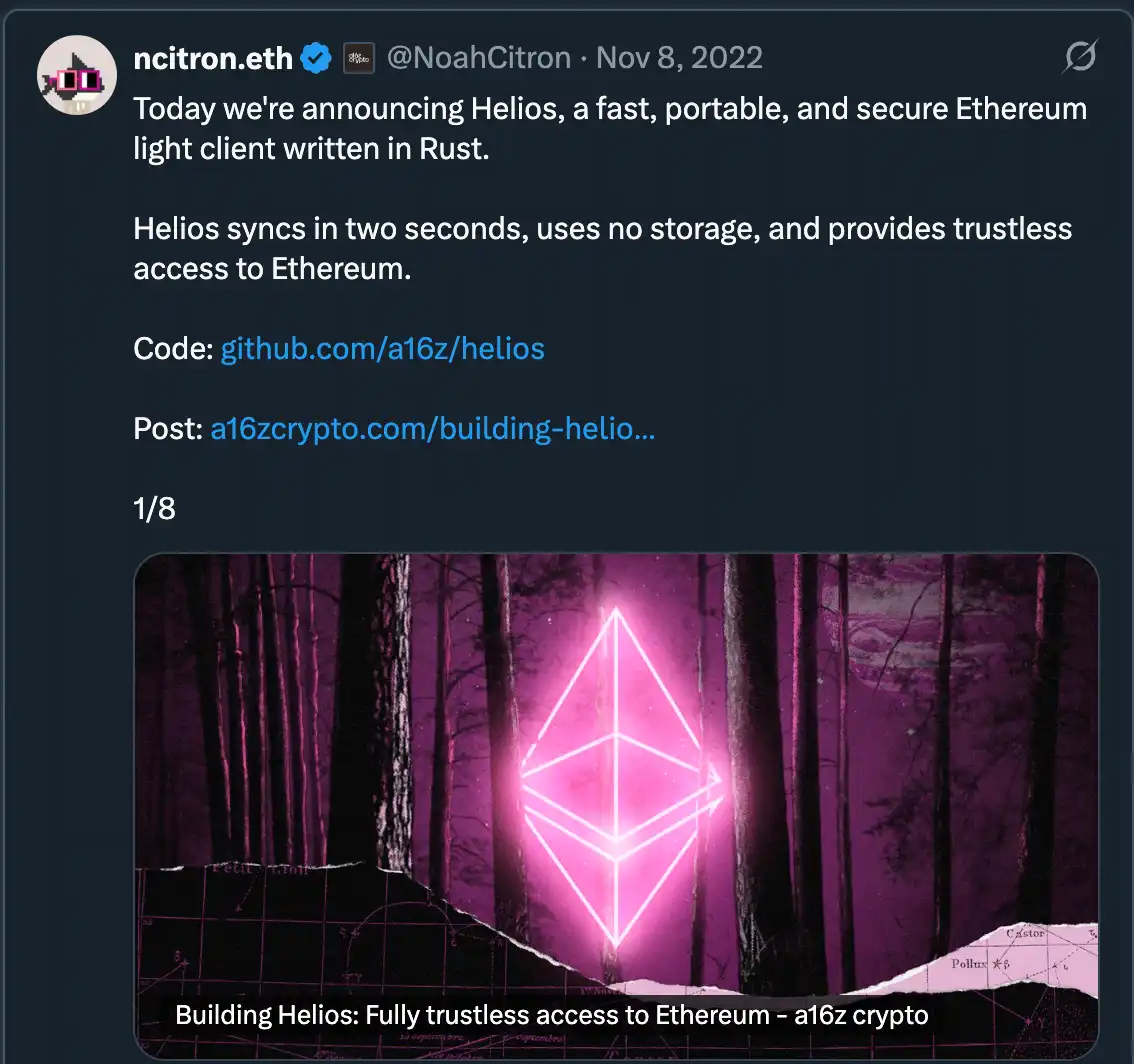
Helios solves this in 2 seconds. It's a light client that tracks validator "sync committees" (512 validators, ~27-hour cycles). If 2/3+ sign a block header, it's canonical. When you check your balance, Helios requests a Merkle proof from an untrusted RPC and verifies it locally. The RPC can refuse to answer but cannot lie.

It can run anywhere: laptops, phones, browser extensions. Use it as your MetaMask RPC, and every dapp becomes trustless without changing anything else.

The technology exists today, open-source and ready for integration.
ORAM/PIR: Private RPC Queries

Every RPC query leaks your behavior—which addresses you watch, which protocols you use, when you use them.

ORAM (Oblivious RAM) uses a tree structure to hide access patterns. The server sees you accessing data but cannot tell which data. Signal messenger uses this, reducing costs 100x (from 500 servers to 6).

PIR (Private Information Retrieval) lets you query a database without revealing what you want. You send an encrypted query, the server processes the encrypted data, and you decrypt the answer. Response size remains constant (~3KB) regardless of database size.

Real implementations exist today:

  • Oblivious Labs: Private WBTC balance checker
  • Private ENS resolution
  • QuietRPC: Private RPC exploration

The challenge is dynamic state: re-encoding 33 million elements takes 4-20 minutes. The solution involves periodic snapshots with on-chain proofs. For most uses (balance checks, voting eligibility), a few minutes of staleness is acceptable for the privacy guarantee.

Social Recovery: Beyond Fragile Seed Phrases

Current wallets force impossible choices:

  • Lose seed phrase → Lose everything
  • Seed phrase stolen → Lose everything
  • Cloud backup → Sovereignty backdoored

Social recovery disperses trust. You have an everyday signing key plus "guardians" (friends, family, other devices). Recovery requires 3/5 guardian approval. Timelocks (48-72 hours) prevent instant theft while allowing legitimate recovery.

Dropped your phone in a lake? Contact guardians, they approve a new key, the timelock starts, and you regain access. If someone steals your key and tries this, you cancel during the timelock.

Security: An attacker needs to compromise 3/5 guardians simultaneously. You have days to respond. Each guardian has only partial power. No tech company backdoor.

Wallets like Argent support this today. 2026 goal: Make it standard everywhere, with UX anyone can use.

Private Payments with Public UX

Privacy tools exist but are painful: different apps, poor UX, 3-5x gas costs, limited support. Almost no one uses them.

2026 goal: Private = public experience. Same wallet, same interface, comparable cost. Privacy becomes a checkbox, not a research project.

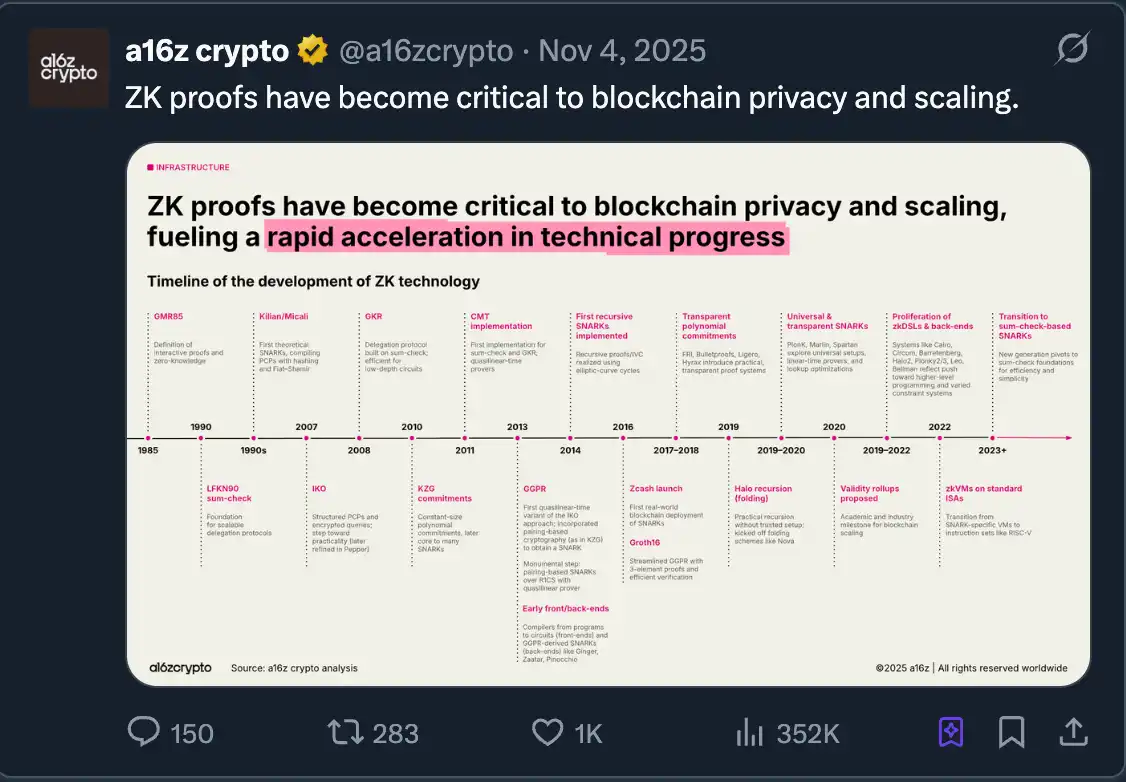
Technology: zkSNARKs (prove you have funds without revealing which), stealth addresses (one-time addresses per transaction), account abstraction integration.
FOCIL: Censorship-Resistant Privacy

Private payments are worthless if builders refuse to include them. With 80-90% of blocks from 2 builders, censorship is easy.

FOCIL (Fork-Choice Obligatory Inclusion List) makes censorship impossible:

Each slot, 16 validators are randomly selected to build an "inclusion list" from mempool transactions (8KB each). Block builders must include these transactions. Proposers only vote for blocks that satisfy the inclusion list. Without votes, a block cannot become canonical.

Why it works:

  • Committee-based: Only needs 1 honest validator out of 16
  • Fork-choice enforced: Built into consensus, cannot be bypassed
  • Same-slot: No delay
  • Anywhere in block: Builders optimize MEV but cannot censor

For privacy: If one validator includes your private transaction, it must be in the block. Builders cannot censor without losing money.

IPFS Hosting for Dapps

When you access Uniswap, you load the web app from their servers. If the server goes down, you're locked out. If hacked for a second, a malicious UI drains your wallet. If pressured, they serve different UIs to different users.

IPFS solution: Host the UI using content addressing (identified by hash, not server). Anyone can serve the content. Changing the UI changes the hash. ENS maps friendly names to hashes.

Benefits: No single point of failure, impossible to hijack, censorship-resistant, verifiable.

Challenge: Updates mean new hashes. Solution: ENS records point to the latest hash, gradually decentralizing to DAO governance.

Why This Matters

"In the world computer, there is no centralized overlord. No single point of failure. Only love." — Vitalik
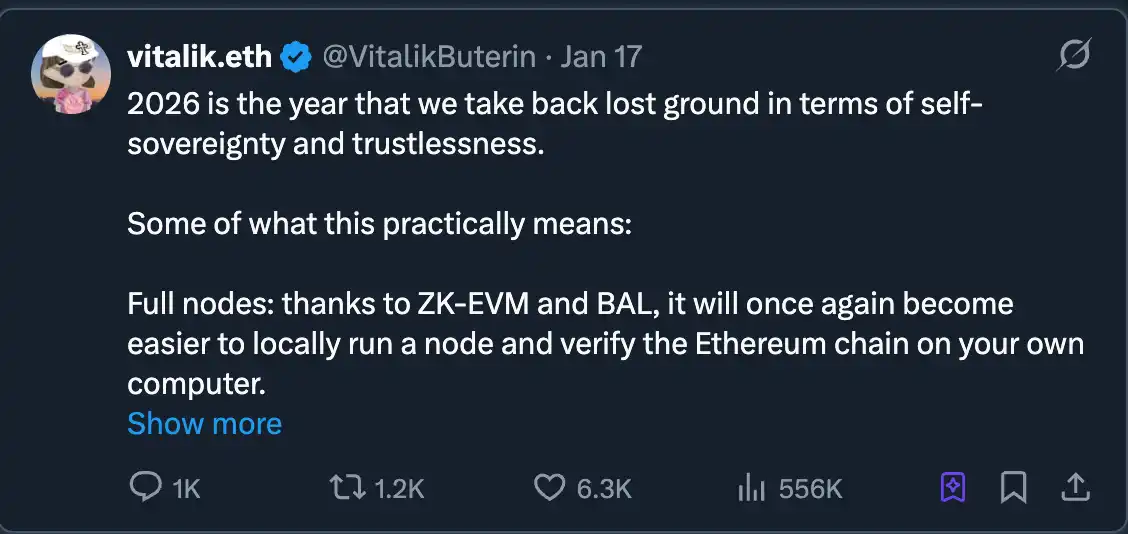
If Ethereum is just another platform requiring trusted intermediaries, why not use AWS?

The answer must be that Ethereum offers something truly different: true ownership, true permissionlessness, actual censorship resistance, true self-sovereignty.

But these only matter if accessible. A theoretically decentralized but accessed through centralized bottlenecks is just decentralization theater.

The stakes:

  • Success: Ethereum becomes the infrastructure for an open internet, users control their wealth/data, privacy is default
  • Failure: Regulatory capture of the access layer, users abandon crypto for honest CBDCs, the cypherpunk dream dies

Conclusion

The pragmatic decade proved blockchains work. Now we prove they work without abandoning principles.

This won't all ship in the next release. Building trustless systems with great UX takes time. Coordinating hundreds of developers takes longer.

But the commitment is absolute. Every decision is evaluated against the criteria: Does it increase trustlessness and self-sovereignty?

2026 is when we decide mainstream adoption at the cost of core values isn't worth it. "Good enough" decentralization isn't good enough. Users deserve better than trusting infrastructure providers to access a "trustless" network.

The technical pieces are falling into place. Helios delivers verifiable RPC today. ORAM/PIR proves private queries work. Social recovery exists in production. FOCIL's censorship resistance is specified. The path is clear.

Now let Ethereum build.

Crypto di tendenza

Domande pertinenti

QWhat is the main shift in Ethereum's focus for 2026 according to the article?

AEthereum will no longer prioritize mainstream adoption at the expense of decentralization and trustlessness, instead focusing on strengthening its foundational principles like trust minimization, self-sovereignty, and censorship resistance.

QHow does Helios contribute to making Ethereum more trustless?

AHelios is a lightweight client that verifies blockchain state by tracking validator sync committees, allowing users to locally validate Merkle proofs from untrusted RPCs, ensuring RPC providers cannot lie about the state.

QWhat problem does FOCIL (Fork-Choice Obligatory Inclusion List) solve?

AFOCIL prevents censorship by randomly selecting 16 validators per slot to build an inclusion list of transactions that block builders must include, ensuring private or censored transactions are not excluded from blocks.

QHow does social recovery improve wallet security compared to traditional seed phrases?

ASocial recovery uses a network of guardians (e.g., friends, devices) to approve wallet recovery, eliminating single points of failure like lost or stolen seed phrases while maintaining user sovereignty without centralized backdoors.

QWhy is IPFS hosting critical for dapp decentralization?

AIPFS hosts dapp UIs using content addressing (hashes instead of servers), eliminating single points of failure, preventing UI hijacking, and ensuring censorship-resistant, verifiable access to applications.

Letture associate

Only 153 Venture Capital Firms Invested in July: Is the Crypto VC Industry Experiencing a 'Mass Extinction'?

In July 2026, only 153 unique venture capital firms participated in disclosed crypto funding rounds, marking the lowest monthly count since November 2020. This figure represents an 87% decline from the peak of 1,177 firms in 2022. Overall, the first seven months of 2026 saw crypto projects raise approximately $11.78 billion across 481 rounds. This crypto VC contraction contrasts sharply with the broader venture capital landscape, where global VC investment reached a record $560.4 billion in H1 2026, heavily fueled by major AI company financings. This shift in capital allocation has drawn funds away from the crypto sector. Within crypto, funding is highly concentrated. Trading platforms, prediction markets, and payment sectors absorbed 53% of the total capital. While early-stage deals remain frequent, the largest sums flow to a few late-stage rounds and mergers & acquisitions, which surged to $7.23 billion in Q2 2026. The market is consolidating around top funds like a16z crypto and Dragonfly, which successfully raised new multi-billion dollar funds, while many smaller firms have retreated. Analysts describe this as a "great extinction" for crypto VCs, where capital is becoming more selective, favoring proven business models and assets over early-stage speculation. This raises the bar for project quality, funding efficiency, and viable exit paths.

marsbit2 min fa

Only 153 Venture Capital Firms Invested in July: Is the Crypto VC Industry Experiencing a 'Mass Extinction'?

marsbit2 min fa

Strategy's Loss in the Second Quarter Reaches $8.22 Billion Amid Bitcoin Decline

Strategy, the largest corporate holder of Bitcoin, reported a net loss of $8.22 billion for the second quarter. This loss was primarily driven by an $8.32 billion unrealized loss on its Bitcoin holdings due to a decline in the asset's price during the period. Despite these paper losses, the company increased its Bitcoin holdings to 843,775 BTC, a 25% growth since the start of the year. As part of a new monetization strategy, Strategy sold approximately $218.4 million worth of Bitcoin, mainly to fund dividends for preferred shareholders, with $216 million of that sold after Q2 ended. The company also built a $3.75 billion cash reserve, which it claims is sufficient to cover over two years of dividend and interest payments, aiming to insulate itself from Bitcoin's volatility while meeting obligations. Following the earnings release, Strategy's stock (MSTR) rose 4.7% in regular trading but corrected slightly after-hours. This pattern reflects how the company's accounting results are heavily tied to Bitcoin's price swings, even as its long-term strategy remains unchanged. The report indicates that Strategy is maintaining its core strategy of accumulating Bitcoin while building a financial buffer. This quarterly loss follows a recognizable pattern, with the company posting significant unrealized losses in previous quarters (e.g., $12.4 billion in Q4 2025 and ~$12.5 billion in Q1 2026) due to fair-value accounting. A key technical shift is its new monetization program, which introduces periodic selling pressure on the market, transitioning Strategy from a pure accumulator to a participant that occasionally adds supply. A critical question remains: how long can the cash reserve cover dividend obligations if a Bitcoin price downturn persists beyond two years?

cryptonews.ru22 min fa

Strategy's Loss in the Second Quarter Reaches $8.22 Billion Amid Bitcoin Decline

cryptonews.ru22 min fa

Will Terrorist Durov Ban Russian Officials?

Telegram founder Pavel Durov publicly reacted to being labeled a "terrorist" by Russian authorities, stating the designation came after he refused demands for mass surveillance and censorship on the platform. In a Telegram post, he highlighted that this status formally bans him from "publishing information online." Durov concluded with a statement widely circulated: Russian officials "clearly don't understand who can ban whom on the internet." This remark suggests Durov could potentially restrict official Russian government and officials' channels on Telegram, which continue to operate on the platform despite its formal blocking in Russia. The situation parallels previous, slow-moving state directives, like switching officials to domestic cars, contrasted with the current push to migrate all government communication to the Russian-made messenger MAX by 2030. However, reports indicate many officials still use Telegram via workarounds, fearing surveillance on MAX, while alternatives like BiP and KakaoTalk recently became inaccessible in Russia without a VPN. Durov has not specified any immediate actions against state channels. His statement is an initial response, with further developments depending on the authorities' reaction. The dynamic differs from 2020 when Russian regulators lifted a block on Telegram; now, Durov implies control from within the platform itself over the official accounts that persisted through that earlier blockade.

cryptonews.ru22 min fa

Will Terrorist Durov Ban Russian Officials?

cryptonews.ru22 min fa

DeepSeek V4 Official Version Arrives, New Capabilities Emerge, Value-for-Money King Enters the Fray

On July 31st, DeepSeek officially launched the public API beta for its DeepSeek-V4-Flash model. A key highlight is its performance on multiple Agent benchmark tests, reportedly nearing or even surpassing the level of the V4-Pro preview version from three months ago. Notably, the Flash model achieves this with significantly smaller scale (130B active parameters vs. Pro's 490B), suggesting that post-training optimization and data quality may be as crucial as raw model size. DeepSeek emphasized that the V4-Flash-0731 uses the same model architecture and size as its preview version, with improvements attributed solely to "re-trained post-training." The update also marks the official debut of DeepSeek's self-developed Agent framework, "Harness." The move signals DeepSeek's strategic push to position its cost-effective Flash model as a competitive base for Agent applications—scenarios requiring autonomous planning, tool usage, and complex task execution—where inference speed and cost are critical. By natively supporting OpenAI's Responses API format and adapting for code-generation scenarios, DeepSeek aims not just to be a cheaper alternative but to establish its own ecosystem in the Agent era. This release follows DeepSeek's record-breaking ~$50 billion fundraising round roughly two months prior, underscoring market confidence in its technology and commercialization prospects. The company is reportedly preparing for another funding round at a valuation of approximately $71 billion. The Flash model's advancement represents a step in fulfilling the high expectations that come with this valuation, setting the stage for the impending release of the V4-Pro official version and intensifying competition in the global Agent landscape.

marsbit26 min fa

DeepSeek V4 Official Version Arrives, New Capabilities Emerge, Value-for-Money King Enters the Fray

marsbit26 min fa

Trading

Spot

Articoli Popolari

Cosa è ETH 3.0

ETH3.0 e $eth 3.0: Un'Analisi Approfondita del Futuro di Ethereum Introduzione Nel panorama in rapida evoluzione delle criptovalute e della tecnologia blockchain, ETH3.0, spesso indicato come $eth 3.0, è emerso come un argomento di considerevole interesse e speculazione. Il termine comprende due concetti principali che warrantono chiarimenti: Ethereum 3.0: Questo rappresenta un potenziale futuro aggiornamento volto ad aumentare le capacità dell'attuale blockchain di Ethereum, concentrandosi principalmente sul miglioramento della scalabilità e delle prestazioni. ETH3.0 Meme Token: Questo progetto di criptovaluta distinto cerca di sfruttare la blockchain di Ethereum per creare un ecosistema incentrato sui meme, promuovendo il coinvolgimento all'interno della comunità delle criptovalute. Comprendere questi aspetti di ETH3.0 è essenziale non solo per gli appassionati di criptovalute, ma anche per coloro che osservano tendenze tecnologiche più ampie nello spazio digitale. Che cos'è ETH3.0? Ethereum 3.0 Ethereum 3.0 è pubblicizzato come un aggiornamento proposto per la rete Ethereum già stabilita, che è stata la spina dorsale di molte applicazioni decentralizzate (dApps) e contratti smart sin dalla sua nascita. I miglioramenti previsti si concentrano principalmente sulla scalabilità, integrando tecnologie avanzate come lo sharding e le prove a conoscenza zero (zk-proofs). Queste innovazioni tecnologiche mirano a facilitare un numero senza precedenti di transazioni al secondo (TPS), potenzialmente raggiungendo milioni, affrontando così una delle limitazioni più significative della tecnologia blockchain attuale. Il miglioramento non è meramente tecnico, ma anche strategico; è volto a preparare la rete Ethereum per un'adozione e un'utilità diffuse in un futuro contrassegnato da un aumento della domanda di soluzioni decentralizzate. ETH3.0 Meme Token Al contrario di Ethereum 3.0, l'ETH3.0 Meme Token si avventura in un dominio più leggero e giocoso, combinando la cultura dei meme di internet con la dinamica delle criptovalute. Questo progetto consente agli utenti di acquistare, vendere e scambiare meme sulla blockchain di Ethereum, fornendo una piattaforma che promuove il coinvolgimento della comunità attraverso la creatività e interessi condivisi. L'ETH3.0 Meme Token mira a dimostrare come la tecnologia blockchain possa intersecarsi con la cultura digitale, creando casi d'uso che siano sia divertenti che finanziariamente praticabili. Chi è il Creatore di ETH3.0? Ethereum 3.0 L'iniziativa verso Ethereum 3.0 è principalmente propulsa da un consorzio di sviluppatori e ricercatori all'interno della comunità di Ethereum, tra cui Justin Drake. Conosciuto per le sue intuizioni e contributi all'evoluzione di Ethereum, Drake è stato una figura di spicco nelle discussioni riguardanti la transizione di Ethereum verso un nuovo livello di consenso, chiamato “Beam Chain.” Questo approccio collaborativo allo sviluppo significa che Ethereum 3.0 non è il prodotto di un creatore singolo, ma piuttosto una manifestazione di ingegno collettivo focalizzato sul progresso della tecnologia blockchain. ETH3.0 Meme Token I dettagli riguardanti il creatore dell'ETH3.0 Meme Token sono attualmente non rintracciabili. La natura dei token meme conduce spesso a una struttura più decentralizzata e guidata dalla comunità, il che potrebbe spiegare la mancanza di attribuzione specifica. Questo si allinea con l'etica della comunità crypto più ampia, dove l'innovazione spesso nasce da sforzi collaborativi piuttosto che individuali. Chi sono gli Investitori di ETH3.0? Ethereum 3.0 Il supporto per Ethereum 3.0 proviene principalmente dalla Ethereum Foundation insieme a una comunità entusiasta di sviluppatori e investitori. Questa associazione fondamentale fornisce un considerevole grado di legittimità e migliora le prospettive di implementazione di successo poiché sfrutta la fiducia e la credibilità costruite nel corso degli anni di operazioni della rete. Nel clima in rapida evoluzione delle criptovalute, il supporto della comunità gioca un ruolo cruciale nello sviluppo e nell'adozione, posizionando Ethereum 3.0 come un serio contenditore per i futuri progressi della blockchain. ETH3.0 Meme Token Sebbene le fonti attualmente disponibili non forniscano informazioni esplicite riguardo ai fondamenti o alle organizzazioni di investimento che sostengono l'ETH3.0 Meme Token, ciò è indicativo del modello di finanziamento tipico per i token meme, che spesso si basa sul supporto di base e sul coinvolgimento della comunità. Gli investitori in tali progetti sono tipicamente individui motivati dal potenziale per innovazioni guidate dalla comunità e dallo spirito di cooperazione trovato all'interno della comunità crypto. Come Funziona ETH3.0? Ethereum 3.0 Le caratteristiche distintive dell'Ethereum 3.0 risiedono nella sua proposta di implementazione della tecnologia di sharding e zk-proof. Lo sharding è un metodo di partizionamento della blockchain in pezzi più piccoli e gestibili o “shard,” che possono elaborare transazioni in modo concorrente piuttosto che sequenziale. Questa decentralizzazione dell'elaborazione aiuta a prevenire la congestione e garantisce che la rete rimanga reattiva anche sotto un carico pesante. La tecnologia delle prove a conoscenza zero (zk-proof) contribuisce con un ulteriore livello di sofisticazione consentendo la validazione delle transazioni senza rivelare i dati sottostanti coinvolti. Questo aspetto non solo migliora la privacy, ma aumenta anche l'efficienza complessiva della rete. Si parla anche di incorporare una macchina virtuale Ethereum a conoscenza zero (zkEVM) in questo aggiornamento, amplificando ulteriormente le capacità e l'utilità della rete. ETH3.0 Meme Token L'ETH3.0 Meme Token si distingue capitalizzando sulla popolarità della cultura dei meme. Stabilisce un mercato per gli utenti che desiderano partecipare al trading di meme, non solo per divertimento, ma anche per potenziale guadagno economico. Integrando funzioni come lo staking, la fornitura di liquidità e meccanismi di governance, il progetto promuove un ambiente che incentiva l'interazione e la partecipazione della comunità. Offrendo una miscela unica di intrattenimento e opportunità economica, l'ETH3.0 Meme Token mira ad attrarre un pubblico variegato, che va dagli appassionati di crypto ai semplici intenditori di meme. Timeline di ETH3.0 Ethereum 3.0 11 Novembre 2024: Justin Drake accenna al prossimo aggiornamento ETH 3.0, incentrato sui miglioramenti della scalabilità. Questo annuncio segna l'inizio delle discussioni formali riguardo l'architettura futura di Ethereum. 12 Novembre 2024: La proposta attesa per Ethereum 3.0 dovrebbe essere svelata a Devcon a Bangkok, preparando il terreno per un feedback più ampio della comunità e potenziali passi successivi nello sviluppo. ETH3.0 Meme Token 21 Marzo 2024: L'ETH3.0 Meme Token viene ufficialmente elencato su CoinMarketCap, segnando il suo ingresso nel dominio pubblico delle criptovalute e aumentando la visibilità per il suo ecosistema basato sui meme. Punti Chiave In conclusione, Ethereum 3.0 rappresenta una significativa evoluzione all'interno della rete Ethereum, concentrandosi sul superamento delle limitazioni riguardanti scalabilità e prestazioni attraverso tecnologie avanzate. I suoi aggiornamenti proposti riflettono un approccio proattivo alle future esigenze e usabilità. D'altra parte, l'ETH3.0 Meme Token incarna l'essenza della cultura guidata dalla comunità nello spazio delle criptovalute, sfruttando la cultura dei meme per creare piattaforme coinvolgenti che incoraggiano la creatività e la partecipazione degli utenti. Comprendere gli scopi e le funzionalità distinte di ETH3.0 e $eth 3.0 è fondamentale per chiunque sia interessato ai continui sviluppi nello spazio crypto. Con entrambe le iniziative che tracciano percorsi unici, esse sottolineano collettivamente la natura dinamica e multifacetica dell'innovazione blockchain.

246 Totale visualizzazioniPubblicato il 2024.04.04Aggiornato il 2024.12.03

Cosa è ETH 3.0

Cosa è ETHEREUM

HarryPotterTrumpHomerSimpson777Inu: Panoramica di un Progetto Crypto Web3 Introduzione Nel mondo in rapida evoluzione delle criptovalute e della finanza decentralizzata, progetti innovativi emergono frequentemente, catturando l'interesse della comunità degli investitori e degli appassionati di crypto. Uno di questi progetti è HarryPotterTrumpHomerSimpson777Inu, una criptovaluta che si trova all'incrocio tra cultura popolare e tecnologia blockchain. Questo token guidato dalla comunità mescola personaggi e figure politiche ben noti, con l'obiettivo di creare una piattaforma coinvolgente e promuovere un'adozione diffusa. Che cos'è HarryPotterTrumpHomerSimpson777Inu? HarryPotterTrumpHomerSimpson777Inu è un token costruito sulla blockchain di Ethereum, progettato per essere accessibile e divertente per un pubblico diversificato. L'unicità di questo progetto deriva dal suo approccio tematico, che intreccia elementi di fantasia, politica e intrattenimento. Sfruttando il fascino nostalgico di personaggi amati, il progetto cerca di creare un'esperienza di criptovaluta coinvolgente, incoraggiando il coinvolgimento e la partecipazione della comunità. L'obiettivo principale di HarryPotterTrumpHomerSimpson777Inu è stabilire un token che risuoni con gli utenti a livello personale, promuovendo sia il divertimento che il coinvolgimento nell'ambito crypto. Questo branding distintivo mira ad attrarre individui che in precedenza potrebbero non essersi interessati alle criptovalute, facilitando un nuovo punto di ingresso per utenti potenziali. Creatore di HarryPotterTrumpHomerSimpson777Inu L'identità del creatore dietro HarryPotterTrumpHomerSimpson777Inu rimane sconosciuta. Questa non è una pratica rara nel dominio delle criptovalute, dove l'anonimato è spesso preferito dai fondatori come mezzo di protezione della privacy e promozione di un ethos decentralizzato. Questa oscurità non diminuisce il valore del progetto; al contrario, riflette una tendenza più ampia all'interno del settore, dove molti progetti di successo sono emersi da origini anonime. Investitori di HarryPotterTrumpHomerSimpson777Inu Le informazioni pubbliche riguardo agli investitori di HarryPotterTrumpHomerSimpson777Inu sono limitate. La natura del progetto, incentrata sul coinvolgimento della comunità, suggerisce una dipendenza da investimenti di piccole dimensioni da parte di singoli appassionati piuttosto che da sostegni sostanziali da fondazioni di investimento consolidate o corporation. Questo livello di trasparenza nel finanziamento è tipico di molti progetti di criptovaluta guidati dalla comunità, dove il supporto spesso proviene da movimenti di base piuttosto che da investitori istituzionali. Come Funziona HarryPotterTrumpHomerSimpson777Inu? Operando sulla blockchain di Ethereum, HarryPotterTrumpHomerSimpson777Inu sfrutta la sua solida infrastruttura per facilitare transazioni e promuovere interazioni tra gli utenti all'interno della comunità. Ciò che distingue questo progetto è il suo posizionamento tematico: canalizzando il carisma di personaggi iconici provenienti da diversi ambiti culturali, crea un'identità di marca distintiva. Questo approccio non solo attrae gli utenti, ma coltiva anche una comunità fedele attorno al token. Le meccaniche operative del progetto si concentrano sul coinvolgimento della comunità. Adotta un modello decentralizzato che incoraggia la partecipazione, consentendo agli utenti di interagire attraverso vari canali mentre promuovono lo scambio di idee e esperienze. Inoltre, il progetto abbraccia i principi del Web3, privilegiando la sovranità degli utenti e la decentralizzazione, che sono i pilastri del futuro di Internet. Timeline di HarryPotterTrumpHomerSimpson777Inu La storia di HarryPotterTrumpHomerSimpson777Inu è segnata da diversi eventi decisivi: 12 agosto 2023: L'inizio di HarryPotterTrumpHomerSimpson777Inu, segnando il suo ingresso nell'ecosistema delle criptovalute. Fase di Sviluppo: Un periodo focalizzato sulla costruzione di una strategia completa per stimolare la crescita guidata dalla comunità e il coinvolgimento degli utenti. Listing sugli Scambi: Sebbene i dettagli specifici di listing non siano stati divulgati, il progetto è stato reso accessibile su vari scambi di criptovalute, migliorando la sua visibilità nel mercato. Coinvolgimento della Comunità: Sforzi continui per coinvolgere attivamente la comunità, stabilendo canali di dialogo e promuovendo la partecipazione attraverso varie attività, tra cui concorsi, discussioni e votazioni comunitarie. Aspetti Chiave di HarryPotterTrumpHomerSimpson777Inu Focus sulla Comunità Un tratto distintivo di HarryPotterTrumpHomerSimpson777Inu è la sua forte enfasi sul coinvolgimento della comunità. Il progetto incoraggia attivamente gli utenti a partecipare a discussioni, condividere idee e contribuire all'evoluzione del progetto. Questa interazione coltiva un senso di appartenenza e di ownership tra i membri della comunità, essenziale per la sostenibilità a lungo termine del token. Utilizzo della Blockchain di Ethereum La scelta di costruire sulla blockchain di Ethereum consente a HarryPotterTrumpHomerSimpson777Inu di sfruttare le sue caratteristiche di sicurezza ben consolidate e architettura decentralizzata. Questa base garantisce affidabilità per le transazioni e fornisce un framework affidabile su cui sviluppare varie funzionalità. Approccio Tematico Unico Fusione di elementi della cultura pop nella sua identità, HarryPotterTrumpHomerSimpson777Inu crea una narrazione coinvolgente che lo differenzia da altre criptovalute. L'amalgama di personaggi e temi genera riconoscimento e intrigo immediati, rendendo il token relazionabile a un'ampia gamma di utenti potenziali. Anonimato nello Sviluppo Il creatore anonimo del progetto rimane una caratteristica ricorrente in molte iniziative di criptovaluta. Questo aspetto evidenzia un ethos di decentralizzazione, introducendo anche un livello di mistero che potrebbe affascinare un segmento della comunità crypto, attirando l'attenzione sul progetto e invitando l'impegno da parte di utenti che supportano l'idea di un'iniziativa decentralizzata e gestita dalla comunità. Conclusione HarryPotterTrumpHomerSimpson777Inu si presenta come un'aggiunta distintiva al panorama delle criptovalute, combinando il fascino della cultura popolare con le meccaniche innovative della tecnologia blockchain. Sebbene i dettagli riguardanti il creatore e gli investitori specifici rimangano non divulgati, il focus del progetto sulla comunità e il suo approccio tematico lo contraddistinguono come un potenziale attore influente nel contesto del Web3 e delle criptovalute. Man mano che l'ecosistema delle criptovalute continua ad espandersi, iniziative come HarryPotterTrumpHomerSimpson777Inu ci ricordano le molteplici modalità in cui la blockchain può connettere le comunità globali attraverso narrazioni e valori condivisi.

1.1k Totale visualizzazioniPubblicato il 2024.04.06Aggiornato il 2024.12.03

Cosa è ETHEREUM

Come comprare ETH

Benvenuto in HTX.com! Abbiamo reso l'acquisto di Ethereum (ETH) semplice e conveniente. Segui la nostra guida passo passo per intraprendere il tuo viaggio nel mondo delle criptovalute.Step 1: Crea il tuo Account HTXUsa la tua email o numero di telefono per registrarti il tuo account gratuito su HTX. Vivi un'esperienza facile e sblocca tutte le funzionalità,Crea il mio accountStep 2: Vai in Acquista crypto e seleziona il tuo metodo di pagamentoCarta di credito/debito: utilizza la tua Visa o Mastercard per acquistare immediatamente EthereumETH.Bilancio: Usa i fondi dal bilancio del tuo account HTX per fare trading senza problemi.Terze parti: abbiamo aggiunto metodi di pagamento molto utilizzati come Google Pay e Apple Pay per maggiore comodità.P2P: Fai trading direttamente con altri utenti HTX.Over-the-Counter (OTC): Offriamo servizi su misura e tassi di cambio competitivi per i trader.Step 3: Conserva Ethereum (ETH)Dopo aver acquistato Ethereum (ETH), conserva nel tuo account HTX. In alternativa, puoi inviare tramite trasferimento blockchain o scambiare per altre criptovalute.Step 4: Scambia Ethereum (ETH)Scambia facilmente Ethereum (ETH) nel mercato spot di HTX. Accedi al tuo account, seleziona la tua coppia di trading, esegui le tue operazioni e monitora in tempo reale. Offriamo un'esperienza user-friendly sia per chi ha appena iniziato che per i trader più esperti.

3.1k Totale visualizzazioniPubblicato il 2024.12.10Aggiornato il 2026.06.02

Come comprare ETH

Discussioni

Benvenuto nella Community HTX. Qui puoi rimanere informato sugli ultimi sviluppi della piattaforma e accedere ad approfondimenti esperti sul mercato. Le opinioni degli utenti sul prezzo di ETH ETH sono presentate come di seguito.

活动图片