CryptoRank: Venture Investor Activity in Crypto Projects Falls to 2020 Low

cryptonews.ruPubblicato 2026-07-29Pubblicato ultima volta 2026-07-29

Introduzione

In July 2026, venture capital activity in cryptocurrency projects fell to its lowest level since November 2020, according to analytics platform CryptoRank. Only 150 unique venture firms participated in funding rounds this month, a stark contrast to the peak of 1,177 recorded in May 2022. This indicates that major investors are being highly selective, shifting their focus from Web3 towards software infrastructure, such as AI development startups. Current investor priorities require projects to demonstrate genuine user engagement, substantial transaction volumes, and practical business models over speculative ones. Regulatory uncertainties are also a significant deterrent, with issues like pressure on prediction markets from U.S. state authorities and increased scrutiny over token distribution models making traditional exit strategies through public token sales legally risky.

Updated: 2026-07-28

In July 2026, venture investor activity in cryptocurrency projects dropped to its lowest level since November 2020, analysts from the CryptoRank platform reported. This month, only 150 unique venture firms participated in funding rounds, compared to 1,177 in May 2022, when this indicator peaked.

This suggests that major investors are in no hurry to invest in the cryptocurrency industry and are carefully selecting projects. Currently, they have shifted their focus from Web3 to software infrastructure, supporting, for example, startups involved in artificial intelligence development.

For those who are ready to invest, it is important that projects demonstrate real user engagement, real transaction volumes, and practical, non-speculative business models.

Regulatory issues are also deterring investors. The Happy Coin News editorial team regularly reports on the difficulties faced by prediction markets Kalshi and Polymarket, which are under pressure from authorities in several US states. Furthermore, increased scrutiny of token distribution models makes the classic venture exit through a public token sale legally risky due to fears of litigation or sudden policy changes.

end-content

Domande pertinenti

QAccording to the CryptoRank data, what is the current level of venture investor activity in crypto projects compared to historical data?

AAccording to CryptoRank, venture investor activity in cryptocurrency projects in July 2026 has fallen to its lowest level since November 2020.

QHow many unique venture companies participated in funding rounds in July 2026, and how does this compare to the peak?

AIn July 2026, only 150 unique venture companies participated in funding rounds. This compares to a peak of 1,177 companies in May 2022.

QWhat areas are venture investors currently shifting their focus to from Web3?

AVenture investors are currently shifting their focus from Web3 to software infrastructure, particularly supporting startups developing artificial intelligence.

QWhat are the key practical factors that current investors are looking for in crypto projects?

ACurrent investors prioritize projects that demonstrate real user engagement, real transaction volumes, and practical, non-speculative business models.

QWhat regulatory issues are deterring venture investors from the crypto space?

ARegulatory issues deterring investors include pressure on prediction markets from authorities in several US states and increased scrutiny over token distribution models, which makes the classic exit strategy via public token sales legally risky.

Letture associate

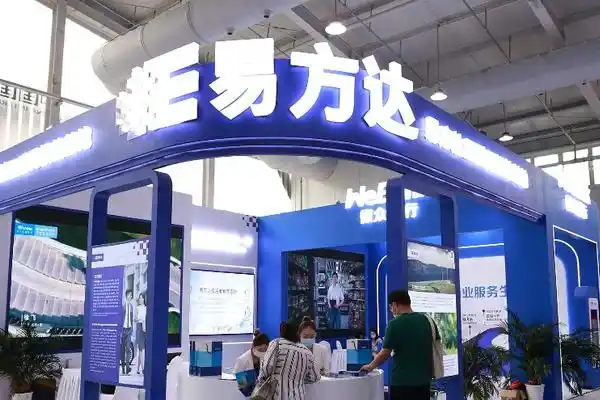
E Fund "Quits Drinking"

"Yi Fang Da 'Gives Up Alcohol'" - Summary The article analyzes the recent portfolio adjustments of star fund manager Zhang Kun, focusing on his flagship funds, the Yi Fang Da Blue Chip Select and Yi Fang Da Quality Select. The key trend highlighted is a significant and ongoing reduction in exposure to the consumer sector, particularly liquor (baijiu) stocks like Kweichow Moutai and Wuliangye, which were once core holdings. This shift is driven by several factors: a downturn in the consumer sector's business cycle post-pandemic, with slowing earnings growth for major players; a change in consumer behavior towards value over premium brands; and high channel inventory pressures, especially in the liquor industry. These fundamentals have led to a prolonged phase of valuation contraction for consumer stocks. Concurrently, market capital has rotated aggressively towards the high-growth technology sector, especially AI-related chains, which have dominated fund inflows. This style shift has further diminished the attractiveness of traditional consumer "core assets" for many funds. As a result, Zhang Kun's funds have drastically cut their consumer stock allocations. For example, the Blue Chip Select's baijiu holding proportion has fallen from over 40% to around 20%, and its overall top 10 holdings concentration dropped sharply. This mirrors a broader trend in the active equity fund industry, where allocations to consumer staples have plummeted to multi-year lows while technology holdings have surged. The article concludes that while the consumer sector's valuations are now at historical lows, offering some margin of safety, the fundamental outlook remains challenging due to weak macro consumption recovery and intense internal competition. Therefore, the sector is likely to see only sporadic rebounds rather than a sustained recovery, continuing to weigh on the performance of funds still heavily invested in it. Zhang Kun's timely reduction of Korean semiconductor holdings in his Asia Select fund amid a market crash is also noted as a contrast to his domestic strategy.

marsbit22 min fa

E Fund "Quits Drinking"

marsbit22 min fa

Before the Second Attempt at Hong Kong IPO, Topstar 'Hands Out' 548 Million in Related-Party Orders

Tosda, an industrial robotics firm, is making its second attempt at a Hong Kong listing shortly after its first application lapsed. The company has undergone a significant strategic shift, pivoting away from its lower-margin intelligent energy and environmental management system (IEEMS) business to focus on core robotics and machinery. This "revenue-reduction, profit-growth" strategy saw revenue nearly halve from 2022 to 2025, but resulted in a sharp turnaround to profitability, with a 1147% year-on-year increase in Q1 2026 net profit. This restructuring involved spinning off the IEEMS business, leading to a substantial jump in related-party transactions. Following the departure of a former executive, two newly associated companies are expected to handle up to 548 million RMB worth of IEEMS orders in 2026, with Tosda acting as a platform charging a 3% management fee. While profitability has improved, several financial concerns remain. Accounts receivable collection cycles have lengthened, inventory—particularly for robots—has surged significantly despite falling revenue, and the company faces challenges in overseas market expansion. Notably, overseas business currently has a lower gross margin than domestic operations. The company was also recently reprimanded by regulators for accounting inaccuracies related to revenue recognition and bad debt provisions. The success of its strategic pivot and its second listing attempt will depend on managing these financial risks, the transparency of its new business model, and the long-term performance of its core robotics segment.

marsbit32 min fa

Before the Second Attempt at Hong Kong IPO, Topstar 'Hands Out' 548 Million in Related-Party Orders

marsbit32 min fa

Is the AI Bull Market in Jeopardy? Philadelphia Semiconductor Index Breaks Below Key Support at 11,200 Points

The Philadelphia Semiconductor Index (SOX) faces a critical technical and fundamental test. It recently breached a key short-term support level around 11,200 points—a level that held in mid-July—and closed below it. Technical indicators have deteriorated, with the 21-day moving average crossing below the 50-day, signaling bearish momentum. Should the 11,200 support fail, the next major support is the 200-day moving average. The sell-off, which saw memory chip stocks like Micron and Western Digital plunge over 10%, stems from growing concerns about the cyclicality and quality of AI demand. Market participants question the sustainability of the AI capital expenditure boom, highlighted by divergences between the capital expenditures of mega-cap tech firms and semiconductor index performance. However, some positive structural shifts are emerging. Institutional positioning has normalized, unwinding the previously crowded "long semiconductors, short Mag 7" trade, leaving cleaner positioning. Seasonal tailwinds are also approaching, as the NDX historically performs well after this period, potentially supporting a rebound if retail inflows resume. The core question is whether the SOX can hold the 11,200 support. A failure could trigger further declines toward the 200-day moving average, while a successful defense, combined with lighter positioning and seasonal support, could offer a recovery window for the sector.

marsbit32 min fa

Is the AI Bull Market in Jeopardy? Philadelphia Semiconductor Index Breaks Below Key Support at 11,200 Points

marsbit32 min fa

Trading

Spot
活动图片