Crypto Money Printer Wants to Buy Juventus: The Battle Between Europe's Old and New Money

marsbitPubblicato 2025-12-15Pubblicato ultima volta 2025-12-15

Introduzione

Tether, the world's largest stablecoin issuer, has launched a bold bid to acquire Italian football giant Juventus, offering a 20.74% premium for the 65.4% stake held by Exor, the holding company of the Agnelli family. The all-cash offer includes an additional €1 billion investment pledge. However, Exor swiftly rejected the proposal, stating there are "no negotiations" for a sale. The move is led by Tether’s CEO Paolo Ardoino, an Italian native and lifelong Juventus fan. His attempt to buy his childhood club follows months of tension. After becoming the club’s second-largest shareholder earlier in 2025, Ardoino was excluded from a capital increase and faced resistance when seeking board representation. Exor instead backed club legend Giorgio Chiellini in a symbolic move to defend tradition. The Agnellis, who have controlled Juventus for over a century, view the club as a family legacy and symbol of Italian industrial heritage. Despite the club’s financial struggles—including massive losses, accounting scandals, and exclusion from Champions League revenue—Exor has repeatedly injected funds to maintain control. The family perceives crypto-based wealth as speculative and unstable, in contrast to their industrial-rooted fortune. The clash represents a broader cultural conflict between “old money” and “new money.” While European football clubs increasingly partner with crypto firms, traditional dynasties like the Agnellis remain resistant. Ardoino’s determination, however, signa...

Tether, the world's largest stablecoin giant, is preparing to buy Italy's most iconic football powerhouse, Juventus.

On December 12, Tether submitted a takeover offer to the Italian stock exchange, proposing to acquire the 65.4% stake in Juventus held by the Exor Group at a price of €2.66 per share, a 20.74% premium over the market price. If the deal is successful, Tether will also inject an additional €1 billion into the club.

This is an all-cash offer. No bets, no conditions, just a simple exchange of 'cash for goods'. In the world of capital, this is the most brutal form of sincerity, and Tether has given the Exor Group only a mere 10 days to consider it.

However, the Exor Group, controlled by the Agnelli family, quickly issued a statement: 'There are currently no negotiations regarding the sale of Juventus shares.'

The implication is clear: Not for sale.

In less than 24 hours, renowned Italian journalist Eleonora Trotta reported that Tether was preparing to double its offer, directly valuing Juventus at €2 billion.

At the center of the storm is a man named Paolo Ardoino.

In 1984, Paolo was born in an ordinary small town in Italy. His parents were civil servants, and his grandparents tended a traditional olive grove. It was a typical Italian childhood; the black and white striped jersey, the cheers at the Allianz Stadium in Turin, and the glory of the Agnelli family together formed the spiritual totem of his growing memories.
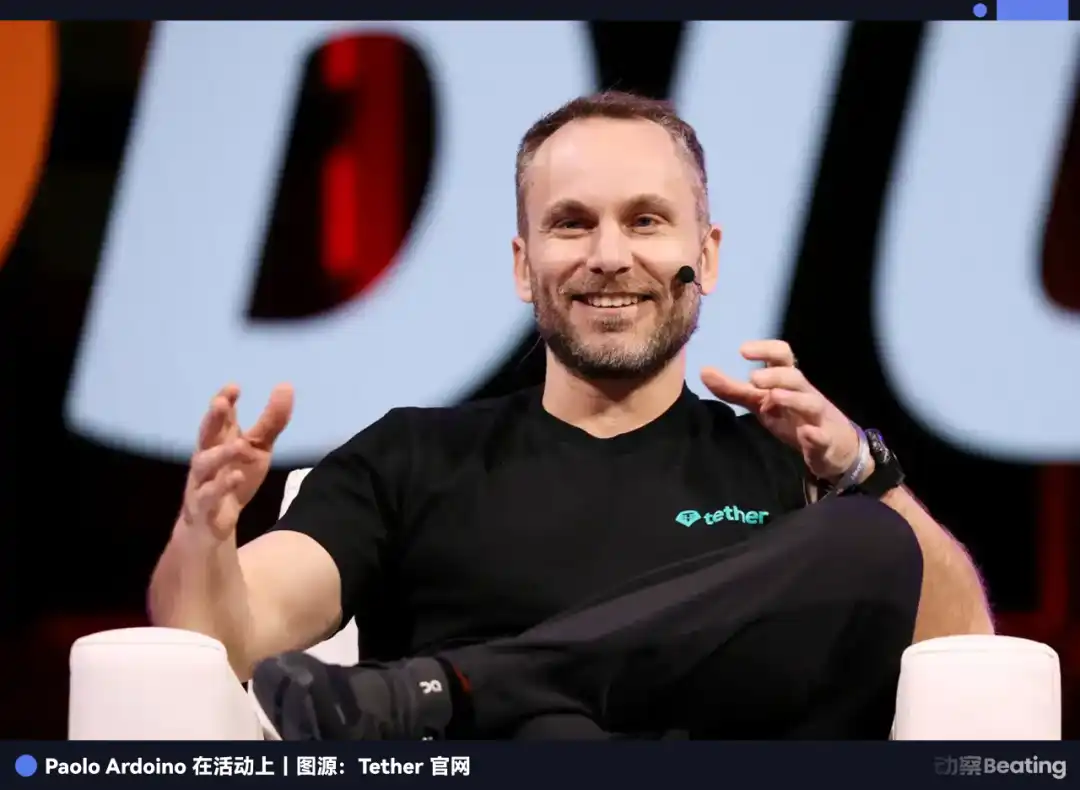
Thirty-two years later, the boy under the olive trees grew into the Caesar of the cryptocurrency world, presiding over Tether, a super money printer with annual profits of $13 billion. Now, returning home in glory, he attempts to buy the dream of his childhood, to give back to that black and white faith flowing in his blood.

But reality taught sentimentality a lesson.

When Paolo enthusiastically knocked on the door of Juventus, he was met not with flowers or applause. What awaited him was a nine-month-long ordeal of exclusion and humiliation from the old world.

The 9 Months of Exclusion

The honeymoon period began in a way that was almost unrequited.

In February 2025, Tether announced it had acquired an 8.2% stake in Juventus, becoming the second-largest shareholder after the Exor Group. In the official statement, Paolo shed his businessman's shrewdness and rarely showed his soft side: 'For me, Juventus has always been a part of my life.'

Paolo thought it was a business deal where everyone got what they needed: I have money, you need money, it's a perfect match. However, in Italy, some doors aren't opened just with money.

Two months later, Juventus announced a capital increase plan of up to €110 million. At this critical moment needing a cash infusion, Paolo, as the second-largest shareholder, was deliberately 'forgotten'. No phone call, no email, not a single explanation. The Exor Group couldn't even be bothered to send him a polite rejection.

Paolo typed out a message full of grievance on social media: 'We hoped to increase our stake in Juventus through a possible capital increase by the club, but this wish was ignored.'

Paolo had probably never been so humiliated in his life. A financial titan managing $13 billion in annual profits could only use social media to 'remind' Juventus: I want to participate in the capital increase, I want to invest more, but I'm being ignored.

Some sympathized with Paolo, seeing him as a genuine Juventus fan; others questioned his motives, believing he just wanted to use Juventus to whitewash Tether's image.

Whether外界 was sympathy or doubt, in the eyes of the Agnelli family, Paolo was still an 'outsider'. The relationship from the start was not cooperation but 'defense'.

Since sentiment couldn't buy respect, he would use money.

From April to October, Tether increased its shareholding from 8.2% to 10.7% through the open market. According to Italian law, a stake exceeding 10% grants the right to nominate a board member.

November 7, Turin, Juventus Annual General Meeting. The atmosphere became tense and unpredictable due to Tether's disruption.
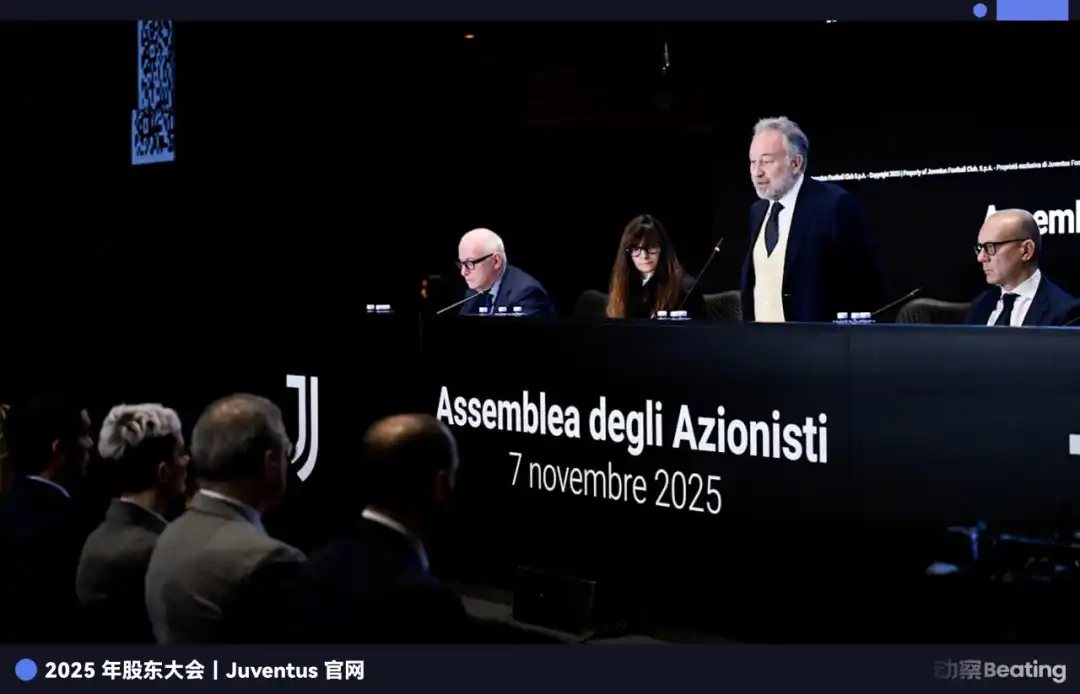
Tether nominated Francesco Garino as a board candidate, a renowned local Turin doctor and lifelong Juventus fan. Paolo tried to tell everyone: We are not barbarians, we are sons of Turin, bound by blood.

The shrewd Exor Group countered with a trump card: Giorgio Chiellini. This legendary captain, who served Juventus for 17 years and lifted 9 Serie A trophies, was pushed to the forefront.

This was Exor's strategy: use a club legend against capital, use sentiment against money.

In the end, Tether barely won a seat on the board. But in a boardroom where the Agnelli family holds absolute control, one seat means you can listen, you can suggest, but you cannot touch the steering wheel.

The concluding remarks from John Elkann, the fifth-generation leader of the Agnelli family: 'We are proud to have been shareholders of Juventus for over a century. We have no intention of selling our shares, but we are open to constructive ideas from all stakeholders.'

To translate this more bluntly: This is not just business; this is our family's territory. You can come in for tea, but don't expect to be the master here.

The Arrogance and Prejudice of Old Money

John's words carry the weight of 102 years of a family's glory and pride.

On July 24, 1923, 31-year-old Edoardo Agnelli took up the mantle of President of Juventus. From that day on, the fate of the Agnelli family and Juventus were tightly bound. The family's Fiat auto empire was, for most of the 20th century, Italy's largest private enterprise, employing countless workers and supporting millions of families.

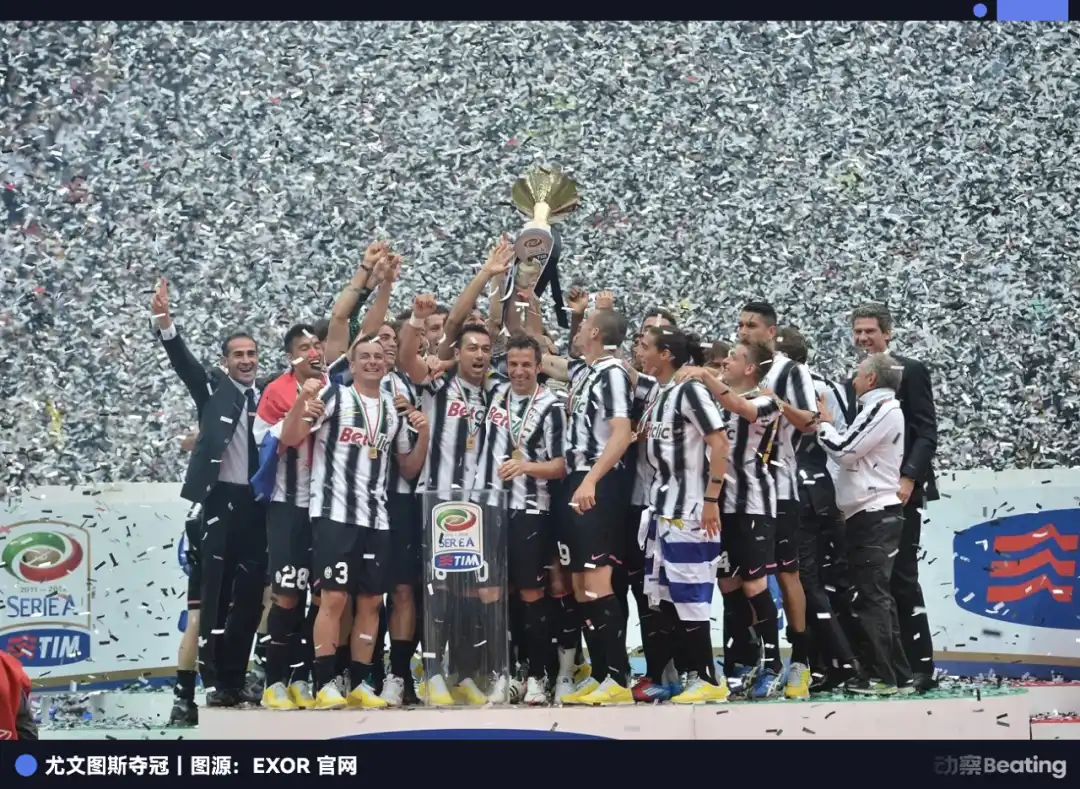
And Juventus is another symbol of this family's power. 36 Serie A titles, 2 Champions League titles, 14 Coppa Italia trophies. Juventus is the most successful club in Italian football history and a source of national pride for Italians.
However, the Agnelli family's history of succession is written with blood and fractures.

In 2000, the Agnelli family heir, Edoardo Agnelli, jumped from a viaduct, ending his battle with depression. Three years later, the family patriarch, Gianni Agnelli, passed away. The baton of power had to be passed to his grandson, John Elkann.

John was born in New York and grew up in Paris. He speaks English, French, and Italian, but his Italian carries a noticeable foreign accent. In the eyes of many old-school Italians, he is merely a proxy who gained power through bloodline.

It took John a full 20 years to prove himself worthy of the Agnelli name.

He restructured Fiat, swallowed up Chrysler, and created Stellantis, the world's fourth-largest automotive group; he took Ferrari to the capital markets, doubling its市值; he bought The Economist, extending the Agnelli family's influence from Italy to the globe.

Unfortunately, the cracks within the family are becoming public. In September 2025, John Elkann's mother, Margherita, submitted a 'will' from 1998 to a Turin court, claiming that the inheritance left to her by her father Gianni had been misappropriated by John. Mother and son facing off in court is a huge scandal in Italy, where family honor is paramount.
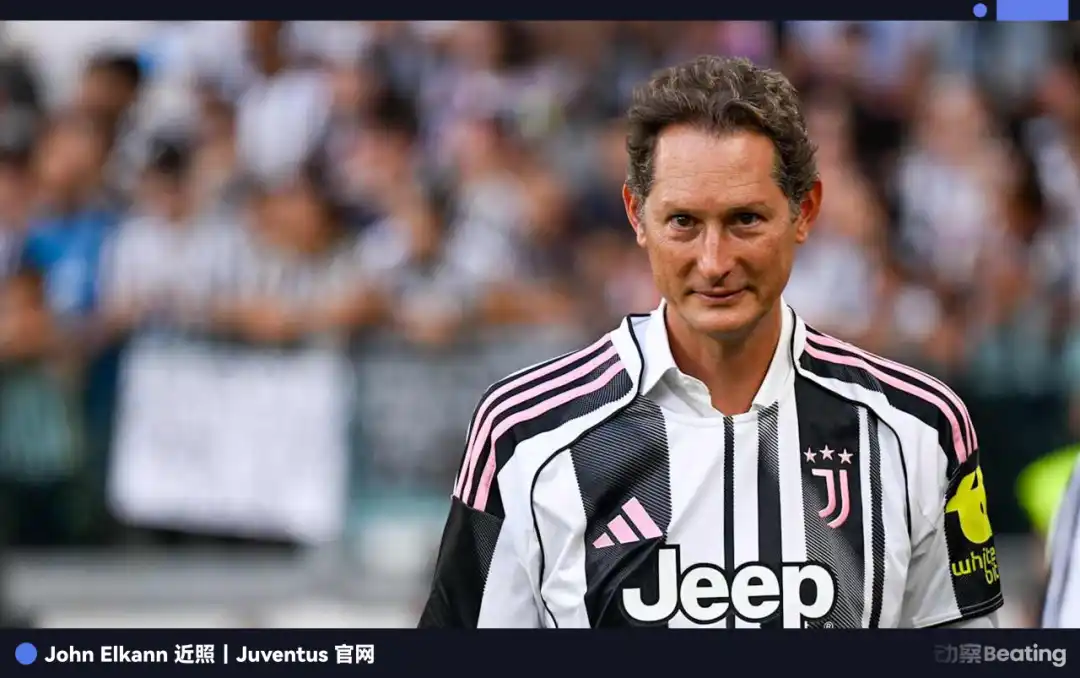
In this context, selling Juventus would be equivalent to admitting the end of the family's glory, admitting inferiority to their ancestors.

To hold onto Juventus, John is frantically selling off other family assets.

Just days before Tether made its offer, the Exor Group was busy selling its GEDI media group to the Greek media group Antenna Group for €140 million. GEDI owns the influential newspapers La Repubblica and La Stampa. The status of these two papers in Italy is no less than that of Juventus in Italian football.

The news caused an uproar in Italy. The Italian government even invoked the 'Golden Power' law, requiring Exor to protect jobs and editorial independence during the sale.

Newspapers losing money? They are a liability, cut them. Juventus losing money? It is a totem, keep it.

This choice exposes the窘迫 of the old aristocracy. They can no longer maintain their former empire and can only strive to retain the one that best represents the family's glory.

Therefore, even though Paolo's offer came with a hefty 20% market premium, John Elkann still sees it as a threat.

In the value system of European old money, the quality of wealth has a hierarchy.

Every penny of the Agnelli family's fortune is steeped in the smell of engine oil. It is an industrial monument forged from steel, rubber, the roar of engines, and the sweat of millions of workers. This kind of wealth is tangible, it represents order, control, and a social contract spanning a century.

Paolo's money, however, comes from cryptocurrency, from an industry that has grown wildly and controversially over the past decade.

Precedents are still fresh.

Just a few years ago, the blockchain company DigitalBits signed €85 million sponsorship deals with Inter Milan and AS Roma, two Serie A giants. But DigitalBits failed to pay the sponsorship fees due to a broken capital chain, forcing both clubs to terminate the contracts, leaving a mess behind.

Not to mention the chain of collapses in the cryptocurrency industry in 2022. Back then, Luna's logo was plastered on the Washington Nationals' stadium, and FTX's name adorned the Miami Heat's arena. In the eyes of the Agnelli family, the cryptocurrency industry is full of speculation and bubbles.

In the Agnelli family's eyes, Paolo will always be an 'outsider'. Not because of his origin, but because of his money.

A Totem in Need of Saving

But the problem is, Juventus really needs money.

Today's Juventus is deeply mired in trouble, all stemming from that day, July 10, 2018, when Juventus announced the signing of 33-year-old Cristiano Ronaldo. €100 million transfer fee, €30 million net annual salary, for 4 years.
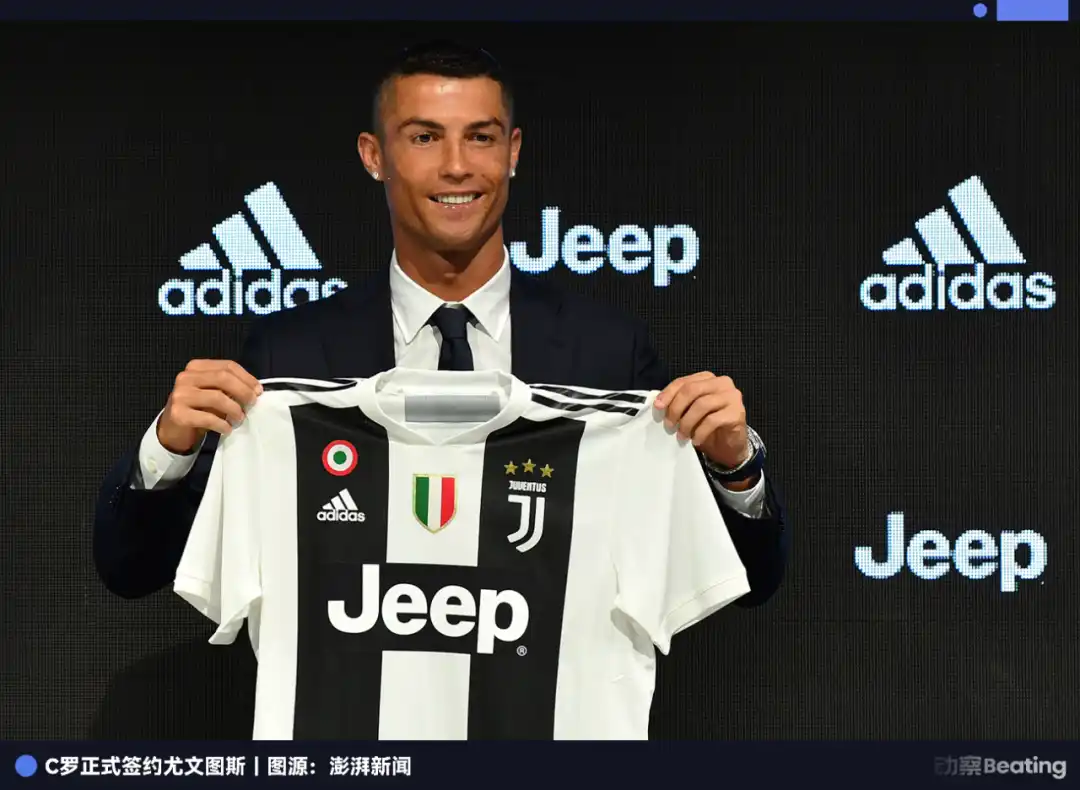
This was the biggest transfer in Serie A history and the highest wage in Serie A history. The then Juventus president, Andrea Agnelli, the fourth-generation leader of the Agnelli family, said excitedly at the shareholders' meeting: 'This is the most important signing in Juventus history. We will win the Champions League with Ronaldo.'

The city of Turin沸腾了. Fans flocked to the Juventus store, snapping up jerseys with Ronaldo's name. In just the first 24 hours after the announcement, the club sold over 520,000 jerseys, setting a record in football history. Everyone believed Ronaldo would lead Juventus to the top of Europe.

But Juventus did not win the Champions League. In 2019, knocked out by Ajax; in 2020, eliminated by Lyon; in 2021, defeated by Porto. In August 2021, Ronaldo suddenly left the team, moving to Manchester United. Juventus not only failed to recoup its investment but sank into deeper financial trouble.

Accountants later calculated the total cost: including the transfer fee, salary, and taxes, the total cost of signing Ronaldo reached a staggering €340 million. In his three years at Juve, he scored 101 goals, averaging €2.8 million per goal.

For a club the size of Juventus, the Champions League is less about honor and more about a cash flow switch: broadcast shares, matchday revenue, bonus clauses in sponsorships—many are tied to the Champions League. Once you lose the Champions League, the books immediately thin, and the team is forced to use accounting手段 to plug the hole.

Juventus sold Miralem Pjanić to Spanish giants Barcelona for €60 million, while simultaneously buying Arthur from Barcelona for €72 million. Both transactions were officially claimed to be unrelated, but everyone knew it was a carefully designed swap. Juventus实际上 only needed to pay a €12 million cash difference but could record tens of millions of euros in 'capital gains' on its books.

This kind of accounting is not uncommon in football circles, but Juventus overdid it.

Prosecutors found that over three years, the club had inflated profits by €282 million through 42 similar suspicious transactions. After the scandal was exposed, the entire board, including President Andrea Agnelli, resigned en masse.

Punishment for the team followed: deducted league points, exclusion from the Champions League, long-term bans for executives. This led to an even more terrible vicious cycle: poor team performance led to sharp revenue decline, revenue decline led to inability to sign players, inability to sign players led to worse performance.

Starting from a loss of €39.6 million in the 2018-19 season, Juventus's financial situation deteriorated. By the 2022-23 season, the loss had reached €123.7 million. From the peak of nine consecutive Serie A titles to years of huge losses, in November 2025, the Exor Group had to inject nearly €100 million into Juventus again.

This was already the third time the Exor Group had to bail out Juventus in two years. The Exor Group also owns assets like Ferrari, Stellantis automotive group, and The Economist magazine. Juventus's continuous losses are eroding the group's overall profits. In the 2024 financial report, Exor Group's net profit fell by 12%. Analysts pointed out that Juventus has become a drag on the group's performance.

John Elkann is in a dilemma, unsure how to decide.

And Paolo, holding $13 billion in annual profits, is knocking on the door. He has plenty of money, he has patience, he has love for Juventus.

This should have been a perfect deal, if not for that mountain called 'class' standing in between.

The Dream Under the Olive Trees

Paolo's knocks received no response, so he made his choice.

On December 12, Paolo bypassed all private roundtable meetings and made the offer public directly through the Italian stock exchange. Paolo backed John Elkann into a corner, forcing him to answer this question in front of all of Italy: Do you want money, or do you want the family's face?

The news sent Juventus's stock price soaring, as the market expressed its desire for 'new money'. Both Gazzetta dello Sport and Tuttosport reported it on their front pages. The entire Apennine Peninsula awaited the Agnelli family's decision.

The Agnelli family's refusal was expected, yet unreasonable.

Expected, because the family's pride does not allow them to bow to new money. Unreasonable, because given their current financial situation, rejecting such a huge sum requires an almost tragic stubbornness.

For Paolo, he wants to use the money he earned to save the idol of his childhood. Companies ultimately have a nationality. Although Tether is a digitally nomadic business with a global reach, its CEO is Italian, its heart is in Italy.

From the Agnelli family's perspective, they are guarding not just a club, but 102 years of family glory and a symbol of Italy's industrial age.

This is no longer a博弈 of business logic; it is a collision of two faiths.

In John Elkann's eyes, that bronze gate must remain shut because outside stands a speculator trying to whitewash his identity. But in Paolo's eyes, that gate should open because outside stands a child of Italian blood who can save this team.

However, the times are not on the side of the old aristocracy.
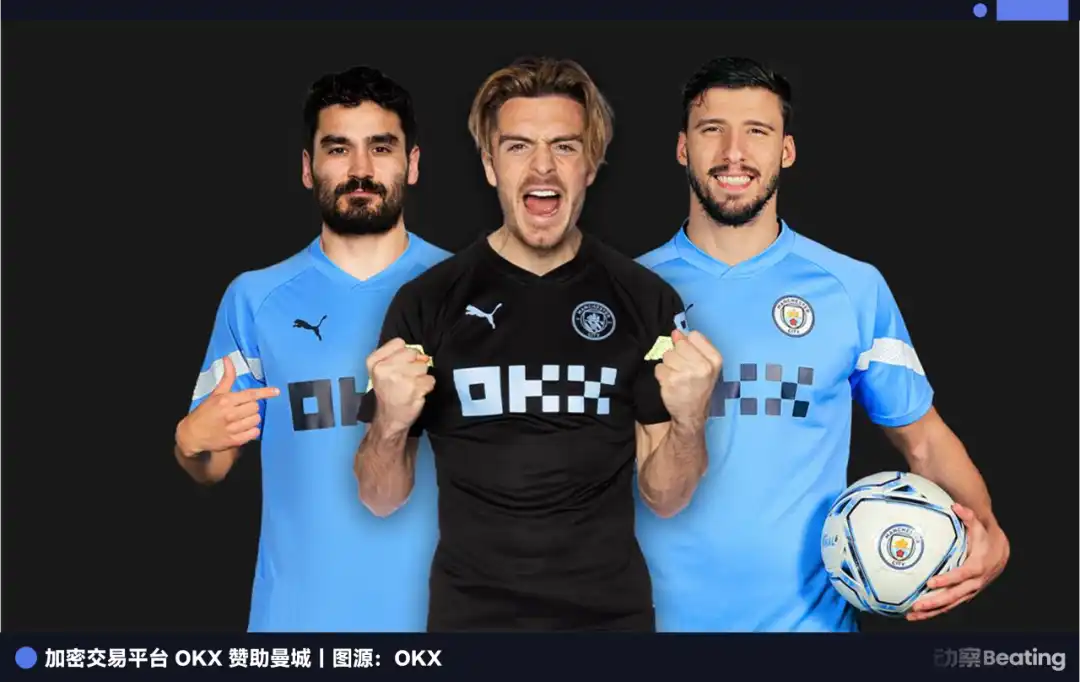
In the same week that Exor rejected Tether, Premier League champions Manchester City announced a renewal of their partnership with the crypto exchange OKX, with the chest sponsorship worth over €100 million. European giants like Paris Saint-Germain, Barcelona, and AC Milan have already established deep cooperation with crypto companies. In Asia, South Korea's K League and Japan's J League have also begun accepting cryptocurrency sponsorships.

New money entering traditional industries controlled by old money is no longer a question of 'if' but 'how'. Football is just one battlefield. In the art auction field, Sotheby's and Christie's have begun accepting cryptocurrency payments; in real estate, luxury home transactions in cities like Dubai and Miami can already be completed with Bitcoin. The same conflicts are playing out globally.

Paolo's charge, whether successful or not, is testing the boundaries of this era: When a generation creates enormous wealth in new ways, do they deserve a seat at the old world's table controlled by old money?

At the end of the story, the画面定格在那片郊外的橄榄园.

Thirty-two years ago, a dark-haired boy sat there, accompanied by the sounds of his grandparents working, cheering at the black and white figures on the TV. He would never have imagined that one day he would stand outside that gate, waiting for an answer.

That tightly shut bronze gate remains cold and威严. Behind it lies a century of Agnelli family glory, the last afterglow of the old industrial era.

It did not open for new money this time, but the person knocking will not retreat. Because he knows that pushing this door open is only a matter of time.


Domande pertinenti

QWhat is the main reason Tether's attempt to acquire Juventus is being resisted by the Exor Group?

AThe Exor Group, controlled by the Agnelli family, views Tether's cryptocurrency-based wealth as 'new money' with a controversial and speculative background, contrasting with their century-old industrial legacy. Selling Juventus stake would symbolize a loss of family honor and control over a cultural icon.

QHow did the Agnelli family's internal conflicts impact their stance on the Juventus sale?

AInternal family strife, including a public legal battle between John Elkann and his mother over inheritance, heightened the need to preserve Juventus as a symbol of family unity and legacy, making them more resistant to selling.

QWhat financial missteps led to Juventus's current crisis, making external investment necessary?

AJuventus's financial decline began with the costly signing of Cristiano Ronaldo (total cost €340 million), followed by accounting scandals involving €282 million in inflated profits from player swaps, resulting in point deductions, Champions League exclusion, and annual losses exceeding €120 million.

QHow did Tether initially try to increase its influence in Juventus before the public takeover bid?

ATether first acquired an 8.2% stake in February 2025, later raising it to 10.7% through open market purchases to gain board nomination rights. They nominated a local Turin doctor as director but were countered by Exor's appointment of club legend Giorgio Chiellini, limiting Tether's influence.

QWhat broader trend does Tether's bid for Juventus represent in global sports and high-value assets?

AIt reflects a global trend of 'new money' from crypto and tech industries challenging old-guard elites in traditional sectors like sports (e.g., crypto sponsorships in Premier League), art (crypto payments at auctions), and real estate (Bitcoin transactions for luxury properties), testing the boundaries of wealth legitimacy and access.

Letture associate

Trading

Spot
Futures

Articoli Popolari

Cosa è $S$

Comprendere SPERO: Una Panoramica Completa Introduzione a SPERO Mentre il panorama dell'innovazione continua a evolversi, l'emergere delle tecnologie web3 e dei progetti di criptovaluta gioca un ruolo fondamentale nel plasmare il futuro digitale. Un progetto che ha attirato l'attenzione in questo campo dinamico è SPERO, denotato come SPERO,$$s$. Questo articolo mira a raccogliere e presentare informazioni dettagliate su SPERO, per aiutare gli appassionati e gli investitori a comprendere le sue basi, obiettivi e innovazioni nei domini web3 e crypto. Che cos'è SPERO,$$s$? SPERO,$$s$ è un progetto unico all'interno dello spazio crypto che cerca di sfruttare i principi della decentralizzazione e della tecnologia blockchain per creare un ecosistema che promuove l'impegno, l'utilità e l'inclusione finanziaria. Il progetto è progettato per facilitare interazioni peer-to-peer in modi nuovi, fornendo agli utenti soluzioni e servizi finanziari innovativi. Al suo interno, SPERO,$$s$ mira a responsabilizzare gli individui fornendo strumenti e piattaforme che migliorano l'esperienza dell'utente nello spazio delle criptovalute. Questo include la possibilità di metodi di transazione più flessibili, la promozione di iniziative guidate dalla comunità e la creazione di percorsi per opportunità finanziarie attraverso applicazioni decentralizzate (dApps). La visione sottostante di SPERO,$$s$ ruota attorno all'inclusività, cercando di colmare le lacune all'interno della finanza tradizionale mentre sfrutta i vantaggi della tecnologia blockchain. Chi è il Creatore di SPERO,$$s$? L'identità del creatore di SPERO,$$s$ rimane piuttosto oscura, poiché ci sono risorse pubblicamente disponibili limitate che forniscono informazioni dettagliate sul suo fondatore o fondatori. Questa mancanza di trasparenza può derivare dall'impegno del progetto per la decentralizzazione—un ethos che molti progetti web3 condividono, dando priorità ai contributi collettivi rispetto al riconoscimento individuale. Centrando le discussioni attorno alla comunità e ai suoi obiettivi collettivi, SPERO,$$s$ incarna l'essenza dell'empowerment senza mettere in evidenza individui specifici. Pertanto, comprendere l'etica e la missione di SPERO rimane più importante che identificare un creatore singolo. Chi sono gli Investitori di SPERO,$$s$? SPERO,$$s$ è supportato da una varietà di investitori che vanno dai capitalisti di rischio agli investitori angelici dedicati a promuovere l'innovazione nel settore crypto. Il focus di questi investitori generalmente si allinea con la missione di SPERO—dando priorità a progetti che promettono avanzamenti tecnologici sociali, inclusività finanziaria e governance decentralizzata. Queste fondazioni di investitori sono tipicamente interessate a progetti che non solo offrono prodotti innovativi, ma contribuiscono anche positivamente alla comunità blockchain e ai suoi ecosistemi. Il supporto di questi investitori rafforza SPERO,$$s$ come un concorrente degno di nota nel dominio in rapida evoluzione dei progetti crypto. Come Funziona SPERO,$$s$? SPERO,$$s$ impiega un framework multifunzionale che lo distingue dai progetti di criptovaluta convenzionali. Ecco alcune delle caratteristiche chiave che sottolineano la sua unicità e innovazione: Governance Decentralizzata: SPERO,$$s$ integra modelli di governance decentralizzati, responsabilizzando gli utenti a partecipare attivamente ai processi decisionali riguardanti il futuro del progetto. Questo approccio favorisce un senso di proprietà e responsabilità tra i membri della comunità. Utilità del Token: SPERO,$$s$ utilizza il proprio token di criptovaluta, progettato per servire varie funzioni all'interno dell'ecosistema. Questi token abilitano transazioni, premi e la facilitazione dei servizi offerti sulla piattaforma, migliorando l'impegno e l'utilità complessivi. Architettura Stratificata: L'architettura tecnica di SPERO,$$s$ supporta la modularità e la scalabilità, consentendo un'integrazione fluida di funzionalità e applicazioni aggiuntive man mano che il progetto evolve. Questa adattabilità è fondamentale per mantenere la rilevanza nel panorama crypto in continua evoluzione. Coinvolgimento della Comunità: Il progetto enfatizza iniziative guidate dalla comunità, impiegando meccanismi che incentivano la collaborazione e il feedback. Nutrendo una comunità forte, SPERO,$$s$ può affrontare meglio le esigenze degli utenti e adattarsi alle tendenze di mercato. Focus sull'Inclusione: Offrendo basse commissioni di transazione e interfacce user-friendly, SPERO,$$s$ mira ad attrarre una base utenti diversificata, inclusi individui che potrebbero non aver precedentemente interagito nello spazio crypto. Questo impegno per l'inclusione si allinea con la sua missione generale di empowerment attraverso l'accessibilità. Cronologia di SPERO,$$s$ Comprendere la storia di un progetto fornisce preziose intuizioni sulla sua traiettoria di sviluppo e sui traguardi. Di seguito è riportata una cronologia suggerita che mappa eventi significativi nell'evoluzione di SPERO,$$s$: Fase di Concettualizzazione e Ideazione: Le idee iniziali che formano la base di SPERO,$$s$ sono state concepite, allineandosi strettamente con i principi di decentralizzazione e focus sulla comunità all'interno dell'industria blockchain. Lancio del Whitepaper del Progetto: Dopo la fase concettuale, è stato rilasciato un whitepaper completo che dettaglia la visione, gli obiettivi e l'infrastruttura tecnologica di SPERO,$$s$ per suscitare interesse e feedback dalla comunità. Costruzione della Comunità e Prime Interazioni: Sono stati effettuati sforzi attivi di outreach per costruire una comunità di early adopters e potenziali investitori, facilitando discussioni attorno agli obiettivi del progetto e ottenendo supporto. Evento di Generazione del Token: SPERO,$$s$ ha condotto un evento di generazione del token (TGE) per distribuire i propri token nativi ai primi sostenitori e stabilire una liquidità iniziale all'interno dell'ecosistema. Lancio della Prima dApp: La prima applicazione decentralizzata (dApp) associata a SPERO,$$s$ è stata attivata, consentendo agli utenti di interagire con le funzionalità principali della piattaforma. Sviluppo Continuo e Partnership: Aggiornamenti e miglioramenti continui alle offerte del progetto, inclusi partnership strategiche con altri attori nello spazio blockchain, hanno plasmato SPERO,$$s$ in un concorrente competitivo e in evoluzione nel mercato crypto. Conclusione SPERO,$$s$ rappresenta una testimonianza del potenziale del web3 e delle criptovalute di rivoluzionare i sistemi finanziari e responsabilizzare gli individui. Con un impegno per la governance decentralizzata, il coinvolgimento della comunità e funzionalità progettate in modo innovativo, apre la strada verso un panorama finanziario più inclusivo. Come per qualsiasi investimento nello spazio crypto in rapida evoluzione, si incoraggiano potenziali investitori e utenti a ricercare approfonditamente e a impegnarsi in modo riflessivo con gli sviluppi in corso all'interno di SPERO,$$s$. Il progetto mostra lo spirito innovativo dell'industria crypto, invitando a ulteriori esplorazioni delle sue innumerevoli possibilità. Mentre il percorso di SPERO,$$s$ è ancora in fase di sviluppo, i suoi principi fondamentali potrebbero effettivamente influenzare il futuro di come interagiamo con la tecnologia, la finanza e tra di noi in ecosistemi digitali interconnessi.

75 Totale visualizzazioniPubblicato il 2024.12.17Aggiornato il 2024.12.17

Cosa è $S$

Cosa è AGENT S

Agent S: Il Futuro dell'Interazione Autonoma in Web3 Introduzione Nel panorama in continua evoluzione di Web3 e criptovalute, le innovazioni stanno costantemente ridefinendo il modo in cui gli individui interagiscono con le piattaforme digitali. Uno di questi progetti pionieristici, Agent S, promette di rivoluzionare l'interazione uomo-computer attraverso il suo framework agentico aperto. Aprendo la strada a interazioni autonome, Agent S mira a semplificare compiti complessi, offrendo applicazioni trasformative nell'intelligenza artificiale (AI). Questa esplorazione dettagliata approfondirà le complessità del progetto, le sue caratteristiche uniche e le implicazioni per il dominio delle criptovalute. Cos'è Agent S? Agent S si presenta come un innovativo framework agentico aperto, progettato specificamente per affrontare tre sfide fondamentali nell'automazione dei compiti informatici: Acquisizione di Conoscenze Specifiche del Dominio: Il framework apprende in modo intelligente da varie fonti di conoscenza esterne ed esperienze interne. Questo approccio duale gli consente di costruire un ricco repository di conoscenze specifiche del dominio, migliorando le sue prestazioni nell'esecuzione dei compiti. Pianificazione su Lungo Orizzonte di Compiti: Agent S impiega una pianificazione gerarchica potenziata dall'esperienza, un approccio strategico che facilita la suddivisione e l'esecuzione efficiente di compiti complessi. Questa caratteristica migliora significativamente la sua capacità di gestire più sottocompiti in modo efficiente ed efficace. Gestione di Interfacce Dinamiche e Non Uniformi: Il progetto introduce l'Interfaccia Agente-Computer (ACI), una soluzione innovativa che migliora l'interazione tra agenti e utenti. Utilizzando Modelli Linguistici Multimodali di Grandi Dimensioni (MLLM), Agent S può navigare e manipolare senza sforzo diverse interfacce grafiche utente. Attraverso queste caratteristiche pionieristiche, Agent S fornisce un framework robusto che affronta le complessità coinvolte nell'automazione dell'interazione umana con le macchine, preparando il terreno per innumerevoli applicazioni nell'AI e oltre. Chi è il Creatore di Agent S? Sebbene il concetto di Agent S sia fondamentalmente innovativo, informazioni specifiche sul suo creatore rimangono elusive. Il creatore è attualmente sconosciuto, il che evidenzia sia la fase embrionale del progetto sia la scelta strategica di mantenere i membri fondatori sotto anonimato. Indipendentemente dall'anonimato, l'attenzione rimane sulle capacità e sul potenziale del framework. Chi sono gli Investitori di Agent S? Poiché Agent S è relativamente nuovo nell'ecosistema crittografico, informazioni dettagliate riguardanti i suoi investitori e sostenitori finanziari non sono documentate esplicitamente. La mancanza di approfondimenti pubblicamente disponibili sulle fondazioni di investimento o sulle organizzazioni che supportano il progetto solleva interrogativi sulla sua struttura di finanziamento e sulla roadmap di sviluppo. Comprendere il supporto è cruciale per valutare la sostenibilità del progetto e il suo potenziale impatto sul mercato. Come Funziona Agent S? Al centro di Agent S si trova una tecnologia all'avanguardia che gli consente di funzionare efficacemente in contesti diversi. Il suo modello operativo è costruito attorno a diverse caratteristiche chiave: Interazione Uomo-Computer Simile a Quella Umana: Il framework offre una pianificazione AI avanzata, cercando di rendere le interazioni con i computer più intuitive. Mimando il comportamento umano nell'esecuzione dei compiti, promette di elevare le esperienze degli utenti. Memoria Narrativa: Utilizzata per sfruttare esperienze di alto livello, Agent S utilizza la memoria narrativa per tenere traccia delle storie dei compiti, migliorando così i suoi processi decisionali. Memoria Episodica: Questa caratteristica fornisce agli utenti una guida passo-passo, consentendo al framework di offrire supporto contestuale mentre i compiti si sviluppano. Supporto per OpenACI: Con la capacità di funzionare localmente, Agent S consente agli utenti di mantenere il controllo sulle proprie interazioni e flussi di lavoro, allineandosi con l'etica decentralizzata di Web3. Facile Integrazione con API Esterne: La sua versatilità e compatibilità con varie piattaforme AI garantiscono che Agent S possa adattarsi senza problemi agli ecosistemi tecnologici esistenti, rendendolo una scelta attraente per sviluppatori e organizzazioni. Queste funzionalità contribuiscono collettivamente alla posizione unica di Agent S all'interno dello spazio crittografico, poiché automatizza compiti complessi e multi-fase con un intervento umano minimo. Man mano che il progetto evolve, le sue potenziali applicazioni in Web3 potrebbero ridefinire il modo in cui si svolgono le interazioni digitali. Cronologia di Agent S Lo sviluppo e le tappe di Agent S possono essere riassunti in una cronologia che evidenzia i suoi eventi significativi: 27 Settembre 2024: Il concetto di Agent S è stato lanciato in un documento di ricerca completo intitolato “Un Framework Agentico Aperto che Usa i Computer Come un Umano”, mostrando le basi per il progetto. 10 Ottobre 2024: Il documento di ricerca è stato reso pubblicamente disponibile su arXiv, offrendo un'esplorazione approfondita del framework e della sua valutazione delle prestazioni basata sul benchmark OSWorld. 12 Ottobre 2024: È stata rilasciata una presentazione video, fornendo un'idea visiva delle capacità e delle caratteristiche di Agent S, coinvolgendo ulteriormente potenziali utenti e investitori. Questi indicatori nella cronologia non solo illustrano i progressi di Agent S, ma indicano anche il suo impegno per la trasparenza e il coinvolgimento della comunità. Punti Chiave su Agent S Man mano che il framework Agent S continua a evolversi, diversi attributi chiave si distinguono, sottolineando la sua natura innovativa e il potenziale: Framework Innovativo: Progettato per fornire un uso intuitivo dei computer simile all'interazione umana, Agent S porta un approccio nuovo all'automazione dei compiti. Interazione Autonoma: La capacità di interagire autonomamente con i computer attraverso GUI segna un passo avanti verso soluzioni informatiche più intelligenti ed efficienti. Automazione di Compiti Complessi: Con la sua metodologia robusta, può automatizzare compiti complessi e multi-fase, rendendo i processi più veloci e meno soggetti a errori. Miglioramento Continuo: I meccanismi di apprendimento consentono ad Agent S di migliorare dalle esperienze passate, migliorando continuamente le sue prestazioni e la sua efficacia. Versatilità: La sua adattabilità attraverso diversi ambienti operativi come OSWorld e WindowsAgentArena garantisce che possa servire un'ampia gamma di applicazioni. Man mano che Agent S si posiziona nel panorama di Web3 e delle criptovalute, il suo potenziale per migliorare le capacità di interazione e automatizzare i processi segna un significativo avanzamento nelle tecnologie AI. Attraverso il suo framework innovativo, Agent S esemplifica il futuro delle interazioni digitali, promettendo un'esperienza più fluida ed efficiente per gli utenti in vari settori. Conclusione Agent S rappresenta un audace passo avanti nell'unione tra AI e Web3, con la capacità di ridefinire il modo in cui interagiamo con la tecnologia. Sebbene sia ancora nelle sue fasi iniziali, le possibilità per la sua applicazione sono vaste e coinvolgenti. Attraverso il suo framework completo che affronta sfide critiche, Agent S mira a portare le interazioni autonome al centro dell'esperienza digitale. Man mano che ci addentriamo nei regni delle criptovalute e della decentralizzazione, progetti come Agent S giocheranno senza dubbio un ruolo cruciale nel plasmare il futuro della tecnologia e della collaborazione uomo-computer.

427 Totale visualizzazioniPubblicato il 2025.01.14Aggiornato il 2025.01.14

Cosa è AGENT S

Come comprare S

Benvenuto in HTX.com! Abbiamo reso l'acquisto di Sonic (S) semplice e conveniente. Segui la nostra guida passo passo per intraprendere il tuo viaggio nel mondo delle criptovalute.Step 1: Crea il tuo Account HTXUsa la tua email o numero di telefono per registrarti il tuo account gratuito su HTX. Vivi un'esperienza facile e sblocca tutte le funzionalità,Crea il mio accountStep 2: Vai in Acquista crypto e seleziona il tuo metodo di pagamentoCarta di credito/debito: utilizza la tua Visa o Mastercard per acquistare immediatamente SonicS.Bilancio: Usa i fondi dal bilancio del tuo account HTX per fare trading senza problemi.Terze parti: abbiamo aggiunto metodi di pagamento molto utilizzati come Google Pay e Apple Pay per maggiore comodità.P2P: Fai trading direttamente con altri utenti HTX.Over-the-Counter (OTC): Offriamo servizi su misura e tassi di cambio competitivi per i trader.Step 3: Conserva Sonic (S)Dopo aver acquistato Sonic (S), conserva nel tuo account HTX. In alternativa, puoi inviare tramite trasferimento blockchain o scambiare per altre criptovalute.Step 4: Scambia Sonic (S)Scambia facilmente Sonic (S) nel mercato spot di HTX. Accedi al tuo account, seleziona la tua coppia di trading, esegui le tue operazioni e monitora in tempo reale. Offriamo un'esperienza user-friendly sia per chi ha appena iniziato che per i trader più esperti.

845 Totale visualizzazioniPubblicato il 2025.01.15Aggiornato il 2025.03.21

Come comprare S

Discussioni

Benvenuto nella Community HTX. Qui puoi rimanere informato sugli ultimi sviluppi della piattaforma e accedere ad approfondimenti esperti sul mercato. Le opinioni degli utenti sul prezzo di S S sono presentate come di seguito.

活动图片