Crypto and AI Need Female Executives

marsbitPubblicato 2026-01-21Pubblicato ultima volta 2026-01-21

Introduzione

Recent growing prominence in the AI industry is the rise of female executives in key operational and commercial roles. Recent examples include CZ Chen, COO of Manus (acquired by Meta for $2 billion), and MiniMax’s 31-year-old COO Yun Yeyi, now worth HK$4.8 billion. Similar trends were observed during crypto’s heyday with leaders like He Yi (Binance), Lisa Loud (BitMEX), and Cynthia Wu (Matrixport). Both AI and crypto share a dual nature: technically cutting-edge yet often led by technical founders who lack strong commercial, narrative, or public-facing skills. Female COOs and CMOs excel as bridges—translating complex technology into market-ready products and building trust through communication and empathy. Figures like Daniela Amodei (Anthropic) and Yun Yeyi have been instrumental in driving commercialization and mass adoption. The migration of such talent signals a sector’s maturation and commercial viability. As AI enters its productization phase, crypto’s failure to attract or retain similar talent may hinder its transition beyond niche technical circles toward mainstream relevance. Where skilled female leaders go, value follows; where they leave, stagnation often remains.

Author: Alice, Shenchao TechFlow

Recently, an interesting phenomenon has been observed in the AI circle: more and more female executives are stepping into the spotlight.

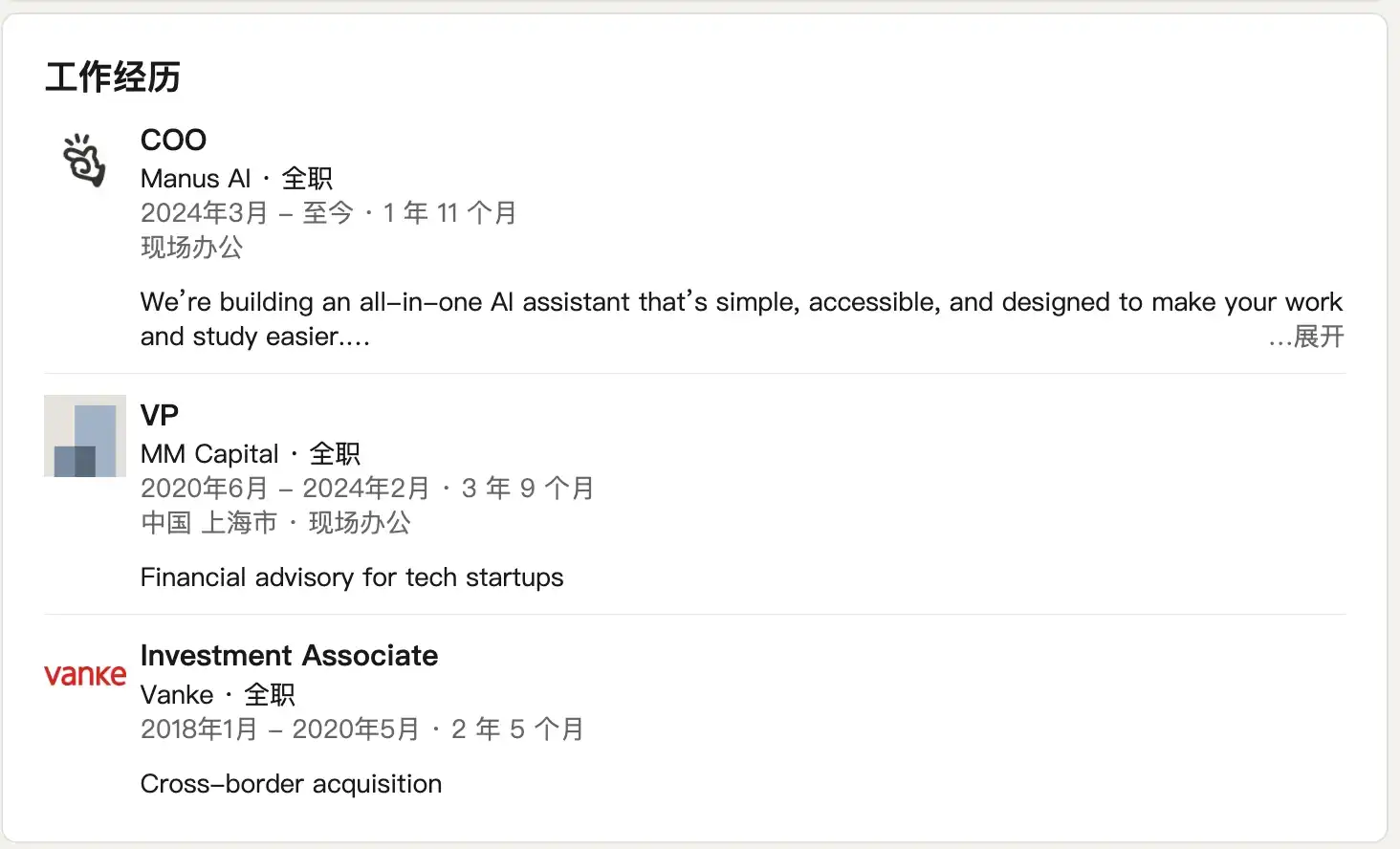
On December 30th, Meta announced it would acquire Manus for $2 billion, bringing 90s-born COO CZ Chen into the public eye. With an undergraduate degree from Shanghai University of Finance and Economics and a master's from Columbia, she started working in 2018, first at Vanke, then at an FA agency, and made her final career move to Manus in 2024, achieving financial freedom directly.
On January 9th, at MiniMax's bell-ringing ceremony, standing alongside the 36-year-old founder Yan Junjie was a woman born in 1994, Yun Yeyi.
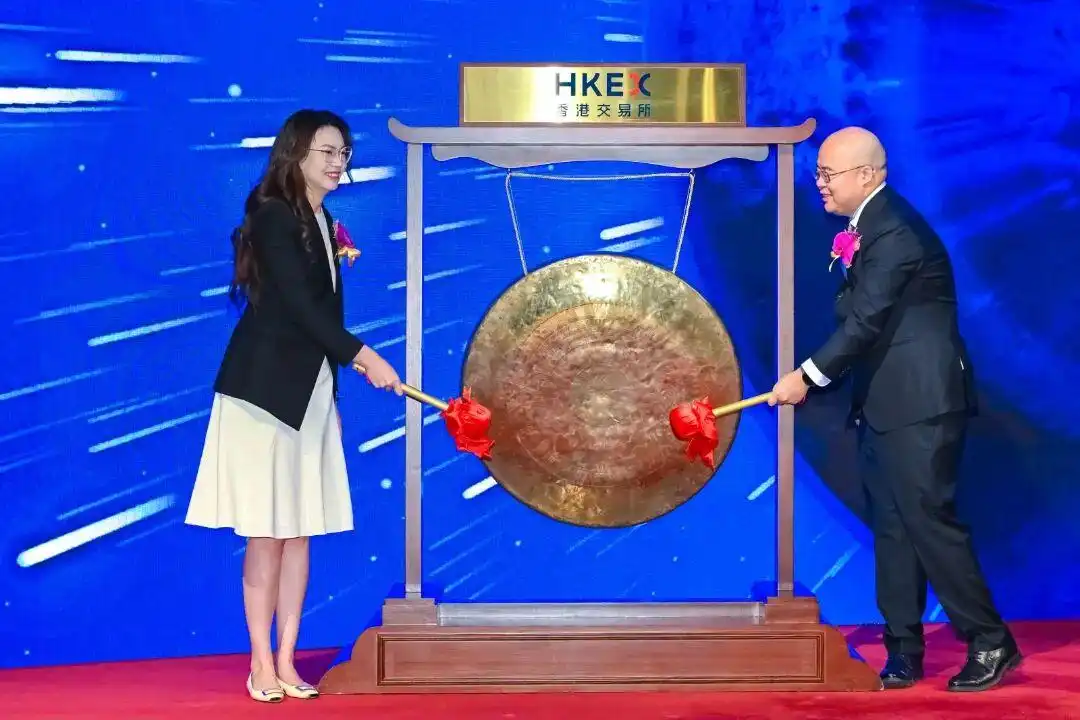
This 31-year-old COO now has a net worth of HKD 4.8 billion.

What is Yun Yeyi's background?

She studied electronic engineering at Johns Hopkins University, with minors in economics and mathematics. After graduating in 2017, she joined SenseTime, rising from financing manager to assistant to CEO Xu Li, and then to director of the innovation business department, experiencing SenseTime's journey from unicorn to listing on the Hong Kong stock exchange.

In 2022, when Yan Junjie decided to leave SenseTime to found MiniMax, Yun Yeyi followed almost without hesitation.

Her value goes beyond just following.

MiniMax's prospectus shows that Yun Yeyi handles almost everything outside of technical R&D: product, commercialization, board matters, operations, management... Her annual salary is $1.479 million, more than all other executive directors combined, a figure that speaks volumes.

It's not just in China; globally, the influence of women in the AI circle is undeniable.

Daniela Amodei, with a background in English literature, after working at Stripe and OpenAI, co-founded Anthropic with her brother Dario in 2021, serving as president, focusing on daily operations and commercialization, driving the marketization of Claude products.

Lila Ibrahim, former Intel executive, joined DeepMind in 2018 as its first COO, responsible for daily operations, partnerships, social impact, external affairs, and government relations.

Mira Murati, the Albanian-born former CTO of OpenAI, came to the U.S. on a scholarship at 16, moved from the Model X team at Tesla to OpenAI, and eventually left to found Thinking Machines Lab, valued at $9 billion...

This scene feels familiar.

From 2017 to 2021, during the golden age of crypto, a dazzling array of stars emerged, including a prominent presence of female CMOs and COOs.

The most well-known is undoubtedly Binance co-founder and CMO He Yi (now co-CEO). From Shanghai to Tokyo, then from Malta to Paris and Dubai, she was present at every strategic shift, helping the company become the world's largest cryptocurrency exchange.

Lisa Loud, from Apple engineer to PayPal's Canadian market head, jumped to BitMEX as CMO in 2017. Subsequently, BitMEX once became the world's largest crypto trading platform for derivatives.

Cynthia Wu, COO of Matrixport, former vice president of product development at HKEX, brought traditional finance experience to crypto financial services, helping the company become one of Asia's largest digital asset service platforms.

......

Back then, crypto was the world's asset focus, and the spotlight naturally fell on these female executives at the center of the stage.

But the tide receded, and the protagonists changed.

Now, AI is the focus of the spotlight, so we see Daniela Amodei on the Forbes rich list, and Yun Yeyi radiant at MiniMax's listing ceremony.

Fundamentally, Crypto and AI are strikingly similar: "both cutting-edge and rudimentary."

Cutting-edge is reflected in the technology itself: blockchain reconstructs trust mechanisms, AI reconstructs productivity—both are underlying technologies that can change the world.

Rudimentary is reflected in the founder profile: mostly technical backgrounds, fluent in code, but unfamiliar with marketing, especially government and public relations.

This is the value of female COOs/CMOs. They are the bridge between technical geniuses and the external world, capable of deep dialogue with technical teams and telling compelling stories to investors and users.

Daniela Amodei translated AI safety philosophy into executable business strategies, allowing Claude to break through in the shadow of ChatGPT; Yun Yeyi brought MiniMax from the lab to the C-end market; He Yi long served as the chief customer officer, personally answering user questions and building trust.

When a product moves beyond the pure technical stage and increasingly needs to face the C-end, the advantages of female executives become more apparent.

After all, PR and product require not a confrontational mindset, but empathy.

From another perspective, capable female executives vote with their feet. They go where they can utilize their talents and create value. If they start leaving an industry, it indicates the disappearance of commercial certainty in that industry.

The problem in the crypto industry is obvious now: a lack of talent who can translate technology into products accepted by the masses. Mass adoption and positive externalities remain empty talk. Observing any emerging industry reveals this pattern: when female executives with technical understanding, business acumen, and narrative skills begin to rise, the industry truly shifts from technology-driven to commercialization and mass adoption.

Their emergence marks the true maturity of an industry.

The AI circle has already undergone this transition. Female executives like Daniela Amodei and Yun Yeyi are driving productization, moving AI from lab algorithms into daily life and the business world.

As for the crypto industry, if it can't retain "elites who can speak human language," then it deserves to remain stuck in the mud of PVP.

The flow of talent is the风向标 (wind vane) of the industry.

Where they go, value is created; where they leave, bubbles often burst.

Domande pertinenti

QWhat is the trend observed in the AI industry regarding female executives, as mentioned in the article?

AThe article notes that more female executives are stepping into the spotlight in the AI industry, taking on key roles such as COO and CMO, and driving commercialization and productization of AI technologies.

QWho is Yun Yeyi, and what is her role and significance at MiniMax?

AYun Yeyi is the 31-year-old COO of MiniMax, with a background from Johns Hopkins University and experience at SenseTime. She handles almost all non-R&D aspects of the company, including product, commercialization, and operations, with an annual salary of $1.479 million, reflecting her critical role in the company's success.

QHow does the article compare the roles of female executives in Crypto and AI industries?

AThe article highlights that both Crypto and AI industries have seen prominent female COOs and CMOs who act as bridges between technical teams and the external world. They excel in marketing, government relations, and storytelling, which are essential for turning complex technologies into widely accepted products.

QWhat common characteristics do Crypto and AI share, according to the article?

ACrypto and AI are both described as 'cutting-edge yet rustic.' They are cutting-edge in terms of technology (blockchain redefining trust mechanisms and AI redefining productivity), but rustic in that founders are often technical experts who lack skills in marketing and external relations.

QWhat does the article suggest about the importance of female executives for industry maturity?

AThe article suggests that the rise of female executives with technical understanding, business acumen, and narrative ability marks an industry's transition from technology-driven to commercialization and mass adoption. Their presence indicates true industry maturity, while their departure may signal a decline in commercial certainty.

Letture associate

Has Hook Summer Really Arrived? sato, Lo0p, FLOOD Ignite the New Narrative of Uniswap v4

"Hook Summer" Arrives? Sato, Lo0p, FLOOD Ignite Uniswap v4 Narrative Amidst a slight market recovery, attention within the Ethereum ecosystem has shifted to Meme coins built on Uniswap v4's Hook protocol. Following ASTEROID, tokens like sato, sat1, Lo0p, and FLOOD have become market focal points, with market caps ranging from millions to tens of millions, bringing concentrated liquidity to a narrative-dry market. Uniswap v4 Hooks are "plugin smart contracts" that allow developers to inject custom logic at key points in a liquidity pool's lifecycle (initialization, adding/removing liquidity, swaps, etc.), making the AMM programmable. Recent representative projects include: * **sato**: Market cap peaked over $38M; uses a v4 curve mechanism for minting/burning, locking ETH as reserve. * **sat1**: Market cap briefly exceeded $10M, positioning as an "optimized sato," but later declined significantly. * **Lo0p**: Market cap neared $6.6M; a "lending AMM protocol" allowing users to borrow ETH against deposited LO0P tokens without immediate selling pressure. * **FLOOD**: Market cap approached $6M; channels trading reserves into Aave v3 to generate yield, which is retained in the pool. The emergence of these Hook-based tokens could drive long-term growth for the Uniswap ecosystem by attracting users and liquidity to v4 pools. Combined with Uniswap's activated fee switch (partially used to burn UNI), the long-term outlook for UNI appears positive. However, short-term UNI price appreciation is not directly guaranteed. Factors include the sustainability and lifecycle of these new tokens, their price volatility, overall market conditions, and regulatory pressures. Currently, Uniswap v4's TVL ($595M) lags behind v3 and v2, indicating Hook adoption still requires time to mature. In summary, the Hook ecosystem serves as "long-term nourishment" for UNI, but acts more as a "catalyst" than a direct "booster" in the short term. Note: These are early-stage experimental tokens and may carry unknown risks.

marsbit18 min fa

Has Hook Summer Really Arrived? sato, Lo0p, FLOOD Ignite the New Narrative of Uniswap v4

marsbit18 min fa

Has Hook Summer Truly Arrived? sato, Lo0p, FLOOD Ignite the New Uniswap v4 Narrative

With the broader market showing signs of recovery, a new wave of interest has emerged around Ethereum-based meme coins. Following ASTEROID, tokens like sato, sat1, Lo0p, and FLOOD, built upon the Uniswap v4 Hook protocol, are capturing market attention. Their market capitalizations range from millions to tens of millions of dollars, injecting much-needed focused liquidity into a market lacking narratives. This article explores whether this trend signifies an incoming "Hook Summer" and its potential impact on UNI's price. Hooks are essentially plug-in smart contracts for Uniswap v4 liquidity pools, allowing developers to inject custom logic at key points in a pool's lifecycle (like initialization, adding/removing liquidity, swaps). This transforms the AMM into programmable building blocks. Key highlighted projects include: * **sato**: Peaked over $38M market cap. It utilizes a v4 curve for minting/burning; buying locks ETH as reserve to mint new tokens, while selling redeems ETH from the reserve and burns tokens. * **sat1**: Market cap briefly exceeded $10M, promoted as an "optimized sato," but later declined significantly. * **Lo0p**: Reached nearly $6.6M. It's a lending AMM protocol where buying LO0P tokens locks them as collateral, allowing users to borrow ETH from the pool reserve at 40% LTV, aiming to improve capital efficiency for idle ETH in LPs. * **FLOOD**: Peaked near $6M. Its mechanism directs asset reserves from buys into Aave v3 to generate yield, with fees and interest retained in the pool to potentially influence the token's price long-term. In the long term, the development of the Hook ecosystem can attract users and liquidity to Uniswap v4, benefiting UNI's fundamentals—especially combined with the recent activation of the protocol fee switch, where a portion of fees is used to burn UNI. However, in the short term, these Hook-based tokens are unlikely to directly drive significant UNI price appreciation. Their impact is moderated by factors like token sustainability, price volatility, and broader market and regulatory conditions. Currently, Uniswap v4's TVL ($595M) still trails behind v2 and v3, indicating adoption and growth will take time. The article concludes that while the Hook ecosystem provides long-term "nourishment" for UNI, its short-term role is more of a "catalyst" than a "booster." Readers are cautioned that these are early-stage experimental tokens and may carry unknown risks.

Odaily星球日报30 min fa

Has Hook Summer Truly Arrived? sato, Lo0p, FLOOD Ignite the New Uniswap v4 Narrative

Odaily星球日报30 min fa

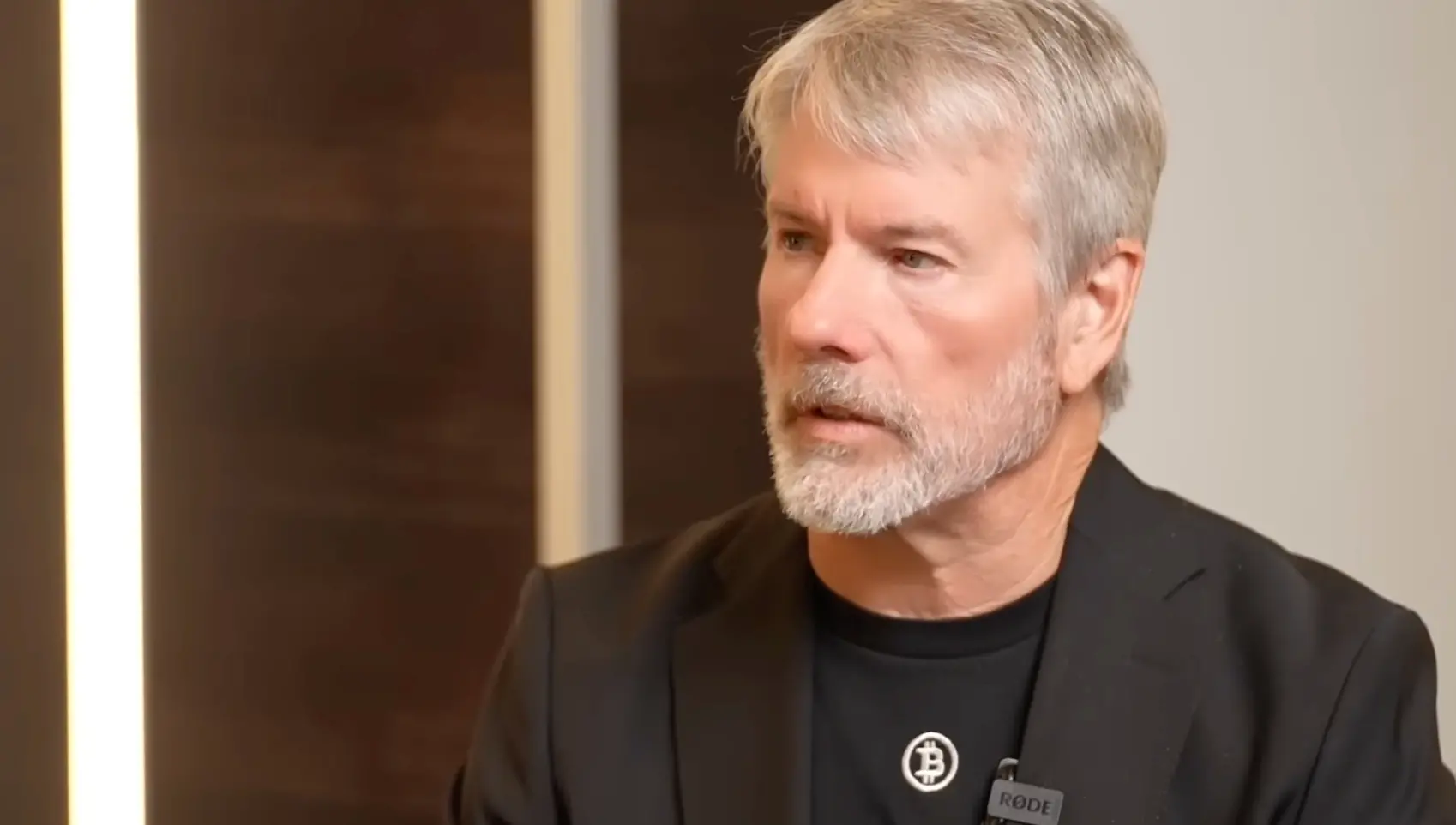
Interview with Michael Saylor: I Did Say I Would Sell Bitcoin, But Never a Net Sale

Interview with Michael Saylor: I Said We'd Sell Bitcoin, But Never Be a Net Seller In a recent podcast, MicroStrategy Executive Chairman Michael Saylor clarified the company's stance on potentially selling Bitcoin. Following MicroStrategy's earnings call statement about being prepared to sell BTC to fund dividends for its STRC (Strategic) credit product, Saylor emphasized the distinction between selling and being a "net seller." Saylor explained the core business model: MicroStrategy sells credit instruments like STRC and uses the proceeds to buy Bitcoin, which is viewed as "digital capital" expected to appreciate around 30-40% annually. A portion of these capital gains can then be used to pay the dividends on the credit products. He stressed that even if the company sells some Bitcoin for dividends, it simultaneously buys much more with new credit issuance. For example, after raising $3.2 billion from STRC sales in April, the dividend obligation was only $80-90 million, making the company a net buyer. The clarification aims to counter market narratives questioning the value of Bitcoin on MicroStrategy's balance sheet if it were never sold, and to dismiss claims of a "Ponzi scheme." Saylor reiterated his personal philosophy for investors: "Don't be a net seller of bitcoin" and ensure your Bitcoin holdings increase each year. Saylor also discussed Bitcoin's role as the foundation for "digital credit," noting that STRC has become the largest and most liquid preferred stock issue in the U.S., offering high risk-adjusted returns (Sharpe ratio). He highlighted Bitcoin's deep liquidity, stating that even large purchases by MicroStrategy do not move the market significantly, which is driven by macro factors, geopolitical tensions, and capital flows from ETFs and credit products. Finally, Saylor reflected on his early inspiration from sci-fi books, which motivated his path to MIT, and maintained his fundamental thesis on Bitcoin remains unchanged: it is superior digital capital enabling superior digital credit.

链捕手34 min fa

Interview with Michael Saylor: I Did Say I Would Sell Bitcoin, But Never a Net Sale

链捕手34 min fa

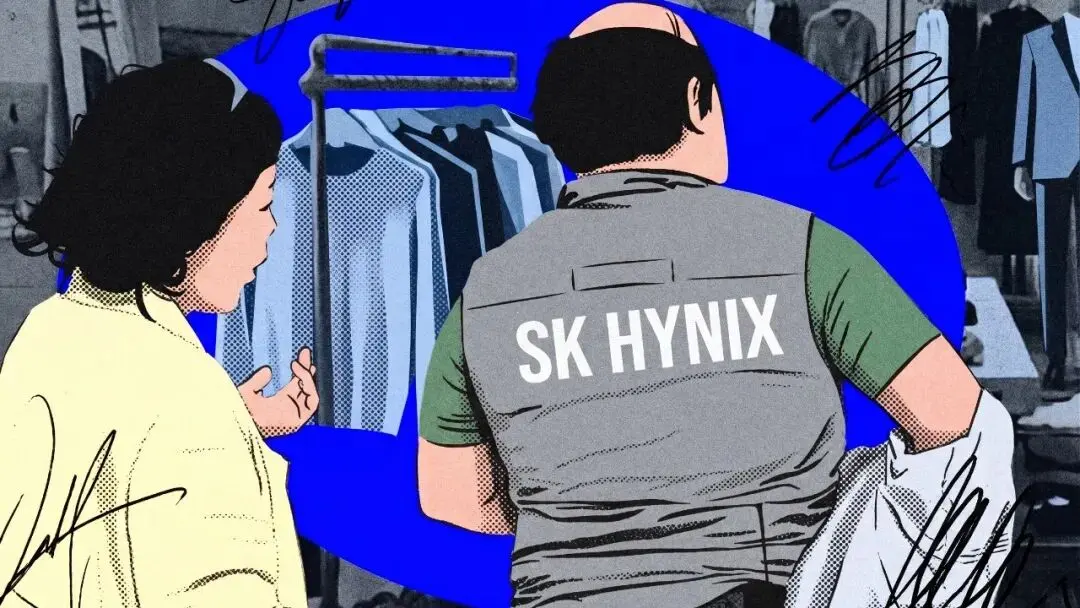
Beaten SK Hynix Employees in China: Year-end Bonus Less Than 5% of Korean Staff's

"SK Hynix Chinese Staff Hit Hard: Bonuses Less Than 5% of Korean Counterparts" Driven by the AI boom, South Korea's SK Hynix is experiencing record performance, with media reports predicting massive year-end bonuses for its employees, making them highly desirable in the matchmaking market. However, this prosperity starkly contrasts with the situation for the company's Chinese employees. According to reports, SK Hynix operates under a rule allocating 10% of operating profit for employee bonuses. While projections suggest Korean employees could receive bonuses reaching millions of RMB, a Chinese employee with over a decade of technical experience revealed the disparity: "If they get 3 million, Chinese staff get less than 5% of that." After adjustments based on KPI ratings, this employee's highest bonus was slightly over 100,000 RMB. Bonuses are paid annually in Korea but semi-annually in China. During the industry downturn in 2023-2024, Chinese employees received no bonus at all. The gap extends beyond bonuses. Recruitment posts for SK Hynix's Chinese factories (in Wuxi, Dalian, Chongqing) show engineer monthly salaries ranging from 10,000 to 35,000 RMB, with a 13th-month salary promised. Chinese employees also receive standard benefits like annual leave but lack stock incentives, which are reportedly unavailable to them. Furthermore, management positions in China are predominantly held by Korean personnel, though industry observers note a gradual increase in local middle managers over time. SK Hynix has confirmed the 10% bonus rule but cautioned that specific future bonus amounts remain unpredictable. The company forecasts strong demand for HBM and other high-value enterprise products for the next 2-3 years, driven by AI infrastructure investment. This focus on business-to-business markets may continue to constrain supply for consumer products, potentially prolonging price increases for components like memory.

链捕手48 min fa

Beaten SK Hynix Employees in China: Year-end Bonus Less Than 5% of Korean Staff's

链捕手48 min fa

Trading

Spot
Futures

Articoli Popolari

Come comprare ALICE

Benvenuto in HTX.com! Abbiamo reso l'acquisto di My Neighbor Alice (ALICE) semplice e conveniente. Segui la nostra guida passo passo per intraprendere il tuo viaggio nel mondo delle criptovalute.Step 1: Crea il tuo Account HTXUsa la tua email o numero di telefono per registrarti il tuo account gratuito su HTX. Vivi un'esperienza facile e sblocca tutte le funzionalità,Crea il mio accountStep 2: Vai in Acquista crypto e seleziona il tuo metodo di pagamentoCarta di credito/debito: utilizza la tua Visa o Mastercard per acquistare immediatamente My Neighbor AliceALICE.Bilancio: Usa i fondi dal bilancio del tuo account HTX per fare trading senza problemi.Terze parti: abbiamo aggiunto metodi di pagamento molto utilizzati come Google Pay e Apple Pay per maggiore comodità.P2P: Fai trading direttamente con altri utenti HTX.Over-the-Counter (OTC): Offriamo servizi su misura e tassi di cambio competitivi per i trader.Step 3: Conserva My Neighbor Alice (ALICE)Dopo aver acquistato My Neighbor Alice (ALICE), conserva nel tuo account HTX. In alternativa, puoi inviare tramite trasferimento blockchain o scambiare per altre criptovalute.Step 4: Scambia My Neighbor Alice (ALICE)Scambia facilmente My Neighbor Alice (ALICE) nel mercato spot di HTX. Accedi al tuo account, seleziona la tua coppia di trading, esegui le tue operazioni e monitora in tempo reale. Offriamo un'esperienza user-friendly sia per chi ha appena iniziato che per i trader più esperti.

141 Totale visualizzazioniPubblicato il 2024.12.11Aggiornato il 2025.03.21

Come comprare ALICE

Discussioni

Benvenuto nella Community HTX. Qui puoi rimanere informato sugli ultimi sviluppi della piattaforma e accedere ad approfondimenti esperti sul mercato. Le opinioni degli utenti sul prezzo di ALICE ALICE sono presentate come di seguito.

活动图片