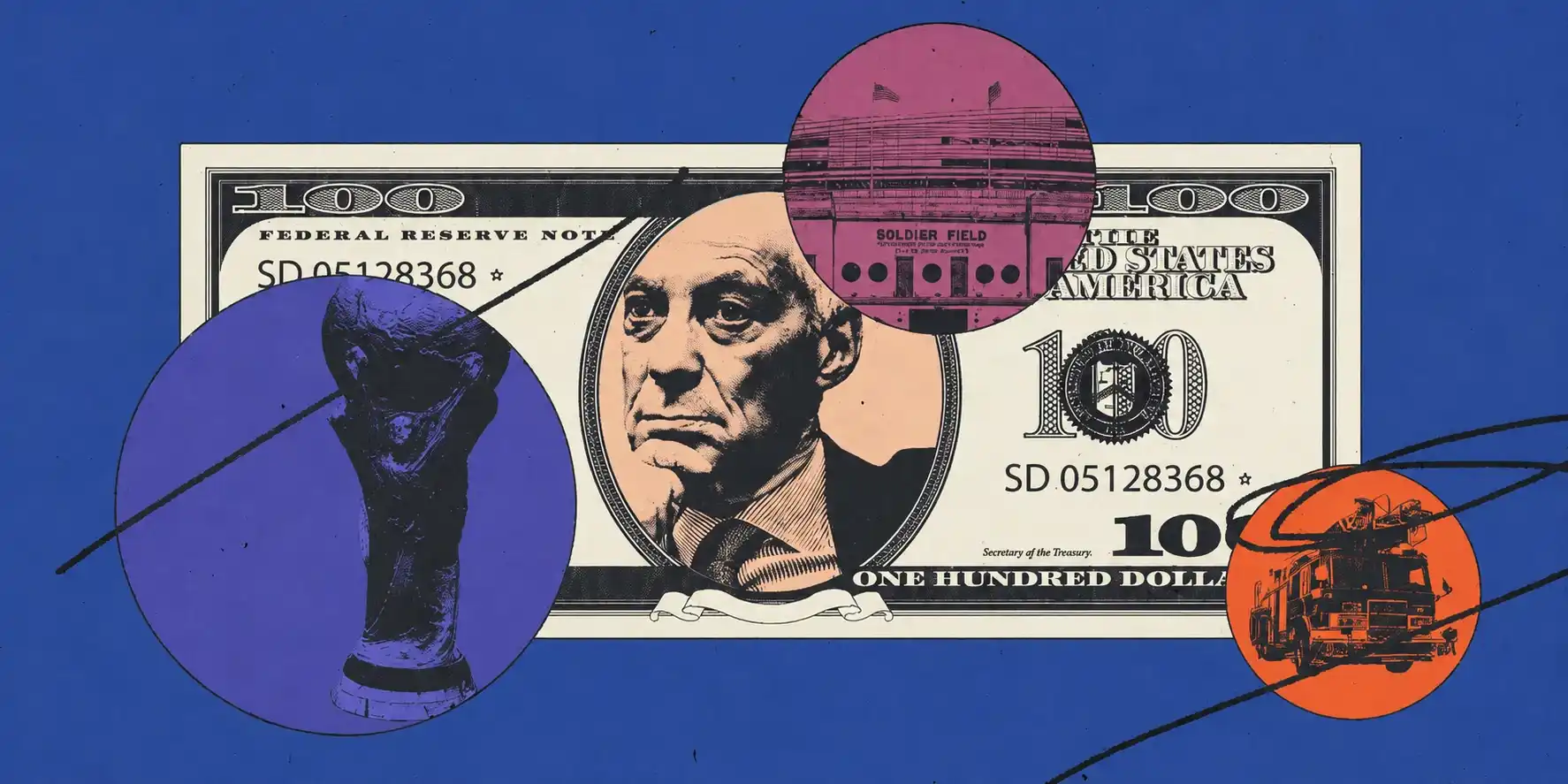
Buy an NFT First to Get a Ticket? The Largest World Cup Ticket Slump in History

marsbitPubblicato 2026-06-11Pubblicato ultima volta 2026-06-11

Introduzione

"Ticketing Woes for 2026 World Cup: NFT 'Right-to-Buy' and High Prices Dampen Sales" Despite anticipation for the 2026 FIFA World Cup, with 48 teams and 104 matches across North America, the tournament faces significant unsold tickets, with approximately 180,000 group-stage tickets still available for resale just before kick-off. This unexpected shortfall is attributed to FIFA's controversial new ticketing strategy, which includes an NFT-based "Right-to-Buy" (RTB) system and opaque, dynamic pricing. FIFA introduced RTBs as digital collectibles (NFTs) sold on its FIFA Collect platform. An RTB grants the holder only the right to purchase a ticket for a specific match later, not the ticket itself. This two-step process, criticized for selling "scarcity" first, saw RTBs priced from tens to hundreds of dollars, generating millions in revenue for FIFA. With many tickets remaining available on official channels, the value of these prepaid purchase rights is now being questioned. Compounding the issue are ticket prices, reported to be 2 to 4 times higher than the 2022 Qatar World Cup, and up to 7 times more for marquee matches. FIFA employed dynamic pricing, common in U.S. sports, but lacked transparency on seat availability and exact locations during sales, frustrating global fans facing high travel costs. This has drawn scrutiny from regulators in New York and New Jersey. FIFA's official resale platform also drew criticism for imposing high fees—roughly 10% on sellers and 17% o...

Author: Zen, PANews

The long-awaited 2026 FIFA World Cup will officially kick off in Mexico City at 3:00 AM Beijing Time on June 12.

Dubbed an unprecedented super event, this World Cup will feature 48 teams playing a total of 104 matches across venues in the United States, Canada, and Mexico. Barring any unforeseen circumstances, this is poised to become the World Cup with the highest commercial revenue in history.

However, on the eve of the opening ceremony, this tournament is facing a dilemma of unsold tickets. According to the Financial Times, with the opening match just around the corner, there are still approximately 180,000 group stage tickets available for resale. For a top-tier event long regarded as a global spectacle, this contrast is strikingly stark.

This is not because the World Cup itself has lost its global appeal. In fact, the betting industry is touting this World Cup as the "biggest betting opportunity" in history. As of June 11, the amount staked on the event contract for the World Cup winner on the prediction market Polymarket has approached $20 billion. Such a massive influx of capital before the tournament even begins clearly indicates its immense popularity.

Therefore, the issue of "difficult ticket sales" lies more with FIFA's ticketing mechanisms, also exposing the side effects of FIFA's radical commercialization experiment with the ticketing system for this World Cup.

FIFA's Ticketing "Shenanigans": Buy a "Digital Collectible" First for a Ticket

One of the most controversial ticketing arrangements for this World Cup is FIFA's sale of so-called "Right-To-Buy" (RTB) through the FIFA Collect platform.

Unlike traditional ticketing products, RTB is a type of "digital right" or "digital collectible" designed around the eligibility to obtain World Cup tickets, issued and traded via the FIFA Collect digital collectibles platform. The issued digital collectibles are essentially NFTs. The FIFA Collect platform originally ran on the Algorand blockchain and migrated to FIFA's self-built FIFA Blockchain (based on Avalanche technology) in May 2025.

According to the official explanation from FIFA Collect, holding an RTB only grants fans the opportunity to purchase tickets for a specific match during a designated window. Each RTB specifies how many tickets the holder can purchase in the future, and for which match or event, but it does not include the actual ticket itself.

This mechanism splits the ticket-buying process into two steps: first, selling scarcity, and then selling the actual ticket. However, when fans purchase an RTB, they often do not know the final seating area, the full ticket price, and cannot fully assess the future value of this "priority right."

In terms of pricing, RTBs do not have a fixed price; they vary based on the importance of the corresponding match, the number of tickets that can be purchased, and market supply and demand. Previously on the FIFA Collect platform, prices for RTBs for different matches ranged from tens to hundreds of dollars, with some RTBs for popular matches or those including multiple ticket purchase rights fetching even higher prices on the secondary market.

According to reports from the UK sports business media SportsPro, FIFA had already generated revenue in the tens of millions of dollars from these RTB sales.

When tickets are highly scarce and prices are not fully known, such a design encouraging fans to pay upfront might make some sense. However, the awkwardness of RTBs becomes apparent when a significant number of tickets remain available for sale on the official platform. If tickets aren't as hard to get as imagined, the rationale for spending hundreds of dollars upfront for a "ticket purchase qualification" is called into question.

Not Just Expensive, But Also Opaque and Constantly Changing Prices

This tournament's main matches are concentrated in the US market, which is already the world's most mature and expensive market for live sports entertainment. Events like the NFL, NBA, and MLB have long employed business models featuring high ticket prices, luxury boxes, dynamic pricing, and secondary markets. Naturally, upon entering this market, FIFA aimed to align World Cup pricing with these standards.

FIFA has adopted a dynamic or variable pricing model for this World Cup, meaning ticket prices can be continuously adjusted based on demand, inventory, and sales phases. Early on, officials emphasized that some group stage tickets started at $60, but this low-price tier was limited. More prevalent were ticket prices far exceeding fan expectations; for instance, tickets for some popular group stage matches easily cost hundreds or even thousands of dollars, while prices for knockout stages and the final were exorbitantly high.

Reportedly, the actual ticket cost for this World Cup is about 2 to 4 times that of the previous Qatar World Cup, with popular matches, the opening match, and the final reaching 4 to 7 times higher. The problem lies in the fact that the World Cup is not an ordinary commercial league. Its audience isn't just local high-income sports consumers, but ordinary fans from all over the world. Many, in order to support their national teams, need to travel across continents, book flights and hotels in advance, and incur other costs like local transportation. For these fans, ticket prices are only a part of the total cost, but they have become the most uncontrollable part.

What further frustrates fans is the lack of transparency. Complaints from European fan organizations and consumer groups to FIFA stated that FIFA did not adequately disclose from the outset how many tickets remained in each price tier or specific seat locations. Some fans even had to pay high fees without being able to fully confirm seat views and locations during purchase. This information asymmetry severely amplifies the feeling of being "manipulated."

Currently, FIFA's ticketing mechanisms have not only sparked commercial controversy but have also attracted public regulatory scrutiny. Relevant departments in the US states of New York and New Jersey have also launched investigations into the World Cup ticketing, focusing on seat information, ticketing promotions, and potential issues of so-called "artificial scarcity."

Official Resale Platform Amplifies Price Anxiety

FIFA specifically launched an official resale platform for this World Cup. In theory, this was to allow fans to buy and sell tickets in a secure environment, reducing fraud and black-market transactions. However, while this platform improved transaction security, it did not enhance the ticket-buying experience for fans.

The European Fans' Association and the European Consumer Organization criticized FIFA for charging fees to both buyers and sellers on the official resale platform, allowing FIFA to continue profiting from subsequent transactions after the initial ticket sale. According to ticketing rules cited by the Financial Times, on FIFA's official resale platform, sellers pay a service fee of approximately 10% when listing a ticket, while buyers must pay an additional fee of about 17% in commissions and related surcharges.

This means that if a ticket is resold through the official platform, the combined fees borne by both parties amount to nearly 27% of the ticket's face value. This allows FIFA to not only enjoy high ticket revenue in the primary market but also continue capturing fees from the secondary resale market.

And as of now, the FIFA official site is still selling tens of thousands of group stage tickets. For scalpers and speculators who hoped to profit from reselling at higher prices after hoarding tickets at high prices, even listing at the original price would result in an actual loss after deducting platform fees.

Of course, the 180,000 tickets available for resale won't actually lead to a large number of empty seats at this World Cup. FIFA President Gianni Infantino stated at a pre-opening press conference that the tournament has sold over 6 million tickets and claimed that demand exceeded expectations by "10 times or more." Popular matches, host nation matches, knockout stages, and the final will still attract enormous attention. As the tournament begins, emotions rise, and teams' progression becomes clearer, some of the inventory may also be absorbed.

But the significance of this controversy lies in its reminder that even if overall World Cup sales remain strong, this tournament has proven that fans' passion does not equate to an unlimited willingness to pay; there is still a boundary for ticket prices and ticketing mechanisms that should not be easily crossed. The World Cup's global influence does not mean FIFA can endlessly squeeze this emotional premium.


Domande pertinenti

QWhat is the main reason for the ticket sales difficulties faced by the 2026 FIFA World Cup according to the article?

AThe main reason is FIFA's aggressive commercial experiment with its ticketing system, particularly the introduction of the 'Right-To-Buy' (RTB) digital collectibles (NFTs), which require fans to purchase a digital asset first for the *chance* to buy a ticket later. This multi-step, non-transparent process, coupled with high and dynamic ticket pricing, has created frustration and reduced accessibility.

QWhat is an RTB (Right-To-Buy) and how does it function in the FIFA Collect platform?

AAn RTB is a digital collectible or NFT sold on the FIFA Collect platform. It represents a right or eligibility for the holder to purchase a ticket for a specific match during a designated sales window. Crucially, the RTB itself is not a ticket; it is a separate purchase that grants the holder the opportunity to later buy the actual ticket at an unspecified seat and often unknown final price.

QHow has the pricing structure of the 2026 World Cup tickets been criticized?

AThe pricing has been criticized for being significantly higher than previous tournaments (2-4 times more expensive, up to 4-7 times for key matches), using dynamic pricing that causes prices to fluctuate, and lacking transparency. Fans often cannot see exact seat locations or know how many tickets are available at each price tier before committing to a high purchase cost.

QWhat issue does the article highlight regarding FIFA's official ticket resale platform?

AThe article criticizes the platform for charging high fees on both the seller (around 10%) and the buyer (around 17%), meaning nearly 27% of a ticket's face value goes to FIFA in a resale transaction. This allows FIFA to profit repeatedly from the same ticket and has contributed to losses for speculators trying to resell tickets, as the fees cut into their potential profits.

QWhat broader lesson does the article suggest the 2026 World Cup ticketing controversy demonstrates?

AIt demonstrates that even for a massively popular global event like the World Cup, there is a limit to how much fans are willing to pay and how much their emotional investment can be commercially exploited. High prices and complex, non-transparent ticketing mechanisms can lead to public backlash and regulatory scrutiny, showing that fan enthusiasm does not equal unlimited purchasing power.

Letture associate

Raising Interest Rates Is Not a Tech Killer, EPS Is: A Strategy for Discarding the Weak and Retaining the Strong After the AI Theme's Sharp Decline

**Summary: Rising Interest Rates Are Not the Killer of Tech; EPS Is: The "Keep the Strong, Ditch the Weak" Strategy After the AI Theme Plunge** The author argues that the sharp sell-off in tech and AI-related stocks, triggered by a strong US jobs report that heightened Fed rate hike fears, represents a "pullback to pick up passengers" rather than a "car crash." The true end of a tech bull market is not determined by an extra 25 basis point hike, but by industry overcapacity and the disproval of earnings per share (EPS) expectations. Historical analysis shows that during past rate hike cycles, the Nasdaq-100 often outperformed, provided EPS growth remained strong. The current phase is seen as a shift from a "broad narrative-driven rally" to a "focused verification stage" for AI. The investment strategy should be to "keep the strong, ditch the weak." * **Retain exposure** to high-conviction AI infrastructure leaders with clear order visibility, stable margins, strong cash flow, and upward EPS revisions (e.g., AI servers, advanced packaging, optical modules, key cloud suppliers). * **Reduce exposure** to high-beta, narrative-driven stocks with unclear profit paths (e.g., some quantum computing, space, or speculative chip stocks), especially on rebounds. Valuation concerns should focus on whether earnings can catch up to high multiples, not on high P/E alone. Crowded positioning signals a concentration into quality assets, not necessarily a market top. The upcoming Q2 earnings season will be a key validation point. The core principle is to hold stocks with proven EPS, while using macro events (CPI data, central bank meetings) to manage timing and risk.

marsbit3 h fa

Raising Interest Rates Is Not a Tech Killer, EPS Is: A Strategy for Discarding the Weak and Retaining the Strong After the AI Theme's Sharp Decline

marsbit3 h fa

Trading

Spot
Futures

Articoli Popolari

Come comprare NFT

Benvenuto in HTX.com! Abbiamo reso l'acquisto di APENFT (NFT) semplice e conveniente. Segui la nostra guida passo passo per intraprendere il tuo viaggio nel mondo delle criptovalute.Step 1: Crea il tuo Account HTXUsa la tua email o numero di telefono per registrarti il tuo account gratuito su HTX. Vivi un'esperienza facile e sblocca tutte le funzionalità,Crea il mio accountStep 2: Vai in Acquista crypto e seleziona il tuo metodo di pagamentoCarta di credito/debito: utilizza la tua Visa o Mastercard per acquistare immediatamente APENFTNFT.Bilancio: Usa i fondi dal bilancio del tuo account HTX per fare trading senza problemi.Terze parti: abbiamo aggiunto metodi di pagamento molto utilizzati come Google Pay e Apple Pay per maggiore comodità.P2P: Fai trading direttamente con altri utenti HTX.Over-the-Counter (OTC): Offriamo servizi su misura e tassi di cambio competitivi per i trader.Step 3: Conserva APENFT (NFT)Dopo aver acquistato APENFT (NFT), conserva nel tuo account HTX. In alternativa, puoi inviare tramite trasferimento blockchain o scambiare per altre criptovalute.Step 4: Scambia APENFT (NFT)Scambia facilmente APENFT (NFT) nel mercato spot di HTX. Accedi al tuo account, seleziona la tua coppia di trading, esegui le tue operazioni e monitora in tempo reale. Offriamo un'esperienza user-friendly sia per chi ha appena iniziato che per i trader più esperti.

501 Totale visualizzazioniPubblicato il 2024.12.10Aggiornato il 2025.03.21

Come comprare NFT

Cosa è AINFT

EternaFi Agents e $AINFT: Un'Analisi Completa dell'Infrastruttura NFT Potenziata dall'AI nell'Ecosistema Web3 L'intersezione tra intelligenza artificiale (AI) e tecnologia blockchain sta rapidamente evolvendo, stabilendo piattaforme innovative che ridefiniscono i modelli di proprietà e partecipazione economica. EternaFi Agents, insieme al suo token nativo $AINFT, esemplifica un approccio rivoluzionario alla tokenizzazione delle infrastrutture AI attraverso i token non fungibili (NFT). Lanciato a luglio 2025 dal team di sviluppo di Nova Club, EternaFi unisce i progressi dell'AI con i meccanismi finanziari decentralizzati della blockchain, presentando un'opportunità di investimento unica per i partecipanti all'interno dell'ecosistema web3. Questo articolo mira a fornire una valutazione approfondita di EternaFi Agents, coprendo i suoi componenti principali, la funzionalità e il significato nel panorama crypto. Introduzione e Panoramica del Progetto EternaFi Agents si presenta come un esempio saliente di come la tecnologia blockchain possa democratizzare l'accesso a capacità avanzate di AI. Il progetto si impegna a rimodellare il paradigma della proprietà dell'AI diversificando la partecipazione economica, rendendo i sistemi AI sofisticati accessibili a un numero maggiore di stakeholder. Al suo interno, il progetto tokenizza un modello di linguaggio di grandi dimensioni (LLM) proprietario sviluppato da Nova Club, consentendo ai detentori di NFT di ottenere un'esposizione frazionaria alle performance economiche del modello. Utilizzando NFT che rappresentano quote nel LLM, EternaFi Agents promuove un modello in cui gli stakeholder non solo partecipano al consumo dei servizi AI, ma godono anche della condivisione delle ricompense economiche generate dalla piattaforma. Questo approccio trasformativo consente lo sviluppo di modelli di reddito sostenibili per i servizi AI, promuovendo al contempo un ampio coinvolgimento della comunità e facilitando una governance trasparente. Cos'è EternaFi Agents? EternaFi Agents rappresenta un progetto di infrastruttura AI-NFT che mira a mescolare le capacità dell'AI con la tecnologia blockchain in un ecosistema coerente. La caratteristica essenziale di questo progetto è la creazione di NFT che fungono da strumenti finanziari, rappresentando frazioni di proprietà nell'infrastruttura AI proprietaria di Nova Club. Ogni NFT simboleggia un'esposizione diretta alle performance economiche del sistema AI sottostante, fornendo un'opportunità redditizia per gli investitori. Il progetto opera sulla blockchain Base, nota per la sua scalabilità e efficienza, garantendo così costi di transazione gestibili mentre facilita un'esperienza operativa senza soluzione di continuità. Una delle caratteristiche notevoli include un meccanismo di condivisione dei ricavi, in cui i detentori di NFT possono ricevere porzioni del reddito da abbonamenti generato dai servizi AI forniti sulla piattaforma. Questo approccio innovativo stabilisce una connessione tra il successo dei servizi AI e i dividendi economici distribuiti tra i detentori, garantendo così un allineamento degli interessi all'interno della comunità. Chi è il Creatore di EternaFi Agents? La forza creativa dietro EternaFi Agents è Nova Club, un team di sviluppo con sede a Singapore esperto nell'amalgama di AI e tecnologia blockchain. La loro esperienza precedente nello sviluppo di AI e nell'analisi delle criptovalute conferisce credibilità al progetto, contribuendo con una vasta gamma di competenze alla creazione di EternaFi Agents. La missione di Nova Club si concentra sulla democratizzazione dell'accesso alle tecnologie AI all'avanguardia, costruendo modelli economici sostenibili che avvantaggiano gli utenti insieme agli sviluppatori. Il loro impegno per la trasparenza, la governance della comunità e l'innovazione si riflette nel design e nell'implementazione della piattaforma EternaFi, mirando a stabilire un ecosistema unico che favorisca un coinvolgimento positivo e la creazione di valore a lungo termine. Chi sono gli Investitori di EternaFi Agents? I dettagli specifici riguardanti gli investitori o le organizzazioni di investimento che supportano EternaFi Agents non sono disponibili pubblicamente. Tuttavia, EternaFi ha adottato un approccio inclusivo per finanziare il suo sviluppo attraverso la vendita di NFT al pubblico, consentendo a una vasta gamma di partecipanti di investire nell'ecosistema. L'architettura del progetto garantisce che l'infrastruttura fondamentale sia finanziata in modo responsabile, consentendo ai membri della comunità di partecipare alla proprietà e ai ritorni economici generati dai servizi AI. Questo modello enfatizza il coinvolgimento della comunità allineando gli interessi degli investitori e degli sviluppatori del progetto, creando un ambiente collaborativo in cui la partecipazione a lungo termine è incentivata. Come Funziona EternaFi Agents? EternaFi Agents opera attraverso un ecosistema multifaccettato in cui gli NFT fungono da principale mezzo di rappresentazione della proprietà all'interno del progetto. Ogni detentore di NFT ha diritto a una quota del reddito mensile da abbonamento prodotto dalla piattaforma AI-powered sottostante, posizionando così la proprietà di NFT come un veicolo di investimento redditizio. Meccanismo di Generazione di Ricavi La principale fonte di generazione di ricavi per la piattaforma EternaFi deriva dalle commissioni di abbonamento relative ai servizi AI forniti. Gli utenti possono accedere a vari servizi a livelli, che vanno da strumenti di analisi di mercato di base a soluzioni di trading assistite da AI complete. Questi servizi sono monetizzati e formano la base per il framework di condivisione dei ricavi, che distribuisce i profitti ai detentori di NFT attraverso contratti intelligenti automatizzati. Una caratteristica innovativa dell'ecosistema EternaFi è il meccanismo di condivisione dei ricavi che opera in modo trasparente, garantendo che le ricompense siano allocate in base a metriche verificabili delle operazioni della piattaforma AI. Questo crea un legame diretto tra le performance dei servizi AI e i ritorni disponibili per gli investitori della comunità, stabilendo un modello economico sostenibile. Meccanismi di Staking e Vesting I partecipanti all'interno di EternaFi possono impegnarsi nello staking dei loro NFT per sbloccare ulteriori benefici economici. Il piano di vesting è progettato per promuovere un impegno a lungo termine tra i partecipanti, premiando coloro che mostrano un supporto continuo per il progetto. Questo garantisce un robusto allineamento degli interessi e favorisce un senso di coinvolgimento della comunità essenziale per raggiungere gli obiettivi a lungo termine del progetto. Governance Trasparente EternaFi Agents abbraccia la governance decentralizzata, consentendo ai detentori di NFT di svolgere un ruolo attivo nel processo decisionale riguardante lo sviluppo della piattaforma e le direzioni future. La struttura di governance include meccanismi di voto della comunità, fornendo ai detentori di NFT l'opportunità di influenzare decisioni significative e contribuendo a un approccio collaborativo alla crescita del progetto. Cronologia di EternaFi Agents La traiettoria di sviluppo di EternaFi Agents mostra un approccio sistematico verso la costruzione di un'infrastruttura AI sostenibile, soddisfacendo le esigenze dei partecipanti della comunità. Di seguito è riportata una cronologia delle tappe importanti nella storia del progetto: Luglio 2025: Lancio di EternaFi Agents, inclusa la vendita pubblica di NFT e il deployment del token $AINFT sulla blockchain Base. Q4 2025: Creazione dell'infrastruttura di mercato, inclusi pool di liquidità e lancio di dashboard di staking per i detentori di NFT. 2026: Inizio di programmi di coinvolgimento della comunità, espansione delle capacità AI e integrazione con tecnologie cross-chain. Q4 2026: Implementazione del sistema di distribuzione dei dividendi, consentendo ai detentori di NFT di raccogliere benefici economici dai loro investimenti. Queste tappe significano l'attenzione verso l'istituzione di un ecosistema funzionale e partecipativo, garantendo al contempo un'evoluzione continua per soddisfare le esigenze del mercato. Infrastruttura Tecnologica e Integrazione Blockchain EternaFi Agents è ancorato in un avanzato framework tecnologico che combina sistemi AI con capacità blockchain. Operando sulla blockchain Base, il progetto sfrutta i vantaggi della scalabilità e dei bassi costi di transazione. L'architettura sottostante dei contratti intelligenti governa la proprietà degli NFT, la condivisione dei ricavi e le caratteristiche di gestione della comunità, garantendo efficienza e trasparenza. Sviluppo del Sistema AI Il modello di linguaggio di grandi dimensioni proprietario che sostiene EternaFi Agents è stato sviluppato in modo indipendente ed è progettato per soddisfare applicazioni generatrici di reddito senza fare affidamento su framework esterni proprietari. Questo impegno riflette una dedizione a creare un'infrastruttura AI versatile e adattabile in grado di fornire servizi significativi agli utenti, generando così valore economico per gli investitori. Misure di Sicurezza La robustezza dell'infrastruttura di sicurezza di EternaFi è fondamentale. Audit regolari e misure di sicurezza rigorose garantiscono l'integrità dei sistemi AI e dei meccanismi blockchain, proteggendo da potenziali vulnerabilità mentre si favorisce la fiducia tra i partecipanti. Conclusione EternaFi Agents segna un'innovazione fondamentale nel campo dell'intelligenza artificiale e della tecnologia blockchain, aprendo strade per la proprietà della comunità e la partecipazione economica in capacità AI avanzate. La strategia globale del progetto di tokenizzare l'infrastruttura AI tramite NFT stabilisce un precedente per futuri ecosistemi decentralizzati. Armonizzando la sofisticazione tecnica con modelli economici centrati sull'utente, EternaFi non solo promuove il coinvolgimento, ma genera anche un framework di condivisione dei ricavi sostenibile per i partecipanti della comunità. L'importanza di EternaFi si estende ben oltre il suo successo operativo, poiché esemplifica come la blockchain possa democratizzare le tecnologie AI all'avanguardia, aprendo la strada a future iniziative in questo spazio intersezionale. L'evoluzione di EternaFi Agents potrebbe annunciare una nuova era di sviluppo dell'AI caratterizzata da governance guidata dai partecipanti, modelli economici sostenibili e verifica trasparente, contribuendo infine alla più ampia democratizzazione dell'AI e dell'accessibilità tecnologica in tutti i settori.

489 Totale visualizzazioniPubblicato il 2025.08.14Aggiornato il 2025.08.14

Cosa è AINFT

Discussioni

Benvenuto nella Community HTX. Qui puoi rimanere informato sugli ultimi sviluppi della piattaforma e accedere ad approfondimenti esperti sul mercato. Le opinioni degli utenti sul prezzo di NFT NFT sono presentate come di seguito.

活动图片