AI Relay Stations: The Hidden Pitfalls Behind Low Costs, How to Screen and Avoid Them?

marsbitPubblicato 2026-05-09Pubblicato ultima volta 2026-05-09

Introduzione

AI Relay Stations: The Hidden Risks Behind Low Costs and How to Avoid Pitfalls AI relay stations are becoming a popular gateway to various models, offering lower prices, a wider selection, and a unified interface for tools like Claude Code and Cursor. However, their appeal masks significant risks. Users may unknowingly surrender prompts, code, business documents, customer data, and even full project contexts. The demand is driven by genuine needs: cost savings compared to expensive official APIs (e.g., GPT, Claude), easier access amid regional restrictions, and the push from AI-powered development tools. But not everyone needs a relay station. Light users should exhaust free official quotas first. Heavy users, like developers, can adopt a layered approach, using top models for critical tasks and cheaper local models for routine work. If a relay station is necessary, follow a careful selection and usage protocol: 1. **Verify First:** Test model authenticity, latency, and stability before purchasing credits. Check the quality of provided documentation. 2. **Isolate Configuration:** Use unique API keys for each service, manage them via environment variables, and set usage limits to control costs and potential damage from leaks. 3. **Classify Your Data:** Develop a habit of data grading before sending requests. Only send non-sensitive, public information directly. Desensitize semi-sensitive data (e.g., internal documents) by removing names and specifics. Never send highly s...

Author: Omnitools

AI relay stations are evolving from niche tools into broader gateways to models. For many users, their appeal is straightforward: lower prices, more models, a unified interface, and the ability to connect to development tools like Claude Code, Codex, and Cursor.

But the problem with relay stations lies precisely here. Users think they're just switching to a cheaper API endpoint; in reality, they might be handing over their prompts, code, business documents, client information, call logs, or even the entire development context of a project.

Omnitools believes the discussion about AI relay stations shouldn't stop at "can it be used?" or "which one is cheapest?". More important questions are: Where does the demand behind relay stations come from? Do users truly need them? And if they must be used, how can risks be controlled?

1. The Market Demand Behind Relay Stations

One obvious conclusion is that relay stations are popular because the demand is real.

First, there's the price advantage. Official APIs from leading overseas large language models are not cheap. The OpenAI pricing page shows GPT-5.5 input at $5 per million tokens, output at $30 per million tokens; the Anthropic pricing page shows Claude Sonnet 4.7 input at $5 per million tokens, output at $25 per million tokens. For casual chat, these costs aren't obvious, but for long-text processing, code generation, multi-turn agent tasks, and automated workflows, the cost of calls can quickly become noticeable.

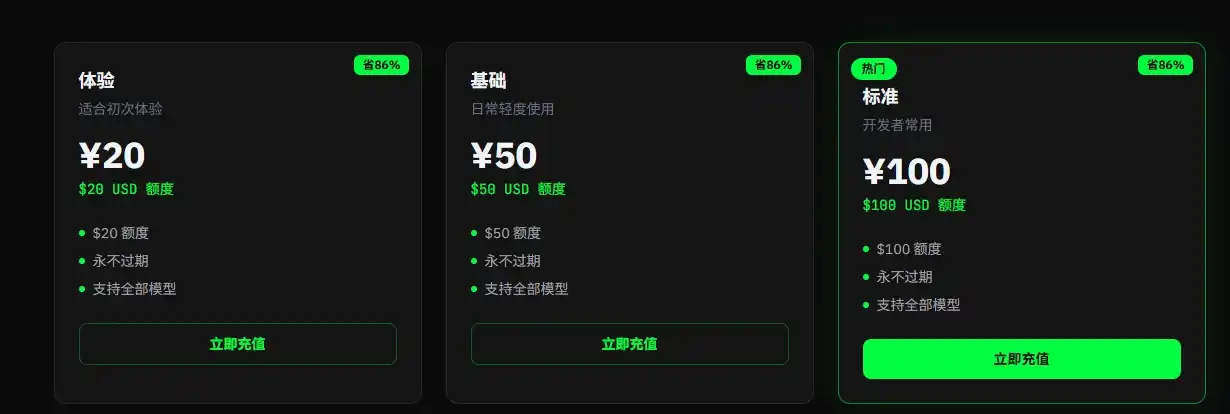
The main selling point of relay stations is offering access to APIs at prices far below official rates, for example, purchasing $1 worth of tokens for 1 RMB, with discounted prices being only about 15% of the official rate. For users with substantial demand, this is tangible cost savings.
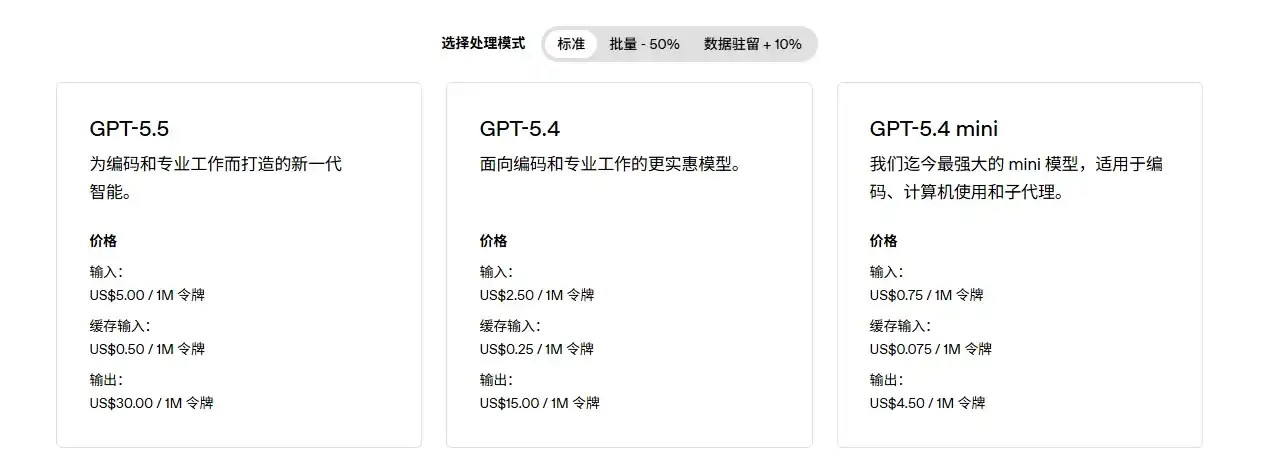
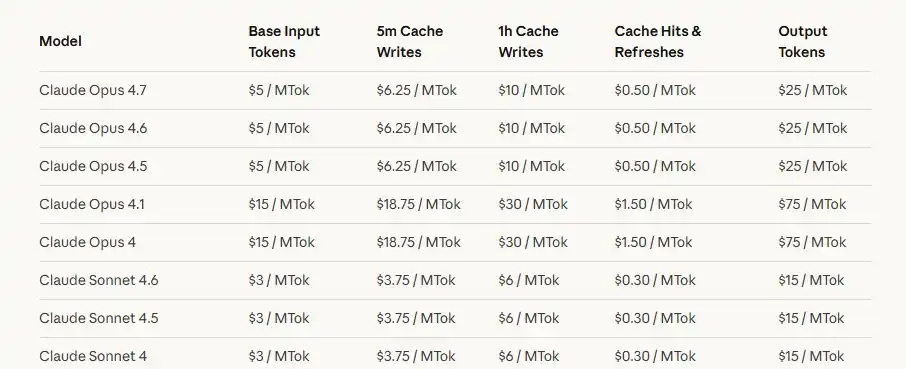
Second is access barriers. As access restrictions from US models on users in mainland China become increasingly strict, even ignoring price advantages, using official APIs or plans at full price poses a high verification barrier for many users. Additionally, in usage scenarios, if users want to use Claude, GPT, Gemini, and domestic models simultaneously, they must switch between multiple platforms. Relay stations compress this complexity into a single entry point, acting like an "aggregated socket" in the AI model world—users no longer care which line is behind it, only if it delivers stable power.

Third is the push from development tools. In the past, models were mainly used for Q&A and writing; now, tools like Claude Code, Codex, and Cursor are integrating models into local development workflows. Model calls are no longer just a single chat but could be a code review, a project refactor, or an automatic fix. Furthermore, with the emergence of the "crawfish farming" trend, the demand for tokens has also grown. The heavier the demand, the more likely users are to seek cheaper, higher-capacity, more unified access methods.

Therefore, the booming business of relay stations is driven by real demand, not just another hype cycle.

2. Do You Really Need a Relay Station?

However, not everyone needs to use a relay station.

If you only occasionally ask questions, translate text, summarize public information, or write general copy, you often don't need a relay station. Models and tools like ChatGPT, Gemini, Antigravity, etc., have free tiers. If dealing with verification and accounts is an issue, many large model aggregators are available, some also offering free tiers sufficient for daily use.

For light users, rather than handing data over to an unknown relay station for "cheapness," it's better to first exhaust the free tiers of official and legitimate tools. Free tiers may change, and specific limits should be checked on each platform's official page, but the principle remains: low-frequency demand doesn't require rushing to use a relay.

For heavy programming users, it's also not always necessary to delegate all tasks to expensive models or relay stations. A safer approach is to use models in layers: use stronger large models for requirement breakdown, technical direction, architecture design, and code review; then use cheaper domestic models for more concrete function development, daily operations, etc. Moreover, with domestic models continuously catching up, many are already comparable in capability to top US models for daily development tasks, often at prices cheaper than many relay stations. Take Kimi K2.6 as an example, its output price per million tokens is $4, only 13% of ChatGPT 5.5, a price lower than many relay stations.
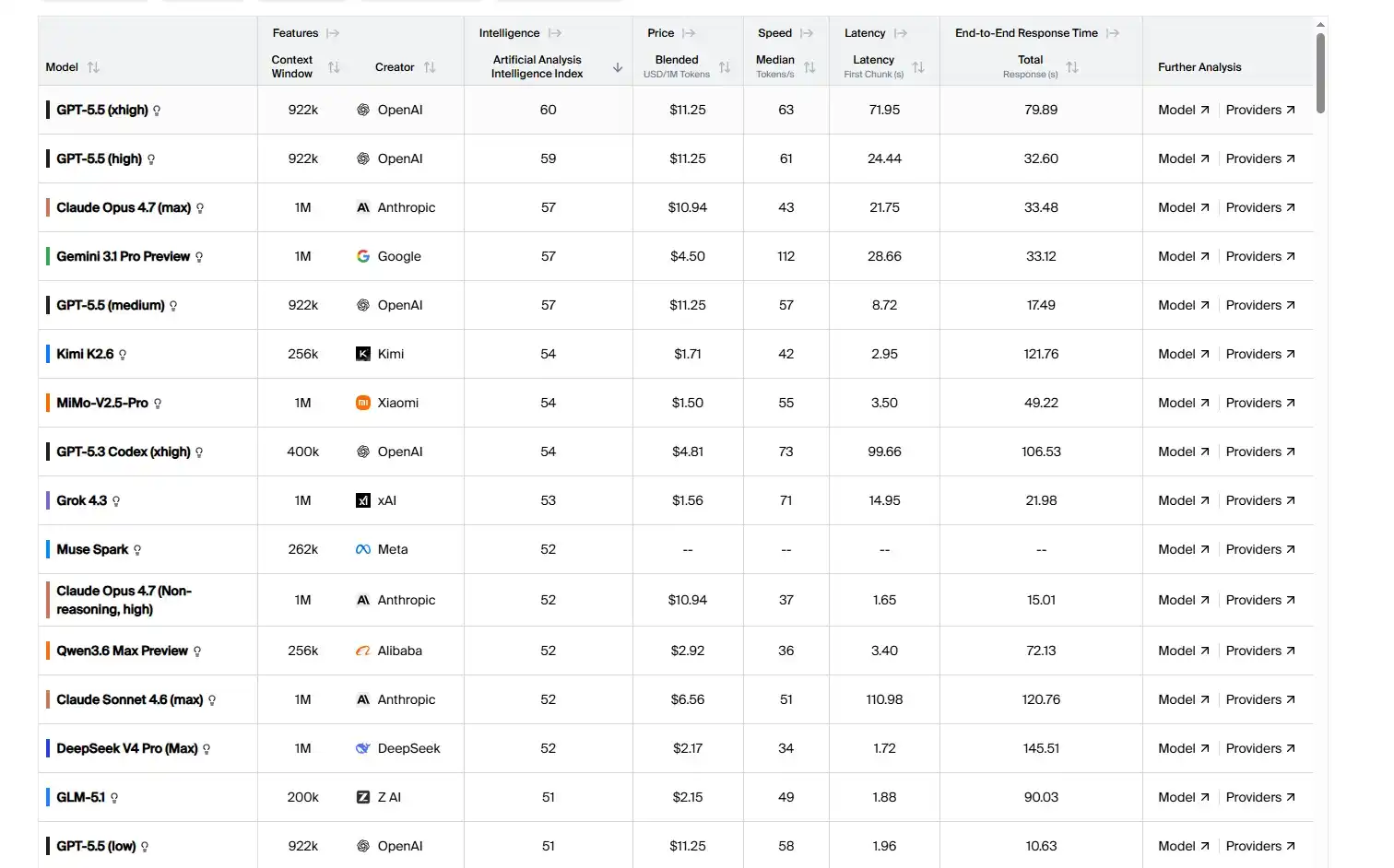
Of course, this method isn't perfect, but it better matches cost structures. Complex tasks most need directional judgment and framework ability; concrete implementation can be broken down into multiple low-risk, low-cost subtasks. For individual developers and small teams, breaking tasks down first, then deciding which stages require high-end models, is usually more rational than directly purchasing large relay station quotas.

Only when users already have continuous, high-frequency, multi-model calling needs—such as long-term use of AI programming tools, processing large volumes of public information, conducting model comparisons, building internal automation workflows—and official quotas are clearly insufficient, do relay stations become a potential option. Even then, they should be a "tool after screening," not the default entry point.

3. How to Choose and Use Relay Stations?

If evaluation confirms the need for a relay station, the next question is no longer "to use or not," but "how to use it without incident." The following is a complete operational process from evaluation to daily use.

Step 1: Verify First, Then Top Up

After getting a relay station address, don't rush to top up. First, do three things:

Verify model authenticity. Call the relay station and the official API with the same prompt, compare output quality, response format, and token usage. Some relay stations might impersonate higher-version models with lower ones, or inject extra system prompts in outputs. A simple test is to ask the model to report its version info, then cross-check with official behavior. While not foolproof, this can filter out obviously problematic platforms.

Test latency and stability. Make 20-50 consecutive calls, observe for frequent timeouts, random errors, or fluctuations in response quality. The relay station path has an extra layer compared to direct connection; if basic stability isn't up to par, issues will only multiply later.

Check documentation quality. A seriously operated relay station usually provides complete API documentation, OpenAI-compatible access instructions, clear model lists, and pricing tables. If a platform's documentation is patchy, or its model list vague, be more cautious.

Step 2: Isolate Configuration, Don't Mix

After confirming basic platform usability, next comes technical isolation. Many users skip this step, but it determines the scope of loss if problems arise.

Use independent API Keys. Don't directly enter the Key you applied for on the official platform into the relay station, nor share the same Key across multiple relay stations. Generate a separate Key for each relay station. If one platform has issues, you can immediately invalidate it without affecting other services.

Manage keys via environment variables. In local development environments, store API Keys in .env files or system environment variables; don't hardcode them into the code. For example, in Cursor, when filling in the API Base URL and Key in settings, ensure these configurations won't be committed to the Git repository. If using command-line tools like Claude Code or Codex, check your shell configuration files to ensure Keys don't appear in version control history.

Set usage limits. Most legitimate relay stations support setting monthly token quotas or spending caps. The first thing after topping up is to set these limits. This isn't just cost control; it's also a safety net. If your Key is accidentally leaked, usage limits can contain the damage.

Step 3: Establish Data Classification Habits

After technical configuration, the most crucial part of daily use is making quick data classification judgments for each call. You don't need to write a security report each time, but develop a reflex-like checking habit.

Before sending, ask yourself one question: If this content appears on a public forum tomorrow, can I accept it?

If the answer is "yes"—like summarizing public materials, general translation, technical discussions on open-source projects, analyzing public documents—then you can directly use the relay station.

If the answer is "not really, but the loss is controllable"—like internal meeting minutes, business document drafts, customer communication templates, code snippets—then anonymize before sending. Specific practices: replace names with role codes ("Client A", "Colleague B"), replace specific amounts with proportions or ranges, replace internal IDs with placeholders, delete database connection strings, internal API endpoints, and descriptions of unpublished business logic. This process doesn't take long, usually a minute or two, but it reduces risk from "might cause trouble" to "basically manageable."

If the answer is "absolutely not"—like private keys, mnemonics, production environment keys, database passwords, unpublished financial data, customer privacy information, complete private codebases—then don't hand it to any relay station, no matter how secure it claims to be.

Step 4: Treat AI Programming Tools Separately

This point deserves special emphasis because AI programming tools have a much larger data exposure surface than ordinary chat.

When you connect a relay station in tools like Cursor, Claude Code, Cline, the model receives not just your actively entered prompt, but may also include: currently open file content, project directory structure, terminal output history, dependency config files (like package.json, requirements.txt), Git commit history, and file paths and environment variable names in error messages.

This means a seemingly ordinary "help me fix this bug" might send far more data to the relay station than you expect.

Operational advice: When using relay stations in AI programming tools, prioritize independent, non-core business-related coding tasks. If you must handle code involving private repositories or production environments, two relatively safe practices exist: one is to only paste anonymized code snippets, not let the tool directly read the entire project; the other is to switch development of sensitive projects back to official APIs or local models, using relay stations only for non-sensitive projects. Neither is perfect, but both are better than handing the entire development context indiscriminately to a third-party proxy.

Step 5: Continuous Monitoring, Be Ready to Exit

Using a relay station is not a one-time decision but an ongoing evaluation process.

Regularly check billing records. Confirm token consumption matches your actual usage. If usage doesn't increase noticeably during a period but charges accelerate, the platform might have adjusted billing rules, or your Key might have abnormal calls.

Monitor platform announcements and community feedback. The operational status of relay stations can change at any time—upstream channel adjustments, quota policy changes, service sudden shutdowns are all possible. If you rely on a relay station as your main access method, at least have a backup plan. It's recommended to register for 2-3 platforms simultaneously, maintain minimum top-ups, and avoid concentrating all calls on a single channel.

Ensure migration readiness. When configuring the relay station, use standard interfaces in OpenAI-compatible format, so switching platforms usually only requires changing the Base URL and API Key, without modifying code logic. If your project is deeply tied to a relay station's private interface or special features, migration costs will rise significantly—another risk to consider in advance.

Ultimately, relay stations are tools, not beliefs. Their value lies in solving real access needs with controllable costs, but this "controllability" needs to be defined and maintained by you. Through verification, isolation, classification, specialized handling, and continuous monitoring, keep the initiative in your own hands.


Domande pertinenti

QWhat are the primary market demands driving the popularity of AI relay stations?

AThe primary market demands are: 1. Cost advantage: Relay stations offer significantly lower prices compared to official APIs. 2. Access barrier: They circumvent access restrictions for users in regions like mainland China. 3. Unified access: They aggregate multiple AI models into a single entry point, simplifying usage. 4. Demand from development tools: Tools like Claude Code and Cursor integrate models into local workflows, increasing token consumption.

QWhat is the first step recommended for evaluating an AI relay station before using it?

AThe first recommended step is verification before topping up funds. This involves three actions: 1. Verifying model authenticity by comparing outputs with the official API. 2. Testing latency and stability through multiple consecutive calls. 3. Checking the quality of the platform's documentation, API specs, and model list.

QHow should users manage data security when using AI relay stations, especially with coding tools?

AUsers should establish a data classification habit. Before sending any data, ask: 'If this content appeared on a public forum tomorrow, could I accept it?' Based on the answer: send public data directly, desensitize semi-sensitive data (replace names, amounts, IDs), and never send highly sensitive data (keys, passwords, private code, financial data). For AI coding tools, be aware they may send extensive context (file contents, project structure). Handle sensitive projects via official APIs or local models, or only paste sanitized code snippets to relay stations.

QWhat technical isolation measures should be taken when configuring an AI relay station?

AKey technical isolation measures include: 1. Using independent API keys for each relay station, not reusing official keys. 2. Managing keys via environment variables (e.g., .env files) to avoid hardcoding in source code. 3. Setting usage limits (e.g., monthly token caps) immediately after topping up to control costs and limit damage from key leaks.

QAccording to the article, who might not necessarily need to use an AI relay station?

ALight users (e.g., those occasionally asking questions, translating text, summarizing public materials) likely don't need a relay station, as free tiers from official or legitimate aggregator tools may suffice. Heavy programming users may not need it for all tasks either; a safer approach is tiered model usage: using powerful models for planning/architecture and cheaper domestic models for routine implementation, which can be more cost-effective than some relay stations.

Letture associate

Why Haven't Forex Stablecoins Taken Off?

Why FX Stablecoins Never Took Off: A Path Forward via Synthetic FX Despite the explosive growth of stablecoin-powered digital banking, which has seen ~$6B in VC investment and a 24x surge in crypto card spending in under a year, a major limitation persists: these banks are essentially dollar-only accounts. This leaves 95-99% of global accounts, which are denominated in non-USD currencies, underserved. Attempts to create native foreign currency (FX) stablecoins (like EURC) have largely failed, with total FX stablecoin TVL at ~$600M compared to $400B for USD stablecoins—a 700x gap. These FX tokens face critical challenges: fragile pegs due to low liquidity, limited exchange/FinTech acceptance, poor on/off-ramps, complex regional compliance, and a chicken-and-egg adoption problem. The article argues that the solution lies not in competing with entrenched USD stablecoin networks (USDT/USDC), but in adopting a synthetic FX model inspired by traditional finance. Specifically, it advocates for Mark-to-Market Non-Deliverable Forwards (NDFs)—cash-settled FX derivatives that allow users to maintain underlying USD stablecoin holdings while having their account balance and P&L denominated in a foreign currency. This approach offers key advantages: strong oracle-based pegs, retention of deep USD stablecoin liquidity and yield, superior on/off-ramps, scalability to any currency with a reliable feed, and capital efficiency. It mirrors how modern institutional FX markets operate. Primary use cases for on-chain NDFs include: 1. **Digital Banks/Wallets:** Enabling multi-currency accounts for international users without leaving the USD stablecoin ecosystem, boosting deposits and retention. 2. **FX Carry Trade Vaults:** Offering access to sovereign interest rate differentials (e.g., earning yield on BRL) in a more stable and scalable format than crypto-native products like Ethena. 3. **Global Enterprise Payments:** Allowing merchants to receive payments in local currency equivalents while settling in USD stablecoins, similar to services offered by Stripe for fiat. The conclusion is that synthetic FX, not native FX stablecoins, is the viable path to integrating foreign exchange into the growing stablecoin digital banking landscape, potentially unlocking the next phase of institutional DeFi and multi-trillion-dollar global adoption.

链捕手28 min fa

Why Haven't Forex Stablecoins Taken Off?

链捕手28 min fa

IOSG Founder: Web3 Is 'Losing Blood,' How Can Practitioners Survive Better?

IOSG Founder: Web3 Is "Bleeding Out" – How Can Practitioners Survive Better? In a candid reflection, the founder of IOSG Ventures voices deep concerns about the current state of Web3, describing an ecosystem experiencing severe "blood loss." Despite the recent MuShanghai event showcasing a successful pivot towards a more diverse, global community, a somber reality persists: many crypto-native attendees were there exploring exits or new labels in biotech, AI, and robotics. The core issue is identified as a breakdown in the ecosystem's positive feedback loop. Alarmingly, underestimated "low-probability bad events" are occurring simultaneously: a significant brain drain of Chinese developers to AI, a lack of breakout applications despite massive funding, and a widening credibility gap for practitioners globally, often stigmatized as scam artists. This has created a dire接班人 (successor) problem, with the next generation seeing little professional prestige or financial upside in crypto compared to fields like AI. A significant portion of the critique focuses on Ethereum and Vitalik Buterin. While not pessimistic about Ethereum's technology, the founder worries that critical development windows were missed by focusing on niche technical narratives like ZK and L2 instead of mass-market applications. A more urgent concern is that Vitalik may be isolated in an "information bubble," shielded from the grassroots community's hardships by layers of intermediaries, preventing crucial feedback from reaching him. The call is for Vitalik to return to a founder's mindset, re-engage directly with the community, and rally efforts for the next decade. The divergence between U.S. and Chinese OG (Original Gangster) ecosystems is stark. While many U.S. builders reinvest their wealth into the ecosystem, the Chinese scene suffers from a severe lack of "造血能力" (blood-making ability), with most market-driven funds struggling and many early success stories cashing out entirely. This threatens the entire Asian Web3 ecosystem's survival. For individual practitioners, survival advice is pragmatic: find your core "why," maintain life balance beyond token prices, continuously learn new skills (like AI), form small, trusted alliances for mutual support, and practice self-compassion. The industry's greatest need is not money or tech, but lighthouses—individuals at all levels who offer mentorship, grants, referrals, and honest reflection to guide others. The piece concludes with a direct appeal: OGs must pay forward the opportunities the industry gave them; founders must not struggle alone; and builders must continue their work, ensuring it remains a viable profession. The survival of Web3's "cathedral" depends not on any single leader but on the collective responsibility of everyone who remains.

marsbit1 h fa

IOSG Founder: Web3 Is 'Losing Blood,' How Can Practitioners Survive Better?

marsbit1 h fa

Deficits, Inflation, and the New Fed: The Deep Logic Behind US Bond Yields Breaking 5% and the Market Reset

In the week of May 15-19, 2026, U.S. long-term Treasury yields surged to multi-year highs, with the 30-year yield hitting 5.2%, a level unseen since 2007, and the 10-year yield climbing to 4.687%. Equity markets declined in response. Four primary factors are driving the rise in yields. First, stubborn inflation persists, with April wholesale prices rising 6% year-over-year, fueling expectations of potential future Fed rate hikes instead of cuts. Second, newly confirmed Fed Chair Kevin Warsh inherits a complex inflation battle, with markets closely awaiting his first FOMC meeting. Third, deteriorating U.S. fiscal health, marked by large deficits and rising debt servicing costs, is eroding the traditional "safe-haven" premium for Treasuries. Fourth, the "One Big Beautiful Bill" tax cuts are projected to add trillions to the national debt, contributing to Moody's recent credit rating downgrade. Rising yields pressure stocks through several channels: a higher discount rate reduces the present value of future earnings (especially for growth stocks); rising risk-free rates compress equity risk premiums, making bonds relatively more attractive; higher borrowing costs impact consumers and corporations; and a stronger dollar affects multinational earnings. For investors, the environment favors value and financial stocks over long-duration growth stocks. Bond investors find attractive yields in short to intermediate maturities, while income investors see the best fixed-income opportunities in over a decade. Key developments to watch include Chair Warsh's first FOMC meeting, upcoming inflation data, Treasury auction demand, and whether the 30-year yield approaches 6%, a level that could trigger a more sustained equity valuation reset. The bond market's message is clear: the era of cheap government borrowing is over, posing a central challenge for markets in late 2026.

marsbit1 h fa

Deficits, Inflation, and the New Fed: The Deep Logic Behind US Bond Yields Breaking 5% and the Market Reset

marsbit1 h fa

Is MicroStrategy Selling Bitcoin Not a Bearish Signal? Deconstructing the 5 Financial Logics Behind Corporate Bitcoin Divestment

The article "Is Strategy Selling Bitcoin Not a Bearish Signal? Decoding 5 Financial Logics Behind Corporate Bitcoin Divestment" analyzes why companies might sell their bitcoin holdings, arguing it's not necessarily negative. It begins by noting the market's surprise at Strategy's potential sale, contrasting its previous "never sell" stance. The core argument is that corporate decisions prioritize shareholder value, and selling bitcoin can be a rational strategic choice. The article outlines five key financial reasons for such sales: 1. **Increase Bitcoin Holdings Per Share:** Companies can use proceeds from bitcoin sales to repurchase shares when the stock price is undervalued relative to its bitcoin assets. This reduces the outstanding share count, potentially increasing the bitcoin amount backing each remaining share. 2. **Optimize Capital Structure & Reduce Financing Costs:** Building cash reserves through bitcoin sales can improve credit ratings (as favored by agencies like S&P), leading to lower future borrowing costs. Repaying debt with sale proceeds also reduces financial leverage. 3. **Legitimate Tax Planning:** In the absence of wash-sale rules for bitcoin in the US, companies can sell to realize capital losses, then repurchase, lowering the tax basis of their holdings and creating tax offsets. 4. **Counter Negative Market Narratives:** A controlled, non-disruptive sale could demonstrate market resilience and disprove fears that corporate selling would crash the market, thereby normalizing bitcoin as a corporate treasury asset. 5. **Repurchase Preferred Stock at a Discount:** If a company's preferred stock trades significantly below its face value, using bitcoin sale proceeds to repurchase it can retire expensive liabilities at a profit, saving on future dividend payments. The conclusion emphasizes that bitcoin's monetary properties offer flexibility. Strategic sales can protect corporate and shareholder interests, making asset utilization more important than rigid "hold" mandates.

marsbit1 h fa

Is MicroStrategy Selling Bitcoin Not a Bearish Signal? Deconstructing the 5 Financial Logics Behind Corporate Bitcoin Divestment

marsbit1 h fa

Trading

Spot
Futures

Articoli Popolari

Cosa è G$

Comprendere GoodDollar ($G$): Un Progetto per il Reddito Universale di Base Decentralizzato Introduzione Nel panorama in continua evoluzione delle criptovalute e della tecnologia blockchain, le iniziative che cercano di affrontare questioni sociali urgenti hanno attirato crescente attenzione. Uno di questi progetti è GoodDollar ($G$), una soluzione di reddito universale di base (UBI) basata su Web3. GoodDollar si impegna a combattere le disuguaglianze e colmare il divario di ricchezza creando e distribuendo risorse economiche accessibili a coloro che ne hanno più bisogno. Attraverso il suo utilizzo innovativo della finanza decentralizzata (DeFi), GoodDollar propone un modello unico che potrebbe potenzialmente rimodellare il modo in cui l'assistenza finanziaria è percepita e fornita a livello globale. Che cos'è GoodDollar ($G$)? GoodDollar è un protocollo di criptovaluta che facilita l'emissione e la distribuzione di token digitali, denominati $G$, ai suoi utenti registrati su base giornaliera. Questi token funzionano come una forma di reddito universale di base, promuovendo l'empowerment finanziario per individui provenienti da vari contesti, specialmente quelli tradizionalmente esclusi dal sistema finanziario. Operando sulla blockchain, GoodDollar utilizza più catene, tra cui Ethereum, Celo e Fuse, garantendo ampia accessibilità e usabilità. L'obiettivo fondamentale di GoodDollar è rendere le criptovalute accessibili e vantaggiose per tutti, indipendentemente dal loro punto di partenza economico. Il Creatore di GoodDollar ($G$) I dettagli riguardanti il creatore di GoodDollar rimangono piuttosto oscuri. Tuttavia, è significativamente evidenziato che il progetto ha il forte sostegno di eToro, una piattaforma di investimento ampiamente riconosciuta che ha fornito il finanziamento iniziale e il supporto fondamentale per lo sviluppo di GoodDollar. La visione dietro il progetto non è esclusivamente orientata al profitto, ma tende fortemente verso l'imprenditorialità sociale, puntando a un cambiamento sistemico nell'accessibilità economica. Investitori di GoodDollar ($G$) GoodDollar gode del supporto finanziario e operativo di eToro. Questa partnership ha svolto un ruolo significativo nel lancio del protocollo e nei suoi sviluppi successivi. Sebbene eToro sia stato determinante nell'estableire le basi del progetto, GoodDollar prevede di passare a un modello finanziato dalla sua comunità a lungo termine. Questo spostamento verso il finanziamento comunitario è in linea con l'impegno di GoodDollar verso la decentralizzazione, consentendo ai suoi utenti di avere una partecipazione diretta nel futuro del progetto. Come Funziona GoodDollar ($G$)? Il framework operativo di GoodDollar si basa fortemente sui principi della DeFi per generare interessi dalle criptovalute staked. Questo meccanismo consente al progetto di coniare e distribuire token $G$ come reddito base digitale per utenti in tutto il mondo. Diverse caratteristiche chiave contribuiscono all'unicità e all'innovazione di GoodDollar: Reddito Universale di Base (UBI): Ogni giorno, gli utenti registrati ricevono token gratuiti, stabilendo un flusso di reddito automatico destinato ad alleviare le pressioni finanziarie. Modello Economico Sostenibile: La tokenomica del progetto mira a bilanciare domanda e offerta di token $G$, assicurando che il valore rimanga stabile nel tempo. Token Sostenuti da Riserva: Ogni token $G$ è sostenuto da una riserva di criptovalute, fornendogli un valore intrinseco e affidabilità, un aspetto cruciale per mantenere la fiducia degli utenti. Governance Decentralizzata: GoodDollar incorpora un approccio democratico al processo decisionale attraverso una governance decentralizzata alimentata dai token. Questo consente ai membri della comunità di partecipare attivamente alla definizione della traiettoria del progetto, rendendolo veramente guidato dalla comunità. Accessibilità Globale: GoodDollar ha stabilito un notevole footprint comunitario, vantando oltre 640.000 membri provenienti da 181 paesi. Tale portata diffusa è strumentale nel facilitare l'UBI su scala globale. Timeline di GoodDollar ($G$) L'evoluzione di GoodDollar è segnata da diversi traguardi significativi nella sua storia: 2019: Il lancio del portafoglio GoodDollar ha segnato il primo passo nella operativizzazione della sua visione di fornire UBI attraverso le criptovalute. 2020: Dopo il successo del portafoglio, il protocollo GoodDollar ha debuttato ufficialmente. Questo ha segnato una fase cruciale nella sua missione di fornire reddito distribuito giornalmente. 2021: Il progetto è avanzato ulteriormente con l'introduzione della sua Organizzazione Autonoma Decentralizzata (DAO), favorendo un maggiore livello di coinvolgimento e governance della comunità. 2022: GoodDollar ha svelato la sua versione DeFi-friendly 2 (V2), mirando a un coinvolgimento degli utenti e a un'efficienza operativa migliorata. Lo stesso anno ha visto anche la transizione a una struttura di governance decentralizzata tramite GoodDAO. 2022: È stata concettualizzata una nuova roadmap, focalizzata su iniziative come un programma di sovvenzioni progettato per promuovere iniziative imprenditoriali legate a $G$ e un mercato GoodDollar aggiornato. Caratteristiche Chiave di GoodDollar ($G$) Il progetto GoodDollar introduce numerose caratteristiche critiche tese a ridefinire il panorama del reddito di base: Reddito Universale di Base: La consegna diaria di token gratuiti ai suoi utenti sottolinea fondamentalmente la sua missione di eliminare la precarietà economica. Operazione Multi-Chain: Sfruttare più reti blockchain migliora l'accessibilità e la scalabilità, garantendo una partecipazione più ampia. Engagement con la Finanza Decentralizzata: L'uso della DeFi consente un finanziamento sostenibile del modello UBI, rafforzandone la fattibilità come soluzione economica. Coinvolgimento e Governance della Comunità: GoodDollar prevede un modello in cui la comunità influenza le operazioni attraverso la partecipazione democratica, promuovendo trasparenza e responsabilità. Comunità Globale: Vantare una comunità globale diversificata consente al progetto di implementare soluzioni UBI adattate a vari contesti culturali ed economici. Conclusione GoodDollar rappresenta un salto trasformativo verso l'integrazione dei principi del reddito universale di base attraverso l'innovativo obiettivo della tecnologia blockchain. Sfruttando la finanza decentralizzata, il progetto non solo fornisce una soluzione all'ineguaglianza finanziaria, ma coinvolge attivamente gli utenti nella sua governance e nelle sue operazioni. Con una comunità in crescita e una roadmap in evoluzione, GoodDollar si afferma come un attore significativo nell'intersezione tra criptovaluta e bene sociale, aprendo la strada a un futuro finanziario più equo. Continuando a evolversi, il percorso di GoodDollar potrebbe infine ispirare altre iniziative a considerare modelli simili, promuovendo ulteriormente la causa dell'empowerment economico per tutti.

96 Totale visualizzazioniPubblicato il 2024.04.05Aggiornato il 2024.12.03

Cosa è G$

Come comprare G

Benvenuto in HTX.com! Abbiamo reso l'acquisto di Gravity (G) semplice e conveniente. Segui la nostra guida passo passo per intraprendere il tuo viaggio nel mondo delle criptovalute.Step 1: Crea il tuo Account HTXUsa la tua email o numero di telefono per registrarti il tuo account gratuito su HTX. Vivi un'esperienza facile e sblocca tutte le funzionalità,Crea il mio accountStep 2: Vai in Acquista crypto e seleziona il tuo metodo di pagamentoCarta di credito/debito: utilizza la tua Visa o Mastercard per acquistare immediatamente GravityG.Bilancio: Usa i fondi dal bilancio del tuo account HTX per fare trading senza problemi.Terze parti: abbiamo aggiunto metodi di pagamento molto utilizzati come Google Pay e Apple Pay per maggiore comodità.P2P: Fai trading direttamente con altri utenti HTX.Over-the-Counter (OTC): Offriamo servizi su misura e tassi di cambio competitivi per i trader.Step 3: Conserva Gravity (G)Dopo aver acquistato Gravity (G), conserva nel tuo account HTX. In alternativa, puoi inviare tramite trasferimento blockchain o scambiare per altre criptovalute.Step 4: Scambia Gravity (G)Scambia facilmente Gravity (G) nel mercato spot di HTX. Accedi al tuo account, seleziona la tua coppia di trading, esegui le tue operazioni e monitora in tempo reale. Offriamo un'esperienza user-friendly sia per chi ha appena iniziato che per i trader più esperti.

481 Totale visualizzazioniPubblicato il 2024.12.10Aggiornato il 2025.03.21

Come comprare G

Cosa è @G

Rete Graphite, $@G: Colmare il divario tra TradFi e Web3 Introduzione alla Rete Graphite, $@G Nel vivace mondo delle criptovalute e dei progetti web3, la Rete Graphite emerge come un faro di innovazione. Con il suo token nativo, $@G, questa blockchain Layer-1, Proof-of-Authority (PoA) è progettata per colmare il divario tra la finanza tradizionale (TradFi) e l'ecosistema Web3 in rapida evoluzione. Mentre le valute digitali guadagnano terreno, la Rete Graphite si impegna a offrire una piattaforma blockchain che prioritizza sicurezza, conformità e velocità, presentandosi come un facilitatore di fiducia e responsabilità. Cos'è la Rete Graphite, $@G? La Rete Graphite non è semplicemente un altro progetto blockchain; mira a ridefinire come la decentralizzazione, la sicurezza e la responsabilità degli utenti siano percepite nel regno della finanza digitale. Il progetto vanta una serie di caratteristiche distintive: Blockchain Basata sulla Reputazione: Al suo interno, la Rete Graphite implementa una politica di uno-utente, uno-account, rafforzata con meccanismi integrati di Know Your Customer (KYC) e sistemi di punteggio. Questo design garantisce un equilibrio tra privacy degli utenti e trasparenza—un aspetto critico delle operazioni finanziarie nel mondo digitale odierno. Entrate dai Noduli di Accesso: La rete incentiva gli utenti a impostare noduli di accesso, consentendo agli operatori di guadagnare ricompense dalle transazioni di rete. Questo modello di generazione di reddito non solo aumenta il coinvolgimento degli utenti, ma rafforza anche la salute e la decentralizzazione della rete. Compatibilità EVM: Con una macchina virtuale (VM) compatibile con Ethereum, la Rete Graphite consente un'integrazione senza soluzione di continuità delle applicazioni decentralizzate (dApps) e dei contratti smart esistenti in Solidity, invitando così gli sviluppatori a sfruttare le sue capacità senza modifiche estensive. Integrazione KYC: In un'era in cui la conformità è fondamentale, il framework KYC integrato con più livelli di verifica migliora il controllo sulle operazioni finanziarie senza partecipazione obbligatoria, stabilendo un precedente per l'autonomia degli utenti. Chi è il Creatore della Rete Graphite, $@G? La Rete Graphite nasce dagli sforzi della Graphite Foundation, un'organizzazione non profit dedicata allo sviluppo, alla manutenzione e all'evoluzione della Rete Graphite. L'impegno della fondazione sottolinea la visione del progetto di creare un ambiente blockchain sicuro e sostenibile, focalizzato sul coinvolgimento autentico degli utenti e sulla conformità. Chi sono gli Investitori della Rete Graphite, $@G? Attualmente, ci sono informazioni limitate disponibili sugli investitori specifici che sostengono l'iniziativa della Rete Graphite. L'organizzazione fondatrice, la Graphite Foundation, opera in modo indipendente per promuovere la crescita del progetto, cercando al contempo partnership che risuonino con la sua visione di una piattaforma blockchain conforme e accessibile. Come Funziona la Rete Graphite, $@G? Il funzionamento della Rete Graphite si basa sul suo unico meccanismo di consenso Proof-of-Authority, che trova un impressionante equilibrio tra elevata capacità di elaborazione e decentralizzazione. Approfondiamo i vari componenti che definiscono il suo funzionamento: Nodi di Trasporto: Servendo come nodi di accesso, questi sono critici per l'ecosistema. Gli operatori possono guadagnare entrate dalle transazioni che attraversano la rete, il che non solo potenzia gli utenti individuali ma rafforza anche la decentralizzazione della rete. Nodi Autorizzati: Al centro della Rete Graphite ci sono i validatori principali che sottopongono a rigorosi test di conformità, comprendenti una robusta verifica KYC insieme a valutazioni tecniche. Questo strato di fiducia è essenziale per garantire che le transazioni all'interno della rete mantengano un elevato livello di integrità. Sistema di Ticker: La Rete Graphite impiega un sistema di ticker distintivo per i suoi token avvolti, denotati come @G. Questa caratteristica migliora la chiarezza nell'integrazione degli asset, rendendo le transazioni degli utenti comprensibili e dirette. L'approccio innovativo della Rete Graphite riflette un passo significativo nell'affrontare le questioni cruciali della finanza digitale, posizionandosi favorevolmente per il futuro mentre sempre più utenti transitano dalle forme tradizionali di finanza al mondo delle applicazioni decentralizzate. Cronologia della Rete Graphite, $@G Per comprendere la progressione e le tappe della Rete Graphite, è utile rivedere eventi chiave nella sua cronologia: 2021: L'inizio della Rete Graphite da parte della Graphite Foundation segna l'inizio di un nuovo capitolo nello sviluppo blockchain, focalizzandosi sulla conformità e sull'empowerment degli utenti. Sviluppi Chiave: Dopo il suo lancio, l'introduzione delle entrate dai nodi di accesso, l'istituzione di un modello basato sulla reputazione, la verifica KYC integrata e la fornitura di compatibilità EVM rappresentano progressi significativi nel progetto. Attività Recenti: I continui sforzi di sviluppo e cura della Graphite Foundation si sono concentrati sull'aumento delle funzionalità della rete, mentre si promuoveva la crescita dell'ecosistema, dimostrando un impegno a lungo termine per la sostenibilità e l'innovazione. Ulteriori Punti Chiave Oltre ai suoi componenti fondamentali, la Rete Graphite comprende diversi strumenti e funzionalità che ne rafforzano l'usabilità: Graphite Wallet: Un'estensione di Chrome user-friendly che facilita l'accesso a varie funzionalità e applicazioni della rete su catene compatibili con Ethereum, migliorando la comodità per gli utenti. Graphite Bridge: Questo strumento consente trasferimenti senza soluzione di continuità di asset Graphite tra diverse reti, promuovendo un ecosistema integrato e interoperabile. Graphite Explorer: Servendo come uno strumento essenziale all'interno dell'ecosistema, questa funzionalità consente agli utenti di visualizzare e verificare il codice sorgente dei contratti smart, tracciare le transazioni e esplorare altre informazioni vitali in tempo reale. Graphite Testnet: Il progetto fornisce un robusto ambiente di test per gli sviluppatori, consentendo loro di garantire stabilità e scalabilità prima del deployment sulla mainnet. Questa iniziativa non solo potenzia gli sviluppatori ma migliora anche l'affidabilità dell'intera rete. Conclusione La Rete Graphite, con il suo token nativo $@G, rappresenta un passo significativo verso il collegamento tra la finanza tradizionale e la tecnologia blockchain all'avanguardia. Concentrandosi su sicurezza, conformità e decentralizzazione, questa piattaforma innovativa è pronta a guidare la transizione nell'era Web3. Man mano che il coinvolgimento degli utenti cresce e sempre più progetti sfruttano le sue capacità, la Rete Graphite è destinata a dare contributi duraturi al panorama digitale in rapida evoluzione. In conclusione, la Rete Graphite è una testimonianza di ciò che può essere realizzato quando il pensiero innovativo incontra le crescenti esigenze della finanza e della tecnologia moderne. Mentre il mondo esplora il potenziale della finanza decentralizzata, la Rete Graphite rimarrà senza dubbio un attore notevole in questo campo.

10 Totale visualizzazioniPubblicato il 2025.01.06Aggiornato il 2025.01.06

Cosa è @G

Discussioni

Benvenuto nella Community HTX. Qui puoi rimanere informato sugli ultimi sviluppi della piattaforma e accedere ad approfondimenti esperti sul mercato. Le opinioni degli utenti sul prezzo di G G sono presentate come di seguito.

活动图片