"AI Burning Books" Is Actually a Misunderstanding

marsbitPubblicato 2026-08-19Pubblicato ultima volta 2026-08-19

Introduzione

"AI Book-Burning" Is Actually a Misunderstanding Recent reports about AI companies purchasing used books, scanning them, and then destroying the physical copies have sparked widespread outrage. Terms like "AI is devouring human knowledge" have become common, fueled by dramatic visuals of books being cut and shredded. However, the actual facts reveal a more nuanced story. While companies like Anthropic have indeed spent millions to buy and "destructively scan" several million books for AI training, this volume is a small fraction of the global second-hand book market. The core act—digitizing content and then discarding the physical object—is the opposite of historical book-burning, which aimed to erase knowledge. A key point of contention is the purchase of rare or out-of-print books. Yet, if these books were legally for sale on the open market, the buyer (whether an AI firm or an individual) has the right to do with them as they wish. The real question is whether society has adequate systems to protect books of genuine cultural heritage *before* they are sold. Expecting profit-driven companies to self-regulate on this is unreliable; the solution lies in establishing public rules, such as protected lists for rare editions or granting libraries priority purchase rights. Much of the intense public reaction stems not from the scale of actual harm, but from the powerful symbolism. The image of books being fed into machines taps into deeper anxieties about AI: fears of job disp...

By Zimubiao

In Silicon Valley, the "AI burning books" saga just keeps getting wilder.

In a recent report, a media outlet collaborated with second-hand book dealers, placing an AirTag in a batch of books purchased by a mysterious buyer. They tracked it all the way to an Amazon factory in Las Vegas.

Factory employees indicated this was part of an Amazon project called VGT3, specifically dedicated to cutting and scanning books.

A second-hand book ended up following the plotline of a crime drama.

At this point, the situation has become somewhat surreal.

Over the past month, reports about "AI burning books" have emerged one after another, yet they haven't revealed much new information—AI companies are indeed buying large quantities of old paper books, cutting off the spines, high-speed scanning them to digitize the content, and then disposing of the original books. When Anthropic's "Project Panama" was exposed earlier this year, the most sensational elements were already laid out on the table: millions of books, tens of millions of dollars in procurement, and destructive scanning.

Later, when second-hand booksellers worldwide noticed unusual orders, ISBNdb was exposed for sourcing paper books specifically for AI companies, and now AirTags have been tracked into an Amazon warehouse—these developments have merely been confirming the same fact repeatedly: yes, this is really happening, and more than one company is doing it.

Clearly, the facts remain the same, but the public sentiment around "AI burning books" is intensifying.

"AI companies are devouring books," "Human civilization is being fed to machines," "They won't even spare out-of-print books"—countless human fingers fly across social media leaving horrified comments, with videos and photos of books being cut being particularly provocative.

But to be fair, at this stage, there's a significant disconnect between the known facts and the meaning ascribed to them.

AI companies are indeed destroying books; let's not sugarcoat that.

But exactly how many are they destroying? Does destroying a physical book equate to destroying knowledge? When an out-of-print book is bought and then cut up, is the responsibility solely on the AI companies?

It's time to debunk some myths.

01

Let's start with the conclusion here. Much of the current anger towards "AI destroying books" is directed at the symbolic meaning of the act, rather than the actual harm that has occurred so far.

Of course, the two are easily conflated. After all, headlines like "AI companies are buying and destroying antique books" and "AI companies are shredding millions of books after scanning them" are genuinely frightening, and the visual impact of books being cut is powerful. It's hard to find a more fitting image to represent "AI devouring human civilization."

But if we zoom out a little, the situation isn't quite as apocalyptic as it appears in those images.

The largest known scale of this activity comes from Anthropic. After launching "Project Panama" in 2024, aiming to scan all the world's books, it spent tens of millions of dollars over roughly a year to purchase and destructively scan millions of physical books, sometimes buying tens of thousands at a time.
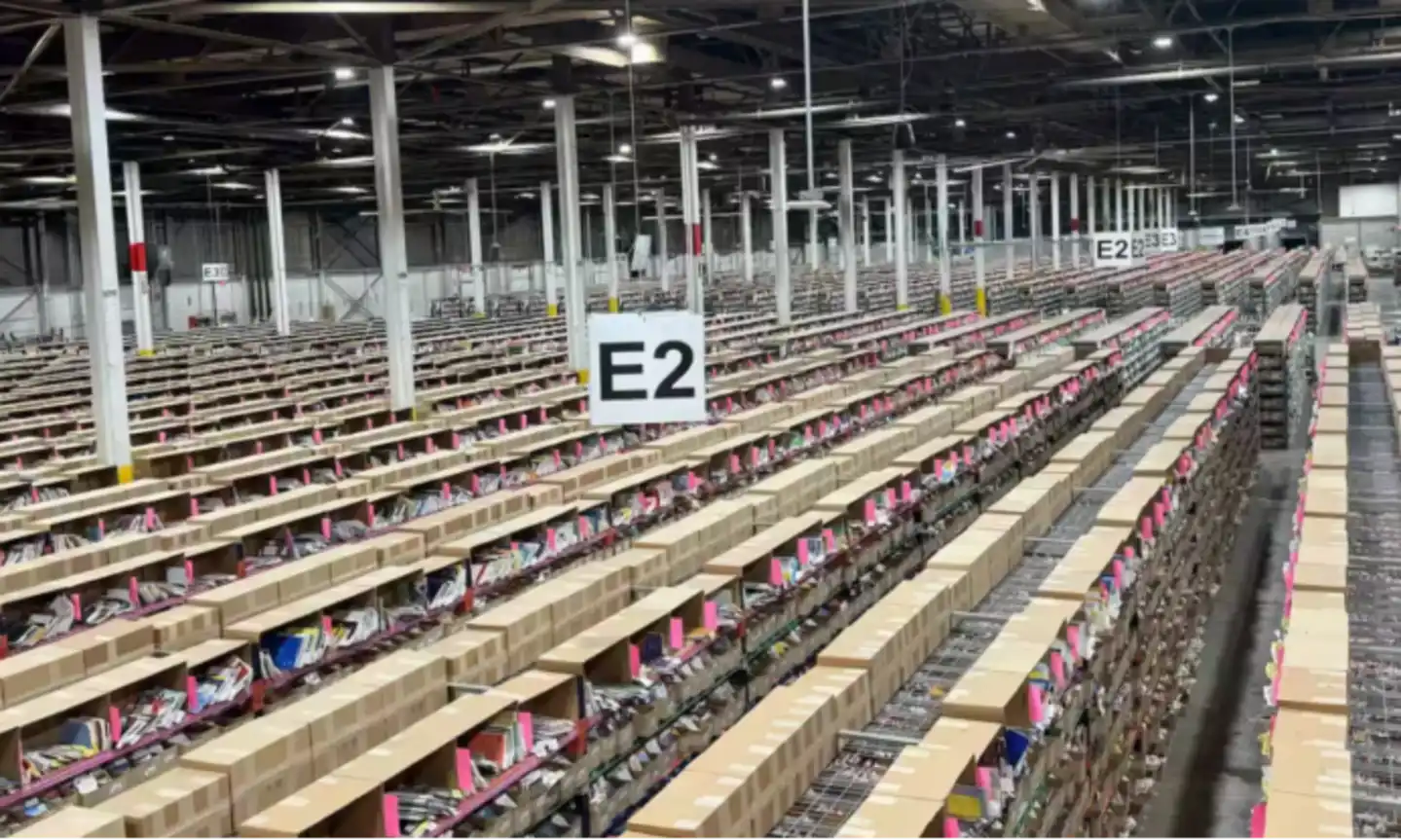
However, "millions of books" placed within the entire second-hand book market is not as staggering as one might imagine.

Take the large second-hand bookseller World of Books alone: in 2024, it sold 31 million books globally, maintained a long-term inventory of about 7 million books, and its website typically lists around 2 million different titles.

In other words, Anthropic's processing volume, compared to the normal circulation scale of a major second-hand bookseller, is just a few months' worth of their business.

So, "AI companies have scanned and destroyed millions of books" is true, but the leap from there to "AI is exhausting the supply of second-hand books" is a long one.

Furthermore, there's another issue easily loaded with emotional significance that needs clarification: the disappearance of a physical book does not equal the disappearance of the knowledge within it.

Anthropic bought these books precisely to preserve their content. In the copyright lawsuit against Anthropic by writer Andrea Bartz and others, court documents revealed that after each physical book is disassembled and scanned, it becomes a PDF containing full-page images and machine-readable text, entering Anthropic's own digital library.

If we only discuss the process of "buying a book, cutting it open, scanning it, and destroying the original," it is almost the opposite action of "burning books" in a historical sense.

Burning books aims to make content disappear. AI companies, by cutting books open, specifically aim to preserve the content. Moreover, once used for model training, it will become a living resource in new forms. Judges have expressed similar views: the content from books used to train models is transformed into new capabilities during the training process.

Those cut-up physical books are indeed painful to look at, but human knowledge hasn't been sold for scrap along with them.

02

There is a point worth noting, and it's one of the strongest arguments in the current wave of criticism. AI companies' procurement doesn't consist solely of common old books available everywhere; it does include some rare second-hand books, even out-of-print ones.

This issue cannot simply be glossed over with "the physical book is gone, but the knowledge remains." Because the value of some books isn't only in the text. Special editions, unique bindings, author inscriptions and annotations, even the provenance of a book—whose collection it passed through, what marks it left—can make the physical object itself irreplaceable.

But first, we need to distinguish one thing: scarcity does not equal preciousness, and being out-of-print does not equal being cultural heritage.

Your university professor self-published 300 copies of "Handbook of County Sewage Pipeline Construction" in 1994. Today, perhaps only a dozen copies remain worldwide—this is certainly scarce, even long out of print. But whether it is a treasure of human civilization that must be protected at all costs is probably self-evident.

The second-hand book market is full of such items. The reason they are hard to find might simply be that they were printed in small numbers or never reprinted. It doesn't mean that the loss of each copy represents a loss to public culture.

Secondly, even if we narrow our focus to those books whose physical forms are genuinely valuable, the problem is still not that simple.

As long as a book is still freely circulating as a commodity in the second-hand market, it can be legally bought by a "crazy person."

This buyer could buy it to enshrine in a climate-controlled glass cabinet, or use it as a table leg coaster. Even crazier, they could tear out two pages to soak in milk for breakfast. As long as the book isn't under special legal protection, others can only call them wasteful; they can't stop them.

So why does the situation suddenly change when the buyer is an AI company? It's as if after Anthropic or Amazon pays, even though the book nominally belongs to them, they are actually obligated to preserve it for all of humanity.

This kind of debate has happened before among humans themselves.

In 2010, Christie's auctioned a Book of Hours made in France in the 1460s. It had gold leaf decoration, exquisite calligraphy, and 17 full-page illustrations, and was largely intact at auction, finally selling for £25,000.

A few years later, Elaine Treharne, a Stanford University scholar of medieval literature, acquired the remnants of this book. Originally 254 pages, only 7 remained.

She later discovered that after the Christie's auction, the buyer—a German antiquarian bookseller—deliberately disassembled the book. The pages were sold off one by one, with ordinary pages fetching a few hundred dollars and beautiful illustrations selling for more.

But the antiquarian's subsequent defense was quite interesting:

When Christie's held the public auction, museums could have bought it, large collecting institutions could have bought it, wealthy collectors could have bought it. Everyone saw it. No one was willing to pay a higher price in the end; I paid for it and bought it. Why is it only after the transaction concludes that you suddenly tell me this thing actually belongs to all humanity and I must preserve it for you?

Well, the words might be crude, but the reasoning is sound—and the more you think about it, the more intriguing it becomes.

The same applies to AI companies today.

If a particular book is truly so precious that cutting a single page constitutes an irreparable cultural loss, then where were the museums? The libraries? The public collecting institutions? Those humans who supposedly care more about humanity's precious assets?

Why is it only after the AI company actually pays and buys it that everyone gathers around to say: You are not allowed to destroy this; it belongs to all of humanity.

You didn't buy it, yet you want to control what I do with it after I buy it. Isn't that a bit excessive?

Of course, this doesn't mean that AI companies destroying valuable old books is praiseworthy. "Having the legal right to do so" and our belief that "doing so is awful" can absolutely coexist.

But if a type of book is truly important enough that its owner shouldn't be allowed to dispose of it freely, then what really needs to change probably isn't the moral standards of AI companies.

03

To clarify the logic earlier, the language was a bit extreme.

From the perspective of humanity's common interest, AI companies' large-scale procurement of second-hand books, especially their focus on obscure, out-of-print, and small-language books, is indeed a cause for concern.

As mentioned, Anthropic buying a few million books a year isn't much in the context of the entire second-hand book market. However, a procurement volume that's a drop in the bucket for the overall market can still cause large-scale depletion if heavily concentrated on scarce titles within that niche.

So, "AI is buying up all the second-hand books" is an exaggeration, but "AI companies' procurement may be concentrated on consuming some already fragile book stocks" is not groundless.

The problem is, don't expect AI companies to be the saints in this scenario.

They certainly can be.

But "it would be nice if they did" and "society can only rely on them to do so" are two different things.

Companies are, after all, companies. Today, a certain company might think protecting rare books is important and be willing to spend more on non-destructive scanning. Tomorrow, with a different manager who finds this process 30% more expensive, they could very well cut it.

Relying on commercial companies to long-term safeguard cultural heritage for society based on conscience is a bit like expecting Sun Wukong to put the tightening band on his own head and recite the incantation himself—of course, it's great if he occasionally has an epiphany, but system design better not count on that kind of miracle.

If AI companies' procurement truly begins to threaten books with public value, then this is no longer a question of "whether a company has good ethics," but rather a question of public interest.

Since it involves public interest, the solution should also come from public rules.

For example, we could establish a more comprehensive registration system for rare book titles and editions. If a book is confirmed to have extremely few surviving copies and its physical form possesses clear historical, edition-specific, or artifact value, it enters a protected list. AI companies could buy it but not perform destructive scanning. Or, after purchase, they must prioritize non-destructive digitization.

We could also give libraries, museums, and public collecting institutions some form of right of first refusal. When commercial procurement systems detect suspected unique copies or editions with extremely few surviving copies, they first submit the information to public institutions, giving them a certain period to decide whether to collect them. If the institutions don't want it, then you can buy and process it.

Second-hand book platforms aren't entirely without responsibility either. If algorithms today can accurately detect "only three copies of this 1987 book remain online," platforms can certainly trigger alerts when the same book is suddenly subject to concentrated bulk purchasing by multiple large buyers.

We could even require large-scale procurers to bear some informational obligations. If you're destructively scanning millions of books a year, you should at least record what editions you processed, which books were exceptionally scarce, and contribute this data to public bibliographic systems.

Which of these solutions is best is debatable; perhaps none will be used in the end. But at the very least, there needs to be a rule.

04

Having said all this, there might be one final question left.

When people furiously accuse AI companies of "destroying humanity's books" and "swallowing human knowledge," what are they really accusing? When seeing books being cut open and fed into scanners, where does that intense discomfort and fear truly come from?

The increasingly ambivalent feelings humans now harbor towards AI itself cannot be ignored. People are becoming more reliant on AI, while simultaneously becoming more afraid of it, even growing to hate it.

A Pew survey this year shows the proportion of U.S. adults using ChatGPT has risen from 18% in 2023 to 44% in 2026, with 38% of the employed population already using AI for work tasks. Yet simultaneously, 63% of Americans believe AI is developing too quickly, and 40% expect it to have negative impacts on society in the future.

This contradiction is particularly evident among young people.

A Gallup survey this year of Americans aged 14 to 29 found that 51% use generative AI at least once a week, with 22% using it daily. But compared to a year ago, their excitement about AI dropped 14 percentage points, hope dropped 9 points, while anger rose 9 points.

Now, 31% explicitly state they feel angry about AI, and 42% feel anxious.

Even more interestingly, even among those who use AI daily, excitement and hope have significantly declined compared to last year.

In other words, using it more hasn't automatically led to liking it more.

What happened at American university graduation ceremonies this year is almost a live demonstration of this sentiment.

In May, when former Google CEO Eric Schmidt mentioned at Arizona State University's commencement that AI would enter all industries, the audience booed. Similar scenes subsequently occurred at multiple universities. One survey claimed about 70% of college students worry AI threatens their employment prospects.

This is likely the real situation many face with AI today. Not using it risks falling behind, but the more they use it, the clearer they become about the potential consequences.

The negative associations triggered by "book cutting" are almost inevitable—machines are growing by consuming everything humanity has created in the past.

And then they will come back to take your job.

Thus, copyright anxiety, employment anxiety, distrust of tech companies, and even that fear and dread of "is humanity in the process of creating its own replacement"—all are triggered by the visual symbol of "book cutting."

This also explains why the public sentiment surrounding this issue has far outpaced the actual losses.

That's not just a book being cut open; that is me being sliced by the knife, and then turning into useless garbage.


Crypto di tendenza

Domande pertinenti

QWhat is the main argument of the article regarding the 'AI book-burning' controversy?

AThe article argues that the public outrage over 'AI book-burning' is largely based on its symbolic meaning rather than the actual scale of harm. It points out that the number of books destroyed by AI companies is small relative to the global second-hand book market, and that the knowledge within the books is preserved digitally, not erased. The core issue is misdirected anger stemming from broader anxieties about AI's societal impact.

QAccording to the article, how does the scale of Anthropic's book scanning compare to the broader second-hand book market?

AThe article states that Anthropic scanned millions of books over about a year. However, it compares this to a single large second-hand book dealer, World of Books, which sold 31 million books in 2024 alone and maintains millions in inventory. Therefore, Anthropic's activity represents just a few months' business for one major dealer, indicating it is not depleting the global market.

QWhat point does the article make about the destruction of rare or out-of-print books by AI companies?

AThe article argues that while the destruction of rare books is concerning, responsibility should not fall solely on AI companies. It uses the analogy of a rare manuscript being legally purchased and dismembered by a human collector. If a book is truly a cultural treasure, public institutions like museums or libraries had the chance to acquire it first. The problem highlights a lack of public rules, not just corporate ethics.

QWhat potential solutions does the article suggest for protecting culturally valuable books from destructive scanning?

AThe article suggests establishing public rules rather than relying on corporate goodwill. Solutions could include: creating a registry of rare books that require non-destructive scanning; granting public institutions a right of first refusal for rare books; requiring platforms to flag bulk purchases of scarce titles; and mandating that large-scale scanners contribute data to public bibliographic systems.

QHow does the article explain the intense public emotional reaction to images of books being cut and scanned?

AThe article explains that the visceral reaction stems from deeper, widespread anxieties about AI, not just the physical destruction. It cites surveys showing rising use of AI alongside growing fear, anger, and anxiety about its negative impacts on jobs and society. The image of books being 'consumed' by machines becomes a powerful symbol for fears of human creativity being digested to create a potential replacement for humans themselves.

Letture associate

Robinhood CEO: The Tokenization Wave of U.S. Stocks is Coming, America Must Not Be Left Behind

We are at the early stage of a global supercycle for asset tokenization, a transformative force reshaping finance. Robinhood has actively expanded this frontier outside the US, recently launching Robinhood Chain, a public EVM chain designed for Real World Assets (RWA) and focused on stock tokens. It enables global users to access over 190 US stocks backed 1:1 by underlying securities. However, a key gap remains: these tokenized stocks are not yet available within the United States itself. In the US, the debate around stock tokenization centers on its practical value, given existing low-cost access to equities. Critics question the need, but this misses the core innovation: tokenizing premium financial assets to make them portable, programmable, self-custodied, and tradable 24/7 within an open financial ecosystem. This is more than moving stocks onto a blockchain; it's rebuilding the foundational infrastructure of asset ownership. For US investors, this new infrastructure offers three core advantages: 1. **Real-time clearing and settlement**, enhancing market resilience by eliminating the systemic risks and capital burdens inherent in the traditional T+2/T+1 settlement cycle, as starkly revealed during events like the GameStop volatility. 2. **Native 24/7 trading capability**, allowing all investors to manage risk and react to global news outside standard market hours, a tool previously largely accessible only to institutions. 3. **Greater user control and portability of assets**, enabling instant transfers between platforms and into DeFi. This self-custody model fosters competition among service providers and unlocks new use cases like lending and using tokens as collateral. Realizing these benefits in the US requires more than technology; it necessitates modernizing a century-old securities regulatory framework built for legacy infrastructure. Policymakers must act swiftly to adapt rules for this new paradigm while preserving investor protections. Other jurisdictions are advancing, and the US risks being left behind in shaping the future of asset ownership—a future largely built around American assets and innovation. Tokenizing publicly traded stocks is just the beginning, paving the way for broadening access to other asset classes like private equity. US investors deserve to participate in this innovation.

marsbit32 min fa

Robinhood CEO: The Tokenization Wave of U.S. Stocks is Coming, America Must Not Be Left Behind

marsbit32 min fa

BIT Trading Moment: BTC Buying Pressure Rises but Bearish Sentiment Remains Strong, 50-Month EMA Difficult to Break, SK Hynix Attempts to Stabilize Memory

BIT Trading Hours: BTC Buying Rebounds but Bearish Sentiment Persists; 50-Month EMA Presents Resistance; SK Hynix Attempts to Stabilize the Memory Sector. Bitcoin briefly reclaimed $65,000, its first time since August 10th, showing a temporary decoupling from traditional risk assets pressured by soaring long-term U.S. Treasury yields. Key support is seen at $62k-$63k, with resistance near the 50-month Exponential Moving Average around $65.4k. While on-chain data indicates recovering spot demand, potentially signaling a local bottom, the options market remains skewed bearish. BIT analysis notes significant downside risk remains if historical bear market patterns repeat, with a potential drop to ~$45.5k. Global equity markets faced intense selling pressure, driven by a bond market storm. The U.S. 30-year yield hit a multi-year high above 5.33%, raising global funding costs. The AI sector was at the epicenter of the sell-off, with the Philadelphia Semiconductor Index plunging ~5% as investors questioned the sustainability of massive AI capital expenditures amid high debt costs. Storage stocks like Micron led declines. SK Hynix's announcement of a major share buyback provided some stability to the memory sector during after-hours trading. However, most tech stocks remained under pressure. In Asia, South Korean and Japanese indices fell sharply, heavily impacted by chip stock declines. Chinese robotics company Unitree Tech had a volatile market debut on Shanghai's STAR Market, soaring over 600% at one point before paring gains, making its founder a billionaire. Despite this individual success, the broader robotics sector in A-shares sold off heavily. Key upcoming events include the U.S. 20-year Treasury auction and the release of the Federal Reserve's July meeting minutes, which will be crucial tests for bond market stability and monetary policy expectations.

marsbit34 min fa

BIT Trading Moment: BTC Buying Pressure Rises but Bearish Sentiment Remains Strong, 50-Month EMA Difficult to Break, SK Hynix Attempts to Stabilize Memory

marsbit34 min fa

Trading

Spot

Articoli Popolari

Cosa è GROK AI

Grok AI: Rivoluzionare la Tecnologia Conversazionale nell'Era Web3 Introduzione Nel panorama in rapida evoluzione dell'intelligenza artificiale, Grok AI si distingue come un progetto notevole che collega i domini della tecnologia avanzata e dell'interazione con l'utente. Sviluppato da xAI, un'azienda guidata dal rinomato imprenditore Elon Musk, Grok AI cerca di ridefinire il modo in cui interagiamo con l'intelligenza artificiale. Mentre il movimento Web3 continua a prosperare, Grok AI mira a sfruttare il potere dell'IA conversazionale per rispondere a query complesse, offrendo agli utenti un'esperienza che è non solo informativa ma anche divertente. Cos'è Grok AI? Grok AI è un sofisticato chatbot di intelligenza artificiale conversazionale progettato per interagire dinamicamente con gli utenti. A differenza di molti sistemi di intelligenza artificiale tradizionali, Grok AI abbraccia un'ampia gamma di domande, comprese quelle tipicamente considerate inappropriate o al di fuori delle risposte standard. Gli obiettivi principali del progetto includono: Ragionamento Affidabile: Grok AI enfatizza il ragionamento di buon senso per fornire risposte logiche basate sulla comprensione contestuale. Supervisione Scalabile: L'integrazione dell'assistenza degli strumenti garantisce che le interazioni degli utenti siano sia monitorate che ottimizzate per la qualità. Verifica Formale: La sicurezza è fondamentale; Grok AI incorpora metodi di verifica formale per migliorare l'affidabilità delle sue uscite. Comprensione del Lungo Contesto: Il modello di IA eccelle nel trattenere e richiamare una vasta storia di conversazione, facilitando discussioni significative e consapevoli del contesto. Robustezza Adversariale: Concentrandosi sul miglioramento delle sue difese contro input manipolati o malevoli, Grok AI mira a mantenere l'integrità delle interazioni degli utenti. In sostanza, Grok AI non è solo un dispositivo di recupero informazioni; è un partner conversazionale immersivo che incoraggia un dialogo dinamico. Creatore di Grok AI Il cervello dietro Grok AI non è altri che Elon Musk, un individuo sinonimo di innovazione in vari campi, tra cui automotive, viaggi spaziali e tecnologia. Sotto l'egida di xAI, un'azienda focalizzata sull'avanzamento della tecnologia AI in modi benefici, la visione di Musk mira a rimodellare la comprensione delle interazioni con l'IA. La leadership e l'etica fondamentale sono profondamente influenzate dall'impegno di Musk nel superare i confini tecnologici. Investitori di Grok AI Sebbene i dettagli specifici riguardanti gli investitori che sostengono Grok AI rimangano limitati, è pubblicamente riconosciuto che xAI, l'incubatore del progetto, è fondato e supportato principalmente dallo stesso Elon Musk. Le precedenti imprese e partecipazioni di Musk forniscono un robusto sostegno, rafforzando ulteriormente la credibilità e il potenziale di crescita di Grok AI. Tuttavia, al momento, le informazioni riguardanti ulteriori fondazioni di investimento o organizzazioni che supportano Grok AI non sono facilmente accessibili, segnando un'area per potenziali esplorazioni future. Come Funziona Grok AI? Le meccaniche operative di Grok AI sono innovative quanto il suo framework concettuale. Il progetto integra diverse tecnologie all'avanguardia che facilitano le sue funzionalità uniche: Infrastruttura Robusta: Grok AI è costruito utilizzando Kubernetes per l'orchestrazione dei container, Rust per prestazioni e sicurezza, e JAX per il calcolo numerico ad alte prestazioni. Questo trio garantisce che il chatbot operi in modo efficiente, si scaldi efficacemente e serva gli utenti prontamente. Accesso alla Conoscenza in Tempo Reale: Una delle caratteristiche distintive di Grok AI è la sua capacità di attingere a dati in tempo reale attraverso la piattaforma X—precedentemente nota come Twitter. Questa capacità consente all'IA di accedere alle informazioni più recenti, permettendole di fornire risposte e raccomandazioni tempestive che altri modelli di IA potrebbero perdere. Due Modalità di Interazione: Grok AI offre agli utenti la scelta tra “Modalità Divertente” e “Modalità Normale”. La Modalità Divertente consente uno stile di interazione più giocoso e umoristico, mentre la Modalità Normale si concentra sulla fornitura di risposte precise e accurate. Questa versatilità garantisce un'esperienza su misura che soddisfa varie preferenze degli utenti. In sostanza, Grok AI sposa prestazioni con coinvolgimento, creando un'esperienza che è sia arricchente che divertente. Cronologia di Grok AI Il viaggio di Grok AI è segnato da traguardi fondamentali che riflettono le sue fasi di sviluppo e distribuzione: Sviluppo Iniziale: La fase fondamentale di Grok AI si è svolta in circa due mesi, durante i quali sono stati condotti l'addestramento iniziale e il perfezionamento del modello. Rilascio Beta di Grok-2: In un significativo avanzamento, è stata annunciata la beta di Grok-2. Questo rilascio ha introdotto due versioni del chatbot—Grok-2 e Grok-2 mini—ognuna dotata delle capacità per chattare, programmare e ragionare. Accesso Pubblico: Dopo lo sviluppo beta, Grok AI è diventato disponibile per gli utenti della piattaforma X. Coloro che hanno account verificati tramite un numero di telefono e attivi per almeno sette giorni possono accedere a una versione limitata, rendendo la tecnologia disponibile a un pubblico più ampio. Questa cronologia racchiude la crescita sistematica di Grok AI dall'inizio all'impegno pubblico, enfatizzando il suo impegno per il miglioramento continuo e l'interazione con gli utenti. Caratteristiche Chiave di Grok AI Grok AI comprende diverse caratteristiche chiave che contribuiscono alla sua identità innovativa: Integrazione della Conoscenza in Tempo Reale: L'accesso a informazioni attuali e rilevanti differenzia Grok AI da molti modelli statici, consentendo un'esperienza utente coinvolgente e accurata. Stili di Interazione Versatili: Offrendo modalità di interazione distinte, Grok AI soddisfa varie preferenze degli utenti, invitando alla creatività e alla personalizzazione nella conversazione con l'IA. Avanzata Struttura Tecnologica: L'utilizzo di Kubernetes, Rust e JAX fornisce al progetto un solido framework per garantire affidabilità e prestazioni ottimali. Considerazione del Discorso Etico: L'inclusione di una funzione di generazione di immagini mette in mostra lo spirito innovativo del progetto. Tuttavia, solleva anche considerazioni etiche riguardanti il copyright e la rappresentazione rispettosa di figure riconoscibili—una discussione in corso all'interno della comunità AI. Conclusione Come entità pionieristica nel campo dell'IA conversazionale, Grok AI incarna il potenziale per esperienze utente trasformative nell'era digitale. Sviluppato da xAI e guidato dall'approccio visionario di Elon Musk, Grok AI integra conoscenze in tempo reale con capacità di interazione avanzate. Si sforza di spingere i confini di ciò che l'intelligenza artificiale può realizzare, mantenendo un focus su considerazioni etiche e sicurezza degli utenti. Grok AI non solo incarna il progresso tecnologico, ma rappresenta anche un nuovo paradigma conversazionale nel panorama Web3, promettendo di coinvolgere gli utenti con sia conoscenze esperte che interazioni giocose. Man mano che il progetto continua a evolversi, si erge come testimonianza di ciò che l'incrocio tra tecnologia, creatività e interazione simile a quella umana può realizzare.

687 Totale visualizzazioniPubblicato il 2024.12.26Aggiornato il 2024.12.26

Cosa è GROK AI

Cosa è ERC AI

Euruka Tech: Una Panoramica di $erc ai e delle sue Ambizioni in Web3 Introduzione Nel panorama in rapida evoluzione della tecnologia blockchain e delle applicazioni decentralizzate, nuovi progetti emergono frequentemente, ciascuno con obiettivi e metodologie uniche. Uno di questi progetti è Euruka Tech, che opera nel vasto dominio delle criptovalute e del Web3. L'obiettivo principale di Euruka Tech, in particolare del suo token $erc ai, è presentare soluzioni innovative progettate per sfruttare le crescenti capacità della tecnologia decentralizzata. Questo articolo si propone di fornire una panoramica completa di Euruka Tech, un'esplorazione dei suoi obiettivi, della funzionalità, dell'identità del suo creatore, dei potenziali investitori e della sua importanza nel contesto più ampio del Web3. Cos'è Euruka Tech, $erc ai? Euruka Tech è caratterizzato come un progetto che sfrutta gli strumenti e le funzionalità offerte dall'ambiente Web3, concentrandosi sull'integrazione dell'intelligenza artificiale nelle sue operazioni. Sebbene i dettagli specifici sul framework del progetto siano piuttosto sfuggenti, è progettato per migliorare l'engagement degli utenti e automatizzare i processi nello spazio crypto. Il progetto mira a creare un ecosistema decentralizzato che non solo faciliti le transazioni, ma incorpori anche funzionalità predittive attraverso l'intelligenza artificiale, da cui il nome del suo token, $erc ai. L'obiettivo è fornire una piattaforma intuitiva che faciliti interazioni più intelligenti e un'elaborazione delle transazioni più efficiente all'interno della crescente sfera del Web3. Chi è il Creatore di Euruka Tech, $erc ai? Attualmente, le informazioni riguardanti il creatore o il team fondatore di Euruka Tech rimangono non specificate e piuttosto opache. Questa assenza di dati solleva preoccupazioni, poiché la conoscenza del background del team è spesso essenziale per stabilire credibilità nel settore blockchain. Pertanto, abbiamo classificato queste informazioni come sconosciute fino a quando dettagli concreti non saranno resi disponibili nel dominio pubblico. Chi sono gli Investitori di Euruka Tech, $erc ai? Allo stesso modo, l'identificazione degli investitori o delle organizzazioni di supporto per il progetto Euruka Tech non è prontamente fornita attraverso la ricerca disponibile. Un aspetto cruciale per i potenziali stakeholder o utenti che considerano di impegnarsi con Euruka Tech è la garanzia che deriva da partnership finanziarie consolidate o dal supporto di società di investimento rispettabili. Senza divulgazioni sulle affiliazioni di investimento, è difficile trarre conclusioni complete sulla sicurezza finanziaria o sulla longevità del progetto. In linea con le informazioni trovate, anche questa sezione rimane allo stato di sconosciuto. Come funziona Euruka Tech, $erc ai? Nonostante la mancanza di specifiche tecniche dettagliate per Euruka Tech, è essenziale considerare le sue ambizioni innovative. Il progetto cerca di sfruttare la potenza computazionale dell'intelligenza artificiale per automatizzare e migliorare l'esperienza dell'utente all'interno dell'ambiente delle criptovalute. Integrando l'IA con la tecnologia blockchain, Euruka Tech mira a fornire funzionalità come operazioni automatizzate, valutazioni del rischio e interfacce utente personalizzate. L'essenza innovativa di Euruka Tech risiede nel suo obiettivo di creare una connessione fluida tra gli utenti e le vaste possibilità presentate dalle reti decentralizzate. Attraverso l'utilizzo di algoritmi di apprendimento automatico e IA, mira a ridurre le sfide degli utenti alle prime armi e semplificare le esperienze transazionali all'interno del framework Web3. Questa simbiosi tra IA e blockchain sottolinea l'importanza del token $erc ai, fungendo da ponte tra le interfacce utente tradizionali e le avanzate capacità delle tecnologie decentralizzate. Cronologia di Euruka Tech, $erc ai Sfortunatamente, a causa delle limitate informazioni disponibili riguardo a Euruka Tech, non siamo in grado di presentare una cronologia dettagliata dei principali sviluppi o traguardi nel percorso del progetto. Questa cronologia, tipicamente preziosa per tracciare l'evoluzione di un progetto e comprendere la sua traiettoria di crescita, non è attualmente disponibile. Man mano che le informazioni su eventi notevoli, partnership o aggiunte funzionali diventano evidenti, gli aggiornamenti miglioreranno sicuramente la visibilità di Euruka Tech nella sfera crypto. Chiarimento su Altri Progetti “Eureka” È importante sottolineare che più progetti e aziende condividono una nomenclatura simile con “Eureka.” La ricerca ha identificato iniziative come un agente IA della NVIDIA Research, che si concentra sull'insegnamento ai robot di compiti complessi utilizzando metodi generativi, così come Eureka Labs ed Eureka AI, che migliorano l'esperienza utente nell'istruzione e nell'analisi del servizio clienti, rispettivamente. Tuttavia, questi progetti sono distinti da Euruka Tech e non dovrebbero essere confusi con i suoi obiettivi o funzionalità. Conclusione Euruka Tech, insieme al suo token $erc ai, rappresenta un attore promettente ma attualmente oscuro nel panorama del Web3. Sebbene i dettagli sul suo creatore e sugli investitori rimangano non divulgati, l'ambizione centrale di combinare intelligenza artificiale e tecnologia blockchain si erge come un punto focale di interesse. Gli approcci unici del progetto nel promuovere l'engagement degli utenti attraverso l'automazione avanzata potrebbero distinguerlo mentre l'ecosistema Web3 progredisce. Con l'evoluzione continua del mercato crypto, gli stakeholder dovrebbero tenere d'occhio gli sviluppi riguardanti Euruka Tech, poiché lo sviluppo di innovazioni documentate, partnership o una roadmap definita potrebbe presentare opportunità significative nel prossimo futuro. Così com'è, attendiamo ulteriori approfondimenti sostanziali che potrebbero svelare il potenziale di Euruka Tech e la sua posizione nel competitivo panorama crypto.

727 Totale visualizzazioniPubblicato il 2025.01.02Aggiornato il 2025.01.02

Cosa è ERC AI

Cosa è DUOLINGO AI

DUOLINGO AI: Integrare l'apprendimento delle lingue con Web3 e innovazione AI In un'era in cui la tecnologia rimodella l'istruzione, l'integrazione dell'intelligenza artificiale (AI) e delle reti blockchain annuncia una nuova frontiera per l'apprendimento delle lingue. Entra in scena DUOLINGO AI e la sua criptovaluta associata, $DUOLINGO AI. Questo progetto aspira a fondere la potenza educativa delle principali piattaforme di apprendimento delle lingue con i benefici della tecnologia decentralizzata Web3. Questo articolo esplora gli aspetti chiave di DUOLINGO AI, esaminando i suoi obiettivi, il framework tecnologico, lo sviluppo storico e il potenziale futuro, mantenendo chiarezza tra la risorsa educativa originale e questa iniziativa indipendente di criptovaluta. Panoramica di DUOLINGO AI Alla sua base, DUOLINGO AI cerca di stabilire un ambiente decentralizzato in cui gli studenti possono guadagnare ricompense crittografiche per il raggiungimento di traguardi educativi nella competenza linguistica. Applicando smart contracts, il progetto mira ad automatizzare i processi di verifica delle competenze e le allocazioni di token, aderendo ai principi di Web3 che enfatizzano la trasparenza e la proprietà da parte degli utenti. Il modello si discosta dagli approcci tradizionali all'acquisizione linguistica, facendo forte affidamento su una struttura di governance guidata dalla comunità, che consente ai detentori di token di suggerire miglioramenti ai contenuti dei corsi e alle distribuzioni delle ricompense. Alcuni degli obiettivi notevoli di DUOLINGO AI includono: Apprendimento Gamificato: Il progetto integra traguardi blockchain e token non fungibili (NFT) per rappresentare i livelli di competenza linguistica, promuovendo la motivazione attraverso ricompense digitali coinvolgenti. Creazione di Contenuti Decentralizzati: Apre opportunità per educatori e appassionati di lingue di contribuire con i propri corsi, facilitando un modello di condivisione dei ricavi che beneficia tutti i collaboratori. Personalizzazione Guidata dall'AI: Utilizzando modelli avanzati di machine learning, DUOLINGO AI personalizza le lezioni per adattarsi ai progressi individuali, simile alle funzionalità adattive presenti nelle piattaforme consolidate. Creatori del Progetto e Governance A partire da aprile 2025, il team dietro $DUOLINGO AI rimane pseudonimo, una pratica comune nel panorama decentralizzato delle criptovalute. Questa anonimato è inteso a promuovere la crescita collettiva e il coinvolgimento degli stakeholder piuttosto che concentrarsi su sviluppatori individuali. Lo smart contract distribuito sulla blockchain di Solana annota l'indirizzo del wallet dello sviluppatore, che segna l'impegno verso la trasparenza riguardo alle transazioni, nonostante l'identità dei creatori sia sconosciuta. Secondo la sua roadmap, DUOLINGO AI mira a evolversi in un'Organizzazione Autonoma Decentralizzata (DAO). Questa struttura di governance consente ai detentori di token di votare su questioni critiche come l'implementazione di funzionalità e le allocazioni del tesoro. Questo modello si allinea con l'etica dell'empowerment della comunità presente in varie applicazioni decentralizzate, enfatizzando l'importanza del processo decisionale collettivo. Investitori e Partnership Strategiche Attualmente, non ci sono investitori istituzionali o capitalisti di rischio identificabili pubblicamente legati a $DUOLINGO AI. Invece, la liquidità del progetto proviene principalmente da scambi decentralizzati (DEX), segnando un netto contrasto con le strategie di finanziamento delle aziende tradizionali di tecnologia educativa. Questo modello di base indica un approccio guidato dalla comunità, riflettendo l'impegno del progetto verso la decentralizzazione. Nel suo whitepaper, DUOLINGO AI menziona la formazione di collaborazioni con “piattaforme educative blockchain” non specificate, mirate ad arricchire la sua offerta di corsi. Sebbene partnership specifiche non siano ancora state divulgate, questi sforzi collaborativi suggeriscono una strategia per mescolare innovazione blockchain con iniziative educative, ampliando l'accesso e il coinvolgimento degli utenti attraverso diverse vie di apprendimento. Architettura Tecnologica Integrazione AI DUOLINGO AI incorpora due componenti principali guidate dall'AI per migliorare la sua offerta educativa: Motore di Apprendimento Adattivo: Questo sofisticato motore apprende dalle interazioni degli utenti, simile ai modelli proprietari delle principali piattaforme educative. Regola dinamicamente la difficoltà delle lezioni per affrontare le sfide specifiche degli studenti, rinforzando le aree deboli attraverso esercizi mirati. Agenti Conversazionali: Utilizzando chatbot alimentati da GPT-4, DUOLINGO AI offre una piattaforma per gli utenti per impegnarsi in conversazioni simulate, promuovendo un'esperienza di apprendimento linguistico più interattiva e pratica. Infrastruttura Blockchain Costruito sulla blockchain di Solana, $DUOLINGO AI utilizza un framework tecnologico completo che include: Smart Contracts per la Verifica delle Competenze: Questa funzionalità assegna automaticamente token agli utenti che superano con successo i test di competenza, rinforzando la struttura di incentivi per risultati di apprendimento genuini. Badge NFT: Questi token digitali significano vari traguardi che gli studenti raggiungono, come completare una sezione del loro corso o padroneggiare competenze specifiche, consentendo loro di scambiare o mostrare digitalmente i loro successi. Governance DAO: I membri della comunità dotati di token possono partecipare alla governance votando su proposte chiave, facilitando una cultura partecipativa che incoraggia l'innovazione nell'offerta di corsi e nelle funzionalità della piattaforma. Cronologia Storica 2022–2023: Concettualizzazione I lavori per DUOLINGO AI iniziano con la creazione di un whitepaper, evidenziando la sinergia tra i progressi dell'AI nell'apprendimento delle lingue e il potenziale decentralizzato della tecnologia blockchain. 2024: Lancio Beta Un lancio beta limitato introduce offerte in lingue popolari, premiando i primi utenti con incentivi in token come parte della strategia di coinvolgimento della comunità del progetto. 2025: Transizione DAO Ad aprile, avviene un lancio completo della mainnet con la circolazione di token, stimolando discussioni nella comunità riguardo a possibili espansioni nelle lingue asiatiche e ad altri sviluppi dei corsi. Sfide e Direzioni Future Ostacoli Tecnici Nonostante i suoi obiettivi ambiziosi, DUOLINGO AI affronta sfide significative. La scalabilità rimane una preoccupazione costante, in particolare nel bilanciare i costi associati all'elaborazione dell'AI e nel mantenere una rete decentralizzata reattiva. Inoltre, garantire la creazione e la moderazione di contenuti di qualità in un'offerta decentralizzata presenta complessità nel mantenere standard educativi. Opportunità Strategiche Guardando al futuro, DUOLINGO AI ha il potenziale per sfruttare partnership di micro-credentialing con istituzioni accademiche, fornendo validazioni verificate dalla blockchain delle competenze linguistiche. Inoltre, l'espansione cross-chain potrebbe consentire al progetto di attingere a basi utenti più ampie e a ulteriori ecosistemi blockchain, migliorando la sua interoperabilità e portata. Conclusione DUOLINGO AI rappresenta una fusione innovativa di intelligenza artificiale e tecnologia blockchain, presentando un'alternativa focalizzata sulla comunità ai sistemi tradizionali di apprendimento delle lingue. Sebbene il suo sviluppo pseudonimo e il modello economico emergente comportino alcuni rischi, l'impegno del progetto verso l'apprendimento gamificato, l'istruzione personalizzata e la governance decentralizzata illumina un percorso per la tecnologia educativa nel regno di Web3. Man mano che l'AI continua a progredire e l'ecosistema blockchain evolve, iniziative come DUOLINGO AI potrebbero ridefinire il modo in cui gli utenti interagiscono con l'istruzione linguistica, potenziando le comunità e premiando il coinvolgimento attraverso meccanismi di apprendimento innovativi.

669 Totale visualizzazioniPubblicato il 2025.04.11Aggiornato il 2025.04.11

Cosa è DUOLINGO AI

Discussioni

Benvenuto nella Community HTX. Qui puoi rimanere informato sugli ultimi sviluppi della piattaforma e accedere ad approfondimenti esperti sul mercato. Le opinioni degli utenti sul prezzo di AI AI sono presentate come di seguito.

活动图片