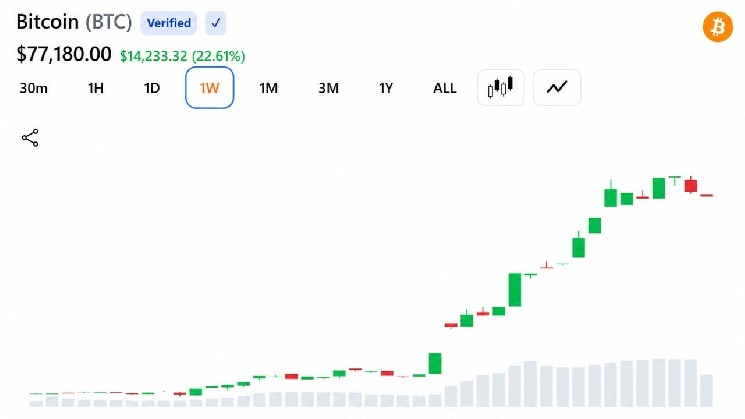
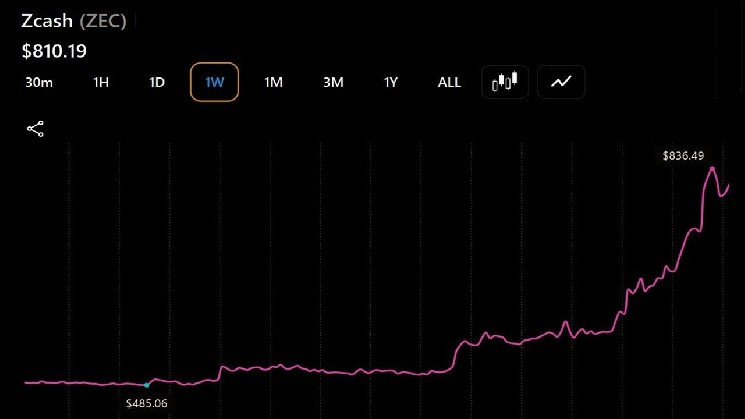
Time always arrives unexpectedly, and K-lines always fluctuate beyond anticipation—this is the footnote of 2025. Now, standing at the tail end of time, we look back at the past and forward to the future.
The year 2025, which is about to pass, cannot be described as spectacular for the crypto industry, but it has been more than just calm. From the frenzy sparked by Trump Coin at the beginning of the year, to Ethereum's resurgence in the summer, and the bloodbath brought by the 1011 event in late autumn, the ups and downs of the crypto market have been outlined.
But beyond these fluctuations on the K-lines, the crypto industry has finally ushered in another spring.
In January, the White House issued an executive order, completely abandoning the previous "restrictive regulation" approach.
In March, Trump launched the Bitcoin Reserve Plan, incorporating 200,000 confiscated bitcoins into strategic reserves.
In April, the U.S. Department of Justice disbanded the specialized crypto enforcement team, freeing up development space for compliant platforms.
In July, the U.S. Stablecoin Act (GENIUS) officially came into effect.
In August, Hong Kong's "Stablecoin Ordinance" was implemented.
These events are not isolated but form a clear logical chain around "compliance": U.S. legislation reconstruction addressed the core concerns of institutional entry, while the enactment of Hong Kong's ordinance opened up a compliant channel in Asia.
Looking back at the more than ten-year history of cryptocurrency development, its relationship with regulation has always evolved through博弈 (game theory/struggle). The密集 (dense) compliance policies introduced globally in 2025 mark the industry's official farewell to野蛮生长 (wild growth) and its entry into a new phase of development.
Therefore, if one had to use a single word to summarize the development of the crypto industry in 2025, it should be—compliance.
And where will the industry go after compliance? Is the development红利 (dividend) still there? These are questions more worthy of our consideration.
A Decade of Regulatory Change: How Did We Go from Banning to Regulating?
Over the past decade, global crypto regulation has大致 (roughly) gone through three stages: "rejection and prohibition, cautious exploration, and standardized development." The shift in regulatory attitude has formed a stark contrast with the expansion of the industry's size.
When Bitcoin was born in 2009, its decentralized nature kept it outside the traditional financial regulatory system. Most regions globally remained silent about this new phenomenon, while a few regarded it as a "speculative tool" or a "vehicle for crime."
Before 2015, the crypto market was worth less than $100 billion, and global regulation was primarily focused on bans and warnings.
China's central bank issued the "Notice on Preventing Bitcoin Risks" in 2013, clarifying its non-currency attributes; Russia classified crypto transactions as illegal in 2014; the U.S. SEC merely viewed it as an "investment tool requiring caution."
At this time, the industry was completely in a regulatory vacuum, with transactions mostly conducted through third-party platforms, and frequent hacker attacks and fraud incidents.
From 2017 to 2022, with the rise of the Ethereum ecosystem and the outbreak of the DeFi wave, the crypto market capitalization突破 (broke through) $2 trillion, and regulation entered a period of cautious exploration.
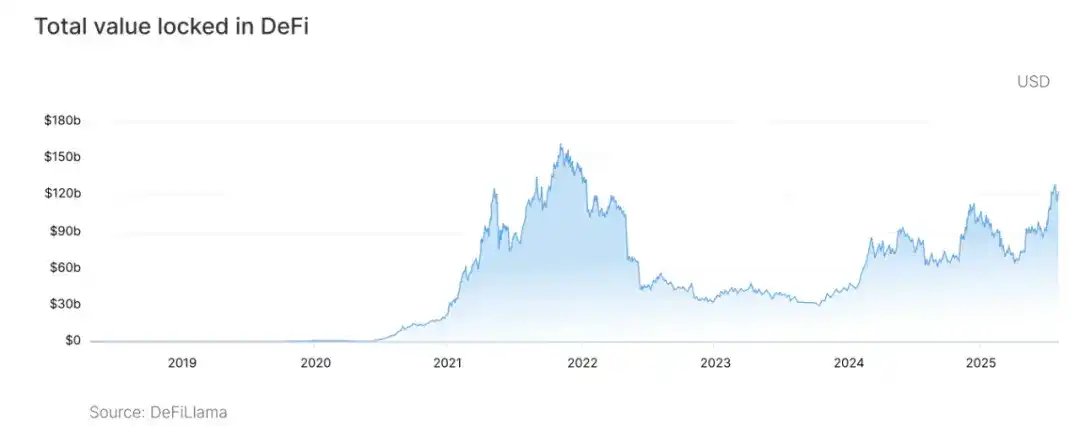
Japan became the first country to attempt to regulate crypto trading, amending the "Payment Services Act" in 2017 to issue licenses to crypto exchanges; Switzerland, through its "Crypto Valley" strategy, built an inclusive regulatory framework, allowing banks to conduct crypto custody business.
The U.S. SEC began to clarify its regulatory stance during this period, defining some tokens as "securities," and cracking down on ICO chaos, but regulatory standards at the federal and state levels still conflicted.
During this period, although some Asian regions issued bans, a global regulatory consensus began to form: complete prohibition could not curb technological innovation, and establishing an adapted regulatory system was key.
From 2023 to the present, regulation has entered a standardization period. After experiencing risk events such as the FTX collapse, the global crypto market has an空前迫切 (unprecedented urgent) need for compliance.
The EU took the lead, with the MiCA法案 (Regulation) fully生效 (coming into effect) at the end of 2024, becoming the world's first unified crypto regulatory framework; the U.S. SEC adjusted its regulatory strategy, shifting from "pan-securitization认定 (identification)" to categorical regulation; countries like Singapore and the UAE established specialized regulatory agencies and created regulatory sandboxes.
This systematic standardization laid the foundation for the outbreak of compliance trends in 2025.
Why is 2025 the Year of the Compliance Breakthrough?
By 2025, global crypto compliance achieved a qualitative leap. Western markets, represented by the U.S. and EU, established clear legal frameworks, while Hong Kong used its Stablecoin Ordinance as a breakthrough to accelerate the compliance process in Asia, forming a regulatory network covering major economies.
The U.S. completed a comprehensive overhaul of its crypto regulatory system in 2025, becoming the core of global policy change.
On January 23, the Trump administration issued the "Executive Order on Strengthening U.S. Leadership in Digital Financial Technology," revoking the restrictive policies of the Biden era and establishing a regulatory基调 (tone) of "promoting innovation."
This executive order directly promoted the落地 (landing/implementation) of subsequent series of acts: on July 18, the GENIUS Act was signed into law by the president, building a regulatory system for stablecoins. The federal government is responsible for managing systemically important stablecoin issuers with a market value exceeding $10 billion and requires reserve assets to be 100% pegged to the U.S. dollar.
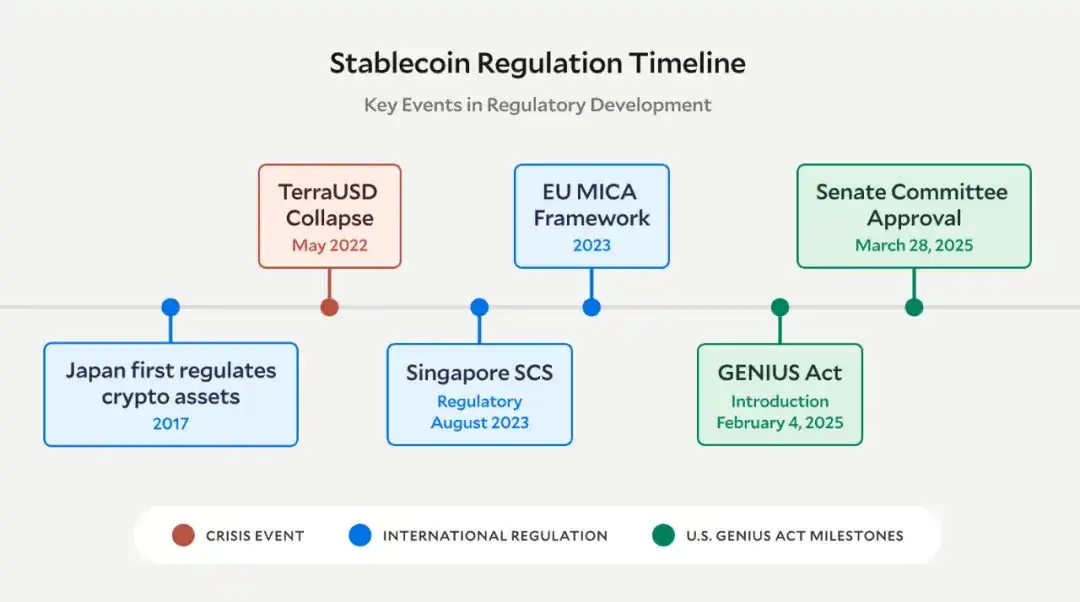
At the same time, the House of Representatives passed the "Digital Asset Market Clarity Act," clarifying the classification standards for crypto assets: excluding decentralized tokens like Bitcoin and Ethereum from the securities category, and implementing differentiated regulation for centralized stablecoins and security tokens.
Additionally, the U.S. compliance breakthrough is also reflected in strategic innovations.
On March 6, Trump signed an executive order to establish a "Strategic Bitcoin Reserve," incorporating 200,000 bitcoins seized by the Department of Justice into national reserves and implementing a permanent sales ban. This move, through institutional lock-up, strengthened Bitcoin's scarcity, pioneering sovereign national allocation of crypto assets.
The direction of regulatory enforcement was also adjusted. In April, the Department of Justice disbanded the National Cryptocurrency Enforcement Team, clarifying that it would only combat serious illegal activities and no longer initiate criminal prosecutions against compliant trading platforms, creating a more宽松 (relaxed) development environment for the industry.
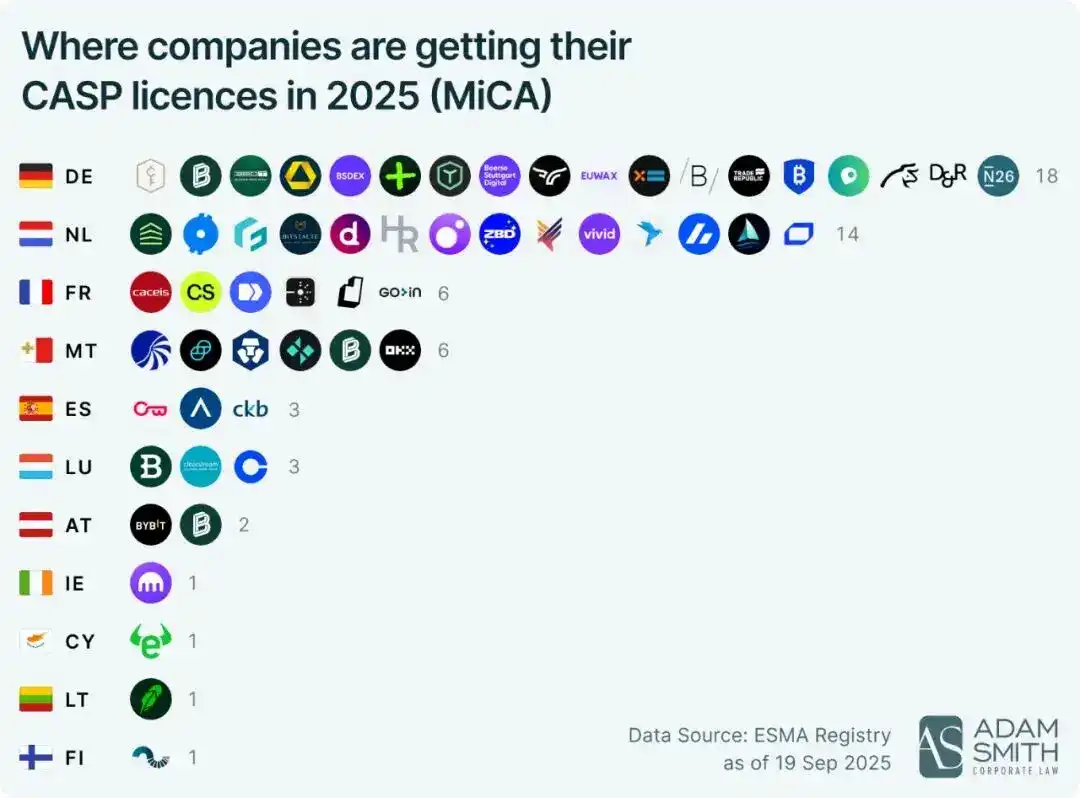
The EU, through the deep implementation of the MiCA regulation, built the world's strictest compliance system. As of November 2025, 57 institutions had obtained MiCA licenses, achieving full-chain regulation from issuance to custody.
The key point of the regulation is that obtaining a Crypto Asset Service Provider (CASP) license in one EU member state allows合规展业 (compliant operation) in all 27 member states.
This categorical regulatory model has already shown results: Tether (USDT) was completely delisted from EU exchanges for failing to meet audit standards, while Circle's compliant stablecoin, with its reserve disclosures, captured a large share of the EU stablecoin market.
More突破性的是 (breakthrough was), in November, the decentralized lending protocol Aave passed the audit of the Central Bank of Ireland, becoming the first DeFi project to obtain a MiCA license, marking the beginning of coverage of the decentralized ecosystem by regulation.
Similarly, the compliance process in Eastern markets also achieved a key breakthrough in 2025, with the生效 (effectiveness) of Hong Kong's Stablecoin Ordinance serving as an important milestone.
On August 1, the "Stablecoin Ordinance" officially came into effect, clarifying that stablecoin issuers need to obtain a license from the Hong Kong Monetary Authority (HKMA) and require fiat-backed stablecoins to be backed 1:1 by low-risk reserve assets.
This ordinance not only regulates stablecoin issuance but also lays the foundation for Hong Kong to become an Asian crypto financial hub. As of the end of September, 36 institutions had submitted license applications.
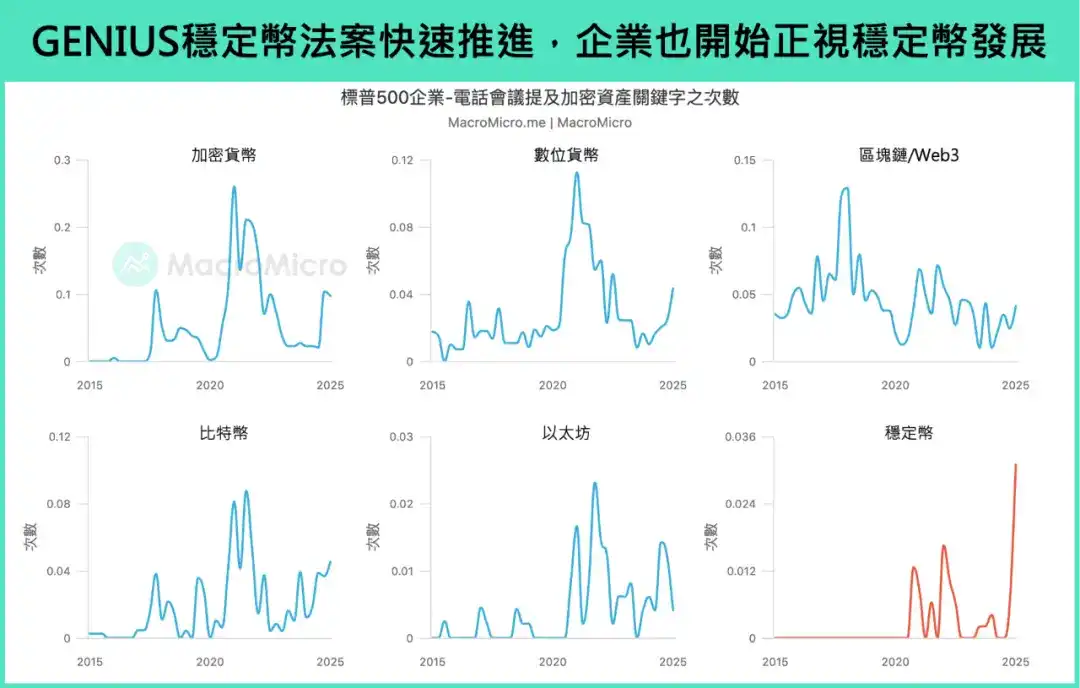
From a global perspective, the compliance trend in 2025 has formed two new characteristics:
First, regulatory frameworks are moving from "fragmentation" to "unification," with U.S. federal-level acts and the EU's MiCA building cross-regional standards.
Second, the regulatory scope is extending from "centralized institutions" to "decentralized ecosystems," with DeFi and NFTs beginning to be纳入规范 (incorporated into regulations).
As 2025 draws to a close, compliance is no longer a "tightening咒 (spell/restriction)" on industry development but a "admission ticket" attracting trillions of dollars in capital, becoming the core trend driving the industry towards maturity.
Industry Self-Discipline: Institutions Accelerate the Landing of Compliance
Of course, the落地 (implementation) of regulatory frameworks also离不开 (cannot do without) the active practice of industry institutions. After all, regulation without cooperation is just scrap paper.
In 2025, leading platforms like Coinbase and OKX, as well as investment institutions like a16z and Fidelity, through compliance布局 (layout) and policy promotion, became bridges connecting regulation and the market, accelerating the industry's compliance process.
Coinbase, as one of the earliest compliant institutions in the U.S., obtained one of the first Bitcoin trading licenses (BitLicense) from New York State as early as 2014. It subsequently obtained money transmitter licenses in 46 states/regions, allowing legal operation in all 50 U.S. states.
In 2025, to adapt to the MiCA regulation, Coinbase moved its new headquarters to Luxembourg, achieving full coverage of the 27 European markets through the MiCA license.
Coinbase also spent hundreds of millions of dollars this year to acquire Liquifi and Echo to布局 (layout) asset issuance and public sales, serving as a compliant platform for future token offerings and meeting the needs of institutional clients for compliant and efficient digital asset management tools.
Similarly, another veteran exchange, OKX, has built an industry benchmark with its "global license布局 (layout) + technical compliance." As one of the earliest exchanges to start compliance transformation, it became the first trading platform to obtain a full operating license in the UAE in 2024. That same year, it also obtained a Major Payment Institution license in Singapore.
After the EU's MiCA regulation officially came into effect, OKX became one of the first global exchanges to obtain a MiCA license and operate in Europe. Meanwhile, OKX strictly implements KYC/AML and provides diverse compliant products to adapt to the regulatory requirements of different countries/regions, building a global compliant operation system. Its global compliance and risk control team now exceeds 600 people.
Additionally, OKX has also increased its布局 (layout) in the U.S. market this year. It has currently obtained operating permits in approximately 47 states and some territories, and has significantly introduced seasoned professionals with U.S. regulatory and traditional finance backgrounds. For example, former New York State Department of Financial Services Superintendent Linda Lacewell joined as Chief Legal Officer and重组 (reorganized) OKX's legal and compliance department after taking office.
Binance, which previously suffered from compliance issues, repaired its compliant image by completing its license portfolio. After the previous regulatory controversies, Binance accelerated its license applications in 2025 and has now obtained compliant licenses in 30 countries/regions globally.
Just recently, Binance officially obtained a global license from the ADGM/FSRA in Abu Dhabi, becoming the first exchange to receive a comprehensive permit under this regulatory framework, accelerating its compliance布局 (layout).
As OKX founder and CEO Star said, "We see that more and more crypto companies are beginning to learn how to develop healthily under the regulatory system." Binance founder CZ also emphasized that mainstream adoption of cryptocurrency will be a slow process, and a clear regulatory framework is the primary prerequisite.
Furthermore, some investment institutions have promoted the improvement of the compliance framework through policy lobbying and ecosystem building.
a16z invested tens of millions of dollars in 2025 to promote the compliance process of cryptocurrency and participated in the revision discussions of the GENIUS Act and the "Digital Asset Market Clarity Act," pushing for the inclusion of "protecting innovation" clauses to exempt decentralized protocols from some compliance obligations.
Financial giants like Fidelity and BlackRock贴合 (aligned with) compliance progress by issuing Bitcoin spot ETFs and managing crypto asset trusts. They also participated in discussions with government and regulatory agencies (such as the SEC and CFTC) to promote clear and feasible regulatory frameworks.
It is precisely because of the efforts and cooperation of these industry institutions that Bitcoin has moved from the regulatory vacuum at its birth in 2009, through global warnings after the 2017 ICO chaos, to the formation of a globally coordinated compliance network in 2025, allowing the crypto industry to finally shed the label of a "gray area."
Does Compliance Make $10 Trillion No Longer a Pipe Dream?
Disorderly development was once the biggest bottleneck restricting the growth of the crypto industry—the FTX collapse caused the market to shrink by 70% in 2022, and regulatory ambiguity made traditional institutions hesitant.
The完善 (perfection) of the compliance framework in 2025 is opening up new growth space for the market.
Compliance has activated enterprise-level asset allocation demand. In the past, due to regulatory uncertainty, most enterprises took a wait-and-see attitude towards crypto assets. However, the clarification of the global compliance framework in 2025 has prompted enterprise funds to accelerate their entry.
According to CoinGecko statistics, in the first three quarters of 2025, global enterprise-level crypto asset allocation规模突破 (scale broke through) $120 billion, an increase of 450% compared to the whole of 2024. The entry of enterprises not only brings incremental funds but also enhances the liquidity and stability of crypto assets.
The explosive growth of crypto ETFs has become an important channel for capital entry. After the GENIUS Act came into effect, the SEC relaxed the approval standards for crypto ETFs. In 2025, dozens of crypto ETFs were approved for listing.
As of November, the total management scale of U.S. crypto ETFs突破 (broke through) $140 billion, among which BlackRock's Bitcoin ETF reached $70 billion, becoming the most popular and fastest-growing product.
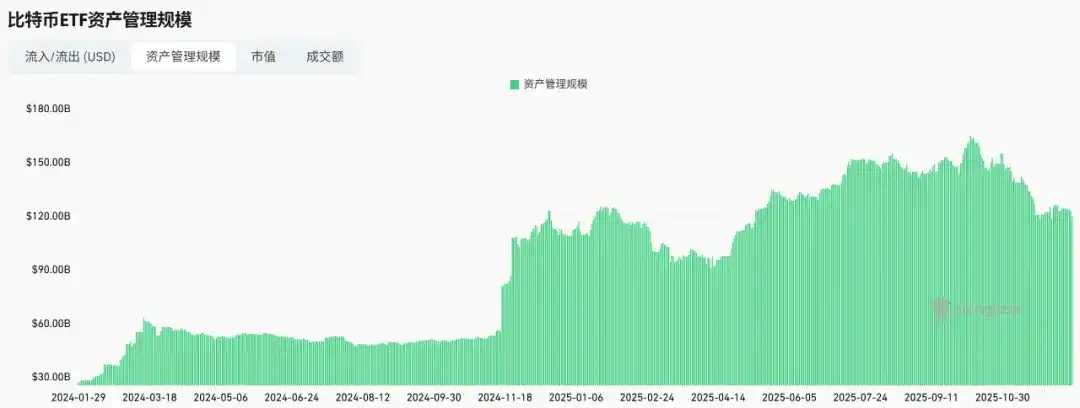
At the same time, the popularity of ETFs allows ordinary investors to participate in the crypto market through traditional brokerages without directly contacting crypto trading platforms, greatly lowering the participation门槛 (threshold).
Compliance brings not only capital growth but also a重构 (restructuring) of ecological value. Under the compliance framework, the application scenarios of crypto assets extend from speculative trading to the real economy. For example, Walmart and Amazon are exploring the use of stablecoins for cross-border supply chain settlements, which is expected to reduce settlement costs by 60%.
The落地 (implementation) of these scenarios integrates crypto assets into traditional finance and the real economy, providing solid支撑 (support) for the $10 trillion market target.
From unregulated野蛮生长 (wild growth) to the comprehensive落地 (landing) of the compliance framework in 2025, the crypto industry has taken more than a decade to complete the leap into mainstream finance.
But the完善 (perfection) of regulation is not the end point of industry development but a new starting point for the "golden decade."
With the formation of a global compliance network and the accelerated integration of traditional capital and the real economy, the crypto market is moving from the边缘 (edge) to the中心 (center). Compliance will continue to be the core driving force, pushing the industry to achieve a quantitative breakthrough from $3 trillion to $10 trillion, restructuring the global financial value system.
Although the crypto market is still under the panic of the 1011 event, at the beginning of 2026, those of us still building in the industry have nothing but hope and the need to do every task at hand.
Because "life is always, and only, the moment we are experiencing now," just as 17 years ago, Satoshi Nakamoto merely wrote a white paper, yet gave birth to an entirely new industry.