Meme Season Arrives on Robinhood Chain, but 'Scythes' Are Also Entering the Field

Foresight NewsPubblicato 2026-07-14Pubblicato ultima volta 2026-07-14

Introduzione

A meme coin season has arrived on Robinhood Chain, but it is accompanied by a surge in scammers and fraudulent schemes. Two major incidents highlight the risks: first, compromised X accounts of SpaceX's SpaceXAI and Starlink were used to promote the meme token SCATMAN, leading to a rapid pump-and-dump where developers drained the liquidity pool, causing the token's value to crash. Second, a hacker gained control of a Robinhood founder's wallet and used it to buy a meme token, sparking a frenzy of copycat trading that artificially inflated the price before it collapsed. These events exploit the current hype on Robinhood Chain, which has seen significant activity and trading volume driven primarily by meme coins, despite its stated long-term focus on real-world assets (RWAs). The incidents reveal vulnerabilities in both platform security—such as inadequate protection for high-profile social media accounts and controversial chain-level address freezes—and investor behavior, where the lure of quick profits often overrides due diligence. The article cautions investors to verify token contracts, check liquidity pool locks, and maintain skepticism toward "official" endorsements to avoid becoming exit liquidity for such schemes.


Author: Nicky, Foresight News


The hype around Robinhood Chain has lasted over a week. However, behind the surge of new Meme coins, 'dark hunters' on the chain are also targeting this wave of popularity.


In the early hours of July 13th, the X platform accounts of SpaceXAI and Starlink, two products from the recently listed SpaceX, were compromised. They once forwarded a post promoting the Robinhood Chain network Meme token SCATMAN. The original account promoting this Meme, Sam Catman, even carried the affiliated gold checkmark verification for SpaceXAI.
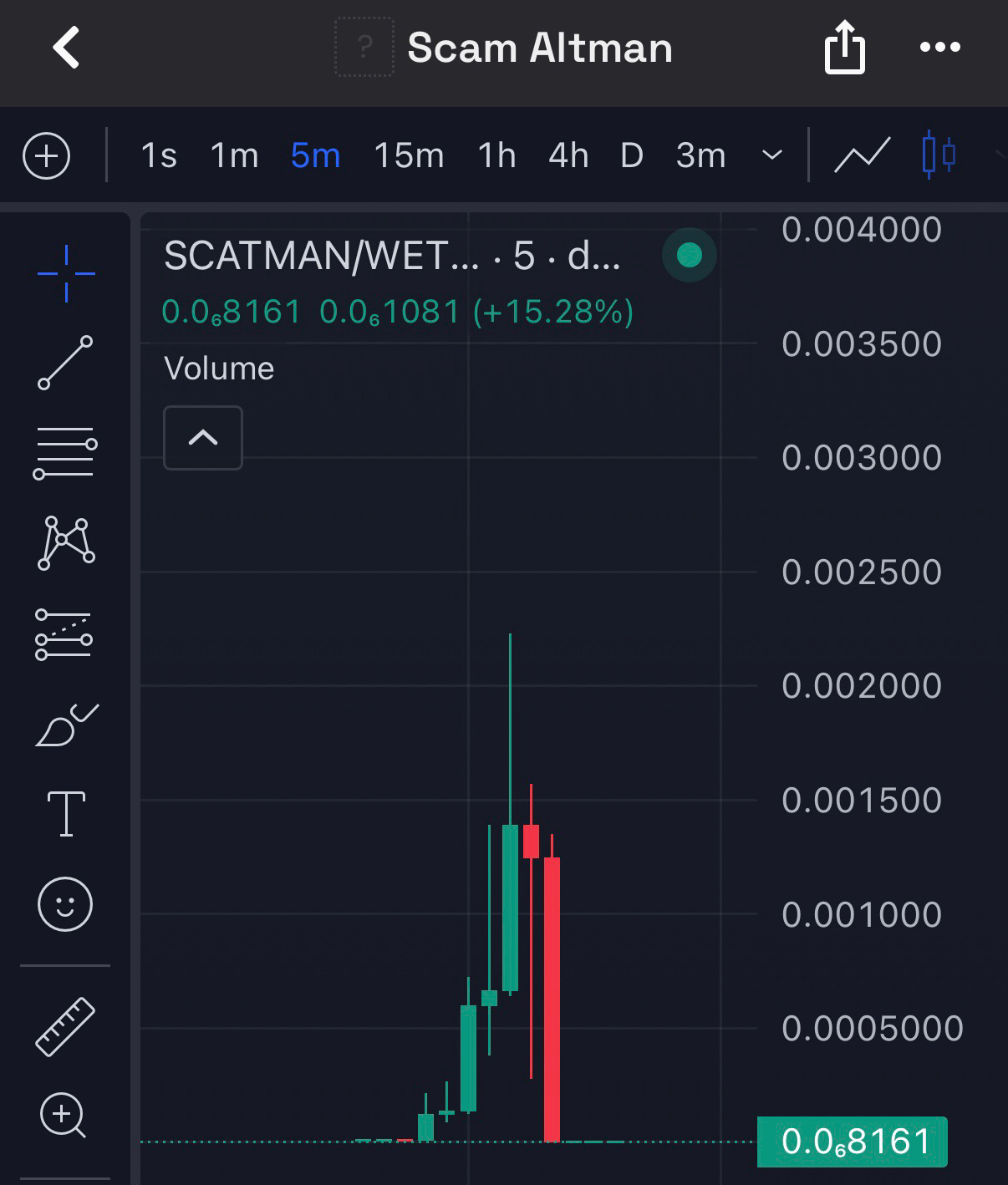


After the repost, the token's market capitalization was quickly pushed to around $2 million. At this point, the deployer immediately withdrew the liquidity pool, causing the Meme's price to plummet almost to zero. Currently, the related post has been deleted, and the original account Sam Catman that posted the Meme token has been suspended on X. As of now, SpaceXAI, Starlink, and X have not publicly responded to this incident.


It is worth noting that SCATMAN was not created through any token launch platform on Robinhood Chain. The contract was deployed by the developers themselves with initial liquidity injected, belonging to a typical self-deployed token scam. The attacker used the compromised accounts to attract traders and immediately executed a liquidity withdrawal.


According to on-chain monitoring platform Lookonchain's tracking, the hacker minted 10 trillion SCATMAN tokens after compromising the account and completed the sell-off through two associated wallets. One wallet exchanged the tokens for 59 ETH, worth approximately $108,000; the other wallet sold part of the tokens for 14.7 ETH, worth about $27,000.


It is reported that the origin of the SCATMAN token name is not without reason. The recent public feud between X platform owner Elon Musk and OpenAI CEO Sam Altman provided a high-traffic backdrop for the account compromise.
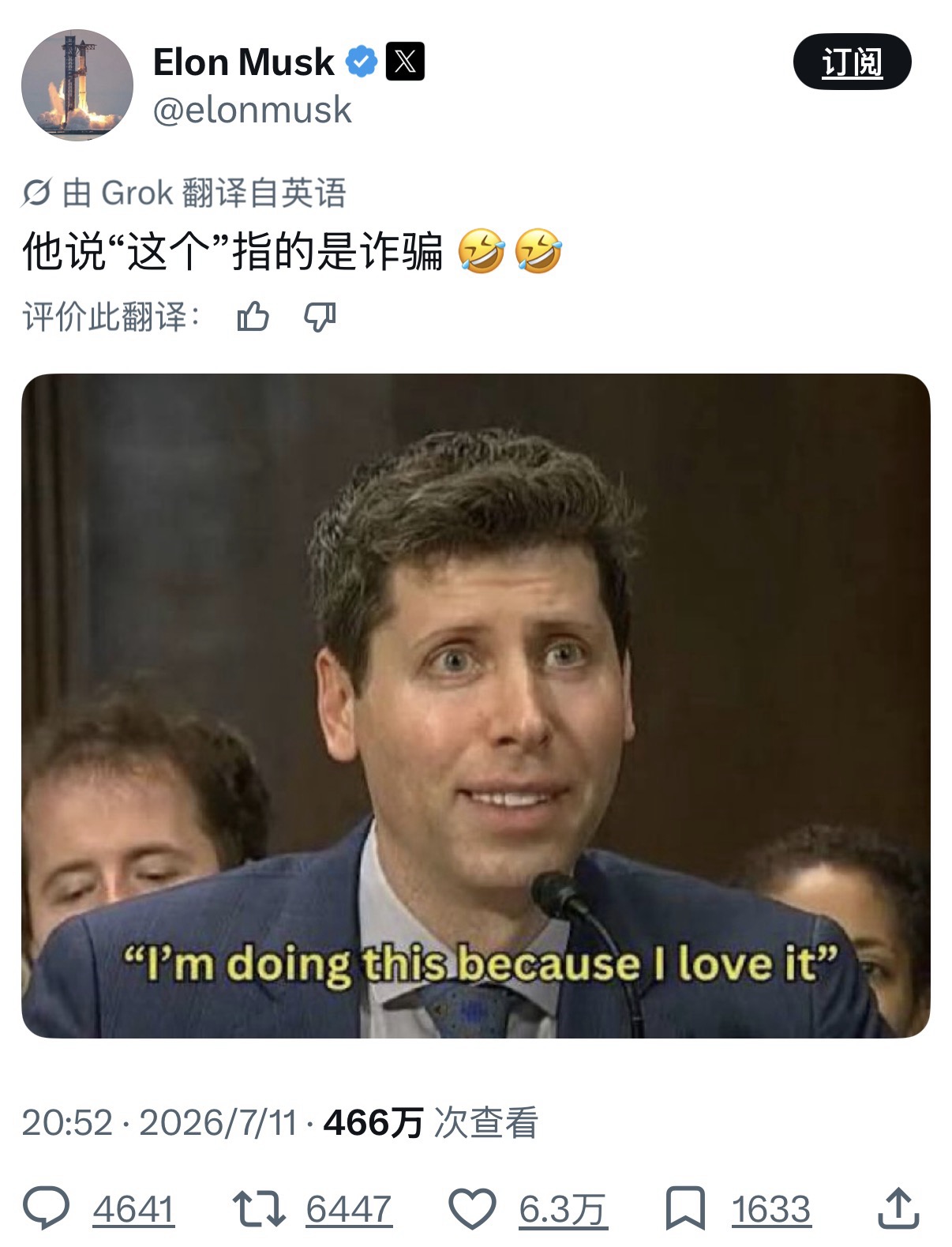


After Apple filed a trade secret theft lawsuit against OpenAI on July 10th, Musk continuously criticized Altman as a 'liar' on X, while Altman retaliated by mocking Musk for promoting space data centers. The massive number of controversial posts generated extremely high attention, making Musk-related accounts like SpaceXAI and Starlink high-value targets for attacks.


The attacker leveraged this wave of public opinion heat to compromise the accounts and used them to promote the SCATMAN token.


The incident of a SpaceX-owned platform being compromised to promote a Meme is not an isolated case; even Robinhood's founder fell victim.


Robinhood co-founder and CEO Vlad Tenev accidentally leaked 8 wallet seed phrase words during a livestream, and the remaining 4 words were reportedly guessed at random by a hacker. On July 12th, after gaining control of the address, the hacker used it to buy the Robinhood chain Meme token $1, triggering a wave of followers from many investors.


Since the transaction records showed the 'founder's address' buying, it prompted thousands of investors to follow suit. The token's market capitalization rapidly surged from around $500,000 to $14 million in a short time, with trading volume reaching approximately $20 million within two hours, before the price sharply corrected to around the $1 million market cap level.


Subsequently, Robinhood Chain's RPC node froze the involved address. Any transactions sent from this address could not be packaged by the node, preventing funds from being transferred or traded further. This handling method also sparked controversy. Some community members argued that Robinhood Chain, positioned as an Arbitrum-based Ethereum Layer 2 network, freezing addresses at the node level deviated from the decentralized nature of blockchain networks.


These two consecutive incidents, both in method, point to exploiting high-profile accounts or individuals to create short-term hype for on-chain tokens, then cashing out after retail investors enter the market.


Starting from July 8th, the Robinhood Chain Meme token CASHCAT began its rally, with intraday gains once exceeding 1000%, reaching a peak market cap of $220 million on July 11th. According to DefiLlama data, the chain's current Total Value Locked (TVL) is approximately $151 million, with a 24-hour decentralized exchange trading volume of $875 million and fee revenue of about $100,000.


On July 8th, Robinhood co-founder and CEO Vlad Tenev posted on X that Robinhood is building the Robinhood Chain focused on real-world assets (RWA), but the network is also 'great for meme coins.' This statement further fueled speculative enthusiasm.


Although Robinhood Chain positions itself with RWA as its long-term focus, currently its main traffic still comes from Meme token trading. Against this backdrop, the chain quickly became an ideal 'soil' for fraudsters to operate.


From the compromise of the official SpaceXAI account to the exploitation of the leaked founder's wallet, two major incidents within two days reflect how the popularity of Robinhood Chain is attracting a large number of fraudsters. They leverage celebrity influence, the halo of official accounts, and investors' tendency to chase trends to quickly generate short-term hype, then cash out rapidly after retail investors enter. This also highlights the shortcomings in Robinhood Chain's early-stage rapid development, particularly in terms of ecosystem infrastructure and user protection mechanisms.


Simultaneously, the X platform, as a crucial medium for information dissemination, showed明显不足 (obvious inadequacies - note: original Chinese phrase retained but translation contextually implied) in security protection capabilities for high-value accounts. This allowed the two official accounts of SpaceXAI and Starlink, with millions of followers, to become channels for distributing scam information, directly converting the platform's immense traffic and user trust into amplifiers for fraud. The platform also did not issue any official response after this incident.


For ordinary investors, before chasing trends, verifying token contract addresses, confirming liquidity pool lock status, and maintaining vigilance towards narratives of 'official endorsement' remain the most basic lines of defense to avoid becoming exit liquidity.

Crypto di tendenza

Domande pertinenti

QWhat were the two major incidents related to scams on Robinhood Chain mentioned in the article?

AThe first incident involved the hacking of SpaceX's SpaceXAI and Starlink X accounts to promote the meme token SCATMAN, leading to a rug pull. The second incident involved a hacker gaining control of Robinhood co-founder Vlad Tenev's wallet after a seed phrase leak, using it to buy the meme token $1 and pump its price.

QHow did the attack on the SpaceX-related X accounts contribute to the SCATMAN token scam?

AThe attacker compromised the high-follower SpaceXAI and Starlink X accounts to post promotional content for the SCATMAN token. This misuse of trusted, high-visibility accounts created a surge of interest and buying activity, allowing the deployer to quickly drain the liquidity pool and abandon the token.

QWhat controversial action did Robinhood Chain take in response to the hacked founder's wallet incident?

ARobinhood Chain's RPC nodes froze the compromised wallet address, preventing any transactions from being processed. This action sparked debate within the community, as it was seen as a centralized intervention that contradicts the decentralized principles of a blockchain network.

QWhat does the article suggest is the main source of current activity and traffic on Robinhood Chain?

AAlthough positioned for Real World Assets (RWA), the article states that the primary traffic and activity on Robinhood Chain currently comes from meme token trading, which has attracted both legitimate interest and fraudulent actors.

QWhat basic precautions does the article recommend for investors to avoid scams in meme token frenzies?

AThe article advises investors to verify a token's contract address, confirm the lock status of its liquidity pool, and maintain a healthy skepticism towards narratives of 'official endorsement' before chasing a trending meme token.

Letture associate

Navigating the World of Event Trading: Top 5 Prediction Markets for Every Type of User

The prediction market industry has grown significantly, with trading volumes exceeding $20 billion monthly by mid-2026, driven by sports, politics, and macroeconomics. Success now depends heavily on platform choice and execution logistics. This guide compares five leading networks: **Polymarket**: A high-volume, decentralized platform on Polygon, using USDC for international and crypto-native users. It offers diverse markets but lacks built-in risk tools. **Kalshi**: A CFTC-regulated U.S. exchange for institutional traders, using direct fiat. It leads in regulated volume, especially for major sports and economic events, but has limited contract listings. **Outpoll**: A CeDeFi platform for advanced traders, focusing on professional tools. It uniquely features built-in stop-loss/take-profit orders, 0.1% fees, and full API support, with settlement in USDC. **OG Predictive**: A CFTC-regulated, sports-focused platform from Crypto.com. It offers granular player props and a flat fee structure, appealing to long-term position traders. **Manifold Markets**: A play-money, no-KYC platform for casual users and developers. It allows user-generated markets on any topic with zero fees, serving as a sandbox for strategy testing. Key differentiators include regulatory models (regulated vs. decentralized), funding (fiat vs. crypto), order types, risk management features, API access, and mobile support. The conclusion emphasizes that in today's event trading, profitability hinges not just on accurate predictions but on optimizing execution through platform infrastructure, liquidity, fees, and risk tools.

TheNewsCrypto1 min fa

Navigating the World of Event Trading: Top 5 Prediction Markets for Every Type of User

TheNewsCrypto1 min fa

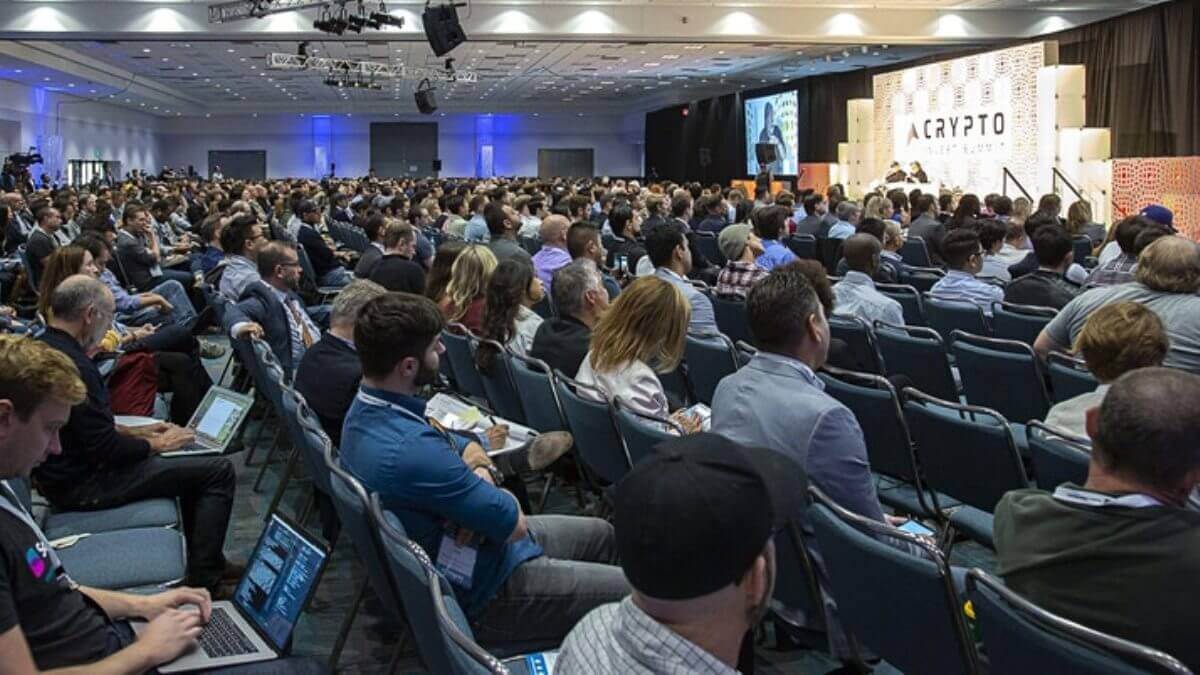
Why Are Large-Scale Crypto Conferences No Longer Glamorous?

Why Are Major Crypto Conferences Losing Their Allure? A growing sense of fatigue surrounds large in-person crypto conferences, with many founders and investors now avoiding events they would never have missed just two years ago. While complaints cite declining ROI and information quality, the root causes are more structural. Crypto, global from inception, once relied on these mega-conferences as neutral hubs for essential face-to-face connections. However, their core value has been fragmented. High-quality participants—developers, investors—have largely migrated to smaller, private side-events, leaving main stages for repetitive content already shared online. The main conference often just becomes the excuse for being in the same city, with attendees scrambling between exclusive dinners and micro-events. While these intimate gatherings offer signal-rich conversations, they lose the "serendipitous encounters" of large conferences and can create insular echo chambers, especially as talent concentrates in hubs like New York. Meanwhile, invite-only, high-caliber summits are rising, offering quality and scale but at the cost of accessibility and crypto's early egalitarian ethos. This shift isn't unique to crypto; AI events in San Francisco show a similar trend. The perception of higher-value interactions drives core groups towards smaller, private settings, potentially creating a vicious cycle that drains larger events of their vitality. Yet, a more optimistic view exists. The apparent decline of crypto-centric events may signal industry maturation. Leading projects are now focused outward—on stablecoins for traditional finance, consumer-facing digital banks, or real-world assets. Crypto topics are increasingly integrated into mainstream finance and tech conferences. Just as dedicated "internet conferences" faded, dedicated crypto summits may become redundant as the technology embeds into every sector. The future likely holds far fewer large, inward-looking crypto conferences. The industry has moved past needing frequent self-congratulatory gatherings. True growth lies in engaging with the broader economy. This evolution towards private networking and mainstream integration, for better or worse, is a mark of the industry coming of age.

marsbit13 min fa

Why Are Large-Scale Crypto Conferences No Longer Glamorous?

marsbit13 min fa

Coin & Stock Compass: Global Listed Companies Net Sold $85.45 Million in BTC Last Week, Strategy's Dollar Reserves Scale Up to $3 Billion (July 14)

Global Public Companies Net Sell $85.45 Million in BTC; Strategy's Dollar Reserves Hit $3 Billion (July 14) Last week saw a significant net sell-off of Bitcoin by global public companies, excluding miners, totaling $85.45 million—a 908.42% decrease from the prior week. Major buyers like Strategy (formerly MicroStrategy) and Japan's Metaplanet were notably absent from the market. However, two companies, Brazil's OrangeBTC and asset manager Strive, made purchases, adding 8 and 18 BTC, respectively. The aggregate BTC holdings of tracked public companies now stand at 1,139,635 BTC, valued at approximately $71.38 billion and representing 5.7% of Bitcoin's circulating market cap. In corporate updates, Strategy announced its dollar reserves have grown by $450 million to reach $3 billion, while its BTC holdings remain at 843,775 coins. Hyperscale Data increased its BTC reserves past 1,000 coins. Strategy will report its Q2 2026 financial results on July 30. Mining firm Cleanspark added 454 BTC, bringing its total to 13,924 BTC. Conversely, BitFuFu sold 184 BTC, Bitdeer maintained zero net BTC holdings after selling its weekly production, and Empery Digital sold 1,400 BTC to fund an AI data center project and repay debt. Overall, public companies purchased 110,000 BTC in Q2 2026, 1.8 times the volume of the previous two quarters combined. In other cryptocurrency-related corporate news, Ethereum treasury company Bitmine increased its ETH holdings by 27,801 coins, with total staked ETH exceeding 4.9 million. Solana-focused company DFDV transferred daily operations of its meme coin DONT to an independent team. BNB treasury company BNB Plus was delisted from Nasdaq for failing to meet the $1 minimum bid price and moved to trade on the OTCQB market under the symbol BNBX. The broader equity markets showed mixed signals. Bank of America warned that bullish investor positioning indicated a potential pullback risk for stocks. In contrast, Morgan Stanley predicted the ongoing earnings season could broaden market gains beyond tech giants. Specific regional highlights included continued foreign investor outflows from South Korean stocks, pressure on US equities, and the upcoming IPO of Chinese memory chip maker ChangXin Memory. Most crypto-linked stocks remained in a downtrend.

marsbit26 min fa

Coin & Stock Compass: Global Listed Companies Net Sold $85.45 Million in BTC Last Week, Strategy's Dollar Reserves Scale Up to $3 Billion (July 14)

marsbit26 min fa

Why Are Major Crypto Conferences Losing Their Luster?

Why Are Major Crypto Conferences Losing Their Appeal? A growing sense of fatigue surrounds large-scale offline crypto conferences. Participants complain of declining returns and less substantial information, but the root cause is deeper. Initially, these global summits were vital for a decentralized industry without a physical hub, enabling crucial face-to-face connections. However, the value of large main-stage events has been eroded. High-quality developers and investors have migrated to exclusive, invitation-only side events and private dinners. While these offer focused networking, they lose the "serendipitous encounters" of larger gatherings and can create elitist barriers, contradicting crypto's open ethos. This fragmentation triggers a vicious cycle: as key people leave main events, their value diminishes further. Simultaneously, the industry's focus is shifting outward. Leading crypto firms are now engaging with traditional finance and real-world applications like stablecoins, digital banking, and prediction markets. Consequently, crypto-specific topics are increasingly integrated into mainstream financial conferences, making dedicated crypto summits potentially redundant. Looking ahead, the frequency of top-tier crypto conferences will likely decrease significantly. The industry has moved past its inward-looking phase. The migration of quality discourse to private settings and the push for mainstream adoption, while diluting the large conference model, are ultimately signs of the sector's maturation.

Foresight News38 min fa

Why Are Major Crypto Conferences Losing Their Luster?

Foresight News38 min fa

Trading

Spot

Articoli Popolari

Cosa è MEME 2.0

Memecoin 2.0: L'Ascesa di $MEME 2.0 nel Mondo delle Criptovalute Introduzione Nel panorama in continua evoluzione delle criptovalute, è emerso un nuovo contendente. Memecoin 2.0, simboleggiato come $MEME 2.0, porta il concetto di meme coin a un livello emozionante. Come prodotto derivato dal Memecoin originale, questo progetto ha catturato l'attenzione della comunità crypto spostando il focus da incentivi finanziari tipici a un'esperienza coinvolgente e divertente. Operando sulla blockchain di Ethereum, Memecoin 2.0 ridefinisce audacemente l'impegno della comunità nella sfera crypto. Che cos'è Memecoin 2.0, $MEME 2.0? Alla base, Memecoin 2.0 è un progetto di criptovaluta che dà priorità allo spirito di comunità e al divertimento associato alla cultura meme. A differenza delle criptovalute convenzionali, che si concentrano su casi d'uso pratici e benefici tangibili, Memecoin 2.0 si distingue abbracciando il lato più leggero della moneta digitale. Il progetto esiste senza promesse di utilità, una roadmap strutturata o ritorni finanziari, concentrandosi invece sulla creazione di una comunità vibrante incentrata sui meme e sul divertimento condiviso. Facendo così, attinge alla crescente tendenza della cultura meme nello spazio online, rendendola un giocatore unico nel mondo degli asset digitali. Creatore di Memecoin 2.0, $MEME 2.0 Nonostante ricerche approfondite sulle origini di Memecoin 2.0, l'identità esplicita del suo creatore rimane sconosciuta. Questa anonimità non è rara nella comunità crypto, dove molti progetti sono guidati da individui o gruppi che preferiscono rimanere dietro le quinte. La mancanza di informazioni pubblicamente disponibili sul creatore potrebbe essere vista come una mossa strategica, mettendo in evidenza l'impegno della comunità piuttosto che la notorietà individuale all'interno dello spazio. Investitori di Memecoin 2.0, $MEME 2.0 Le informazioni riguardanti gli investitori o il supporto finanziario per Memecoin 2.0 sono scarse. Questa assenza di dettagli potrebbe suggerire che il progetto sia autofinanziato o che il suo focus sulla comunità piuttosto che sulle strutture d'investimento tradizionali abbia attratto un tipo diverso di sostenitore. Poiché il mondo delle meme coin coinvolge tipicamente un maggior coinvolgimento di base piuttosto che investimenti istituzionali, questo approccio si allinea con l'etica dei progetti guidati dalla comunità. Come funziona Memecoin 2.0, $MEME 2.0? Memecoin 2.0 opera interamente sulla blockchain di Ethereum, capitalizzando le sue robuste caratteristiche di sicurezza e scalabilità. Sfruttando i punti di forza di Ethereum, Memecoin 2.0 può offrire un ambiente sicuro per le interazioni degli utenti garantendo che le transazioni siano sia efficienti che convenienti. Uno degli attributi unici di Memecoin 2.0 risiede nella sua struttura guidata dalla comunità. Il valore e la popolarità del token $MEME 2.0 derivano dalla partecipazione attiva dei suoi utenti, piuttosto che dalla utilità intrinseca. Questo design rinforza il focus del progetto sull'aspetto dell'intrattenimento delle criptovalute, implicando che la risata e l'impegno della comunità siano le vere monete che guidano il suo successo. Inoltre, il progetto si inserisce all'interno dell'ecosistema più ampio delle meme coin, dove il valore di ciascuna meme coin oscilla in base alla cultura, alle tendenze e all'impegno della comunità piuttosto che ai principi economici tradizionali. Cronologia di Memecoin 2.0, $MEME 2.0 Per comprendere meglio l'evoluzione e le pietre miliari di Memecoin 2.0, ecco una cronologia che evidenzia eventi significativi nella sua storia: 2024: L'inizio di Memecoin 2.0 è riconosciuto come un ramo del Memecoin originale, affermandosi all'interno del contesto fiorente delle meme coin mentre opera sulla blockchain di Ethereum. 13 luglio 2024: Memecoin 2.0 si posiziona ufficialmente come una meme coin incentrata sulla comunità sulla rete Ethereum, enfatizzando il suo approccio centrato sull'intrattenimento che invita gli utenti a impegnarsi e partecipare alla sua crescita. Punti Chiave su Memecoin 2.0, $MEME 2.0 Diverse caratteristiche critiche definiscono Memecoin 2.0: Approccio Centrico alla Comunità: La missione principale di Memecoin 2.0 è creare un'esperienza comunitaria divertente e coinvolgente, capitalizzando il piacere collettivo derivante dalla cultura memetica. Costruita su Ethereum: Operare sulla blockchain di Ethereum fornisce al progetto un'infrastruttura essenziale che garantisce sicurezza e scalabilità. Mancanza di Utilità o Roadmap: In una marcata deviazione dalle criptovalute tradizionali, Memecoin 2.0 non promette alcuna caratteristica utilitaria o ritorni finanziari, riaffermando il suo impegno per il coinvolgimento della comunità e l'impegno sociale. Focus sulla Cultura Memetica: Abbracciando gli aspetti umoristici e culturali del fenomeno meme, Memecoin 2.0 offre una piattaforma per gli utenti per interagire con la crypto offline e online. Ulteriore Contesto: L'Importanza delle Meme Coin Le meme coin sono emerse come una classe distinta di criptovaluta, spesso guidata dall'umorismo e da un approccio spensierato al trading. Queste monete generalmente mancano di significative utilità o roadmap di sviluppo, attirando gli utenti con la promessa di divertimento, interazione comunitaria e rilevanza culturale. Nel panorama del più ampio ecosistema crypto, le meme coin rianimano l'importanza dell'impegno della comunità, opponendosi ad approcci esclusivamente orientati al profitto. Progetti come Memecoin 2.0 danno il via a un'era in cui l'intrattenimento può armonizzarsi con le aspirazioni finanziarie, trasformando la blockchain in un parco giochi per la creatività e l'interazione sociale. Conclusione Memecoin 2.0, o $MEME 2.0, incarna una nuova ondata di criptovaluta che dà priorità all'impegno della comunità rispetto a rigidi strutture finanziarie. Con un focus sull'umorismo e l'interazione sociale, capitalizza sulla fascinazione circondante la cultura meme. Operando sulla blockchain di Ethereum, Memecoin 2.0 sfrutta le capacità della tecnologia mantenendo fermo il suo impegno per il valore ricreativo della valuta digitale. Mentre lo spazio delle criptovalute continua a evolversi, Memecoin 2.0 serve come testimonianza della nozione che il futuro degli asset digitali potrebbe ben dipendere da esperienze condivise, risate e solidi legami comunitari. Nel mondo imprevedibile delle crypto, forse la gioia può essere altrettanto preziosa quanto il guadagno finanziario tradizionale.

119 Totale visualizzazioniPubblicato il 2024.04.04Aggiornato il 2024.12.03

Cosa è MEME 2.0

Come comprare MEME

Benvenuto in HTX.com! Abbiamo reso l'acquisto di Memeland (MEME) semplice e conveniente. Segui la nostra guida passo passo per intraprendere il tuo viaggio nel mondo delle criptovalute.Step 1: Crea il tuo Account HTXUsa la tua email o numero di telefono per registrarti il tuo account gratuito su HTX. Vivi un'esperienza facile e sblocca tutte le funzionalità,Crea il mio accountStep 2: Vai in Acquista crypto e seleziona il tuo metodo di pagamentoCarta di credito/debito: utilizza la tua Visa o Mastercard per acquistare immediatamente MemelandMEME.Bilancio: Usa i fondi dal bilancio del tuo account HTX per fare trading senza problemi.Terze parti: abbiamo aggiunto metodi di pagamento molto utilizzati come Google Pay e Apple Pay per maggiore comodità.P2P: Fai trading direttamente con altri utenti HTX.Over-the-Counter (OTC): Offriamo servizi su misura e tassi di cambio competitivi per i trader.Step 3: Conserva Memeland (MEME)Dopo aver acquistato Memeland (MEME), conserva nel tuo account HTX. In alternativa, puoi inviare tramite trasferimento blockchain o scambiare per altre criptovalute.Step 4: Scambia Memeland (MEME)Scambia facilmente Memeland (MEME) nel mercato spot di HTX. Accedi al tuo account, seleziona la tua coppia di trading, esegui le tue operazioni e monitora in tempo reale. Offriamo un'esperienza user-friendly sia per chi ha appena iniziato che per i trader più esperti.

315 Totale visualizzazioniPubblicato il 2024.12.12Aggiornato il 2026.06.02

Come comprare MEME

Discussioni

Benvenuto nella Community HTX. Qui puoi rimanere informato sugli ultimi sviluppi della piattaforma e accedere ad approfondimenti esperti sul mercato. Le opinioni degli utenti sul prezzo di MEME MEME sono presentate come di seguito.

活动图片