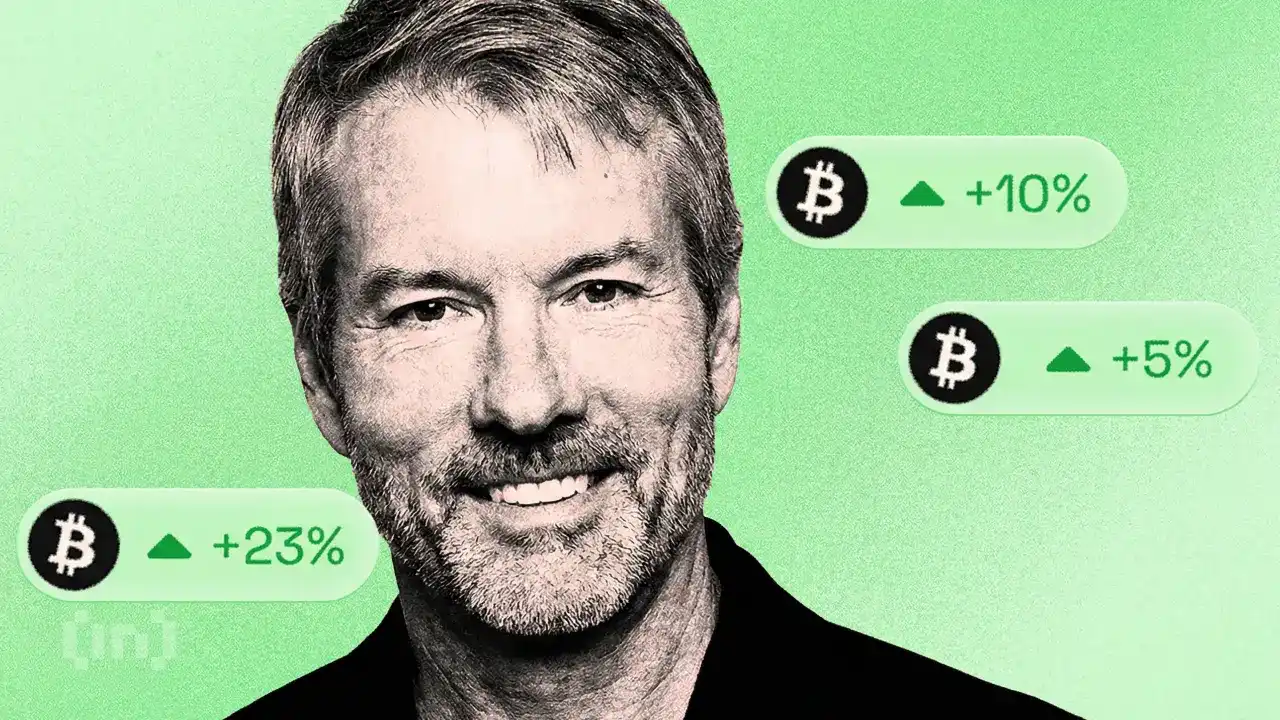
Coin & Stock Compass: Global Listed Companies Net Sold $85.45 Million in BTC Last Week, Strategy's Dollar Reserves Scale Up to $3 Billion (July 14)

marsbitPubblicato 2026-07-14Pubblicato ultima volta 2026-07-14

Introduzione

Global Public Companies Net Sell $85.45 Million in BTC; Strategy's Dollar Reserves Hit $3 Billion (July 14) Last week saw a significant net sell-off of Bitcoin by global public companies, excluding miners, totaling $85.45 million—a 908.42% decrease from the prior week. Major buyers like Strategy (formerly MicroStrategy) and Japan's Metaplanet were notably absent from the market. However, two companies, Brazil's OrangeBTC and asset manager Strive, made purchases, adding 8 and 18 BTC, respectively. The aggregate BTC holdings of tracked public companies now stand at 1,139,635 BTC, valued at approximately $71.38 billion and representing 5.7% of Bitcoin's circulating market cap. In corporate updates, Strategy announced its dollar reserves have grown by $450 million to reach $3 billion, while its BTC holdings remain at 843,775 coins. Hyperscale Data increased its BTC reserves past 1,000 coins. Strategy will report its Q2 2026 financial results on July 30. Mining firm Cleanspark added 454 BTC, bringing its total to 13,924 BTC. Conversely, BitFuFu sold 184 BTC, Bitdeer maintained zero net BTC holdings after selling its weekly production, and Empery Digital sold 1,400 BTC to fund an AI data center project and repay debt. Overall, public companies purchased 110,000 BTC in Q2 2026, 1.8 times the volume of the previous two quarters combined. In other cryptocurrency-related corporate news, Ethereum treasury company Bitmine increased its ETH holdings by 27,801 coins, with total staked E...

Editor's Note: In last week's "Coin & Stock Compass" article, we mentioned that South Korean stocks were experiencing a significant correction and entering the buy zone; in the subsequent week, including SK Hynix, Samsung, and the KOSPI index, the South Korean stock market faced its darkest hour, with foreign capital continuously flowing out and retail funds buying in unison. Data shows that foreign investors have cumulatively withdrawn nearly $110 billion from the South Korean stock market, hitting a record high.

In the US stock market, Trump's bullish remarks combined with renewed tensions between the US and Iran did not lead to a market upturn but instead triggered significant selling pressure; although SK Hynix's ADR listing in the US initially rose nearly 20% to around $175, it subsequently declined following the broader market trend. Currently, US stocks have turned bearish influenced by South Korean stocks. From a fundamental perspective, META's announcement of an additional $40 billion investment in a Louisiana data center indicates that the AI industry chain remains the primary narrative for the stock market. Market rumors suggested that Samsung Electronics was considering a US ADR listing, but this was later denied by the company.

Finally, regarding A-shares, the IPO for Changxin Storage (CXMT) is finally scheduled for July 27th, planning to raise 29.5 billion yuan with an expected issue price of around 4.41 yuan per share. Post-listing, its estimated total market cap is close to 295 billion yuan. Considering the previous news of Apple seeking to purchase related memory products from Changxin, despite recent significant market corrections, Changxin may still have short-term upside potential.

Regarding crypto-related stocks, aside from CRCL's brief rebound influenced by last week's news of OCC approval to establish a digital currency trust bank, most other crypto-related stocks are in decline and still within the short-selling range.

For more information on the coin and stock markets, please visit MSX.COM. (Odaily Planet Daily Note: The content of this article does not constitute investment advice and is for learning and communication purposes only.)

US Stock Market at a Fork in the Road: Caution Against Aggressive Buying vs. Earnings Season Driving Broadening Rally

Bank of America Warns: Stock Bulls Should Consider Scaling Back Aggressive Buying

The latest fund manager survey from Bank of America shows that those global investors aggressively buying stocks should consider reducing their exposure. Strategists at the bank pointed out that asset allocators have become extremely bullish—often a warning signal for the market. Investor cash holdings have dropped to an "extremely low" level of 3.6% of assets from 4.1% last month, while positioning in US stocks is at its highest since December 2024, with a net overweight of 24%.

A team led by Michael Hartnett wrote in the report: "Bank of America's Bull & Bear indicator reads a high 9.4 (on a scale of 1 to 10), in extreme bullish territory, suggesting exposure to stocks and high-beta assets should be reduced. Due to overly optimistic market positioning, further upside for risk assets in the summer will be constrained."

Beyond Tech Giants, Morgan Stanley Expects US Stock Rally to Broaden

Morgan Stanley strategists say that beyond tech giants, other US stocks are also expected to report strong results this earnings season, further broadening the market rally. The team led by Michael Wilson stated that the median company in the S&P 1500 Composite Index is currently showing earnings per share growth exceeding 10%, its best performance since the post-pandemic recovery.

Furthermore, analysts are still raising profit expectations for the consumer discretionary and transportation sectors, both closely tied to economic growth. "We expect the market's breadth to continue expanding, driven by the earnings resilience of median stocks." The Q2 earnings season kicks off on Tuesday with major banks reporting first. According to compiled data, analysts expect S&P 500 index component company profits to grow by 23%, which would be one of the strongest periods historically outside of major post-recession recoveries.

Weekly Update on Coin-Related Listed Companies

Representative BTC Treasury Public Companies

Global Listed Companies Net Sold $85.45 Million in BTC Last Week, Strategy and Metaplanet Both Absent

According to SoSoValue data, as of 8:00 AM EST on July 13, 2026, the total net sales of bitcoin allocated by global listed companies (excluding mining companies) last week was $85.45 million, a decrease of 908.42% compared to the previous week.

Strategy (formerly MicroStrategy) and Japanese-listed company Metaplanet did not purchase any bitcoin last week.

Additionally, 2 other companies purchased bitcoin last week. Brazilian Bitcoin company OrangeBTC announced on July 13th the purchase of 8 bitcoins at $62,100 each, bringing its total holdings to 3,912 bitcoins; Asset management firm Strive announced on July 13th that it spent $1.15 million to purchase 18 bitcoins at $64,028 each, bringing its total holdings to approximately 19,900 bitcoins.

As of press time, the total bitcoin holdings of the tracked global listed companies (excluding mining companies) amount to 1,139,635 bitcoins, a decrease of 0.19% compared to last week. The current market value is approximately $71.38 billion, accounting for 5.7% of Bitcoin's circulating market cap.

Strategy Announces Its Dollar Reserves Have Increased to $3 Billion

According to an official announcement, Strategy announced that its dollar reserves have increased by $450 million. As of July 12th, the dollar reserve scale has grown to $3 billion, while its bitcoin holdings stand at 843,775 bitcoins.

Hyperscale Data Increases Holdings by ~100 BTC Again, Bitcoin Reserves Surpass 1,000

US-listed bitcoin treasury and AI data center company Hyperscale Data disclosed that it recently increased its holdings by approximately 100 BTC. As of now, its bitcoin reserves have exceeded 1,000. The company's management revealed plans to potentially use bitcoin as collateral for financing in the future, diversifying its balance sheet alongside cash and other strategic assets.

Strategy: To Announce Q2 2026 Financial Results After US Market Close on July 30th

Bitcoin treasury company Strategy announced it will release its financial results for the second quarter of 2026 after the US market close on July 30, 2026, Eastern Time, which is 4:00 AM Beijing Time on July 31, 2026. An online video seminar to discuss the related performance will be held at 5:00 PM ET on the same day, which is 5:00 AM Beijing Time.

Cleanspark Increases Holdings by 454 BTC to 13,924 BTC, Valued at ~$880 Million

Bitcoin miner Cleanspark purchased 454 bitcoins on July 7th at an average price of approximately $64,000, worth about $29 million, increasing its BTC reserves to 13,924 bitcoins, valued at approximately $880 million. Publicly listed miners collectively sold over 32,000 bitcoins in Q1 2026, with Marathon selling over 20,800 bitcoins to repay debt and fund expansion. Cleanspark previously disclosed a net loss of $378.3 million for the fiscal second quarter ended March 31, 2026, including a $224.1 million non-cash fair value loss due to the drop in BTC price. As of the quarter-end, the company held $925.2 million worth of BTC and $260.3 million in cash.

Boyaa Interactive Increases Holdings by 108 Bitcoins, Total BTC Holdings Rise to 4,201

Hong Kong-listed company Boyaa Interactive issued an announcement stating the company has once again purchased 108 bitcoins. Following this addition, Boyaa Interactive's total bitcoin holdings have increased to 4,201 bitcoins.

Bitcoin Miner BitFuFu Sells 184 BTC, Currently Holds 1,671 BTC

BitcoinTreasuries.NET posted on X platform that Singapore-listed bitcoin miner BitFuFu sold 184 BTC and currently holds a total of 1,671 BTC, ranking 35th on the Bitcoin 100 list.

Bitdeer Maintains Zero Bitcoin Holdings, Sells 227.5 BTC This Week

Nasdaq-listed bitcoin miner Bitdeer released its latest bitcoin holdings data. For the week ending July 10th, its bitcoin mining production was 227.5 BTC, but it sold 227.5 BTC during the same period, resulting in a net addition of 0 BTC. It currently maintains zero bitcoin holdings.

Empery Digital Sells 1,400 BTC, Current Holdings 1,514

Listed company Empery Digital sold 1,400 bitcoins. The proceeds from this sale will be used in two parts: one part will be invested in a $65 million total cost AI data center project to expand AI computing power business; the other part will be used to repay $10 million in corporate debt. After the large-scale divestment, the company's bitcoin holdings amount to 1,514 bitcoins.

Listed Companies Purchased 110,000 Bitcoin in Q2 2026, 1.8 Times the Total of Previous Two Quarters

BitcoinTreasuries.NET stated in a post that, according to its latest monthly report, listed companies purchased 110,000 bitcoins in the second quarter of 2026, which is 1.8 times the total of the previous two quarters.

Representative ETH Treasury Public Companies

Bitmine Increased Holdings by 27,801 ETH Last Week, Staked ETH Exceeds 4.91 Million

Ethereum treasury company Bitmine Immersion Technologies disclosed an increase of 27,801 ETH in its holdings last week. The company's current crypto asset holdings include 5,770,038 ETH, 206 BTC, $69 million worth of equity in Eightco Holdings, and $180 million worth of shares in Beast Industries. Additionally, the total amount of ETH staked by the company is 4,917,189 (calculated at $1,820 per ETH, totaling $9 billion).

Representative SOL Treasury Public Company

Solana Treasury Company DFDV to Cease Day-to-Day Management of Meme Coin DONT Ecosystem

Nasdaq-listed Solana treasury company DeFi Development Corp. (DFDV) announced it will no longer be responsible for the day-to-day operational management of its meme coin DONT's ecosystem. Leadership of the ecosystem will be transferred to an independent team led by Daniel Reis-Faria, who will focus on DONT's ecosystem development, community building, partnership expansion, and liquidity enhancement. DFDV added that it will continue to hold its DONT treasury allocation, which currently constitutes approximately 31.6% of DONT's total supply, and will hold long-term as per the project's initial commitment.

Representative Altcoin Treasury Public Companies

BNB Plus Delisted from Nasdaq Due to Share Price Below $1, Retains Ticker BNBX for Trading on OTCQB

BNB treasury listed company BNB Plus issued an announcement stating the company has received a delisting determination from the Nasdaq Hearings Panel. The core reason for delisting is the company's failure to meet the $1 minimum bid price requirement under Nasdaq's continued listing rules. BNB Plus plans to submit a request for review to the Nasdaq Listing and Hearing Review Council, but this review will not stay the delisting process. The company's shares will be suspended from trading on the Nasdaq exchange at the market open on July 14, 2026. The company has completed preparations for listing on the OTCQB Venture Market, maintaining the stock ticker BNBX unchanged. Trading is expected to commence normally in the over-the-counter market after the market opens on July 14th.

Crypto di tendenza

Domande pertinenti

QAccording to the article, what was the total net sell-off of Bitcoin by global listed companies (excluding miners) in the last reported week?

AAccording to SoSoValue data cited in the article, the total net sell-off of Bitcoin by global listed companies (excluding mining companies) in the last reported week was 85.45 million US dollars.

QHow much did Strategy (formerly MicroStrategy) announce its US dollar reserve had grown to as of July 12th?

AStrategy announced that its US dollar reserve had grown to 3 billion US dollars as of July 12th, an increase of 450 million.

QWhich company reported the largest sale of Bitcoin among public mining companies in the first quarter of 2026, and what was the reason?

AIn the first quarter of 2026, among public mining companies, Marathon sold the most Bitcoin, over 20,800 BTC, primarily for debt repayment and expansion purposes.

QWhat significant action did the Solana treasury company DeFi Development Corp. (DFDV) announce regarding its meme coin DONT?

ADeFi Development Corp. (DFDV) announced it would no longer be responsible for the daily operational management of its meme coin DONT, transferring that leadership to an independent team led by Daniel Reis-Faria.

QWhat was the primary reason given for the delisting of BNB Plus from the Nasdaq stock exchange?

ABNB Plus was delisted from Nasdaq primarily because its stock price consistently failed to meet the minimum bid price requirement of $1 per share as stipulated by Nasdaq's continued listing rules.

Letture associate

Buyback and Burn: Just Empty Promises? The Unbridgeable Rights Gap Between Tokens and Equity

"Token Repurchase and Burn: An Empty Promise? The Unbridgeable Rights Gap Between Tokens and Equity" Holding company stock grants shareholders residual claim rights - a legally enforceable entitlement to remaining assets after all other obligations are paid. This comes with rights like voting, dividends, and a share in sale proceeds. Crypto protocols have long promised token holders similar benefits: governance participation and a share of future growth. However, this narrative is fundamentally flawed and built on voluntary promises, not enforceable legal rights. The core difference is that token holders lack any legally enforceable claim to a protocol's underlying value or revenues. Common mechanisms like using protocol revenue to buy back and burn tokens are purely discretionary; the team can alter or stop the policy at any time. Token holders have no legal recourse. This rights gap becomes critically apparent when protocols introduce traditional equity alongside tokens, as seen with Venice AI's $65M funding round. Equity investors hold legal contracts with rights to company assets and profits, while token holders' benefits depend entirely on the continued goodwill of the protocol's management. The acquisition of Houdini Swap, where equity holders were paid while token holders received nothing, starkly illustrates this disparity. Upcoming legislation like the CLARITY Act threatens to eliminate the regulatory gray area that has allowed this ambiguous "pseudo-equity" narrative. The Act would classify tokens as either digital commodities (regulated by CFTC) or investment contract assets/securities (regulated by SEC). Protocols aiming for the "digital commodity" classification would be explicitly prohibited from granting token holders any legal claim to corporate revenue, profits, or assets. Promising that tokens will appreciate from protocol profits would likely classify them as securities. Projects like Aave are attempting technical solutions, such as its automated, on-chain "Aavenomics 3.0" buyback mechanism. However, this remains code that the governance body could still vote to change, not an immutable legal contract. The industry faces a clear fork: either acknowledge tokens as digital commodities and stop promising economic rights tied to corporate profits, or formally register tokens as securities and bear the associated compliance burden. The decade-long narrative equating tokens with ownership is built on unenforceable promises. The entry of traditional equity investors with real legal rights exposes this foundational weakness, which may unravel with the next major funding deal.

Foresight News19 min fa

Buyback and Burn: Just Empty Promises? The Unbridgeable Rights Gap Between Tokens and Equity

Foresight News19 min fa

Navigating the World of Event Trading: Top 5 Prediction Markets for Every Type of User

The prediction market industry has grown significantly, with trading volumes exceeding $20 billion monthly by mid-2026, driven by sports, politics, and macroeconomics. Success now depends heavily on platform choice and execution logistics. This guide compares five leading networks: **Polymarket**: A high-volume, decentralized platform on Polygon, using USDC for international and crypto-native users. It offers diverse markets but lacks built-in risk tools. **Kalshi**: A CFTC-regulated U.S. exchange for institutional traders, using direct fiat. It leads in regulated volume, especially for major sports and economic events, but has limited contract listings. **Outpoll**: A CeDeFi platform for advanced traders, focusing on professional tools. It uniquely features built-in stop-loss/take-profit orders, 0.1% fees, and full API support, with settlement in USDC. **OG Predictive**: A CFTC-regulated, sports-focused platform from Crypto.com. It offers granular player props and a flat fee structure, appealing to long-term position traders. **Manifold Markets**: A play-money, no-KYC platform for casual users and developers. It allows user-generated markets on any topic with zero fees, serving as a sandbox for strategy testing. Key differentiators include regulatory models (regulated vs. decentralized), funding (fiat vs. crypto), order types, risk management features, API access, and mobile support. The conclusion emphasizes that in today's event trading, profitability hinges not just on accurate predictions but on optimizing execution through platform infrastructure, liquidity, fees, and risk tools.

TheNewsCrypto1 h fa

Navigating the World of Event Trading: Top 5 Prediction Markets for Every Type of User

TheNewsCrypto1 h fa

Why Are Large-Scale Crypto Conferences No Longer Glamorous?

Why Are Major Crypto Conferences Losing Their Allure? A growing sense of fatigue surrounds large in-person crypto conferences, with many founders and investors now avoiding events they would never have missed just two years ago. While complaints cite declining ROI and information quality, the root causes are more structural. Crypto, global from inception, once relied on these mega-conferences as neutral hubs for essential face-to-face connections. However, their core value has been fragmented. High-quality participants—developers, investors—have largely migrated to smaller, private side-events, leaving main stages for repetitive content already shared online. The main conference often just becomes the excuse for being in the same city, with attendees scrambling between exclusive dinners and micro-events. While these intimate gatherings offer signal-rich conversations, they lose the "serendipitous encounters" of large conferences and can create insular echo chambers, especially as talent concentrates in hubs like New York. Meanwhile, invite-only, high-caliber summits are rising, offering quality and scale but at the cost of accessibility and crypto's early egalitarian ethos. This shift isn't unique to crypto; AI events in San Francisco show a similar trend. The perception of higher-value interactions drives core groups towards smaller, private settings, potentially creating a vicious cycle that drains larger events of their vitality. Yet, a more optimistic view exists. The apparent decline of crypto-centric events may signal industry maturation. Leading projects are now focused outward—on stablecoins for traditional finance, consumer-facing digital banks, or real-world assets. Crypto topics are increasingly integrated into mainstream finance and tech conferences. Just as dedicated "internet conferences" faded, dedicated crypto summits may become redundant as the technology embeds into every sector. The future likely holds far fewer large, inward-looking crypto conferences. The industry has moved past needing frequent self-congratulatory gatherings. True growth lies in engaging with the broader economy. This evolution towards private networking and mainstream integration, for better or worse, is a mark of the industry coming of age.

marsbit1 h fa

Why Are Large-Scale Crypto Conferences No Longer Glamorous?

marsbit1 h fa

Trading

Spot

Articoli Popolari

Cosa è BITCOIN

Comprendere HarryPotterObamaSonic10Inu (ERC-20) e la sua posizione nel mondo delle criptovalute Negli ultimi anni, il mercato delle criptovalute ha assistito a un aumento della popolarità delle meme coin, catturando l'interesse non solo dei trader, ma anche di coloro che cercano coinvolgimento comunitario e valore di intrattenimento. Tra questi token unici c'è HarryPotterObamaSonic10Inu (ERC-20), un progetto intrigante che mescola riferimenti culturali nel tessuto delle criptovalute. Questo articolo esplora gli aspetti chiave di HarryPotterObamaSonic10Inu, analizzando i suoi meccanismi, l'etica guidata dalla comunità e il suo coinvolgimento con il panorama crittografico più ampio. Che cos'è HarryPotterObamaSonic10Inu (ERC-20)? Come suggerisce il suo nome, HarryPotterObamaSonic10Inu è una meme coin costruita sulla blockchain di Ethereum, classificata secondo lo standard ERC-20. A differenza delle criptovalute tradizionali che possono enfatizzare l'utilità pratica o il potenziale investimento, questo token prospera grazie al valore di intrattenimento e alla forza della sua comunità. Il progetto mira a creare un ambiente in cui gli utenti coinvolti possono riunirsi, condividere idee e partecipare ad attività ispirate a diversi fenomeni culturali. Una caratteristica notevole di HarryPotterObamaSonic10Inu è la zero tassa sulle transazioni. Questo elemento allettante tende a incoraggiare il trading e il coinvolgimento della comunità, privo di costi aggiuntivi che possono scoraggiare i trader di piccole dimensioni. L'offerta totale della moneta è fissata a un miliardo di token, un numero che segna la sua intenzione di mantenere una circolazione sostanziale all'interno della comunità. Creatore di HarryPotterObamaSonic10Inu (ERC-20) Le origini di HarryPotterObamaSonic10Inu sono avvolte in un certo mistero; i dettagli sul creatore rimangono sconosciuti. Lo sviluppo di questo token non presenta un team identificabile o un piano esplicito, cosa non rara nel settore delle meme coin. Invece, il progetto è emerso organicamente, con il suo progresso fortemente dipendente dall'entusiasmo e dalla partecipazione della sua comunità. Investitori di HarryPotterObamaSonic10Inu (ERC-20) Per quanto riguarda investimenti esterni e finanziamenti, HarryPotterObamaSonic10Inu rimane ambiguo. Il token non elenca alcuna fondazione di investimento conosciuta o un sostegno organizzativo significativo. Invece, la linfa vitale del progetto è la sua comunità di base, che informa la sua crescita e sostenibilità attraverso azioni collettive e coinvolgimento nello spazio crittografico. Come funziona HarryPotterObamaSonic10Inu (ERC-20)? In quanto meme coin, HarryPotterObamaSonic10Inu opera principalmente al di fuori delle strutture tradizionali che governano spesso il valore degli asset. Ci sono diversi aspetti distintivi che definiscono il funzionamento del progetto: Transazioni senza tasse: Senza costi fiscali sulle transazioni, gli utenti possono comprare e vendere liberamente il token senza preoccuparsi di costi nascosti. Coinvolgimento della comunità: Il progetto prospera sull'interazione della comunità, sfruttando le piattaforme social per creare entusiasmo e facilitare il coinvolgimento. Discussioni, condivisione di contenuti e coinvolgimento sono elementi cruciali che aiutano ad espandere la sua portata e a favorire la lealtà tra i sostenitori. Nessuna utilità pratica: Va notato che HarryPotterObamaSonic10Inu non offre un'utilità concreta all'interno dell'ecosistema finanziario. Piuttosto, è classificato come un token principalmente per attività di intrattenimento e comunitarie. Riferimento culturale: Il token incorpora astutamente elementi della cultura pop per attirare interesse, collegandosi a appassionati di meme e seguaci delle criptovalute. HarryPotterObamaSonic10Inu esemplifica come le meme coin operino in modo diverso rispetto ai progetti di criptovalute più tradizionali, entrando nel mercato come costrutti sociali innovativi piuttosto che come asset utilitari. Cronologia di HarryPotterObamaSonic10Inu (ERC-20) La storia di HarryPotterObamaSonic10Inu è segnata da diversi traguardi notevoli: Creazione: Il token è emerso da un meme virale, catturando l'immaginazione di molti appassionati di criptovalute. Le date di creazione specifiche non sono disponibili, sottolineando la sua crescita organica. Inserimento negli scambi: HarryPotterObamaSonic10Inu ha fatto il suo ingresso in vari scambi, consentendo un accesso e un trading più facili da parte della comunità. Iniziative di coinvolgimento della comunità: Attività in corso volte a migliorare l'interazione della comunità, comprese gare, campagne sui social media e generazione di contenuti da parte di fan e sostenitori. Piani di espansione futura: La tabella di marcia del progetto include il lancio di una collezione NFT, merchandising e un sito di eCommerce relativo ai suoi temi culturali, coinvolgendo ulteriormente la comunità e cercando di aggiungere più dimensioni al suo ecosistema. Punti chiave su HarryPotterObamaSonic10Inu (ERC-20) Natura guidata dalla comunità: Il progetto dà priorità al contributo collettivo e alla creatività, garantendo che il coinvolgimento degli utenti sia al centro del suo sviluppo. Classificazione come meme coin: Rappresenta l'epitome delle criptovalute basate sull'intrattenimento, distinguendosi dai veicoli d'investimento tradizionali. Nessuna affiliazione diretta con Bitcoin: Nonostante la somiglianza nel nome del ticker, HarryPotterObamaSonic10Inu è distintivo e non ha alcuna relazione con Bitcoin o altre criptovalute consolidate. Focus sulla collaborazione: HarryPotterObamaSonic10Inu è progettato per creare uno spazio per la collaborazione e la condivisione di storie tra i suoi detentori, fornendo un canale per la creatività e il legame comunitario. Prospettive future: L'ambizione di espandersi oltre il suo presupposto iniziale verso NFT e merchandising delinea un percorso per il progetto per potenzialmente entrare in strade più mainstream all'interno della cultura digitale. Poiché le meme coin continuano a catturare l'immaginazione della comunità crittografica, HarryPotterObamaSonic10Inu (ERC-20) si distingue per i suoi legami culturali e il suo approccio centrato sulla comunità. Anche se potrebbe non adattarsi al modello tipico di un token orientato all'utilità, la sua essenza risiede nella gioia e nella camaraderia coltivate tra i suoi sostenitori, evidenziando la natura in evoluzione delle criptovalute in un'epoca sempre più digitale. Con la continuazione dello sviluppo del progetto, sarà importante osservare come le dinamiche della comunità influenzano la sua traiettoria nel panorama in continuo cambiamento della tecnologia blockchain.

1.8k Totale visualizzazioniPubblicato il 2024.04.01Aggiornato il 2024.12.03

Cosa è BITCOIN

Come comprare BTC

Benvenuto in HTX.com! Abbiamo reso l'acquisto di Bitcoin (BTC) semplice e conveniente. Segui la nostra guida passo passo per intraprendere il tuo viaggio nel mondo delle criptovalute.Step 1: Crea il tuo Account HTXUsa la tua email o numero di telefono per registrarti il tuo account gratuito su HTX. Vivi un'esperienza facile e sblocca tutte le funzionalità,Crea il mio accountStep 2: Vai in Acquista crypto e seleziona il tuo metodo di pagamentoCarta di credito/debito: utilizza la tua Visa o Mastercard per acquistare immediatamente BitcoinBTC.Bilancio: Usa i fondi dal bilancio del tuo account HTX per fare trading senza problemi.Terze parti: abbiamo aggiunto metodi di pagamento molto utilizzati come Google Pay e Apple Pay per maggiore comodità.P2P: Fai trading direttamente con altri utenti HTX.Over-the-Counter (OTC): Offriamo servizi su misura e tassi di cambio competitivi per i trader.Step 3: Conserva Bitcoin (BTC)Dopo aver acquistato Bitcoin (BTC), conserva nel tuo account HTX. In alternativa, puoi inviare tramite trasferimento blockchain o scambiare per altre criptovalute.Step 4: Scambia Bitcoin (BTC)Scambia facilmente Bitcoin (BTC) nel mercato spot di HTX. Accedi al tuo account, seleziona la tua coppia di trading, esegui le tue operazioni e monitora in tempo reale. Offriamo un'esperienza user-friendly sia per chi ha appena iniziato che per i trader più esperti.

4.1k Totale visualizzazioniPubblicato il 2024.12.12Aggiornato il 2026.06.02

Come comprare BTC

Cosa è $BITCOIN

ORO DIGITALE ($BITCOIN): Un'Analisi Completa Introduzione all'ORO DIGITALE ($BITCOIN) L'ORO DIGITALE ($BITCOIN) è un progetto basato su blockchain che opera sulla rete Solana, con l'obiettivo di combinare le caratteristiche dei metalli preziosi tradizionali con l'innovazione delle tecnologie decentralizzate. Sebbene condivida un nome con Bitcoin, spesso definito “oro digitale” a causa della sua percezione come riserva di valore, l'ORO DIGITALE è un token separato progettato per creare un ecosistema unico all'interno del panorama Web3. Il suo obiettivo è posizionarsi come un asset digitale alternativo valido, anche se i dettagli riguardanti le sue applicazioni e funzionalità sono ancora in fase di sviluppo. Cos'è l'ORO DIGITALE ($BITCOIN)? L'ORO DIGITALE ($BITCOIN) è un token di criptovaluta esplicitamente progettato per l'uso sulla blockchain di Solana. A differenza di Bitcoin, che fornisce un ruolo di stoccaggio di valore ampiamente riconosciuto, questo token sembra concentrarsi su applicazioni e caratteristiche più ampie. Aspetti notevoli includono: Infrastruttura Blockchain: Il token è costruito sulla blockchain di Solana, nota per la sua capacità di gestire transazioni ad alta velocità e a basso costo. Dinamiche di Offerta: L'ORO DIGITALE ha un'offerta massima fissata a 100 quadrilioni di token (100P $BITCOIN), sebbene i dettagli riguardanti la sua offerta circolante siano attualmente non divulgati. Utilità: Sebbene le funzionalità precise non siano esplicitamente delineate, ci sono indicazioni che il token potrebbe essere utilizzato per varie applicazioni, potenzialmente coinvolgendo applicazioni decentralizzate (dApp) o strategie di tokenizzazione degli asset. Chi è il Creatore dell'ORO DIGITALE ($BITCOIN)? Attualmente, l'identità dei creatori e del team di sviluppo dietro l'ORO DIGITALE ($BITCOIN) rimane sconosciuta. Questa situazione è tipica tra molti progetti innovativi nel settore blockchain, in particolare quelli allineati con la finanza decentralizzata e i fenomeni delle meme coin. Sebbene tale anonimato possa favorire una cultura guidata dalla comunità, intensifica le preoccupazioni riguardo alla governance e alla responsabilità. Chi sono gli Investitori dell'ORO DIGITALE ($BITCOIN)? Le informazioni disponibili indicano che l'ORO DIGITALE ($BITCOIN) non ha alcun sostenitore istituzionale noto o investimenti di venture capital prominenti. Il progetto sembra operare su un modello peer-to-peer incentrato sul supporto e sull'adozione della comunità piuttosto che su percorsi di finanziamento tradizionali. La sua attività e liquidità si trovano principalmente su exchange decentralizzati (DEX), come PumpSwap, piuttosto che su piattaforme di trading centralizzate consolidate, evidenziando ulteriormente il suo approccio di base. Come Funziona l'ORO DIGITALE ($BITCOIN) Le meccaniche operative dell'ORO DIGITALE ($BITCOIN) possono essere elaborate in base al suo design blockchain e alle caratteristiche della rete: Meccanismo di Consenso: Sfruttando il proof-of-history (PoH) unico di Solana combinato con un modello di proof-of-stake (PoS), il progetto garantisce una validazione efficiente delle transazioni contribuendo all'alta performance della rete. Tokenomics: Sebbene meccanismi deflazionistici specifici non siano stati dettagliati ampiamente, l'ampia offerta massima di token implica che potrebbe soddisfare microtransazioni o casi d'uso di nicchia che devono ancora essere definiti. Interoperabilità: Esiste il potenziale per l'integrazione con l'ecosistema più ampio di Solana, inclusi vari piattaforme di finanza decentralizzata (DeFi). Tuttavia, i dettagli riguardanti integrazioni specifiche rimangono non specificati. Cronologia degli Eventi Chiave Ecco una cronologia che evidenzia traguardi significativi riguardanti l'ORO DIGITALE ($BITCOIN): 2023: Il dispiegamento iniziale del token avviene sulla blockchain di Solana, contrassegnato dal suo indirizzo di contratto. 2024: L'ORO DIGITALE guadagna visibilità poiché diventa disponibile per il trading su exchange decentralizzati come PumpSwap, consentendo agli utenti di scambiarlo contro SOL. 2025: Il progetto assiste a un'attività di trading sporadica e a un potenziale interesse per impegni guidati dalla comunità, sebbene non siano state documentate partnership significative o avanzamenti tecnici fino ad ora. Analisi Critica Punti di Forza Scalabilità: L'infrastruttura sottostante di Solana supporta alti volumi di transazioni, il che potrebbe migliorare l'utilità di $BITCOIN in vari scenari di transazione. Accessibilità: Il potenziale basso prezzo di trading per token potrebbe attrarre investitori al dettaglio, facilitando una partecipazione più ampia grazie a opportunità di proprietà frazionata. Rischi Mancanza di Trasparenza: L'assenza di sostenitori, sviluppatori o di un processo di audit pubblicamente noti potrebbe generare scetticismo riguardo alla sostenibilità e all'affidabilità del progetto. Volatilità del Mercato: L'attività di trading è fortemente dipendente dal comportamento speculativo, il che può comportare una significativa volatilità dei prezzi e incertezze per gli investitori. Conclusione L'ORO DIGITALE ($BITCOIN) emerge come un progetto intrigante ma ambiguo all'interno dell'evolvente ecosistema di Solana. Sebbene tenti di sfruttare la narrativa dell'“oro digitale”, la sua partenza dal ruolo consolidato di Bitcoin come riserva di valore sottolinea la necessità di una chiara differenziazione della sua utilità e struttura di governance. L'accettazione e l'adozione future dipenderanno probabilmente dall'affrontare l'attuale opacità e dalla definizione più esplicita delle sue strategie operative ed economiche. Nota: Questo rapporto comprende informazioni sintetizzate disponibili a ottobre 2023, e potrebbero essersi verificati sviluppi oltre il periodo di ricerca.

139 Totale visualizzazioniPubblicato il 2025.05.13Aggiornato il 2025.05.13

Cosa è $BITCOIN

Discussioni

Benvenuto nella Community HTX. Qui puoi rimanere informato sugli ultimi sviluppi della piattaforma e accedere ad approfondimenti esperti sul mercato. Le opinioni degli utenti sul prezzo di BTC BTC sono presentate come di seguito.

活动图片