Rejecting Nvidia's Offer at $6 Per Share, He Says He Can Earn More Trading Stocks

marsbitPubblicato 2026-05-22Pubblicato ultima volta 2026-05-22

Introduzione

A mysterious X user known as Serenity (@aleabitoreddit) has become a significant influence in financial markets, with over 150,000 followers across three continents tracking his stock picks. His recent endorsement of UK hardware company Raspberry Pi ($RPI) triggered an approximate 90% surge in its stock price over two days, later validated by strong earnings that matched his forecasts. Previously banned from Reddit's r/wallstreetbets for a controversial post, Serenity moved to X. He claims to be a former AI research scientist who declined a job offer from Nvidia when its stock was around $6. His identity and reported investment returns (e.g., 630% in one year) remain unverified. Serenity's strategy focuses on identifying "chokepoints"—critical, often overlooked components in complex supply chains, like the indium phosphide substrates for AI datacenter optics. His calls on small-cap stocks such as AXTI and Sivers Semiconductors (SIVE) have preceded major price rallies driven by events like export controls or strategic partnerships. While his free, public research differs from typical financial influencers who sell courses, the anonymous, self-reported nature of his success warrants caution. He represents a new phenomenon where detailed, niche analysis can move markets, but his track record lacks independent audit.

Across three continents, 150,000 people, from retail investors to hedge fund managers, are copying the homework of a 'Twitter Stock God.'

His recent public endorsement of a stock directly led to a nearly 90% surge in just two days.

On February 17, 2026, at the London Stock Exchange, a small stock named Raspberry Pi in the FTSE 250 index saw its price soar 27% in the first hour of trading. It accumulated gains of nearly 90% over two days and still maintained over a 50% gain within a week.

This UK hardware company, with a market capitalization of just over £500 million, had seen its stock price languish below its IPO price for the past six months.

No analyst expected it to become one of the hottest UK stocks at the start of 2026.

Reuters, Bloomberg, the Financial Times, and The Register all sent reporters to investigate, with their clues all pointing to the same source.

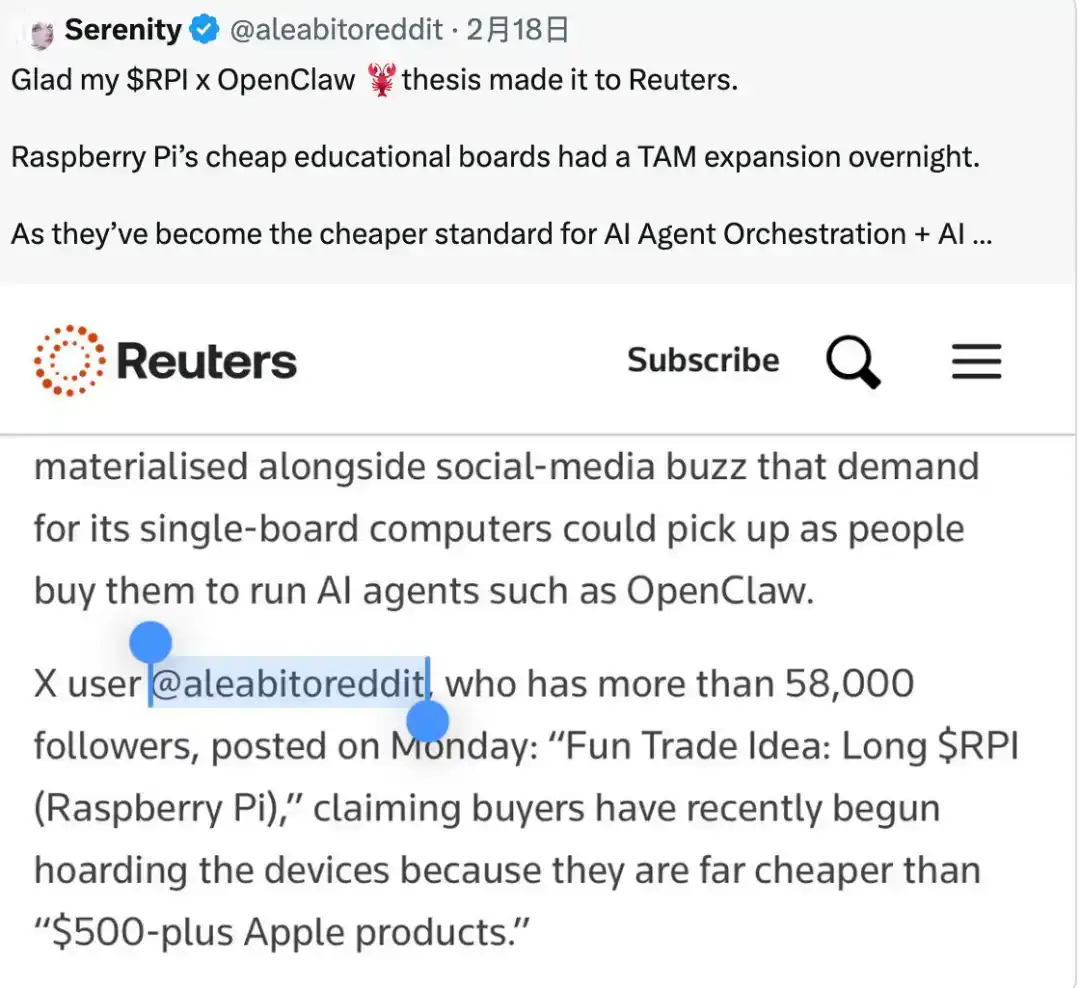
The day before, Eastern Time, an account with 58,000 followers on platform X posted a tweet titled, 'Fun Trade Idea, Long $RPI.'

The account name is Serenity, with the handle @aleabitoreddit, using a female profile picture.
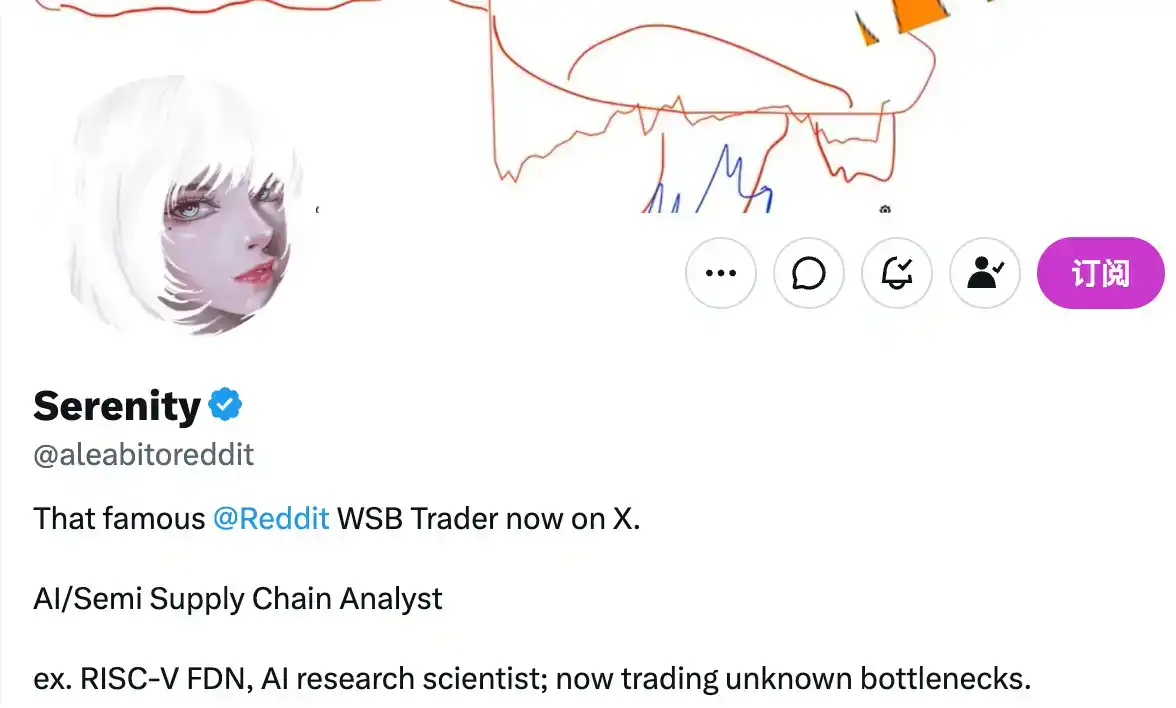
The opening line of Bloomberg's report read, 'It all started Monday with a post titled 'Fun Trade Idea' from a user called aleabitoreddit on X.'

Reuters' article directly quoted Serenity's arguments about Raspberry Pi. When asked about the unusual stock activity, a Raspberry Pi company spokesperson stated, 'The company has no information beyond what is already in the public domain.'

The story doesn't end there.

At the end of March, Raspberry Pi released its full-year financial results. Revenue grew by 58%. Serenity's prediction two months prior was 55%.

The consensus among sell-side analysts aggregated by Bloomberg was only 14% at the time. On the day the earnings were released, RPI's stock price rose another 44.76% in a single day, followed by another 27.43% the next day.

This is why, over the past year, an increasing number of Silicon Valley investors have added this Twitter account to their daily must-read list.

A single tweet moved a FTSE 250 constituent's market cap by 50% in a week, and two months later, an earnings report validated his forecast.

Yet, the person repeatedly creating such market ripples—no one knows his real name.

The Person Who Was Banned

The Serenity account's bio describes him as an 'AI Semiconductor Industry Chain Research Institute,' 'Nature paper,' 'RISC-V Foundation member.'

He once joked that in 2018, Nvidia tried to recruit him to lead an AI team when Nvidia's stock price was only around $6.

But he declined.

To understand the Serenity account, the story must start with a ban four years ago.

In early 2022, the moderators of r/wallstreetbets, the self-proclaimed world's largest casino for retail traders, banned an account named AleaBito.

The incident started when this account posted about a stock with a name that sounded like a pyramid scheme.

AXTI, with a market cap just over $200 million, specialized in indium phosphide substrates; its stock price was around $12 at the time. The moderators accused him of drumming up hype and with a single strike, banned the account.

AXTI later rallied to $70. In Serenity's own recent review, he called this his most legendary trade to date, with a single-stock profit of 1000%.

After the ban, he switched platforms directly. He moved from Reddit to X, giving himself the new name Serenity, meaning 'peace' in Chinese.

A person chased off a forum giving himself such a name left a line in his bio, 'That famous WSB trader, now on X.'

He claims to have been an AI research scientist, a RISC-V Foundation member, published a Nature paper, and turned down Nvidia's offer to lead an AI team.
Serenity's followers have grown rapidly this year, with people in the US, Taiwan, and European stock communities translating his posts. In Chinese communities, moomoo, Xueqiu, and PTT each have copy-trading groups.

Some have built dashboards to track his portfolio changes; some manage hedge funds based on his ideas. His paid product is just an Excel sheet, which he jokingly calls 'A Dollar's Worth of Ideas.' All core research is freely disclosed on X.

The Consistent Winner

Calling RPI is just one among his past calls. Serenity has a string of similar cases, each following the same trajectory: post a tweet, get criticized, then get validated.

First, AXTI. The very stock that got him banned from WSB.

Indium phosphide substrate, the foundational material at the very bottom of AI datacenter optical modules. In February 2025, the East implemented export controls on indium phosphide. By January 2026, license approvals tightened further, forcing AXT to lower its quarterly revenue guidance.

Overnight, this small plant in Fremont, California, transformed from a small-cap stock into a national security-level strategic asset. He called this company two years ago.

Second, SIVE. Sweden's Sivers Semiconductors, listed in Stockholm, making CPO external light source continuous-wave lasers, a core component for next-generation 1.6T co-packaged optics.

After he publicly announced his position, the first wave saw a single-day surge of 73.78%, its market cap instantly jumping from $130 million to $230 million. On April 15, 2026, Jabil announced a collaboration with SIVE to develop 1.6T LRO optical modules, boasting a 2.5x efficiency advantage. A month later, on May 19, CHIPS Act Year 2 funding of $6.6 million arrived.

Third, Soitec. A French semiconductor company, the near-monopoly player in CPO SOI substrates, with even Japan's Shin-Etsu needing to license from them.

He explicitly tweeted a change in view this March, building a position around €43, calling it 'a hidden monopoly to hold long-term.' That day, Soitec's stock price surged 16%.

And a string of Taiwanese stocks. FOCI (3363, microlens and fiber arrays), Win Semiconductors (3105, GaAs foundry), TSEM (Tower Semiconductor).

These stocks were already discussed among local retail circles in Taiwan, but in the English-speaking world, he might be the first to systematically link them to the CPO narrative.

Regarding performance, he self-reported a 630% return in the year before joining X, and his YTD at one point this year exceeded 500%, recently experiencing some pullback.

Of course, these numbers are unaudited and can only be taken as reference.

But one thing has been verified. Reuters and Bloomberg directly cited his online alias in their reports.

150,000 followers across three continents translate his posts, hedge funds copy his homework.

The Bottleneck Point

To understand Serenity's investment logic and what he got right, one must first understand Wall Street's dominant narrative over the past three years.

From 2023 to 2026, retail investors worldwide have been chasing the same batch of tickers: AI

Nvidia, AMD, Microsoft, Google, Meta.

Every sell-side report, every YouTube creator, every financial headline was calculating whether these companies would beat expectations next quarter.

Serenity went the opposite way. He dug downwards, layer by layer, searching for the 'nuts and bolts' on Nvidia.

He gave this kind of thing a name: chokepoint, the bottleneck point.

This concept can be explained with an analogy.

Indium phosphide substrate is to AI optical modules what the Strait of Hormuz is to global oil. 20% of the world's oil passes through that strait; whoever controls it controls everyone.

Another more everyday version. In high-end kaiseki restaurants in Tokyo's Ginza, the most expensive item on the bill might be otoro tuna, but what the entire shop can't do without is the shiso leaf underneath the sashimi.

90% of Japan's premium shiso leaves come from a few family farms in Izu. When a typhoon hits and the farms close, all the kaiseki restaurants in Ginza have to shut down that day.

A bottleneck point is something like that. Usually unmentioned, but if a problem arises, everyone is finished.

Serenity's working method is the exact opposite of mainstream Wall Street analysts.

Sell-side analysts look down from big companies; he works backward from bottleneck points. He draws his own supply chain maps, starting from Nvidia H100 clusters and working backward layer by layer to the deepest narrow passages. He uses AI to challenge himself, often saying, 'I make Gemini challenge my thesis,' feeding his research to AI to play the devil's advocate.

Using stocks from the US, Taiwan, Europe, and Japan, he mapped out a complete global bottleneck point map for the AI era.

Each node is a potential Strait of Hormuz. Every geopolitical event, every earnings report, every export control measure, he can find the corresponding coordinate on his map and then vote with his portfolio.

Recently, he has extended his radar to rare earths and humanoid robots. The investment logic remains a continuation of before: find narrow passages, find monopolies, find the links that, if broken, spell disaster for everyone.

This is something most Wall Street sell-side analysts can't do. They are siloed by department: TMT analysts don't cover materials, materials analysts don't cover optics, optics analysts don't cover geopolitics.

His most frequent saying is, 'My earliest views are usually the ones that get criticized the most.'

Is He the God of Retail Investors, or Just Another Glorified Gambler?

Writing up to this point, the tone must shift.

Strip away all the unverifiable aspects of Serenity: completely anonymous identity, no photos, real name, or institutional background to check.

'Rejected Nvidia's AI team offer at $6 per share,' 'Nature paper,' 'RISC-V Foundation member'—all self-reported.

Self-reported performance, no audit, no third-party reconciliation. Highly concentrated portfolio, mostly small to mid-cap non-consensus stocks with poor liquidity. Retail followers can easily enter at the wrong time.

Among financial KOLs over the past decade, those with unverified identities, self-reported performance, and rampant copy-trading culture mostly ended badly.

But there are a few things about Serenity that are different.

So far, he hasn't sold courses, run copy-trading groups, offered training, or charged for high-priced subscriptions. Core research is freely public on X. He doesn't take ads, drive traffic, or work with MCNs.

Currently, he doesn't qualify as a scammer. But he shouldn't be treated as a god either.

Of course, an anonymous person banned from a forum, getting over 150,000 people, including Wall Street hedge funds, to work for him for free, validating his arguments, disseminating his research, translating his posts.

That is also legendary in its own right.

Domande pertinenti

QWho is Serenity, and what is his main claim regarding his background?

ASerenity is an anonymous financial influencer on X (formerly Twitter) with 5.8 thousand followers, known for his stock market predictions. He claims to have a background as an AI research scientist, a Nature paper author, a RISC-V Foundation member, and to have turned down an offer from Nvidia to lead an AI team when its stock was around $6.

QWhat was the key stock recommendation that first brought Serenity widespread attention, and what was the result?

AHis key stock recommendation was for Raspberry Pi (RPI) on the London Stock Exchange. After his post, the stock surged nearly 90% in two days and maintained a gain of over 50% within a week. Later, when the company's earnings matched his prediction, the stock price rose again significantly.

QWhat is Serenity's core investment philosophy or strategy as described in the article?

ASerenity's core investment strategy is to identify 'chokepoints' or bottlenecks in global supply chains. He focuses on small, often overlooked companies that produce critical components for major industries like AI, where a disruption could have widespread effects. He researches from the bottom up, mapping supply chains to find these narrow, monopolistic points.

QWhat is one major concern or criticism mentioned in the article about following Serenity's advice?

AA major concern is that Serenity's identity and claimed credentials are entirely anonymous and unverifiable. His reported investment returns are unaudited, and his recommended stocks are often small-cap, illiquid, and non-consensus picks. This makes it risky for followers who might enter positions at the wrong time, and history suggests such anonymous financial influencers often end poorly.

QHow does Serenity's approach to sharing his research differ from that of many other financial influencers, according to the article?

AUnlike many financial influencers, Serenity does not sell courses, run paid groups, offer high-priced subscriptions, or engage in MCN/advertising deals. He makes his core research freely available on his X account, with his only paid product being a simple Excel spreadsheet he jokingly calls 'a dollar idea'.

Letture associate

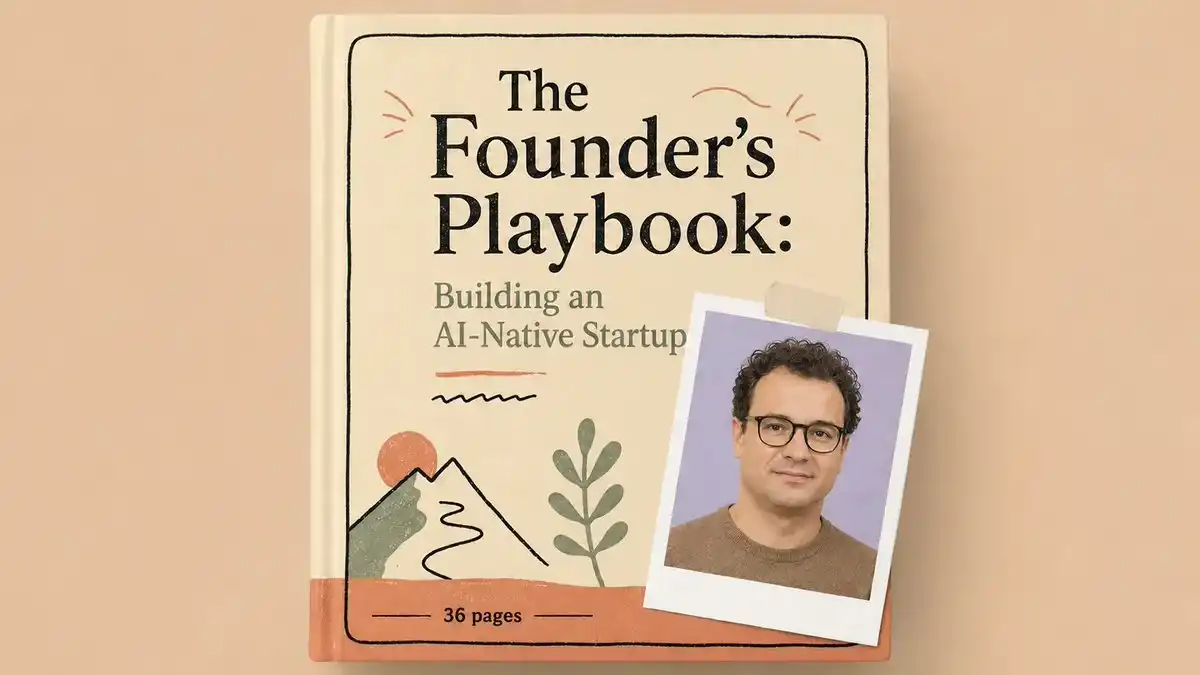
Anthropic Major Release: "The Founder's Playbook" - All 4 Stages of Entrepreneurship, Completely Reimagined with AI

**Anthropic Releases "The Founder's Playbook," Reimagining the Four Stages of Startups with AI** The logic of entrepreneurship is being fundamentally reshaped by AI. Anthropic's new handbook, "The Founder's Playbook: Building an AI-Native Startup," defines the AI-native startup as a new species: not a traditional company with AI tools, but a venture driven by AI from day one. The founder's role is transforming from a hands-on builder to a conductor or architect, orchestrating AI agents for execution while focusing on high-level judgment and strategy. Anthropic outlines a product matrix of Claude tools for different tasks: Claude Chat for interactive research, Claude Code for generating production-ready code, and Claude Cowork for automating knowledge-intensive workflows. The handbook structures the startup lifecycle into four stages, detailing core goals, pitfalls, and AI applications for each: 1. **Idea Stage**: Focuses on validating a real problem. The core challenge is avoiding confirmation bias. AI practices include using Claude as a "structured devil's advocate" to challenge assumptions and for automated market/competitor research. 2. **MVP Stage**: Aims to gather early signals of Product-Market Fit (PMF). Key risks are technical debt and scope creep due to rapid AI-assisted development. Recommended AI uses include maintaining project memory documents (e.g., CLAUDE.md), using Claude Code for structured coding, and automating user feedback analysis. 3. **Launch Stage**: Centers on establishing scalable growth, operations, and compliance. Challenges include accelerating technical debt and founders becoming bottlenecks. AI should be used to build an "operating system" for launch—automating routine tasks (scheduling, reporting, content) and code audits—freeing founders for critical decisions. 4. **Scale Stage**: Focuses on achieving sustainable business operations. The main challenge is delegating operational control. AI should be leveraged for differentiated marketing, operational optimization, and building competitive moats through data network effects. The handbook concludes that in the AI era, "Can we build it?" is no longer the primary constraint. The advantage shifts back to foundational strengths: **insight, judgment, and a deep understanding of a specific problem and audience.**

marsbit1 h fa

Anthropic Major Release: "The Founder's Playbook" - All 4 Stages of Entrepreneurship, Completely Reimagined with AI

marsbit1 h fa

Eight Departments Launch Severe Crackdown on Cross-Border Securities Firms, How to Interpret This?

China's top financial regulators, including the CSRC and seven other ministries, have launched a sweeping crackdown on unlicensed cross-border securities operations. The core action involves a joint enforcement plan and the issuance of administrative penalties against major offshore internet brokers like Futu and Tiger Brokers for conducting unauthorized securities business in mainland China without a domestic license. The primary legal basis is China's requirement for securities businesses to operate with proper, locally issued licenses. The crackdown aims to eliminate a major regulatory gray area, plugging channels that allowed massive, unmonitored capital outflows which posed risks to financial stability, currency controls, and foreign exchange reserves. It also seeks to protect mainland investors who previously lacked legal recourse when dealing with offshore platforms and to secure sensitive financial data. The immediate impact is severe for the targeted brokers, including a complete ban on new mainland business, forced liquidation of existing mainland client positions over two years, and the confiscation of illegal profits estimated in the billions. Their U.S.-listed shares plummeted in response. Market analysts warn that the forced sell-off of an estimated 250-280 billion RMB in assets, concentrated in U.S. tech stocks, Chinese ADRs, and Hong Kong equities, could create sustained selling pressure on these markets over the next two years, potentially lowering valuations. For mainland investors, legal cross-border investment channels will become extremely constrained. The high asset threshold for the Stock Connect program and the severe shortage of QDII fund quotas—leading to chronic high premiums on popular U.S.-focused ETFs—mean retail access to overseas markets like the U.S. will be sharply limited. Conversely, some of the returning capital may flow into domestic A-share sectors like AI, semiconductors, and advanced manufacturing. However, this could further inflate valuations in these already elevated sectors. In conclusion, regulators frame this move not as closing off cross-border investment, but as a necessary step to enforce compliance, manage systemic risk, and steer investors toward regulated, protected channels like QDII and Stock Connect for the long-term health of the financial system.

链捕手1 h fa

Eight Departments Launch Severe Crackdown on Cross-Border Securities Firms, How to Interpret This?

链捕手1 h fa

Trading

Spot
Futures

Articoli Popolari

Cosa è $S$

Comprendere SPERO: Una Panoramica Completa Introduzione a SPERO Mentre il panorama dell'innovazione continua a evolversi, l'emergere delle tecnologie web3 e dei progetti di criptovaluta gioca un ruolo fondamentale nel plasmare il futuro digitale. Un progetto che ha attirato l'attenzione in questo campo dinamico è SPERO, denotato come SPERO,$$s$. Questo articolo mira a raccogliere e presentare informazioni dettagliate su SPERO, per aiutare gli appassionati e gli investitori a comprendere le sue basi, obiettivi e innovazioni nei domini web3 e crypto. Che cos'è SPERO,$$s$? SPERO,$$s$ è un progetto unico all'interno dello spazio crypto che cerca di sfruttare i principi della decentralizzazione e della tecnologia blockchain per creare un ecosistema che promuove l'impegno, l'utilità e l'inclusione finanziaria. Il progetto è progettato per facilitare interazioni peer-to-peer in modi nuovi, fornendo agli utenti soluzioni e servizi finanziari innovativi. Al suo interno, SPERO,$$s$ mira a responsabilizzare gli individui fornendo strumenti e piattaforme che migliorano l'esperienza dell'utente nello spazio delle criptovalute. Questo include la possibilità di metodi di transazione più flessibili, la promozione di iniziative guidate dalla comunità e la creazione di percorsi per opportunità finanziarie attraverso applicazioni decentralizzate (dApps). La visione sottostante di SPERO,$$s$ ruota attorno all'inclusività, cercando di colmare le lacune all'interno della finanza tradizionale mentre sfrutta i vantaggi della tecnologia blockchain. Chi è il Creatore di SPERO,$$s$? L'identità del creatore di SPERO,$$s$ rimane piuttosto oscura, poiché ci sono risorse pubblicamente disponibili limitate che forniscono informazioni dettagliate sul suo fondatore o fondatori. Questa mancanza di trasparenza può derivare dall'impegno del progetto per la decentralizzazione—un ethos che molti progetti web3 condividono, dando priorità ai contributi collettivi rispetto al riconoscimento individuale. Centrando le discussioni attorno alla comunità e ai suoi obiettivi collettivi, SPERO,$$s$ incarna l'essenza dell'empowerment senza mettere in evidenza individui specifici. Pertanto, comprendere l'etica e la missione di SPERO rimane più importante che identificare un creatore singolo. Chi sono gli Investitori di SPERO,$$s$? SPERO,$$s$ è supportato da una varietà di investitori che vanno dai capitalisti di rischio agli investitori angelici dedicati a promuovere l'innovazione nel settore crypto. Il focus di questi investitori generalmente si allinea con la missione di SPERO—dando priorità a progetti che promettono avanzamenti tecnologici sociali, inclusività finanziaria e governance decentralizzata. Queste fondazioni di investitori sono tipicamente interessate a progetti che non solo offrono prodotti innovativi, ma contribuiscono anche positivamente alla comunità blockchain e ai suoi ecosistemi. Il supporto di questi investitori rafforza SPERO,$$s$ come un concorrente degno di nota nel dominio in rapida evoluzione dei progetti crypto. Come Funziona SPERO,$$s$? SPERO,$$s$ impiega un framework multifunzionale che lo distingue dai progetti di criptovaluta convenzionali. Ecco alcune delle caratteristiche chiave che sottolineano la sua unicità e innovazione: Governance Decentralizzata: SPERO,$$s$ integra modelli di governance decentralizzati, responsabilizzando gli utenti a partecipare attivamente ai processi decisionali riguardanti il futuro del progetto. Questo approccio favorisce un senso di proprietà e responsabilità tra i membri della comunità. Utilità del Token: SPERO,$$s$ utilizza il proprio token di criptovaluta, progettato per servire varie funzioni all'interno dell'ecosistema. Questi token abilitano transazioni, premi e la facilitazione dei servizi offerti sulla piattaforma, migliorando l'impegno e l'utilità complessivi. Architettura Stratificata: L'architettura tecnica di SPERO,$$s$ supporta la modularità e la scalabilità, consentendo un'integrazione fluida di funzionalità e applicazioni aggiuntive man mano che il progetto evolve. Questa adattabilità è fondamentale per mantenere la rilevanza nel panorama crypto in continua evoluzione. Coinvolgimento della Comunità: Il progetto enfatizza iniziative guidate dalla comunità, impiegando meccanismi che incentivano la collaborazione e il feedback. Nutrendo una comunità forte, SPERO,$$s$ può affrontare meglio le esigenze degli utenti e adattarsi alle tendenze di mercato. Focus sull'Inclusione: Offrendo basse commissioni di transazione e interfacce user-friendly, SPERO,$$s$ mira ad attrarre una base utenti diversificata, inclusi individui che potrebbero non aver precedentemente interagito nello spazio crypto. Questo impegno per l'inclusione si allinea con la sua missione generale di empowerment attraverso l'accessibilità. Cronologia di SPERO,$$s$ Comprendere la storia di un progetto fornisce preziose intuizioni sulla sua traiettoria di sviluppo e sui traguardi. Di seguito è riportata una cronologia suggerita che mappa eventi significativi nell'evoluzione di SPERO,$$s$: Fase di Concettualizzazione e Ideazione: Le idee iniziali che formano la base di SPERO,$$s$ sono state concepite, allineandosi strettamente con i principi di decentralizzazione e focus sulla comunità all'interno dell'industria blockchain. Lancio del Whitepaper del Progetto: Dopo la fase concettuale, è stato rilasciato un whitepaper completo che dettaglia la visione, gli obiettivi e l'infrastruttura tecnologica di SPERO,$$s$ per suscitare interesse e feedback dalla comunità. Costruzione della Comunità e Prime Interazioni: Sono stati effettuati sforzi attivi di outreach per costruire una comunità di early adopters e potenziali investitori, facilitando discussioni attorno agli obiettivi del progetto e ottenendo supporto. Evento di Generazione del Token: SPERO,$$s$ ha condotto un evento di generazione del token (TGE) per distribuire i propri token nativi ai primi sostenitori e stabilire una liquidità iniziale all'interno dell'ecosistema. Lancio della Prima dApp: La prima applicazione decentralizzata (dApp) associata a SPERO,$$s$ è stata attivata, consentendo agli utenti di interagire con le funzionalità principali della piattaforma. Sviluppo Continuo e Partnership: Aggiornamenti e miglioramenti continui alle offerte del progetto, inclusi partnership strategiche con altri attori nello spazio blockchain, hanno plasmato SPERO,$$s$ in un concorrente competitivo e in evoluzione nel mercato crypto. Conclusione SPERO,$$s$ rappresenta una testimonianza del potenziale del web3 e delle criptovalute di rivoluzionare i sistemi finanziari e responsabilizzare gli individui. Con un impegno per la governance decentralizzata, il coinvolgimento della comunità e funzionalità progettate in modo innovativo, apre la strada verso un panorama finanziario più inclusivo. Come per qualsiasi investimento nello spazio crypto in rapida evoluzione, si incoraggiano potenziali investitori e utenti a ricercare approfonditamente e a impegnarsi in modo riflessivo con gli sviluppi in corso all'interno di SPERO,$$s$. Il progetto mostra lo spirito innovativo dell'industria crypto, invitando a ulteriori esplorazioni delle sue innumerevoli possibilità. Mentre il percorso di SPERO,$$s$ è ancora in fase di sviluppo, i suoi principi fondamentali potrebbero effettivamente influenzare il futuro di come interagiamo con la tecnologia, la finanza e tra di noi in ecosistemi digitali interconnessi.

75 Totale visualizzazioniPubblicato il 2024.12.17Aggiornato il 2024.12.17

Cosa è $S$

Cosa è AGENT S

Agent S: Il Futuro dell'Interazione Autonoma in Web3 Introduzione Nel panorama in continua evoluzione di Web3 e criptovalute, le innovazioni stanno costantemente ridefinendo il modo in cui gli individui interagiscono con le piattaforme digitali. Uno di questi progetti pionieristici, Agent S, promette di rivoluzionare l'interazione uomo-computer attraverso il suo framework agentico aperto. Aprendo la strada a interazioni autonome, Agent S mira a semplificare compiti complessi, offrendo applicazioni trasformative nell'intelligenza artificiale (AI). Questa esplorazione dettagliata approfondirà le complessità del progetto, le sue caratteristiche uniche e le implicazioni per il dominio delle criptovalute. Cos'è Agent S? Agent S si presenta come un innovativo framework agentico aperto, progettato specificamente per affrontare tre sfide fondamentali nell'automazione dei compiti informatici: Acquisizione di Conoscenze Specifiche del Dominio: Il framework apprende in modo intelligente da varie fonti di conoscenza esterne ed esperienze interne. Questo approccio duale gli consente di costruire un ricco repository di conoscenze specifiche del dominio, migliorando le sue prestazioni nell'esecuzione dei compiti. Pianificazione su Lungo Orizzonte di Compiti: Agent S impiega una pianificazione gerarchica potenziata dall'esperienza, un approccio strategico che facilita la suddivisione e l'esecuzione efficiente di compiti complessi. Questa caratteristica migliora significativamente la sua capacità di gestire più sottocompiti in modo efficiente ed efficace. Gestione di Interfacce Dinamiche e Non Uniformi: Il progetto introduce l'Interfaccia Agente-Computer (ACI), una soluzione innovativa che migliora l'interazione tra agenti e utenti. Utilizzando Modelli Linguistici Multimodali di Grandi Dimensioni (MLLM), Agent S può navigare e manipolare senza sforzo diverse interfacce grafiche utente. Attraverso queste caratteristiche pionieristiche, Agent S fornisce un framework robusto che affronta le complessità coinvolte nell'automazione dell'interazione umana con le macchine, preparando il terreno per innumerevoli applicazioni nell'AI e oltre. Chi è il Creatore di Agent S? Sebbene il concetto di Agent S sia fondamentalmente innovativo, informazioni specifiche sul suo creatore rimangono elusive. Il creatore è attualmente sconosciuto, il che evidenzia sia la fase embrionale del progetto sia la scelta strategica di mantenere i membri fondatori sotto anonimato. Indipendentemente dall'anonimato, l'attenzione rimane sulle capacità e sul potenziale del framework. Chi sono gli Investitori di Agent S? Poiché Agent S è relativamente nuovo nell'ecosistema crittografico, informazioni dettagliate riguardanti i suoi investitori e sostenitori finanziari non sono documentate esplicitamente. La mancanza di approfondimenti pubblicamente disponibili sulle fondazioni di investimento o sulle organizzazioni che supportano il progetto solleva interrogativi sulla sua struttura di finanziamento e sulla roadmap di sviluppo. Comprendere il supporto è cruciale per valutare la sostenibilità del progetto e il suo potenziale impatto sul mercato. Come Funziona Agent S? Al centro di Agent S si trova una tecnologia all'avanguardia che gli consente di funzionare efficacemente in contesti diversi. Il suo modello operativo è costruito attorno a diverse caratteristiche chiave: Interazione Uomo-Computer Simile a Quella Umana: Il framework offre una pianificazione AI avanzata, cercando di rendere le interazioni con i computer più intuitive. Mimando il comportamento umano nell'esecuzione dei compiti, promette di elevare le esperienze degli utenti. Memoria Narrativa: Utilizzata per sfruttare esperienze di alto livello, Agent S utilizza la memoria narrativa per tenere traccia delle storie dei compiti, migliorando così i suoi processi decisionali. Memoria Episodica: Questa caratteristica fornisce agli utenti una guida passo-passo, consentendo al framework di offrire supporto contestuale mentre i compiti si sviluppano. Supporto per OpenACI: Con la capacità di funzionare localmente, Agent S consente agli utenti di mantenere il controllo sulle proprie interazioni e flussi di lavoro, allineandosi con l'etica decentralizzata di Web3. Facile Integrazione con API Esterne: La sua versatilità e compatibilità con varie piattaforme AI garantiscono che Agent S possa adattarsi senza problemi agli ecosistemi tecnologici esistenti, rendendolo una scelta attraente per sviluppatori e organizzazioni. Queste funzionalità contribuiscono collettivamente alla posizione unica di Agent S all'interno dello spazio crittografico, poiché automatizza compiti complessi e multi-fase con un intervento umano minimo. Man mano che il progetto evolve, le sue potenziali applicazioni in Web3 potrebbero ridefinire il modo in cui si svolgono le interazioni digitali. Cronologia di Agent S Lo sviluppo e le tappe di Agent S possono essere riassunti in una cronologia che evidenzia i suoi eventi significativi: 27 Settembre 2024: Il concetto di Agent S è stato lanciato in un documento di ricerca completo intitolato “Un Framework Agentico Aperto che Usa i Computer Come un Umano”, mostrando le basi per il progetto. 10 Ottobre 2024: Il documento di ricerca è stato reso pubblicamente disponibile su arXiv, offrendo un'esplorazione approfondita del framework e della sua valutazione delle prestazioni basata sul benchmark OSWorld. 12 Ottobre 2024: È stata rilasciata una presentazione video, fornendo un'idea visiva delle capacità e delle caratteristiche di Agent S, coinvolgendo ulteriormente potenziali utenti e investitori. Questi indicatori nella cronologia non solo illustrano i progressi di Agent S, ma indicano anche il suo impegno per la trasparenza e il coinvolgimento della comunità. Punti Chiave su Agent S Man mano che il framework Agent S continua a evolversi, diversi attributi chiave si distinguono, sottolineando la sua natura innovativa e il potenziale: Framework Innovativo: Progettato per fornire un uso intuitivo dei computer simile all'interazione umana, Agent S porta un approccio nuovo all'automazione dei compiti. Interazione Autonoma: La capacità di interagire autonomamente con i computer attraverso GUI segna un passo avanti verso soluzioni informatiche più intelligenti ed efficienti. Automazione di Compiti Complessi: Con la sua metodologia robusta, può automatizzare compiti complessi e multi-fase, rendendo i processi più veloci e meno soggetti a errori. Miglioramento Continuo: I meccanismi di apprendimento consentono ad Agent S di migliorare dalle esperienze passate, migliorando continuamente le sue prestazioni e la sua efficacia. Versatilità: La sua adattabilità attraverso diversi ambienti operativi come OSWorld e WindowsAgentArena garantisce che possa servire un'ampia gamma di applicazioni. Man mano che Agent S si posiziona nel panorama di Web3 e delle criptovalute, il suo potenziale per migliorare le capacità di interazione e automatizzare i processi segna un significativo avanzamento nelle tecnologie AI. Attraverso il suo framework innovativo, Agent S esemplifica il futuro delle interazioni digitali, promettendo un'esperienza più fluida ed efficiente per gli utenti in vari settori. Conclusione Agent S rappresenta un audace passo avanti nell'unione tra AI e Web3, con la capacità di ridefinire il modo in cui interagiamo con la tecnologia. Sebbene sia ancora nelle sue fasi iniziali, le possibilità per la sua applicazione sono vaste e coinvolgenti. Attraverso il suo framework completo che affronta sfide critiche, Agent S mira a portare le interazioni autonome al centro dell'esperienza digitale. Man mano che ci addentriamo nei regni delle criptovalute e della decentralizzazione, progetti come Agent S giocheranno senza dubbio un ruolo cruciale nel plasmare il futuro della tecnologia e della collaborazione uomo-computer.

519 Totale visualizzazioniPubblicato il 2025.01.14Aggiornato il 2025.01.14

Cosa è AGENT S

Come comprare S

Benvenuto in HTX.com! Abbiamo reso l'acquisto di Sonic (S) semplice e conveniente. Segui la nostra guida passo passo per intraprendere il tuo viaggio nel mondo delle criptovalute.Step 1: Crea il tuo Account HTXUsa la tua email o numero di telefono per registrarti il tuo account gratuito su HTX. Vivi un'esperienza facile e sblocca tutte le funzionalità,Crea il mio accountStep 2: Vai in Acquista crypto e seleziona il tuo metodo di pagamentoCarta di credito/debito: utilizza la tua Visa o Mastercard per acquistare immediatamente SonicS.Bilancio: Usa i fondi dal bilancio del tuo account HTX per fare trading senza problemi.Terze parti: abbiamo aggiunto metodi di pagamento molto utilizzati come Google Pay e Apple Pay per maggiore comodità.P2P: Fai trading direttamente con altri utenti HTX.Over-the-Counter (OTC): Offriamo servizi su misura e tassi di cambio competitivi per i trader.Step 3: Conserva Sonic (S)Dopo aver acquistato Sonic (S), conserva nel tuo account HTX. In alternativa, puoi inviare tramite trasferimento blockchain o scambiare per altre criptovalute.Step 4: Scambia Sonic (S)Scambia facilmente Sonic (S) nel mercato spot di HTX. Accedi al tuo account, seleziona la tua coppia di trading, esegui le tue operazioni e monitora in tempo reale. Offriamo un'esperienza user-friendly sia per chi ha appena iniziato che per i trader più esperti.

935 Totale visualizzazioniPubblicato il 2025.01.15Aggiornato il 2025.03.21

Come comprare S

Discussioni

Benvenuto nella Community HTX. Qui puoi rimanere informato sugli ultimi sviluppi della piattaforma e accedere ad approfondimenti esperti sul mercato. Le opinioni degli utenti sul prezzo di S S sono presentate come di seguito.

活动图片