The Earliest Regulator to Study Bitcoin: How Did He Step into the Crypto World?

marsbitPubblicato 2026-03-16Pubblicato ultima volta 2026-03-16

Introduzione

An article titled "How Did the Earliest Regulator Studying Bitcoin Step into the Crypto World?" profiles Mark Wetjen, a former U.S. financial regulator who transitioned into the crypto industry. Wetjen served as a policy advisor in the U.S. Senate, was appointed by President Obama as a commissioner of the CFTC, and even acted as its acting chairman in 2014. During his tenure, he led the first formal U.S. regulatory hearing on digital assets and approved the first Bitcoin derivatives product on a regulated platform. After nearly two decades in traditional finance and regulation, including roles at DTCC and MIAX Futures, Wetjen moved into crypto, joining FTX US before becoming President of Backpack US. He now oversees U.S. operations, regulatory engagement, and business development for the Backpack exchange. Wetjen believes that long-term success in crypto depends on trust and compliance, not just technical features or liquidity. He views Backpack as a platform built with compliance at its core, noting its regulatory approvals in Dubai (VASP license) and Europe (MiFID II authorization), with the U.S. as a key next market. The article frames Wetjen’s career as a bridge between crypto innovation and regulatory frameworks, highlighting a shift from early regulatory skepticism to constructive engagement within the industry.

Original | Odaily Planet Daily (@OdailyChina)

Author | DingDang (@XiaMiPP)
In the eyes of most people, there seems to be an insurmountable gap between the crypto industry and the U.S. regulatory system.

On one side are the tech pioneers constantly pushing boundaries, who believe that code can rewrite financial rules and repeatedly test the limits of the system; on the other side are the regulators tasked with maintaining order and stability, who use caution and rules as a shield to protect the bottom line of the financial system.

Over the past decade, these two forces have sometimes clashed fiercely and sometimes reached brief compromises, always moving forward in a delicate tension.

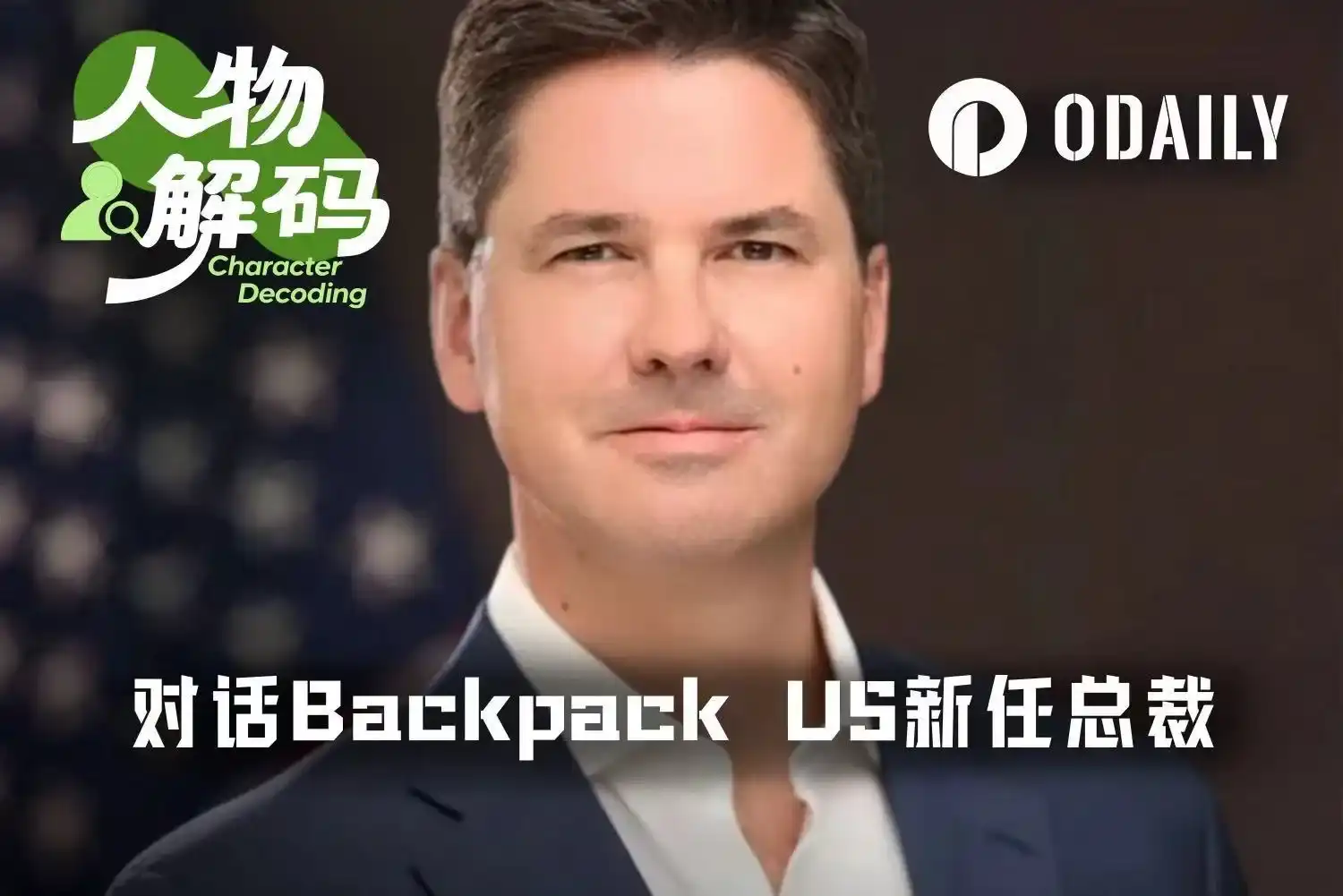
But there are also some people who happen to stand right on this boundary line, such as Mark Wetjen.

He worked in the U.S. financial regulatory system for nearly two decades: from Policy Advisor at the U.S. Senate Committee on Finance, to being nominated by President Obama as a Commissioner of the U.S. Commodity Futures Trading Commission (CFTC), and even serving as Acting Chairman in 2014. At that time, Wall Street was still largely观望 or even skeptical of Bitcoin, while he was already leading and facilitating the first official hearing on digital assets in U.S. regulatory history within the CFTC. Looking back now, that openness and foresight towards emerging technology must have seemed particularly precious and lonely at the time.

More than a decade later, this former policy maker who once sat in the regulatory seat chose to turn around and step into the crypto world. Today, he has joined the crypto exchange Backpack as President of Backpack US, responsible for operations management, regulatory communication, and business development in the U.S. market.

And at this point in time, Backpack is also at a new critical juncture. The TGE of the platform's native token is expected to take place on March 23. As the token issuance approaches, Backpack is also明显 accelerating its global market compliance layout and has identified the U.S. market as the most important strategic focus for the next phase.

It is against this backdrop that Odaily Planet Daily had the privilege of conducting an in-depth and candid conversation with Mark Wetjen.

This conversation is not just the story of a regulatory veteran's personal transition; it also serves as a mirror, reflecting the quiet yet profound changes in the U.S. regulatory environment and the crypto industry ecosystem over the past decade—from initial vigilance and alienation to increasing understanding, dialogue, and even a certain degree of mutual approach.

And Mark Wetjen has恰好 witnessed and participated in all of this.

From the Regulatory Seat to the Market Frontlines

In the development narrative of the crypto industry, regulators are often seen as an "external force." They often arrive late after the market has already formed, using rules to amend, restrict, or even correct the sparks of innovation that have already occurred.

But Mark Wetjen's trajectory is somewhat different.

While many were still debating "whether Bitcoin, this nascent digital asset, is an internet bubble," he was already pondering a more practical question: if this asset can really exist and continue to grow, how should the regulatory system face it?

If we仔细观察 Mark Wetjen's career path, we find that he has几乎 walked through the most important nodes of the modern financial system.

In Washington, he was a policy maker; at the CFTC, he was a regulator; at DTCC (The Depository Trust & Clearing Corporation), he entered the core financial infrastructure of Wall Street and participated in shaping DTCC's early thinking on blockchain technology; later, he was hired to lead MIAX Futures and assisted in its foray into digital asset products. After that, he joined FTX US, responsible for policy and regulatory affairs. From rule drafter, to infrastructure guardian, to exchange leader, this path几乎串起了 the entire bloodstream of the financial market.

During his tenure at the CFTC, he approved the first Bitcoin derivative instrument listed and traded on a regulated U.S. platform and directed the General Counsel to assess whether Bitcoin was a commodity, thereby determining its suitability as a reference asset for CFTC-regulated products. At that time, he saw a nascent market full of potential but structurally chaotic. He was already one of the earliest officials in Washington to publicly advocate for a regulatory framework for Bitcoin.

In the early years, Wetjen formed the view that those crypto companies that can truly develop long-term are precisely those that treat compliance capabilities as a competitive advantage. Because compliance not only means legal security but also broader market access, more institutional capital, and more stable long-term growth.

In Wetjen's view, Backpack is exactly such a company.

They are a team that truly places compliance at the core of product design, rather than treating it as an afterthought or a patch. This was also a key reason why he ultimately chose to join Backpack.

Now, as Backpack formally enters the U.S. market, he has been appointed President of Backpack US, responsible for operations management, regulatory communication, and business development in the U.S. market. Simply put, his task is单一: to help Backpack truly land in the world's most complex and important financial market.

And judging by today's results, this strategy is already taking shape. Backpack has already obtained regulatory approval in multiple jurisdictions: a VASP license in Dubai, MiFID II authorization in Europe, and the U.S. is its next most important market. In Wetjen's view, this is no coincidence—it is a strategic choice made after深思熟虑.

The Ultimate Answer to Exchange Competition: Trust

Over the past few years, the battle among crypto exchanges has seemed like an never-ending arms race: who has deeper liquidity, who iterates products faster, who lists coins quicker... These were once hailed as the king's way and indeed allowed some platforms to stand out in the short term.

However, when asked about the core competitiveness of exchanges in the next decade, in Wetjen's view, these are not the final answer.

His answer is simple: Trust.

In the crypto industry, everything comes and goes quickly. Today's leading matching engine could be replaced by a more efficient architecture tomorrow; an exchange's proud liquidity pool could be quickly replicated by competitors during market cycles. Even regulatory licenses, once seen as barriers, may no longer be the exclusive advantage of a few institutions as the industry gradually moves towards compliance.

But trust is different.

If an exchange can operate stably long-term in a complex and changing regulatory environment and always put user asset safety first, then this trust will continuously沉淀 over time, eventually becoming the most difficult moat to replicate.

In Wetjen's view, the role played by crypto trading platforms in the future is far more than just a simple trading matching system.

It is more like a bridge. One end connects the crypto-native world, the other end connects the traditional financial system, allowing ordinary users and institutional investors to enter this new financial network in a compliant and secure manner.

It is also for this reason that he chose to join Backpack. "I believe this team is doing the right thing at the right time," Wetjen said.

If five years from now, when people think of the most compliant, trustworthy, and product-innovative crypto trading platform, the first name that comes to mind is Backpack, then for him, this experiment might already be a success.

In a sense, this is also a natural continuation of his career.

Ten years ago, he was in a Washington conference room discussing how to regulate Bitcoin.

Ten years later, he is participating in building a crypto financial infrastructure that can be accepted by the regulatory system.

Some people are builders of the crypto world, some are gatekeepers of the regulatory system. People like Mark Wetjen are trying to build a bridge between the two.

Domande pertinenti

QWho is Mark Wetjen and what significant role did he play in the early regulation of Bitcoin in the US?

AMark Wetjen is a former US financial regulator who served as a policy advisor in the US Senate Financial Committee and was appointed by President Obama as a commissioner of the US Commodity Futures Trading Commission (CFTC). In 2014, he acted as the CFTC's acting chairman. He led and facilitated the first official US regulatory hearing on digital assets, advocating for a regulatory framework for Bitcoin and approving the first Bitcoin derivative product traded on a regulated US platform.

QWhat is Mark Wetjen's current role in the cryptocurrency industry?

AMark Wetjen is currently the President of Backpack US, a cryptocurrency exchange. He is responsible for the platform's US market operations, regulatory communications, and business expansion.

QWhy did Mark Wetjen choose to join Backpack?

AHe joined Backpack because it is a company that prioritizes compliance as a core part of its product design, rather than treating it as an afterthought. He believes that Backpack is building a trustworthy and compliant crypto financial infrastructure that aligns with regulatory expectations.

QAccording to Mark Wetjen, what will be the most important competitive advantage for cryptocurrency exchanges in the future?

AHe believes that trust will be the most critical competitive advantage for cryptocurrency exchanges in the future. While technological features like liquidity and speed can be replicated, long-term trust built through regulatory compliance, user asset security, and stable operations is much harder to imitate.

QIn which jurisdictions has Backpack already received regulatory approval?

ABackpack has obtained regulatory approval in multiple jurisdictions, including a VASP license in Dubai and MiFID II authorization in Europe. The US market is its next major strategic focus.

Letture associate

Hyperliquid "Invades" Wall Street: A Playground for On-Chain Whales, Facing Compliance Pressure Head-On

Hyperliquid, a leading decentralized exchange (Perp DEX) for perpetual futures, is gaining significant traction by expanding into traditional asset trading through its HIP-3 market, which includes commodities like WTI crude oil and stock indices. With a monthly trading volume of $173.4 billion and over 4.11 trillion in total volume—81% of which comes from the top 100 addresses—it has become a hub for institutional and professional traders rather than retail users. Recent geopolitical tensions, such as the U.S.-Iran conflict, have accelerated adoption, as Hyperliquid offers 24/7 price discovery even when traditional markets are closed. This growth occurs amid a broader shift of liquidity from centralized exchanges (CEX) to DEXs, with Perp DEX volumes surging 346% in 2025. However, Hyperliquid faces mounting regulatory challenges. The CFTC is expected to introduce policies for crypto perpetual futures in the U.S. within a month, which may force platforms like Hyperliquid to adopt stricter compliance measures, including KYC—potentially undermining their permissionless appeal. To navigate these issues, Hyperliquid established a policy center in Washington D.C., led by crypto lawyer Jake Chervinsky, aiming to shape DeFi regulation and ensure long-term legitimacy. The platform’s founders emphasize building a sustainable, financially neutral infrastructure, recognizing that compliance is essential for broader adoption in traditional finance.

marsbit6 min fa

Hyperliquid "Invades" Wall Street: A Playground for On-Chain Whales, Facing Compliance Pressure Head-On

marsbit6 min fa

Only xxx Can Save the Crypto World? Let 'Lobster' Play Prediction Markets

This article discusses recent hot topics in the crypto community, as shared by influencers on X (formerly Twitter). Key points include: - Debate around an AI arbitrage bot allegedly earning $98K on Polymarket using Claude. Skeptics point to potential survivorship bias, liquidity constraints, and the rapid decay of alpha once strategies are public. - A resource sharing over 11,000 high-quality image generation prompts for Nano Banana Pro. - Commentary on Venus Protocol, highlighting its vulnerability to repeated exploits, with a linked analysis of how to profit from a recent attack. - A controversial opinion piece by influencer @BTCdayu arguing that only Sam Bankman-Fried (SBF) can "save crypto." The author claims that despite SBF's crimes and 25-year sentence, his genius is needed to address current industry crises: VC-backed altcoins scamming users, Bitcoin miners pivoting to AI, broken tokenomics, and a lack of new narratives. SBF's background at Jane Street, his innovative FTX trading system, and his early bets on AI (like Anthropic) are cited as reasons he could drive integration between AI and crypto, potentially pushing BTC to $1 million. This sparked heated discussion, with replies noting the improbability of a pardon, SBF's likely shift to AI, and that this nostalgia reflects a bygone era of "capital, narrative, and runaway imagination." The article concludes with links to the news outlet's social channels. All content is presented as personal opinion and not investment advice.

比推42 min fa

Only xxx Can Save the Crypto World? Let 'Lobster' Play Prediction Markets

比推42 min fa

Trading

Spot
Futures

Articoli Popolari

Cosa è BITCOIN

Comprendere HarryPotterObamaSonic10Inu (ERC-20) e la sua posizione nel mondo delle criptovalute Negli ultimi anni, il mercato delle criptovalute ha assistito a un aumento della popolarità delle meme coin, catturando l'interesse non solo dei trader, ma anche di coloro che cercano coinvolgimento comunitario e valore di intrattenimento. Tra questi token unici c'è HarryPotterObamaSonic10Inu (ERC-20), un progetto intrigante che mescola riferimenti culturali nel tessuto delle criptovalute. Questo articolo esplora gli aspetti chiave di HarryPotterObamaSonic10Inu, analizzando i suoi meccanismi, l'etica guidata dalla comunità e il suo coinvolgimento con il panorama crittografico più ampio. Che cos'è HarryPotterObamaSonic10Inu (ERC-20)? Come suggerisce il suo nome, HarryPotterObamaSonic10Inu è una meme coin costruita sulla blockchain di Ethereum, classificata secondo lo standard ERC-20. A differenza delle criptovalute tradizionali che possono enfatizzare l'utilità pratica o il potenziale investimento, questo token prospera grazie al valore di intrattenimento e alla forza della sua comunità. Il progetto mira a creare un ambiente in cui gli utenti coinvolti possono riunirsi, condividere idee e partecipare ad attività ispirate a diversi fenomeni culturali. Una caratteristica notevole di HarryPotterObamaSonic10Inu è la zero tassa sulle transazioni. Questo elemento allettante tende a incoraggiare il trading e il coinvolgimento della comunità, privo di costi aggiuntivi che possono scoraggiare i trader di piccole dimensioni. L'offerta totale della moneta è fissata a un miliardo di token, un numero che segna la sua intenzione di mantenere una circolazione sostanziale all'interno della comunità. Creatore di HarryPotterObamaSonic10Inu (ERC-20) Le origini di HarryPotterObamaSonic10Inu sono avvolte in un certo mistero; i dettagli sul creatore rimangono sconosciuti. Lo sviluppo di questo token non presenta un team identificabile o un piano esplicito, cosa non rara nel settore delle meme coin. Invece, il progetto è emerso organicamente, con il suo progresso fortemente dipendente dall'entusiasmo e dalla partecipazione della sua comunità. Investitori di HarryPotterObamaSonic10Inu (ERC-20) Per quanto riguarda investimenti esterni e finanziamenti, HarryPotterObamaSonic10Inu rimane ambiguo. Il token non elenca alcuna fondazione di investimento conosciuta o un sostegno organizzativo significativo. Invece, la linfa vitale del progetto è la sua comunità di base, che informa la sua crescita e sostenibilità attraverso azioni collettive e coinvolgimento nello spazio crittografico. Come funziona HarryPotterObamaSonic10Inu (ERC-20)? In quanto meme coin, HarryPotterObamaSonic10Inu opera principalmente al di fuori delle strutture tradizionali che governano spesso il valore degli asset. Ci sono diversi aspetti distintivi che definiscono il funzionamento del progetto: Transazioni senza tasse: Senza costi fiscali sulle transazioni, gli utenti possono comprare e vendere liberamente il token senza preoccuparsi di costi nascosti. Coinvolgimento della comunità: Il progetto prospera sull'interazione della comunità, sfruttando le piattaforme social per creare entusiasmo e facilitare il coinvolgimento. Discussioni, condivisione di contenuti e coinvolgimento sono elementi cruciali che aiutano ad espandere la sua portata e a favorire la lealtà tra i sostenitori. Nessuna utilità pratica: Va notato che HarryPotterObamaSonic10Inu non offre un'utilità concreta all'interno dell'ecosistema finanziario. Piuttosto, è classificato come un token principalmente per attività di intrattenimento e comunitarie. Riferimento culturale: Il token incorpora astutamente elementi della cultura pop per attirare interesse, collegandosi a appassionati di meme e seguaci delle criptovalute. HarryPotterObamaSonic10Inu esemplifica come le meme coin operino in modo diverso rispetto ai progetti di criptovalute più tradizionali, entrando nel mercato come costrutti sociali innovativi piuttosto che come asset utilitari. Cronologia di HarryPotterObamaSonic10Inu (ERC-20) La storia di HarryPotterObamaSonic10Inu è segnata da diversi traguardi notevoli: Creazione: Il token è emerso da un meme virale, catturando l'immaginazione di molti appassionati di criptovalute. Le date di creazione specifiche non sono disponibili, sottolineando la sua crescita organica. Inserimento negli scambi: HarryPotterObamaSonic10Inu ha fatto il suo ingresso in vari scambi, consentendo un accesso e un trading più facili da parte della comunità. Iniziative di coinvolgimento della comunità: Attività in corso volte a migliorare l'interazione della comunità, comprese gare, campagne sui social media e generazione di contenuti da parte di fan e sostenitori. Piani di espansione futura: La tabella di marcia del progetto include il lancio di una collezione NFT, merchandising e un sito di eCommerce relativo ai suoi temi culturali, coinvolgendo ulteriormente la comunità e cercando di aggiungere più dimensioni al suo ecosistema. Punti chiave su HarryPotterObamaSonic10Inu (ERC-20) Natura guidata dalla comunità: Il progetto dà priorità al contributo collettivo e alla creatività, garantendo che il coinvolgimento degli utenti sia al centro del suo sviluppo. Classificazione come meme coin: Rappresenta l'epitome delle criptovalute basate sull'intrattenimento, distinguendosi dai veicoli d'investimento tradizionali. Nessuna affiliazione diretta con Bitcoin: Nonostante la somiglianza nel nome del ticker, HarryPotterObamaSonic10Inu è distintivo e non ha alcuna relazione con Bitcoin o altre criptovalute consolidate. Focus sulla collaborazione: HarryPotterObamaSonic10Inu è progettato per creare uno spazio per la collaborazione e la condivisione di storie tra i suoi detentori, fornendo un canale per la creatività e il legame comunitario. Prospettive future: L'ambizione di espandersi oltre il suo presupposto iniziale verso NFT e merchandising delinea un percorso per il progetto per potenzialmente entrare in strade più mainstream all'interno della cultura digitale. Poiché le meme coin continuano a catturare l'immaginazione della comunità crittografica, HarryPotterObamaSonic10Inu (ERC-20) si distingue per i suoi legami culturali e il suo approccio centrato sulla comunità. Anche se potrebbe non adattarsi al modello tipico di un token orientato all'utilità, la sua essenza risiede nella gioia e nella camaraderia coltivate tra i suoi sostenitori, evidenziando la natura in evoluzione delle criptovalute in un'epoca sempre più digitale. Con la continuazione dello sviluppo del progetto, sarà importante osservare come le dinamiche della comunità influenzano la sua traiettoria nel panorama in continuo cambiamento della tecnologia blockchain.

577 Totale visualizzazioniPubblicato il 2024.04.01Aggiornato il 2024.12.03

Cosa è BITCOIN

Come comprare BTC

Benvenuto in HTX.com! Abbiamo reso l'acquisto di Bitcoin (BTC) semplice e conveniente. Segui la nostra guida passo passo per intraprendere il tuo viaggio nel mondo delle criptovalute.Step 1: Crea il tuo Account HTXUsa la tua email o numero di telefono per registrarti il tuo account gratuito su HTX. Vivi un'esperienza facile e sblocca tutte le funzionalità,Crea il mio accountStep 2: Vai in Acquista crypto e seleziona il tuo metodo di pagamentoCarta di credito/debito: utilizza la tua Visa o Mastercard per acquistare immediatamente BitcoinBTC.Bilancio: Usa i fondi dal bilancio del tuo account HTX per fare trading senza problemi.Terze parti: abbiamo aggiunto metodi di pagamento molto utilizzati come Google Pay e Apple Pay per maggiore comodità.P2P: Fai trading direttamente con altri utenti HTX.Over-the-Counter (OTC): Offriamo servizi su misura e tassi di cambio competitivi per i trader.Step 3: Conserva Bitcoin (BTC)Dopo aver acquistato Bitcoin (BTC), conserva nel tuo account HTX. In alternativa, puoi inviare tramite trasferimento blockchain o scambiare per altre criptovalute.Step 4: Scambia Bitcoin (BTC)Scambia facilmente Bitcoin (BTC) nel mercato spot di HTX. Accedi al tuo account, seleziona la tua coppia di trading, esegui le tue operazioni e monitora in tempo reale. Offriamo un'esperienza user-friendly sia per chi ha appena iniziato che per i trader più esperti.

2.8k Totale visualizzazioniPubblicato il 2024.12.12Aggiornato il 2025.03.21

Come comprare BTC

Cosa è $BITCOIN

ORO DIGITALE ($BITCOIN): Un'Analisi Completa Introduzione all'ORO DIGITALE ($BITCOIN) L'ORO DIGITALE ($BITCOIN) è un progetto basato su blockchain che opera sulla rete Solana, con l'obiettivo di combinare le caratteristiche dei metalli preziosi tradizionali con l'innovazione delle tecnologie decentralizzate. Sebbene condivida un nome con Bitcoin, spesso definito “oro digitale” a causa della sua percezione come riserva di valore, l'ORO DIGITALE è un token separato progettato per creare un ecosistema unico all'interno del panorama Web3. Il suo obiettivo è posizionarsi come un asset digitale alternativo valido, anche se i dettagli riguardanti le sue applicazioni e funzionalità sono ancora in fase di sviluppo. Cos'è l'ORO DIGITALE ($BITCOIN)? L'ORO DIGITALE ($BITCOIN) è un token di criptovaluta esplicitamente progettato per l'uso sulla blockchain di Solana. A differenza di Bitcoin, che fornisce un ruolo di stoccaggio di valore ampiamente riconosciuto, questo token sembra concentrarsi su applicazioni e caratteristiche più ampie. Aspetti notevoli includono: Infrastruttura Blockchain: Il token è costruito sulla blockchain di Solana, nota per la sua capacità di gestire transazioni ad alta velocità e a basso costo. Dinamiche di Offerta: L'ORO DIGITALE ha un'offerta massima fissata a 100 quadrilioni di token (100P $BITCOIN), sebbene i dettagli riguardanti la sua offerta circolante siano attualmente non divulgati. Utilità: Sebbene le funzionalità precise non siano esplicitamente delineate, ci sono indicazioni che il token potrebbe essere utilizzato per varie applicazioni, potenzialmente coinvolgendo applicazioni decentralizzate (dApp) o strategie di tokenizzazione degli asset. Chi è il Creatore dell'ORO DIGITALE ($BITCOIN)? Attualmente, l'identità dei creatori e del team di sviluppo dietro l'ORO DIGITALE ($BITCOIN) rimane sconosciuta. Questa situazione è tipica tra molti progetti innovativi nel settore blockchain, in particolare quelli allineati con la finanza decentralizzata e i fenomeni delle meme coin. Sebbene tale anonimato possa favorire una cultura guidata dalla comunità, intensifica le preoccupazioni riguardo alla governance e alla responsabilità. Chi sono gli Investitori dell'ORO DIGITALE ($BITCOIN)? Le informazioni disponibili indicano che l'ORO DIGITALE ($BITCOIN) non ha alcun sostenitore istituzionale noto o investimenti di venture capital prominenti. Il progetto sembra operare su un modello peer-to-peer incentrato sul supporto e sull'adozione della comunità piuttosto che su percorsi di finanziamento tradizionali. La sua attività e liquidità si trovano principalmente su exchange decentralizzati (DEX), come PumpSwap, piuttosto che su piattaforme di trading centralizzate consolidate, evidenziando ulteriormente il suo approccio di base. Come Funziona l'ORO DIGITALE ($BITCOIN) Le meccaniche operative dell'ORO DIGITALE ($BITCOIN) possono essere elaborate in base al suo design blockchain e alle caratteristiche della rete: Meccanismo di Consenso: Sfruttando il proof-of-history (PoH) unico di Solana combinato con un modello di proof-of-stake (PoS), il progetto garantisce una validazione efficiente delle transazioni contribuendo all'alta performance della rete. Tokenomics: Sebbene meccanismi deflazionistici specifici non siano stati dettagliati ampiamente, l'ampia offerta massima di token implica che potrebbe soddisfare microtransazioni o casi d'uso di nicchia che devono ancora essere definiti. Interoperabilità: Esiste il potenziale per l'integrazione con l'ecosistema più ampio di Solana, inclusi vari piattaforme di finanza decentralizzata (DeFi). Tuttavia, i dettagli riguardanti integrazioni specifiche rimangono non specificati. Cronologia degli Eventi Chiave Ecco una cronologia che evidenzia traguardi significativi riguardanti l'ORO DIGITALE ($BITCOIN): 2023: Il dispiegamento iniziale del token avviene sulla blockchain di Solana, contrassegnato dal suo indirizzo di contratto. 2024: L'ORO DIGITALE guadagna visibilità poiché diventa disponibile per il trading su exchange decentralizzati come PumpSwap, consentendo agli utenti di scambiarlo contro SOL. 2025: Il progetto assiste a un'attività di trading sporadica e a un potenziale interesse per impegni guidati dalla comunità, sebbene non siano state documentate partnership significative o avanzamenti tecnici fino ad ora. Analisi Critica Punti di Forza Scalabilità: L'infrastruttura sottostante di Solana supporta alti volumi di transazioni, il che potrebbe migliorare l'utilità di $BITCOIN in vari scenari di transazione. Accessibilità: Il potenziale basso prezzo di trading per token potrebbe attrarre investitori al dettaglio, facilitando una partecipazione più ampia grazie a opportunità di proprietà frazionata. Rischi Mancanza di Trasparenza: L'assenza di sostenitori, sviluppatori o di un processo di audit pubblicamente noti potrebbe generare scetticismo riguardo alla sostenibilità e all'affidabilità del progetto. Volatilità del Mercato: L'attività di trading è fortemente dipendente dal comportamento speculativo, il che può comportare una significativa volatilità dei prezzi e incertezze per gli investitori. Conclusione L'ORO DIGITALE ($BITCOIN) emerge come un progetto intrigante ma ambiguo all'interno dell'evolvente ecosistema di Solana. Sebbene tenti di sfruttare la narrativa dell'“oro digitale”, la sua partenza dal ruolo consolidato di Bitcoin come riserva di valore sottolinea la necessità di una chiara differenziazione della sua utilità e struttura di governance. L'accettazione e l'adozione future dipenderanno probabilmente dall'affrontare l'attuale opacità e dalla definizione più esplicita delle sue strategie operative ed economiche. Nota: Questo rapporto comprende informazioni sintetizzate disponibili a ottobre 2023, e potrebbero essersi verificati sviluppi oltre il periodo di ricerca.

99 Totale visualizzazioniPubblicato il 2025.05.13Aggiornato il 2025.05.13

Cosa è $BITCOIN

Discussioni

Benvenuto nella Community HTX. Qui puoi rimanere informato sugli ultimi sviluppi della piattaforma e accedere ad approfondimenti esperti sul mercato. Le opinioni degli utenti sul prezzo di BTC BTC sono presentate come di seguito.

活动图片