‘Crypto Mining Queen’ Lyu Yongshuang: Once Controlled 9% of Global Bitcoin Hashrate, Swindled Out of 60 Million by ‘Middle Eastern Royal Son-in-Law’ in the US

marsbitPubblicato 2026-06-11Pubblicato ultima volta 2026-06-11

Introduzione

Summary: "Mining Queen" Lyu Yongshuang (Fiona Lyu), an 80s-born Chinese entrepreneur, once controlled approximately 9% of the global Bitcoin mining hashrate through her company Valarhash and its pools, 1THash and Bytepool. Her fortunes shifted dramatically in 2021 following China's crackdown on crypto mining. Relocating to the US, she fell victim to an elaborate fraud by two American brothers, Zubair and Muzammil Al Zubair. Posing as an "Arab royal" and a hedge fund manager, they used bribery and a fake romantic relationship to trick Lyu into signing a mining facility contract in Ohio. The scam resulted in losses exceeding $9.4 million, including the theft and resale of 1,067 mining rigs. In 2026, the brothers received lengthy prison sentences. Concurrently, Lyu faced legal battles in China, where a court invalidated a mining contract with a listed company, ordering a refund of nearly $2.8 million. These events marked a severe downturn for the once-powerful industry figure.

Original Author: Nicky, Foresight News

Caixin published an article on June 11th titled "Female Crypto Boss Defrauded of 60 Million in the US: How Did the ‘Middle Eastern Royal’ Brothers Set the Trap?". Following the clues in the article, we investigated the remarkable story of this "female crypto boss," Lyu, within the crypto world.

According to Caixin, a domestic female crypto tycoon was the victim of an investment fraud in the United States, suffering losses exceeding $9.4 million (approximately 60 million RMB). This individual is Lyu, the CEO of a computing power technology company in Southwest China. At its peak, the mining pool under her company reportedly accounted for about 9% of the global Bitcoin network hashrate.

The report indicated that two brothers named Zubair, who claimed to have "Middle Eastern royal" backgrounds, carried out the fraud by forging identities. One claimed to be a "Middle Eastern royal son-in-law," asserting control over Middle Eastern family funds, international business connections, and US local government resources. The other impersonated a character from the TV series "Billions," presenting himself as a hedge fund manager. The pair also successfully contacted and influenced Michael Smedley, the Chief of Staff to the Mayor of East Cleveland, Ohio, ultimately inducing Lyu to sign a contract for developing a crypto mining farm.
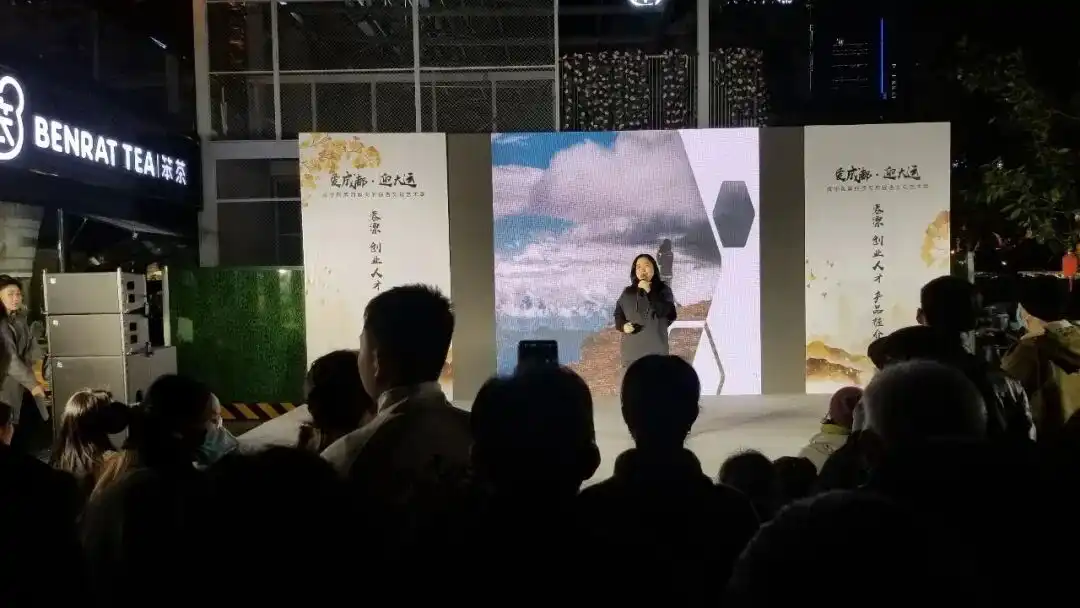
The Lyu mentioned in the report is an 80s-born female entrepreneur named Lyu Yongshuang (Fiona Lyu). The Chengdu Valarhash Technology Co., Ltd. she founded operates two mining pools: 1THash and Bytepool.

According to Caixin, Lyu Yongshuang was born in Ningbo in the 1980s. Before entering the cryptocurrency industry, her career path had no connection to finance or technology. She initially worked in international trade and later started a custom tour group business. She is an avid enthusiast of outdoor travel, diving, and sailing. In a 2020 interview, she mentioned that from 2008 to 2018, she spent more than half of each year traveling, covering destinations all over the world.

According to a previous report by TokenInsight, she first encountered Bitcoin in 2013 and immediately plunged into this emerging industry. At that time, China's cryptocurrency mining was still in its early stages, and miners needed to venture deep into the mountainous regions of Southwest China in search of cheap hydropower resources. Lyu recalled being among the earliest groups to "find electricity" in Sichuan. "The conditions were tough back then, but the electricity was cheap, the returns were high, and everyone was very excited."

In 2016, she began formally building her own mining farm. Between 2017 and 2018, she transitioned to mining machine distribution. In July 2019, she established Chengdu Valarhash Technology Co., Ltd., serving as CEO, integrating the business into a comprehensive platform encompassing mining pool operation, mining farm construction, mining machine hosting, and hashrate trading. In December of the same year, the company held a product launch event in Chengdu, officially introducing the 1THash and Bytepool mining pool brands and the 1TMine hashrate contract trading platform.

At its peak in the first half of 2020, 1THash ranked 7th globally among Bitcoin mining pools, and Bytepool ranked 11th. Together, the two pools controlled approximately 9% of the global Bitcoin hashrate. This was a staggering figure at the time, meaning that for every 100 Bitcoins generated globally, about 9 went to her pools.

A Sweeping Ban and a Turn of Fate

On May 21, 2021, the Financial Stability and Development Committee of the State Council held its 51st meeting, explicitly proposing to "crack down on Bitcoin mining and trading behavior."

In mid-June, the Sichuan Provincial Development and Reform Commission and the Sichuan Provincial Energy Bureau jointly issued a notice requiring power generation enterprises to conduct self-inspection and self-correction, immediately stopping electricity supply to virtual currency "mining" companies. For miners in Sichuan, this was the most devastating blow. Sichuan was the largest mining hub in China, with wet season hydropower prices as low as 0.2-0.3 RMB per kilowatt-hour, making it one of the cheapest power resources globally.

According to Caixin, Lyu Yongshuang later told friends that it was a period of "extreme anxiety." Her company had nine data centers distributed in China, the US, Canada, Russia, Sweden, and other locations, but the major domestic mining farms were the core source of hashrate. "Overnight, thousands of mining machines were forced to shut down, hundreds of shipping containers waited to be transported out, and money was burning every single day."
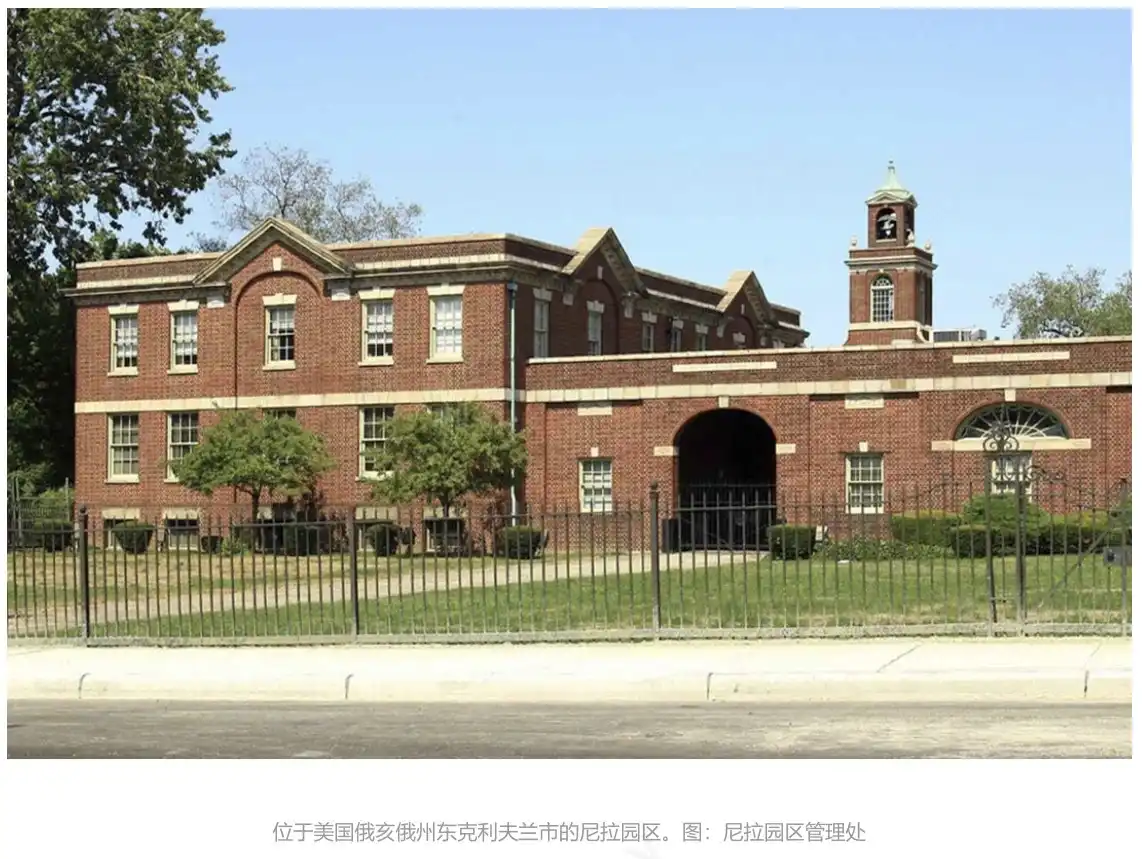
Image source: Caixin

She ultimately chose the United States as her first stop for venturing overseas. However, when she traveled across the ocean with hundreds of containers of mining machines to find a new foothold in Ohio, USA, what awaited her was an elaborately orchestrated scam.

According to Caixin, in July 2021, through an intermediary, she met Zubair Al Zubair, a man who claimed to be an "UAE royal son-in-law" and asserted control over Middle Eastern family funds and US local government resources. Zubair recommended an industrial property located in East Cleveland, Ohio, known as the Nela Park campus, claiming it could provide electricity at a low price of $0.04 per kilowatt-hour.

On August 11, 2021, inside the East Cleveland City Hall in Ohio, a seemingly formal signing ceremony took place. Witnessed by then-Mayor Brandon King and other municipal officials, Lyu Yongshuang signed her name on a cryptocurrency mining farm development contract, filled with hope. She paid $3 million to Zubair's company, "Dubai Bridge," and wired an initial $1 million from a Hong Kong account.
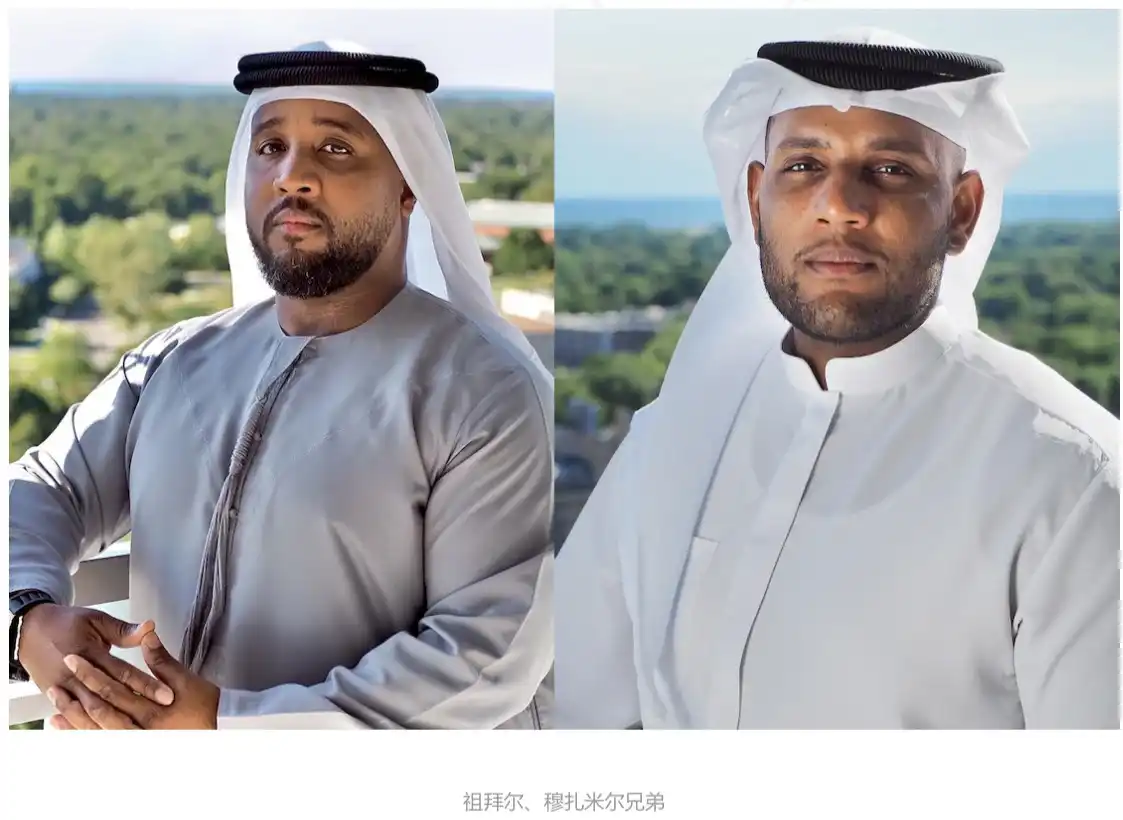
Image source: Caixin

However, this was just the beginning of an elaborately planned fraud. In reality, Zubair and his brother Muzamir were native-born Americans with no relation to any Middle Eastern royalty. The elder brother's claim of being a "son-in-law" was entirely fabricated; the younger brother's so-called "hedge fund manager" title was "self-taught" by watching YouTube videos and the TV series "Billions."

During their subsequent interactions, Zubair and Lyu Yongshuang established a "close personal relationship." In Lyu's view, this relationship was romantic in nature. Prosecutors later pointed out that such personal relationships were part of Zubair's fraud pattern, aimed at reducing the likelihood of victims questioning his claims.

The scam ultimately cost Lyu Yongshuang over $9.4 million (approximately 60 million RMB), including contract payments and later, 1,067 mining machines (sold for $6.17 million) that were defrauded by Zubair's brother and resold to Canada. That signing ceremony in the mayor's office was merely a false endorsement arranged by Zubair through bribing the mayor's chief of staff, Michael Smedley.

In May 2026, the US Department of Justice announced the sentences: Zubair was sentenced to 24 years in prison, Muzamir to 23 years, and Smedley to 8 years. Lyu Yongshuang appeared in the case under the code name "Victim 2."

Another Legal Battle Back Home

Around the same time Lyu Yongshuang was entangled in the US scam, she was also facing another legal dispute back in China, involving a lawsuit with Shanghai Jincai Network Technology Co., Ltd., a subsidiary of the A-share listed company ST Zhongchang (600242.SH).
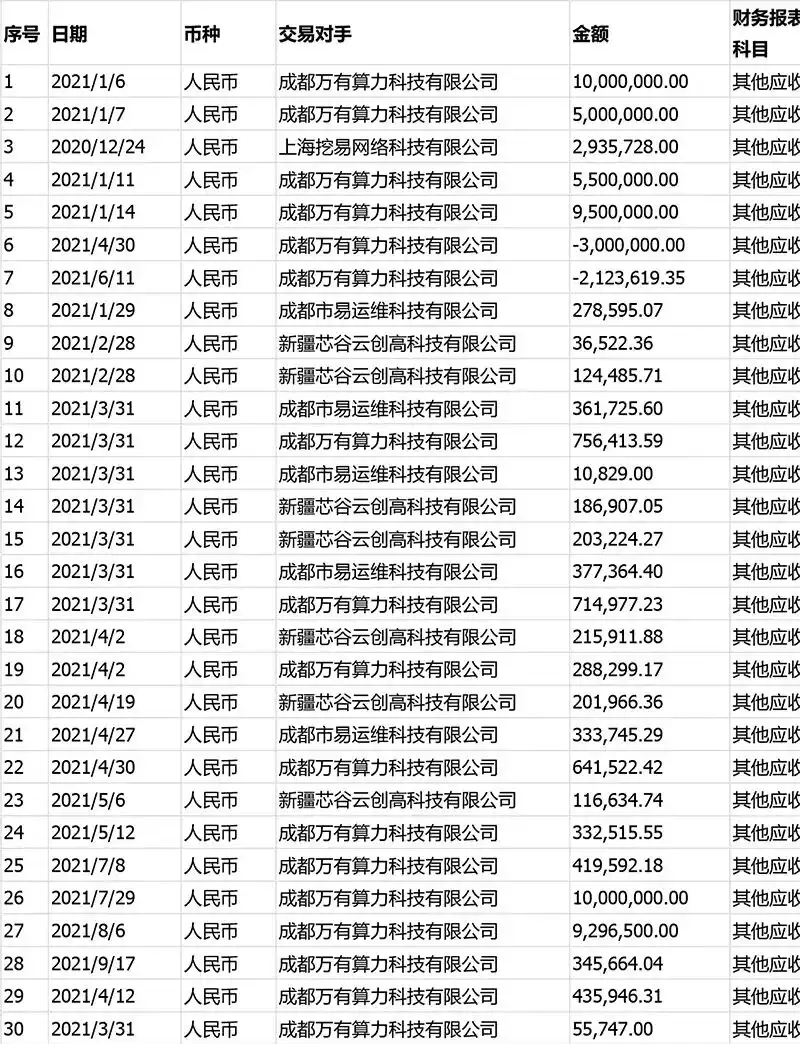
Image source: Shanghai Securities News

According to previous reports by Economic Observer and Jiemian News, the trigger for the incident was ST Zhongchang's then-chairman, Li Qunnan. Between January and September 2021, Li was suspected of misappropriating listed company funds to purchase Bitcoin mining machines and pay related hosting fees, totaling over 53.5472 million RMB. Among these, the company spent 30 million RMB purchasing servers (Bitcoin mining machines) from Chengdu Valarhash. These purchases were disclosed in the 2021 interim report as "company fixed assets used for actual operations," but audits found the related funds did not substantively form assets on the company's books.

Against this backdrop, ST Zhongchang's new management, seeking to recover losses, sued Chengdu Valarhash in the name of Shanghai Jincai in April 2022. They demanded the termination of the "Computing Power Service Contract" signed between the two parties on April 1, 2021, and the return of the contract price of 19.2965 million RMB.

In October 2022, the Chengdu High-Tech Industrial Development Zone People's Court issued a first-instance judgment: the contract was invalid because it involved Bitcoin "mining" activities, and Chengdu Valarhash was ordered to refund 19.2965 million RMB within ten days. The company appealed, but the second-instance ruling upheld the original judgment.

This lawsuit, from filing to final judgment, unfolded almost concurrently with Lyu Yongshuang's ordeal of being defrauded in the US. On one side, 9.4 million USD was lost overseas; on the other, nearly 20 million RMB in contract payments was ordered to be refunded domestically. Under this double blow, the "Crypto Mining Queen" who once controlled 9% of the global Bitcoin hashrate faced the darkest moment of her life.

Domande pertinenti

QWho is the subject of the article, and what was her former title and major business achievement in the cryptocurrency mining industry?

AThe subject of the article is Lu Yongshuang (Fiona Lyu). She was known as the "Mining Queen" and was the CEO of Chengdu Wanyou Hashrate Technology Co., Ltd. (Valarhash). At its peak, her mining pools, 1THash and Bytepool, jointly controlled about 9% of the global Bitcoin hashrate.

QWhat was the major regulatory change in China that significantly impacted Lu Yongshuang's business, and what was her subsequent business decision?

AIn May 2021, the Chinese government explicitly called for a crackdown on Bitcoin mining and trading. This was followed by a formal notice in Sichuan province ordering power companies to stop supplying electricity to crypto mining firms. This forced Lu Yongshuang's domestic mining operations to shut down. In response, she decided to relocate her mining operations overseas, with the United States as her first choice for expansion.

QDescribe the fraud scheme that Lu Yongshuang fell victim to in the United States. Who were the perpetrators and what was their method?

ALu Yongshuang was defrauded by two American brothers, Zubair Al Zubair and Muzamir. They fabricated identities: Zubair posed as a son-in-law of a Middle Eastern royal family with access to funds and government resources, while Muzamir impersonated a hedge fund manager. Through a bribed mayoral aide, they staged a fake contract signing ceremony for a crypto mining facility in Ohio. They swindled Lu out of over $9.4 million, including contract payments and proceeds from the subsequent sale of her mining machines.

QWhat was the outcome of the legal case against the fraudsters in the United States?

AIn May 2026, the U.S. Department of Justice announced the sentences for the perpetrators. Zubair Al Zubair was sentenced to 24 years in prison, his brother Muzamir received a 23-year sentence, and the corrupted mayoral aide, Michael Smedley, was sentenced to 8 years in prison.

QApart from the U.S. fraud case, what other major legal dispute was Lu Yongshuang involved in domestically in China, and what was the ruling?

ASimultaneously, in China, Lu's company, Chengdu Wanyou Hashrate, was sued by Shanghai Jincai Network Technology, a subsidiary of the listed company ST Zhongchang. The lawsuit sought to cancel a service contract and reclaim 19.3 million RMB paid for Bitcoin mining services. The court ruled that the contract was invalid because it involved Bitcoin "mining" activities, which were deemed illegal, and ordered Lu's company to return the 19.3 million RMB. This ruling was upheld on appeal.

Letture associate

Raising Interest Rates Is Not a Tech Killer, EPS Is: A Strategy for Discarding the Weak and Retaining the Strong After the AI Theme's Sharp Decline

**Summary: Rising Interest Rates Are Not the Killer of Tech; EPS Is: The "Keep the Strong, Ditch the Weak" Strategy After the AI Theme Plunge** The author argues that the sharp sell-off in tech and AI-related stocks, triggered by a strong US jobs report that heightened Fed rate hike fears, represents a "pullback to pick up passengers" rather than a "car crash." The true end of a tech bull market is not determined by an extra 25 basis point hike, but by industry overcapacity and the disproval of earnings per share (EPS) expectations. Historical analysis shows that during past rate hike cycles, the Nasdaq-100 often outperformed, provided EPS growth remained strong. The current phase is seen as a shift from a "broad narrative-driven rally" to a "focused verification stage" for AI. The investment strategy should be to "keep the strong, ditch the weak." * **Retain exposure** to high-conviction AI infrastructure leaders with clear order visibility, stable margins, strong cash flow, and upward EPS revisions (e.g., AI servers, advanced packaging, optical modules, key cloud suppliers). * **Reduce exposure** to high-beta, narrative-driven stocks with unclear profit paths (e.g., some quantum computing, space, or speculative chip stocks), especially on rebounds. Valuation concerns should focus on whether earnings can catch up to high multiples, not on high P/E alone. Crowded positioning signals a concentration into quality assets, not necessarily a market top. The upcoming Q2 earnings season will be a key validation point. The core principle is to hold stocks with proven EPS, while using macro events (CPI data, central bank meetings) to manage timing and risk.

marsbit31 min fa

Raising Interest Rates Is Not a Tech Killer, EPS Is: A Strategy for Discarding the Weak and Retaining the Strong After the AI Theme's Sharp Decline

marsbit31 min fa

The Largest IPO in History Ignites Heated Debate: Is SpaceX Worth $1.77 Trillion?

SpaceX's potential IPO is priced at $135 per share, aiming to raise $75 billion and valuing the company at approximately $1.77 trillion, which would make it the largest IPO in history. This valuation has sparked intense debate among investors. Bullish analysts, including major underwriters Goldman Sachs and Morgan Stanley, argue the valuation is justified by SpaceX's long-term potential. They see it not just as a rocket company but as a future leader in space infrastructure, with key growth drivers being Starlink satellite internet, low-cost rocket launches, and future AI-related ventures. They project revenues reaching hundreds of billions to trillions of dollars by 2030-2040. ARK Invest's model suggests a 2030 enterprise value could reach $2.5 trillion. Bearish analysts from independent research firms like Morningstar, PitchBook, and New Constructs contend the IPO price is excessively high, already pricing in unrealistic future growth. Using DCF and sum-of-the-parts models, they estimate fair value between $780 billion and $1.7 trillion, significantly below the IPO target. They highlight risks such as the speculative nature of AI projections, over-dependence on Elon Musk, high growth expectations, and corporate governance concerns. Trefis set a target price of just $79 per share. While both sides acknowledge SpaceX's unique position in commercial space, the core disagreement centers on whether the $135 share price offers a reasonable margin of safety or is overly optimistic. Despite the valuation controversy, reported strong demand for the IPO indicates significant market interest.

marsbit2 h fa

The Largest IPO in History Ignites Heated Debate: Is SpaceX Worth $1.77 Trillion?

marsbit2 h fa

After the Passage of the GENIUS Act and the CLARITY Act, What Is the Correct Architecture for On-Chain Yield?

The article discusses the evolution of on-chain credit, distinguishing three markets: overcollateralized crypto lending, unsecured lending (largely unsuccessful), and asset-backed credit (ABC). ABC, backed by identifiable real-world collateral with legal recourse, is identified as the fastest-growing category and the only one credibly addressing adverse selection—the core problem in credit where the riskiest borrowers self-select. Current growth in on-chain Real World Assets (RWAs), particularly tokenized private credit funds (e.g., Maple Finance, Centrifuge), is substantial but often merely "wraps" existing fund structures, inheriting their risks rather than solving adverse selection at the protocol level. The regulatory landscape is a key driver, with the US GENIUS Act (prohibiting stablecoin issuers from paying yield) and the proposed CLARITY Act (closing loopholes on indirect yield) set to redefine permissible yield-bearing products. This makes vaults (like ERC-4626) the critical architecture—they become the primary compliant vehicle for delivering yield, functioning as issuance, disclosure, distribution, and recovery mechanisms. The author's thesis is that the correct post-GENIUS/CLARITY architecture involves building ABC solutions where credit assessment, structure, and recovery are encoded directly into the smart contract vault layer, moving beyond mere tokenized fund wrappers to solve adverse selection fundamentally and ensure regulatory compliance.

Foresight News2 h fa

After the Passage of the GENIUS Act and the CLARITY Act, What Is the Correct Architecture for On-Chain Yield?

Foresight News2 h fa

Trading

Spot
Futures

Articoli Popolari

Cosa è BITCOIN

Comprendere HarryPotterObamaSonic10Inu (ERC-20) e la sua posizione nel mondo delle criptovalute Negli ultimi anni, il mercato delle criptovalute ha assistito a un aumento della popolarità delle meme coin, catturando l'interesse non solo dei trader, ma anche di coloro che cercano coinvolgimento comunitario e valore di intrattenimento. Tra questi token unici c'è HarryPotterObamaSonic10Inu (ERC-20), un progetto intrigante che mescola riferimenti culturali nel tessuto delle criptovalute. Questo articolo esplora gli aspetti chiave di HarryPotterObamaSonic10Inu, analizzando i suoi meccanismi, l'etica guidata dalla comunità e il suo coinvolgimento con il panorama crittografico più ampio. Che cos'è HarryPotterObamaSonic10Inu (ERC-20)? Come suggerisce il suo nome, HarryPotterObamaSonic10Inu è una meme coin costruita sulla blockchain di Ethereum, classificata secondo lo standard ERC-20. A differenza delle criptovalute tradizionali che possono enfatizzare l'utilità pratica o il potenziale investimento, questo token prospera grazie al valore di intrattenimento e alla forza della sua comunità. Il progetto mira a creare un ambiente in cui gli utenti coinvolti possono riunirsi, condividere idee e partecipare ad attività ispirate a diversi fenomeni culturali. Una caratteristica notevole di HarryPotterObamaSonic10Inu è la zero tassa sulle transazioni. Questo elemento allettante tende a incoraggiare il trading e il coinvolgimento della comunità, privo di costi aggiuntivi che possono scoraggiare i trader di piccole dimensioni. L'offerta totale della moneta è fissata a un miliardo di token, un numero che segna la sua intenzione di mantenere una circolazione sostanziale all'interno della comunità. Creatore di HarryPotterObamaSonic10Inu (ERC-20) Le origini di HarryPotterObamaSonic10Inu sono avvolte in un certo mistero; i dettagli sul creatore rimangono sconosciuti. Lo sviluppo di questo token non presenta un team identificabile o un piano esplicito, cosa non rara nel settore delle meme coin. Invece, il progetto è emerso organicamente, con il suo progresso fortemente dipendente dall'entusiasmo e dalla partecipazione della sua comunità. Investitori di HarryPotterObamaSonic10Inu (ERC-20) Per quanto riguarda investimenti esterni e finanziamenti, HarryPotterObamaSonic10Inu rimane ambiguo. Il token non elenca alcuna fondazione di investimento conosciuta o un sostegno organizzativo significativo. Invece, la linfa vitale del progetto è la sua comunità di base, che informa la sua crescita e sostenibilità attraverso azioni collettive e coinvolgimento nello spazio crittografico. Come funziona HarryPotterObamaSonic10Inu (ERC-20)? In quanto meme coin, HarryPotterObamaSonic10Inu opera principalmente al di fuori delle strutture tradizionali che governano spesso il valore degli asset. Ci sono diversi aspetti distintivi che definiscono il funzionamento del progetto: Transazioni senza tasse: Senza costi fiscali sulle transazioni, gli utenti possono comprare e vendere liberamente il token senza preoccuparsi di costi nascosti. Coinvolgimento della comunità: Il progetto prospera sull'interazione della comunità, sfruttando le piattaforme social per creare entusiasmo e facilitare il coinvolgimento. Discussioni, condivisione di contenuti e coinvolgimento sono elementi cruciali che aiutano ad espandere la sua portata e a favorire la lealtà tra i sostenitori. Nessuna utilità pratica: Va notato che HarryPotterObamaSonic10Inu non offre un'utilità concreta all'interno dell'ecosistema finanziario. Piuttosto, è classificato come un token principalmente per attività di intrattenimento e comunitarie. Riferimento culturale: Il token incorpora astutamente elementi della cultura pop per attirare interesse, collegandosi a appassionati di meme e seguaci delle criptovalute. HarryPotterObamaSonic10Inu esemplifica come le meme coin operino in modo diverso rispetto ai progetti di criptovalute più tradizionali, entrando nel mercato come costrutti sociali innovativi piuttosto che come asset utilitari. Cronologia di HarryPotterObamaSonic10Inu (ERC-20) La storia di HarryPotterObamaSonic10Inu è segnata da diversi traguardi notevoli: Creazione: Il token è emerso da un meme virale, catturando l'immaginazione di molti appassionati di criptovalute. Le date di creazione specifiche non sono disponibili, sottolineando la sua crescita organica. Inserimento negli scambi: HarryPotterObamaSonic10Inu ha fatto il suo ingresso in vari scambi, consentendo un accesso e un trading più facili da parte della comunità. Iniziative di coinvolgimento della comunità: Attività in corso volte a migliorare l'interazione della comunità, comprese gare, campagne sui social media e generazione di contenuti da parte di fan e sostenitori. Piani di espansione futura: La tabella di marcia del progetto include il lancio di una collezione NFT, merchandising e un sito di eCommerce relativo ai suoi temi culturali, coinvolgendo ulteriormente la comunità e cercando di aggiungere più dimensioni al suo ecosistema. Punti chiave su HarryPotterObamaSonic10Inu (ERC-20) Natura guidata dalla comunità: Il progetto dà priorità al contributo collettivo e alla creatività, garantendo che il coinvolgimento degli utenti sia al centro del suo sviluppo. Classificazione come meme coin: Rappresenta l'epitome delle criptovalute basate sull'intrattenimento, distinguendosi dai veicoli d'investimento tradizionali. Nessuna affiliazione diretta con Bitcoin: Nonostante la somiglianza nel nome del ticker, HarryPotterObamaSonic10Inu è distintivo e non ha alcuna relazione con Bitcoin o altre criptovalute consolidate. Focus sulla collaborazione: HarryPotterObamaSonic10Inu è progettato per creare uno spazio per la collaborazione e la condivisione di storie tra i suoi detentori, fornendo un canale per la creatività e il legame comunitario. Prospettive future: L'ambizione di espandersi oltre il suo presupposto iniziale verso NFT e merchandising delinea un percorso per il progetto per potenzialmente entrare in strade più mainstream all'interno della cultura digitale. Poiché le meme coin continuano a catturare l'immaginazione della comunità crittografica, HarryPotterObamaSonic10Inu (ERC-20) si distingue per i suoi legami culturali e il suo approccio centrato sulla comunità. Anche se potrebbe non adattarsi al modello tipico di un token orientato all'utilità, la sua essenza risiede nella gioia e nella camaraderia coltivate tra i suoi sostenitori, evidenziando la natura in evoluzione delle criptovalute in un'epoca sempre più digitale. Con la continuazione dello sviluppo del progetto, sarà importante osservare come le dinamiche della comunità influenzano la sua traiettoria nel panorama in continuo cambiamento della tecnologia blockchain.

1.7k Totale visualizzazioniPubblicato il 2024.04.01Aggiornato il 2024.12.03

Cosa è BITCOIN

Come comprare BTC

Benvenuto in HTX.com! Abbiamo reso l'acquisto di Bitcoin (BTC) semplice e conveniente. Segui la nostra guida passo passo per intraprendere il tuo viaggio nel mondo delle criptovalute.Step 1: Crea il tuo Account HTXUsa la tua email o numero di telefono per registrarti il tuo account gratuito su HTX. Vivi un'esperienza facile e sblocca tutte le funzionalità,Crea il mio accountStep 2: Vai in Acquista crypto e seleziona il tuo metodo di pagamentoCarta di credito/debito: utilizza la tua Visa o Mastercard per acquistare immediatamente BitcoinBTC.Bilancio: Usa i fondi dal bilancio del tuo account HTX per fare trading senza problemi.Terze parti: abbiamo aggiunto metodi di pagamento molto utilizzati come Google Pay e Apple Pay per maggiore comodità.P2P: Fai trading direttamente con altri utenti HTX.Over-the-Counter (OTC): Offriamo servizi su misura e tassi di cambio competitivi per i trader.Step 3: Conserva Bitcoin (BTC)Dopo aver acquistato Bitcoin (BTC), conserva nel tuo account HTX. In alternativa, puoi inviare tramite trasferimento blockchain o scambiare per altre criptovalute.Step 4: Scambia Bitcoin (BTC)Scambia facilmente Bitcoin (BTC) nel mercato spot di HTX. Accedi al tuo account, seleziona la tua coppia di trading, esegui le tue operazioni e monitora in tempo reale. Offriamo un'esperienza user-friendly sia per chi ha appena iniziato che per i trader più esperti.

4.0k Totale visualizzazioniPubblicato il 2024.12.12Aggiornato il 2026.06.02

Come comprare BTC

Cosa è $BITCOIN

ORO DIGITALE ($BITCOIN): Un'Analisi Completa Introduzione all'ORO DIGITALE ($BITCOIN) L'ORO DIGITALE ($BITCOIN) è un progetto basato su blockchain che opera sulla rete Solana, con l'obiettivo di combinare le caratteristiche dei metalli preziosi tradizionali con l'innovazione delle tecnologie decentralizzate. Sebbene condivida un nome con Bitcoin, spesso definito “oro digitale” a causa della sua percezione come riserva di valore, l'ORO DIGITALE è un token separato progettato per creare un ecosistema unico all'interno del panorama Web3. Il suo obiettivo è posizionarsi come un asset digitale alternativo valido, anche se i dettagli riguardanti le sue applicazioni e funzionalità sono ancora in fase di sviluppo. Cos'è l'ORO DIGITALE ($BITCOIN)? L'ORO DIGITALE ($BITCOIN) è un token di criptovaluta esplicitamente progettato per l'uso sulla blockchain di Solana. A differenza di Bitcoin, che fornisce un ruolo di stoccaggio di valore ampiamente riconosciuto, questo token sembra concentrarsi su applicazioni e caratteristiche più ampie. Aspetti notevoli includono: Infrastruttura Blockchain: Il token è costruito sulla blockchain di Solana, nota per la sua capacità di gestire transazioni ad alta velocità e a basso costo. Dinamiche di Offerta: L'ORO DIGITALE ha un'offerta massima fissata a 100 quadrilioni di token (100P $BITCOIN), sebbene i dettagli riguardanti la sua offerta circolante siano attualmente non divulgati. Utilità: Sebbene le funzionalità precise non siano esplicitamente delineate, ci sono indicazioni che il token potrebbe essere utilizzato per varie applicazioni, potenzialmente coinvolgendo applicazioni decentralizzate (dApp) o strategie di tokenizzazione degli asset. Chi è il Creatore dell'ORO DIGITALE ($BITCOIN)? Attualmente, l'identità dei creatori e del team di sviluppo dietro l'ORO DIGITALE ($BITCOIN) rimane sconosciuta. Questa situazione è tipica tra molti progetti innovativi nel settore blockchain, in particolare quelli allineati con la finanza decentralizzata e i fenomeni delle meme coin. Sebbene tale anonimato possa favorire una cultura guidata dalla comunità, intensifica le preoccupazioni riguardo alla governance e alla responsabilità. Chi sono gli Investitori dell'ORO DIGITALE ($BITCOIN)? Le informazioni disponibili indicano che l'ORO DIGITALE ($BITCOIN) non ha alcun sostenitore istituzionale noto o investimenti di venture capital prominenti. Il progetto sembra operare su un modello peer-to-peer incentrato sul supporto e sull'adozione della comunità piuttosto che su percorsi di finanziamento tradizionali. La sua attività e liquidità si trovano principalmente su exchange decentralizzati (DEX), come PumpSwap, piuttosto che su piattaforme di trading centralizzate consolidate, evidenziando ulteriormente il suo approccio di base. Come Funziona l'ORO DIGITALE ($BITCOIN) Le meccaniche operative dell'ORO DIGITALE ($BITCOIN) possono essere elaborate in base al suo design blockchain e alle caratteristiche della rete: Meccanismo di Consenso: Sfruttando il proof-of-history (PoH) unico di Solana combinato con un modello di proof-of-stake (PoS), il progetto garantisce una validazione efficiente delle transazioni contribuendo all'alta performance della rete. Tokenomics: Sebbene meccanismi deflazionistici specifici non siano stati dettagliati ampiamente, l'ampia offerta massima di token implica che potrebbe soddisfare microtransazioni o casi d'uso di nicchia che devono ancora essere definiti. Interoperabilità: Esiste il potenziale per l'integrazione con l'ecosistema più ampio di Solana, inclusi vari piattaforme di finanza decentralizzata (DeFi). Tuttavia, i dettagli riguardanti integrazioni specifiche rimangono non specificati. Cronologia degli Eventi Chiave Ecco una cronologia che evidenzia traguardi significativi riguardanti l'ORO DIGITALE ($BITCOIN): 2023: Il dispiegamento iniziale del token avviene sulla blockchain di Solana, contrassegnato dal suo indirizzo di contratto. 2024: L'ORO DIGITALE guadagna visibilità poiché diventa disponibile per il trading su exchange decentralizzati come PumpSwap, consentendo agli utenti di scambiarlo contro SOL. 2025: Il progetto assiste a un'attività di trading sporadica e a un potenziale interesse per impegni guidati dalla comunità, sebbene non siano state documentate partnership significative o avanzamenti tecnici fino ad ora. Analisi Critica Punti di Forza Scalabilità: L'infrastruttura sottostante di Solana supporta alti volumi di transazioni, il che potrebbe migliorare l'utilità di $BITCOIN in vari scenari di transazione. Accessibilità: Il potenziale basso prezzo di trading per token potrebbe attrarre investitori al dettaglio, facilitando una partecipazione più ampia grazie a opportunità di proprietà frazionata. Rischi Mancanza di Trasparenza: L'assenza di sostenitori, sviluppatori o di un processo di audit pubblicamente noti potrebbe generare scetticismo riguardo alla sostenibilità e all'affidabilità del progetto. Volatilità del Mercato: L'attività di trading è fortemente dipendente dal comportamento speculativo, il che può comportare una significativa volatilità dei prezzi e incertezze per gli investitori. Conclusione L'ORO DIGITALE ($BITCOIN) emerge come un progetto intrigante ma ambiguo all'interno dell'evolvente ecosistema di Solana. Sebbene tenti di sfruttare la narrativa dell'“oro digitale”, la sua partenza dal ruolo consolidato di Bitcoin come riserva di valore sottolinea la necessità di una chiara differenziazione della sua utilità e struttura di governance. L'accettazione e l'adozione future dipenderanno probabilmente dall'affrontare l'attuale opacità e dalla definizione più esplicita delle sue strategie operative ed economiche. Nota: Questo rapporto comprende informazioni sintetizzate disponibili a ottobre 2023, e potrebbero essersi verificati sviluppi oltre il periodo di ricerca.

99 Totale visualizzazioniPubblicato il 2025.05.13Aggiornato il 2025.05.13

Cosa è $BITCOIN

Discussioni

Benvenuto nella Community HTX. Qui puoi rimanere informato sugli ultimi sviluppi della piattaforma e accedere ad approfondimenti esperti sul mercato. Le opinioni degli utenti sul prezzo di BTC BTC sono presentate come di seguito.

活动图片