元宇宙将改变内容创作的范式

Meta之光Pubblicato 2022-03-24Pubblicato ultima volta 2022-03-24

Introduzione

元宇宙是商业的新前沿,创造者通过向粉丝展示产品和服务将是最先受益的人。

元宇宙是商业的新前沿,创造者通过向粉丝展示产品和服务将是最先受益的人。

内容构成了互联网的本质,并以当前Web2互联网迭代所支持的多种不同形式出现——文本、音频、视频或三者的混合。

然而,内容并不是免费的资源。

内容创作者现在正在成为意见领袖、影响者以及许多关键服务企业(如广告、市场营销和公共关系管理)所依赖的基石。

对内容的需求及其对独立性的追求,体现在数以千计的博主和独立完成者身上,从而催生了一个巨大的才华交易在线经济,而且往往会赚取许多顶级艺术家垂涎的销售额。

这种经济被称为创造者经济:一种金融框架,允许独立个体通过自我表达向观众提供他们愿意付费消费的内容类型来赚钱。

上升的力量

创作者经济是一股巨大的力量:一种独特的网络现象,在2021年底超过了1040亿美元的市场规模门槛。

鉴于TikTok等流行平台对新内容的需求滚雪球式增长,将赋能独立艺术家和完成者,专家们对创造者经济在可见未来的潜在市场规模预测犹豫不决。
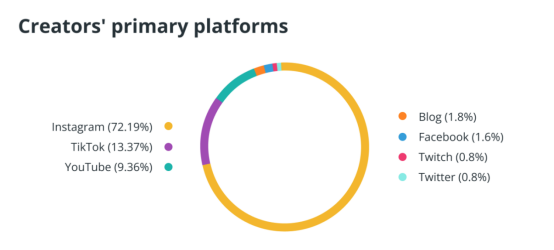
创作者的主要平台

缺乏切实预测的原因是,创造者经济是一种极其年轻的现象,始于COVID-19大流行。

是封锁期间在被封锁室内的人们中引发的一股才华浪潮,从而释放了创造力,而其他被禁闭的人则急需渴望娱乐消费。

考虑到微型企业家创造者与影响者营销密切相关,其市场规模约为138亿美元,因此可以理解该现象的进一步扩展可能产生的前景。

更重要的是,专家们认为,向新技术媒体的过渡将使内容创作者能够以新的产品和服务推广机会来征服市场和行业。

人才分散化

超过5000万创作者正在推动他们自己的人才经济,吸引了超过8亿美元的风险投资。

随着新场所的迅速涌现,这些数字在以后可能只会变成影子。

区块链技术的发展导致了金融市场的一场全面革命,赋予了个人而非机构权力,并将数据和资金的所有权转移给了持有者。

区块链的特点——不变性、完全透明和操作的去信任性,已经渗透到许多行业,破坏了业务定位从中心化企业依赖到去中心化的平衡。

在智能合约的推动下,管理参与者之间交易关系的基本概念的转变,在创造者经济中并没有被忽视。

随着去中心化金融和GameFi领域在各自行业的整合,并减少了大量用户对银行业务和游戏的传统使用方式。

影响者和内容创建者决定在其运营环境中改变范式只是时间问题。

随着区块链技术的加入,内容创作的模式已经永远改变,允许用户激励内容创作者,而创作者实际上可以通过他们的才华获利,而无需与中心化的、通常不公平的托管平台分享收益。

进入元宇宙

元宇宙的发展——由区块链驱动的关于Web3和虚拟现实的全数字环境,这将预示着内容创作的新时代。

人才从来没有接触过如此先进的工具,来修饰勇敢的想法迎来现实和数字世界。
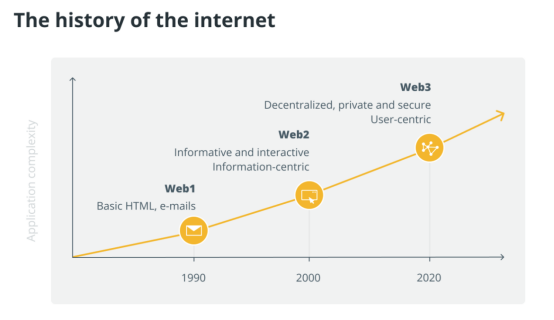
元宇宙允许创作者以惊人的图形细节把任何事物可视化,从在太空中背景下的歌剧音乐会到荒岛上的博客流。

为了所有相关方的利益,任何可以理解的创造力都可以在元宇宙中实施。

通过依赖元宇宙和虚拟现实结合的无限机会,内容创作者将能够释放他们的创造力并让它疯狂地漫游。

对于渴望更多种类的内容消费,更重要的是,新体验的热切观众来说,这种看不见的内容质量承诺只能被描述为金银花。

元宇宙的区块链基础为内容创建者提供了更多好处,因为它允许创作者使用各种机制,通过内部加密货币的通用性将其内容货币化。

用户可以将他们的数字资产抵押给特定的创作者,鼓励他们发布更多特定类型的内容。其他人可以付费访问特殊内容,而另一部分人可以简单地通过捐款奖励他们最喜欢的创作者。

盈利渠道有很多,内容创造者总是可以确保他们的才华会得到回报,而没有一个托管平台可以剥夺他们的收益。
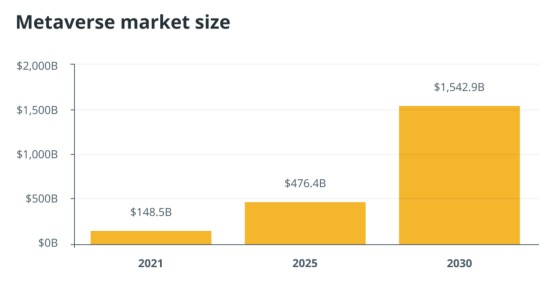
元宇宙市场规模

就内容创作者经济渗透到元宇宙而言,企业的前景更为有利可图。

一般来说,营销、广告和推广将获得新的进展,内容可以以无数种方式进行定制,并无缝集成到特定创作者的渠道中。

元宇宙为企业提供了一个全新的部署和受众范围,创造者是起飞坡道,可以在他们的追随者面前有偿展示产品和服务。

数字后见之明

元宇宙是我们今天所知道的互联网的下一个迭代:一个完全以用户为中心的环境,旨在将创造力提升到一个新的水平。

然而,受众者将不是内容创作者的唯一收入来源,因为企业渴望利用这一利润丰厚的利基市场,并利用虚拟现实内容中原生、有机和高度通用的广告集成所提供的可能性。

Letture associate

Crypto.com, Backed by Citadel Securities, Transfers XYO and XL1 into Regulated Custody

Crypto.com, with backing from Citadel Securities, has placed XYO and XL1 tokens into regulated custody. This move provides eligible institutions and high-net-worth clients with a regulated mechanism for storing, managing, and exchanging these tokens without first having to transfer assets onto an exchange. The custody structure utilizes segregated MPC wallets managed by a bankruptcy-remote entity, with private keys secured via multi-party computation. Clients benefit from cold storage, audit trails, and direct access to Crypto.com's institutional liquidity while their assets are custodied, removing the operational step of pre-trade transfers. Company leadership positioned this as a strategic step to provide "unmatched security and seamless liquidity" for digital asset organizations, and to protect and scale the XYO ecosystem. The partnership builds on an existing relationship since XYO's initial listing on the exchange. This development follows Citadel Securities' $400 million investment in Crypto.com and comes as the company expands its regulatory standing, having received conditional approval to establish a national trust bank. For institutional investors, this custody agreement addresses a key barrier by demonstrating that smaller market-cap assets like XYO and XL1 can be held under the same regulatory and security standards as larger tokens. XYO operates a large DePIN network generating real-world data for AI and robotics, with XL1 handling its blockchain transactions and infrastructure.

cryptonews.ru1 h fa

Crypto.com, Backed by Citadel Securities, Transfers XYO and XL1 into Regulated Custody

cryptonews.ru1 h fa

Less Than Two Weeks Left — Bitcoin's BIP-110 Countdown Begins as Miner Support Grows Ahead of Decisive Moment

The BIP-110 activation process for Bitcoin, which proposes a temporary soft fork to limit specific data-heavy transaction types (like Ordinals inscriptions), is entering its critical final phase. As of July 27, 2026, there are roughly 1,790 blocks remaining until the mandatory signaling window begins at block 961,632 (estimated for August 9). Starting then, nodes enforcing BIP-110 will reject blocks not signaling for the proposal. While support from miners has grown from below 1% to around 3% recently, it remains concentrated among smaller pools and independent miners, with major pools like Foundry, Antpool, ViaBTC, and F2Pool largely not signaling. Foundry's stance is particularly decisive, as it holds a large share of the network's hashrate and has tied its signaling to a client vote. Without a major pool's shift, widespread activation is unlikely. If the current low signaling levels persist after the window opens, nodes enforcing BIP-110 will follow a slower, minority chain, potentially creating a chain split from the majority chain followed by legacy (e.g., Bitcoin Core) nodes. This activation mechanism differs from past soft forks like SegWit, resembling the 2017 UASF BIP-148 more closely. Proponents argue BIP-110 is necessary to curb spam-like data transactions that increase node costs and distort fee markets, framing opposition as a contentious hard fork. Critics, however, view the activation method as a radical overreaction to a minor issue. The final outcome in the coming two weeks hinges on whether a major pool switches support, if major exchanges clarify their chain preference, and how miners actually behave once the mandatory window is open.

cryptonews.ru1 h fa

Less Than Two Weeks Left — Bitcoin's BIP-110 Countdown Begins as Miner Support Grows Ahead of Decisive Moment

cryptonews.ru1 h fa

Trading

Spot
活动图片