Từ Watermark ẩn của Claude nhìn lại về ẩn thông tin trong thời đại GenAI: Làm thế nào để đảm bảo watermark nhúng vào không tổn hao?

marsbitPubblicato 2026-08-17Pubblicato ultima volta 2026-08-17

Introduzione

Ngày 11/8/2026, Anthropic thông báo các mô hình Claude mới sẽ nhúng trực tiếp "watermark" tàng hình, máy có thể đọc được vào văn bản tạo ra, cho phép nhận dạng và truy xuất nguồn gốc nội dung AI. Động thái này phản ánh xu hướng toàn cầu hướng tới việc đánh dấu nội dung do AI tạo ra. Tuy nhiên, mối quan tâm lớn là việc chèn watermark có thể làm giảm chất lượng đầu ra của mô hình hay không. "Tính bảo toàn hiệu năng có thể chứng minh được" đã trở thành mục tiêu cốt lõi trong nghiên cứu ẩn thông tin thời đại GenAI. Lĩnh vực này bắt nguồn từ lý thuyết "steganography an toàn có thể chứng minh", vốn đòi hỏi dữ liệu chứa thông tin ẩn phải không thể phân biệt được với dữ liệu thông thường về mặt phân phối. Sự xuất hiện của các mô hình sinh (generative models) từ năm 2018 đã cung cấp bộ lấy mẫu phân phối rõ ràng, mở đường cho sự phát triển của các thuật toán ẩn thông tin an toàn có thể chứng minh dựa trên sinh. Nghiên cứu đã phát triển từ hệ thống khóa đối xứng, phụ thuộc vào mô hình "hộp trắng", sang các cơ chế khóa công khai, trích xuất "không cần hộp" (không cần truy cập mô hình gốc) và "hộp xám" (sử dụng mô hình nhỏ để giải mã). Các phương pháp mới cũng giải quyết được vấn đề nhập nhằng trong tách từ (tokenization). Từ lý thuyết ẩn thông tin, nguyên lý "an toàn có thể chứng minh" được áp dụng cho watermarking, đảm bảo rằng việc nhúng watermark không làm thay đổi phân phối lấy mẫu của mô hình, từ đó chứng minh được rằng nó không ảnh hưởng đến chất lượng nội sinh thành. Các hệ thố...

Ngày 11 tháng 8 năm 2026, Anthropic tuyên bố: Kể từ phiên bản Claude mới phát hành từ ngày 2 tháng 8, sẽ nhúng trực tiếp vào văn bản được tạo ra một loại watermark ẩn mà mắt người không thể nhìn thấy, máy có thể đọc được, giúp cho nội dung do AI tạo ra vẫn có thể được phần mềm nhận diện và truy xuất nguồn gốc sau khi bị sao chép, lan truyền.

Tài liệu chính thức viết: "Khi các mô hình Claude được hỗ trợ tạo ra văn bản, nó sẽ nhúng trực tiếp một loại watermark khó phát hiện vào văn bản đó. Bạn sẽ không nhìn thấy nó, và nó không làm thay đổi ngữ nghĩa, chất lượng câu trả lời của Claude, cũng không ảnh hưởng đến khả năng đọc của nó."

Cơ chế này bao phủ toàn bộ sản phẩm từ giao diện web Claude, API đến Claude Code, có hiệu lực với người dùng toàn cầu và không thể tắt; các tệp hình ảnh, v.v. được tạo ra còn sẽ đi kèm siêu dữ liệu truy xuất nguồn gốc có chữ ký số tuân thủ tiêu chuẩn C2PA.

Đây là bước đi mang tính biểu tượng của Anthropic sau khi ký kết Điều 50 - Quy tắc ứng xử về minh bạch trong "Đạo luật AI" của Liên minh Châu Âu.

Việc "đóng dấu watermark" lên nội dung do AI tạo ra, đang từ sáng kiến doanh nghiệp tiến tới sự đồng thuận toàn cầu. Tháng 6/2025, Diễn đàn Kinh tế Thế giới tại Diễn đàn Mùa hè Davos ở Thiên Tân đã công bố "Top 10 công nghệ mới nổi năm 2025", trong đó "Watermark dành cho nội dung sinh thành" (Generative watermarking) xếp thứ hai; nhà tương lai học Kevin Kelly trong cuốn "2049: Những khả năng trong 10.000 ngày tới" đã dự đoán, thời đại trí tuệ nhân tạo cần "định nghĩa lại sự thật", cần "thêm những dấu hiệu phân biệt thật giả giống như watermark lên hình ảnh và video do AI tạo ra".
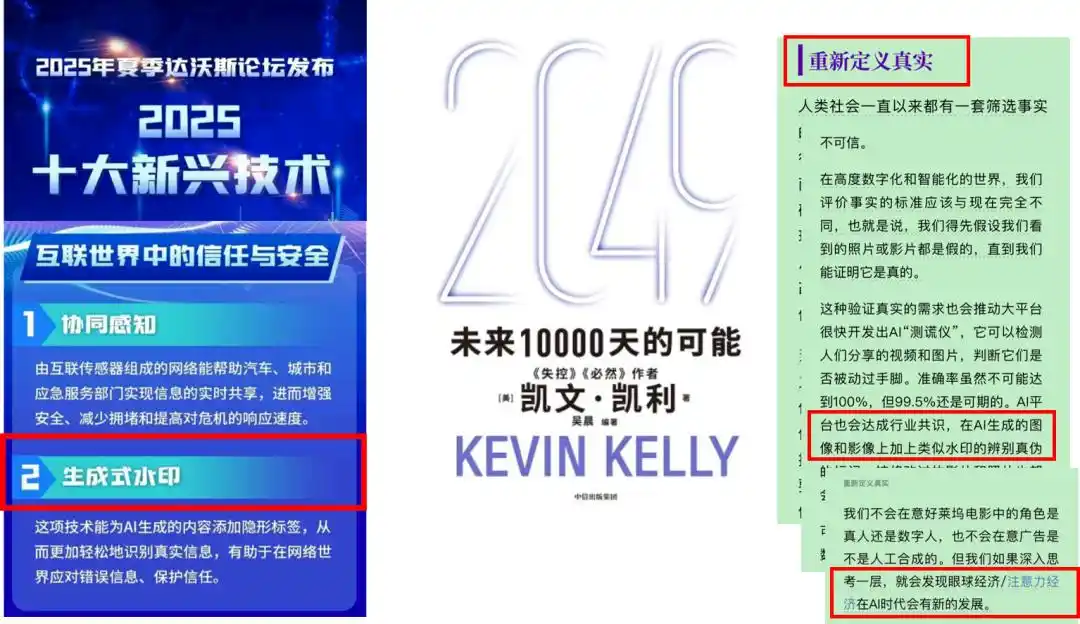
Hình 1 Diễn đàn Davos Mùa hè và dự đoán của Kevin Kelly

Nhưng để "làm đúng" watermark không hề dễ dàng.

Ngay trong ngày Anthropic công bố, nghi vấn tập trung nhất từ người dùng chính là: Đóng dấu watermark, liệu có làm tổn hại mô hình không? Liệu có làm giảm chất lượng sinh thành?

"Hiệu năng không tổn hao có thể chứng minh được" (Provably performance-lossless), từ đó trở thành mệnh đề trọng tâm trong nghiên cứu ẩn thông tin thời đại GenAI. Để hiểu mệnh đề này, cần quay lại nguồn gốc lý thuyết của nó – Ẩn viết an toàn có thể chứng minh (Provably secure steganography).

Ẩn viết an toàn có thể chứng minh, chờ đợi mô hình sinh thành hai mươi năm

Ẩn viết (Steganography) và watermark cùng thuộc về ẩn thông tin. Ẩn viết truyền thống trong nhiều năm vẫn dừng lại ở "an toàn kinh nghiệm" (empirical security): dùng thuật toán phát hiện ẩn viết để kiểm tra độ an toàn của ẩn viết, nhưng không thể đưa ra đảm bảo toán học. Ẩn viết an toàn có thể chứng minh thì yêu cầu chứng minh chặt chẽ: dữ liệu chứa thông tin mật và dữ liệu bình thường là không thể phân biệt được về mặt phân phối.

Lộ trình lý thuyết này đã có từ lâu.

Năm 1949, Shannon chỉ ra khó khăn trong việc xây dựng lý thuyết thông tin liên lạc bí mật; năm 1998, Cachin đưa vào entropy tương đối, đưa ra định nghĩa an toàn theo nghĩa lý thuyết thông tin; năm 2002, người đoạt giải Turing Manuel Blum hướng dẫn Hopper và những người khác xây dựng khung ẩn viết an toàn tính toán (computational secure steganography), năm 2004 lại phát triển thêm ẩn viết khóa công khai (public-key steganography) và thỏa thuận khóa bí mật (covert key agreement).

Tuy nhiên, tất cả các cấu trúc ẩn viết an toàn có thể chứng minh đều phụ thuộc vào một tiền đề khắt khe – phân phối của vật mang (carrier distribution) có thể lấy mẫu chính xác. Phân phối dữ liệu tự nhiên không kiểm soát được, lý thuyết do đó trầm lắng nhiều năm.
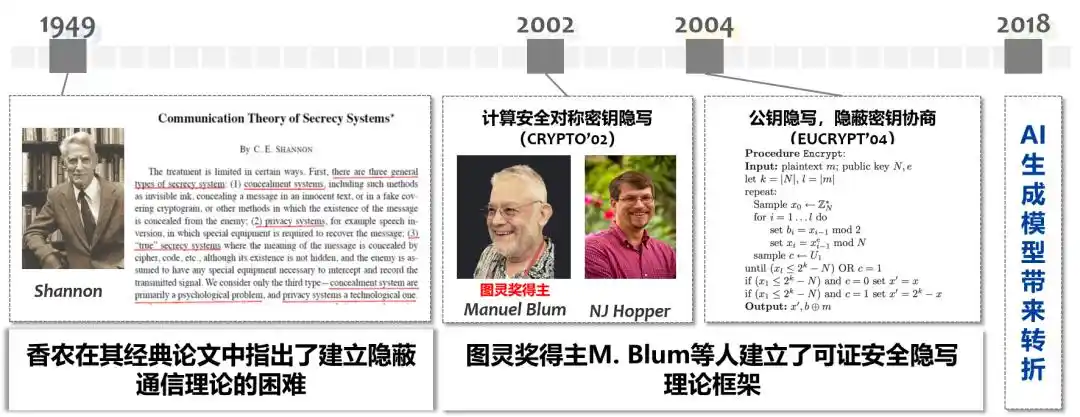
Hình 2 Lược trình phát triển của ẩn viết an toàn có thể chứng minh

Năm 2018, mô hình sinh thành AI mang đến bước ngoặt: mô hình trước tiên học được phân phối dữ liệu tự nhiên, sau đó lấy mẫu theo phân phối đó, tự nhiên cung cấp "phân phối tường minh hoặc bộ lấy mẫu hoàn hảo".

Đội ngũ Đại học Khoa học và Công nghệ Trung Quốc (USTC) sớm nhất trên thế giới đề xuất ý tưởng ẩn viết an toàn có thể chứng minh kiểu sinh thành, đưa ra hai khung "lấy mẫu hộp đen" (black-box sampling) và "nén - lấy mẫu khả nghịch" (compress-reversible sampling) (IWDW 2018, arXiv 2018), quy ước hóa an toàn ẩn viết về an toàn thuật toán mã hóa – mã hóa thông điệp thành bản mã giả ngẫu nhiên, dùng bản mã điều khiển lấy mẫu sinh thành nội dung, phía nhận thông qua lấy mẫu nghịch đảo để khôi phục bản mã.

Khi đó AI sinh thành chưa bùng nổ, ý tưởng này có vẻ "siêu việt", từng khó được giới học thuật công nhận. Khi chất lượng của các mô hình sinh thành như giọng nói, v.v. nhanh chóng được nâng cao, các thành quả liên quan dần được thừa nhận, Hội thảo quốc tế về Watermark và Điều tra kỹ thuật số (IWDW) đã mời đội ngũ USTC báo cáo chủ đề chính với tiêu đề "When Provably Secure Steganography Meets Generative Models".
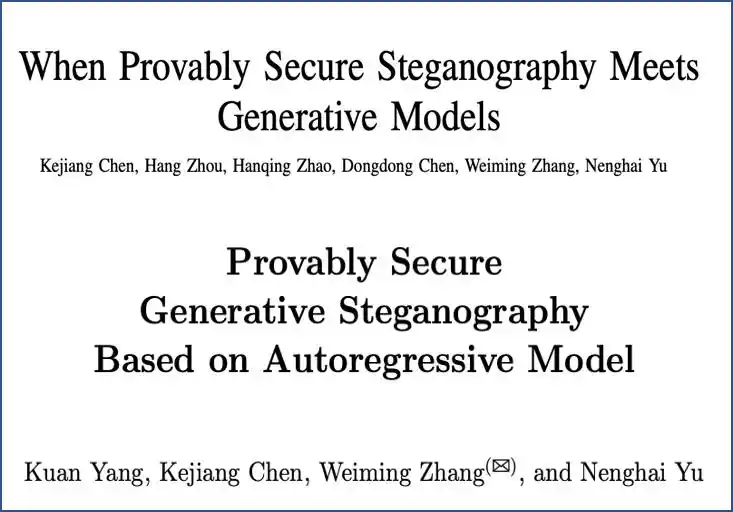
Hình 3 Bài báo đầu tiên về ẩn viết an toàn có thể chứng minh kiểu sinh thành

Khoảng trước sau năm 2021, dữ liệu sinh thành AI dần trở thành hình thái chủ yếu của nội dung mạng, ẩn viết an toàn có thể chứng minh được sự quan tâm rộng rãi trên toàn cầu: Đại học Thanh Hoa đề xuất ẩn viết ngôn ngữ an toàn có thể chứng minh dựa trên phân nhóm mẫu (Findings of ACL 2021); Đại học Boston và Đại học Johns Hopkins đề xuất ẩn viết an toàn mật mã học hướng đến phân phối thực tế Meteor (ACM CCS 2021); Đại học Oxford đề xuất ẩn viết an toàn hoàn hảo dựa trên ghép nối entropy tối thiểu (ICLR 2023).

Đội ngũ USTC đề xuất cấu trúc Discop dựa trên "bản sao phân phối" (IEEE S&P 2023), nâng cao đáng kể tốc độ tải nhúng (embedding payload rate). Cùng năm, Tạp chí Quanta đã xếp "giấu thông tin mật hoàn hảo trong dữ liệu sinh thành" vào top 7 đột phá khoa học máy tính quốc tế trong năm, tuyên bố ẩn thông tin bước vào thời đại "có thể chứng minh".

Từ đối xứng đến bất đối xứng, từ "có hộp" đến "không hộp"

Các phương pháp ẩn viết an toàn có thể chứng minh kiểu sinh thành thời kỳ đầu đều là thể chế "khóa đối xứng" (symmetric key), hai bên gửi và nhận phải chia sẻ khóa trước, và phụ thuộc vào trích xuất hộp trắng (white-box extraction), làm hạn chế các tình huống sử dụng.

Ngoài ra, sự mơ hồ về từ con (subword ambiguity) có thể dẫn đến trích xuất thất bại. Đội ngũ USTC đẩy tuyến kỹ thuật hướng tới ẩn viết khóa công khai, các tình huống không hộp/hộp xám, và loại bỏ sự mơ hồ từ con, đưa ẩn giấu kiểu sinh thành tiến tới thực dụng.

Ẩn viết khóa công khai (IEEE TIFS 2024): Đề xuất phương án ẩn viết khóa công khai an toàn có thể chứng minh kết hợp mật mã đường cong elliptic (ECC) với mô hình sinh thành, và đề xuất giao thức trao đổi khóa ẩn viết. Giải quyết vấn đề thỏa thuận khóa ẩn viết và trích xuất thông tin ẩn "bất đối xứng".

Ẩn viết không hộp (IEEE TMM 2026): Phương pháp truyền thống phụ thuộc trích xuất "hộp trắng", bên nhận phải nắm giữ mô hình ngôn ngữ hoàn toàn giống với bên gửi. Đội ngũ đề xuất Disreo, thông qua việc ngẫu nhiên hóa vị trí token và tổ chức lại xác suất đầu ra để thực hiện "trích xuất không hộp", bên nhận không cần truy cập mô hình cơ bản vẫn có thể khôi phục thông điệp, cung cấp sự thuận tiện lớn hơn cho triển khai thực tế.

Ẩn viết hộp xám (ACM CCS 2026): Giữa hộp trắng và không hộp còn tồn tại tình huống "hộp xám" – nguồn lực hai bên gửi nhận không tương đương, bên nhận có thể chỉ có khả năng chạy mô hình nhỏ (ví dụ thiết bị di động). SpecStega dựa trên lấy mẫu suy đoán (speculative sampling): sử dụng mô hình nhỏ mà hai bên chia sẻ để hoàn thành việc nhúng và trích xuất thông điệp, sau đó nhờ mô hình lớn mục tiêu tinh chỉnh đầu ra, làm cho văn bản chứa mật cuối cùng vừa căn chỉnh với phân phối đầu ra của mô hình lớn – duy trì chất lượng cao và tính an toàn, vừa có thể được giải mã hiệu quả ở phía nhận chỉ dựa vào mô hình nhỏ, tốc độ tải tăng hơn 20 lần so với các phương án hộp đen hiện có – cung cấp con đường thứ ba cho ẩn viết an toàn có thể chứng minh, nằm giữa "có hộp" và "không hộp".

Giải quyết mơ hồ từ con (IEEE TDSC): Ẩn viết dựa trên mô hình ngôn ngữ lớn phổ biến đối mặt với sự mơ hồ giải mã từ thông (token) – cùng một đoạn văn bản có thể được cắt thành các chuỗi từ con khác nhau, dẫn đến trích xuất thất bại. Đội ngũ đề xuất SyncPool, trước khi nhúng sẽ thống nhất nhóm các token có quan hệ tiền tố tồn tại, về nguyên tắc loại bỏ sự mơ hồ, thực hiện trích xuất đáng tin cậy cho ẩn viết an toàn có thể chứng minh.

Từ ẩn viết đến watermark, đưa "không tổn hao có thể chứng minh" tiến vào ngành công nghiệp

Mô hình lớn AIGC trước tiên học được phân phối của dữ liệu tự nhiên, sau đó lấy mẫu theo phân phối đó để sinh thành văn bản, hình ảnh, âm thanh-video, v.v. Nếu có thể thực hiện được: nhúng watermark vào nội dung sinh thành nhưng không ảnh hưởng đến phân phối lấy mẫu, thì điều đó có nghĩa là việc nhúng watermark không ảnh hưởng đến chất lượng sinh thành.

Ẩn viết an toàn có thể chứng minh về lý thuyết đảm bảo rằng dữ liệu chứa mật và dữ liệu sinh thành bình thường là không thể phân biệt được về mặt phân phối – tức là việc nhúng thông tin không thay đổi phân phối lấy mẫu của mô hình. Đây chính là định nghĩa của "watermark không tổn hao chất lượng sinh thành có thể chứng minh" (Provably generation quality-lossless watermark). Watermark không cần dung lượng lớn như ẩn viết, vì vậy còn có thể đánh đổi dung lượng để lấy độ bền (robustness).

Trong lĩnh vực văn bản, hệ thống watermark không tổn hao chất lượng sinh thành có thể chứng minh do đội ngũ USTC phát triển, có thể cắm-và-chạy, không cần sửa tham số mô hình, hỗ trợ phân biệt bền vững bit đơn và quy nguồn mô hình đa bit, đã được ứng dụng trên mô hình lớn Spark (星火大模型), mô hình GPT an toàn và các nền tảng khác, phục vụ 13 nghìn nhà phát triển.

Đồng thời, nghiên cứu về watermark văn bản sinh thành không tổn hao có thể chứng minh trên thế giới cũng đang tiến triển nhanh chóng:

Năm 2024, đội ngũ Đại học Maryland và các trường khác với "Unbiased Watermark for Large Language Models" (ICLR 2024 Spotlight) định nghĩa watermark không thiên vị và đưa ra cấu trúc phổ dụng;

Cùng năm, Đại học Stanford đề xuất watermark không thiên vị bền vững chống biến dạng (TMLR 2024);

Năm 2025, watermark không thiên vị đa kênh MCmark (ACL 2025) trong khi giữ tính không thiên vị nghiêm ngặt, đã nâng cao độ bền của việc trích xuất watermark.

Trong lĩnh vực hình ảnh, đội ngũ USTC đề xuất Gaussian Shading (CVPR 2024), ánh xạ watermark sau khi được mã hóa ngẫu nhiên hóa thành biến tiềm ẩn (latent variable) Gaussian không thể phân biệt được với sinh thành bình thường, sau đó thông qua quá trình khuếch tán tác động lên toàn bộ không gian tiềm ẩn, không cần huấn luyện, cắm-và-chạy, có thể chứng minh hiệu năng không tổn hao;

Gaussian Shading++ và T2SMark (NeurIPS 2025) tiếp tục giải quyết các vấn đề về độ bền, thay đổi tham số sinh thành và tính đa dạng sinh thành trong triển khai thực tế;

TAG-WM (ICCV 2025) giới thiệu cơ chế kép "watermark mẫu + watermark thông tin", trong điều kiện tiên quyết không tổn hao đồng thời thực hiện định vị giả mạo và xác nhận quyền sở hữu;

SemBind (ICML 2026) thông qua bộ che ngữ nghĩa (semantic masker) liên kết watermark với ngữ nghĩa hình ảnh, chống lại các cuộc tấn công giả mạo hộp đen.
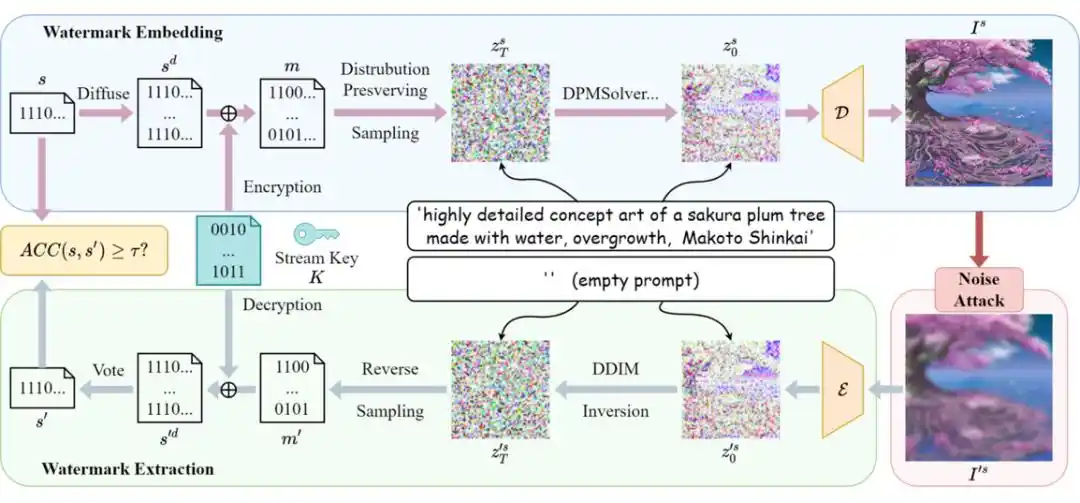
Hình 4 Watermark hình ảnh sinh thành không tổn hao có thể chứng minh Gaussian Shading (CVPR 2024)

Từ watermark nội dung đến watermark mô hình. Bản thân mô hình cũng là tài sản số quan trọng, cũng cần bằng chứng thuộc về đáng tin cậy, và watermark mô hình luôn không thể tránh khỏi một nghi vấn: Liệu có ảnh hưởng đến việc sử dụng bình thường của mô hình không?

Tham khảo cấu trúc "cửa hậu không thể phát hiện có thể chứng minh" (Provably undetectable backdoor) do người đoạt giải Turing Shafi Goldwasser và những người khác đề xuất tại FOCS 2022, đội ngũ USTC đề xuất giao thức watermark mô hình hộp đen không tổn hao hiệu năng có thể chứng minh (IEEE TDSC 2026): sử dụng mã xác thực thông điệp không thể giả mạo (unforgeable message authentication code) để tạo chỉ thị nhánh, làm cho xác suất người dùng bình thường kích hoạt nhánh watermark là không đáng kể về mặt tính toán, từ đó quy ước hóa tính không tổn hao hiệu năng về an toàn mật mã học.

"Không tổn hao có thể chứng minh" từ đó được mở rộng từ nội dung sinh thành đến chính bản thân mô hình.

Từ "an toàn kinh nghiệm" đến "an toàn có thể chứng minh"

Watermark ẩn của Anthropic ra mắt ngày đầu tiên đã gây tranh cãi: Người viết lo lắng về quyền tác giả, nhà phát triển lo lắng "watermark có làm giảm chất lượng sinh thành không". Những người tiên phong trong ngành đã chọn "chạy nhanh theo hướng kỹ thuật", còn mục tiêu "đánh dấu chính xác, không làm tổn hại, chịu được viết lại và xóa bỏ, và còn có thể đưa ra bằng chứng xác định" đòi hỏi sự hỗ trợ lý thuyết vững chắc.

Từ ý tưởng đặt vấn đề thách thức của Shannon đến khung lý thuyết của Blum và những người khác, từ thuật toán ẩn viết an toàn có thể chứng minh kiểu sinh thành đầu tiên năm 2018 đến watermark của mô hình lớn Spark và watermark của Claude, ẩn thông tin đã đi bảy mươi bảy năm, cuối cùng đã vượt qua nâng cấp từ "an toàn kinh nghiệm" lên "an toàn có thể chứng minh", biến "lo lắng nhúng watermark làm tổn hại mô hình" thành "toán học chứng minh không tổn hao" – bất kể là đối với nội dung được sinh thành, hay đối với chính bản thân mô hình – cung cấp hỗ trợ kỹ thuật có đảm bảo lý thuyết cho quản trị nội dung AI.

Công và phòng của watermark

Thiết kế watermark khó, xóa watermark dễ. Thực ra cũng không hẳn vậy. Thiết kế watermark phải đồng thời theo đuổi chất lượng không tổn hao và độ bền, còn kẻ tấn công cũng cần xóa watermark trong ràng buộc về chất lượng.

Không có ràng buộc, watermark rất dễ xóa. Viết lại từng câu để xóa watermark, vậy có còn tính là nội dung do mô hình gốc sinh thành không? Có lẽ không bằng trực tiếp sử dụng các mô hình mã nguồn mở khác để sinh thành.

Cũng giống như các lĩnh vực an ninh khác, hai bên công và phòng đấu tranh trong điều kiện ràng buộc của mỗi bên, có công có phòng thì hướng kỹ thuật này mới có sức sống.

Và "không tổn hao" chính là ràng buộc và mục tiêu theo đuổi của cả hai bên công và phòng.

Bên phòng thủ không muốn vì nhúng watermark mà hy sinh chất lượng sinh thành; bên tấn công cũng không mong muốn vì xóa watermark mà làm giảm chất lượng.

Chưa bao giờ có sự an toàn tuyệt đối, ý nghĩa của phòng thủ là tạo ra cái giá càng lớn càng tốt cho cuộc tấn công. Bản chất của công và phòng là đấu tranh về cái giá, watermark cũng vậy.

Bài viết này đến từ tài khoản công chúng WeChat "新智元" (New Zhi Yuan), tác giả: 新智元

Crypto di tendenza

Domande pertinenti

QAnthropic đã công bố điều gì vào ngày 11 tháng 8 năm 2026 liên quan đến mô hình Claude?

AVào ngày 11 tháng 8 năm 2026, Anthropic công bố rằng kể từ ngày 2 tháng 8, các phiên bản mô hình Claude mới sẽ nhúng trực tiếp một loại hình mờ (watermark) vô hình đối với mắt người nhưng máy có thể đọc được vào văn bản do AI tạo ra. Điều này cho phép nhận dạng và truy xuất nguồn gốc nội dung do AI tạo ngay cả sau khi nó được sao chép và lan truyền.

QKhái niệm 'steganography có thể chứng minh an toàn' (provably secure steganography) đòi hỏi điều kiện tiên quyết khắt khe nào?

ATất cả các cấu trúc steganography có thể chứng minh an toàn đều phụ thuộc vào một điều kiện tiên quyết khắt khe: phân phối của tài liệu mang tin (carrier distribution) phải có thể được lấy mẫu một cách chính xác. Điều này là một trở ngại lớn vì phân phối dữ liệu tự nhiên thường không thể kiểm soát được.

QCác nhà nghiên cứu từ Đại học Khoa học và Công nghệ Trung Quốc (USTC) đã đóng góp những tiến bộ chính nào để đưa steganography có thể chứng minh an toàn vào thực tế với mô hình sinh (generative models)?

ANhóm USTC đã đóng góp nhiều tiến bộ quan trọng: (1) Đề xuất ý tưởng sớm nhất về steganography an toàn có thể chứng minh dựa trên mô hình sinh (2018). (2) Phát triển các sơ đồ khóa công khai (public key) và giao thức trao đổi khóa steganography (2024). (3) Đề xuất các phương pháp 'hộp không' (Disreo, 2026) và 'hộp xám' (SpecStega, 2026) để giải mã mà không cần truy cập đầy đủ vào mô hình gốc. (4) Giải quyết vấn đề mơ hồ token bằng SyncPool. (5) Phát triển hệ thống watermark có thể chứng minh không làm suy giảm chất lượng cho văn bản và hình ảnh (như Gaussian Shading).

QWatermark 'có thể chứng minh không làm suy giảm chất lượng' (provably performance-lossless) cho nội dung AI được tạo ra có nghĩa là gì về mặt lý thuyết?

AVề mặt lý thuyết, watermark 'có thể chứng minh không làm suy giảm chất lượng' có nghĩa là việc nhúng watermark không ảnh hưởng đến phân phối lấy mẫu của mô hình sinh. Nói cách khác, dữ liệu chứa watermark và dữ liệu được tạo ra bình thường về cơ bản là không thể phân biệt được về mặt phân phối thống kê, do đó không làm thay đổi chất lượng sinh ra của mô hình.

QBài viết nêu lên bản chất của cuộc chạy đua giữa tấn công và phòng thủ trong lĩnh vực watermark là gì?

ABài viết chỉ ra rằng bản chất của cuộc chạy đua giữa tấn công (xóa watermark) và phòng thủ (nhúng watermark) là một trò chơi cân bằng về chi phí. Bên phòng thủ muốn nhúng watermark mà không làm giảm chất lượng nội dung và tạo ra các watermark đủ mạnh. Bên tấn công muốn xóa watermark nhưng cũng không muốn làm hỏng chất lượng nội dung. Không có sự an toàn tuyệt đối, mà giá trị của việc phòng thủ nằm ở việc tạo ra càng nhiều chi phí (về chất lượng, công sức) càng tốt cho bên tấn công.

Letture associate

BTC Sees Largest Single-Day Short Liquidation in History: Overnight $1.1 Billion Short Positions Evaporate, But Calling a Bull Return is Premature

Bitcoin experienced its largest single-day short liquidation in history, with approximately $1.191 billion in short positions being forcibly closed within 24 hours as the price surged nearly 7% to approach $70,000. This event, occurring on the evening of August 19, resulted in total liquidations of about $1.345 billion across the network. The massive short squeeze was attributed to a combination of catalysts: a White House meeting between former President Trump and crypto industry executives fueling regulatory optimism, and a more substantial signal from the U.S. Treasury doubling its liquidity support for long-term bond repurchases, hinting at looser macro liquidity for risk assets. Data showed strong institutional buying, with U.S. spot Bitcoin ETFs seeing significant inflows. The liquidation process itself created a feedback loop, accelerating the price rise as forced buy-backs pushed prices higher. This event surpassed the previous record for BTC perpetual short liquidations set during the volatile "5.19" period in 2021. While such extreme short liquidations have historically signaled a potential medium-term bottom formation, analysts caution that the market often undergoes weeks of consolidation and "cooling off" afterward. Current sentiment remains mixed, with the Fear & Greed Index still in "Fear" territory, and the key test for the rally being whether it can sustain momentum to challenge higher resistance levels like $75,000. The article concludes by warning against immediate "bull market is back" assumptions, emphasizing that history provides context but not guaranteed outcomes.

marsbit3 min fa

BTC Sees Largest Single-Day Short Liquidation in History: Overnight $1.1 Billion Short Positions Evaporate, But Calling a Bull Return is Premature

marsbit3 min fa

Websea Global RWA Summit Successfully Held: Focusing on New Opportunities in China-Kazakhstan Digital Economy, Releasing Signals of Cross-border Collaboration

Websea Global RWA Summit Successfully Held: Focusing on China-Kazakhstan Digital Economy Opportunities, Releasing Signals for Cross-Border Synergy When traditional industries seek new channels for globalization and digital technologies reshape capital, assets, and collaboration methods, an industrial dialogue connecting China, Kazakhstan, and global markets took place in Almaty. On August 18, 2026, the "2026 Global RWA Real-World Asset Tokenization Enterprise Globalization Resource Matching & China-Kazakhstan Industrial Investment Conference," co-hosted by Websea, concluded successfully in Almaty, Kazakhstan. Centered on RWA digitization, cross-border industrial synergy, and investment promotion, the summit gathered industry representatives, investors, digital economy practitioners, creators, and media from China and Kazakhstan to explore the future of a digital economy community. The event shifted focus from mere "project showcases" to fostering deeper "industrial synergy." It featured project roadshows and panel discussions on topics like "Mining Future·Digital Empowerment," "Real Estate Renewal·Urban Evolution," "Green Energy·RWA Opportunities," and "The Globalization Logic of Real Economy." Mr. Yerbol Kharbayev, Chairman of the Kazakhstan Association of Special Economic Zones, emphasized that RWA's significance lies not only in technology but in enhancing asset transparency, collaboration efficiency, and cross-border connectivity through digitization. The discussions highlighted a move towards a deeper "Digital Economy Community" between China and Kazakhstan. Key points included the need for an open, transparent, and stable business environment to attract long-term investment and the crucial role of synergy between governments, enterprises, platforms, and communities. The summit facilitated strategic cooperation signings and targeted B2G/B2B matching, providing a direct channel for Chinese enterprises exploring the Central Asian market. As an invited digital asset platform, Websea participated in brand presentations and the launch of initiatives like a Creator Alliance and a Web3 MCN agency. Herbert Sim, Global CMO of Websea, stated that platform development is fundamentally rooted in user trust and real experience. He expressed gratitude for user and partner trust, underscoring Websea's commitment to asset security, transaction experience, risk awareness, and user rights protection. Websea aims to contribute to the global digital economy through optimized services and open collaboration. The summit also launched the Web3 Beauty Alliance - Central Asia Chapter, a China-Kazakhstan Quality Creator Alliance, and Web3 MCN agencies, expanding the dialogue beyond industry and capital to include technology, content, community, and brand building. The event concluded by signaling that the future of the digital economy will be co-created by a broad range of participants. It requires institutional and infrastructural support, long-term commitment from enterprises, and the sustained trust of users, partners, and communities. With the summit's conclusion, a new chapter in China-Kazakhstan industrial synergy and digital economy cooperation has begun. Websea will use this as a starting point to continue exploring a secure, open, and sustainable digital future alongside global users and partners.

marsbit12 min fa

Websea Global RWA Summit Successfully Held: Focusing on New Opportunities in China-Kazakhstan Digital Economy, Releasing Signals of Cross-border Collaboration

marsbit12 min fa

Russia's Banking Bleed and the Crypto Hunt: Citizens Have Withdrawn 24 Billion Euros from Banks This Year; Bill Limiting Total Crypto Purchases Set to Take Effect

**Title: Russia's Banking System Bleeds Cash as Citizens Turn to Crypto, But New Law Imposes Strict Limits** **Summary:** Russia is witnessing a significant outflow of cash from its banking system, with citizens withdrawing approximately €24.4 billion in the first seven months of 2026. This trend accelerated in July, marking the highest monthly increase for the year. Major banks like Gazprombank and Sberbank have reported substantial deposit losses. Simultaneously, cryptocurrency transaction volumes have surged, with an estimated daily trading volume of around $650 million. Officials note that annual crypto transactions exceed 10 trillion rubles, largely occurring outside regulated channels. Citizens are increasingly using crypto as a tool to hedge against currency depreciation and financial uncertainty. In response, President Putin signed the "Digital Currency and Digital Rights Law," with key provisions taking effect on September 1, 2026. This law severely restricts access for ordinary citizens. Non-qualified retail investors will be limited to purchasing only about $3,600 worth of cryptocurrency (initially Bitcoin, Ethereum, and USDT) per year through any single licensed intermediary. Qualified investors and businesses face no such limits for cross-border settlements. Official explanations for the cash exodus cite technical factors like tax changes and digital payment disruptions. However, analysts and media point to deeper public concerns over potential asset freezes, economic instability related to the war, and a lack of trust in the financial system. Notably, September 1 also marks the public launch of the Digital Ruble, Russia's central bank digital currency (CBDC). This creates a dual dynamic: tightening control over decentralized crypto assets while introducing a state-controlled digital currency for payments. For ordinary Russians, traditional banking is losing appeal, crypto access is being capped, and the new Digital Ruble offers a third, fully state-managed pathway.

marsbit36 min fa

Russia's Banking Bleed and the Crypto Hunt: Citizens Have Withdrawn 24 Billion Euros from Banks This Year; Bill Limiting Total Crypto Purchases Set to Take Effect

marsbit36 min fa

Household & Personal Care Giant Quietly Becomes the Champion in 'Chip Cleaning'

Kao, the renowned Japanese consumer goods giant known for laundry detergent and facial cleansers, has quietly become a leader in the semiconductor precision cleaning agent market, as revealed in its recent financial report. The company's chemical business, which includes semiconductor precision cleaning agents, achieved net sales of 2472 billion yen (approx. RMB 104.4 billion) in the first half of fiscal 2026, growing 9.4% year-on-year and becoming its fastest-growing segment. Notably, Kao holds about a 60% market share in cleaning agents for package substrates and is also a leader in specific chemicals for NAND flash manufacturing processes. Its products have entered the supply chains of major chipmakers like TSMC, Samsung, and Kioxia. Kao's journey into semiconductors began with its core expertise in surface science, developed from its origins in soap and detergent manufacturing. The 1987 Montreal Protocol, which phased out ozone-depleting solvents like Freon, created a demand for alternative cleaning solutions. Leveraging its deep knowledge of surfactants and purification, Kao launched its "CLEANTHROUGH" aqueous cleaning agent in 1991, entering the precision cleaning market. Over the past three decades, Kao has expanded its product line to cover both front-end (wafer fabrication) and back-end (packaging) semiconductor processes. Its "precision interface control technology" addresses key challenges like particle removal, photoresist stripping, and cleaning complex structures in advanced packaging without damaging delicate materials. Beyond cleaning, Kao's portfolio extends to adjacent processes like dry film photoresist stripping. A key to Kao's success is its customer-centric business model. The company operates "Fine Cleaning Centers" in Japan and Taiwan, where it collaborates directly with clients on process development. This deep integration, coupled with the high cost and risk of switching validated materials in semiconductor production, creates strong customer loyalty. As the AI boom drives demand for complex chip packaging like CoWoS, which requires more numerous and difficult cleaning steps, Kao is strategically positioned. The company plans to defend its back-end dominance while expanding into DRAM and logic semiconductor markets. Kao's story mirrors that of other Japanese firms like Ajinomoto (ABF film) and TOTO (electrostatic chucks), which leveraged deep-rooted core technologies from seemingly unrelated industries to achieve leadership in critical, niche segments of the semiconductor supply chain.

marsbit37 min fa

Household & Personal Care Giant Quietly Becomes the Champion in 'Chip Cleaning'

marsbit37 min fa

Trading

Spot

Articoli Popolari

Cosa è $S$

Comprendere SPERO: Una Panoramica Completa Introduzione a SPERO Mentre il panorama dell'innovazione continua a evolversi, l'emergere delle tecnologie web3 e dei progetti di criptovaluta gioca un ruolo fondamentale nel plasmare il futuro digitale. Un progetto che ha attirato l'attenzione in questo campo dinamico è SPERO, denotato come SPERO,$$s$. Questo articolo mira a raccogliere e presentare informazioni dettagliate su SPERO, per aiutare gli appassionati e gli investitori a comprendere le sue basi, obiettivi e innovazioni nei domini web3 e crypto. Che cos'è SPERO,$$s$? SPERO,$$s$ è un progetto unico all'interno dello spazio crypto che cerca di sfruttare i principi della decentralizzazione e della tecnologia blockchain per creare un ecosistema che promuove l'impegno, l'utilità e l'inclusione finanziaria. Il progetto è progettato per facilitare interazioni peer-to-peer in modi nuovi, fornendo agli utenti soluzioni e servizi finanziari innovativi. Al suo interno, SPERO,$$s$ mira a responsabilizzare gli individui fornendo strumenti e piattaforme che migliorano l'esperienza dell'utente nello spazio delle criptovalute. Questo include la possibilità di metodi di transazione più flessibili, la promozione di iniziative guidate dalla comunità e la creazione di percorsi per opportunità finanziarie attraverso applicazioni decentralizzate (dApps). La visione sottostante di SPERO,$$s$ ruota attorno all'inclusività, cercando di colmare le lacune all'interno della finanza tradizionale mentre sfrutta i vantaggi della tecnologia blockchain. Chi è il Creatore di SPERO,$$s$? L'identità del creatore di SPERO,$$s$ rimane piuttosto oscura, poiché ci sono risorse pubblicamente disponibili limitate che forniscono informazioni dettagliate sul suo fondatore o fondatori. Questa mancanza di trasparenza può derivare dall'impegno del progetto per la decentralizzazione—un ethos che molti progetti web3 condividono, dando priorità ai contributi collettivi rispetto al riconoscimento individuale. Centrando le discussioni attorno alla comunità e ai suoi obiettivi collettivi, SPERO,$$s$ incarna l'essenza dell'empowerment senza mettere in evidenza individui specifici. Pertanto, comprendere l'etica e la missione di SPERO rimane più importante che identificare un creatore singolo. Chi sono gli Investitori di SPERO,$$s$? SPERO,$$s$ è supportato da una varietà di investitori che vanno dai capitalisti di rischio agli investitori angelici dedicati a promuovere l'innovazione nel settore crypto. Il focus di questi investitori generalmente si allinea con la missione di SPERO—dando priorità a progetti che promettono avanzamenti tecnologici sociali, inclusività finanziaria e governance decentralizzata. Queste fondazioni di investitori sono tipicamente interessate a progetti che non solo offrono prodotti innovativi, ma contribuiscono anche positivamente alla comunità blockchain e ai suoi ecosistemi. Il supporto di questi investitori rafforza SPERO,$$s$ come un concorrente degno di nota nel dominio in rapida evoluzione dei progetti crypto. Come Funziona SPERO,$$s$? SPERO,$$s$ impiega un framework multifunzionale che lo distingue dai progetti di criptovaluta convenzionali. Ecco alcune delle caratteristiche chiave che sottolineano la sua unicità e innovazione: Governance Decentralizzata: SPERO,$$s$ integra modelli di governance decentralizzati, responsabilizzando gli utenti a partecipare attivamente ai processi decisionali riguardanti il futuro del progetto. Questo approccio favorisce un senso di proprietà e responsabilità tra i membri della comunità. Utilità del Token: SPERO,$$s$ utilizza il proprio token di criptovaluta, progettato per servire varie funzioni all'interno dell'ecosistema. Questi token abilitano transazioni, premi e la facilitazione dei servizi offerti sulla piattaforma, migliorando l'impegno e l'utilità complessivi. Architettura Stratificata: L'architettura tecnica di SPERO,$$s$ supporta la modularità e la scalabilità, consentendo un'integrazione fluida di funzionalità e applicazioni aggiuntive man mano che il progetto evolve. Questa adattabilità è fondamentale per mantenere la rilevanza nel panorama crypto in continua evoluzione. Coinvolgimento della Comunità: Il progetto enfatizza iniziative guidate dalla comunità, impiegando meccanismi che incentivano la collaborazione e il feedback. Nutrendo una comunità forte, SPERO,$$s$ può affrontare meglio le esigenze degli utenti e adattarsi alle tendenze di mercato. Focus sull'Inclusione: Offrendo basse commissioni di transazione e interfacce user-friendly, SPERO,$$s$ mira ad attrarre una base utenti diversificata, inclusi individui che potrebbero non aver precedentemente interagito nello spazio crypto. Questo impegno per l'inclusione si allinea con la sua missione generale di empowerment attraverso l'accessibilità. Cronologia di SPERO,$$s$ Comprendere la storia di un progetto fornisce preziose intuizioni sulla sua traiettoria di sviluppo e sui traguardi. Di seguito è riportata una cronologia suggerita che mappa eventi significativi nell'evoluzione di SPERO,$$s$: Fase di Concettualizzazione e Ideazione: Le idee iniziali che formano la base di SPERO,$$s$ sono state concepite, allineandosi strettamente con i principi di decentralizzazione e focus sulla comunità all'interno dell'industria blockchain. Lancio del Whitepaper del Progetto: Dopo la fase concettuale, è stato rilasciato un whitepaper completo che dettaglia la visione, gli obiettivi e l'infrastruttura tecnologica di SPERO,$$s$ per suscitare interesse e feedback dalla comunità. Costruzione della Comunità e Prime Interazioni: Sono stati effettuati sforzi attivi di outreach per costruire una comunità di early adopters e potenziali investitori, facilitando discussioni attorno agli obiettivi del progetto e ottenendo supporto. Evento di Generazione del Token: SPERO,$$s$ ha condotto un evento di generazione del token (TGE) per distribuire i propri token nativi ai primi sostenitori e stabilire una liquidità iniziale all'interno dell'ecosistema. Lancio della Prima dApp: La prima applicazione decentralizzata (dApp) associata a SPERO,$$s$ è stata attivata, consentendo agli utenti di interagire con le funzionalità principali della piattaforma. Sviluppo Continuo e Partnership: Aggiornamenti e miglioramenti continui alle offerte del progetto, inclusi partnership strategiche con altri attori nello spazio blockchain, hanno plasmato SPERO,$$s$ in un concorrente competitivo e in evoluzione nel mercato crypto. Conclusione SPERO,$$s$ rappresenta una testimonianza del potenziale del web3 e delle criptovalute di rivoluzionare i sistemi finanziari e responsabilizzare gli individui. Con un impegno per la governance decentralizzata, il coinvolgimento della comunità e funzionalità progettate in modo innovativo, apre la strada verso un panorama finanziario più inclusivo. Come per qualsiasi investimento nello spazio crypto in rapida evoluzione, si incoraggiano potenziali investitori e utenti a ricercare approfonditamente e a impegnarsi in modo riflessivo con gli sviluppi in corso all'interno di SPERO,$$s$. Il progetto mostra lo spirito innovativo dell'industria crypto, invitando a ulteriori esplorazioni delle sue innumerevoli possibilità. Mentre il percorso di SPERO,$$s$ è ancora in fase di sviluppo, i suoi principi fondamentali potrebbero effettivamente influenzare il futuro di come interagiamo con la tecnologia, la finanza e tra di noi in ecosistemi digitali interconnessi.

413 Totale visualizzazioniPubblicato il 2024.12.17Aggiornato il 2024.12.17

Cosa è $S$

Cosa è AGENT S

Agent S: Il Futuro dell'Interazione Autonoma in Web3 Introduzione Nel panorama in continua evoluzione di Web3 e criptovalute, le innovazioni stanno costantemente ridefinendo il modo in cui gli individui interagiscono con le piattaforme digitali. Uno di questi progetti pionieristici, Agent S, promette di rivoluzionare l'interazione uomo-computer attraverso il suo framework agentico aperto. Aprendo la strada a interazioni autonome, Agent S mira a semplificare compiti complessi, offrendo applicazioni trasformative nell'intelligenza artificiale (AI). Questa esplorazione dettagliata approfondirà le complessità del progetto, le sue caratteristiche uniche e le implicazioni per il dominio delle criptovalute. Cos'è Agent S? Agent S si presenta come un innovativo framework agentico aperto, progettato specificamente per affrontare tre sfide fondamentali nell'automazione dei compiti informatici: Acquisizione di Conoscenze Specifiche del Dominio: Il framework apprende in modo intelligente da varie fonti di conoscenza esterne ed esperienze interne. Questo approccio duale gli consente di costruire un ricco repository di conoscenze specifiche del dominio, migliorando le sue prestazioni nell'esecuzione dei compiti. Pianificazione su Lungo Orizzonte di Compiti: Agent S impiega una pianificazione gerarchica potenziata dall'esperienza, un approccio strategico che facilita la suddivisione e l'esecuzione efficiente di compiti complessi. Questa caratteristica migliora significativamente la sua capacità di gestire più sottocompiti in modo efficiente ed efficace. Gestione di Interfacce Dinamiche e Non Uniformi: Il progetto introduce l'Interfaccia Agente-Computer (ACI), una soluzione innovativa che migliora l'interazione tra agenti e utenti. Utilizzando Modelli Linguistici Multimodali di Grandi Dimensioni (MLLM), Agent S può navigare e manipolare senza sforzo diverse interfacce grafiche utente. Attraverso queste caratteristiche pionieristiche, Agent S fornisce un framework robusto che affronta le complessità coinvolte nell'automazione dell'interazione umana con le macchine, preparando il terreno per innumerevoli applicazioni nell'AI e oltre. Chi è il Creatore di Agent S? Sebbene il concetto di Agent S sia fondamentalmente innovativo, informazioni specifiche sul suo creatore rimangono elusive. Il creatore è attualmente sconosciuto, il che evidenzia sia la fase embrionale del progetto sia la scelta strategica di mantenere i membri fondatori sotto anonimato. Indipendentemente dall'anonimato, l'attenzione rimane sulle capacità e sul potenziale del framework. Chi sono gli Investitori di Agent S? Poiché Agent S è relativamente nuovo nell'ecosistema crittografico, informazioni dettagliate riguardanti i suoi investitori e sostenitori finanziari non sono documentate esplicitamente. La mancanza di approfondimenti pubblicamente disponibili sulle fondazioni di investimento o sulle organizzazioni che supportano il progetto solleva interrogativi sulla sua struttura di finanziamento e sulla roadmap di sviluppo. Comprendere il supporto è cruciale per valutare la sostenibilità del progetto e il suo potenziale impatto sul mercato. Come Funziona Agent S? Al centro di Agent S si trova una tecnologia all'avanguardia che gli consente di funzionare efficacemente in contesti diversi. Il suo modello operativo è costruito attorno a diverse caratteristiche chiave: Interazione Uomo-Computer Simile a Quella Umana: Il framework offre una pianificazione AI avanzata, cercando di rendere le interazioni con i computer più intuitive. Mimando il comportamento umano nell'esecuzione dei compiti, promette di elevare le esperienze degli utenti. Memoria Narrativa: Utilizzata per sfruttare esperienze di alto livello, Agent S utilizza la memoria narrativa per tenere traccia delle storie dei compiti, migliorando così i suoi processi decisionali. Memoria Episodica: Questa caratteristica fornisce agli utenti una guida passo-passo, consentendo al framework di offrire supporto contestuale mentre i compiti si sviluppano. Supporto per OpenACI: Con la capacità di funzionare localmente, Agent S consente agli utenti di mantenere il controllo sulle proprie interazioni e flussi di lavoro, allineandosi con l'etica decentralizzata di Web3. Facile Integrazione con API Esterne: La sua versatilità e compatibilità con varie piattaforme AI garantiscono che Agent S possa adattarsi senza problemi agli ecosistemi tecnologici esistenti, rendendolo una scelta attraente per sviluppatori e organizzazioni. Queste funzionalità contribuiscono collettivamente alla posizione unica di Agent S all'interno dello spazio crittografico, poiché automatizza compiti complessi e multi-fase con un intervento umano minimo. Man mano che il progetto evolve, le sue potenziali applicazioni in Web3 potrebbero ridefinire il modo in cui si svolgono le interazioni digitali. Cronologia di Agent S Lo sviluppo e le tappe di Agent S possono essere riassunti in una cronologia che evidenzia i suoi eventi significativi: 27 Settembre 2024: Il concetto di Agent S è stato lanciato in un documento di ricerca completo intitolato “Un Framework Agentico Aperto che Usa i Computer Come un Umano”, mostrando le basi per il progetto. 10 Ottobre 2024: Il documento di ricerca è stato reso pubblicamente disponibile su arXiv, offrendo un'esplorazione approfondita del framework e della sua valutazione delle prestazioni basata sul benchmark OSWorld. 12 Ottobre 2024: È stata rilasciata una presentazione video, fornendo un'idea visiva delle capacità e delle caratteristiche di Agent S, coinvolgendo ulteriormente potenziali utenti e investitori. Questi indicatori nella cronologia non solo illustrano i progressi di Agent S, ma indicano anche il suo impegno per la trasparenza e il coinvolgimento della comunità. Punti Chiave su Agent S Man mano che il framework Agent S continua a evolversi, diversi attributi chiave si distinguono, sottolineando la sua natura innovativa e il potenziale: Framework Innovativo: Progettato per fornire un uso intuitivo dei computer simile all'interazione umana, Agent S porta un approccio nuovo all'automazione dei compiti. Interazione Autonoma: La capacità di interagire autonomamente con i computer attraverso GUI segna un passo avanti verso soluzioni informatiche più intelligenti ed efficienti. Automazione di Compiti Complessi: Con la sua metodologia robusta, può automatizzare compiti complessi e multi-fase, rendendo i processi più veloci e meno soggetti a errori. Miglioramento Continuo: I meccanismi di apprendimento consentono ad Agent S di migliorare dalle esperienze passate, migliorando continuamente le sue prestazioni e la sua efficacia. Versatilità: La sua adattabilità attraverso diversi ambienti operativi come OSWorld e WindowsAgentArena garantisce che possa servire un'ampia gamma di applicazioni. Man mano che Agent S si posiziona nel panorama di Web3 e delle criptovalute, il suo potenziale per migliorare le capacità di interazione e automatizzare i processi segna un significativo avanzamento nelle tecnologie AI. Attraverso il suo framework innovativo, Agent S esemplifica il futuro delle interazioni digitali, promettendo un'esperienza più fluida ed efficiente per gli utenti in vari settori. Conclusione Agent S rappresenta un audace passo avanti nell'unione tra AI e Web3, con la capacità di ridefinire il modo in cui interagiamo con la tecnologia. Sebbene sia ancora nelle sue fasi iniziali, le possibilità per la sua applicazione sono vaste e coinvolgenti. Attraverso il suo framework completo che affronta sfide critiche, Agent S mira a portare le interazioni autonome al centro dell'esperienza digitale. Man mano che ci addentriamo nei regni delle criptovalute e della decentralizzazione, progetti come Agent S giocheranno senza dubbio un ruolo cruciale nel plasmare il futuro della tecnologia e della collaborazione uomo-computer.

843 Totale visualizzazioniPubblicato il 2025.01.14Aggiornato il 2025.01.14

Cosa è AGENT S

Come comprare S

Benvenuto in HTX.com! Abbiamo reso l'acquisto di Sonic (S) semplice e conveniente. Segui la nostra guida passo passo per intraprendere il tuo viaggio nel mondo delle criptovalute.Step 1: Crea il tuo Account HTXUsa la tua email o numero di telefono per registrarti il tuo account gratuito su HTX. Vivi un'esperienza facile e sblocca tutte le funzionalità,Crea il mio accountStep 2: Vai in Acquista crypto e seleziona il tuo metodo di pagamentoCarta di credito/debito: utilizza la tua Visa o Mastercard per acquistare immediatamente SonicS.Bilancio: Usa i fondi dal bilancio del tuo account HTX per fare trading senza problemi.Terze parti: abbiamo aggiunto metodi di pagamento molto utilizzati come Google Pay e Apple Pay per maggiore comodità.P2P: Fai trading direttamente con altri utenti HTX.Over-the-Counter (OTC): Offriamo servizi su misura e tassi di cambio competitivi per i trader.Step 3: Conserva Sonic (S)Dopo aver acquistato Sonic (S), conserva nel tuo account HTX. In alternativa, puoi inviare tramite trasferimento blockchain o scambiare per altre criptovalute.Step 4: Scambia Sonic (S)Scambia facilmente Sonic (S) nel mercato spot di HTX. Accedi al tuo account, seleziona la tua coppia di trading, esegui le tue operazioni e monitora in tempo reale. Offriamo un'esperienza user-friendly sia per chi ha appena iniziato che per i trader più esperti.

1.6k Totale visualizzazioniPubblicato il 2025.01.15Aggiornato il 2026.06.02

Come comprare S

Discussioni

Benvenuto nella Community HTX. Qui puoi rimanere informato sugli ultimi sviluppi della piattaforma e accedere ad approfondimenti esperti sul mercato. Le opinioni degli utenti sul prezzo di S S sono presentate come di seguito.

活动图片