今年夏天,哪些项目受到了 VC 们的青睐?

深潮TechFlowPubblicato 2022-08-31Pubblicato ultima volta 2022-08-31

Introduzione

夏季即将结束,在这段时间里,我们统计了从风险投资公司获得资金的加密货币和 Web3 项目的新数据,让我们来看看它们吧。

夏季即将结束,在这段时间里,我们统计了从风险投资公司获得资金的加密货币和 Web3 项目的新数据,让我们来看看它们吧。

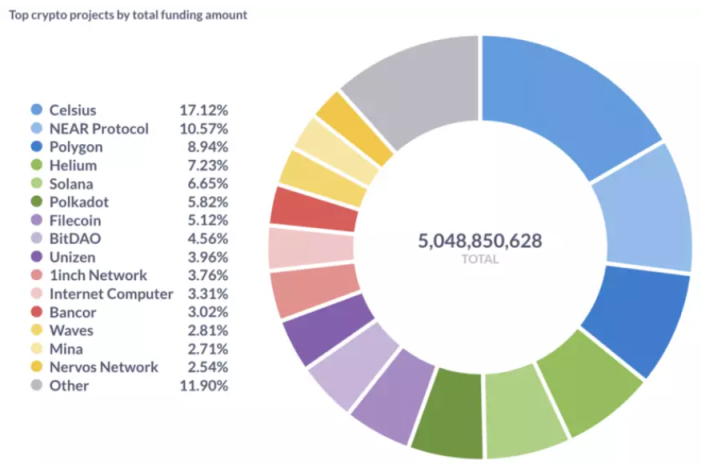
过去几个月,我们分析了来自 Pitchbook 和 Crunchbase 的数据库中 7,400 个加密货币 /Web3 项目的资金数据,以下是基于这些数据的一些有趣的事实和见解。以下是按总资金金额计算的顶级加密项目:

让我们来看看最近获得资金的加密货币项目:
第一个也是最重要一个是 Unizen(ZCX),一个智能交易所平台,它通过结合中心化(CEX)和去中心化(DEX)架构来解决问题——被加密货币社区俗称为 「CeDeFi」。这个混合平台是新兴的 CeDeFi 项目之一,有可能改变加密交易者和投资者的叙事。

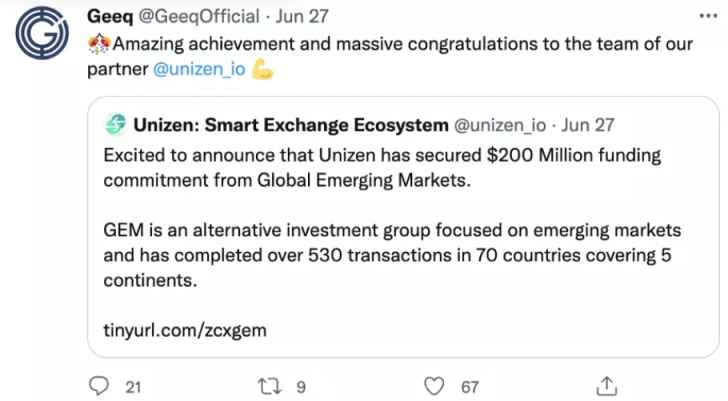
6 月 27 日,Unizen 筹集了 2 亿美元的资金,以加速其交易聚合生态系统并扩大其团队,由投资管理巨头 Global Emerging Markets (GEM) 领投。

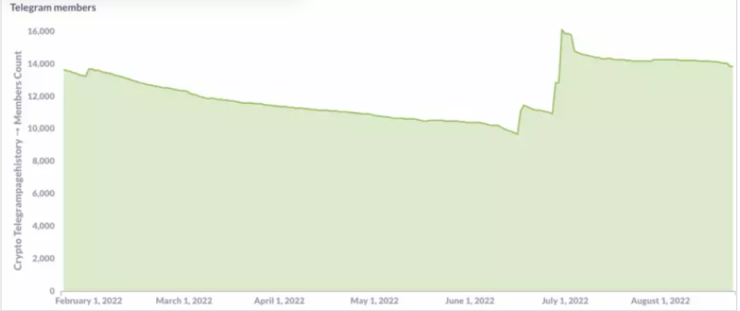
在这一重大公告宣布之后,他们的 Telegram 社区成员数量增加了近 50%(从 10.9 万到 15.7 万):
另外,这样的新闻也没有逃过推特的关注,在沉寂了至少半年后人们再次提及它。

Geeq(GEEQ),一个多链平台,由团队所谓的诚信证明协议(PoH)担保,宣称该机制 「对最有价值的数据足够安全,对物联网足够便宜,适用于任何用途。」

我们把 GEEQ 放在第二位,因为它与 ZCX 有联系:2021 年,Geeq 被选中加入 Unizen ZenX 孵化器。 该加速器计划由 Unizen 支持,旨在为区块链项目提供实现广泛采用所需的投资、专业知识和合作机会。

8 月 8 日,Geeq 已获得 Global Emerging Market 的 2500 万美元的资本承诺,GEM 承诺会在 Geeq 业绩实现的同时逐步释放资金。
Gnosis(GNO),一个开源的、去中心化的预测市场平台。Gnosis 的三个可互操作的产品线(Apollo、DutchX、Gnosis Safe)允许用户在以太坊上安全地创建、交易和持有数字资产。

7 月 12 日,Gnosis 最知名的产品 Gnosis Safe(现在简称 Safe)在由 1kx 牵头,Tiger Global's、Kraken Ventures、Digital Currency Group 和 Coinbase Ventures 参与的风险融资回合中筹集了 1 亿美元。新的资金将用于支持非营利组织 Safe Ecosystem Foundation,并加速 Safe 的进一步发展。早在 2017 年 4 月的 ICO 筹集了 1250 万美元之后,Gnosis 作为一个整体至今已经筹集了 1.125 亿美元。

Qiibee(QBX),总部位于瑞士的区块链 B2B 奖励市场,为企业和消费者提供加密货币和忠诚度平台。

Qiibee 是最近获得的投资中最小也是最后一个项目,在 7 月 5 日完成种子轮融资后,筹集了 480 万美元。Z5 Capital 领投,Meet The People、Barclays Ventures、R/GA Ventures 等参投。

本轮融资是为了项目的全球扩张。此外,这笔投资将支持该公司向北美等其他优先市场的扩张计划。

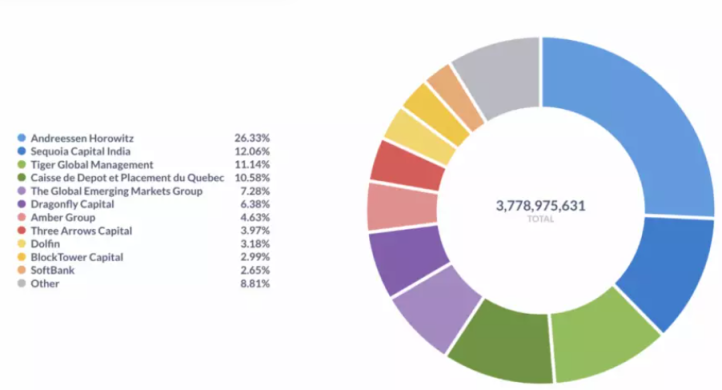
VC 们的情况如何?以下是正在对加密货币项目进行大量投资的顶级风险投资公司(a16z、Sequoia 和 Tiger 仍然是行业的领头羊):
Letture associate

a16z on Hiring: How to Choose Between Crypto-Native and Traditional Talent?

Hiring in Crypto: Balancing Crypto-Native and Traditional Talent As the crypto industry grows, founders face the dilemma of whether to prioritize hiring professionals with blockchain experience or those with traditional tech backgrounds who can learn. The key is recognizing that crypto companies are still tech companies at their core and should apply proven hiring best practices. Crypto-native talent offers immediate productivity and is essential for roles involving high-stakes, specialized work like smart contract development, where errors can be catastrophic. However, traditional professionals from large-scale software companies bring valuable experience in scaling products, operational flexibility, and expertise in areas like fintech, UX, and security, which are crucial as crypto products target mainstream adoption. Recruiting requires tailored approaches. Some candidates may be hesitant due to crypto's volatility or complexity, while others are excited by its innovative potential. Assess candidates' motivations, curiosity, and alignment with the company's vision early. Emphasize the opportunity to shape technology's future and address financial incentives, such as token-based compensation, which can offer liquidity compared to traditional equity. Onboarding is critical. Identify knowledge gaps during hiring and design education programs, mentorship, knowledge-sharing sessions, and resources like blogs or courses to accelerate learning. Pairing new hires with experienced crypto professionals helps bridge gaps and fosters collaboration. Ultimately, successful teams blend both crypto-native and traditional talent, leveraging their strengths to drive innovation and growth.

marsbit21 min fa

a16z on Hiring: How to Choose Between Crypto-Native and Traditional Talent?

marsbit21 min fa

DeFi Hacked Again for $292 Million, Is Even Aave No Longer Safe?

On April 19, a major DeFi security breach occurred, resulting in the loss of approximately $292 million. The attack targeted Kelp DAO’s rsETH bridge contract built on LayerZero, with 116,500 rsETH stolen. The attacker initiated the exploit using funds from Tornado Cash and manipulated the LayerZero EndpointV2 contract to transfer the assets. Kelp DAO confirmed the incident and temporarily paused rsETH contracts across multiple networks while collaborating with security experts for investigation. Initial analysis suggests the root cause was a compromised private key on the source chain, with the contract secured by only a 1/1 validator set, making it vulnerable to a single malicious transaction. The attacker used the stolen rsETH as collateral on lending platforms—including Aave, Compound, and Euler—to borrow more liquid assets like WETH, accumulating over $236 million in debt. Aave alone accounted for $196 million of this amount. In response, Aave froze its rsETH markets and stated it would explore covering potential bad debt through its Umbrella safety module, which holds around $50 million in WETH. This incident follows another large exploit earlier in April, where Drift Protocol on Solana lost $280 million. The repeated high-value attacks raise concerns about DeFi security, even affecting major protocols like Aave. Users are advised to exercise caution, diversify holdings, and limit exposure to on-chain protocols until more robust security measures are established.

marsbit2 h fa

DeFi Hacked Again for $292 Million, Is Even Aave No Longer Safe?

marsbit2 h fa

Trading

Spot
Futures
活动图片