Claude Code – Đội Quân AI Đêm Của Người Cha, Fable 5 – Tự Dựng Môi Trường Với Hai Lệnh

marsbitPubblicato 2026-07-20Pubblicato ultima volta 2026-07-20

Introduzione

Bài viết này chia sẻ về cách Claude Code - cha đẻ của Boris Cherny - sử dụng AI để tự động hóa hoàn toàn công việc lập trình. Trong một năm qua, anh ấy không tự viết một dòng code nào. Thay vào đó, anh ấy quản lý hàng trăm thậm chí hàng nghìn tác nhân AI (AI agents) chạy dưới dạng các vòng lặp (loops), tự động xử lý mọi thứ từ viết code, sửa lỗi CI, đến thu thập phản hồi người dùng. Chìa khóa nằm ở hai lệnh `/goal` và `/loop` trong Claude Code (Fable 5). `/goal` định nghĩa một mục tiêu cuối cùng để AI tự lặp lại cho đến khi đạt được, trong khi `/loop` thiết lập các tác vụ lặp lại theo chu kỳ. Điều quan trọng là hệ thống "tự kiểm tra" - một mô hình AI độc lập đóng vai trò giám sát, đánh giá xem công việc đã hoàn thành theo tiêu chuẩn hay chưa, đảm bảo chất lượng đầu ra. Boris mô tả sự thay đổi vai trò của kỹ sư: từ người viết code trở thành người thiết kế hệ thống tự động và là người phê duyệt công việc. AI đã trở thành "đồng nghiệp", thậm chí có thể tự trao đổi công việc với nhau trên Slack. Bài viết cũng hướng dẫn cách người dùng phổ thông có thể tận dụng Fable 5 bằng cách thiết lập hệ thống ngữ cảnh cục bộ, giúp AI "ghi nhớ" thông tin về công việc và sở thích của họ, biến nó từ một chatbot thành một nhân viên tự động hóa thực thụ.

Trong một năm qua, ông ấy không hề tự tay viết một dòng code nào.

Ông ấy tạo vài chục PR mỗi ngày, có ngày chạm mốc 150, lập kỷ lục cá nhân.

Điều phi lý hơn là, ông ấy đồng thời vận hành hàng trăm AI agent, và mỗi đêm còn có hàng nghìn agent khác thay ông làm ca đêm.

Đây là những gì Boris Cherny, "cha đẻ" của Claude Code, tự mình chia sẻ trong một buổi đối thoại công khai gần đây dành cho các nhà phát triển.
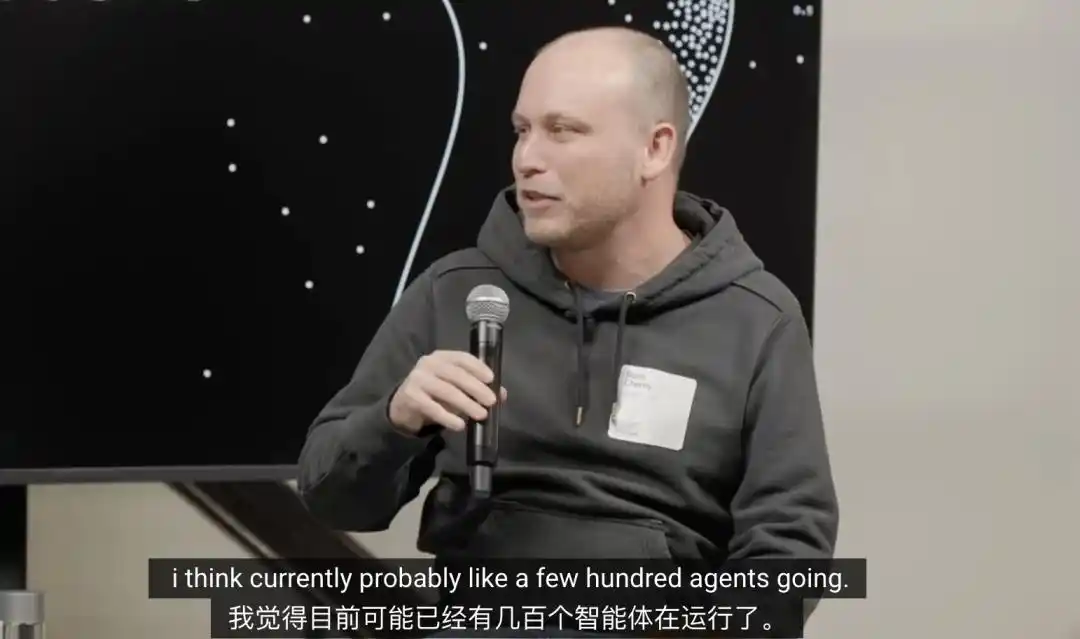

Trên điện thoại của ông ấy mở ứng dụng Claude, bên trái có một tab code nhỏ, trong đó đồng thời mở từ 5 đến 10 cuộc hội thoại.

Mỗi cuộc hội thoại phía dưới lại là một đống agent, ban ngày có hàng trăm agent đang chạy, đến đêm, hàng nghìn agent bắt đầu làm những công việc sâu hơn.

Mô hình viết toàn bộ code, ông ấy không đụng tay vào một dòng nào.

Với ông ấy, chuyện lập trình, đã được giải quyết xong.

Một người làm sao có thể quản lý hàng nghìn agent?

Một người quản lý hàng nghìn agent, để chúng đồng thời sửa code trong một kho code, không mất kiểm soát, không đánh nhau, không sản xuất hàng loạt rác.

Bí quyết của Boris, ẩn sau một từ: Vòng lặp (Loop).

Ông ấy nói, Loop là thứ đơn giản nhất, lại còn dùng tốt nhất mà ông từng thấy, Loop mới là tương lai.

Bản chất của Loop, là để Claude dùng tác vụ định kỳ để điều phối một công việc có thể chạy lặp lại, mỗi phút, mỗi năm phút, mỗi ngày, tùy bạn đặt. Chạy lên rồi, về cơ bản không cần quản lý nữa.

Trên tay ông ấy có hàng chục Loop thường xuyên quay:

Một cái chuyên theo dõi PR của ông ấy, tự động sửa tích hợp liên tục (CI), tự động rebase;

Một cái chịu trách nhiệm giữ CI khỏe mạnh, bài kiểm tra nào không ổn định, nó tự đi sửa;

Lại có một cái cứ 30 phút lên X lục một lượt phản hồi người dùng, phân cụm và tổ chức xong rồi mới nộp cho ông ấy.

Quan trọng hơn, càng về sau, ngay cả bước mở Loop này Boris cũng không cần phải mở miệng nữa.

Có lần ông ấy chỉ bảo mô hình chạy một truy vấn dữ liệu, mô hình tự trả lời một câu: Tôi phát hiện dữ liệu này cứ liên tục thay đổi, vậy tôi sẽ tạo một Loop, cứ 30 phút đưa cho ông một báo cáo.

Ông ấy nói được, thuận tay gửi lên Slack cho tôi. Mô hình quay đầu liền làm việc này.

Ngay gần đây, Boris còn nói mình không viết prompt nữa, chỉ viết loop.

Chắc chắn sớm thôi ông ấy còn không cần viết loop nữa.

Agent

Đang viết lại việc "làm việc"

Đằng sau điều này, là việc "làm việc" tự nó đã thay đổi.

Trước đây là bạn viết một câu, AI trả lời một câu, bạn viết câu tiếp theo; giờ đây là bạn dựng một hệ thống nhỏ biết tự tìm việc, tự làm việc, tự nộp việc, rồi quay lưng bước đi.

Anthropic gần đây còn ra mắt Routines, đưa cơ chế tương tự lên phía máy chủ, đóng máy tính, nó vẫn chạy như thường.

Vai trò "kỹ sư", ở chỗ Boris này cũng bị viết lại:

Mô hình chịu trách nhiệm viết code, ông ấy chịu trách nhiệm dựng hệ thống, làm nghiệm thu. Một ngày hàng chục đến hàng trăm PR từ tay agent tuôn ra, công việc thực sự của ông, là phán đoán cái nào có thể merge, cái nào phải trả về.

Theo cách nói của ông ấy, đây không phải là "AI thay thế kỹ sư", mà là con người đang từ người thực hiện thao tác, trở thành người thiết kế hệ thống tự động: trọng tâm từ "viết đúng dòng code này", chuyển sang "dựng một hệ thống tự viết đúng code".

Ông ấy thậm chí dự đoán, thêm một năm nữa, các khâu an toàn như chống chèn prompt, kiểm tra lệnh, phê duyệt thủ công sẽ không còn quan trọng lắm, vì mô hình sẽ ngày càng tự giác làm đúng việc.

Và cách đánh này, sớm đã không chỉ là trò chơi của riêng ông ấy nữa.

Theo Boris, trong công ty hầu như không còn chuyện viết code bằng tay, ngay cả SQL cũng là mô hình viết. Cả công ty, tìm không ra mấy dòng code vẫn còn là người gõ.

Kỳ ảo hơn là một cảnh khác. Khi vài Claude của ông ấy đang viết code trong Loop, chúng sẽ tự chạy lên Slack, trò chuyện với Claude của đồng nghiệp, căn chỉnh những chỗ mà chưa ai nghĩ ra.

Một đám AI họp nhóm trong Slack, phân chia công việc rõ ràng, từng đứa về làm, chuyện này ở Anthropic đã là chuyện thường ngày.

Cứng hơn nữa là cấu trúc đội nhóm: quản lý kỹ thuật, quản lý sản phẩm, nhà thiết kế, nhà khoa học dữ liệu, tài chính, nghiên cứu viên người dùng, mỗi người đều đang viết code.

Chức năng vẫn còn, nhưng ai nấy đều thêm một tầng "khả năng phổ dụng điều phối AI đi làm việc", trở thành người tài toàn diện đa ngành.

Từ viết prompt đến viết loop

Giữa có một sự kiểm nghiệm

Một AI tự mình làm việc vô hạn, tại sao không phải là một cỗ máy tốc độ cao sản xuất bug?

Câu trả lời nằm ở một khâu mà đa số người bỏ qua: nghiệm thu.

Loop có thể tự chạy mà không tự kỷ, dựa vào một cơ chế "định hướng mục tiêu", trong Claude Code tương ứng với lệnh /goal.

Bạn đưa cho nó một mục tiêu, ví dụ "tất cả unit test trong /tests/ pass, lint sạch sẽ", nó mỗi làm xong một bước, liền có một mô hình nhỏ độc lập phán một lần: tới chưa? chưa tới, làm tiếp; tới rồi, dừng.

Mô hình "giám công" chịu trách nhiệm chấm điểm này, không phải mô hình làm việc kia.

Thiết kế đơn giản này, chính xác là trái tim của toàn bộ loop.

Không có nó, một Loop chạy cả đêm, rất có thể là một cỗ máy ngủ rồi mà vẫn gửi hàng loạt code rác, mà còn gửi một cách thẳng thắn đầy lý lẽ.

Boris sớm đã kiểm chứng điểm này.

Trước đó khi chia sẻ quy trình làm việc, ông ấy từng đưa ra một lời khuyên: muốn vắt kiệt Claude Code đến tối đa, bước quan trọng nhất, chính là đưa cho nó một cách để tự kiểm tra công việc của mình.
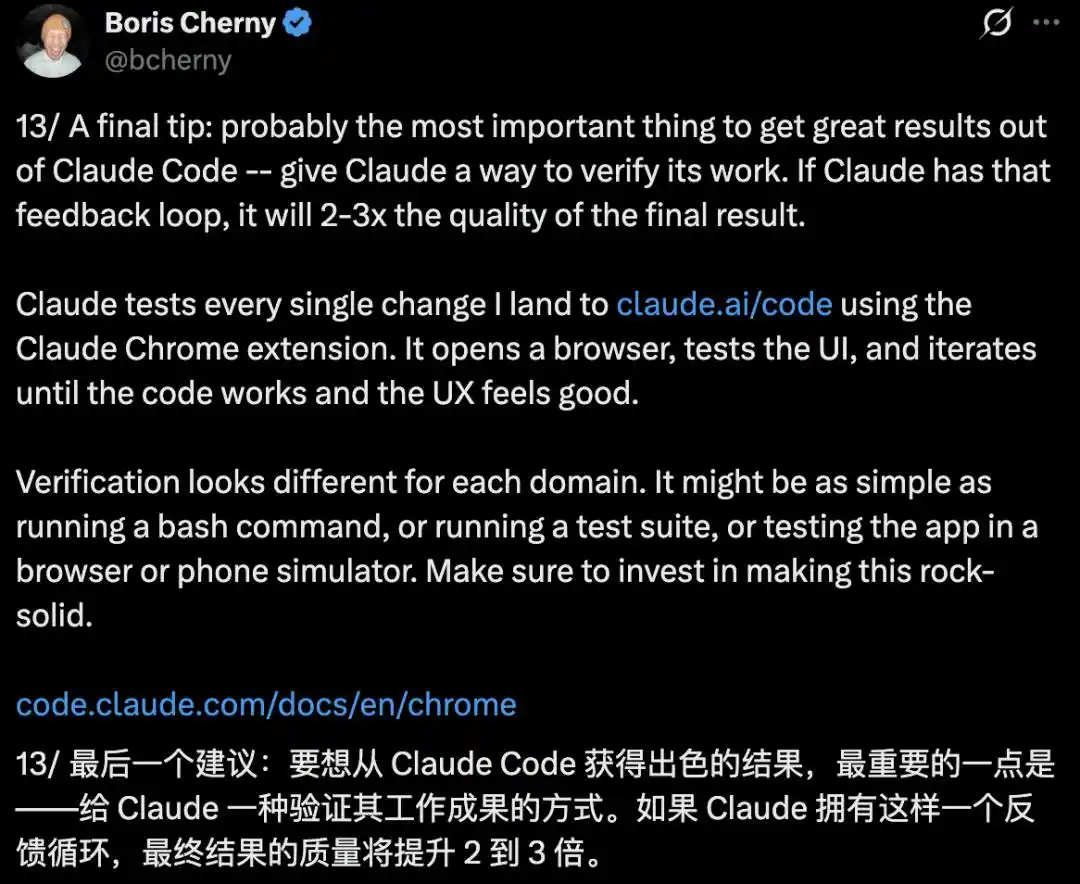
Một khi có vòng phản hồi khép kín này, chất lượng đầu ra thường có thể tăng gấp 2 đến 3 lần.

Một động tác "để AI tự kiểm tra mình", sánh được với việc đổi một thế hệ mô hình.

Vòng lặp này người thường cũng dùng được

Bộ vòng lặp phía trên, đã được làm thành sản phẩm, người thường vẫn có thể sử dụng.

Sau khi Fable 5 ra mắt, một hướng dẫn lưu truyền rộng rãi trên X, tác giả thực tế 3 tuần sau tuyên bố: đa số người dùng Fable 5 như Claude bình thường, bằng với lãng phí thứ thực sự đáng trả tiền của nó.

Tác giả đó trước tiên chỉ ra ba khả năng phân biệt Fable 5 với tất cả mô hình Claude trước đó.
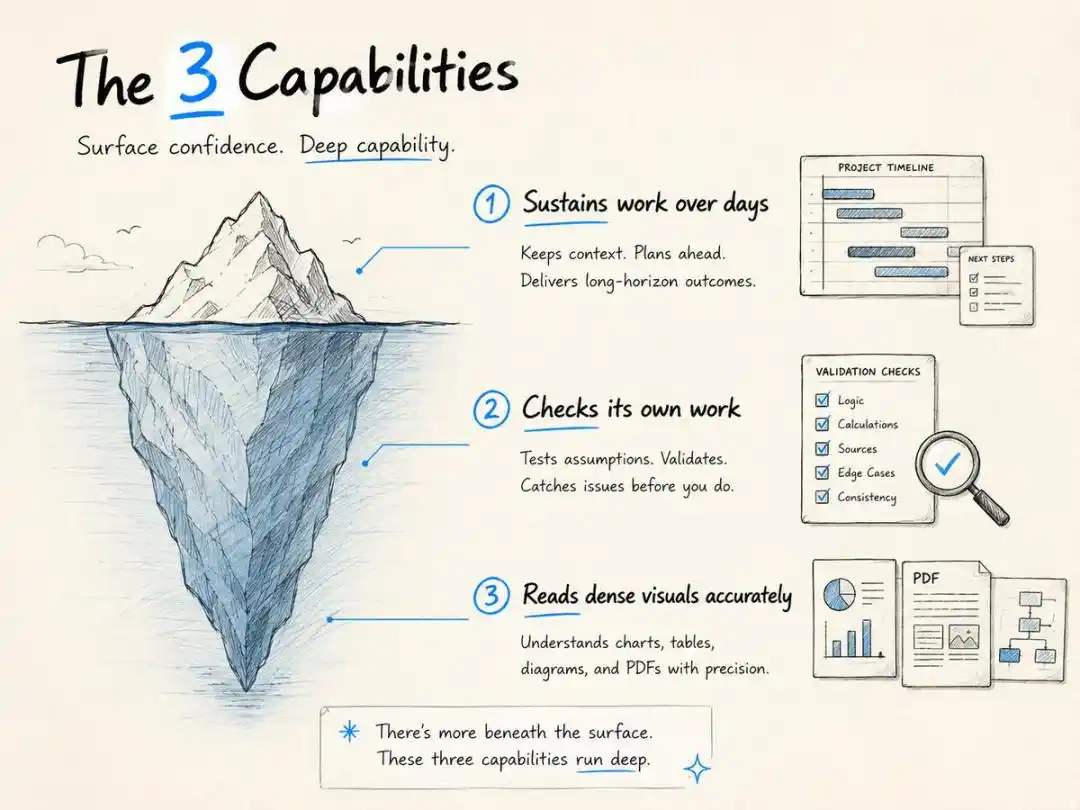
Ba khả năng của Fable 5 do hướng dẫn tổng kết: tự làm việc lâu dài, tự kiểm tra, đọc hiểu biểu đồ dày đặc.

Thứ nhất, nó có thể làm việc liên tục vài ngày, thay vì vài phút.

Các mô hình trước đây đều là vận động viên chạy cự ly ngắn, Fable 5 là mô hình đầu tiên được sinh ra cho "tự làm việc lâu dài".

Trong Claude Code, bạn có thể ném toàn bộ một dự án trải dài nhiều ngày cho nó, nó tự lập kế hoạch chia giai đoạn, tự phân phó agent con, làm cho đến khi đạt tiêu chuẩn mới thôi.

Thứ hai, nó tự tra lại mình. Công việc xong, nó không vội giao, tự viết test trước, chạy test, bắt lỗi, sửa xong, mới nói một tiếng "làm xong rồi".

Thứ ba, là khả năng đọc hiểu biểu đồ dày đặc.

Theo tác giả thực tế, các bảng trong báo cáo tài chính, biểu đồ nhúng trong PDF, sơ đồ kiến trúc, ảnh chụp bảng điều khiển, những chỗ Opus 4.8 trước đây thỉnh thoảng nhầm cột, nhìn lộn trục tọa độ, Fable 5 có thể ổn định đọc đúng.

Mà muốn thực sự dùng những khả năng này, dựa vào chính là hai lệnh: /goal và /loop.

Không dùng chúng, bạn đang bỏ tiền gấp 2 lần để mua một chatbot; dùng chúng, bạn mua được một nhân viên tự làm việc.
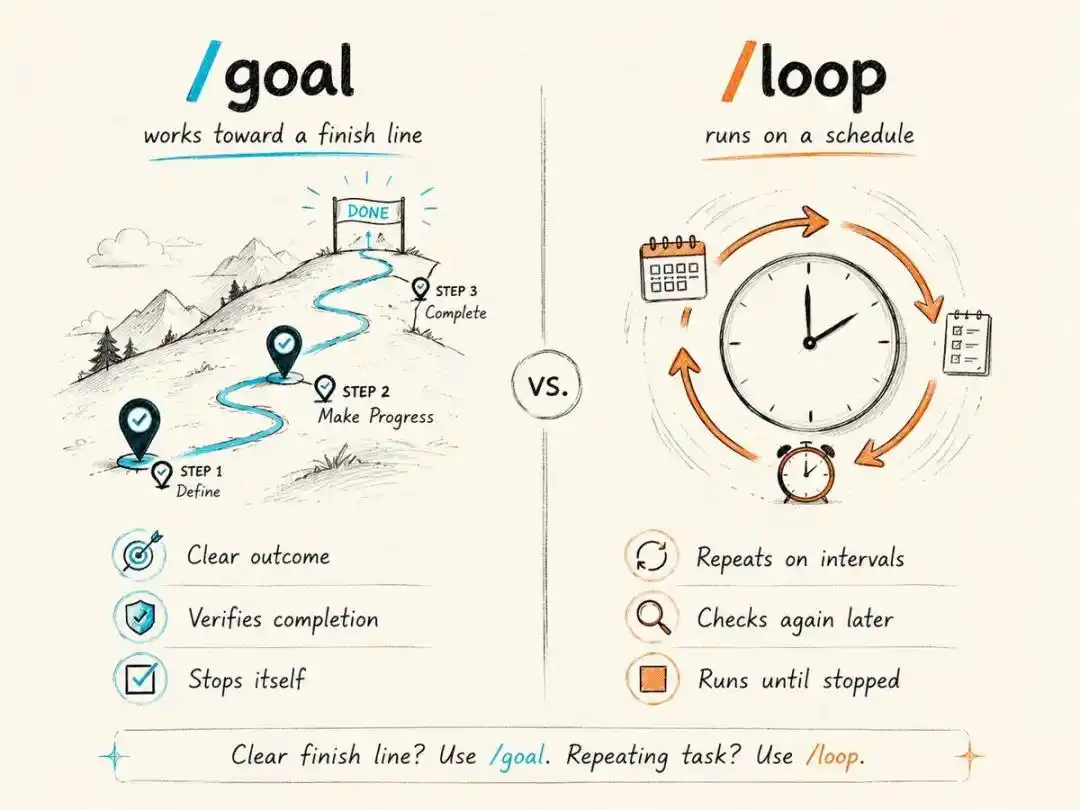
/goal chạy thẳng đến đích, đến nơi tự dừng; /loop chạy lặp lại theo điểm, cho đến khi bạn hô dừng.

Cơ chế của /goal, là bạn định nghĩa kết quả, nó chịu trách nhiệm lặp. Nó có thể chạy tốt không, có một quy luật sắt: viết cụ thể "tiêu chuẩn hoàn thành", và nhất định phải đưa một đường lui thất bại.

Ví dụ, "cải thiện đoạn code này" là một mục tiêu xấu, vì không thể kiểm chứng; "/tests/ tất cả test pass, chỉ được sửa file trong /src, sửa 3 lần vẫn không pass thì dừng lại báo cáo" là một mục tiêu tốt, vì mỗi điều đều có thể đối chiếu.

/loop thì không hướng đến một đích nào, mà là chạy lặp lại theo điểm, chạy đến khi bạn hô dừng.

Ví dụ cứ 30 phút kiểm tra một lượt nhật ký lỗi, chọn ra mức độ nghiêm trọng dùng lời nói thông thường báo cáo; hoặc mỗi giờ quét một lượt hộp thư đến, tóm tắt email mới, soạn sẵn bản nháp nên trả lời.

Khẩu quyết phân công chỉ ba câu: có đích rõ ràng, dùng /goal; lặp lại theo chu kỳ, dùng /loop; muốn chạy liên tục đến khi một điều kiện đạt được, hai cái chồng lên nhau mà dùng.

Buông tay trước, còn có một lời khuyên thực tế nhất: trước tiên hãy đặt giới hạn chi tiêu trên. Một /goal không đóng nắp đụng phải khó khăn, token có thể đốt bay vèo vèo.

Để nó nhớ bạn: Cấu hình local 20 phút

Hướng dẫn còn nhắc đến một bước, đa số chỉ dẫn đều bỏ qua, lại chính là quan trọng nhất.

Fable 5 sẽ không nhớ bạn. Mỗi lần mở cuộc hội thoại mới, nó đối với nghiệp vụ, văn phong, khách hàng, sở thích của bạn không biết gì cả, tất cả bắt đầu từ số không.

Giải pháp là trên máy mình dựng một hệ thống ngữ cảnh local, chỉ cần 20 phút là dựng xong.
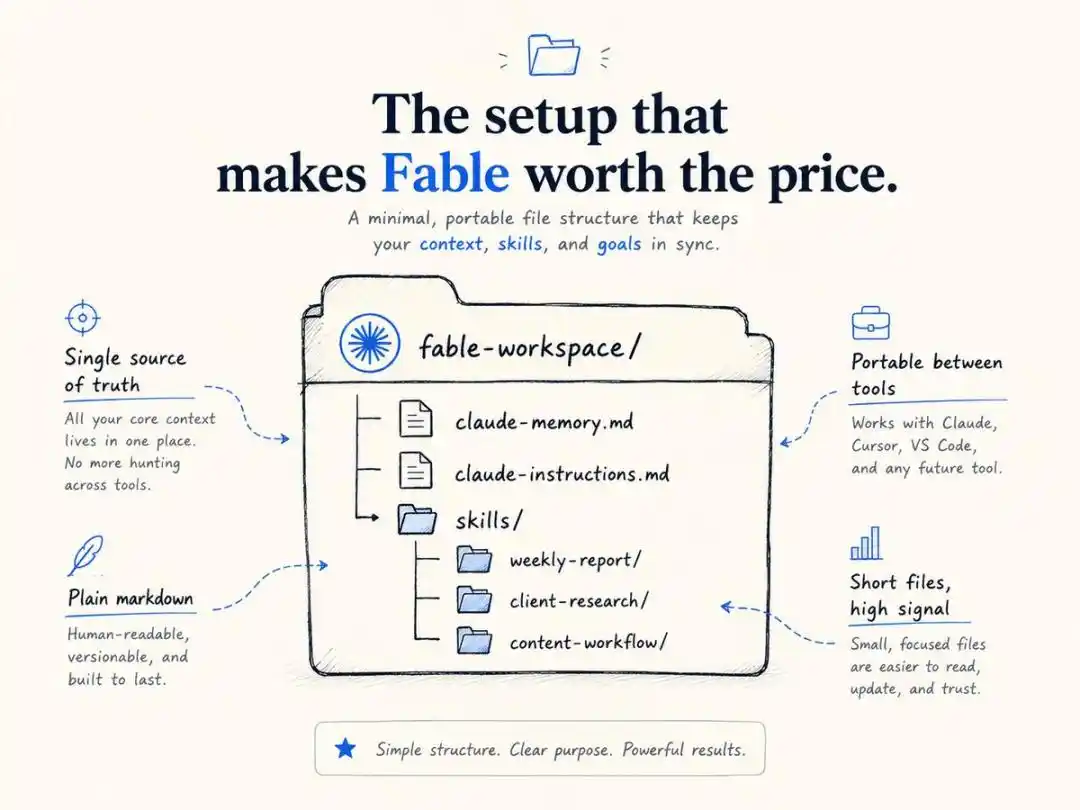
Một thư mục, hai file markdown, một bộ kỹ năng, là toàn bộ cấu hình để Fable 5 "biết bạn".

Tổng cộng chia bốn bước.

Bước một, tạo một thư mục ngữ cảnh, ví dụ gọi là fable-workspace, coi như "nguồn sự thực duy nhất" mà nó nhất định phải đọc trước khi làm việc.

Trong thư mục có thể đặt nội dung như sau: một trang tổng quan nghiệp vụ và ưu tiên, quy trình vận hành thường làm, thông tin chìa khóa của dự án đang triển khai, tài liệu chiến lược thường trích dẫn, thêm một bản nhật ký quyết định.

Mỗi file nén trong một trang, nội dung quá nhiều sẽ ăn mất cửa sổ ngữ cảnh.

Bước hai, tạo một file ký ức claude-memory.md, để lại một chỉ dẫn: mỗi khi tôi nói đến thông tin quan trọng về nghiệp vụ, sở thích hoặc tình huống, hãy cập nhật điểm chính vào, viết ngắn, đánh dấu ngày tháng.

Từ đây nó tự cập nhật, bạn nhắc một lần khách hàng mới, lần sau hội thoại nó đã biết.

Bước ba, tạo một file chỉ dẫn claude-instructions.md, viết rõ quy tắc hành vi mỗi cuộc hội thoại: trước khi làm việc đọc file ký ức trước, trước khi đưa đề xuất lục quyết định cũ, không chắc thì hỏi đừng đoán bừa, làm xong việc chủ động báo cáo và đánh dấu chỗ cần người xem qua.

Bước bốn, trong Claude Code dùng /add chỉ đến thư mục này, hoặc viết vào CLAUDE.md. Kết nối xong, mỗi cuộc hội thoại vừa mở màn, nó đã mang theo toàn bộ bối cảnh của bạn.

Bộ cấu hình này còn có một lợi ích: ngày nào đổi công cụ AI khác, ngữ cảnh trực tiếp đóng gói mang đi.

Về mặt tiết kiệm tiền, có một cách đánh 20-80: chỉ dùng Fable 5 ở 20% công việc thực sự ăn ưu thế của nó.

Trong Claude Code, Fable còn có thể tự phân phó agent con tiết kiệm tiền hơn đi làm việc thô: nó đưa ra phương án, Sonnet, Haiku những cái kia đi thực thi, cuối cùng lại do nó quay về nghiệm thu.

Đến bước này bạn sẽ phát hiện, bộ "Đội quân AI đêm" của Boris mở ra chỉ ba thứ:

Một mô hình tự làm việc, một bộ tiêu chuẩn định nghĩa "làm xong", một vòng lặp vận hành đúng giờ.

Mô hình và vòng lặp đều đã có đủ.

Thực sự khan hiếm, là người có thể nói rõ cho mô hình "nhiệm vụ làm xong là thế nào".

Tài liệu tham khảo:

https://safe.ai/blog/significant-increase-in-digital-labor-automation

https://x.com/free_ai_guides/status/2073050543027638443

https://youtu.be/SlGRN8jh2RI

https://x.com/bcherny/status/2007179861115511237

Bài viết từ tài khoản công chúng WeChat "Tân Trí Nguyên", biên tập: Nguyên Vũ

Crypto di tendenza

Domande pertinenti

QBoris Cherny đã sử dụng Claude Code như thế nào để không cần tự viết mã?

ABoris Cherny sử dụng hàng trăm, thậm chí hàng nghìn tác nhân AI trong Claude Code, được điều phối thông qua các vòng lặp (loop). Các loop này tự động chạy các tác vụ như sửa lỗi CI, thu thập phản hồi người dùng và viết mã. Ông không tự viết mã mà chỉ thiết kế hệ thống và xét duyệt các yêu cầu kéo (PR) do AI tạo ra.

QKhái niệm 'Loop' trong Claude Code quan trọng như thế nào đối với Boris Cherny?

ALoop là yếu tố cốt lõi trong quy trình làm việc của Boris Cherny. Nó cho phép Claude tự động lặp lại các tác vụ theo lịch trình (ví dụ: mỗi 30 phút, hàng ngày). Loop giúp hệ thống tự vận hành mà không cần can thiệp thủ công, biến người dùng từ người thực thi thành người thiết kế hệ thống tự động.

QLệnh /goal và /loop trong Fable 5 có chức năng gì và được sử dụng thế nào?

ALệnh `/goal` dùng để định nghĩa một mục tiêu cụ thể (ví dụ: tất cả bài kiểm tra phải pass). Claude sẽ lặp lại công việc cho đến khi đạt mục tiêu đó. Lệnh `/loop` dùng để lặp lại một tác vụ theo chu kỳ (ví dụ: kiểm tra nhật ký lỗi mỗi 30 phút) cho đến khi được lệnh dừng. Kết hợp cả hai tạo ra một hệ thống tự động hoàn chỉnh.

QLàm thế nào để Fable 5 'nhớ' được thông tin và ngữ cảnh của người dùng?

AĐể Fable 5 ghi nhớ thông tin, người dùng cần thiết lập một hệ thống ngữ cảnh cục bộ. Quy trình gồm: tạo một thư mục chứa các file Markdown tóm tắt nghiệp vụ, quy trình làm việc và dự án; tạo một file ký ức (`claude-memory.md`) để AI tự cập nhật thông tin mới; và một file hướng dẫn (`claude-instructions.md`) quy định hành vi. Sau đó, liên kết thư mục này với Claude Code.

QTheo bài viết, vai trò của con người sẽ thay đổi thế nào trong kỷ nguyên AI tự động hóa?

AVai trò của con người đang chuyển từ người thực thi thao tác (viết mã) sang người thiết kế hệ thống tự động. Công việc chính là định nghĩa mục tiêu rõ ràng, thiết lập tiêu chuẩn nghiệm thu và xây dựng các cơ chế phản hồi (như /goal) để AI tự kiểm tra. Kỹ năng quan trọng nhất là khả năng giao tiếp và mô tả cho AI biết 'hoàn thành công việc trông như thế nào'.

Letture associate

After Three Consecutive Quarters of Decline, Can the Crypto Market Find a Window for Stabilization in Q3?

The cryptocurrency market has just concluded its worst-performing quarter since 2022, with total capitalization dropping 12.6% to $2.1 trillion. All core metrics indicate capital is leaving the sector, not just rotating within it. Bitcoin fell 14.2% and Ethereum dropped 25.4% in Q2, breaking their previous correlation with US tech stocks. A key driver is the reversal in US spot Bitcoin ETF flows, which saw a net outflow of approximately $4.67 billion in Q2, including a record monthly outflow near $4.5 billion in June. While recent data suggests long-term holders are accumulating again, sustained ETF outflows mean continued selling pressure. Market focus is now singularly on the Federal Reserve. The upcoming July FOMC meeting is seen as the most critical event for Q3. A dovish signal could support Bitcoin reclaiming a $68,000-$84,000 range, while a hawkish stance might establish a new trading band around $50,000-$56,000. Additionally, regulatory uncertainty persists, with the progress of the crucial *CLARITY Act* stalling in the Senate, reducing its perceived 2026 passage probability to 40-45%. Despite the broad downturn, a few sectors showed growth. Prediction markets saw nominal volume surge 48.7% year-over-year to $113.8 billion, and tokenized collectibles transaction volume rose 143% quarterly to $1.4 billion. The Real-World Asset (RWA) tokenization sector also continued steady growth, now representing ~$28.1 billion in on-chain value. The market's foundation for an extreme crash appears limited, with Bitcoin price hovering near its 200-week moving average. However, the trading paradigm has shifted from narrative-driven speculation to decisions based on price action, policy developments, and interest rate expectations, making a broad sentiment-driven rally unlikely in the near term.

marsbit6 h fa

After Three Consecutive Quarters of Decline, Can the Crypto Market Find a Window for Stabilization in Q3?

marsbit6 h fa

BIT Trading Moment: BTC Still Suppressed by Weekly 200 EMA, Rejection May Restart Decline; Storage and Semiconductors that Surged Last Night Begin Falling in Evening Trading

**Crypto & Stock Market Wrap: Bitcoin Tests Resistance, Stocks Retreat After AI Surge** Bitcoin consolidates around $66,000, facing key resistance near $68,000—an area seen as a major psychological and technical hurdle where previous rallies have failed. Analysts note the cryptocurrency is caught between its 200-week moving average (~$63,333) and 200-week EMA (~$68,328). A clear break above $68k is needed to signal a stronger bullish trend, while a rejection could lead to a retest of $63k support. Market sentiment remains cautious, with low futures open interest pointing to a low-liquidity rebound rather than a full bull market. Bitcoin spot ETFs saw another $203 million inflow. US stock futures pointed lower after a strong Tuesday session led by a massive rebound in semiconductors and memory stocks. The rally was fueled by renewed optimism about AI-driven hardware demand, with Micron, SanDisk, and SK Hynix surging. However, those gains reversed in pre-market trading. Super Micro Computer (SMCI) soared over 20% after hours on strong guidance and a record backlog. Other standouts included Rocket Lab and nuclear energy plays Oklo and X-Energy. Rising oil prices (Brent above $91) and climbing Treasury yields (10-year near 4.64%), however, are reigniting inflation concerns and acting as a headwind for equities. In Asia, markets were mixed. South Korea's KOSPI pared early gains to close slightly higher as semiconductor stocks like SK Hynix gave back initial surges. Japan's Nikkei edged lower as the yen hit a fresh 38-year low against the dollar, raising fears of potential market intervention. Key events to watch include the Samsung Galaxy launch, AMD's AI event, and a slew of major tech earnings from Alphabet, Tesla, and IBM after the close on Wednesday, followed by the ECB meeting and Intel's earnings on Thursday.

marsbit6 h fa

BIT Trading Moment: BTC Still Suppressed by Weekly 200 EMA, Rejection May Restart Decline; Storage and Semiconductors that Surged Last Night Begin Falling in Evening Trading

marsbit6 h fa

Former CFTC Chairman, Circle President Tarbert: Preaching Long-Termism While Cashing Out $30 Million Himself

Former CFTC Chairman and Circle President Heath Tarbert has consistently advocated for a long-term vision in public, urging patience from investors as Circle’s stock price has fallen significantly from its peak. However, it has been revealed that since Circle’s IPO, Tarbert has continuously sold his CRCL shares through pre-arranged trading plans, cashing out approximately $30 million, without making any public market purchases. This contrast between his public messaging and personal actions has drawn criticism. Tarbert joined Circle in July 2023 as Chief Legal Officer, leveraging his regulatory experience to help guide the company through its IPO and expansion. Despite promoting stablecoins as long-term infrastructure, he established a 10b5-1 trading plan just before Circle went public, leading to substantial stock sales over the following year. In March 2026, he initiated another plan to sell more shares. His career trajectory highlights a pattern of moving between high-level regulatory roles and influential positions in the financial sector. After resigning as CFTC Chairman in early 2021, he joined Citadel Securities as Chief Legal Officer just 27 days later, during a period of intense regulatory scrutiny for the firm. He later joined Circle, aiding its efforts to navigate regulatory challenges for its public listing. While Tarbert's expertise in policy and compliance is valuable to companies like Circle, his actions—advocating long-term confidence while personally divesting—raise questions about the alignment between his public statements and his private financial decisions, leaving investors who followed his advice to bear the market risks.

marsbit6 h fa

Former CFTC Chairman, Circle President Tarbert: Preaching Long-Termism While Cashing Out $30 Million Himself

marsbit6 h fa

Gate Research Institute: The 'Wall Street-ization' Wave of Crypto Financial Products – Competition or Integration?

The article titled "Gate Research Institute: Are Crypto Financial Products Sparking a 'Wall Street' Wave—Competition or Convergence?" explores the evolving relationship between the crypto ecosystem and traditional finance (TradFi). The piece begins by reflecting on Bitcoin's original 2009 vision of decentralization, disintermediation, and moving away from banks. It then contrasts this with the 2024 landscape, where key crypto assets like Bitcoin are increasingly held through Wall Street products like ETFs issued by giants like BlackRock. The article questions whether this signifies that TradFi is systematically taking over the rights to issue, price, custody, and distribute crypto financial assets. The core argument is that this is not a zero-sum takeover but rather a bidirectional convergence where each side addresses the other's weaknesses. Crypto offers 24/7 global markets, programmable settlement, and open access but lacks compliant channels, institutional-grade custody, deep fiat liquidity, and mainstream distribution. TradFi possesses these but is constrained by legacy systems, limited operating hours, and slow settlement. Two primary convergence paths are highlighted: * **Path A (CEX to TradFi):** Exemplified by Gate, which has progressed from offering tokenized stocks and CFDs to providing direct, real stock trading (US, Hong Kong, South Korea) within its platform, using USDT. * **Path B (TradFi to Crypto):** Exemplified by Robinhood, which has integrated crypto trading, acquired exchanges like Bitstamp, and is moving traditional assets like stocks onto the blockchain via tokenization and its own Layer 2. Both paths are ultimately competing to become the next-generation, unified financial account—a "super account" where users can seamlessly trade cryptocurrencies, stocks, ETFs, RWA (Real World Assets), and tokenized treasury products in one interface. The growth of RWA and tokenized treasuries (e.g., BlackRock's BUIDL) is presented as the asset-layer fusion, providing stable, yield-bearing assets on-chain and acting as a bridge between the two worlds. In conclusion, the "Wall Street-ization" of crypto is framed as a mutual transformation. Decentralized ideals persist in the protocol layer, while at the application layer, a more efficient, global, and accessible unified capital market is emerging from this convergence. The future competition lies not between crypto exchanges and stockbrokers, but between platforms vying to offer the most comprehensive asset coverage, liquidity, and user experience within a single account.

marsbit6 h fa

Gate Research Institute: The 'Wall Street-ization' Wave of Crypto Financial Products – Competition or Integration?

marsbit6 h fa

Trading

Spot

Articoli Popolari

Cosa è $S$

Comprendere SPERO: Una Panoramica Completa Introduzione a SPERO Mentre il panorama dell'innovazione continua a evolversi, l'emergere delle tecnologie web3 e dei progetti di criptovaluta gioca un ruolo fondamentale nel plasmare il futuro digitale. Un progetto che ha attirato l'attenzione in questo campo dinamico è SPERO, denotato come SPERO,$$s$. Questo articolo mira a raccogliere e presentare informazioni dettagliate su SPERO, per aiutare gli appassionati e gli investitori a comprendere le sue basi, obiettivi e innovazioni nei domini web3 e crypto. Che cos'è SPERO,$$s$? SPERO,$$s$ è un progetto unico all'interno dello spazio crypto che cerca di sfruttare i principi della decentralizzazione e della tecnologia blockchain per creare un ecosistema che promuove l'impegno, l'utilità e l'inclusione finanziaria. Il progetto è progettato per facilitare interazioni peer-to-peer in modi nuovi, fornendo agli utenti soluzioni e servizi finanziari innovativi. Al suo interno, SPERO,$$s$ mira a responsabilizzare gli individui fornendo strumenti e piattaforme che migliorano l'esperienza dell'utente nello spazio delle criptovalute. Questo include la possibilità di metodi di transazione più flessibili, la promozione di iniziative guidate dalla comunità e la creazione di percorsi per opportunità finanziarie attraverso applicazioni decentralizzate (dApps). La visione sottostante di SPERO,$$s$ ruota attorno all'inclusività, cercando di colmare le lacune all'interno della finanza tradizionale mentre sfrutta i vantaggi della tecnologia blockchain. Chi è il Creatore di SPERO,$$s$? L'identità del creatore di SPERO,$$s$ rimane piuttosto oscura, poiché ci sono risorse pubblicamente disponibili limitate che forniscono informazioni dettagliate sul suo fondatore o fondatori. Questa mancanza di trasparenza può derivare dall'impegno del progetto per la decentralizzazione—un ethos che molti progetti web3 condividono, dando priorità ai contributi collettivi rispetto al riconoscimento individuale. Centrando le discussioni attorno alla comunità e ai suoi obiettivi collettivi, SPERO,$$s$ incarna l'essenza dell'empowerment senza mettere in evidenza individui specifici. Pertanto, comprendere l'etica e la missione di SPERO rimane più importante che identificare un creatore singolo. Chi sono gli Investitori di SPERO,$$s$? SPERO,$$s$ è supportato da una varietà di investitori che vanno dai capitalisti di rischio agli investitori angelici dedicati a promuovere l'innovazione nel settore crypto. Il focus di questi investitori generalmente si allinea con la missione di SPERO—dando priorità a progetti che promettono avanzamenti tecnologici sociali, inclusività finanziaria e governance decentralizzata. Queste fondazioni di investitori sono tipicamente interessate a progetti che non solo offrono prodotti innovativi, ma contribuiscono anche positivamente alla comunità blockchain e ai suoi ecosistemi. Il supporto di questi investitori rafforza SPERO,$$s$ come un concorrente degno di nota nel dominio in rapida evoluzione dei progetti crypto. Come Funziona SPERO,$$s$? SPERO,$$s$ impiega un framework multifunzionale che lo distingue dai progetti di criptovaluta convenzionali. Ecco alcune delle caratteristiche chiave che sottolineano la sua unicità e innovazione: Governance Decentralizzata: SPERO,$$s$ integra modelli di governance decentralizzati, responsabilizzando gli utenti a partecipare attivamente ai processi decisionali riguardanti il futuro del progetto. Questo approccio favorisce un senso di proprietà e responsabilità tra i membri della comunità. Utilità del Token: SPERO,$$s$ utilizza il proprio token di criptovaluta, progettato per servire varie funzioni all'interno dell'ecosistema. Questi token abilitano transazioni, premi e la facilitazione dei servizi offerti sulla piattaforma, migliorando l'impegno e l'utilità complessivi. Architettura Stratificata: L'architettura tecnica di SPERO,$$s$ supporta la modularità e la scalabilità, consentendo un'integrazione fluida di funzionalità e applicazioni aggiuntive man mano che il progetto evolve. Questa adattabilità è fondamentale per mantenere la rilevanza nel panorama crypto in continua evoluzione. Coinvolgimento della Comunità: Il progetto enfatizza iniziative guidate dalla comunità, impiegando meccanismi che incentivano la collaborazione e il feedback. Nutrendo una comunità forte, SPERO,$$s$ può affrontare meglio le esigenze degli utenti e adattarsi alle tendenze di mercato. Focus sull'Inclusione: Offrendo basse commissioni di transazione e interfacce user-friendly, SPERO,$$s$ mira ad attrarre una base utenti diversificata, inclusi individui che potrebbero non aver precedentemente interagito nello spazio crypto. Questo impegno per l'inclusione si allinea con la sua missione generale di empowerment attraverso l'accessibilità. Cronologia di SPERO,$$s$ Comprendere la storia di un progetto fornisce preziose intuizioni sulla sua traiettoria di sviluppo e sui traguardi. Di seguito è riportata una cronologia suggerita che mappa eventi significativi nell'evoluzione di SPERO,$$s$: Fase di Concettualizzazione e Ideazione: Le idee iniziali che formano la base di SPERO,$$s$ sono state concepite, allineandosi strettamente con i principi di decentralizzazione e focus sulla comunità all'interno dell'industria blockchain. Lancio del Whitepaper del Progetto: Dopo la fase concettuale, è stato rilasciato un whitepaper completo che dettaglia la visione, gli obiettivi e l'infrastruttura tecnologica di SPERO,$$s$ per suscitare interesse e feedback dalla comunità. Costruzione della Comunità e Prime Interazioni: Sono stati effettuati sforzi attivi di outreach per costruire una comunità di early adopters e potenziali investitori, facilitando discussioni attorno agli obiettivi del progetto e ottenendo supporto. Evento di Generazione del Token: SPERO,$$s$ ha condotto un evento di generazione del token (TGE) per distribuire i propri token nativi ai primi sostenitori e stabilire una liquidità iniziale all'interno dell'ecosistema. Lancio della Prima dApp: La prima applicazione decentralizzata (dApp) associata a SPERO,$$s$ è stata attivata, consentendo agli utenti di interagire con le funzionalità principali della piattaforma. Sviluppo Continuo e Partnership: Aggiornamenti e miglioramenti continui alle offerte del progetto, inclusi partnership strategiche con altri attori nello spazio blockchain, hanno plasmato SPERO,$$s$ in un concorrente competitivo e in evoluzione nel mercato crypto. Conclusione SPERO,$$s$ rappresenta una testimonianza del potenziale del web3 e delle criptovalute di rivoluzionare i sistemi finanziari e responsabilizzare gli individui. Con un impegno per la governance decentralizzata, il coinvolgimento della comunità e funzionalità progettate in modo innovativo, apre la strada verso un panorama finanziario più inclusivo. Come per qualsiasi investimento nello spazio crypto in rapida evoluzione, si incoraggiano potenziali investitori e utenti a ricercare approfonditamente e a impegnarsi in modo riflessivo con gli sviluppi in corso all'interno di SPERO,$$s$. Il progetto mostra lo spirito innovativo dell'industria crypto, invitando a ulteriori esplorazioni delle sue innumerevoli possibilità. Mentre il percorso di SPERO,$$s$ è ancora in fase di sviluppo, i suoi principi fondamentali potrebbero effettivamente influenzare il futuro di come interagiamo con la tecnologia, la finanza e tra di noi in ecosistemi digitali interconnessi.

130 Totale visualizzazioniPubblicato il 2024.12.17Aggiornato il 2024.12.17

Cosa è $S$

Cosa è AGENT S

Agent S: Il Futuro dell'Interazione Autonoma in Web3 Introduzione Nel panorama in continua evoluzione di Web3 e criptovalute, le innovazioni stanno costantemente ridefinendo il modo in cui gli individui interagiscono con le piattaforme digitali. Uno di questi progetti pionieristici, Agent S, promette di rivoluzionare l'interazione uomo-computer attraverso il suo framework agentico aperto. Aprendo la strada a interazioni autonome, Agent S mira a semplificare compiti complessi, offrendo applicazioni trasformative nell'intelligenza artificiale (AI). Questa esplorazione dettagliata approfondirà le complessità del progetto, le sue caratteristiche uniche e le implicazioni per il dominio delle criptovalute. Cos'è Agent S? Agent S si presenta come un innovativo framework agentico aperto, progettato specificamente per affrontare tre sfide fondamentali nell'automazione dei compiti informatici: Acquisizione di Conoscenze Specifiche del Dominio: Il framework apprende in modo intelligente da varie fonti di conoscenza esterne ed esperienze interne. Questo approccio duale gli consente di costruire un ricco repository di conoscenze specifiche del dominio, migliorando le sue prestazioni nell'esecuzione dei compiti. Pianificazione su Lungo Orizzonte di Compiti: Agent S impiega una pianificazione gerarchica potenziata dall'esperienza, un approccio strategico che facilita la suddivisione e l'esecuzione efficiente di compiti complessi. Questa caratteristica migliora significativamente la sua capacità di gestire più sottocompiti in modo efficiente ed efficace. Gestione di Interfacce Dinamiche e Non Uniformi: Il progetto introduce l'Interfaccia Agente-Computer (ACI), una soluzione innovativa che migliora l'interazione tra agenti e utenti. Utilizzando Modelli Linguistici Multimodali di Grandi Dimensioni (MLLM), Agent S può navigare e manipolare senza sforzo diverse interfacce grafiche utente. Attraverso queste caratteristiche pionieristiche, Agent S fornisce un framework robusto che affronta le complessità coinvolte nell'automazione dell'interazione umana con le macchine, preparando il terreno per innumerevoli applicazioni nell'AI e oltre. Chi è il Creatore di Agent S? Sebbene il concetto di Agent S sia fondamentalmente innovativo, informazioni specifiche sul suo creatore rimangono elusive. Il creatore è attualmente sconosciuto, il che evidenzia sia la fase embrionale del progetto sia la scelta strategica di mantenere i membri fondatori sotto anonimato. Indipendentemente dall'anonimato, l'attenzione rimane sulle capacità e sul potenziale del framework. Chi sono gli Investitori di Agent S? Poiché Agent S è relativamente nuovo nell'ecosistema crittografico, informazioni dettagliate riguardanti i suoi investitori e sostenitori finanziari non sono documentate esplicitamente. La mancanza di approfondimenti pubblicamente disponibili sulle fondazioni di investimento o sulle organizzazioni che supportano il progetto solleva interrogativi sulla sua struttura di finanziamento e sulla roadmap di sviluppo. Comprendere il supporto è cruciale per valutare la sostenibilità del progetto e il suo potenziale impatto sul mercato. Come Funziona Agent S? Al centro di Agent S si trova una tecnologia all'avanguardia che gli consente di funzionare efficacemente in contesti diversi. Il suo modello operativo è costruito attorno a diverse caratteristiche chiave: Interazione Uomo-Computer Simile a Quella Umana: Il framework offre una pianificazione AI avanzata, cercando di rendere le interazioni con i computer più intuitive. Mimando il comportamento umano nell'esecuzione dei compiti, promette di elevare le esperienze degli utenti. Memoria Narrativa: Utilizzata per sfruttare esperienze di alto livello, Agent S utilizza la memoria narrativa per tenere traccia delle storie dei compiti, migliorando così i suoi processi decisionali. Memoria Episodica: Questa caratteristica fornisce agli utenti una guida passo-passo, consentendo al framework di offrire supporto contestuale mentre i compiti si sviluppano. Supporto per OpenACI: Con la capacità di funzionare localmente, Agent S consente agli utenti di mantenere il controllo sulle proprie interazioni e flussi di lavoro, allineandosi con l'etica decentralizzata di Web3. Facile Integrazione con API Esterne: La sua versatilità e compatibilità con varie piattaforme AI garantiscono che Agent S possa adattarsi senza problemi agli ecosistemi tecnologici esistenti, rendendolo una scelta attraente per sviluppatori e organizzazioni. Queste funzionalità contribuiscono collettivamente alla posizione unica di Agent S all'interno dello spazio crittografico, poiché automatizza compiti complessi e multi-fase con un intervento umano minimo. Man mano che il progetto evolve, le sue potenziali applicazioni in Web3 potrebbero ridefinire il modo in cui si svolgono le interazioni digitali. Cronologia di Agent S Lo sviluppo e le tappe di Agent S possono essere riassunti in una cronologia che evidenzia i suoi eventi significativi: 27 Settembre 2024: Il concetto di Agent S è stato lanciato in un documento di ricerca completo intitolato “Un Framework Agentico Aperto che Usa i Computer Come un Umano”, mostrando le basi per il progetto. 10 Ottobre 2024: Il documento di ricerca è stato reso pubblicamente disponibile su arXiv, offrendo un'esplorazione approfondita del framework e della sua valutazione delle prestazioni basata sul benchmark OSWorld. 12 Ottobre 2024: È stata rilasciata una presentazione video, fornendo un'idea visiva delle capacità e delle caratteristiche di Agent S, coinvolgendo ulteriormente potenziali utenti e investitori. Questi indicatori nella cronologia non solo illustrano i progressi di Agent S, ma indicano anche il suo impegno per la trasparenza e il coinvolgimento della comunità. Punti Chiave su Agent S Man mano che il framework Agent S continua a evolversi, diversi attributi chiave si distinguono, sottolineando la sua natura innovativa e il potenziale: Framework Innovativo: Progettato per fornire un uso intuitivo dei computer simile all'interazione umana, Agent S porta un approccio nuovo all'automazione dei compiti. Interazione Autonoma: La capacità di interagire autonomamente con i computer attraverso GUI segna un passo avanti verso soluzioni informatiche più intelligenti ed efficienti. Automazione di Compiti Complessi: Con la sua metodologia robusta, può automatizzare compiti complessi e multi-fase, rendendo i processi più veloci e meno soggetti a errori. Miglioramento Continuo: I meccanismi di apprendimento consentono ad Agent S di migliorare dalle esperienze passate, migliorando continuamente le sue prestazioni e la sua efficacia. Versatilità: La sua adattabilità attraverso diversi ambienti operativi come OSWorld e WindowsAgentArena garantisce che possa servire un'ampia gamma di applicazioni. Man mano che Agent S si posiziona nel panorama di Web3 e delle criptovalute, il suo potenziale per migliorare le capacità di interazione e automatizzare i processi segna un significativo avanzamento nelle tecnologie AI. Attraverso il suo framework innovativo, Agent S esemplifica il futuro delle interazioni digitali, promettendo un'esperienza più fluida ed efficiente per gli utenti in vari settori. Conclusione Agent S rappresenta un audace passo avanti nell'unione tra AI e Web3, con la capacità di ridefinire il modo in cui interagiamo con la tecnologia. Sebbene sia ancora nelle sue fasi iniziali, le possibilità per la sua applicazione sono vaste e coinvolgenti. Attraverso il suo framework completo che affronta sfide critiche, Agent S mira a portare le interazioni autonome al centro dell'esperienza digitale. Man mano che ci addentriamo nei regni delle criptovalute e della decentralizzazione, progetti come Agent S giocheranno senza dubbio un ruolo cruciale nel plasmare il futuro della tecnologia e della collaborazione uomo-computer.

584 Totale visualizzazioniPubblicato il 2025.01.14Aggiornato il 2025.01.14

Cosa è AGENT S

Come comprare S

Benvenuto in HTX.com! Abbiamo reso l'acquisto di Sonic (S) semplice e conveniente. Segui la nostra guida passo passo per intraprendere il tuo viaggio nel mondo delle criptovalute.Step 1: Crea il tuo Account HTXUsa la tua email o numero di telefono per registrarti il tuo account gratuito su HTX. Vivi un'esperienza facile e sblocca tutte le funzionalità,Crea il mio accountStep 2: Vai in Acquista crypto e seleziona il tuo metodo di pagamentoCarta di credito/debito: utilizza la tua Visa o Mastercard per acquistare immediatamente SonicS.Bilancio: Usa i fondi dal bilancio del tuo account HTX per fare trading senza problemi.Terze parti: abbiamo aggiunto metodi di pagamento molto utilizzati come Google Pay e Apple Pay per maggiore comodità.P2P: Fai trading direttamente con altri utenti HTX.Over-the-Counter (OTC): Offriamo servizi su misura e tassi di cambio competitivi per i trader.Step 3: Conserva Sonic (S)Dopo aver acquistato Sonic (S), conserva nel tuo account HTX. In alternativa, puoi inviare tramite trasferimento blockchain o scambiare per altre criptovalute.Step 4: Scambia Sonic (S)Scambia facilmente Sonic (S) nel mercato spot di HTX. Accedi al tuo account, seleziona la tua coppia di trading, esegui le tue operazioni e monitora in tempo reale. Offriamo un'esperienza user-friendly sia per chi ha appena iniziato che per i trader più esperti.

1.2k Totale visualizzazioniPubblicato il 2025.01.15Aggiornato il 2026.06.02

Come comprare S

Discussioni

Benvenuto nella Community HTX. Qui puoi rimanere informato sugli ultimi sviluppi della piattaforma e accedere ad approfondimenti esperti sul mercato. Le opinioni degli utenti sul prezzo di S S sono presentate come di seguito.

活动图片














