Người kém may mắn nhất: API không có lượt gọi, bị Anthropic lén trừ phí 1 tỷ tệ

marsbitPubblicato 2026-07-13Pubblicato ultima volta 2026-07-13

Introduzione

Vào ngày 8/7, nhà phát triển Hàn Quốc Remy_Notes đã đăng hai hóa đơn từ Anthropic lên Threads: hóa đơn thứ nhất 1,66 triệu USD (khoảng 11,3 triệu RMB) và hóa đơn thứ hai 16,62 triệu USD (khoảng 110 triệu RMB) chỉ trong vòng chưa đầy 24 giờ. Điều đáng kinh ngạc là tài khoản của anh ở gói miễn phí, không ràng buộc thẻ tín dụng và lịch sử sử dụng API hiển thị bằng 0. Đây không phải là trường hợp cá biệt. Công ty kiểm toán hóa đơn AI Vaudit, sau khi xem xét hóa đơn trị giá 34 triệu USD của 60 doanh nghiệp từ tháng 3 đến tháng 6, phát hiện khoảng 1,7 triệu USD bị tính phí sai, phần lớn liên quan đến Claude Code của Anthropic. Các lỗi phổ biến bao gồm tính phí theo mô hình mới đắt hơn thay vì mô hình cũ rẻ hơn, tính phí cho các yêu cầu không hoàn thành hoặc bị lỗi, và tính phí cho nhiều lần thử lại khi Agent thất bại. Sự thiếu minh bạch trong tính phí của Anthropic đã gây ra nhiều bất bình. Vào tháng 4, một lỗi định tuyến xác thực được gọi là "HERMES.md bug" khiến các yêu cầu thuộc gói đăng ký Max bị chuyển sang kênh tính phí API đắt hơn. Tháng 6, một vụ kiện tập thể đã được đệ trình tại California, cáo buộc Anthropic gây hiểu lầm về cách tính toán hạn ngạch sử dụng trong các gói đăng ký. Việc Anthropic nhanh chóng thay đổi chính sách định giá cho mô hình mạnh nhất Fable 5 càng làm gia tăng lo ngại. Vấn đề này phản ánh thách thức chung của ngành AI: cấu trúc tính phí phức tạp trở thành "hộp đen" khó kiểm chứng đối với người dùng. Sự xuất hiện của các công ty kiểm toán như Vaudit...

Ngày 8 tháng 7, nhà phát triển nổi tiếng Hàn Quốc remy_notes đã chia sẻ trên Threads hai ảnh chụp hóa đơn từ Anthropic: hóa đơn đầu tiên 1.669 triệu USD (khoảng 11,3 triệu Nhân dân tệ), hóa đơn thứ hai 16,62 triệu USD (khoảng 110 triệu Nhân dân tệ). Khoảng cách giữa hai hóa đơn chưa đầy 24 giờ, số tiền tăng gần 10 lần.
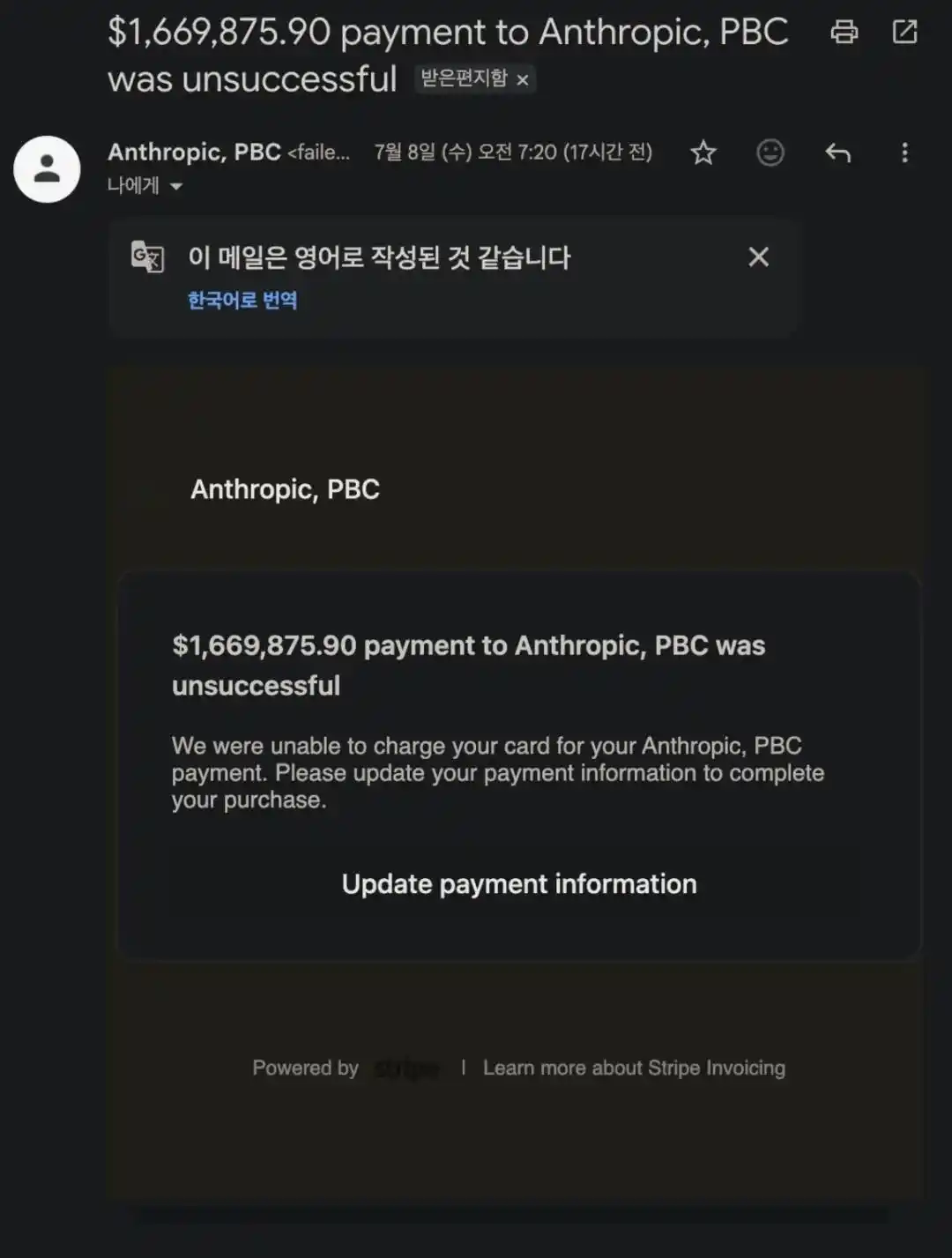
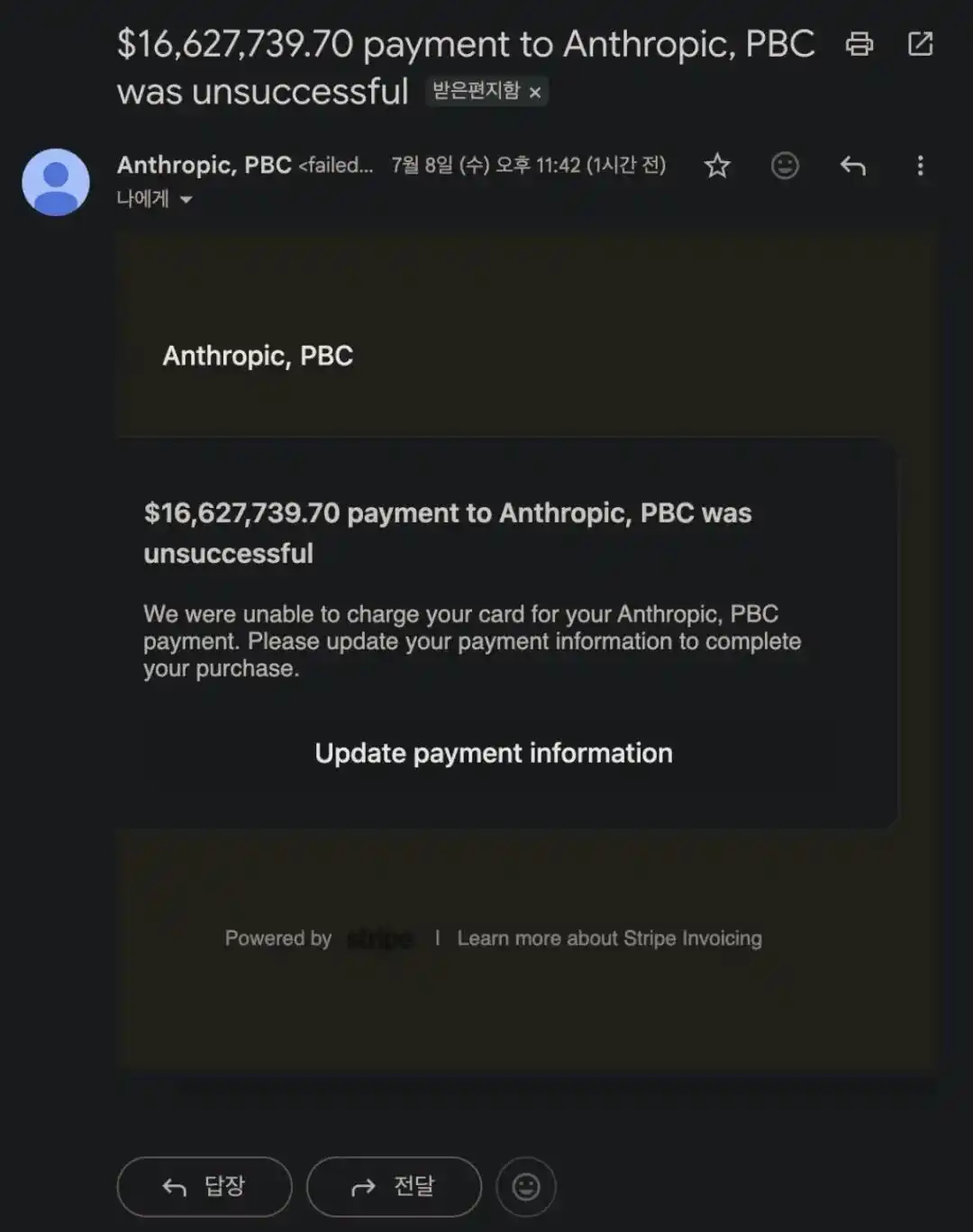
Ban đầu anh ấy nghĩ là email lừa đảo, nhưng địa chỉ người gửi và liên kết thanh toán đều trỏ về tên miền Stripe chính thức của Anthropic.
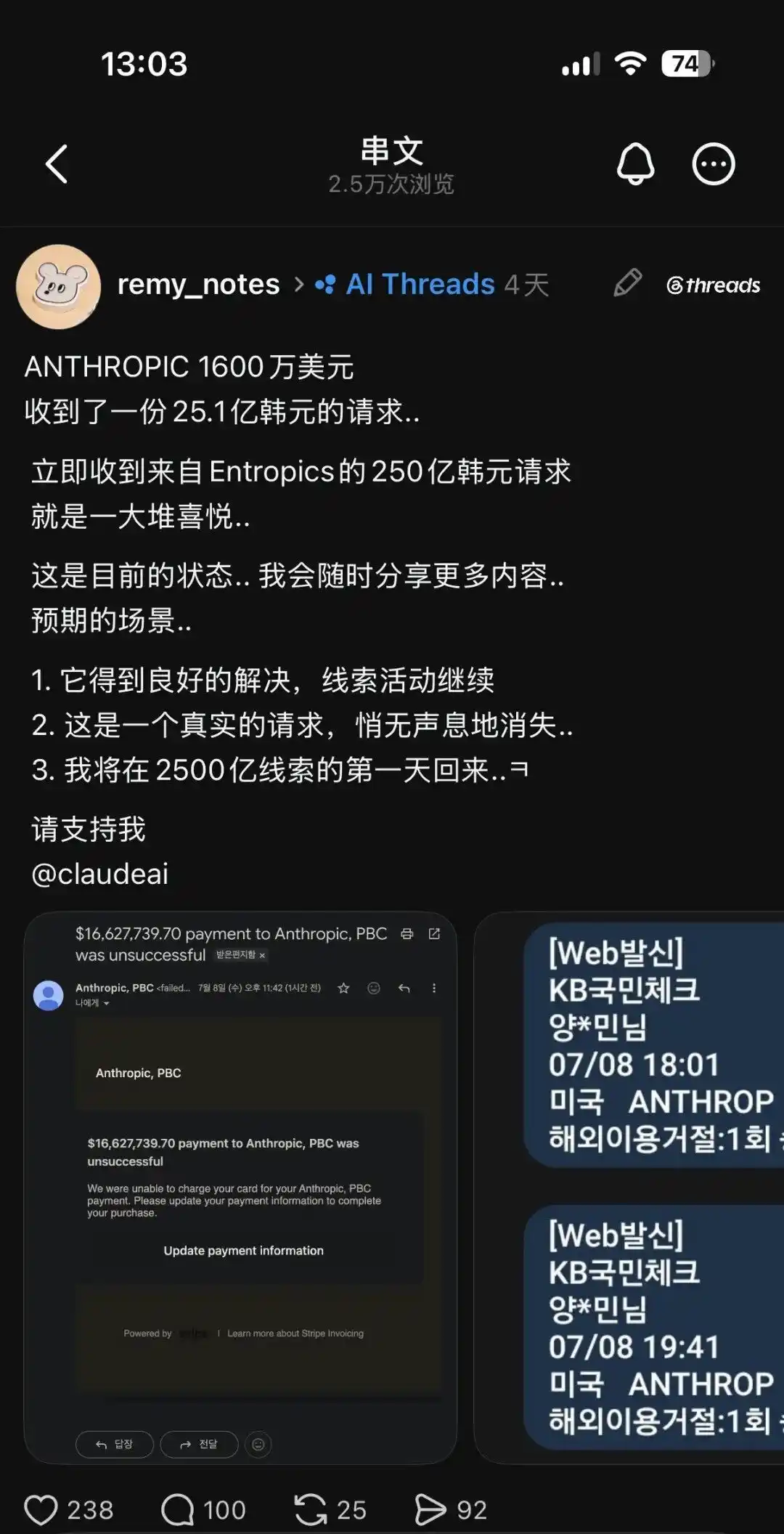
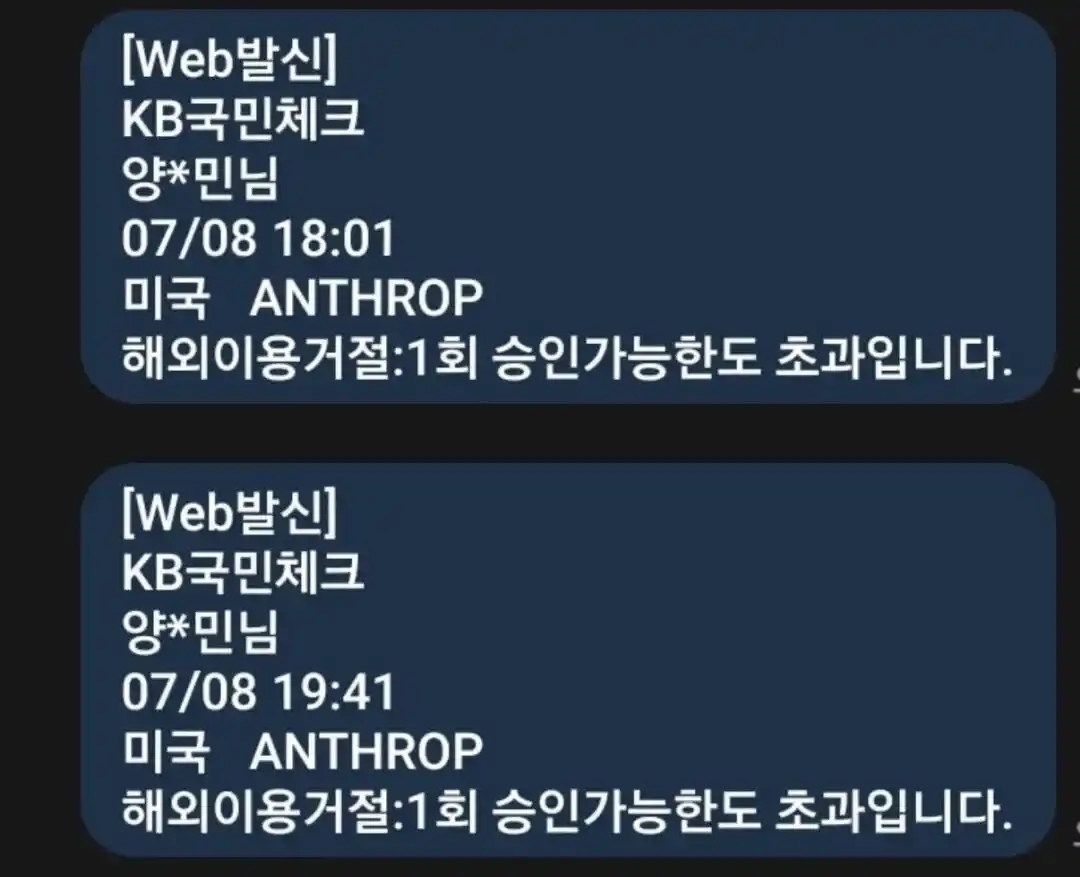
Thẻ ghi nợ KB Kookmin Bank của anh ấy trong cùng ngày đã chặn hai yêu cầu ghi nợ từ thương nhân nước ngoài "ANTHROP" ở Mỹ – bị từ chối do hạn mức đơn giao dịch không đủ.
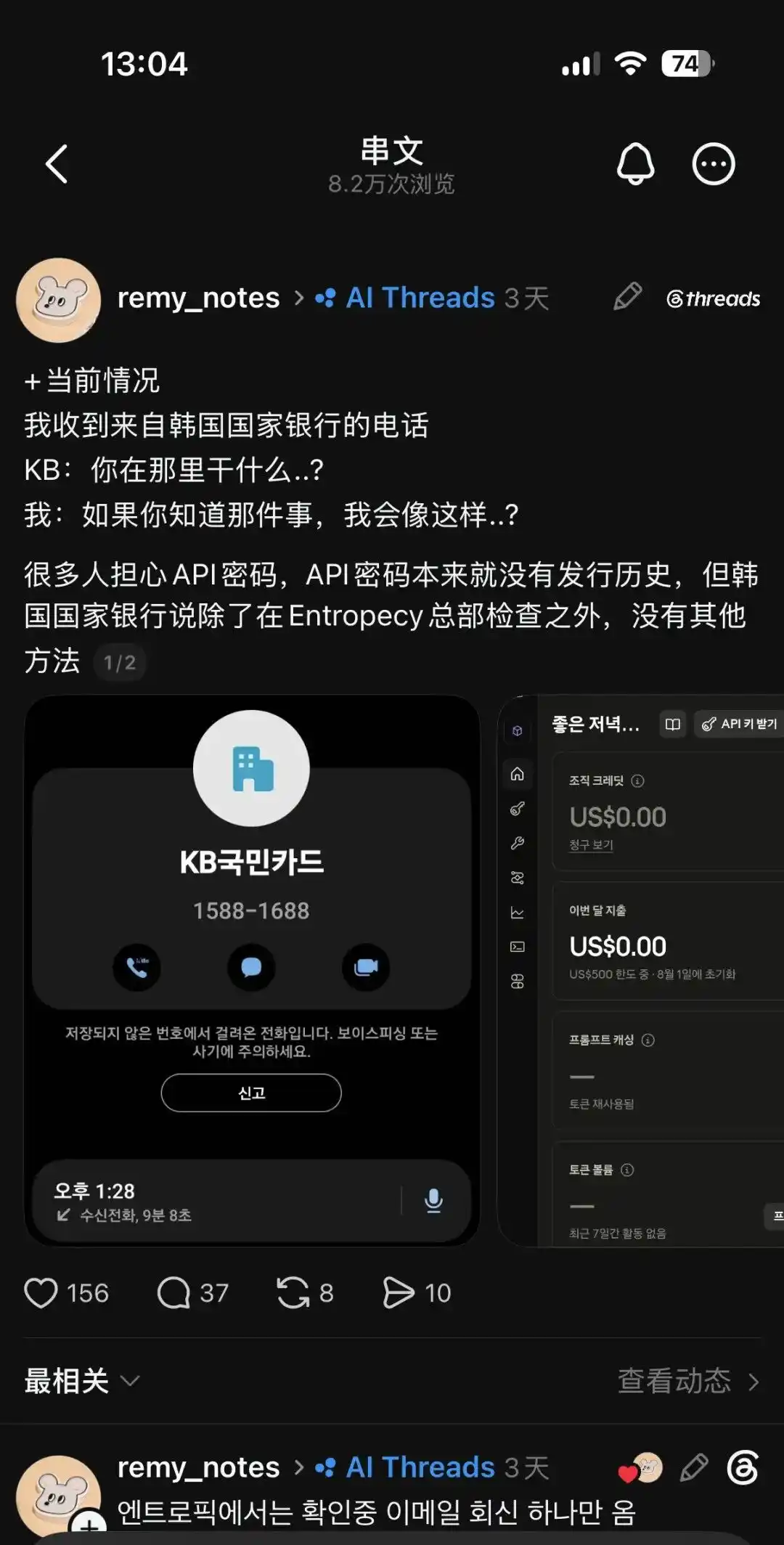
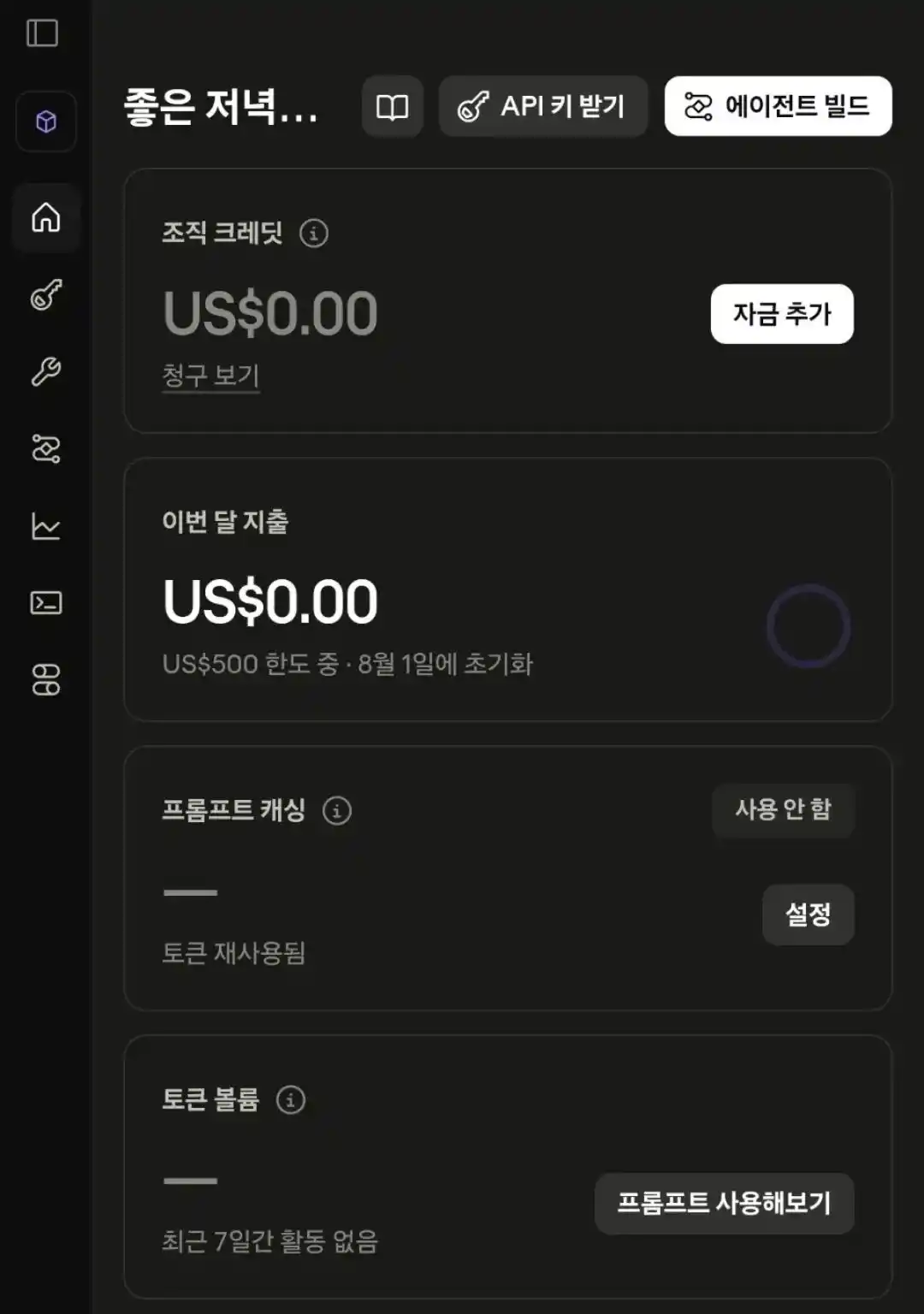
Tài khoản của anh ấy thuộc gói miễn phí, không liên kết thẻ tín dụng, hậu trường hiển thị mức sử dụng API bằng không.
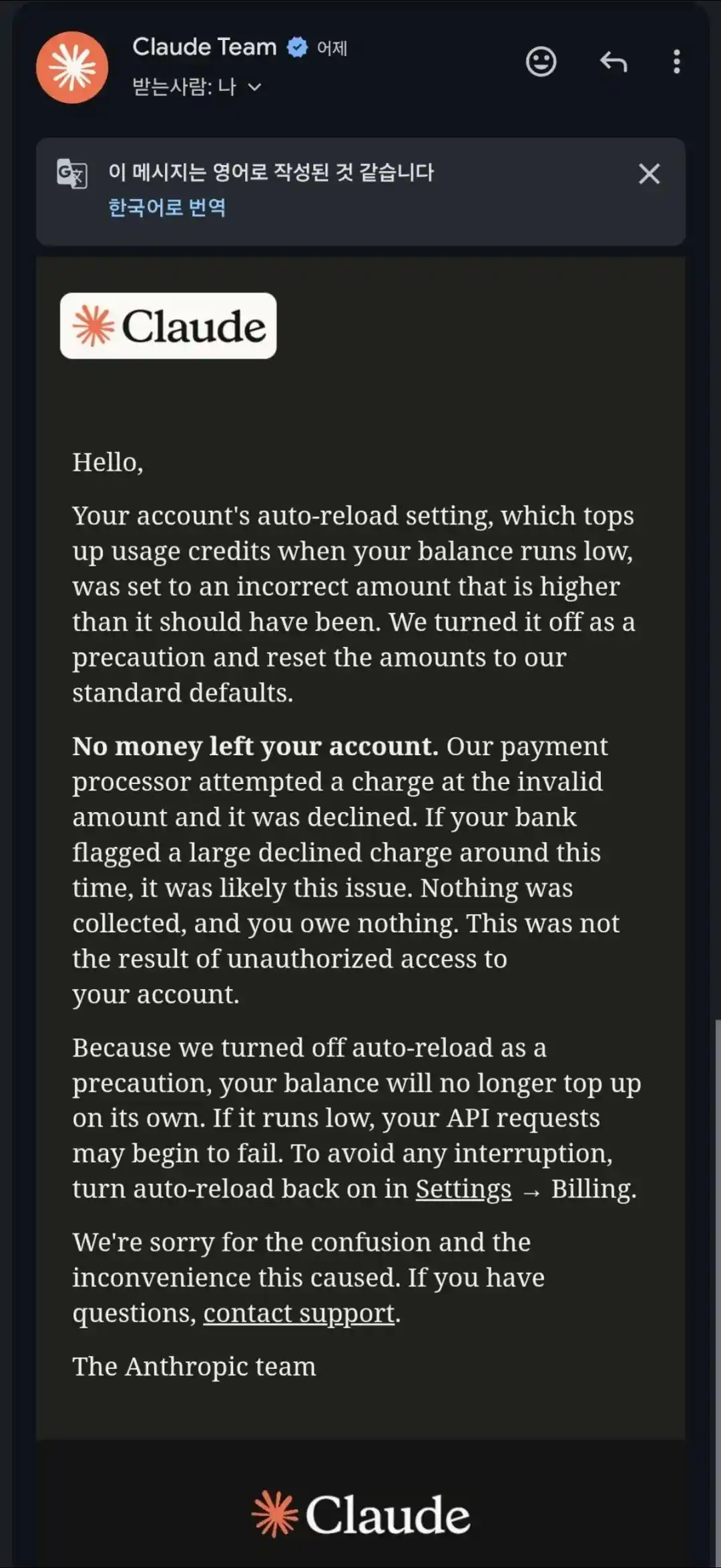
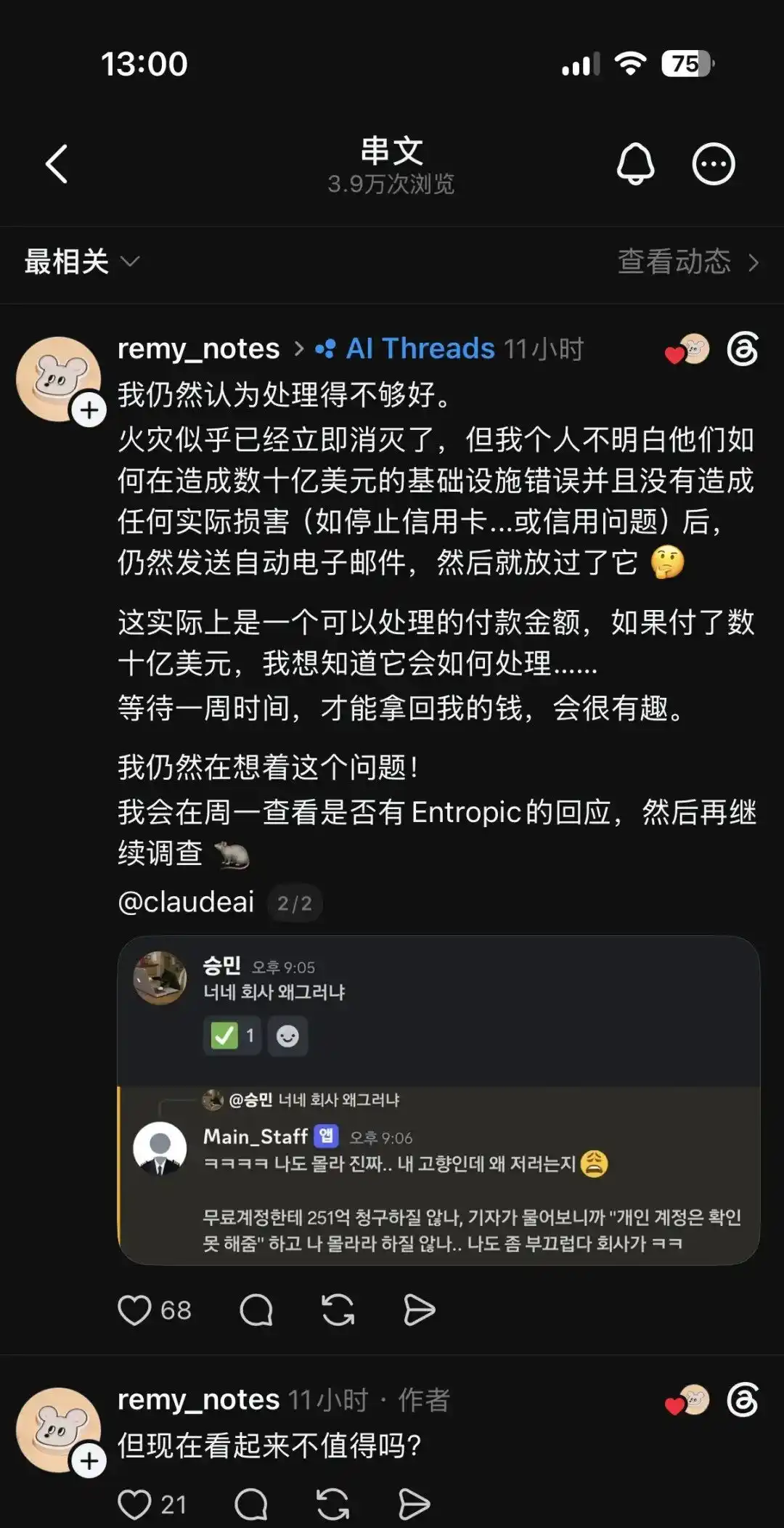
Tính đến thời điểm đăng bài, Anthropic vẫn chưa công khai giải thích nguyên nhân của "hóa đơn ma" này.
Không chỉ một "hóa đơn ma"

Con số 16,6 triệu USD đủ để gây chấn động, nhưng điều đáng quan tâm thực sự là vấn đề hệ thống đang lộ ra sau đó.

Công ty kiểm toán hóa đơn AI Vaudit từ tháng 3 đến tháng 6 đã xem xét hóa đơn AI trị giá 34 triệu USD của 60 doanh nghiệp, phát hiện khoảng 1,7 triệu USD bị tính sai và tính thừa, trong đó phần lớn liên quan đến Claude Code của Anthropic.

Khách hàng của Vaudit bao gồm Panasonic, HP và Honda.

Giám đốc điều hành Vaudit Michael Hahn

Giám đốc điều hành Vaudit Michael Hahn mô tả với The Information một số mẫu tính thừa phổ biến:

Khách hàng sử dụng mô hình cũ, rẻ hơn, nhưng bị tính phí theo mô hình mới đắt hơn;

AI Agent hoặc chatbot chưa hoàn thành yêu cầu, thậm chí trả về thông tin lỗi, vẫn phát sinh phí;

Agent sau khi thất bại nhiệm vụ liên tục thử lại (bão thử lại - retry storm), mỗi lần thử lại đều bị tính giá.

Người phát ngôn của Anthropic phản hồi rằng, công ty không tính phí cho các yêu cầu chưa hoàn thành hoặc thông tin lỗi, không định tuyến yêu cầu người dùng đến mô hình cũ, "tính thừa phí dường như không phải là vấn đề phổ biến".

Nhưng dưới sự khiếu nại của Vaudit và khách hàng, Amazon, Google, Microsoft, Anthropic và OpenAI đã hoàn trả khoảng 80% số tiền gây tranh cãi.

Hahn nói rằng các công ty này "rất hợp tác" khi xử lý tranh chấp hóa đơn.

Một chi tiết đáng chú ý là: Một số khách hàng mà Vaudit kiểm toán không trực tiếp mua dịch vụ từ Anthropic, mà thông qua các nền tảng đám mây trung gian như AWS, Google Cloud hoặc Microsoft Azure.

Sau khi hóa đơn được chuyển qua thêm một tầng, việc xác định trách nhiệm thuộc về ai trở nên mập mờ hơn.

Tại sao hóa đơn AI ngày càng khó hiểu

Sự thiếu tin tưởng của cộng đồng nhà phát triển vào việc tính phí của Anthropic không phải tích tụ trong một sớm một chiều.

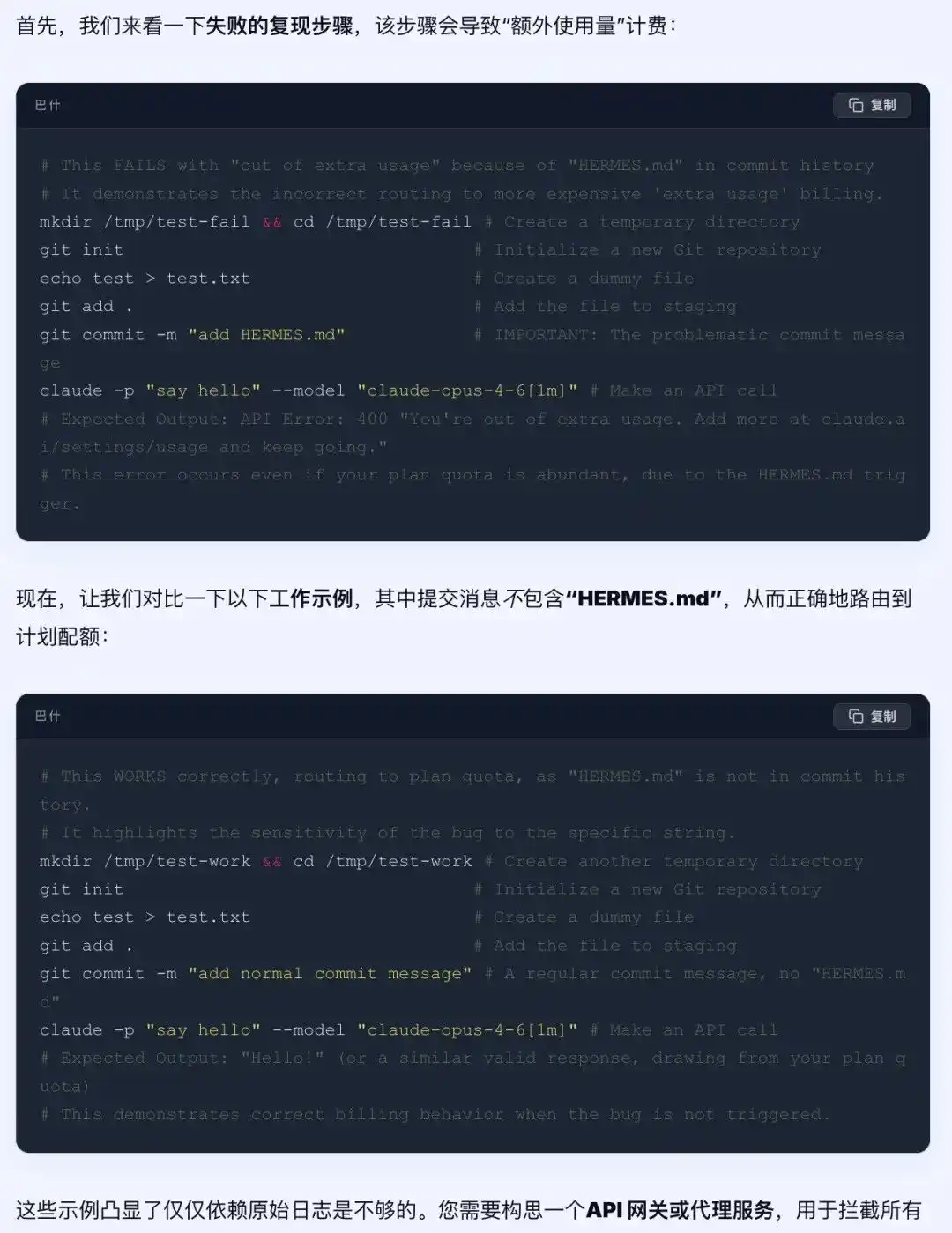
Tháng 4 năm nay, các nhà phát triển phát hiện ra một lỗi tính phí được gọi là "HERMES.md bug": khi lịch sử commit mã chứa chuỗi ký tự cụ thể, hậu trường của Anthropic sẽ định tuyến thầm lặng các yêu cầu vốn nên được khấu trừ từ hạn mức gói Max, sang kênh tính phí "lượng dùng bổ sung" đắt hơn.

Người dùng trả phí đăng ký 200 USD/tháng, nhưng thực tế bị trừ tiền riêng theo mức phí API.

Anthropic xác định nó là "vấn đề định tuyến xác thực", nhưng ban đầu từ chối hoàn tiền, dẫn đến việc nhiều nhà phát triển khởi động việc ghi nợ lại thẻ tín dụng (chargeback).
Ngày 14 tháng 6, người dùng Karl Kahn ở Washington, DC đã đệ đơn kiện tập thể tại Tòa án quận liên bang khu vực phía Bắc California, cáo buộc Anthropic gây hiểu lầm về cam kết lượng dùng cho các gói đăng ký Max 5x (100 USD/tháng) và Max 20x (200 USD/tháng).

Kahn nói rằng khi sử dụng gói Max 20x, một phiên lập trình 5 giờ đã tiêu hao 15% hạn mức hàng tuần.

Vụ kiện cho rằng, cách tính lượng dùng của Anthropic không minh bạch, người dùng hầu như không thể xác minh liệu mình có nhận được dịch vụ như đã hứa hay không.

Biến động giá của Fable 5 càng làm trầm trọng thêm sự thiếu tin tưởng này.

Mô hình công khai mạnh nhất từ trước đến nay của Anthropic này khi ra mắt vào ngày 9 tháng 6 đã được đưa vào gói đăng ký, nhưng chỉ 13 ngày sau đã bị tách ra, chuyển sang tính phí theo điểm tín dụng lượng dùng với mức phí API (10 USD cho một triệu token đầu vào, 50 USD cho đầu ra) – gấp đôi giá của Opus 4.8.

Đọc thêm: Đột phá! Anthropic ngừng hoạt động Claude 5 trên toàn cầu

Trong thời gian đó, nó còn bị chính phủ Mỹ kiểm soát xuất khẩu và ngừng hoạt động toàn cầu trong 19 ngày.

Sau khi khôi phục vào ngày 1 tháng 7, Anthropic chỉ cho cửa sổ miễn phí 6 ngày, sau đó gia hạn đến ngày 12 tháng 7.

Khi "an toàn" không bao gồm ví tiền

Anthropic lấy "An toàn AI" làm câu chuyện thương hiệu cốt lõi.

Nhưng đối với người dùng trả phí, định nghĩa về an toàn đang được mở rộng: Nó không chỉ có nghĩa là mô hình không xuất ra nội dung độc hại, mà cũng nên bao gồm việc bạn sẽ không bị trừ một khoản phí không thể giải thích được mà hoàn toàn không hay biết.

Đây không chỉ là vấn đề của riêng Anthropic.

Cấu trúc tính phí dịch vụ AI vốn dĩ phức tạp – cấp độ mô hình, lượng token, số lần gọi API, thử lại, phụ phí nền tảng đám mây, các đường dẫn mua trực tiếp và bán lại khác nhau – chồng chéo lên nhau, tạo thành một hộp đen mà người dùng thông thường hầu như không thể tự mình xác minh.

Sự xuất hiện của các công ty kiểm toán như Vaudit bản thân nó đã là một tín hiệu: Hóa đơn AI đã phức tạp đến mức cần bên thứ ba chuyên nghiệp mới có thể hiểu được.

Đối thủ cạnh tranh đã đánh hơi thấy cơ hội.

Microsoft tại hội nghị Build tháng 6 đã công bố MAI-Thinking-1, người phụ trách AI Mustafa Suleyman nói với Bloomberg rằng, "Nhiều người đang khẩn cấp tìm kiếm giải pháp thay thế cho các mô hình đắt tiền của Anthropic".

OpenAI được cho là đang cân nhắc giảm mạnh giá Token.

Giá token đầu ra của DeepSeek V4 vào khoảng 1/90 so với Sonnet 4.6, bắt đầu được các nhà phát triển đưa vào tùy chọn so sánh chi phí.

Một năm qua, các công ty AI dựa vào năng lực mô hình để thu hút người dùng.

Trong giai đoạn cạnh tranh tiếp theo, tính minh bạch về chi phí sẽ trở thành một phần của trải nghiệm sản phẩm.

Khi người dùng bắt đầu sử dụng công cụ kiểm toán để xác minh hóa đơn của bạn, sử dụng kiện tập thể để chất vấn cam kết định giá của bạn, thì việc "mô hình của chúng tôi thông minh hơn" là chưa đủ.

Vấn đề Anthropic đang đối mặt hôm nay, cả ngành công nghiệp cũng sẽ gặp phải – ai làm rõ hóa đơn trước, người đó sẽ có được tấm vé tham gia vào vòng tin cậy tiếp theo.

Tài liệu tham khảo:

https://www.internationalcyberdigest.com/anthropic-tried-to-phantom-charge-16-6m/

https://www.theinformation.com/newsletters/applied-ai/anthropic-customers-find-errant-charges-auditing-startup-says

Bài viết này đến từ tài khoản công chúng WeChat "Tân Trí Nguyên", tác giả: ASI Khải Thị Lục

Crypto di tendenza

Domande pertinenti

QNhà phát triển người Hàn Quốc đã gặp phải vấn đề gì với Anthropic, và số tiền bị tính phí sai là bao nhiêu?

ANhà phát triển người Hàn Quốc remy_notes đã nhận được hóa đơn 'ma' từ Anthropic với số tiền khổng lồ: hóa đơn đầu tiên là 166.9 nghìn USD (khoảng 1.13 triệu CNY) và hóa đơn thứ hai chỉ sau chưa đầy 24 giờ đã tăng lên 16.62 triệu USD (khoảng 110 triệu CNY). Tài khoản của anh ấy là gói miễn phí, không liên kết thẻ tín dụng và lịch sử sử dụng API hiển thị bằng 0.

QCông ty kiểm toán hóa đơn AI Vaudit đã phát hiện những vấn đề phổ biến nào trong việc tính phí của các công ty AI, đặc biệt là Anthropic?

ACông ty Vaudit đã phát hiện một số kiểu tính phí sai phổ biến: tính phí khách hàng theo mô hình mới đắt hơn trong khi họ sử dụng mô hình cũ rẻ hơn; tính phí cho các yêu cầu chưa hoàn thành hoặc thậm chí trả về thông báo lỗi; và tính phí cho mỗi lần thử lại khi Agent AI gặp sự cố và tự động thử lại nhiều lần (retry storm). Phần lớn các lỗi này liên quan đến Claude Code của Anthropic.

QCác vụ kiện tập thể chống lại Anthropic liên quan đến những cáo buộc chính nào?

AVụ kiện tập thể do Karl Kahn khởi xướng cáo buộc Anthropic có các tuyên bố gây hiểu lầm về hạn mức sử dụng cho các gói đăng ký Max 5x và Max 20x. Nguyên đơn cho rằng cách tính toán mức sử dụng của Anthropic thiếu minh bạch, khiến người dùng khó có thể xác minh liệu họ có nhận được dịch vụ như đã hứa hay không. Họ cũng chỉ trích việc tiêu hao hạn mức quá nhanh so với cam kết.

QSự cố 'HERMES.md bug' là gì và Anthropic đã xử lý nó như thế nào?

ALỗi 'HERMES.md bug' là một lỗ hổng tính phí được phát hiện vào tháng 4, khi các bản ghi commit mã chứa một chuỗi ký tự cụ thể sẽ khiến hệ thống của Anthropic chuyển hướng yêu cầu từ hạn mức của gói Max sang kênh tính phí 'lượng dùng bổ sung' đắt đỏ hơn. Anthropic định tính đây là 'vấn đề định tuyến xác thực' nhưng ban đầu từ chối hoàn tiền, dẫn đến nhiều nhà phát triển yêu cầu ngân hàng hủy giao dịch (chargeback).

QTheo bài viết, tính minh bạch trong hóa đơn AI đang trở thành yếu tố cạnh tranh quan trọng như thế nào?

ABài viết chỉ ra rằng khi các hóa đơn AI ngày càng phức tạp và khó kiểm chứng, tính minh bạch trong tính phí đang trở thành một phần quan trọng của trải nghiệm sản phẩm. Sự xuất hiện của các công ty kiểm toán chuyên biệt như Vaudit và các vụ kiện tập thể cho thấy người dùng ngày càng đòi hỏi sự rõ ràng. Các đối thủ cạnh tranh như Microsoft, OpenAI và DeepSeek đang nắm bắt cơ hội này bằng cách cung cấp mô hình thay thế với mức giá cạnh tranh hơn hoặc cấu trúc tính phí minh bạch hơn, biến đây thành một lợi thế cạnh tranh trong giai đoạn tiếp theo.

Letture associate

After Three Consecutive Quarters of Decline, Can the Crypto Market Find a Window for Stabilization in Q3?

The cryptocurrency market has just concluded its worst-performing quarter since 2022, with total capitalization dropping 12.6% to $2.1 trillion. All core metrics indicate capital is leaving the sector, not just rotating within it. Bitcoin fell 14.2% and Ethereum dropped 25.4% in Q2, breaking their previous correlation with US tech stocks. A key driver is the reversal in US spot Bitcoin ETF flows, which saw a net outflow of approximately $4.67 billion in Q2, including a record monthly outflow near $4.5 billion in June. While recent data suggests long-term holders are accumulating again, sustained ETF outflows mean continued selling pressure. Market focus is now singularly on the Federal Reserve. The upcoming July FOMC meeting is seen as the most critical event for Q3. A dovish signal could support Bitcoin reclaiming a $68,000-$84,000 range, while a hawkish stance might establish a new trading band around $50,000-$56,000. Additionally, regulatory uncertainty persists, with the progress of the crucial *CLARITY Act* stalling in the Senate, reducing its perceived 2026 passage probability to 40-45%. Despite the broad downturn, a few sectors showed growth. Prediction markets saw nominal volume surge 48.7% year-over-year to $113.8 billion, and tokenized collectibles transaction volume rose 143% quarterly to $1.4 billion. The Real-World Asset (RWA) tokenization sector also continued steady growth, now representing ~$28.1 billion in on-chain value. The market's foundation for an extreme crash appears limited, with Bitcoin price hovering near its 200-week moving average. However, the trading paradigm has shifted from narrative-driven speculation to decisions based on price action, policy developments, and interest rate expectations, making a broad sentiment-driven rally unlikely in the near term.

marsbit9 h fa

After Three Consecutive Quarters of Decline, Can the Crypto Market Find a Window for Stabilization in Q3?

marsbit9 h fa

BIT Trading Moment: BTC Still Suppressed by Weekly 200 EMA, Rejection May Restart Decline; Storage and Semiconductors that Surged Last Night Begin Falling in Evening Trading

**Crypto & Stock Market Wrap: Bitcoin Tests Resistance, Stocks Retreat After AI Surge** Bitcoin consolidates around $66,000, facing key resistance near $68,000—an area seen as a major psychological and technical hurdle where previous rallies have failed. Analysts note the cryptocurrency is caught between its 200-week moving average (~$63,333) and 200-week EMA (~$68,328). A clear break above $68k is needed to signal a stronger bullish trend, while a rejection could lead to a retest of $63k support. Market sentiment remains cautious, with low futures open interest pointing to a low-liquidity rebound rather than a full bull market. Bitcoin spot ETFs saw another $203 million inflow. US stock futures pointed lower after a strong Tuesday session led by a massive rebound in semiconductors and memory stocks. The rally was fueled by renewed optimism about AI-driven hardware demand, with Micron, SanDisk, and SK Hynix surging. However, those gains reversed in pre-market trading. Super Micro Computer (SMCI) soared over 20% after hours on strong guidance and a record backlog. Other standouts included Rocket Lab and nuclear energy plays Oklo and X-Energy. Rising oil prices (Brent above $91) and climbing Treasury yields (10-year near 4.64%), however, are reigniting inflation concerns and acting as a headwind for equities. In Asia, markets were mixed. South Korea's KOSPI pared early gains to close slightly higher as semiconductor stocks like SK Hynix gave back initial surges. Japan's Nikkei edged lower as the yen hit a fresh 38-year low against the dollar, raising fears of potential market intervention. Key events to watch include the Samsung Galaxy launch, AMD's AI event, and a slew of major tech earnings from Alphabet, Tesla, and IBM after the close on Wednesday, followed by the ECB meeting and Intel's earnings on Thursday.

marsbit9 h fa

BIT Trading Moment: BTC Still Suppressed by Weekly 200 EMA, Rejection May Restart Decline; Storage and Semiconductors that Surged Last Night Begin Falling in Evening Trading

marsbit9 h fa

Former CFTC Chairman, Circle President Tarbert: Preaching Long-Termism While Cashing Out $30 Million Himself

Former CFTC Chairman and Circle President Heath Tarbert has consistently advocated for a long-term vision in public, urging patience from investors as Circle’s stock price has fallen significantly from its peak. However, it has been revealed that since Circle’s IPO, Tarbert has continuously sold his CRCL shares through pre-arranged trading plans, cashing out approximately $30 million, without making any public market purchases. This contrast between his public messaging and personal actions has drawn criticism. Tarbert joined Circle in July 2023 as Chief Legal Officer, leveraging his regulatory experience to help guide the company through its IPO and expansion. Despite promoting stablecoins as long-term infrastructure, he established a 10b5-1 trading plan just before Circle went public, leading to substantial stock sales over the following year. In March 2026, he initiated another plan to sell more shares. His career trajectory highlights a pattern of moving between high-level regulatory roles and influential positions in the financial sector. After resigning as CFTC Chairman in early 2021, he joined Citadel Securities as Chief Legal Officer just 27 days later, during a period of intense regulatory scrutiny for the firm. He later joined Circle, aiding its efforts to navigate regulatory challenges for its public listing. While Tarbert's expertise in policy and compliance is valuable to companies like Circle, his actions—advocating long-term confidence while personally divesting—raise questions about the alignment between his public statements and his private financial decisions, leaving investors who followed his advice to bear the market risks.

marsbit10 h fa

Former CFTC Chairman, Circle President Tarbert: Preaching Long-Termism While Cashing Out $30 Million Himself

marsbit10 h fa

Gate Research Institute: The 'Wall Street-ization' Wave of Crypto Financial Products – Competition or Integration?

The article titled "Gate Research Institute: Are Crypto Financial Products Sparking a 'Wall Street' Wave—Competition or Convergence?" explores the evolving relationship between the crypto ecosystem and traditional finance (TradFi). The piece begins by reflecting on Bitcoin's original 2009 vision of decentralization, disintermediation, and moving away from banks. It then contrasts this with the 2024 landscape, where key crypto assets like Bitcoin are increasingly held through Wall Street products like ETFs issued by giants like BlackRock. The article questions whether this signifies that TradFi is systematically taking over the rights to issue, price, custody, and distribute crypto financial assets. The core argument is that this is not a zero-sum takeover but rather a bidirectional convergence where each side addresses the other's weaknesses. Crypto offers 24/7 global markets, programmable settlement, and open access but lacks compliant channels, institutional-grade custody, deep fiat liquidity, and mainstream distribution. TradFi possesses these but is constrained by legacy systems, limited operating hours, and slow settlement. Two primary convergence paths are highlighted: * **Path A (CEX to TradFi):** Exemplified by Gate, which has progressed from offering tokenized stocks and CFDs to providing direct, real stock trading (US, Hong Kong, South Korea) within its platform, using USDT. * **Path B (TradFi to Crypto):** Exemplified by Robinhood, which has integrated crypto trading, acquired exchanges like Bitstamp, and is moving traditional assets like stocks onto the blockchain via tokenization and its own Layer 2. Both paths are ultimately competing to become the next-generation, unified financial account—a "super account" where users can seamlessly trade cryptocurrencies, stocks, ETFs, RWA (Real World Assets), and tokenized treasury products in one interface. The growth of RWA and tokenized treasuries (e.g., BlackRock's BUIDL) is presented as the asset-layer fusion, providing stable, yield-bearing assets on-chain and acting as a bridge between the two worlds. In conclusion, the "Wall Street-ization" of crypto is framed as a mutual transformation. Decentralized ideals persist in the protocol layer, while at the application layer, a more efficient, global, and accessible unified capital market is emerging from this convergence. The future competition lies not between crypto exchanges and stockbrokers, but between platforms vying to offer the most comprehensive asset coverage, liquidity, and user experience within a single account.

marsbit10 h fa

Gate Research Institute: The 'Wall Street-ization' Wave of Crypto Financial Products – Competition or Integration?

marsbit10 h fa

Trading

Spot

Articoli Popolari

Cosa è $WELL

WELL3, $$WELL: Rivoluzionare la Salute e il Benessere con DePIN e AI Introduzione Nel panorama in rapida evoluzione della tecnologia digitale, il settore della salute e del benessere si trova in prima linea nell'innovazione, cercando di migliorare la cura dei pazienti e promuovere stili di vita più sani. Un attore rivoluzionario in questo dominio è WELL3, un progetto pionieristico Web3 che cerca di rivoluzionare il modo in cui gli individui interagiscono con la propria salute. Sfruttando tecnologie come il Decentralized Physical Infrastructure Network (DePIN), l'Identità Decentralizzata (DID) e l'Intelligenza Artificiale (AI), WELL3 mira a favorire percorsi di salute sicuri e potenziati dai dati. Questo articolo completo approfondisce gli aspetti fondamentali di WELL3, $$WELL, esplorando le sue funzionalità, i creatori, gli investitori e le caratteristiche uniche. Cos'è WELL3, $$WELL? WELL3 funge da piattaforma innovativa destinata a ridefinire l'approccio verso la salute e il benessere. Focalizzato sull'integrazione di DePIN e DID insieme ai sistemi AI, il progetto è progettato per creare esperienze utente personalizzate garantendo nel contempo la sicurezza e la privacy dei dati sanitari degli individui. Con un numero impressionante di oltre un milione di utenti pre-registrati, la missione principale di WELL3 ruota attorno al miglioramento del benessere attraverso percorsi di salute sicuri e basati sui dati. Nel suo nucleo, WELL3 utilizza tecnologie avanzate della blockchain per garantire che gli utenti abbiano il completo controllo delle proprie informazioni personali. Questo progetto affronta non solo le sfide della sicurezza dei dati e dell'accessibilità, ma aspira anche a creare una comunità vibrante connessa da un impegno condiviso verso una salute migliore. Caratteristiche Chiave di WELL3: DePIN e DID: Queste tecnologie consentono una proprietà sicura e un'autenticazione dei dati, dando agli utenti pieno controllo delle proprie informazioni. Integrazione AI: Utilizzando analisi AI, WELL3 offre approfondimenti e soluzioni personalizzate, adattate ai bisogni di salute individuali. Coinvolgimento della Comunità: Facilita un ambiente di supporto in cui gli utenti possono connettersi, condividere esperienze e motivarsi a vicenda verso uno stile di vita più sano. Creatore di WELL3, $$WELL L'identità del creatore di WELL3 rimane non specificata nelle informazioni disponibili. Man mano che il progetto progredisce, potrebbero emergere ulteriori dettagli, facendo luce sulle menti visionarie dietro questa iniziativa trasformativa. Investitori di WELL3, $$WELL WELL3 ha ottenuto supporto da una miriade di influenti enti di investimento, evidenziando la sua credibilità e potenziale nel settore della salute e del benessere. Tra gli investitori notevoli ci sono: Animoca Brands AWS Samsung The Spartan Group Blocore Fenbushi Capital Newman Group Soul Capital XY Finance Lumoz Il sostegno di queste organizzazioni consolidate dimostra una forte fiducia nella missione di WELL3, fornendole le risorse necessarie per innovare ed espandere la propria offerta. Come Funziona WELL3, $$WELL? WELL3 opera mescolando tecnologie all'avanguardia in un framework multichain, garantendo un'esperienza utente fluida e innovativa. Di seguito sono riportati alcuni fattori che posizionano in modo unico WELL3 nel mercato del benessere: 1. Proprietà Sicura dei Dati Con l'integrazione di DePIN e DID, gli utenti possono mantenere il completo controllo delle proprie informazioni sanitarie personali. Questo livello di sicurezza è fondamentale nell'era digitale odierna, dove le violazioni dei dati e l'accesso non autorizzato sono comuni. Attraverso WELL3, la proprietà dei dati è decentralizzata, consentendo agli utenti di gestire proattivamente le proprie informazioni. 2. Personalizzazione tramite AI WELL3 implementa analisi guidate dall'AI per fornire agli utenti approfondimenti sanitari su misura. Sfruttando il potere dell'AI, la piattaforma può offrire raccomandazioni e soluzioni individualizzate, incoraggiando gli utenti a raggiungere i propri obiettivi di salute in modo più efficace. 3. Framework Multichain Il progetto WELL3 è progettato per operare su più piattaforme blockchain, tra cui Bitcoin, Ethereum, Polygon, Solana, Blast e TON. Questa capacità multichain garantisce che gli utenti possano interagire con la piattaforma senza soluzione di continuità su diverse reti, migliorando accessibilità e usabilità. 4. Token WELL Al centro dell'ecosistema WELL3 c'è il Token WELL, che svolge funzioni multiple tra cui utilità, governance e ricompense. Il token consente la partecipazione nell'ecosistema, supporta la condivisione dei dati sanitari e incentiva gli utenti in base al loro coinvolgimento con la piattaforma. Timeline di WELL3, $$WELL La traiettoria di WELL3 mostra traguardi significativi nel suo sviluppo, ognuno contribuendo al successo complessivo del progetto. Ecco una breve timeline degli eventi critici nella storia di WELL3: 10 Febbraio 2024: WELL3 ha lanciato il proprio progetto NFT, raggiungendo rapidamente la prominenza come la più grande collezione NFT sulla catena opBNB con oltre 324.000 proprietari e raggiungendo 8 milioni di NFT creati entro il 27 Aprile 2024. Vendita Pubblica: Il progetto ha raggiunto un valore totale bloccato (TVL) straordinario di circa 15.237,2 ETH in soli sette giorni, indicando un forte interesse e sostegno del mercato. Lancio del WELL ID: La piattaforma ha visto oltre 900.000 utenti registrarsi per il WELL ID e la relativa whitelist NFT Ring, segnando una fase di adozione significativa all'interno dell'ecosistema. Sviluppo di Partnership: WELL3 ha stabilito partnership con enti leader tra cui Animoca Brands, AWS, Samsung e altri per migliorare il proprio ecosistema ed espandere la propria portata. Volume di Transazioni: WELL3 ha facilitato oltre 17 milioni di dollari in transazioni, riflettendo la sua crescente utilità e impegno all'interno della comunità della salute e del benessere. Punti Chiave su WELL3, $$WELL Come iniziativa progressista che si sposta verso il mercato del benessere, WELL3 ha identificato diversi elementi vitali che contribuiranno al suo continuo successo. Ecco alcuni punti chiave da notare: Tokenomics Il token $$WELL ha un'offerta massima di 42 miliardi, con un significativo 71% destinato a iniziative comunitarie. Questa strategia di distribuzione enfatizza l'impegno del progetto verso la propria base utenti e la sostenibilità a lungo termine. Periodo di Lock-Up Per garantire stabilità all'interno dell'ecosistema, i token vengono rilasciati in tranche nel corso di un periodo di 24 mesi, promuovendo fiducia e sicurezza tra gli utenti. Sviluppo dell'Ecosistema La visione di WELL3 si estende verso la creazione di un ecosistema completo e sostenibile per incoraggiare il coinvolgimento della comunità, comportamenti orientati alla salute e soluzioni digitali che rispondono ai bisogni pressanti del settore del benessere. Adattamento al Mercato Il settore del benessere, valutato 5,6 trilioni di dollari, presenta un'opportunità lucrativa che WELL3 mira a sfruttare. Con un tasso di crescita annuale previsto tra 5-10%, il progetto è posizionato in modo ideale in mezzo a una crescente tendenza verso uno stile di vita consapevole della salute. Dispositivi Indossabili Introducendo il WELL3 Ring, un dispositivo indossabile incentivato tramite crypto, si allinea alla crescente domanda di dati sanitari personalizzati. Questo dispositivo non solo migliora l'esperienza dell'utente, ma ridefinisce anche cosa significa essere coinvolti nella propria salute nel contesto del Web3. Conclusione WELL3 rappresenta un significativo progresso nell'integrazione della tecnologia blockchain all'interno del settore della salute e del benessere. Affrontando questioni cruciali riguardo alla proprietà dei dati, personalizzazione e coinvolgimento della comunità, questa piattaforma innovativa offre una soluzione lungimirante per migliorare il benessere individuale. Con un forte sostegno da parte di investitori notevoli e un impegno verso tecnologie pionieristiche, WELL3 è pronta a lasciare un'impronta duratura nel panorama del benessere. Per coloro che cercano di navigare nella complessità della salute nell'era digitale, WELL3 è sicuramente qualcosa da tenere d'occhio mentre continua a evolversi e crescere.

84 Totale visualizzazioniPubblicato il 2024.07.14Aggiornato il 2024.12.03

Cosa è $WELL

Come comprare WELL

Benvenuto in HTX.com! Abbiamo reso l'acquisto di Moonwell Artemis (WELL) semplice e conveniente. Segui la nostra guida passo passo per intraprendere il tuo viaggio nel mondo delle criptovalute.Step 1: Crea il tuo Account HTXUsa la tua email o numero di telefono per registrarti il tuo account gratuito su HTX. Vivi un'esperienza facile e sblocca tutte le funzionalità,Crea il mio accountStep 2: Vai in Acquista crypto e seleziona il tuo metodo di pagamentoCarta di credito/debito: utilizza la tua Visa o Mastercard per acquistare immediatamente Moonwell ArtemisWELL.Bilancio: Usa i fondi dal bilancio del tuo account HTX per fare trading senza problemi.Terze parti: abbiamo aggiunto metodi di pagamento molto utilizzati come Google Pay e Apple Pay per maggiore comodità.P2P: Fai trading direttamente con altri utenti HTX.Over-the-Counter (OTC): Offriamo servizi su misura e tassi di cambio competitivi per i trader.Step 3: Conserva Moonwell Artemis (WELL)Dopo aver acquistato Moonwell Artemis (WELL), conserva nel tuo account HTX. In alternativa, puoi inviare tramite trasferimento blockchain o scambiare per altre criptovalute.Step 4: Scambia Moonwell Artemis (WELL)Scambia facilmente Moonwell Artemis (WELL) nel mercato spot di HTX. Accedi al tuo account, seleziona la tua coppia di trading, esegui le tue operazioni e monitora in tempo reale. Offriamo un'esperienza user-friendly sia per chi ha appena iniziato che per i trader più esperti.

136 Totale visualizzazioniPubblicato il 2024.12.10Aggiornato il 2026.06.02

Come comprare WELL

Discussioni

Benvenuto nella Community HTX. Qui puoi rimanere informato sugli ultimi sviluppi della piattaforma e accedere ad approfondimenti esperti sul mercato. Le opinioni degli utenti sul prezzo di WELL WELL sono presentate come di seguito.

活动图片














