一文详解如何参与MegaETH奥德赛活动

Odaily星球日报Pubblicato 2026-04-30Pubblicato ultima volta 2026-04-30

原文标题:How to farm MegaETH,作者:wale.moca(@waleswoosh)

编译|Odaily 星球日报(@OdailyChina);译者|Asher(@Asher_ 0210)
MegaETH 将于今日开启 TGE并同步上线 Terminal 奥德赛活动。未来 8 周,MegaETH 将拿出总供应量 2.5% 的 MEGA 代币作为空投奖励。

本次活动采用积分排名机制,用户可以通过使用 MegaETH 生态应用、完成交互、提供流动性或参与不同玩法来获得积分,并根据最终排名分享空投奖励。换句话说,MegaETH 已经进入新一轮 Farming Season,而 Terminal 将成为接下来 8 周的核心入口。

本文将从 Terminal 设置、首周重点应用、具体交互路径和参与策略四个方面,梳理如何参与 MegaETH 奥德赛活动。

设置 MegaETH Terminal

接下来 8 周,MegaETH Terminal 将是用户进行交互的核心入口。在 Terminal 页面中,用户可以看到本周精选应用,也可以看到总积分和排行榜排名。此外,页面底部还有一些其他功能,后文会逐一介绍。

首先,进入交互网站(链接:https://terminal.megaeth.com),建议直接用钱包登录(如果此前参与过 MegaETH 的预售,可以使用当时参与的那个钱包)。完成注册后后即可进入 Terminal 主页。

接下来,在正式进行交互前先完成一些前置设置,具体如下:

  • 账号资金:如果 MegaETH 上还没有资金,可以通过这里跨链进入(链接:http://rabbithole.megaeth.com/bridge);
  • Terminal 里的 Booster 板块:在这里可以看到账户有资格获得哪些加成。Booster 不能手动激活,但有些加成可能已经自动添加到账户里。例如,如果参与过 MegaETH 的某一轮预售,或者过去曾经在 MegaETH 上有过活跃行为,就可能已经获得相应加成;
  • Terminal 里的 Clan 板块:选择一个 Clan,它们本质上是一些 NFT 社区,但不需要持有对应 NFT,也可以加入某个 Clan。选择喜欢的即可。选择 Clan 时,核心思路是判断哪个 Clan 最终可能获得最多 pledges。
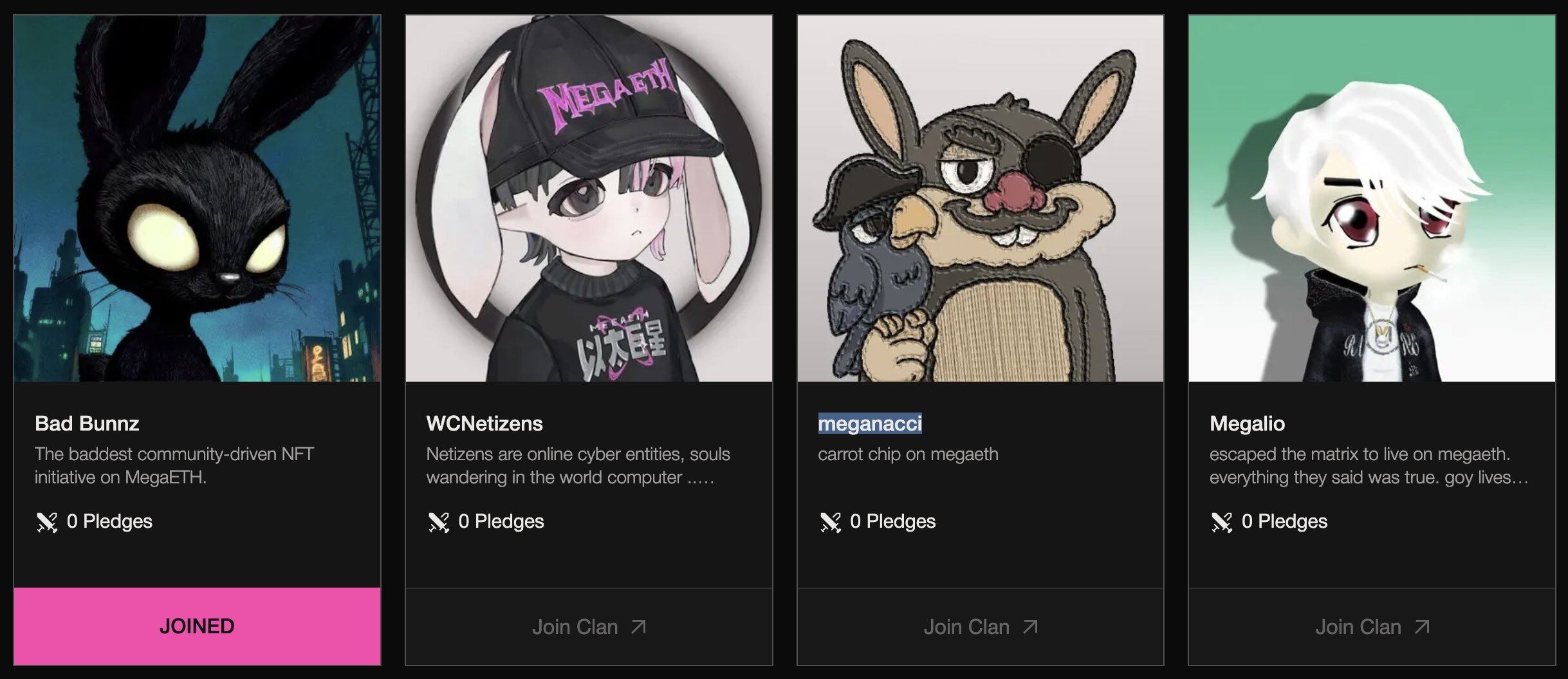
MegaETH 生态应用一览

简单来说,积分主要通过使用 MegaETH 生态内的应用获得。具体积分如何计算,目前并没有公开,但大致会与参与程度和使用资金量有关。此外需要注意,所有应用都可以参与,也建议尽量覆盖,但每周 Booster 只能分配给 3 个应用。具体操作可以在 Terminal 右上角完成。更稳妥的做法是,先体验不同应用,确定最适合重点投入的方向后,再分配 Booster。
本文重点介绍积分活动首周被官方重点推荐的应用,以及另外几个值得关注的应用。

Kumbaya

类型:DEX

项目官网:https://kumbaya.xyz
目前来看,Kumbaya 会是 MegaETH 上主要使用的 DEX

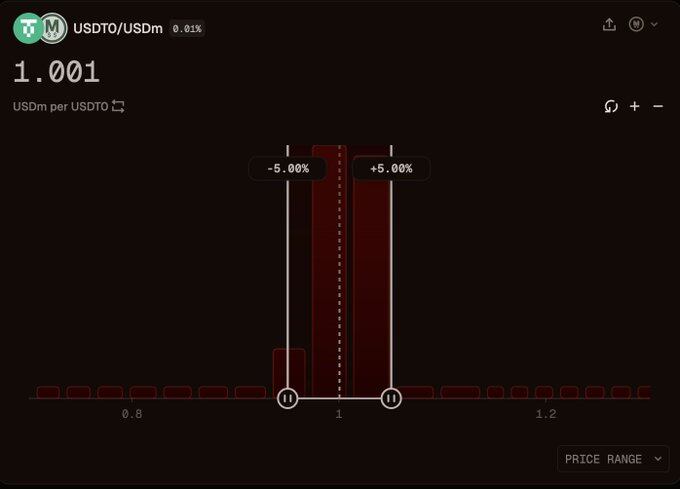
想赚积分,可以做一些基础操作,比如 Swap。或者,更有效的方式是为 USDm(MegaETH 的原生稳定币)提供流动性。USDm,具体步骤如下:

  1. 进入交互网站:https://kumbaya.xyz;
  2. 创建一个新的 Kumbaya 原生钱包;
  3. 将 MegaETH 上的 ETH 发送到这个新创建的钱包;
  4. 把这个新钱包连接到 MegaETH Terminal。在 Terminal 的个人资料页面里,会有一个很明显的连接按钮;
  5. 在 MegaETH 上把一部分 ETH 换成 USDm 和 USDT0;
  6. 接着进入这个池子: https://kumbaya.xyz/#/pool/0x6c8E5D463a2473b1A8bcd87e1cEA2724203A1D8f-4326
  7. 在页面右侧可以看到 Add Liquidity,把刚刚换好的 USDm 和 USDT0 添加进去;
  8. 然后让资金留在里面 8 周(也可以随时撤出)。

此外,也可以和 Kumbaya 的 Launchpad 互动,比如买一两个已经毕业的 Meme 币。

HitOne

类型:Perps / GameFi

项目官网:https://app.hit.one/
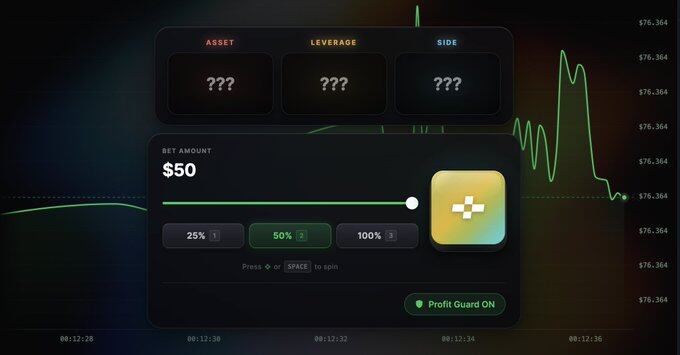
HitOne 是一个比较有趣的合约类应用。简单来说,每轮可以投入 1 到 50 美元,HitOne 会随机开一个高倍杠杆仓位,可能是多单,也可能是空单,杠杆通常在 400 倍以上,具体步骤如下:

  1. 进入交互网站:https://app.hit.one/r/DM7Q52;
  2. 使用 X 账号进行登录;
  3. 点击 Wallet,再点击 Deposit,把 USDm 充值到钱包里;
  4. 在个人资料页面,把账户连接到 MegaETH Terminal;
  5. 点击 Spin:建议一开始用小金额尝试,先熟悉玩法(仓位可以随时止盈退出);
  6. 小提示:打开 Profit Guard,该功能可以帮助避免大多数情况下的完全亏损。

Monster

类型:Trading cards

项目官网:https://mnstr.xyz
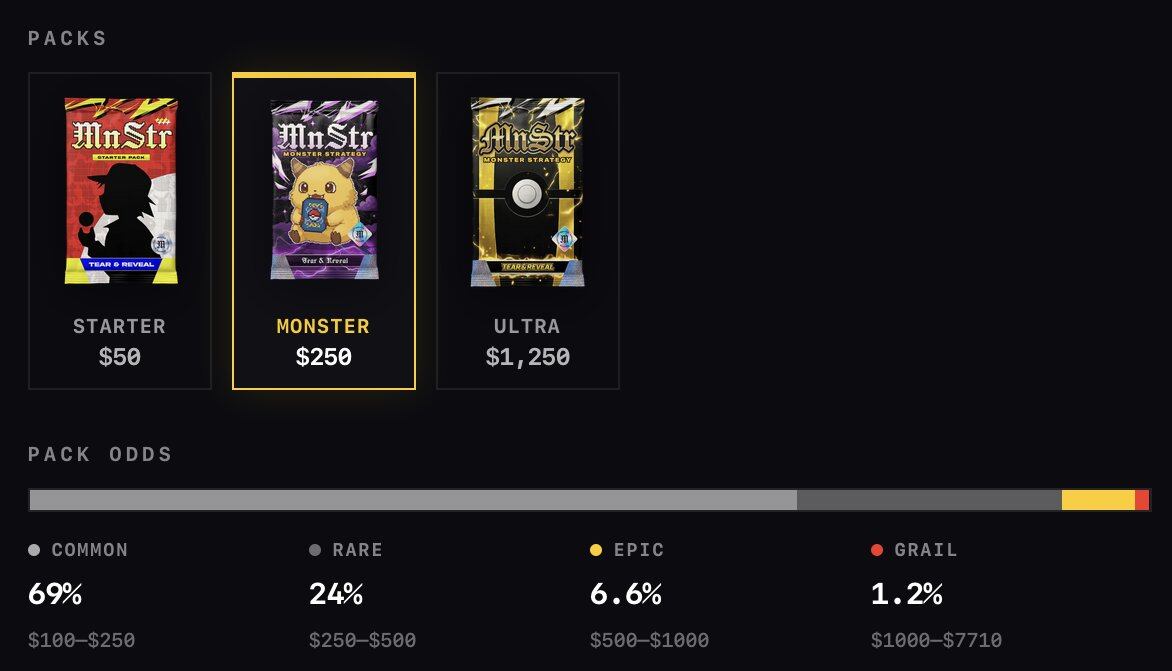
该应用的玩法类似拆宝可梦卡包。用户打开卡包,选择持有卡牌或者直接卖出。本人买过几个 250 美元的卡包,回报一般。不过参与这个应用的主要目的并不是赚钱,而是赚取 MegaETH 积分。

卡包价格从 50 美元到 1250 美元不等。一般来说,平均每个卡包可能会亏损 20% 左右,除非运气特别好。具体步骤如下:

  1. 进入交互网站:https://mnstr.xyz;
  2. 连接 X 账号或 Web 3 钱包;
  3. 点击右上角的个人资料页面;
  4. 在那里可以看到钱包,然后转入一些 USDm;
  5. 同一个网站上可以看到 MegaETH 入口,进入后连接到 Terminal;
  6. 打开卡包进行体验。

Nextrare

类型:Trading cards

项目官网:https://nextrare.cards/download
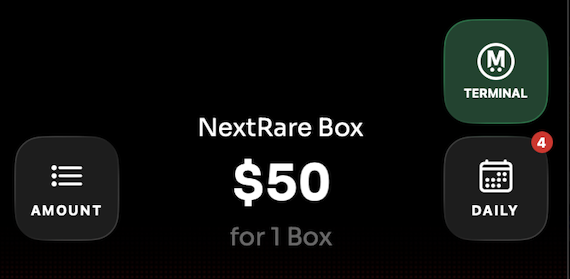
Nextrare 的玩法与 Monster 基本类似,也是通过开卡包来赚取积分,每个卡包价格为 50 美元,具体步骤如下:

  1. 进入交互网站:https://nextrare.cards/download;
  2. 下载 App:建议使用创建 MegaETH Terminal 账户的同一台设备来操作,这样后续连接会更方便;
  3. 在 App 内注册账号,并使用 MegaETH 上的资金或 Apple Pay 给钱包充值;
  4. 打开卡包进行体验。

Topstrike

类型:Fantasy Football

项目官网:https://play.topstrike.io
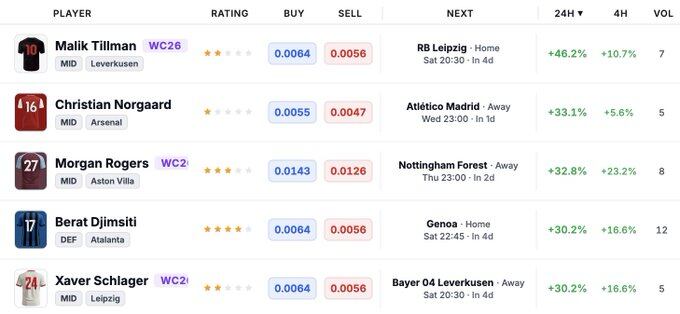
在 Topstrike 中,购买自己认为有潜力的足球运动员。可以交易这些球员,也就是买入和卖出;也可以持有这些球员参加比赛,从而赢取积分,具体步骤如下:

  1. 进入交互网站:https://play.topstrike.io;
  2. 连接 X 账号;
  3. 使用 MegaETH 上的 ETH 给钱包充值;
  4. 页面顶部会出现一个横幅,用来连接 MegaETH Terminal;
  5. 可以买卖一些球员,并把他们持有到锦标赛中。

ITS

类型:Trading card game

项目官网:https://itstheseason.xyz/
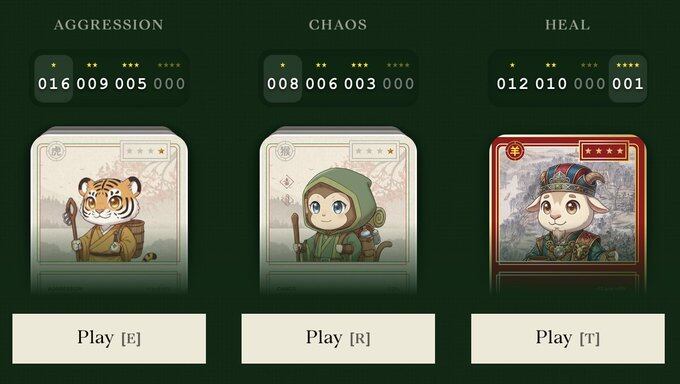
这是一个交易卡牌游戏,用户可以买 Booster Packs,然后在游戏中使用这些卡包。

Booster Packs 采用动态定价机制,也就是说,每购买一次,价格就会上涨。因此计划参与,可能越早买越合适,具体步骤如下:

  1. 进入交互网站:https://itstheseason.xyz/;
  2. 连接钱包并充值;
  3. 设置一个用户名;
  4. 点击用户名,然后进入 Terminal Profile,连接到 MegaETH Terminal;
  5. 花少量资金买几个 Booster Packs,然后打开它们。

以上就是本周精选的应用。下面这些不是本周精选应用的全部重点,但它们在本次积分季中可能会扮演重要角色,主要原因是它们属于 MegaETH 的加速器项目

PrismFi

类型:DEX / predicition market

项目官网:https://prismfi.cc

PrismFi 是由 BadBunnz 团队构建的,具体步骤如下:

  1. 进入交互网站:https://prismfi.cc;
  2. 做几笔 Swap;
  3. 再参与几个预测市场。

Cap

类型:DeFi

项目官网:https://cap.app/swap

用户可以通过存入美元资产来赚取收益,具体步骤如下:

  1. 进入交互网站:https://cap.app/swap?to=megaeth:cUSD;
  2. 连接钱包(最好使用已经连接 MegaETH Terminal 的那个钱包);
  3. 将 ETH 或美元资产在 MegaETH 上换成 cUSD;
  4. 持有 cUSD(锚定美元,可以随时换回去)。

World Markets

类型:DeFi

项目官网:https://world.inc

具体步骤如下:

  1. 进入交互网站:world.inc/#/trade/spot?tokenId=9
  2. 连接钱包(最好使用已经连接 MegaETH Terminal 的那个钱包);
  3. 做几笔现货 Swap,换成 wiTRY,然后放一段时间

选择重点使用的应用

虽然每天使用所有应用可能会带来最好的 ROI,但更聪明的方式或是每周重点选择 3 个应用,然后集中精力去做,这也是 Booster 机制存在的意义。

积分分配是根据用户的真实使用情况来决定的,而不是根据 MegaETH 团队主观偏好来决定的。所以,最好的策略可能就是选择那些即使没有 Farming Season,也愿意使用的应用。

MegaETH奥德赛活动参与策略

这是一场长线游戏,要按长线方式来玩

第一季会持续 8 周,这个时间不算特别长但也足够让很多人在第 2 周之后就失去耐心。真正高 ROI 的方式,并不是第一周猛冲,然后转头去做别的事情,而是在整个周期里保持稳定行动。

建议每天都在 MegaETH 上做一些链上操作。另外,目前 Terminal 里看到的积分,主要来自过去参与 USDm 预存款活动的记录。所以如果当前积分不多,也不必过度焦虑。

可以花钱,但要花得聪明

参与质押赚积分往往需要消耗一些资金,除非选择非常保守的方式,比如只为 USDm/USDT0 提供流动性。

宝可梦式卡包、Fantasy Football、Perps 这些玩法,都要预期会有亏损。这并不一定是问题,因为最终会有空投奖励,但关键是不要盲目烧钱。

也要想办法赚钱

与此同时,质押赚积分并不意味着一定要亏钱。MegaETH 生态里其实有很多可以盈利的机会,比如 MegaETH NFT 曾经就是其中之一,从相关帖子发布之后已经涨了 10 倍,而现在或许仍然存在机会。


Letture associate

Three Years Later: Looking Back on My 2023 Predictions for ChatGPT

Looking Back After Three Years: Revisiting My 2023 Predictions on ChatGPT In March 2023, shortly after ChatGPT's debut and before GPT-4's release, I made over twenty predictions about AI's future based on limited information and intuition. Now, in May 2026, I revisited those forecasts using an AI-driven analysis with 41 Opus 4.8 agents to cross-reference them with the latest data. The assessment used symbols: ✅ Correct, 🟢 Mostly Correct, 🟡 Partially Correct, ❌ Incorrect. Overall, the directional judgments held up well, with only one major factual error regarding GPT-4's rumored parameter size (incorrectly cited as 100T). However, nuances and degrees of accuracy revealed more. **What Was Largely Correct:** Predictions about mechanisms and directions proved accurate. The rise of RAG (Retrieval-Augmented Generation) as the standard architecture for combating AI hallucination was confirmed, as was the transformative potential of LUI (Language User Interface) in creating a new industry layer atop GUIs. The emergence of "robot networks" (agent-to-agent communication protocols) and China's rapid catch-up in developing capable large models (closing the performance gap with top models to ~2.7%) were also on point. The analysis affirmed that LLMs lack consciousness and that the Turing Test merely measures perceived intelligence. **What Was Off Target:** Errors often involved specific numbers, over-optimistic timelines, or misjudged distributions. The prediction that value would primarily accrue to the application layer was half-right but missed NVIDIA's dominance as the profitable infrastructure layer. Forecasts about AI circumventing copyright issues and fostering a "global common ground" by averaging human viewpoints were incorrect; instead, major copyright settlements occurred and AI personalization is increasing. Estimates for model training costs ("$5-10 billion cap") were significantly off, underestimating frontier costs and overestimating replication costs. The notion that LLMs could never do complex math without tools was disproven by later models winning IMO gold. **Key Patterns from the Review:** 1. **Direction over precision:** Judgments about mechanisms and trends were more reliable than specific numbers or definitive statements. 2. **Timing bias:** There was a tendency to overestimate short-term speed but underestimate long-term magnitude and transformation. 3. **The distribution blind spot:** Aggregate-level correctness often masked uneven impacts (e.g., on young professionals' employment). 4. **The value of qualifiers:** Predictions framed with caution (e.g., "reportedly," "for now," "prototype in 2-3 years") aged better. 5. **Some debates continue:** Issues like the nature of "emergent abilities" or machine consciousness remain unresolved. This three-year review highlights that while seeing the big picture is crucial, humility regarding specifics, timelines, and disparate impacts is essential for future forecasting.

链捕手1 h fa

Three Years Later: Looking Back on My 2023 Predictions for ChatGPT

链捕手1 h fa

AI Bubble Warning: AI Investments Are Negative Returns for Most Tech Giants

The article issues a stark warning about a potential AI investment bubble. It notes that while the AI boom shares similarities with the TMT bubble of the late 1990s, its scale is vastly larger, currently driving 93% of U.S. GDP growth. Major hyperscale cloud providers like Microsoft, Alphabet, Amazon, Meta, and Oracle are planning to invest trillions in AI data centers over the coming years. However, calculations based on analyst projections for 2025-2030 reveal a concerning math problem: expected capital expenditure growth far outpaces projected revenue growth. Even under an extremely optimistic scenario of zero costs, the implied return on investment for most of these tech giants (except Amazon) is deeply negative. This suggests that the current trajectory could lead to one of history's largest shareholder value destruction events. The piece outlines two potential escapes: AI generating vastly more revenue than currently anticipated—a near-impossible task—or a significant cutback in the planned investment splurge. The latter scenario could trigger a domino effect, severely impacting the entire tech supply chain (from Nvidia to TSMC), potentially pushing the U.S. economy into recession, and causing a major stock market downturn. The author suggests upcoming high-profile IPOs by companies like OpenAI and Anthropic might represent a transfer of risk from early investors to public market participants. While the peak of the hype cycle might sustain investment through 2026, the fundamental financial dilemma remains unresolved, setting the stage for a potential market correction in 2027 or 2028, similar to the years following Alan Greenspan's "irrational exuberance" warning.

marsbit2 h fa

AI Bubble Warning: AI Investments Are Negative Returns for Most Tech Giants

marsbit2 h fa

From Tokens to Machine Labor: AI is Shifting from Tool to "Worker"

The article "From Token to Machine Labor: AI is Evolving from Tool to 'Worker'" argues that the business model for AI is shifting beyond simply selling computational resources (tokens, GPU hours) or model access. Instead, a new "machine labor market" is emerging, where the core economic transaction is the purchase of economically useful work directly performed by software. The central thesis is that AI pricing will evolve through four stages: 1) raw tokens, 2) standardized LLM capabilities (e.g., text generation), 3) industry-specific labor markets (e.g., legal review, radiology), and finally 4) a programmable results market where tasks like resolving a support ticket are bid on and priced based on outcome. In this future, buyers will care less about *which* model or GPU completes a task and more about whether the work meets specified standards for accuracy, latency, and cost. This transition reframes the impact of AI on human labor. Rather than simple replacement, it suggests a re-coordination where machines handle standardized, verifiable work, freeing humans for roles involving oversight, context management, responsibility, and final judgment. In some cases, this "last 1%" of human input becomes more valuable as it enables the other 99% to be automated. Furthermore, as AI reduces the cost of work, demand may expand, creating larger markets (e.g., 24/7 customer service) rather than just cheaper versions of existing ones. The article concludes that while infrastructure (GPUs, models, tokens) remains crucial upstream, the market is converging on a simpler, tradeable unit: machine labor that can be defined, measured, priced, and procured based on contractible specifications.

marsbit2 h fa

From Tokens to Machine Labor: AI is Shifting from Tool to "Worker"

marsbit2 h fa

Xiaomi MiMo's 99% Price Cut is Not Marketing! Luo Fuli Posts on X to Refute Critics

The price of Xiaomi's MiMo-V2.5 series API has been permanently reduced by up to 99%, specifically for the "Input (Cache Hit)" cost, which covers users re-reading historical context in long conversations. MiMo's head, Luo Fuli, published a detailed technical blog to clarify that this drastic price cut stems from genuine engineering breakthroughs, not a marketing stunt or a simple price war. The core of the achievement lies in six key engineering optimizations. First, the model architecture adopts a Hybrid Sliding Window Attention (SWA), reducing the memory footprint (KVCache) to 1/7th of a traditional model. Second, a dual-pool memory management system actually utilizes these savings, allowing a single GPU to handle over 5 times more concurrent users. Third, an upgraded prefix caching mechanism achieves a cache hit rate of 93-95% for repeated reads, meaning most such requests bypass GPU computation entirely. Fourth, a self-developed distributed cache (GCache) utilizes idle SSD space on existing GPU servers, eliminating additional storage costs. Fifth, an intelligent scheduling system (LLM-Router) efficiently routes requests to maximize cache reuse and performance. Sixth, Multi-Token Prediction (MTP) accelerates the model's text generation ("output") side. Together, these systemic optimizations dramatically lower the real computational cost per request, enabling the 99% price reduction for cached inputs while reportedly maintaining positive gross margins. Luo Fuli's disclosure aims to shift the narrative from "price war" to a demonstration of substantive AI engineering progress.

marsbit4 h fa

Xiaomi MiMo's 99% Price Cut is Not Marketing! Luo Fuli Posts on X to Refute Critics

marsbit4 h fa

$26 Billion: An 'All-Chinese Team' Backs the World's Highest-Valued AI Programming Company

Cognition AI, the company behind the AI programmer "Devin," has raised over $1 billion in new funding at a valuation of $26 billion, just eight months after reaching a $10.2 billion valuation. The round was led by Lux Capital, General Catalyst, and 8VC. Founded by three young Chinese entrepreneurs with strong competitive programming backgrounds, Cognition initially gained fame with Devin, marketed as the world's first AI software engineer capable of handling tasks from start to finish. While its early demos were impressive, real-world usage revealed reliability and cost-effectiveness issues, leading to a significant price cut for Devin in 2025. A pivotal moment came when Cognition acquired the assets of AI IDE company Windsurf after a failed acquisition by OpenAI. This move gave Cognition a crucial developer-facing tool, allowing it to pursue a two-pronged strategy: Devin for autonomous task execution and Windsurf for integrated, collaborative coding within an IDE. This shift helped the company move away from the controversial "AI replacement" narrative towards a model of augmenting human engineers, particularly for repetitive or maintenance tasks. This strategic pivot is backed by strong commercial metrics. The company reports a 10x increase in enterprise usage this year, with an annual revenue run-rate of $492 million and a 50% month-over-month growth in enterprise Devin usage over the past six months. Its client list now includes major corporations like Goldman Sachs and Mercedes-Benz, as well as government agencies like NASA and the U.S. Army. Investors are betting on Cognition becoming a foundational piece of next-generation software engineering infrastructure, positioning it at the center of a hybrid future where AI agents and human developers work in tandem.

marsbit4 h fa

$26 Billion: An 'All-Chinese Team' Backs the World's Highest-Valued AI Programming Company

marsbit4 h fa

Trading

Spot
Futures

Articoli Popolari

Come comprare MOCA

Benvenuto in HTX.com! Abbiamo reso l'acquisto di Moca Coin (MOCA) semplice e conveniente. Segui la nostra guida passo passo per intraprendere il tuo viaggio nel mondo delle criptovalute.Step 1: Crea il tuo Account HTXUsa la tua email o numero di telefono per registrarti il tuo account gratuito su HTX. Vivi un'esperienza facile e sblocca tutte le funzionalità,Crea il mio accountStep 2: Vai in Acquista crypto e seleziona il tuo metodo di pagamentoCarta di credito/debito: utilizza la tua Visa o Mastercard per acquistare immediatamente Moca CoinMOCA.Bilancio: Usa i fondi dal bilancio del tuo account HTX per fare trading senza problemi.Terze parti: abbiamo aggiunto metodi di pagamento molto utilizzati come Google Pay e Apple Pay per maggiore comodità.P2P: Fai trading direttamente con altri utenti HTX.Over-the-Counter (OTC): Offriamo servizi su misura e tassi di cambio competitivi per i trader.Step 3: Conserva Moca Coin (MOCA)Dopo aver acquistato Moca Coin (MOCA), conserva nel tuo account HTX. In alternativa, puoi inviare tramite trasferimento blockchain o scambiare per altre criptovalute.Step 4: Scambia Moca Coin (MOCA)Scambia facilmente Moca Coin (MOCA) nel mercato spot di HTX. Accedi al tuo account, seleziona la tua coppia di trading, esegui le tue operazioni e monitora in tempo reale. Offriamo un'esperienza user-friendly sia per chi ha appena iniziato che per i trader più esperti.

231 Totale visualizzazioniPubblicato il 2024.12.10Aggiornato il 2025.03.21

Come comprare MOCA

Discussioni

Benvenuto nella Community HTX. Qui puoi rimanere informato sugli ultimi sviluppi della piattaforma e accedere ad approfondimenti esperti sul mercato. Le opinioni degli utenti sul prezzo di MOCA MOCA sono presentate come di seguito.

活动图片