Tornado被制裁,还有哪些协议/工具能满足隐私需求?

Odaily星球日报Pubblicato 2022-08-11Pubblicato ultima volta 2022-08-11

Introduzione

美国财政部海外资产控制办公室(OFAC)将 Tornado Cash 纳入制裁名单(SDN)的消息席卷了整个 Web3 世界。

隐私技术和需求始终存在。

北京时间 8 月 8 日,美国财政部海外资产控制办公室(OFAC)将 Tornado Cash 纳入制裁名单(SDN)的消息席卷了整个 Web3 世界。制裁之后,所有美国个人和实体都被禁止与 Tornado Cash 或任何与该协议绑定的以太坊钱包地址进行交互。

美国财政部官网披露的信息显示,以太坊混币平台 Tornado Cash 自 2019 年成立以来,已被用于价值超过 70 亿美元的虚拟货币洗钱活动。

众多实体公司也做出了反应,对相关账户与地址进行了封禁处理。Circle 冻结了来自制 81 个裁名单上价值超过 75000 美元的资金,GitHub 则关闭了该项目的主页并阻止了开发人员访问。目前,Toranado 前端官网已经被禁止访问。

对去中心化的 Web3 世界而言,这一制裁是历史性的。如 Circle CEO 所言:本案的监管干预跨越了互联网历史上的一个重要门槛,也是去中心化金融历史上的一个重要门槛:一个大国的政府迫使各方彻底封锁和限制互联网上的开源软件的运营。

诚然,加密项目的设计理念和运行逻辑从各方面挑战了数十年来的旧监管框架,但隐私技术和隐私需求并没有原罪,也有一些加密 KOL 发声表示 Tornado Cash 的存在不止为黑客所用,V 神就谈及,自己曾使用 Tornado Cash 向乌克兰进行私人捐款,目的是为了保护乌克兰的受援者。

无论你对此事件做出什么评价,隐私协议/工具始终是有意义和众多应用场景的,本文,Odaily 星球日报为大家整理了多款能够满足用户此类需求的产品。

Umbra

与 Tornado 提供的功能类似,Umbra 也是一款可让用户在以太坊上隐身转账的协议。不同之处在于,收款人可以知道是谁发送了这笔转账。

在具体的产品实现逻辑上,Umbra 则与 Tornado Cash 有所不同。Umbra 协议的逻辑是,先由转账接收方授权并映射出一个隐私的新地址(该新地址无需备份,直接通过原地址私钥控制)。发送方进行转账时,只输入接收方的真实地址即可, Umbra 可自动识别隐私新地址;用户收到资金后再从该新地址,转入安全地址(例如交易所地址或者另一个新地址),实现隐私保护。

目前,Umbra 支持以太坊、Polygon 、Optimism,Arbitrum 四大网络以及 ETH、USDC 、USDT 、DAI 四大代币。

与 Tornado Cash 和 Aztec 相比,Umbra 不使用零知识证明,而是基于普通的椭圆曲线密码学。Umbra 并没有像 Tornado 那样断开发送和接收地址之间的链接,而是使该链接变得毫无意义。

每个人都可以看到谁发送了资金,每个人都可以看到资金发送到的地址,但是这个接收地址从来没有在链上被用过,所以任何外部观察者都不可能知道谁在控制它。

官网:https://app.umbra.cash/

Aztec Network
Aztec Network 是以太坊上主打隐私的 ZK-rollup 项目。该项目即是隐私项目、又处于 L2 赛道。它能够隐藏加密用户的交易行为,使用户的交易信息不被外部观察者所掌握,从而保护用户隐私。

作为 L2 项目,Aztec 拥有 dApp 无法比拟的可扩展性。Aztec 的工作原理类似多个用户都把自己的球不记名地放进一个池子,而后分批次、不定量地取出。在账户之间转移资金,而无需透露每个交易中转移的金额,从而使得外部观察者无法推断向 Aztec 汇入存款的后续流向。

Aztec 的另一个亮点是该项目使用了它自行创造的 EVM 编程语言 Huff 。该语言是一种类汇编语言,更接近可以直接被机器直接”理解“并执行的机器语言。允许开发者直接在 EVM 机器代码中进行编程,相比 Solidity 、 Vyper ,用 Huff 语言编写智能合约最高可降低 80% gas 费。

DeFi Llama 数据显示,目前 Aztec TVL 约为 460 万美元,今年 4 月最高时一度突破 1400 万美元。2021 年 12 月,Aztec Network 曾完成由 Paradigm 领投的 A 轮融资。

官网:https://aztec.network/

ETH-Mixer
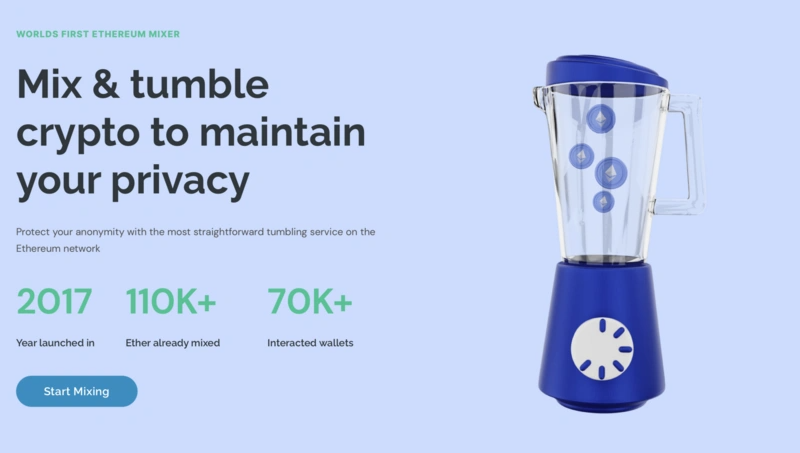
ETH-Mixer 是一款早在 2017 年就已开始运营的“古老”的混币工具。除以太坊网络外,该工具还推出了支持比特币混币的 “BTC-Mixer” 。

该工具是以太坊网络上的第一个混币工具,其基本原理与大多混币工具相同。

ETH-Mixer 每笔交易收取 0.001 ETH 费用,目前已运营长达 5 年,执行过超 11 万笔混币转账。

官网:https://eth-mixer.com

CoinJoin
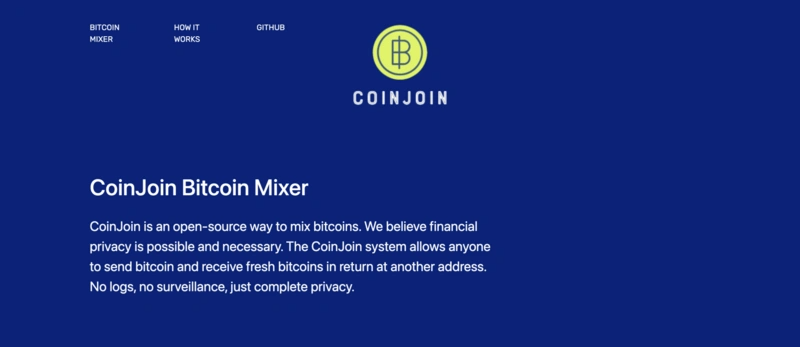
CoinJoin 是历史最为悠久的混币器之一,但它却远不如 Tornado Cash 出名。这或许是由于它服务的场景与 Tonado 完全不同,CoinJoin 是为比特币(BTC)和比特币现金(BCH)而开发的。

作为一款古老的开源的匿名转账工具,CoinJoin 通过多方联合签署智能合约发起一笔多方转账,并在多方的转账中将各方交易混杂在一起。这也是延续至今的混币器的基本原理。以此来实现外界几乎无法追踪的隐私转账效果。

CoinJoin 的代码完全开源,其开发团队认为,“金融隐私是可行的,也是必要的。CoinJoin 系统允许任何人发送比特币,并在另一个地址接收新的比特币。没有日志,没有监控,只有完全的隐私。”

官网:https://coinjoin.io

Cash Fusion
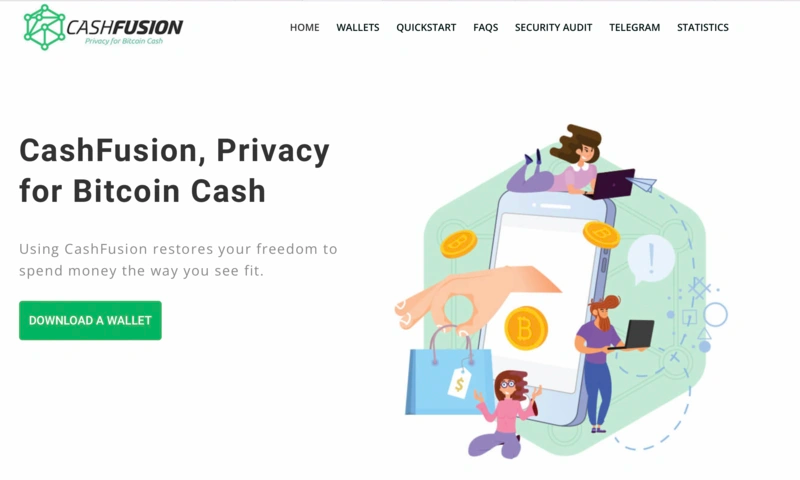
与常见的为主流链开发的混币器有所不同,Cash Fusion 是同类产品中的“异类”。这是一个基于 BCH 所开发的隐私转账工具。在官方的介绍中,他们坦言“ CashFusion 的目标是在 BCH 的基础上实现 CoinJoin 的功能。”

目前,Cash Fusion 已经集成在 Electron Cash 钱包之中。通过 Electron Cash 钱包可以一键开启隐私转账功能。CashFusion 的代码已通过 Kudelski 安全公司的审计。

官网:https://cashfusion.org

隐私公链

除常见的隐私转账工具外,隐私计算作为一个赛道长久以来一直没有脱离市场的关注,并作为阶段性热点时不时出现在加密社区的探讨之中。如果不只匿名转账 ETH、BTC 等主流资产,一些隐私计算的公链可供选择。

门罗、达世……这些名字离现在 DeFi 时代的用户有些遥远了,但隐私链和代币一直是众多开发者致力的方向。

经过行业周期的洗礼之后,这些略显陈旧的产品或许已经不太受人关注,但 Zcash 是第一个将 zk-SNARKs 大规模采用的隐私项目,并指引了后来隐私产品的开发。除了前文我们提到的 Aztec, Secret Network、Thorchain 等加密隐私网络也在不断建设和拓展生态应用之中。

在 Web2 世界,用户数据被无休止地滥用,中心化的互联网对巨头缺乏约束。这也是人们推崇 Web3 价值观的根源之一。我们重视隐私对个人安全和商业安全的重要性。因此,数据自主权、数据隐私、用户主权这些概念被人们不断提及和研究,不断有隐私项目涌现。无论 Tornado Cash 最终命运如何,监管未来又将有何举措,毋庸置疑的是,这一赛道从未被也不会被加密世界抛弃。


Letture associate

STRC Must Re-Anchor for a BTC Bull Market to Happen

Title: STRC's Depegging Threatens MicroStrategy's Bitcoin-Buying Machine, and Thus the BTC Bull Run Summary: The sustained depegging of MicroStrategy's priority share STRC (trading ~25% below its $100 target) is severely disrupting the company's core business model and poses a major risk to Bitcoin (BTC) price support. STRC was MicroStrategy's most efficient and low-cost funding tool, designed to allow continuous capital raises near its $100 par value to fuel relentless BTC accumulation. Its depegging has effectively blocked this primary funding channel. The situation creates a severe cash flow crisis. STRC and other priority shares now obligate MicroStrategy to pay approximately $1.7 billion in annual cash dividends, while the company's cash reserves are only about $1.4 billion — insufficient to cover one year of payments. To raise cash, MicroStrategy is increasingly resorting to issuing common stock (MSTR) through ATM offerings. However, recent raises show most proceeds (around 90% in one week) are now used to bolster cash reserves rather than buy Bitcoin. This dilutes the key metric of Bitcoin per MSTR share, eroding the fundamental value proposition for equity investors. The company faces grim alternatives: issuing high-cost debt or selling its massive Bitcoin holdings. The latter, though hinted at, would likely trigger significant negative market reactions. Conclusion: As BTC's largest corporate holder and a major marginal buyer, MicroStrategy's funding woes mean reduced, and potentially reversing, institutional buy-side pressure. The company has shifted from being a guaranteed source of BTC demand to a significant overhang on the market. The article argues that without STRC re-anchoring to restore its funding engine, a sustained BTC bull market is in jeopardy.

marsbit19 min fa

STRC Must Re-Anchor for a BTC Bull Market to Happen

marsbit19 min fa

No Bull Market for BTC Without STRC Re-pegging

Summary: The sustained de-pegging of MicroStrategy's (MSTR) Strategy Preferred Shares (STRC) poses a severe threat to Bitcoin (BTC) and could prevent a bull market. STRC, designed to trade near a $100 target, has plunged to around $75, effectively shutting down MicroStrategy's cheapest and most efficient funding channel. This channel was critical for its "raise funds, buy BTC" business model. More critically, MicroStrategy now faces a massive cash outflow from these preferred shares. With approximately $10.49 billion of STRC outstanding at an 11.5% dividend yield, the annual cash obligation exceeds $1.2 billion. Combined with other preferred shares, the total annual payout nears $1.7 billion, depleting its current ~$1.4 billion cash reserve within a year. To address this, MicroStrategy is increasingly relying on common stock (MSTR) offerings via its ATM program. However, recent sales show most raised capital is now used to bolster cash reserves rather than buy more Bitcoin. This dilutes the key metric of BTC per share for common stockholders, eroding the foundation of its premium valuation. If STRC cannot re-peg, this costly dilution may continue. Worse, if cash pressure intensifies, selling Bitcoin becomes a real risk. As the largest corporate BTC holder (~847,363 BTC), any significant sales could crash the market. Thus, MicroStrategy is transforming from BTC's most reliable institutional buyer into a major potential seller, casting a significant shadow over Bitcoin's price prospects.

Odaily星球日报20 min fa

No Bull Market for BTC Without STRC Re-pegging

Odaily星球日报20 min fa

Tornado Cash Suffers Another Governance Attack: A Fake Proposal Targets $23 Million Community Treasury

On June 25, 2026, a deceptive governance proposal (#67) appeared in the Tornado Cash DAO, masquerading as an upgrade to implement fee adjustments and token burns. Security researchers, including Sergey Shemyakov and Pascal Caversaccio, quickly identified it as malicious. The proposal's unverified code contained a hidden function designed to stealthily replace the protocol's legitimate governance address (0x5efda50f22d34F262c29268506C5Fa42cB56A1Ce) with an attacker-controlled address (0x5efda50f22d34f272c7077689d6abc42f15e285f). If passed, this would have granted the attacker control over the DAO's treasury, containing approximately $23 million in TORN tokens, and the ability to drain all relayers. The attacker's wallet (0xd4eca8c9242b9f9faa3cf19a78defc21dc97a925) was funded via the privacy protocol Railgun four days prior, obscuring the source. The community response was swift, with the proposal receiving 27,163 TORN votes against (100%) and 0 for, far below the 100,000 TORN quorum required for validity. It is set to expire on June 30. This incident marks the second major governance attack on Tornado Cash, following a May 2023 exploit that stole $2.17 million. It highlights persistent vulnerabilities in DAO structures where power derives from token ownership. The article advises users to follow security researchers, vote against unverified proposals, and delegate voting power. For developers, implementing timelocks—a delay between proposal approval and execution—is presented as a critical security measure to allow for community review and intervention.

Foresight News40 min fa

Tornado Cash Suffers Another Governance Attack: A Fake Proposal Targets $23 Million Community Treasury

Foresight News40 min fa

Trading

Spot
Futures
活动图片