Токенизированные банковские депозиты проиграют стейблкоинам

cryptonews.ruPubblicato 2025-11-21Pubblicato ultima volta 2025-11-21

Банки и финансовые учреждения начали экспериментировать с токенизированными банковскими депозитами, банковскими остатками, записанными на блокчейне, но технология обречена на проигрыш стейблкоинам, по словам Омида Малекана, адъюнкт-профессора Колумбийской школы бизнеса.

По словам Малекана, эмитенты стейблкоинов, которые должны поддерживать денежные средства 1:1 или краткосрочные резервы наличного эквивалента для поддержки своих токенов, находятся в большей безопасности с точки зрения пассивов, чем частичные резервные банки, которые будут выпускать токенизированные банковские депозиты.

Стейблкоины также могут передаваться через крипто-экосистему и использоваться в различных приложениях, в отличие от токенизированных депозитов, которые требуют разрешения, имеют контроль «Знай своего клиента» (KYC) и имеют ограниченную функциональность.
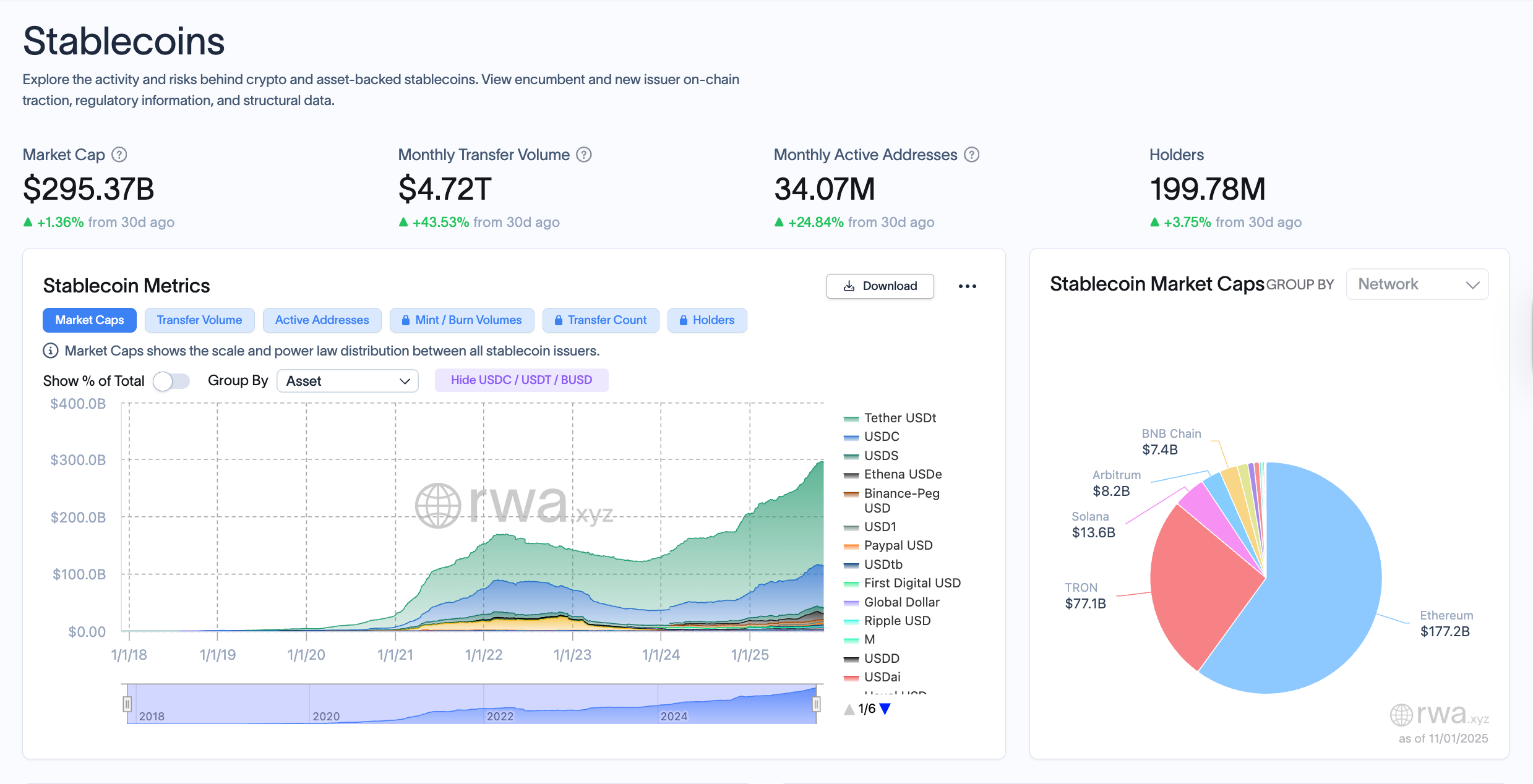
Стейблкоины продолжают расти как класс активов. Источник: RWAXYZ.

Токенизированные банковские депозиты похожи на «проверочный счет, где вы можете выписывать чеки только другим клиентам того же банка», продолжил Малекан. Он добавил:

«В чем смысл? Такой токен не может быть использован для большинства видов деятельности. Он бесполезен для трансграничных платежей, не может обслуживать не клиентов банка, не предлагает использование в крипто-экосистеме или атомные свопы с другими активами и не может использоваться в децентрализованных финансах (DeFi).

По прогнозам Standard Chartered Bank, сектор токенизированных реальных активов (RWA), физических или финансовых активов, токенизированных на блокчейне, который включает фиатные валюты, недвижимость, акции, облигации, товары, искусство и предметы коллекционирования, увеличится до 2 триллионов долларов к 2028 году.

Эмитенты стейблкоинов будут делиться доходностью так или иначе

Токенизированные банковские депозиты также должны конкурировать с доходными стейблкоинами или эмитентами стейблкоинов, которые находят способы обойти запрет на доходность в Законе о стейблкоинах GENIUS, передавая доходность в виде различных вознаграждений клиентов, утверждал Малекан.

Банковское лобби выступило против доходных стейблкоинов из-за опасений, что эмитенты стейблкоинов, разделяющие интерес с клиентами, подорвут долю рынка банковской отрасли.

Текущая средняя доходность, предлагаемая на сберегательный счет в розничном банке в США или Великобритании, значительно ниже 1%, что делает что-либо выше этого привлекательным для клиентов.

Сопротивление доходным стейблкоинам со стороны банковского лобби вызвало критику со стороны профессора Нью-Йоркского университета Остина Кэмпбелла, который обвинил банковскую отрасль в использовании политического давления для защиты своих финансовых интересов за счет розничных клиентов.


Letture associate

AMD acquires Taalas: hardware AI manages without scarce HBM memory

AMD has agreed to acquire Toronto-based startup Taalas, which tackles a key bottleneck in AI inference: the constant need to transfer model weights from memory to the processor for each generated token. Taalas's chips eliminate this operation by permanently embedding the model weights into the transistors themselves. This data transfer is what currently limits inference speed and has made high-bandwidth memory (HBM) a scarce commodity. Taalas's first test chip, fabricated on TSMC's 6nm process, reportedly generated tokens for Meta's Llama 3.1 8B model at speeds 48 times faster than comparable Nvidia GPUs. Its architecture features a mask ROM section for fixed weights and SRAM for adaptable components. However, this design comes with a significant trade-off: each chip is permanently dedicated to a single model. Switching models requires a partial redesign and fabrication, a process taking about two months. While the acquisition is seen as part of AMD's rivalry with Nvidia in inference, its broader implication lies in challenging the assumption of a permanent HBM memory shortage. The AI memory market is currently booming, with HBM supply sold out through 2026. Yet, Taalas's technology demonstrates that the memory bottleneck is an engineering challenge, not an absolute physical constraint. This aligns with industry-wide efforts from companies like Nvidia (through model compression) and memory makers like Samsung and SK hynix (developing new packaging and storage technologies) to reduce dependency on scarce HBM. AMD's move suggests that the current high prices for memory, driven by AI demand, may not be sustainable. It highlights a growing engineering push against the premise of perpetual memory scarcity, reminding investors that memory has historically been a cyclical business.

cryptonews.ru2 h fa

AMD acquires Taalas: hardware AI manages without scarce HBM memory

cryptonews.ru2 h fa

Vance says US-Iran conflict remains in 'midgame', US military 'seeks exit', Iran sets 'six conditions for reopening the strait'

U.S. Vice President Vance described the U.S.-Iran conflict as being in the "mid-game," stating the U.S. is utilizing diplomatic, economic, and military tools, with a focus on increasing oil and gas shipments through the Strait of Hormuz. Meanwhile, U.S. Chairman of the Joint Chiefs of Staff Gen. Dan Caine is reportedly seeking an "exit" privately, expressing concerns that airstrikes alone are insufficient to achieve objectives and that further escalation carries significant risks. He highlighted critical ammunition shortages for key missile defense systems. In response, Iran’s Supreme National Security Council Secretary, Zolgadr, presented six conditions for reopening the Strait of Hormuz: a U.S. pledge never to threaten Iran, an end to aggression against Iran and its allies, withdrawal of forces from the region, war reparations, lifting of all sanctions, and the unconditional unfreezing of Iranian assets. These demands, seen as a high bar set by hardliners, contrast with more pragmatic requests made in backchannel talks, which focus on lifting the blockade, restoring oil sanctions waivers, and accessing frozen funds. While Iran and Oman are close to a technical agreement on a temporary shipping lane, Iran clarified this does not equate to a full reopening of the strait, which remains contingent on U.S. meeting its conditions. Attacks on commercial vessels in the area continue, with recent incidents attributed to Iran. Despite pauses in military action and expressions of openness to talks from both sides, negotiations are currently stalled over Iran's economic demands and U.S. insistence on freedom of navigation.

marsbit3 h fa

Vance says US-Iran conflict remains in 'midgame', US military 'seeks exit', Iran sets 'six conditions for reopening the strait'

marsbit3 h fa

Trading

Spot
活动图片