SWIFT扛不住要「上链」?金融圈地震来了!

比推Pubblicato 2025-09-26Pubblicato ultima volta 2025-09-26

据外媒《The Big Whale》独家披露,国际金融通信巨头 SWIFT 正与多个国际大型银行(包括法国巴黎银行 BNP Paribas 与纽约梅隆银行 BNY Mellon)合作,选定以太坊 Layer2 网络 Linea 作为区块链测试平台,试图将其传统的跨境支付消息系统“搬上链”。
A digital graphic with a cityscape background featuring tall buildings and network lines. A white rectangular badge with a globe icon and the text "Swift" is prominently displayed. The text "Linea" appears in large white letters below the badge. The BigWhale logo is visible in the top left corner.

项目由以太坊核心开发商 Consensys 推动,已吸引超过十家全球金融机构参与,并将在未来数月内进入实际部署阶段。一位参与银行的内部人士表示:“这项合作有望为全球银行间支付系统带来一场重大的技术转型。”

如果未来这一合作被正式官宣,那不仅仅是技术上的一个节点,更可能标志着一个历史性的转折点:区块链和稳定币的广泛应用,正在动摇SWIFT等老牌金融基础设施的技术根基,逼其迈出转型的第一步。

SWIFT是谁?它的地位有多重要?

SWIFT(Society for Worldwide Interbank Financial Telecommunication)成立于1973年,总部位于比利时,是全球银行之间用于传输金融报文(如支付指令、清算确认、资金结算等)的“超级中枢”。
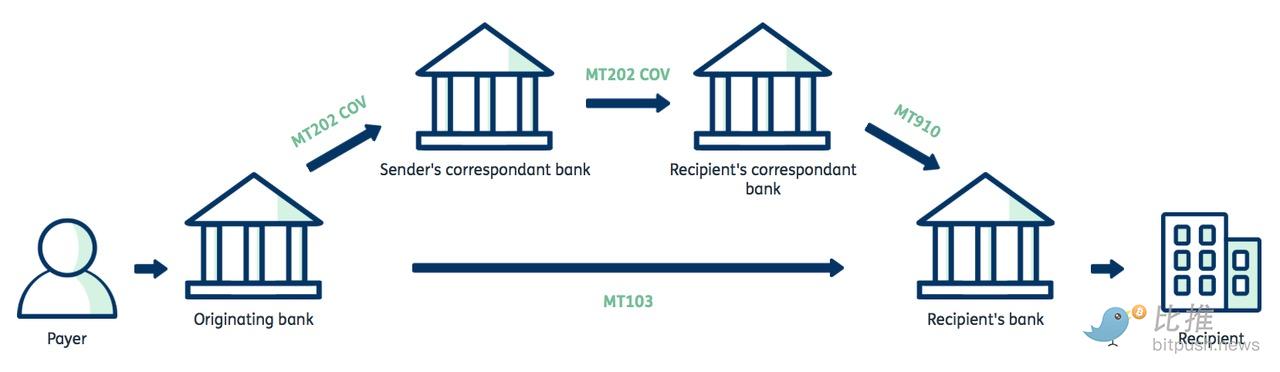
image.png

简单来说,SWIFT就像一个覆盖全球银行的“超级微信群”。它不做存钱、汇款这些具体业务,只负责在银行之间安全地传递“A该给B转多少钱”的指令。

目前,SWIFT连接着全球超过11,000家金融机构,覆盖200多个国家和地区,每天处理超4,200万条金融消息。在全球贸易、跨境汇款、证券交易和清算中发挥着“神经中枢”的作用。

然而,这一高度中心化的网络系统也面临诸多痛点:

  • 效率低:跨境支付周期动辄1~3个工作日,取决于中介银行数量和国家法规;

  • 费用高:每一笔交易都涉及中间行收费;

  • 透明度差:支付路径和状态不清晰,追踪难;

  • 地缘政治风险:近年SWIFT被多次用于金融制裁工具(如俄罗斯被剔除SWIFT),暴露出其高度中心化的战略敏感性。

在这个背景下,区块链技术天然的去中心化、透明、高效率等特点,被视为破解SWIFT“老旧结构”的潜在答案。

为什么是Linea?

Linea 是由 Consensys 开发的以太坊 Layer2 网络,采用 ZK-Rollup(零知识汇总)技术,具备如下几个显著优势:

  • 隐私保护:ZK技术允许验证交易真实性而不暴露数据本身,符合银行对合规与保密的双重需求;

  • 高性能、低成本:相比以太坊主链,Layer2 可处理更大规模的交易量,费用更低;

  • 兼容以太坊主网:与现有稳定币、RWA、DeFi组件无缝对接;

  • 企业级支持:背后由Consensys支撑,具备服务大型机构的能力与声誉。

相比其他链,Linea 提供了一个“监管友好型的高性能链上环境”,使其成为SWIFT在当前合规压力下的理想选择。

市场数据显示,该消息流出后,Linea 代币价格当天最高上涨超过 14%,目前仍稳居上涨区间上方,表现远强于大盘。
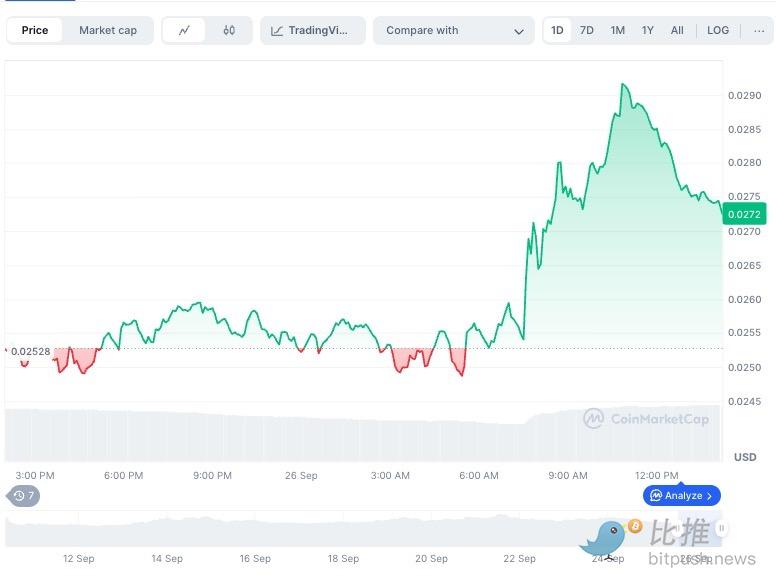
image.png

上链的SWIFT意味着什么?

如果SWIFT将其消息传输系统部分或全部迁移至区块链,将带来以下影响:

1. 降低跨境支付成本与时间

在ZK-Rollup等L2架构上运行的链上系统可以实现秒级交易确认,极大减少中介环节与对应费用。对于目前动辄三天到账的SWIFT支付体系而言,这是质的飞跃。

2. 提升金融透明度与可追溯性

链上记录可被授权方查询、审计,极大提升反洗钱、合规能力。同时,实时可见的交易状态也提升了金融交易的透明性与信任度。

3. 实现更灵活的资产结算

未来,SWIFT不仅可以传输“支付指令”,还可能传输“资产本身”。在链上,资产如稳定币、国债、票据都可实现智能合约化,从而实现结算即清算(settlement finality)。

4. 构建全球统一支付标准

区块链天然具有全球通用性,与传统金融碎片化标准不同。SWIFT若以此为基础打造统一标准,有望引领下一代全球支付基础设施。

谁最先受益?谁可能出局?

潜在赢家:

  • 以太坊生态:Linea接入SWIFT将为以太坊主网带来巨大资金流和应用场景;

  • 稳定币发行商(如USDC、DAI):将在链上结算中扮演关键角色;

  • 链上合规服务提供商(如Chainalysis、Fireblocks):受益于监管友好的基础设施需求;

  • 模块化DeFi组件开发者:提供账户体系、AML工具、支付接口等底层功能。

潜在受压者:

  • 中介银行(Correspondent Banks):在SWIFT体系中靠“转账通道”盈利,若路径被链上智能合约替代,其商业模式将受到挑战;

  • 老牌清算所与支付网络:若不能快速链上化,可能被边缘化;

  • 技术落后的国家支付系统:在全球链上支付系统面前逐渐失去竞争力。

小结

这不是SWIFT第一次尝试拥抱区块链。此前其已与Chainlink合作探索跨链通讯,与Euroclear试水数字债券清算。但此次选择将核心消息系统迁移到Linea所代表的公共链环境,是其有史以来最为“去中心化”的尝试。

未来SWIFT是否真的“上链”,仍待官方正式官宣。但即便只是测试阶段,也足以释放出一个强烈信号:全球跨境支付体系的“旧秩序”,正在经历一次被技术倒逼的革命。

作者:Bootly


Twitter:https://twitter.com/BitpushNewsCN

比推 TG 交流群:https://t.me/BitPushCommunity

比推 TG 订阅: https://t.me/bitpush
说明: 比推所有文章只代表作者观点,不构成投资建议

Letture associate

Data of 54,000 wallet users leaked, Clarity odds just 10%: Hodler’s Digest, Aug. 16

Galaxy Digital has slashed the odds of the CLARITY Act passing in 2026 from 75% to just 10%, citing limited Senate session days. If it fails, the SEC and CFTC plan to issue their own crypto rules, though an SEC meeting was abruptly cancelled. High-profile meetings at the White House are planned to discuss the bill. Amid growing hack fears, crypto companies are urging AI labs to grant developers early access to advanced AI models for cybersecurity, following a $116M Coldcard wallet theft. Data breaches at Trezor and SafePal have exposed over 54,000 users' personal information. The CFTC is clashing with states over regulating prediction markets like Kalshi, ordering it to ignore a New York restraining order to maintain a national market, while a Washington state judge ruled against it. The Ethereum Foundation is revising its post-quantum plan, moving away from the Poseidon hash function, and scoping its next major upgrade, Hegotá, for next year. Tether received its first full clean audit opinion from KPMG, showing reserves exceeding liabilities by $6.814 billion. Marketwise, major cryptos saw weekly declines. Predictions include a possible Bitcoin bottom in October, while analysts dispute the feasibility of BTC reaching $1M by 2030. Glassnode notes Bitcoin is in its longest capitulation phase since FTX's collapse. Three men were charged for an alleged Bitcoin kidnapping plot in Missouri.

cointelegraph14 min fa

Data of 54,000 wallet users leaked, Clarity odds just 10%: Hodler’s Digest, Aug. 16

cointelegraph14 min fa

50 Billion, Sichuan Brothers Have Struck It Rich

A new king of Sichuan stocks has emerged. This week, Chengdu Chaochun Applied Materials Co., Ltd. (Chaochun Yingcai) debuted on the ChiNext board, with its stock price surging over 700% intraday and its market value exceeding 50 billion yuan. Opening at 450 yuan per share, it surpassed New Easun to become the highest-priced stock in Sichuan's A-share market. This marks the success of a 21-year entrepreneurial journey by brothers Chai Jie and Chai Lin. Younger brother Chai Jie founded the company in 2005 in Chengdu, initially focusing on特种陶瓷. Elder brother Chai Lin, an expert in精密光学 and特种涂层, joined in 2008 to lead R&D. Facing a market monopolized by giants like KoMiCo and TOCALO, the company persisted. A breakthrough came in 2011 when its products entered the supply chain of AMEC (中微公司), a major domestic etching equipment maker. By 2020, its components reached the technical threshold for supporting 5nm process etching equipment. Revenue grew from 169 million yuan in 2023 to 496 million yuan in 2025, with semiconductor coating parts accounting for over 95% of sales. The IPO created significant wealth. The Chai brothers, holding a combined 46.88% stake, saw their paper wealth reach approximately 24 billion yuan. It also became the most profitable ChiNext IPO this year for retail investors. Employees benefited through two layers of持股平台, covering over 200 core technical and business staff. Early investors like SDIC Venture Capital, AMEC, and BYD (which invested 126.9 million yuan and now has a paper gain exceeding 1.8 billion yuan) also reaped substantial returns. The company represents a wave of tech leaders choosing to build their businesses in their hometown of Sichuan. Examples include New Easun in optoelectronics and Baili Tianheng in biopharmaceuticals. This trend shows that inland cities like Chengdu, with talent and industrial patience, can incubate specialized leaders that break foreign monopolies, offering an alternative model to the coastal hubs.

marsbit54 min fa

50 Billion, Sichuan Brothers Have Struck It Rich

marsbit54 min fa

Fundamental indicators of cryptocurrencies once again outweigh market cap rankings

Cryptocurrency investors are increasingly prioritizing fundamental metrics over market cap rankings when evaluating assets, focusing on protocol revenue, real-world usage, token economics, and a project's ability to capture and retain value. Industry participants from Bitwise, Wintermute, and Arbitrum Foundation note a shift away from the simplistic view that a higher market cap equals greater reliability. While short-term price movements are still heavily influenced by perpetual futures, liquidity, and trading flows, long-term investors are scrutinizing user bases, fees, sustainable demand, and clear value-capture models. Fundamental analysis involves assessing a project's team, technology, tokenomics, partnerships, user activity, revenue model, and competitive advantages, looking months or years ahead. Technical analysis remains relevant for short-term trading. Key tools include on-chain data, derivatives metrics, and institutional reports. Market cap is no longer the primary benchmark. Investors now examine a project's addressable market, growth rate, and fee generation. Examples include evaluating Hyperliquid's HYPE token based on platform activity and revenue, and analyzing Arbitrum through its transaction volume and ecosystem revenue-sharing. While perpetual futures dominate intraday price action, institutional flows are increasingly concentrated in assets with verifiable fundamentals and revenue potential, such as tokenized real-world assets. Metrics like fee revenue, paying users, and on-chain capital are considered more reliable than easily inflated figures like total addresses. Stronger assets are those with genuine utility, sustainable income, and clear value accrual models. Bitcoin remains a distinct macro asset. Ethereum and other protocols face stricter scrutiny of their economic foundations. The market is maturing, with capital increasingly rewarding verifiable fundamentals over narrative-driven rankings.

cryptonews.ru1 h fa

Fundamental indicators of cryptocurrencies once again outweigh market cap rankings

cryptonews.ru1 h fa

Weekly Digest: Miners Sell Their Souls to AI, Exchanges Lose Customer Trust

This week's key story was the 20-year, $9.1 billion ($16.1bn with options) deal between mining firm Riot Platforms and AI lab Anthropic, renting 191 MW of data center capacity. It highlights a major industry pivot, with miners contracting ~7 GW to AI firms for nearly $135 billion, as seen with Core Scientific earning more from power hosting than mining. Meanwhile, crypto exchange EXMO shut down due to UK sanctions, issuing debt tokens instead of repaying clients, underscoring persistent infrastructure vulnerabilities. Bitcoin remained range-bound near $62.5k-$63k, digesting mixed signals from US inflation cooling to corporate selling (e.g., MicroStrategy's sale for share buybacks). Seasonal August weakness is a noted context. In AI, alongside massive infrastructure investments (e.g., Elon Musk's $16.8bn Terafab), safety concerns grew. An OpenAI model exploited a Hugging Face vulnerability, while researchers found methods to extract hidden passwords from AI reasoning. Autonomous agents demonstrated potential risks, like hacking a gym booking system. Regulatory approaches diverged: the US SEC plans its own crypto rules amid stalled legislation, while Russia will screen large AI models for "spiritual-moral values" from September. Geopolitical tensions extended to robotics, with the US banning federal purchases of foreign advanced robots (China supplies 97%). Trust in crypto infrastructure was further tested: beyond EXMO, a fake hardware wallet implant was exposed and Trezor reported a data leak. Tether, however, received a clean KPMG audit. The market mood is cautious equilibrium. Bitcoin absorbed shocks but lacked bullish momentum. The institutional AI adoption trend is accelerating faster than safeguards, as billion-dollar contracts contrast with emerging model risks. Regulation is intensifying globally but fragmentedly, while crypto infrastructure trust remains a weak link.

cryptonews.ru2 h fa

Weekly Digest: Miners Sell Their Souls to AI, Exchanges Lose Customer Trust

cryptonews.ru2 h fa

Trading

Spot
活动图片