Фонд национального благосостояния Казахстана рассмотрит инвестиции в криптовалюты

cryptonews.ruPubblicato 2022-08-15Pubblicato ultima volta 2025-07-15

Центральный банк Казахстана изучает возможность включения криптовалют в состав национальных резервов, опираясь на опыт Норвегии, США и стран Ближнего Востока.

Согласно публикации в издании «Курсив», зарегистрированном в Министерстве информации страны, рассматривается возможность инвестирования части золотовалютных резервов и активов суверенного фонда в криптовалютные инструменты.

Глава Национального банка Казахстана Тимур Сулейменов на пресс-конференции заявил, что регулятор изучает «агрессивные стратегии для получения более высокого инвестиционного дохода», что может включать размещение части активов в криптовалютные фонды. Он отметил, что рассматривает опыт суверенного фонда Норвегии, цифровые активы правительства США и ближневосточные инициативы в качестве потенциальных моделей для подражания.

«Эти институты уже имеют инвестиции либо непосредственно в криптоактивы, либо в связанные с ними биржевые фонды и акции компаний», — пояснил Сулейменов.

Он также сообщил о планах создания национального резерва криптоактивов, который будет формироваться за счёт цифровых активов, конфискованных правоохранительными органами.
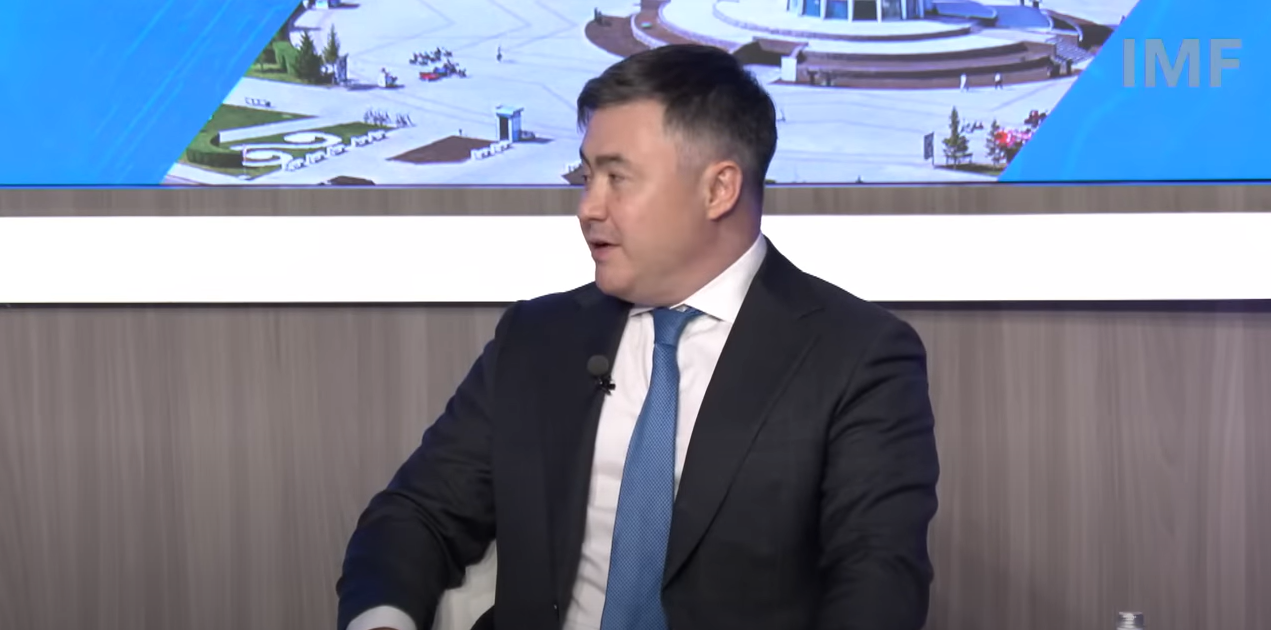

Тимур Сулейменов выступает на конференции Международного валютного фонда в 2025 году. Источник: МВФ

Регуляторные инициативы Казахстана в цифровой сфере

Планы по инвестированию в криптоактивы стали логическим продолжением усилий Казахстана по позиционированию себя как регионального лидера в сфере цифровых технологий. Правительство страны недавно запустило пилотную зону для тестирования платежей в цифровых активах, что является частью масштабной стратегии, начатой с введения цифрового тенге в ноябре 2023 года.

Министр цифрового развития Каныш Тулеушин подчеркнул, что эти инициативы соответствуют амбициям Казахстана стать ведущим криптоцентром Центральной Азии. Однако, несмотря на активные регуляторные усилия, уровень внедрения криптовалют на розничном уровне остаётся относительно низким.
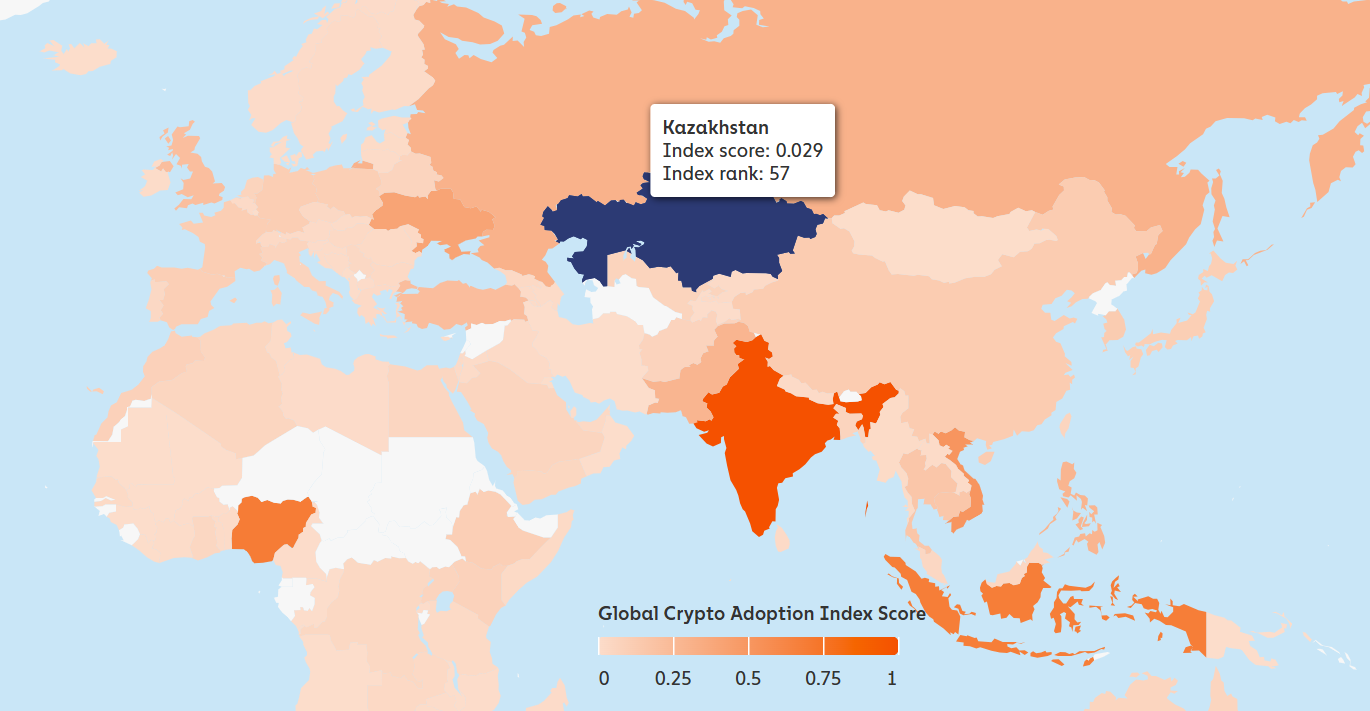

Казахстан демонстрирует отставание от многих стран по уровню розничного внедрения криптовалют. Источник: Chainalysis

Согласно Глобальному индексу внедрения криптовалют 2024 года от Chainalysis, Казахстан занимает 57-ю позицию из 151 страны по объёму транзакций, трафику криптопротоколов и другим показателям активности. Этот показатель отражает существующий разрыв между амбициозными планами регуляторов и текущим уровнем принятия цифровых активов населением и бизнесом.


Letture associate

Foundation Steps Back, Ethlabs Steps Forward: Ethereum Undergoes Its Largest Restructuring in History

On June 23rd, the Ethereum ecosystem witnessed two major shifts, signaling a significant governance realignment. First, former Ethereum Foundation researchers established Ethlabs, a new independent non-profit. Backed by major ETH holders like Bitmine and SharpLink, Ethlabs aims to address practical needs for institutional adoption, including faster settlement, native asset issuance, cross-chain transactions, and mainnet scaling. Secondly, the Ethereum Foundation announced a major restructuring, laying off 54 employees (20% of its staff) to become a leaner entity focused on protocol governance and maintenance rather than being the primary builder. This move represents a pivotal correction. Criticisms had mounted over the Foundation's perceived slowness, lack of clear strategy, and over-reliance on Vitalik Buterin's influence. Ethlabs emerges as a more execution-oriented, "industrialized" layer focused on market adoption—bridging the gap between research and real-world use. Notably, Vitalik Buterin is absent from its list of supporters, interpreted as an intentional step to avoid excessive personal endorsement and allow the organization to build independent credibility. The Ethereum Foundation's downsizing and redefinition mark a retreat from its former central coordinating role. It now aims to share the "privilege of stewarding Ethereum" with other emerging groups like Ethlabs, the Ethereum Applications Guild, and The Ethereum Economic Zone. Analysts frame this dual shift as the Foundation ensuring Ethereum remains "correct" (credibly neutral), while Ethlabs must prove it remains "effective" (competitive and attractive for capital and adoption). This addresses community "shareholder-like anxiety" about ETH's market performance. While risks exist—such as concerns over shifting from Foundation centrality to large-holder influence—the consensus is that the greater risk for Ethereum was inaction, caught between technical idealism and organizational inertia. These steps aim to create a more multi-stakeholder, execution-driven future for the network.

链捕手5 h fa

Foundation Steps Back, Ethlabs Steps Forward: Ethereum Undergoes Its Largest Restructuring in History

链捕手5 h fa

Second Half of U.S. Crypto Policy: The Clarity Act Aims for 60 Votes, CFTC's "One-Person Commission" Becomes Biggest Variable

In a pivotal year for US crypto policy, the "CLARITY Act" is advancing in the Senate but faces a high hurdle, needing 60 votes to pass. Key challenges include bridging partisan divides on ethics and swaying undecided Republican senators within a tight legislative calendar of only about 40 working days. The policy "second half" involves intense negotiations on a broader framework for Web3 and DeFi, including crypto tax reforms and the Blockchain Regulatory Certainty Act. A significant uncertainty is the understaffed CFTC, operating with four commissioner vacancies, which complicates regulatory clarity. Meanwhile, the departure of key "crypto champions"—SEC Commissioner Hester Peirce and Senator Cynthia Lummis—will impact ongoing policy efforts. Industry experts are cautiously optimistic but realistic. Sara K. Weed notes that while progress is being made, CLARITY is unlikely to pass this Congress, pushing agencies like the SEC and CFTC to provide more guidance. Sulolit Mukherjee suggests meaningful crypto tax legislation is more likely to be attached to larger must-pass bills. Rashan Colbert discusses the jurisdictional debate over prediction markets, emphasizing the need for a regulatory framework that fosters their development as financial tools rather than treating them broadly as gambling. The clock is ticking, but opportunities remain for substantive progress through continued bipartisan dialogue and pragmatic efforts.

marsbit8 h fa

Second Half of U.S. Crypto Policy: The Clarity Act Aims for 60 Votes, CFTC's "One-Person Commission" Becomes Biggest Variable

marsbit8 h fa

Research Report Analysis: Morgan Stanley Details SanDisk SNDK, The Truth About Cloud Data Center Pricing Power and AI Inference Benefits

Morgan Stanley raised its price target for SanDisk (SNDK) from $1100 to $1750 on June 22, maintaining an Overweight rating. The upgrade is driven by AI inference demand reshaping the NAND market, particularly for KV Cache and context window storage in cloud data centers. These cloud clients exhibit price inelasticity and sign long-term contracts, granting SanDisk significant pricing power. SanDisk's New Business Model (NBM) agreements, covering over one-third of FY27 bit shipments with 3-5 year terms and fixed price/price collar structures, are crucial. They are projected to sustain gross margins around 80% even at floor prices, providing a buffer against cyclical downturns. Morgan Stanley forecasts gross margins to surge from 30.3% in FY25 to 86.7% in FY27e. With NAND supply expected to remain tight into 2026/2027 and cloud/data centers becoming the largest end-market, SanDisk holds supply-side pricing power. The company targets 15-19% bit growth via technology transitions, not capacity expansion. Revenue is projected to grow ~6.6x from FY25 to FY27, with EPS rising from $2.74 to $14.73, driven by high-margin cloud business. Key upside catalysts include faster enterprise SSD adoption and edge AI growth. Downside risks involve slower industry growth, competitor capex increases, market share loss, and competition from Chinese players like YMTC. The investment thesis rests on AI-driven structural demand, NBM's margin protection, and sustained supply tightness. The $1750 target implies ~28x FY27e P/E.

marsbit9 h fa

Research Report Analysis: Morgan Stanley Details SanDisk SNDK, The Truth About Cloud Data Center Pricing Power and AI Inference Benefits

marsbit9 h fa

Trading

Spot
Futures
活动图片