Flora Growth выходит на криптовалютный рынок со ставкой в ​​$1 млн на ETH, SOL, XRP, SUI

cryptonews.ruPubblicato 2022-09-06Pubblicato ultima volta 2025-05-06

  • Flora Growth Corp. инвестирует 1 млн долларов в Ethereum, Solana, Sui и Ripple для будущего роста.
  • Внедрение блокчейна теперь является ключевым элементом долгосрочной корпоративной стратегии Flora.
  • Генеральный директор Старке рассматривает блокчейн как преобразующую технологию, знаменующую переход к цифровым инновациям.

Компания Flora Growth Corp. из Форт-Лодердейла вышла на рынок криптовалют, выделив 1 миллион долларов на разнообразную корзину цифровых активов.

Этот шаг подчеркивает план компании по обеспечению перспективности своего бизнеса за счет получения доступа к новым технологиям блокчейна.

Нацеливание на ключевых новаторов блокчейна

Инвестируя в Ethereum (ETH), Solana (SOL), Sui (SUI) и Ripple (XRP), Flora стремится задействовать инновации, способствующие развитию децентрализованных финансов (DeFi), цифровой идентификации и коммерции следующего поколения.

По теме: Разблокировка SUI 1 мая несет с собой риск и выгоду, поскольку TVL превысила 1 миллиард долларов

Эти инвестиции представляют собой нечто большее, чем финансовую игру; они сигнализируют о фундаментальном изменении стратегии Flora по внедрению этих новых цифровых технологий.

Детали распределения раскрывают долгосрочное видение

Капитал Flora распределен между четырьмя блокчейн-проектами. Ethereum и Solana составляют по $400 000, а Sui и Ripple — по $100 000. Такое распределение отражает взвешенный подход, уравновешивающий устоявшихся игроков и развивающиеся платформы.

Генеральный директор Клиффорд Старк подчеркнул, что инвестиции основаны на долгосрочных убеждениях, а не на краткосрочных спекуляциях. Компания рассматривает эти активы как строительные блоки будущей цифровой инфраструктуры. Это часть более широкой стратегии Web3, направленной на позиционирование Flora на передовой инноваций.

Обоснование портфеля: использование различных сильных сторон

Выбранные активы обладают явными преимуществами:

  • Ethereum: остается основной платформой для децентрализованных приложений (dApps) и продолжает совершенствоваться за счет модернизации масштабируемости.
  • Solana: обеспечивает высокоскоростные транзакции и низкие издержки, что делает ее популярной для игр и приложений DeFi.
  • Sui: представляет уникальную объектно-ориентированную модель для быстрого выполнения транзакций, направленную на повышение удобства использования блокчейна.
  • Ripple (XRP): обеспечивает устойчивое использование в трансграничных платежах и значительное участие в регулировании, повышая институциональную надежность портфеля Flora.

Блокчейн как основная стратегия роста

Переход Flora на блокчейн сигнализирует о серьезной эволюции в ее корпоративном направлении. Теперь компания рассматривает криптовалюту не как второстепенный актив, а как центральный столп в новой экономической структуре. Старк подчеркнул, что блокчейн — это преобразующая сила, меняющая отрасли.

По теме:От консенсуса к исполнению, Ethereum начинает полную системную оптимизацию

Flora видит этот переход в соответствии с конвергенцией цифрового владения, потребительских тенденций и масштабируемой технологии. Компания планирует развивать эти первоначальные инвестиции в размере 1 миллиона долларов посредством стратегических партнерств и потенциальных приобретений. Ожидается, что будущие обновления будут включать расширение портфеля и сотрудничество с другими новаторами Web3.

Crypto di tendenza

Letture associate

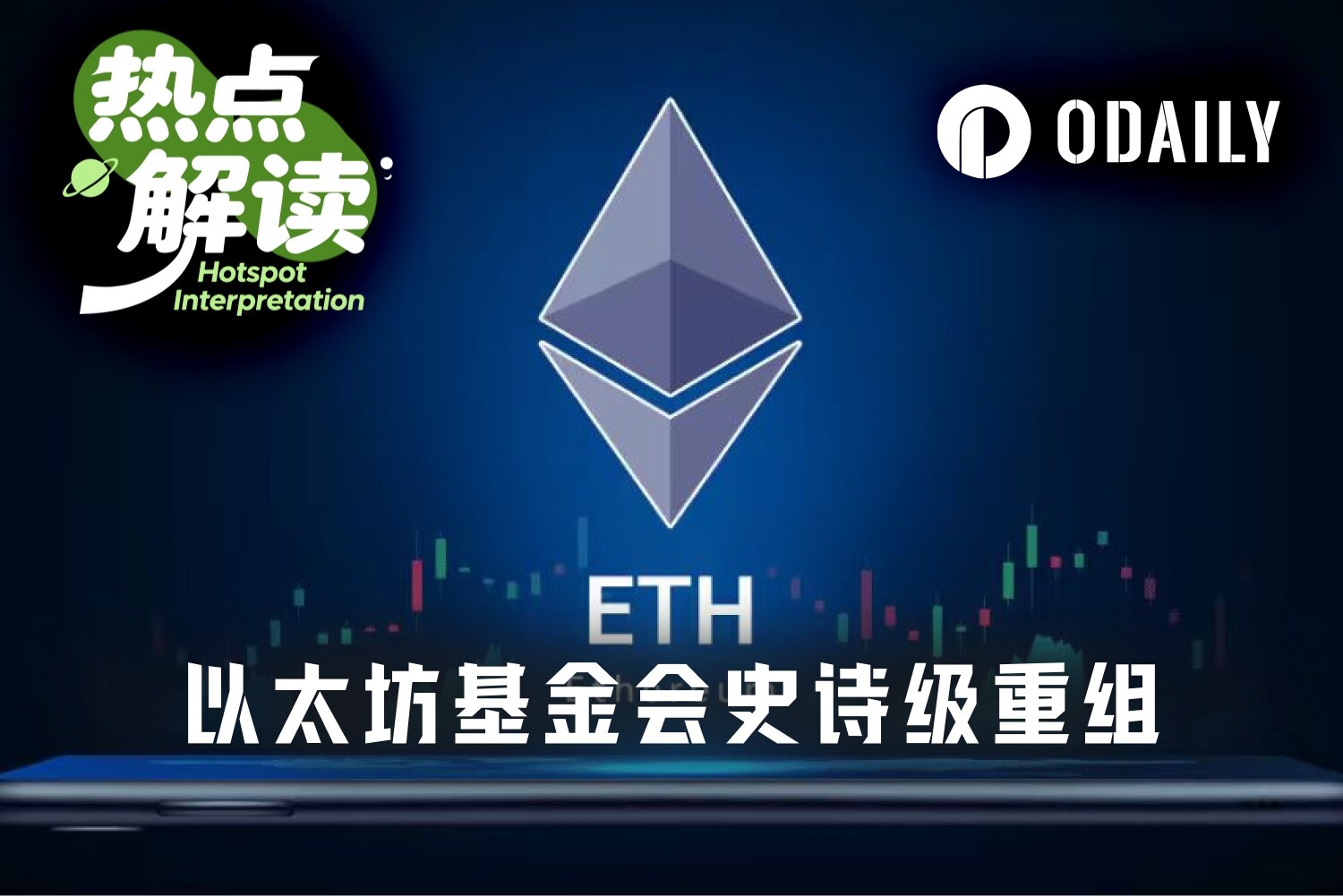
EF's Epic Reorganization: 20% Layoffs, Budget Halved, Is Ethereum Gearing Up for a Leaner Future?

The Ethereum Foundation (EF) has announced a major organizational restructuring, involving a 20% staff reduction (approx. 54 employees) and a division into functional clusters like Protocol, Access, User, Community, and Institutional layers. Co-founder Vitalik Buterin further revealed plans to cut the EF's budget by around 40% over the coming years, aiming to reduce its annual spending rate from about 15% to roughly 5% by 2030, transitioning to an endowment-driven model. This overhaul is seen as a long-overdue correction to the EF's ambiguous role. As Ethereum grew, the foundation faced persistent criticism over ETH sales, perceived lack of execution, and unclear strategy, often becoming a focal point for community frustration amid ETH's price stagnation. The reform aims to redefine the EF's boundaries, narrowing its focus to core protocol research, public goods funding, and ecosystem coordination, while offloading more applied development work to the broader market. Concurrently, ecosystem forces like the newly formed Ethlabs (founded by ex-EF researchers) and other independent groups are stepping in to fill the space, signaling a shift from a centralized model to a more distributed, collaborative ecosystem structure. The move was notably praised by Solana co-founder toly, who viewed a "leaner" EF as potentially more decisive and agile.

Odaily星球日报15 min fa

EF's Epic Reorganization: 20% Layoffs, Budget Halved, Is Ethereum Gearing Up for a Leaner Future?

Odaily星球日报15 min fa

Dragonfly Partner Haseeb: The Fastest-Growing Companies of the Future May All Get Stuck at 149 Employees

Dragonfly partner Haseeb explores the distorted economics of AI model pricing, drawing parallels to tax policy. He notes that startups and small teams (under 150 users) enjoy heavily subsidized, fixed-price AI subscriptions (like Claude Code), where the marginal cost of an additional token is effectively zero. This creates a powerful incentive for them to maximize token usage ("token-maxxing") and innovate aggressively with AI automation. In contrast, large enterprises (over 150 users) are forced onto "Enterprise" plans, paying per-token API fees with high (~75%) markups. This acts like a steep "tax" on AI-powered labor, disincentivizing marginal automation and experimental use, and encouraging them to retain more human workers. Haseeb argues this pricing creates a "150-person cliff," a regulatory notch similar to labor laws in France that discourage firms from growing past 50 employees. He predicts the fastest-growing future companies may deliberately cap their headcount at 149 to avoid the punitive enterprise pricing. This would foster an "AI-first" management philosophy obsessed with automation and outsourcing to stay lean. While not intentionally designed, this bifurcated pricing could become one of the most influential de facto tax policies, shaping how AI replaces labor—not through mass layoffs at big firms, but through agile, AI-native startups outcompeting them.

marsbit26 min fa

Dragonfly Partner Haseeb: The Fastest-Growing Companies of the Future May All Get Stuck at 149 Employees

marsbit26 min fa

How xBubble Breaks Through in the VC-Heavily-Backed OPC Economy

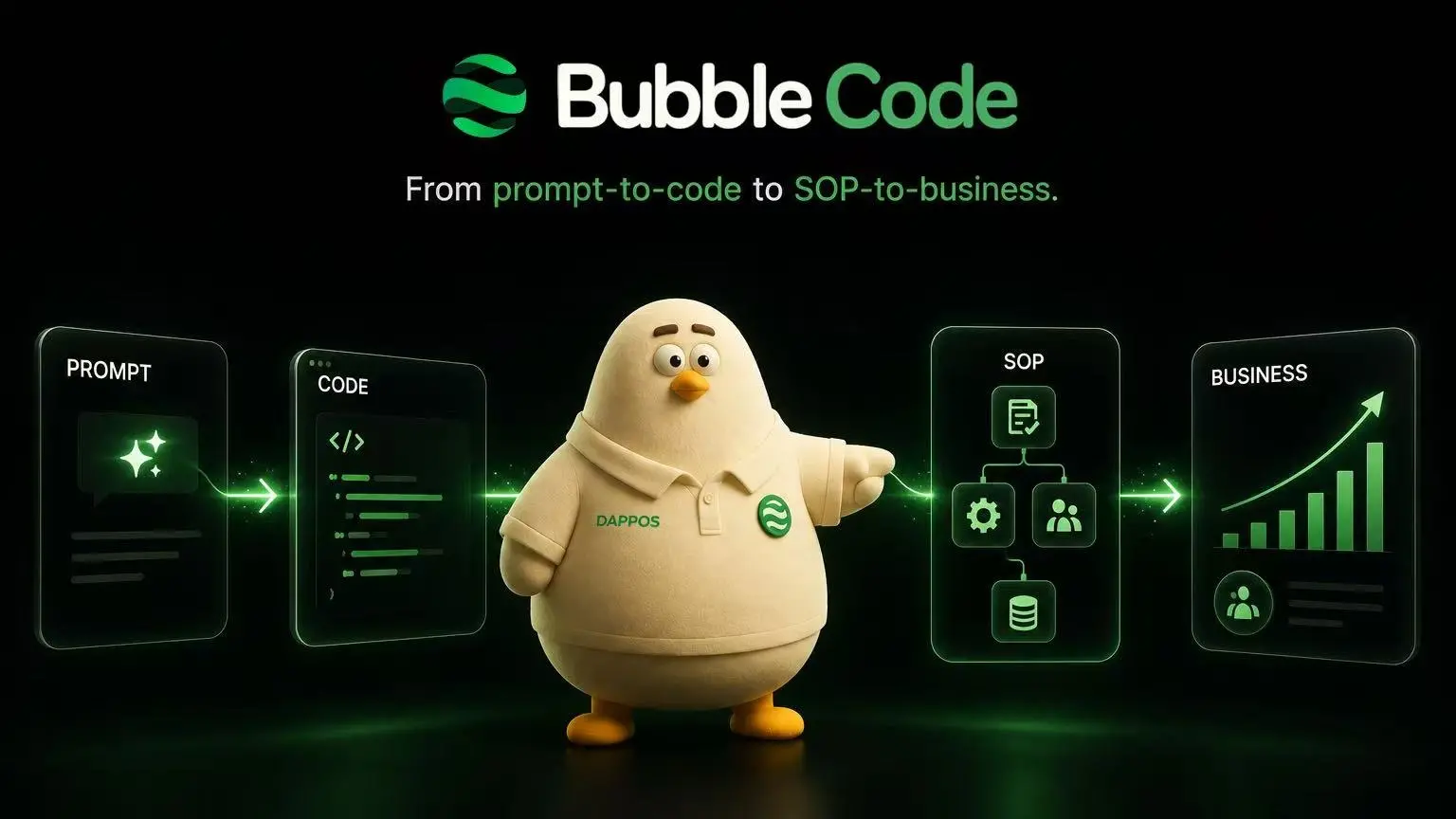
xBubble: Addressing the Structural Gap in the VC-Backed OPC Economy The concept of OPC (One Person Company) is evolving from a buzzword to a significant AI-driven market. While AI coding tools like Replit and Lovable have validated demand from non-technical users wanting to build applications, a key gap remains: the leap from creating a demo to running a stable, evolving business. These tools still require users to manage the development process, including technical judgments for integrations, modifications, and deployments—a major hurdle for OPCs. xBubble, by DAPPOS, tackles this by shifting from "Prompt-to-Code" to "SOP-to-Business." Instead of generating code from instructions, its core is a system of pre-organized SOPs (Standard Operating Procedures) that translate business goals—like "sell World Cup merchandise"—into complete, executable workflows. This includes generating cohesive assets, pages, payment systems, and backend logic. The platform is augmented by a network of third-party service providers who handle infrastructure (hosting, domains, payment setup), acting like "on-site service engineers." Users can pay for these services directly with xBubble credits, simplifying onboarding. This ecosystem aims to deliver not just an app, but a complete, modifiable business launch path. xBubble targets a clear OPC segment: small commercial nodes (e.g., creators, merchants) with existing products, customers, or channels, but for whom a full tech team is unjustifiable. Its potential lies in SOPs accumulating expertise from real cases, improving reliability and reducing delivery costs over time. Additionally, its native support for crypto payments caters to global or digital-native OPCs. In summary, as AI democratizes software creation, xBubble's opportunity is to prove that "SOP-to-Business" provides more immediate value for launching a real, operational business than a powerful but unstructured AI coding tool.

链捕手29 min fa

How xBubble Breaks Through in the VC-Heavily-Backed OPC Economy

链捕手29 min fa

If It's Not a Clear Yes, It's a No: A Nine-Year Retrospective by a VC Who Survived Four Cycles

**"Invest Only When Certain": A Nine-Year Retrospective from a VC Across Four Cycles** IOSG founder Jocy shares hard-earned lessons from nine years and over a hundred investments in Web3. The core challenge isn't identifying successful founders, but understanding why talented founders with solid ideas still fail. Through building a "failed founder database," IOSG identified six recurring failure patterns. **Founder Trait Red Flags:** 1. **Emotionally Unstable:** Founders who react defensively to criticism or publicly lash out under pressure (e.g., 80% drawdowns) often fail. Resilience is key. 2. **Lacking Hunger / Having a Fallback:** Founders with significant safety nets (family wealth, cushy fallback jobs) may lack the "do-or-die" commitment needed to survive crypto's brutal cycles. 3. **Unchecked Ego:** Includes "polished execution machines" who excel in known frameworks but struggle when paradigms shift, and "professor-types" who are technically brilliant but resistant to commercial feedback or coaching. **Project Structure Red Flags:** 4. **Token-First, Not Product-First:** Treating the token solely as a fundraising tool with no real utility or connection to product value is a major warning sign. The project should have value even if the token goes to zero. 5. **No Day-1 Exit Thesis:** Founders must have a clear, staged capital strategy from the start, understanding what each funding round needs to prove to unlock the next. "Exit before entry" is crucial. 6. **No Full-Cycle Experience:** Founders who haven't lived through a complete crypto bull/bear cycle (e.g., 2018, 2022) often underestimate their vulnerability. IOSG limits initial checks for such teams to $250k, sizing for risk. **The Positive Flipside: Desirable Founder Traits** The ideal candidate exhibits: obsessive problem-depth, being a second-time founder with a non-consensus vision, strong communication skills with *controlled* ego, relentless perseverance, and a global perspective with agency and taste (increasingly vital in the AI era). **Three Survival Tips for Founders:** 1. **Cash Flow Over Narrative:** Real revenue is what sustains projects, not vanity metrics. 2. **Tokens Are a Liability:** Avoid issuing a token unless absolutely necessary. The hidden costs (market making, liquidity, compliance) are immense, often a multi-million-dollar burden. 3. **Respect Liquidity:** Sell during peaks to build treasury, buy back to support the protocol during troughs. Be realistic about valuations and your ability to deliver for the next round. The final principle is simple yet paramount: **"If it's a borderline 'yes' or 'no,' don't invest."** In an industry that reinvents itself every few years, the discipline to consistently say "no" is the ultimate secret to longevity.

Foresight News54 min fa

If It's Not a Clear Yes, It's a No: A Nine-Year Retrospective by a VC Who Survived Four Cycles

Foresight News54 min fa

Trading

Spot
Futures

Articoli Popolari

Cosa è XRP 2.0

XRP 2.0: Una Nuova Frontiera nel Paesaggio delle Criptovalute Introduzione a XRP 2.0 Nel mondo in continua evoluzione delle criptovalute, nuovi progetti emergono continuamente, cercando attenzione e adozione. Una tale iniziativa promettente è XRP 2.0, un nuovo progetto di criptovaluta progettato per sfruttare avanzate tecnologie blockchain e metodologie di crittografia robuste. Anche se il nome richiama alla mente l'XRP di Ripple, è fondamentale notare che XRP 2.0 opera in modo indipendente, concentrandosi sul miglioramento della sicurezza delle transazioni, della privacy e della scalabilità. Mentre il panorama finanziario digitale abbraccia sempre di più soluzioni decentralizzate, XRP 2.0 mira a contribuire in modo significativo al web3 e all'espansione generale dei progetti crypto. Cos'è XRP 2.0? Alla sua base, XRP 2.0 è un progetto di criptovaluta che mira a creare un ecosistema di valuta digitale sicuro e decentralizzato. La sua tecnologia fondamentale integra principi di blockchain sofisticati con tecniche di crittografia all'avanguardia. L'obiettivo principale di XRP 2.0 è quello di affermarsi come una piattaforma affidabile ed efficiente in grado di consentire un'esecuzione rapida delle transazioni, dando priorità a migliori protezioni della privacy per i suoi utenti. Il progetto è promosso come una soluzione a molte limitazioni affrontate dalle criptovalute esistenti, proponendo un sistema in grado di gestire un volume maggiore di transazioni con migliorata velocità e privacy. Questa versatilità pone XRP 2.0 come un significativo competitor in un mercato affollato di varie valute digitali. Chi è il Creatore di XRP 2.0? L'identità del creatore dietro XRP 2.0 è stata segnalata come 'Wilbur'. Tuttavia, i dettagli completi riguardanti Wilbur o l'entità associata rimangono sfuggenti. L'anonimato di molti creatori di criptovalute non è un fenomeno raro nel settore, spesso progettato per mantenere un certo grado di privacy e sicurezza. Chi sono gli Investitori di XRP 2.0? Al momento, informazioni specifiche relative alle fondazioni o organizzazioni di investimento a supporto di XRP 2.0 non sono disponibili pubblicamente. Nel settore delle criptovalute, il supporto di investitori rinomati può influenzare significativamente la credibilità e il successo di un progetto, tuttavia la trasparenza riguardo ai sostenitori finanziari di XRP 2.0 non è stata stabilita. Come Funziona XRP 2.0? XRP 2.0 si distingue per l'impiego di una combinazione di tecnologia blockchain e algoritmi di crittografia avanzati che garantiscono transazioni sicure e decentralizzate. La sua struttura innovativa include caratteristiche uniche progettate per promuovere il coinvolgimento degli utenti e ampliare le funzionalità oltre le transazioni convenzionali delle criptovalute. Tra queste caratteristiche, XRP 2.0 incorpora capacità alimentate da intelligenza artificiale, come funzionalità di testo in immagini e testo in voce. Queste aggiunte sono progettate per migliorare l'esperienza interattiva per gli utenti, promuovendo una maggiore applicabilità in vari settori. Unendo progressi tecnologici con design incentrati sugli utenti, XRP 2.0 mira a catturare l'attenzione di una vasta gamma di individui e aziende che cercano di integrare soluzioni di criptovaluta nei loro framework operativi. Cronologia di XRP 2.0 Comprendere XRP 2.0 richiede di esaminare i traguardi che hanno definito il suo percorso fino ad ora: 23 luglio 2023: XRP 2.0 viene introdotto come un nuovo progetto di criptovaluta, mirante a rivoluzionare le capacità di transazione sicura e decentralizzata nel dominio blockchain. 8 settembre 2023: Si verifica il lancio di un altro progetto, XRP20, marcando l'emergere di un token ERC-20 sulla blockchain di Ethereum che resta non correlato a XRP 2.0. 13 novembre 2023: Il ledger XRP subisce un significativo aggiornamento con il rilascio della versione 2.0.0 del software server rippled. È essenziale notare che questo sviluppo è scollegato dal progetto di criptovaluta XRP 2.0. Punti Chiave su XRP 2.0 Per distillare l'essenza di XRP 2.0, emergono diversi fattori critici: Caratteristiche Uniche: L'inclusione di funzionalità come il testo in immagini e testo in voce alimentato da intelligenza artificiale diversifica ulteriormente le potenziali applicazioni di XRP 2.0. Tecnologia Blockchain: Il framework utilizza meccanismi blockchain avanzati e protocolli di crittografia, garantendo un ambiente sicuro e decentralizzato per le transazioni. Scalabilità e Privacy: XRP 2.0 dà priorità a migliori protezioni della privacy nei processi di transazione e alla scalabilità necessaria per accogliere una base di utenti in crescita. Nessuna Affiliazione con Ripple: È importante notare che, nonostante il suo nome, XRP 2.0 non ha alcuna fedeltà o collaborazione con l'XRP di Ripple, distinguendo il proprio framework operativo e obiettivi all'interno dell'ecosistema delle criptovalute. Conclusione XRP 2.0 rappresenta un'ambiziosa venture nell'ambito delle criptovalute, mirante a offrire una combinazione di sicurezza, privacy ed efficienza nelle transazioni digitali. Integrando tecnologie sofisticate e caratteristiche user-friendly, il progetto si propone di ampliare gli orizzonti di ciò che le criptovalute possono realizzare nell'economia digitale odierna. Sebbene l'anonimato del suo creatore e la mancanza di investitori dichiarati possano sollevare domande per alcuni, il focus di XRP 2.0 su funzionalità avanzate e decentralizzazione ne amplifica l'appeal in un mercato crypto sempre più affollato. Man mano che il panorama delle criptovalute continua a evolversi, XRP 2.0 potrebbe emergere come un attore decisivo nell'espansione di soluzioni blockchain sicure e scalabili.

171 Totale visualizzazioniPubblicato il 2024.04.05Aggiornato il 2024.12.03

Cosa è XRP 2.0

Come comprare XRP

Benvenuto in HTX.com! Abbiamo reso l'acquisto di XRP (XRP) semplice e conveniente. Segui la nostra guida passo passo per intraprendere il tuo viaggio nel mondo delle criptovalute.Step 1: Crea il tuo Account HTXUsa la tua email o numero di telefono per registrarti il tuo account gratuito su HTX. Vivi un'esperienza facile e sblocca tutte le funzionalità,Crea il mio accountStep 2: Vai in Acquista crypto e seleziona il tuo metodo di pagamentoCarta di credito/debito: utilizza la tua Visa o Mastercard per acquistare immediatamente XRPXRP.Bilancio: Usa i fondi dal bilancio del tuo account HTX per fare trading senza problemi.Terze parti: abbiamo aggiunto metodi di pagamento molto utilizzati come Google Pay e Apple Pay per maggiore comodità.P2P: Fai trading direttamente con altri utenti HTX.Over-the-Counter (OTC): Offriamo servizi su misura e tassi di cambio competitivi per i trader.Step 3: Conserva XRP (XRP)Dopo aver acquistato XRP (XRP), conserva nel tuo account HTX. In alternativa, puoi inviare tramite trasferimento blockchain o scambiare per altre criptovalute.Step 4: Scambia XRP (XRP)Scambia facilmente XRP (XRP) nel mercato spot di HTX. Accedi al tuo account, seleziona la tua coppia di trading, esegui le tue operazioni e monitora in tempo reale. Offriamo un'esperienza user-friendly sia per chi ha appena iniziato che per i trader più esperti.

1.6k Totale visualizzazioniPubblicato il 2024.12.10Aggiornato il 2026.06.02

Come comprare XRP

Discussioni

Benvenuto nella Community HTX. Qui puoi rimanere informato sugli ultimi sviluppi della piattaforma e accedere ad approfondimenti esperti sul mercato. Le opinioni degli utenti sul prezzo di XRP XRP sono presentate come di seguito.

活动图片