Price analysis 3/24: SPX, DXY, BTC, ETH, XRP, BNB, SOL, DOGE, ADA, LINK

CointelegraphPubblicato 2025-03-23Pubblicato ultima volta 2025-03-25

Introduzione

Buyers seem to be returning to the markets. According to SoSoValue data, US Spot Bitcoin exchange-traded funds (ETFs) witnessed net inflows of $744.4 million last week after recording five consecutive weeks of outflows.

Bitcoin (BTC) rose 4.25% last week to close above $86,000, and the bulls extended the recovery above $88,700 on March 24. 10x Research founder Markus Thielen said in a March 23 report that Bitcoin’s reversal indicators had turned positive, suggesting a “renewed uptrend.”


Buyers seem to be returning to the markets. According to SoSoValue data, US Spot Bitcoin exchange-traded funds (ETFs) witnessed net inflows of $744.4 million last week after recording five consecutive weeks of outflows. However, Ether ETFs could not replicate a similar performance as they witnessed a fourth successive week of net outflows.

Daily cryptocurrency market performance. Source: Coin360Analysts are divided about the near-term price action for Bitcoin. Select analysts believe Bitcoin could run into significant resistance near $90,000, starting a pullback toward $80,000. In contrast, BitMEX co-founder and chief investment officer of Maelstrom, Arthur Hayes, said in a post on X that Bitcoin will rally to $110,000 before it drops to $76,500.


Could Bitcoin bulls maintain the momentum and push the price above $90,000? Will the altcoins follow Bitcoin higher? Let’s analyze the charts to find out.


S&P 500 Index price analysis


The S&P 500 Index (SPX) has risen to the 20-day exponential moving average (5,742), where the bears are expected to step in. 

SPX daily chart. Source: Cointelegraph/TradingViewIf the price turns down from the 20-day EMA, the bears will attempt to drag the index below 5,670. If they succeed, the index may retest the critical support zone between 5,600 and 5,500.


On the other hand, a close above the 20-day EMA will be the first indication that the correction may be ending. The index will then try to rise toward the 50-day simple moving average (5,913).


US Dollar Index price analysis


The US Dollar Index (DXY) rebounded off the 103.37 level on March 19, indicating that the bulls are trying to form a floor.

DXY daily chart. Source: Cointelegraph/TradingView

The index could reach the 20-day EMA (104.59), which is an important level to watch out for. If the index turns down sharply from the 20-day EMA, the bears will again try to sink the price below 103.37. If they can pull it off, the index may collapse to 102 and eventually to 101.


Contrarily, a break and close above the 20-day EMA suggests the bears are losing their grip. The index could climb to the breakdown level of 105.42, which is likely to act as a formidable barrier.


Bitcoin price analysis


Bitcoin broke above the 20-day EMA ($85,572) on March 23, suggesting the start of a strong recovery.

BTC/USDT daily chart. Source: Cointelegraph/TradingViewThe 20-day EMA is flattening out, and the RSI has risen into positive territory, signaling a minor advantage to the bulls. The relief rally is expected to face stiff resistance at the 50-day SMA ($90,290). If the price turns down from the 50-day SMA but finds support at the 20-day EMA, it will indicate a positive sentiment. That increases the possibility of a rally to $95,000 and then to $100,000.


Conversely, if the price turns down from the 50-day SMA and breaks below the 20-day EMA, it will suggest that the bears remain active at higher levels. A drop below $83,000 could sink the BTC/USDT pair to $80,000.


Ether price analysis


Ether (ETH) bulls are again attempting to drive the price above the 20-day EMA ($2,057) and the breakdown level of $2,111.

ETH/USDT daily chart. Source: Cointelegraph/TradingViewIf they manage to do that, it will signal that the markets have rejected the breakdown below $2,111. The ETH/USDT pair could rally to the 50-day SMA ($2,356) and subsequently to $2,550.


Time is running out of the bears. If they want to retain the advantage, they will have to defend the $2,111 level and swiftly pull the price below $1,750. That may resume the downtrend toward the next support at $1,550.


XRP price analysis


XRP (XRP) turned up from the 20-day EMA ($2.38) on March 23, signaling that the bulls are using the dips to buy.

XRP/USDT daily chart. Source: Cointelegraph/TradingView

The bulls will try to push the price above $2.59. If they manage to do that, the XRP/USDT pair could climb to the resistance line, where sellers are expected to mount a strong defense. 


If the price turns down from the resistance line but rebounds off the 20-day EMA, it will indicate a positive sentiment. That improves the prospects of a break above the resistance line. The pair may then rally to $3.


Sellers will have to tug the price below $2.20 to seize control. That could clear the path for a retest of the vital support at $2.


BNB price analysis


BNB (BNB) has bounced off the moving averages, indicating a change in sentiment from selling on rallies to buying on dips.

BNB/USDT daily chart. Source: Cointelegraph/TradingView

If the price rises and breaks above $644, it will indicate the resumption of the recovery. The BNB/USDT pair could ascend to $686 and above it to the crucial resistance at $745. 


The 20-day EMA ($613) is the strong support to watch out for on the downside. A break and close below the 20-day EMA could weaken the bullish momentum. The pair may slide to the 38.2% Fibonacci retracement level of $591 and then to the 50% retracement level of $575.


Solana price analysis


Solana (SOL) broke above the 20-day EMA ($135) on March 24, signaling that the bulls are attempting a comeback.

SOL/USDT daily chart. Source: Cointelegraph/TradingView

If the price maintains above the 20-day EMA, the SOL/USDT pair could rise to the 50-day SMA ($158). Sellers will try to stall the rally at the 50-day SMA, but if the bulls overcome the obstacle, the pair may surge toward $180. That will bring the large $110 to $260 range into play.


Contrarily, if the price turns down from the current level or the 50-day SMA, it will suggest that the bears remain sellers on rallies. The bears will have to yank the price below the $120 to $110 support zone to start the next leg of the downtrend. 


Dogecoin price analysis


Dogecoin (DOGE) has risen above the 20-day EMA ($0.18), indicating that the bulls have kept up the pressure.

DOGE/USDT daily chart. Source: Cointelegraph/TradingViewIf the price closes above the 20-day EMA, the DOGE/USDT pair could climb to the 50-day SMA ($0.21) and later to $0.24. Sellers are expected to defend the level, but if the bulls prevail, the pair could soar to $0.29.


Contrarily, if the price turns down from the 20-day EMA and breaks below $0.16, it will signal that bears remain active at higher levels. The pair may then slump to the critical support at $0.14.


Cardano price analysis


Cardano (ADA) has been trading between the moving averages and the uptrend line for the past few days.

ADA/USDT daily chart. Source: Cointelegraph/TradingViewThe failure of the bears to sink the price to the uptrend line suggests a lack of selling at lower levels. Buyers will try to strengthen their position by pushing the price above the moving averages. If they do that, the ADA/USDT pair could rise to $0.84 and later to $1.02.
This positive view will be invalidated in the near term if the price turns down from the moving averages and breaks below the uptrend line. That could sink the pair to $0.58 and eventually to $0.50.


Chainlink price analysis


Chainlink (LINK) has broken out of the 20-day EMA ($14.60) on March 24, indicating that the downtrend could be ending.

LINK/USDT daily chart. Source: Cointelegraph/TradingView

The LINK/USDT pair could rise to the 50-day SMA ($16.34), which could again act as a stiff resistance. If the price turns down from the 50-day SMA, the pair is likely to find support at the 20-day EMA. If the price rebounds off the 20-day EMA, the likelihood of a rally to $19.25 increases.


If bears want to prevent the upside, they will have to swiftly pull the price below $13.82. That may sink the pair to the channel’s support line near $12.


This article does not contain investment advice or recommendations. Every investment and trading move involves risk, and readers should conduct their own research when making a decision.

Letture associate

The Evolution Path of Physical Bitcoin

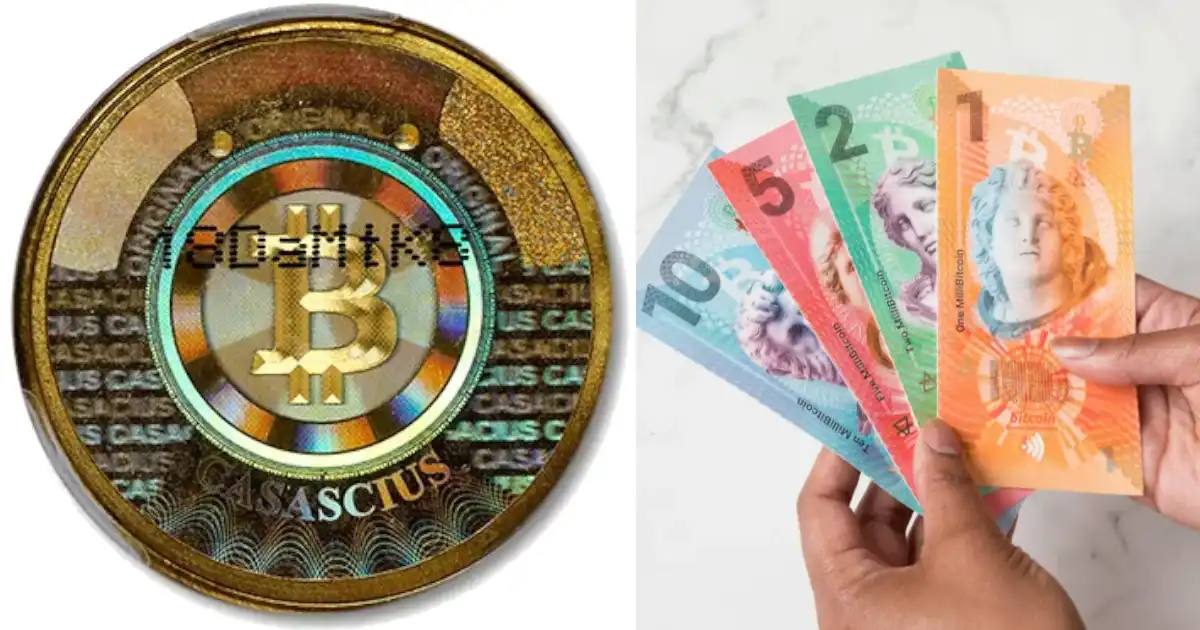
The Evolution of Physical Bitcoin Bitcoin's digital nature is its core strength, enabling self-custody and rapid global transfers. However, its intangibility also hinders mainstream adoption. For over a decade, creators have attempted to materialize Bitcoin while preserving its cash-like properties, yielding notable results. Casascius Coins, launched in 2011, were the first and most iconic physical Bitcoin. Creator Mike Caldwell generated private keys offline, printed them on coins, and sealed them with tamper-evident holograms. This model relied on user trust in the centralized issuer. Production ceased in 2013 due to regulatory pressure from FinCEN. RavenBit Coins emerged in 2014 aiming to decentralize minting by letting users generate and apply their own keys. However, this led to trust issues with numerous untrusted minters and insecure key generation methods. In 2016, Coinkite introduced Opendimes—a breakthrough in bearer asset technology. These USB-shaped devices generate and store keys internally. Funds can be received by checking the public key, but spending requires physically breaking the device to extract the private key. While innovative and open-source, its cost (~$20) and form factor limit its use for small, everyday transactions. Satochip's Satodime, a card-shaped device using similar secure chip technology, followed. It supports NFC interaction and comes in various forms. While potentially cheaper in bulk (~13€), it remains a high-security hardware wallet, not a low-cost cash substitute. A fundamental cost barrier exists. For physical Bitcoin to achieve widespread commercial use, hardware costs must drop below $1 to match the production cost of fiat banknotes. Current secure chips capable of running Bitcoin's cryptographic algorithms (like secp256k1) are too expensive. Chips like NXP's NTAG X DNA (~$3) show cost-reduction potential but lack native Bitcoin curve support. Projects like OfflineCash embed chips in banknote-like paper, but face challenges with durability, the need for custom Bitcoin-enabled chips, and the inherent requirement for users to verify balances online—which conflicts with Bitcoin's trustless ideal. Coinkite's Tapsigner, a ~$20 card with a proprietary Bitcoin NFC chip, is seen as a more practical step forward. It functions as a reloadable hardware wallet for contactless payments, solving the "change" problem and focusing on real-world retail integration, a direction also pursued by companies like Cash App and Square. In summary, the journey to physical Bitcoin has progressed from trusted centralized mints (Casascius) to user-generated keys (RavenBit) and finally to self-contained secure hardware (Opendimes, Satodime, Tapsigner). The core challenge remains developing a sufficiently low-cost, durable, and truly trustless physical bearer asset that can function like cash in daily transactions. Current solutions are either too expensive or introduce new trust assumptions, keeping the ideal of ubiquitous physical Bitcoin just out of reach for now.

marsbit48 min fa

The Evolution Path of Physical Bitcoin

marsbit48 min fa

Samsung Relies on Technology Cycles, SK Hynix on HBM, How Did Micron Win a Trillion-Dollar Market Cap?

Micron Technology, the third-largest memory chip maker alongside Samsung and SK Hynix, recently saw its market cap surpass $1 trillion. Founded in 1978 in Boise, Idaho, Micron survived brutal industry cycles while American peers and Japan's memory sector faltered. Its survival is attributed to a dual strategy: leveraging political and legal avenues for critical breathing room, coupled with relentless manufacturing cost control. Historically, Micron sought U.S. government intervention three times. In 1985, it filed an anti-dumping complaint against Japanese firms, leading to the U.S.-Japan Semiconductor Agreement. Ironically, this created an opening for Samsung, which later became its toughest competitor. In 2002, Micron turned "whistleblower" in a DRAM price-fixing investigation, escaping penalties while rivals were fined. In 2017, it sued China's Fujian Jinhua, contributing to its placement on a U.S. entity list, stifling a nascent competitor. However, a major strategic misstep occurred in 2013 with the acquisition of bankrupt Japanese firm Elpida. Integrating Elpida's mobile-DRAM-focused technology diverted resources, causing Micron to miss the critical early decade of development for High Bandwidth Memory (HBM)—the high-performance memory essential for AI chips like NVIDIA GPUs. By the time AI demand exploded in 2022, SK Hynix, which launched the first HBM in 2013, held about 85% of the HBM3 market, leaving Micron with roughly 3%. Micron now faces a triple squeeze. In the high-end HBM market, it lags significantly behind SK Hynix and Samsung. In the mid-to-low end DRAM market, it faces aggressive price competition from China's CXMT. Furthermore, a 2023 Chinese cybersecurity ban on its products slashed its revenue from China, a once-core market, from over 10% to just 7.1% by FY2025, causing it to exit China's data center server business. Beneath its political maneuvering lies Micron's core strength: exceptional manufacturing efficiency and cost control. Decades of engineering have yielded DRAM chips with a smaller cell area than rivals, meaning more chips per wafer and lower unit costs. This efficiency, not subsidies, has allowed it to withstand price wars. While political leverage bought time, Micron is now paying a "time debt" in the HBM race. It is racing to ramp up HBM3E production and develop HBM4, but catching up to competitors who started a decade earlier is a monumental challenge. Its future hinges on whether its expertise in cost control and political strategy can compensate for the lost time in a technology race where early-mover advantage is decisive.

链捕手1 h fa

Samsung Relies on Technology Cycles, SK Hynix on HBM, How Did Micron Win a Trillion-Dollar Market Cap?

链捕手1 h fa

New AMD Paper Overturns Conventional Wisdom: FP4 Training Instability's Cause Is Not Insufficient Randomness

AMD's new research challenges the conventional understanding of FP4 training instability. While reducing precision from FP8 to FP4 promises doubled computational throughput and is supported by new hardware like NVIDIA Blackwell and AMD MI350 series, training large language models natively with FP4 has been notoriously unstable, often attributed to insufficient stochasticity. The paper "Pretraining large language models with MXFP4 on Native FP4 Hardware" demonstrates successful end-to-end FP4 pre-training of Llama 3.1-8B on AMD MI355X GPUs using the MXFP4 format, achieving a 9-10% overall speedup over FP8. Crucially, it identifies the root cause of instability: not randomness, but the accumulation of *structural micro-scaling errors* along the sensitive weight gradient (Wgrad) path. Through controlled experiments, researchers found that quantizing the Wgrad operation to FP4 caused significant convergence degradation. Counterintuitively, common stochasticity-based mitigation techniques like stochastic rounding and randomized Hadamard transforms worsened performance. In contrast, applying a *deterministic* Hadamard transform successfully stabilized training by ensuring consistent error patterns, reducing the extra token cost from 26-27% to just 8-9%. This work has significant implications: 1) It provides a clear diagnostic for low-precision training instability, steering focus towards structural errors. 2) It pushes FP4 from a primarily inference-focused format into the realm of viable training. 3) It leverages the open OCP Microscaling (MX) standard, promoting cross-vendor compatibility. The research marks a critical step towards more economical large model training by further pushing the boundaries of low-precision computation.

marsbit1 h fa

New AMD Paper Overturns Conventional Wisdom: FP4 Training Instability's Cause Is Not Insufficient Randomness

marsbit1 h fa

Trading

Spot
Futures

Articoli Popolari

Cosa è POO DOGE

Poo Doge: Un Giocatore Innovativo nello Spazio Crypto Introduzione Nel paesaggio in rapida evoluzione delle criptovalute e della tecnologia blockchain, nuovi progetti emergono continuamente per catturare l'attenzione di investitori e appassionati di tecnologia. Uno di questi progetti è Poo Doge ($POO DOGE), lanciato nel 2022 come un'offerta unica all'interno dell'ecosistema Web3. Operando sulla piattaforma Dogechain, Poo Doge si è ritagliato uno spazio come strumento decentralizzato che mira a migliorare il modo in cui gli utenti gestiscono i loro asset digitali. Questo articolo approfondisce gli aspetti fondamentali di Poo Doge, esplorando i suoi obiettivi, funzionalità, creatori e le caratteristiche uniche che lo distinguono in un mercato affollato. Che cos'è Poo Doge? Poo Doge è una criptovaluta decentralizzata progettata specificamente per l'ecosistema Dogechain. Sfruttando la Ethereum Virtual Machine (EVM), funge da tracker di portafogli versatile e user-friendly. L'obiettivo principale di questo progetto è fornire agli utenti la possibilità di monitorare e gestire efficacemente più token all'interno del framework Dogechain. Come valuta decentralizzata, Poo Doge si distingue per la sua attenzione alla sicurezza e alla semplicità nella gestione degli asset. Gli utenti possono tracciare i loro investimenti e gestire i portafogli di token senza le complessità spesso associate alle piattaforme crypto tradizionali. Questo approccio centrato sull'utente nella gestione degli asset è senza pari, soprattutto nel contesto unico di Dogechain, che fornisce un ambiente leggero e guidato dalla comunità. Chi è il Creatore di Poo Doge? Le informazioni relative agli individui specifici o al team responsabile della creazione di Poo Doge rimangono riservate. In un settore dove la trasparenza è spesso pubblicizzata come un valore fondamentale, la mancanza di dettagli pubblici riguardanti il creatore potrebbe sollevare domande tra potenziali utenti e investitori. Tuttavia, questa anonimato non sminuisce gli obiettivi del progetto e l'impatto previsto all'interno dello spazio Web3. Chi sono gli Investitori di Poo Doge? Attualmente, non ci sono informazioni disponibili al pubblico riguardanti investitori specifici o organizzazioni d'investimento che sostengono il progetto Poo Doge. Questa assenza potrebbe suggerire che il progetto sia autofinanziato o che non abbia ancora attirato l'attenzione di entità d'investimento più grandi tipicamente associate a iniziative crypto più estese. Sebbene la mancanza di sostegno identificabile possa essere vista con scetticismo, non è raro per i progetti emergenti, specialmente quelli incentrati sulla tecnologia decentralizzata, iniziare a operare senza un notevole supporto istituzionale. Man mano che Poo Doge continua a svilupparsi e ad espandere la sua base utenti, potrebbe avvenire una maggiore integrazione con potenziali investitori. Come Funziona Poo Doge? Poo Doge opera sui principi della decentralizzazione, sfruttando Dogechain (EVM) per fornire una soluzione definitiva per il tracciamento dei portafogli. Ecco i principali aspetti del funzionamento del progetto: Piattaforma Decentralizzata Essere costruito su un framework decentralizzato significa che Poo Doge è progettato per eliminare punti centrali di fallimento, che sono spesso un rischio nei sistemi bancari e finanziari tradizionali. Questa decentralizzazione non solo aumenta la sicurezza, ma promuove anche la trasparenza, poiché tutte le transazioni sono verificabili sulla blockchain. Tracciamento del Portafoglio La caratteristica distintiva di Poo Doge è il suo ruolo come tracker di portafogli, il primo del suo genere sulla blockchain originale delle meme coin di Dogechain. Questo approccio innovativo consente agli utenti di gestire efficacemente i loro investimenti attraverso vari token. Gli utenti possono ottenere informazioni sulle loro partecipazioni, volatilità e performance storica, permettendo così di prendere decisioni d'investimento più informate. Compatibilità EVM Poo Doge sfrutta la Ethereum Virtual Machine, consentendo integrazioni fluide e interoperabilità con altre blockchain compatibili con EVM. Questa capacità tecnica è cruciale nell'ecosistema crypto interconnesso, consentendo a Poo Doge di fornire funzionalità avanzate, facilitare transazioni cross-chain e attrarre una base utenti più ampia. Timeline di Poo Doge Per comprendere meglio l'evoluzione di Poo Doge all'interno del panorama delle criptovalute, ecco una breve timeline che evidenzia le tappe significative della sua storia: 2022: Poo Doge ($POO DOGE) è stato ufficialmente lanciato, segnando il suo ingresso nel mercato delle criptovalute. Sviluppo nel 2022: Il progetto si è concentrato sulla costruzione e ottimizzazione delle sue operazioni nell'ambiente Dogechain, focalizzandosi sulla sua funzione principale come tracker di portafogli. Offerta di Token: È stata stabilita una fornitura totale di 1.000.000.000.000 token, sebbene si segnali che attualmente non ci siano token in circolazione, suggerendo che il progetto potrebbe essere ancora nella sua fase di sviluppo iniziale. Caratteristiche Uniche Poo Doge si distingue dagli altri progetti in diversi modi importanti: Vantaggio del Primo Arrivato: Essendo il primo tracker di portafogli su Dogechain, Poo Doge occupa uno spazio unico che potrebbe attrarre i primi adottanti e migliorare la sua posizione di mercato. Focalizzato sull'Utente: Il progetto enfatizza la semplicità e l'usabilità, assicurando che anche coloro che potrebbero non avere una vasta conoscenza della blockchain possano gestire efficacemente i propri asset digitali. Decentralizzato e Sicuro: Lavorando all'interno di un framework decentralizzato, gli utenti possono godere di una maggiore sicurezza e della certezza che i loro portafogli siano protetti da potenziali hacker che possono colpire le piattaforme centralizzate. Approccio Guidato dalla Comunità: La dipendenza di Poo Doge dal coinvolgimento e dal feedback della comunità è fondamentale per il suo sviluppo, portando potenzialmente a un prodotto che si allinei più strettamente con le esigenze degli utenti. Conclusione Poo Doge ($POO DOGE) rappresenta uno sviluppo affascinante nel panorama Web3 e delle criptovalute. Sebbene ci siano notevoli lacune nelle informazioni pubblicamente disponibili riguardanti i suoi creatori e investitori, l'approccio innovativo del progetto alla finanza decentralizzata e alla gestione degli asset detiene notevoli promesse. Con la sua attenzione all'esperienza dell'utente e il concetto pionieristico di un tracker di portafogli su Dogechain, Poo Doge è pronto ad attrarre attenzione mentre continua a evolversi. Man mano che il paesaggio delle criptovalute cresce e si matura, iniziative come Poo Doge sottolineano il continuo spostamento verso la decentralizzazione e l'empowerment degli utenti nella finanza, aprendo la strada a una nuova era di gestione degli asset digitali.

390 Totale visualizzazioniPubblicato il 2024.04.05Aggiornato il 2024.12.03

Cosa è POO DOGE

Come comprare DOGE

Benvenuto in HTX.com! Abbiamo reso l'acquisto di Dogecoin (DOGE) semplice e conveniente. Segui la nostra guida passo passo per intraprendere il tuo viaggio nel mondo delle criptovalute.Step 1: Crea il tuo Account HTXUsa la tua email o numero di telefono per registrarti il tuo account gratuito su HTX. Vivi un'esperienza facile e sblocca tutte le funzionalità,Crea il mio accountStep 2: Vai in Acquista crypto e seleziona il tuo metodo di pagamentoCarta di credito/debito: utilizza la tua Visa o Mastercard per acquistare immediatamente DogecoinDOGE.Bilancio: Usa i fondi dal bilancio del tuo account HTX per fare trading senza problemi.Terze parti: abbiamo aggiunto metodi di pagamento molto utilizzati come Google Pay e Apple Pay per maggiore comodità.P2P: Fai trading direttamente con altri utenti HTX.Over-the-Counter (OTC): Offriamo servizi su misura e tassi di cambio competitivi per i trader.Step 3: Conserva Dogecoin (DOGE)Dopo aver acquistato Dogecoin (DOGE), conserva nel tuo account HTX. In alternativa, puoi inviare tramite trasferimento blockchain o scambiare per altre criptovalute.Step 4: Scambia Dogecoin (DOGE)Scambia facilmente Dogecoin (DOGE) nel mercato spot di HTX. Accedi al tuo account, seleziona la tua coppia di trading, esegui le tue operazioni e monitora in tempo reale. Offriamo un'esperienza user-friendly sia per chi ha appena iniziato che per i trader più esperti.

1.4k Totale visualizzazioniPubblicato il 2024.12.11Aggiornato il 2025.03.21

Come comprare DOGE

Cosa è DOGE M

Doge Matrix ($doge m): La Nuova Razza di Criptovaluta Guidata dalla Comunità Introduzione Nel panorama in continua evoluzione delle criptovalute, nuovi progetti emergono costantemente, ciascuno con l'obiettivo di catturare l'interesse di investitori ed appassionati. Uno degli ultimi ingressi in questo dominio è Doge Matrix, rappresentato dal simbolo ticker $doge m. Questo progetto ha attirato attenzione grazie alle sue radici nella popolare cultura dei meme che circonda Dogecoin, stabilendo il suo posto all'interno dello spazio web3. Questo articolo mira a fornire un'analisi completa di Doge Matrix, coprendo la sua panoramica, il creatore, gli investitori, la funzionalità, la cronologia e gli aspetti notevoli. Cos'è Doge Matrix ($doge m)? Doge Matrix è un progetto di criptovaluta guidato dalla comunità che apparentemente si basa sull'ampio appeal di Dogecoin, una valuta digitale nota per il suo mascotte Shiba Inu e le sue origini nei meme. Sebbene gli obiettivi generali di Doge Matrix non siano ampiamente definiti, è caratterizzato da un impegno a sfruttare il coinvolgimento e il supporto della comunità. A differenza delle criptovalute tradizionali che spesso enfatizzano l'utilità o il valore intrinseco attraverso tecnologie sottostanti, Doge Matrix si posiziona all'interno di uno spazio che abbraccia il fenomeno culturale delle criptovalute, particolarmente attraente per coloro che risuonano con l'etica degli asset basati sui meme. Attraendo i punti di forza della comunità di Dogecoin, Doge Matrix opera come parte di un ecosistema più ampio, invitando alla partecipazione e all'impegno degli utenti che condividono un interesse per le criptovalute e il panorama digitale. Chi è il Creatore di Doge Matrix ($doge m)? L'identità del creatore di Doge Matrix rimane sconosciuta. Questa mancanza di trasparenza non è un evento raro nello spazio delle criptovalute, dove alcuni progetti vengono lanciati senza rivelare le identità dei loro fondatori. L'assenza di informazioni riguardanti il team fondatore può sollevare domande tra i potenziali investitori sulla responsabilità e la direzione del progetto. Chi sono gli Investitori di Doge Matrix ($doge m)? Al momento, non ci sono informazioni pubblicamente disponibili che dettagliano gli investitori o le fondazioni di investimento che supportano Doge Matrix. Il progetto sembra fare affidamento principalmente sul supporto della comunità piuttosto che su investimenti istituzionali. Questo modello si allinea con la natura guidata dalla comunità dell'iniziativa, favorendo un ambiente in cui la direzione del progetto è plasmata dai suoi partecipanti piuttosto che essere dettata da un selezionato gruppo di finanziatori. Come Funziona Doge Matrix ($doge m)? I dettagli riguardanti i meccanismi operativi di Doge Matrix sono piuttosto vaghi, riflettendo una tendenza più ampia di progetti nello spazio delle meme coin in cui le funzionalità innovative non sono sempre chiaramente articolate. Tuttavia, Doge Matrix sembra essere progettato per sfruttare l'ecosistema esistente delle criptovalute incoraggiando la partecipazione degli utenti mentre attinge ai riferimenti culturali familiari associati a Dogecoin. Le sue potenzialmente uniche caratteristiche derivano dalle interazioni della comunità piuttosto che dai progressi tecnologici, enfatizzando esperienze condivise e collaborazione tra i detentori di token. Sebbene le esatte innovazioni non siano state esplicitamente delineate, il progetto sembra creare uno spazio in cui i membri della comunità possono impegnarsi, condividere idee e promuovere il potenziale del progetto. Cronologia di Doge Matrix ($doge m) Riflettendo sulla cronologia del progetto, emergono eventi notevoli che hanno definito il suo percorso fino ad ora: 25 Novembre 2024: Doge Matrix ha raggiunto il suo valore massimo storico, segnando un traguardo significativo nella sua storia iniziale. 1 Gennaio 2025: Al contrario, Doge Matrix ha toccato il suo valore minimo storico, illustrando la volatilità spesso associata alle criptovalute, specialmente nelle prime fasi del ciclo di vita di un progetto. In Corso: Il progetto continua ad essere attivamente scambiato e supportato dalla sua comunità, sebbene specifici traguardi o obiettivi futuri debbano ancora essere divulgati. Punti Chiave su Doge Matrix ($doge m) Focus sulla Comunità Al centro di Doge Matrix c'è un impegno per il coinvolgimento della comunità. Il progetto prospera sulla premessa della collaborazione e degli obiettivi condivisi tra i suoi membri, enfatizzando l'importanza dello sforzo collettivo. A differenza dei progetti centralizzati che spesso hanno una struttura di leadership definita, Doge Matrix attualmente mostra un approccio più fluido alla governance, dove la voce di ogni membro della comunità conta. Volatilità Il mercato delle criptovalute è noto per la sua volatilità, e Doge Matrix non fa eccezione. La sua storia dei prezzi riflette fluttuazioni significative tra valori alti e bassi, il che è tipico di molte nuove criptovalute ma sottolinea i rischi associati all'investimento in token emergenti. Mancanza di Informazioni Dettagliate Una delle caratteristiche più sorprendenti di Doge Matrix è la scarsità di informazioni dettagliate riguardanti le sue fondamenta tecnologiche e i meccanismi operativi. Questa ambiguità richiede che i potenziali investitori conducano un'accurata due diligence prima di impegnarsi con il progetto. Conclusione In sintesi, Doge Matrix ($doge m) illustra una nuova ondata di progetti di criptovaluta che si basano fortemente sul coinvolgimento della comunità e sulla rilevanza culturale. Sebbene manchi di alcuni dettagli—come una leadership chiara, obiettivi definiti e funzionalità dettagliate—il progetto è riuscito a generare interesse all'interno della comunità crypto, sfruttando l'appello consolidato della cultura dei meme. Come per qualsiasi investimento nello spazio delle criptovalute, comprendere i rischi intrinseci e condurre una ricerca approfondita è essenziale per i potenziali partecipanti. Doge Matrix si erge come un promemoria della natura dinamica, a volte imprevedibile, dell'industria crypto, caratterizzata da un'evoluzione costante e dall'entusiasmo per le iniziative guidate dalla comunità.

375 Totale visualizzazioniPubblicato il 2025.02.03Aggiornato il 2025.02.03

Cosa è DOGE M

Discussioni

Benvenuto nella Community HTX. Qui puoi rimanere informato sugli ultimi sviluppi della piattaforma e accedere ad approfondimenti esperti sul mercato. Le opinioni degli utenti sul prezzo di DOGE DOGE sono presentate come di seguito.

活动图片