MicroStrategy и Биткоин: как Майкл Сэйлор превратил компанию в финансовый феномен

cryptonews.ruPubblicato 2024-06-30Pubblicato ultima volta 2025-01-31

Многие рассматривают MicroStrategy как крупнейшую публичную ставку на Биткоин генеральным директором компании Майклом Сэйлором. Однако за этим кроется нечто большее: уникальная финансовая стратегия, которая сочетает традиционные методы корпоративного финансирования с высокой волатильностью крипторынка.

Майкл Сэйлор построил новую модель управления капиталом, которая позволила MicroStrategy увеличить капитализацию до $84 млрд при владении 471 107 BTC. Это делает компанию крупнейшим корпоративным держателем BTC после Сатоши Накамото.

Как развивалась MicroStrategy с 2020 года

До 2020 года MicroStrategy оставалась обычной IT-компанией с невысокой капитализацией и умеренным ростом. Но затем Сэйлор сделал решающий шаг и перевел остатки наличности компании в биткоин. Позже MicroStrategy начала активно привлекать капитал через размещение облигаций и акций, используя эти средства для дальнейшей покупки BTC.

«Мы встроили в компанию криптовалютный реактор», — объясняет Сэйлор.

В результате:

  • Компания заняла уникальное место между TradFi и криптоиндустрией.
  • Волатильность Bitcoin теперь напрямую влияет на акции MicroStrategy.
  • Котировки компании выросли на 2 666% с 2020 года.

Как работает стратегия «крипто-реактора» MicroStrategy?

MicroStrategy использует конвертируемые облигации и вторичные размещения акций для привлечения капитала, который затем направляет на покупку BTC. Эти облигации имеют очень низкую процентную ставку (0–2,25%), а вложения в Bitcoin увеличивают их потенциальную доходность.

Это привлекает институциональных инвесторов, включая Allianz и State Street, которые используют облигации MicroStrategy как инструмент для доступа к крипторынку.

Благодаря этой стратегии:

  • MicroStrategy привлекла $7,3 млрд через конвертируемые облигации.
  • Стоимость акций выросла в разы, несмотря на относительно небольшие доходы от основного бизнеса ($496 млн в год).
  • В компании планируют увеличить количество акций до 10,3 млрд, что позволит привлекать еще больше капитала.

Почему стратегия MicroStrategy работает?

Критики утверждают, что модель компании слишком зависима от биткоина. Если BTC резко упадет, MicroStrategy окажется в сложном положении. Однако размер компании и ее ликвидность дают ей преимущество.

«MicroStrategy — самый ликвидный инструмент для торговли BTC, даже более ликвидный, чем сам Bitcoin», — отмечает Джефф Парк из Bitwise.

Это объясняет, почему MicroStrategy продолжает выпускать облигации и акции, покупая еще больше BTC. В ноябре 2024 года компания анонсировала план «21/21», согласно которому она намерена привлечь $42 млрд на покупку Bitcoin в ближайшие три года.

Что будет, если Bitcoin рухнет?

Аналитики считают, что MicroStrategy переживет падение BTC, если оно не превысит 80% и не затянется на два года. Кроме того, все долги компании незакреплены и не требуют залога BTC, а значит, не вызовут принудительных ликвидаций.

«Консервативные инвесторы не понимают, что волатильность — это не угроза, а сила», — говорит Сэйлор.

Читать далее: Глава ФРС: банки могут работать с криптовалютами, если управляют рисками

Что дальше?

MicroStrategy стала образцом новой корпоративной стратегии, которая совмещает традиционные финансы и криптовалютный рынок. Ее успех вдохновляет другие компании. В 2024 году Tesla, Block и еще около 90 публичных компаний уже добавили BTC в свои портфели. В марте Bitwise запускает Bitcoin Standard Corporations ETF, где MicroStrategy займет центральное место.

Letture associate

Blood Loss of $55 Million Selling 3,588 BTC, Strategy Becomes a Literal Scumbag

On July 6th, Strategy (formerly MicroStrategy) disclosed in an SEC filing that it sold 3,588 Bitcoin (BTC) between June 29th and July 5th for approximately $216 million, at an average price of ~$60,200. This marked the company's largest net sale since initiating its Bitcoin strategy in 2020 and its first institutionalized reduction of its core holding. The sale resulted in a realized loss of about $54.8 million, as the selling price was below its average cost basis of ~$75,476 per BTC. The proceeds were used to pay preferred stock dividends and replenish USD reserves. This move follows a new "Digital Credit Capital Framework" approved on June 29th, authorizing the sale of up to $1.25 billion in Bitcoin. The sale consumes roughly 17% of this authorized amount in its first week. Strategy's foundational narrative, built by founder Michael Saylor, was a commitment to "never sell" Bitcoin. The recent institutionalized selling framework and these substantial sales represent a significant shift from that original promise. While the amount sold is only 0.4% of Strategy's total holdings of 843,775 BTC, the action challenges the premium at which its stock (MSTR) trades relative to its Bitcoin holdings. Investors had priced in the "never sell" narrative. The company now faces a contradiction: it sells Bitcoin at a loss to pay dividends on the preferred stock it issued to fund Bitcoin purchases. Saylor has framed selling as a tool for future strategic purchases, but each sale erodes the credibility of the original commitment, potentially threatening the premium valuation of MSTR shares.

Foresight News51 min fa

Blood Loss of $55 Million Selling 3,588 BTC, Strategy Becomes a Literal Scumbag

Foresight News51 min fa

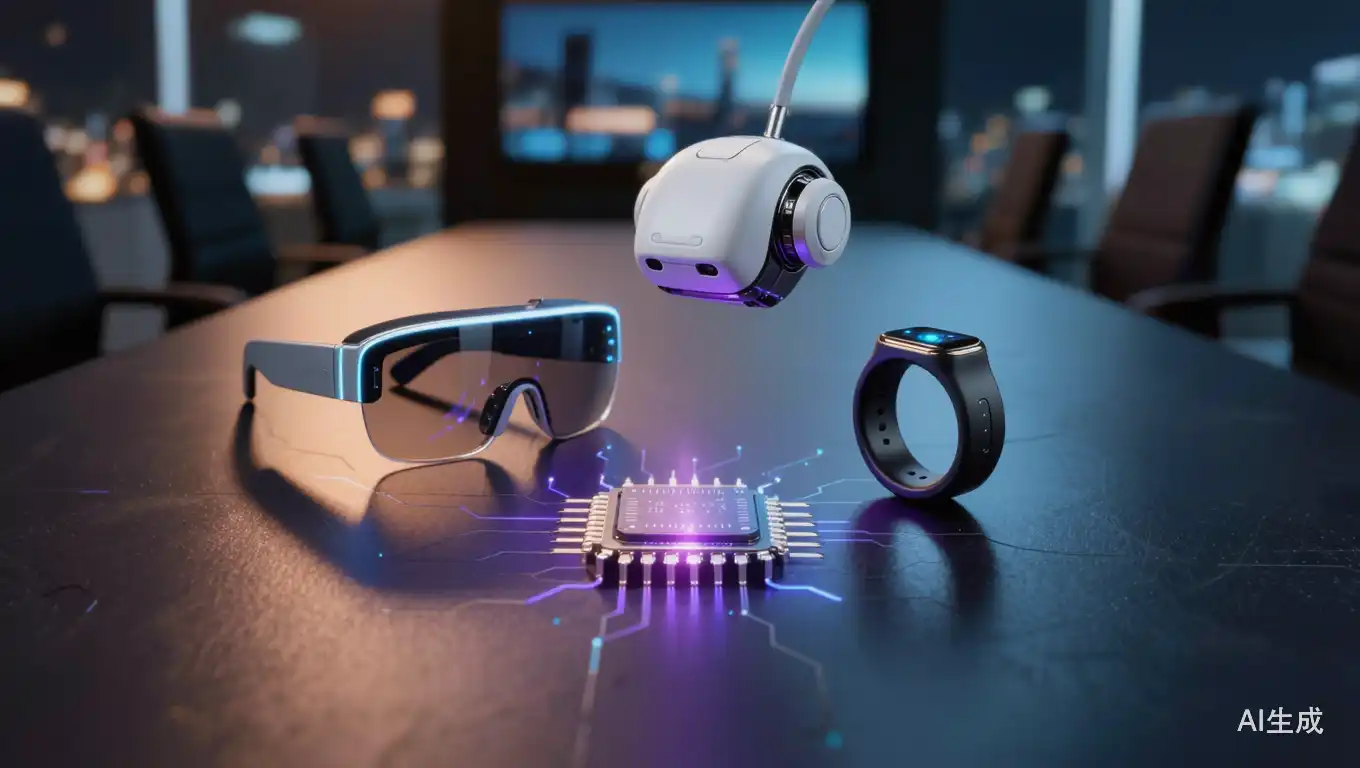
Dialogue with Yihui Capital, SoundAI Technology, Ling Universe, and Zhongbo Jili: Opportunities and Challenges in the AI Smart Hardware Track

On June 28, 2026, an event titled "New Opportunities in AI Hardware: The Battle for Interactive Entry Points Begins" was held in Beijing. It featured a report from ITJuzi and discussions with experts from SoundAI, Ling Universe, One Reed Capital, and Zhongbo Juli on the opportunities and challenges in China's AI hardware sector. Key report findings highlight the sector's intense activity: 327 out of 431 startups founded post-2023 have secured funding, with 179 investments in H1 2026 alone. The landscape is dominated by embodied intelligent robots, while wearable tech like smart rings and AI glasses shows rapid growth. Geographically, Shenzhen leads, leveraging its superior hardware supply chain, followed by Beijing and Shanghai. The overarching trend is for companies to focus on micro-innovations within specific scenarios rather than reinventing foundational technology. Industry leaders shared several critical insights: 1. **Balancing Innovation & Market Readiness**: Entrepreneurs face the "hammer looking for a nail" dilemma. Success requires balancing technical capability with user acceptance, cost control, and incremental design improvements rather than chasing disruptive innovation. 2. **Competitive Landscape**: The future interactive entry point may not be a single super-device but a mix of universal terminals and specialized, scenario-specific hardware. While large companies have ecosystem advantages, startups can win by deeply targeting vertical markets and specific user groups. 3. **Core Challenges & Business Models**: Key hurdles include deep understanding of AI models and navigating non-transparent hardware supply chains. Viable business models may involve selling hardware at cost and generating revenue through software subscriptions, but this requires tight control over both hardware BOM and model inference costs. 4. **The Road to Commercialization**: The ultimate test is market validation—achieving sales growth and sustainable cash flow. Companies must find the right application scenario, use edge computing effectively, and close the loop from technology to commercial success. 5. **The Future of Interaction**: Proactive, context-aware interaction is the next frontier, though it's currently limited by issues like model hallucinations and environmental perception. The near-term focus should be on identifying target users and creating a coherent experience in specific domains, such as health wearables. In summary, to succeed in the competitive AI hardware arena, companies must strategically choose their niche, build a team with the right geographical advantages (e.g., leveraging Shenzhen's supply chain), and most importantly, execute a flawless commercialization strategy that translates technology into market-accepted products and sustainable business growth.

marsbit1 h fa

Dialogue with Yihui Capital, SoundAI Technology, Ling Universe, and Zhongbo Jili: Opportunities and Challenges in the AI Smart Hardware Track

marsbit1 h fa

Trading

Spot
活动图片