Вайоминг готовится создать стратегический резерв биткоина

cryptonews.ruPubblicato 2021-07-18Pubblicato ultima volta 2025-01-18

Сенатор Синтия Ламмис (Cynthia Lummis) поддержала законопроект Вайоминга о создании стратегического резерва биткоина, который позволит штату инвестировать до 3% средств из нескольких фондов в первую криптовалюту.

«Вайоминг сделал свой первый смелый шаг к созданию стратегического резерва биткоина», — написала Ламмис в своем посте в X 17 января после внесения законопроекта под названием «Средства штата — инвестиции в биткоин».

Детали законопроекта

Казначей штата получит право использовать средства общего фонда, постоянного трастового фонда полезных ископаемых и постоянного земельного фонда Вайоминга для инвестиций в биткоин. При этом доля криптовалюты в каждом из фондов не должна превышать 3%.

Интересный момент: если стоимость биткоина вырастет и его доля превысит установленный лимит, казначея не обяжут продавать криптовалюту для соблюдения ограничений.

Тренд на государственном уровне

Вайоминг стал восьмым штатом США, предложившим создание стратегического резерва биткоина. Ранее аналогичные инициативы выдвинули Пенсильвания, Техас, Огайо, Нью-Гэмпшир, Оклахома, Северная Дакота и Массачусетс.

Ламмис, известная своей поддержкой биткоина, высоко оценила инициативу представителя штата Джейкоба Вассербургера (Jacob Wasserburger) о диверсификации постоянных фондов. «Такой прогрессивный подход принесет пользу нашему штату, поскольку мы лидируем в сфере финансовых инноваций», — подчеркнула она.

15 января Ламмис направила запрос в Службу маршалов США, требуя объяснений относительно возможной продажи 69 370 биткоинов, конфискованных в деле Silk Road. По ее мнению, попытки продать биткоины, принадлежащие правительству США, являются формой политического противостояния.

На фоне этих событий на биржах ставок Kalshi и Polymarket растут шансы на то, что после инаугурации 20 января Дональд Трамп (Donald Trump) создаст стратегический резерв биткоина.
Letture associate

The "Iron Rule" of Chip Equipment Is Being Broken

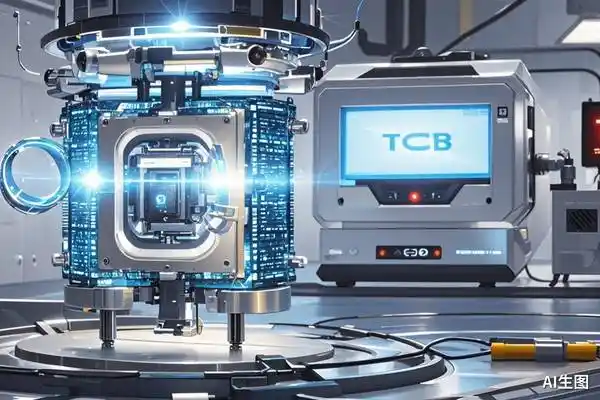
For years, the semiconductor equipment industry followed an unwritten "iron rule": suppliers offered steep discounts for new tool introductions (Design-in) and faced consistent price pressure during repeat orders, especially during market downturns. This long-standing buyer's market dynamic is now being upended. Recently, SK Hynix's primary equipment suppliers have reportedly requested a 3-4% price *increase*, a nearly unprecedented move. This shift is driven by a severe supply-demand imbalance fueled by the AI compute boom. Securing equipment has become an urgent arms race as chipmakers' expansion speed dictates their ability to fulfill massive AI chip orders. Key areas feeling the strain include: **TCB (Thermal Compression Bonding) Equipment:** Demand is exploding, driven by the simultaneous needs of HBM4 memory stacking, AI chip Chip-on-Substrate (C2S), and logic Chiplet Chip-on-Wafer (C2W) packaging. Players like Hanmi Semiconductor, Hanwha Semitech, and ASMPT are receiving major orders. While hybrid bonding is seen as the future, TCB remains the pragmatic choice for HBM4 mass production, with its lifecycle extended by relaxed specifications and ongoing technological upgrades. **Test Equipment Bottlenecks:** Ironically, AI-driven shortages are now crippling test equipment manufacturing. Critical components like FPGAs, Driver ICs, and CPUs face severe shortages and extended lead times (up to 52 weeks for FPGAs), as AI data center and server vendors prioritize supply. This creates a paradoxical cycle: AI chip shortages drive fab expansion, which requires more test equipment, whose production is delayed because its key parts are diverted to make AI chips. The industry is entering a broad, AI-powered upcycle. SEMI forecasts global semiconductor equipment sales to hit a record $156 billion by 2027, fueled by investment in advanced logic/foundry, HBM-driven DRAM, and advanced packaging (like CoWoS). Major players like TSMC, SK Hynix, and Micron are aggressively ramping capital expenditure. In conclusion, leading equipment vendors are no longer just selling tools; they are selling the critical capability to deliver AI-era capacity. Pricing power is shifting decisively to those with indispensable technology in key process nodes like advanced logic, HBM, and advanced packaging, rewriting the industry's traditional power structure.

marsbit7 min fa

The "Iron Rule" of Chip Equipment Is Being Broken

marsbit7 min fa

Trading

Spot
Futures
活动图片