Synthetix, протокол DeFi для синтетических активов, объявил о запуске версии V3 на блокчейне L 2 Arbitrum

cryptonews.ruPubblicato 2021-08-25Pubblicato ultima volta 2024-10-25

Протокол DeFi Synthetix официально дебютировал на блокчейне Arbitrum, представив платформу бессрочной торговли Kwenta. Таким образом, Synthetix расширяет свое присутствие в мультичейнах, добавляя новую криптосеть к уже существующим Ethereum, Base, Optimism. Приложение, которое выступает в качестве основы для торговли деривативами в DeFi, принесло версию V3 в Arbitrum, предоставив новые возможности его сообществу.

Сотрудничество между сторонами направлено на создание эффективного и высокопроизводительного опыта DeFi, используя развернутые технологии. С одной стороны, Synthetix готов предоставлять высокопроизводительные бессрочные свопы пользователям Arbitrum. С другой стороны, блокчейн служит операционной базой для быстрых, безопасных и недорогих операций благодаря архитектуре L 2, созданной на Ethereum.

Наконец, Kwenta сотрудничает благодаря своему простому и интуитивно понятному интерфейсу, который позволяет использовать новые торговые инструменты. С этим запуском Synthetix готов исследовать новые связи с миром блокчейна и расширять свою экосистему. Ожидается, что благодаря Arbitrum может произойти рост объемов торговли. Другие подобные возможности, такие как недавняя интеграция с Optimism и Base, способствовали обмену объемом в 50 миллиардов долларов.

Designed by Freepik
Letture associate

The "Iron Rule" of Chip Equipment Is Being Broken

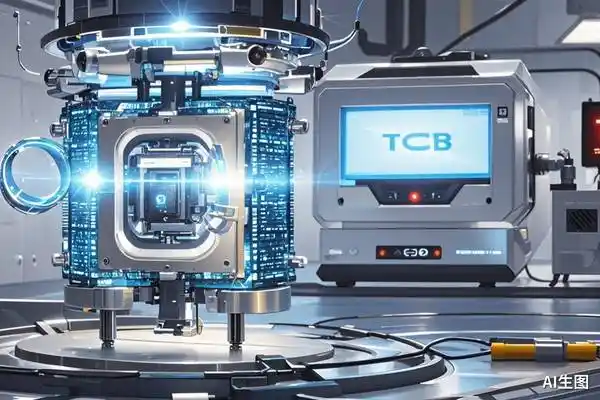
For years, the semiconductor equipment industry followed an unwritten "iron rule": suppliers offered steep discounts for new tool introductions (Design-in) and faced consistent price pressure during repeat orders, especially during market downturns. This long-standing buyer's market dynamic is now being upended. Recently, SK Hynix's primary equipment suppliers have reportedly requested a 3-4% price *increase*, a nearly unprecedented move. This shift is driven by a severe supply-demand imbalance fueled by the AI compute boom. Securing equipment has become an urgent arms race as chipmakers' expansion speed dictates their ability to fulfill massive AI chip orders. Key areas feeling the strain include: **TCB (Thermal Compression Bonding) Equipment:** Demand is exploding, driven by the simultaneous needs of HBM4 memory stacking, AI chip Chip-on-Substrate (C2S), and logic Chiplet Chip-on-Wafer (C2W) packaging. Players like Hanmi Semiconductor, Hanwha Semitech, and ASMPT are receiving major orders. While hybrid bonding is seen as the future, TCB remains the pragmatic choice for HBM4 mass production, with its lifecycle extended by relaxed specifications and ongoing technological upgrades. **Test Equipment Bottlenecks:** Ironically, AI-driven shortages are now crippling test equipment manufacturing. Critical components like FPGAs, Driver ICs, and CPUs face severe shortages and extended lead times (up to 52 weeks for FPGAs), as AI data center and server vendors prioritize supply. This creates a paradoxical cycle: AI chip shortages drive fab expansion, which requires more test equipment, whose production is delayed because its key parts are diverted to make AI chips. The industry is entering a broad, AI-powered upcycle. SEMI forecasts global semiconductor equipment sales to hit a record $156 billion by 2027, fueled by investment in advanced logic/foundry, HBM-driven DRAM, and advanced packaging (like CoWoS). Major players like TSMC, SK Hynix, and Micron are aggressively ramping capital expenditure. In conclusion, leading equipment vendors are no longer just selling tools; they are selling the critical capability to deliver AI-era capacity. Pricing power is shifting decisively to those with indispensable technology in key process nodes like advanced logic, HBM, and advanced packaging, rewriting the industry's traditional power structure.

marsbit6 min fa

The "Iron Rule" of Chip Equipment Is Being Broken

marsbit6 min fa

Trading

Spot
Futures
活动图片