Половина держателей Shiba Inu (SHIB) может понести убытки

cryptonews.ruPubblicato 2024-07-02Pubblicato ultima volta 2024-09-02

За последнюю неделю популярный мемкоин Shiba Inu (SHIB) подешевел на 10%. Технически индикаторы рисуют медвежью картину, намекая на дальнейшее падение криптовалюты

Разбираемся, что ждет Shiba Inu (SHIB) в этом сентябре и почему мемкоин может продолжить падение.

Восстановление пока не ожидается

Анализ соотношения сетевой стоимости к объему транзакций (NVT) показывает, что шансы Shiba Inu на восстановление в настоящий момент невелики. Исторические данные также подтверждают этот тезис: с 2021 года сентябрь всегда был для криптовалюты периодом стагнации или нисходящего движения.

Соотношение NVT измеряет, насколько быстро растет рыночная капитализация криптовалюты по сравнению с объемом транзакций в ее блокчейне. Если объем транзакций превышает рыночную капитализацию, это может указывать на то, что криптовалюта недооценена.

Читайте также: Разлоки токенов, за которыми стоит следить в сентябре
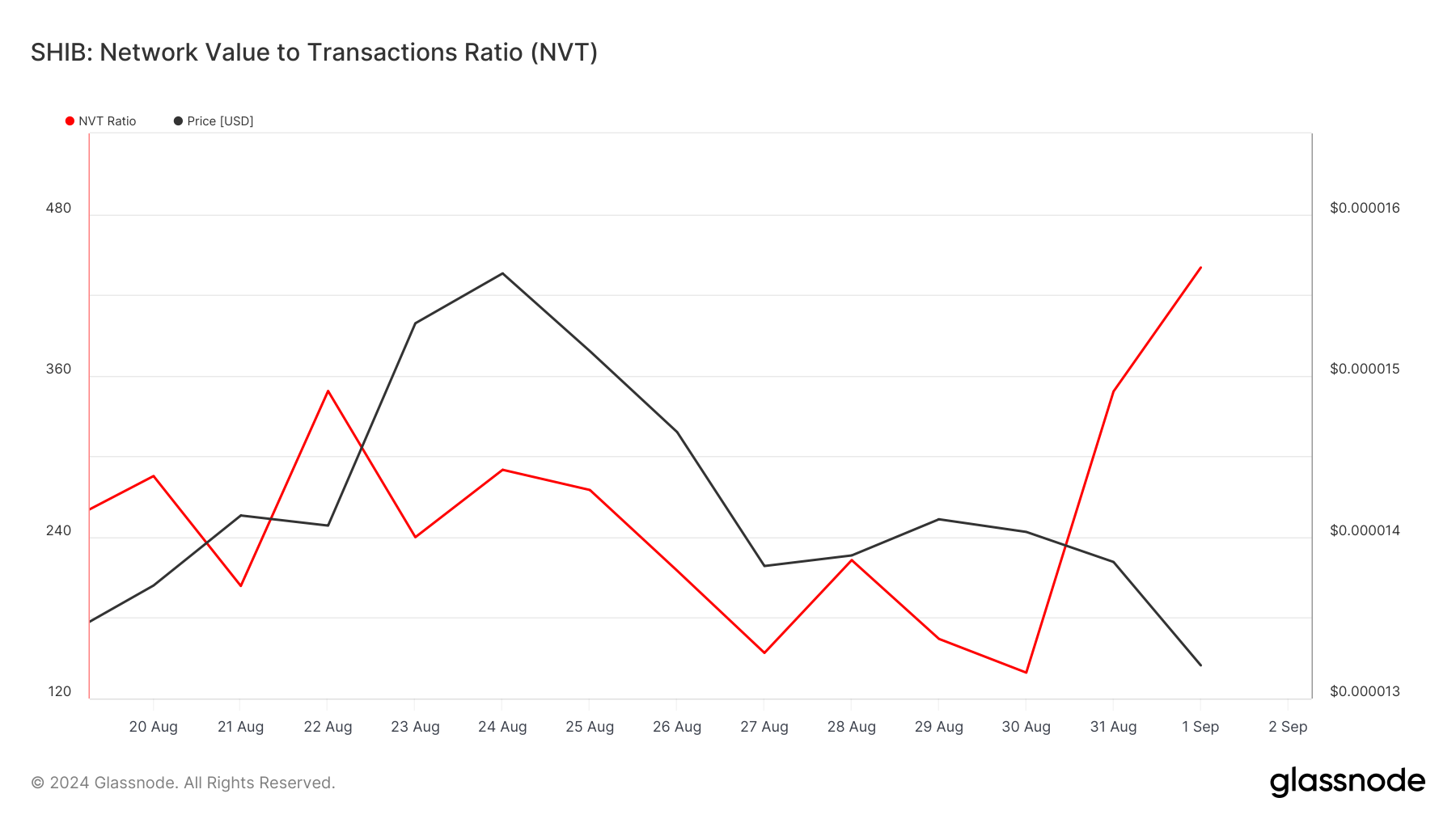
Соотношение сетевой стоимости к объему транзакций Shiba Inu. Источник: Glassnode

Для SHIB соотношение NVT значительно увеличилось — это означает, что рыночная капитализация растет быстрее объема транзакций в сети. В такой ситуации можно ожидать от актива неустойчивой динамики или даже потенциального падения.

Кроме того, чистый поток крупных держателей SHIB снизился на 163% за последние семь дней. Этот показатель отражает разницу между объемами покупок и продаж криптовалюты адресами, владеющими более 1% всех выпущенных монет.
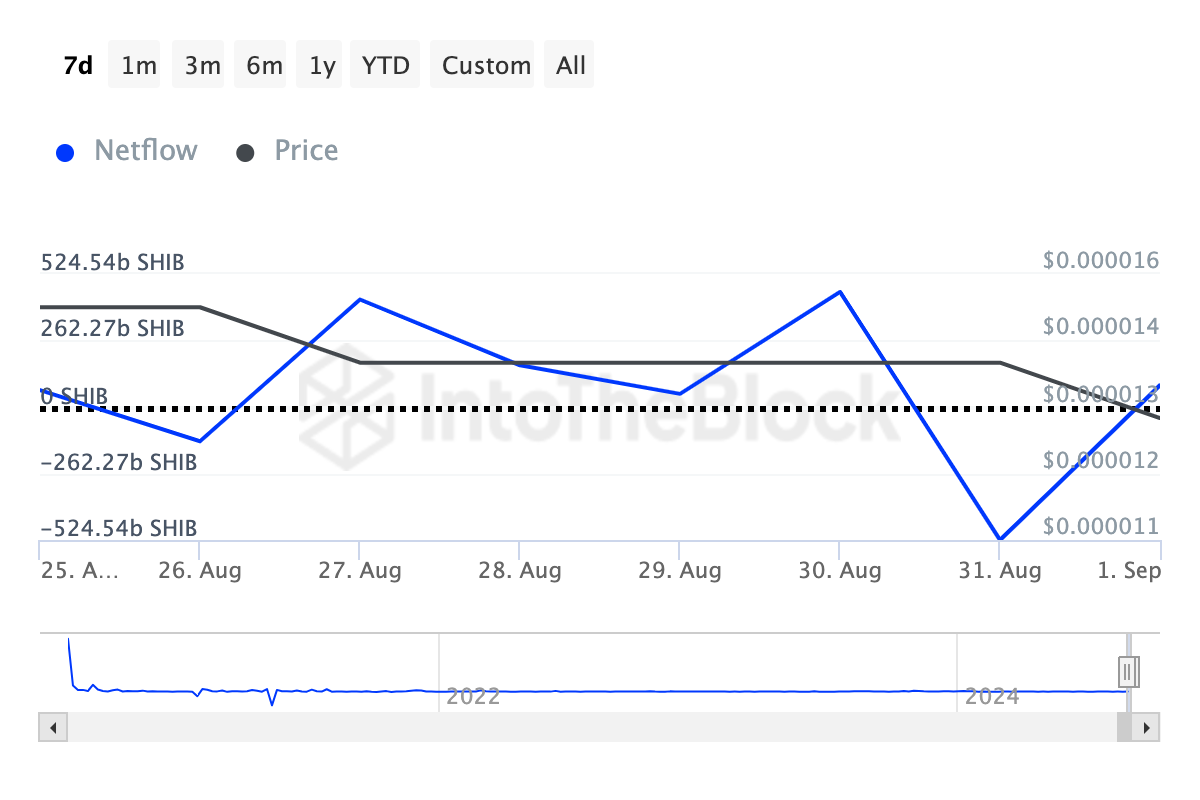
Чистый поток крупных держателей Shiba Inu. Источник: IntoTheBlock

Обычно увеличение чистого потока крупных держателей свидетельствует о том, что SHIB покупают активнее, чем продают, что могло бы способствовать росту цены. Однако происходит обратное: сейчас 44% держателей SHIB несут убытки. Если эта тенденция продолжится, токен может столкнуться с более серьезной коррекцией, что, возможно, увеличит долю убыточных держателей до 50%.

Редакция BIC рассказывала, что команда Shiba Inu поделилась планами запуска L3-блокчейна и нескольких новых токенов. Все подробности читайте в нашей статье.

Прогноз SHIB: риск большого падения

На момент написания этого анализа SHIB торгуется по $0,000013, за сутки потеряв чуть более одного процента. При этом за последние семь дней криптовалюта подешевела практически на 10%.

На дневном графике видно, что быки пытаются предотвратить дальнейшее падение Shiba Inu, удерживая поддержку на $0,000012. Тем временем техническая картина остается медвежьей, что затрудняет защиту этого уровня. В дополнение к этому индикатор Чайкина (CMF) также перешел в отрицательную зону — это свидетельствует о том, что игроки рынка активнее продают SHIB, чем покупают.

В настоящий момент криптовалюта движется ниже 20-дневной (синей) и 50-дневной (желтой) экспоненциальных скользящих средних (EMA). Расположение SHIB под этими линиями — еще один медвежий сигнал, который тоже намекает на дальнейшее снижение.

Читайте также: Пять лучших DePIN-токенов для торговли в сентябре
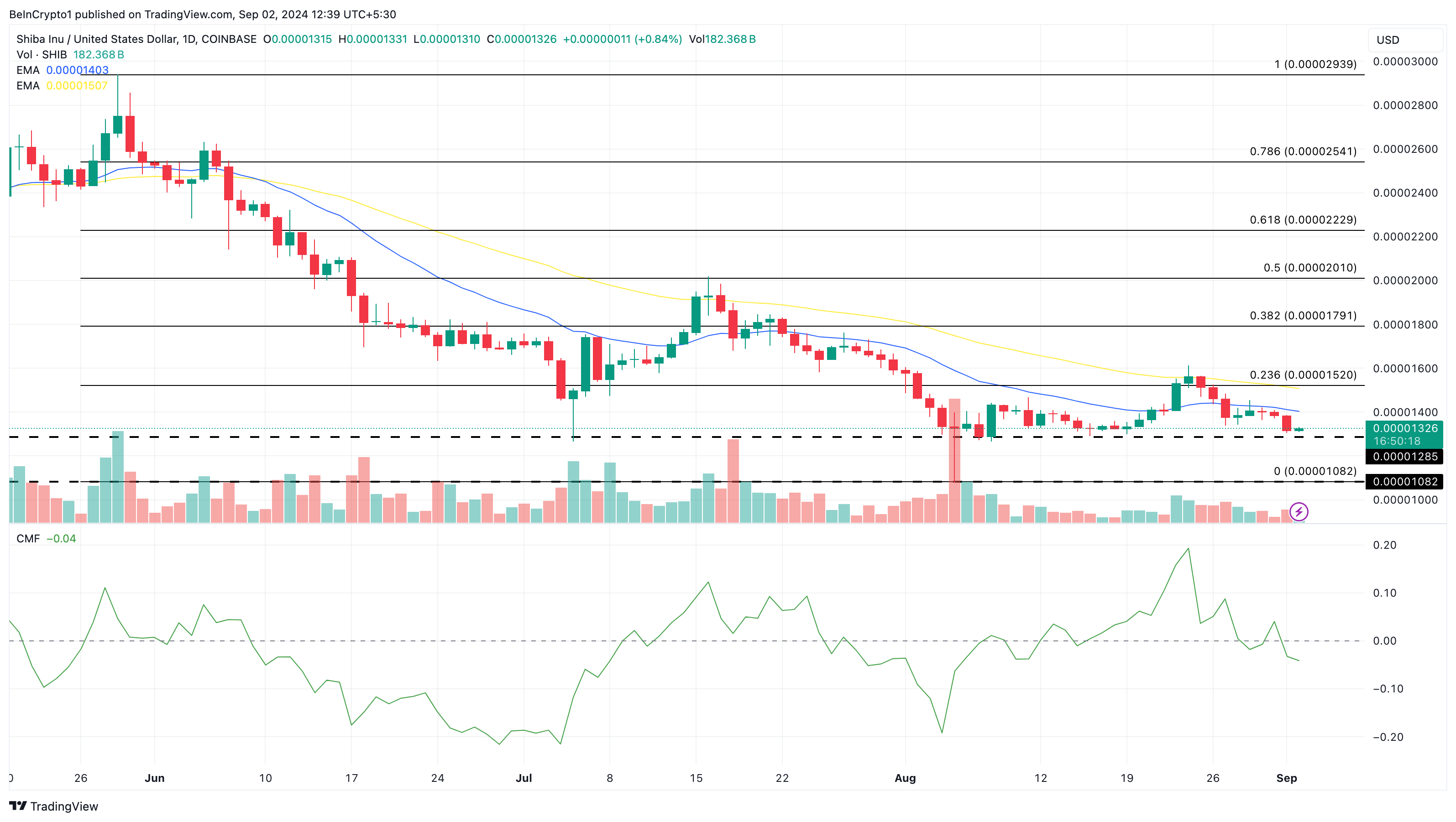
Ежедневный анализ Shiba Inu. Источник: TradingView

При сохранении текущих тенденций Shiba Inu рискует упасть до $0,000010 к концу сентября. Однако если покупатели сумеют поднять цену выше 20-дневной EMA, альткоин сможет заново протестировать уровень Фибо 38,2%. В случае успеха курс SHIB сможет подняться до $0,000017 и даже до $0,000020.


Crypto di tendenza

Letture associate

Blood Loss of $55 Million Selling 3,588 BTC, Strategy Becomes a Literal Scumbag

On July 6th, Strategy (formerly MicroStrategy) disclosed in an SEC filing that it sold 3,588 Bitcoin (BTC) between June 29th and July 5th for approximately $216 million, at an average price of ~$60,200. This marked the company's largest net sale since initiating its Bitcoin strategy in 2020 and its first institutionalized reduction of its core holding. The sale resulted in a realized loss of about $54.8 million, as the selling price was below its average cost basis of ~$75,476 per BTC. The proceeds were used to pay preferred stock dividends and replenish USD reserves. This move follows a new "Digital Credit Capital Framework" approved on June 29th, authorizing the sale of up to $1.25 billion in Bitcoin. The sale consumes roughly 17% of this authorized amount in its first week. Strategy's foundational narrative, built by founder Michael Saylor, was a commitment to "never sell" Bitcoin. The recent institutionalized selling framework and these substantial sales represent a significant shift from that original promise. While the amount sold is only 0.4% of Strategy's total holdings of 843,775 BTC, the action challenges the premium at which its stock (MSTR) trades relative to its Bitcoin holdings. Investors had priced in the "never sell" narrative. The company now faces a contradiction: it sells Bitcoin at a loss to pay dividends on the preferred stock it issued to fund Bitcoin purchases. Saylor has framed selling as a tool for future strategic purchases, but each sale erodes the credibility of the original commitment, potentially threatening the premium valuation of MSTR shares.

Foresight News51 min fa

Blood Loss of $55 Million Selling 3,588 BTC, Strategy Becomes a Literal Scumbag

Foresight News51 min fa

Dialogue with Yihui Capital, SoundAI Technology, Ling Universe, and Zhongbo Jili: Opportunities and Challenges in the AI Smart Hardware Track

On June 28, 2026, an event titled "New Opportunities in AI Hardware: The Battle for Interactive Entry Points Begins" was held in Beijing. It featured a report from ITJuzi and discussions with experts from SoundAI, Ling Universe, One Reed Capital, and Zhongbo Juli on the opportunities and challenges in China's AI hardware sector. Key report findings highlight the sector's intense activity: 327 out of 431 startups founded post-2023 have secured funding, with 179 investments in H1 2026 alone. The landscape is dominated by embodied intelligent robots, while wearable tech like smart rings and AI glasses shows rapid growth. Geographically, Shenzhen leads, leveraging its superior hardware supply chain, followed by Beijing and Shanghai. The overarching trend is for companies to focus on micro-innovations within specific scenarios rather than reinventing foundational technology. Industry leaders shared several critical insights: 1. **Balancing Innovation & Market Readiness**: Entrepreneurs face the "hammer looking for a nail" dilemma. Success requires balancing technical capability with user acceptance, cost control, and incremental design improvements rather than chasing disruptive innovation. 2. **Competitive Landscape**: The future interactive entry point may not be a single super-device but a mix of universal terminals and specialized, scenario-specific hardware. While large companies have ecosystem advantages, startups can win by deeply targeting vertical markets and specific user groups. 3. **Core Challenges & Business Models**: Key hurdles include deep understanding of AI models and navigating non-transparent hardware supply chains. Viable business models may involve selling hardware at cost and generating revenue through software subscriptions, but this requires tight control over both hardware BOM and model inference costs. 4. **The Road to Commercialization**: The ultimate test is market validation—achieving sales growth and sustainable cash flow. Companies must find the right application scenario, use edge computing effectively, and close the loop from technology to commercial success. 5. **The Future of Interaction**: Proactive, context-aware interaction is the next frontier, though it's currently limited by issues like model hallucinations and environmental perception. The near-term focus should be on identifying target users and creating a coherent experience in specific domains, such as health wearables. In summary, to succeed in the competitive AI hardware arena, companies must strategically choose their niche, build a team with the right geographical advantages (e.g., leveraging Shenzhen's supply chain), and most importantly, execute a flawless commercialization strategy that translates technology into market-accepted products and sustainable business growth.

marsbit1 h fa

Dialogue with Yihui Capital, SoundAI Technology, Ling Universe, and Zhongbo Jili: Opportunities and Challenges in the AI Smart Hardware Track

marsbit1 h fa

Trading

Spot

Articoli Popolari

Come comprare SHIB

Benvenuto in HTX.com! Abbiamo reso l'acquisto di SHIBA INU (SHIB) semplice e conveniente. Segui la nostra guida passo passo per intraprendere il tuo viaggio nel mondo delle criptovalute.Step 1: Crea il tuo Account HTXUsa la tua email o numero di telefono per registrarti il tuo account gratuito su HTX. Vivi un'esperienza facile e sblocca tutte le funzionalità,Crea il mio accountStep 2: Vai in Acquista crypto e seleziona il tuo metodo di pagamentoCarta di credito/debito: utilizza la tua Visa o Mastercard per acquistare immediatamente SHIBA INUSHIB.Bilancio: Usa i fondi dal bilancio del tuo account HTX per fare trading senza problemi.Terze parti: abbiamo aggiunto metodi di pagamento molto utilizzati come Google Pay e Apple Pay per maggiore comodità.P2P: Fai trading direttamente con altri utenti HTX.Over-the-Counter (OTC): Offriamo servizi su misura e tassi di cambio competitivi per i trader.Step 3: Conserva SHIBA INU (SHIB)Dopo aver acquistato SHIBA INU (SHIB), conserva nel tuo account HTX. In alternativa, puoi inviare tramite trasferimento blockchain o scambiare per altre criptovalute.Step 4: Scambia SHIBA INU (SHIB)Scambia facilmente SHIBA INU (SHIB) nel mercato spot di HTX. Accedi al tuo account, seleziona la tua coppia di trading, esegui le tue operazioni e monitora in tempo reale. Offriamo un'esperienza user-friendly sia per chi ha appena iniziato che per i trader più esperti.

511 Totale visualizzazioniPubblicato il 2024.12.11Aggiornato il 2026.06.02

Come comprare SHIB

Discussioni

Benvenuto nella Community HTX. Qui puoi rimanere informato sugli ultimi sviluppi della piattaforma e accedere ad approfondimenti esperti sul mercato. Le opinioni degli utenti sul prezzo di SHIB SHIB sono presentate come di seguito.

活动图片