特朗普的胜利看好加密货币,卡玛拉的胜利看跌:伯恩斯坦

币界网Pubblicato 2024-08-13Pubblicato ultima volta 2024-08-13

币界网报道:

华尔街的伯恩斯坦今天为加密货币社区投下了一颗重磅炸弹。据他们称,如果唐纳德·特朗普在11月赢得美国大选,这将是加密货币的一大胜利。

但如果卡玛拉·哈里斯(Kamala Harris)担任总统,你可能需要做好准备,因为比特币和其他市场的情况可能会变得艰难。
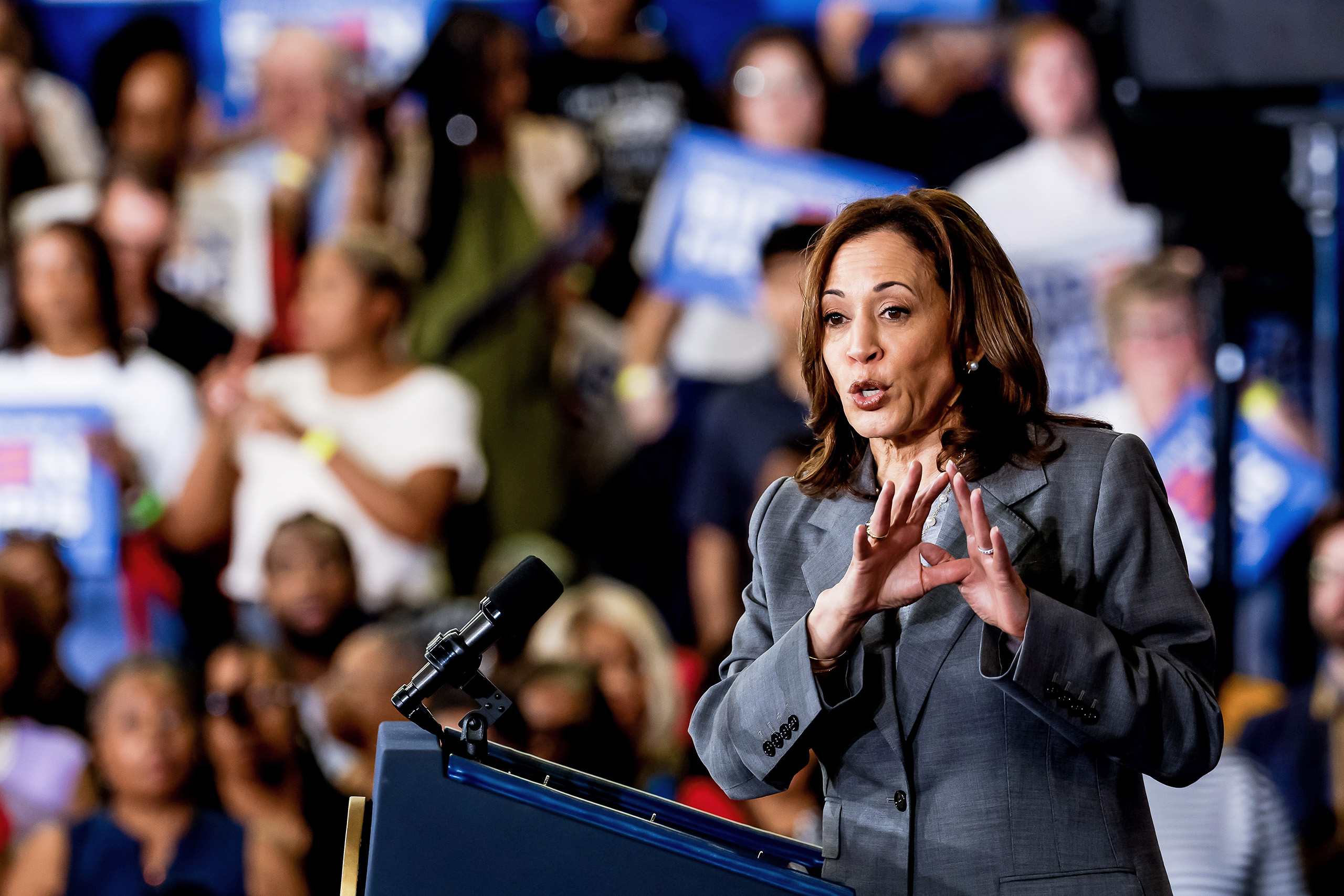
How Kamala Harris can win • Inside Story

比特币最近一直在蹒跚而行,这并非巧合。随着Polymarket的赔率开始有利于Kamala,比特币开始出现波动。当然,我们也要感谢上田和夫和日本银行,但他们并不是一个人做的。

伯恩斯坦认为,比特币将停留在这个不稳定的位置,直到11月谁将获胜的情况更加清晰。

Kamala带领比特币感受热度

加密货币市场陷入了持有模式,比特币无法获得任何稳固的基础。伯恩斯坦的团队告诉我们,这种情况可能会持续到选举结果开始变得更加确定为止。

在共和党方面,特朗普的支持者并没有保持沉默。他们称之为“蜜月期”,并确信Polymarket的赔率正在被操纵。

Trump win is bullish for crypto, Kamala win bearish: Bernstein

但尽管有噪音,这些数字很难被忽视。Kamala现在在预测市场处于领先地位,这给比特币带来了压力。

另一方面,特朗普的阵营对加密货币的支持一直很大声。他们甚至在调侃国家比特币储备的想法,这引起了加密货币爱好者的关注。

特朗普失势,回避加密货币

截至周一,Kamala在Polymarket的股价为52美分。这意味着市场押注她有52%的机会赢得总统职位。与此同时,特朗普的股价为45美分。

Trump win is bullish for crypto, Kamala win bearish: Bernstein

与一个月前相比,这是一个巨大的变化。当时,特朗普的胜算高达72%。但那是在乔·拜登退出并支持卡玛拉之前。

从那时起,卡玛拉在民意调查和博彩市场上都呈上升趋势。主流民意调查也显示,竞争更加激烈。

根据Real Clear Polling的平均数据,卡玛拉仅领先0.5个百分点。但这些数字并不能说明全部情况。

一些民意调查仍显示特朗普领先,但只是微弱领先。卡玛拉在民主党候选人中的崛起得益于积极的新闻报道和名人代言。

Trump win is bullish for crypto, Kamala win bearish: Bernstein

昨晚,埃隆·马斯克和唐纳德·特朗普最近在推特上聊了两个小时,他们一次也没有提到比特币或加密货币。一个字也没有。

人们注意到了。Polymarket上有人押了大笔赌注——超过60万美元——希望加密货币能出现在谈话中。但相反,这是一场彻底的破产。面试甚至没有准时开始。

据报道,特朗普最近的公开露面引起了他的顾问们的一些担忧。但这就是我们谈论的特朗普,谁知道接下来会发生什么?

不过,就目前而言,Polymarket的赔率正在向Kamala倾斜,这让比特币感到紧张。

Letture associate

Preferred Stock Is Not the Trigger for Corporate Bankruptcy, MicroStrategy's Dollar Reserves Can Cover Dividend and Interest Payments Until February 2027

Preferred Shares Are Not the Catalyst for Corporate Bankruptcy; MicroStrategy's Dollar Reserves Can Cover Dividend and Interest Payments Until February 2027. This article analyzes the nature of preferred shares used by MicroStrategy (MSTR). Legally equity but economically similar to debt, these shares, including its Bitcoin-linked STR convertible preferred notes (STRC), offer fixed or floating dividends. Crucially, MicroStrategy's preferred shares lack rigid redemption clauses, meaning they are not classified as traditional debt. This eliminates principal repayment pressure and means missed dividends do not constitute default or trigger bankruptcy, creating a "self-contradictory virtuous cycle." The article clarifies that if funds are short, MicroStrategy can defer or suspend preferred share dividends (except for non-cumulative types like STRD) without immediate risk. The real potential crisis point lies with its convertible bonds. If a prolonged bear market prevents conversion, MicroStrategy might need to sell Bitcoin to repay these bonds starting from the earliest maturity in September 2027, potentially creating a downward spiral. Preferred dividend suspensions would only exacerbate market panic in such a scenario. Recent financial activity shows MicroStrategy strengthened its position through four weeks of common stock (MSTR) issuances, raising over $851 million without issuing new preferred shares. It increased its dollar reserves to approximately $1.4 billion, which is sufficient to cover all preferred share dividends and interest until around March 2027. While Bitcoin purchases slowed recently, this prioritization of cash reserves enhances the company's near-term financial safety. The analysis concludes that if the Bitcoin bear market ends by early 2025 as anticipated, MicroStrategy can resume issuing MSTR stock in a rising market to replenish reserves and manage future dividend obligations, thereby reducing the long-term pressure from its preferred share structure.

marsbit46 min fa

Preferred Stock Is Not the Trigger for Corporate Bankruptcy, MicroStrategy's Dollar Reserves Can Cover Dividend and Interest Payments Until February 2027

marsbit46 min fa

Giants Wage the Context War, Reconstructing AI Moats

The article "Giants Launch the Context War, Reconstructing AI's Moat" discusses how leading AI companies—OpenAI, Anthropic, and Google—are shifting their competitive focus from model size to acquiring, managing, and utilizing user context (Context). Initially, Context referred to the length of text a model could process, leading to a "arms race" for longer context windows. However, the competition has evolved through three key phases: expanding text capacity (long context windows), enabling memory across sessions, and finally, integrating AI into real user environments like browsers and desktops to capture dynamic task states. Each company is pursuing a distinct strategy. OpenAI is building Context around the ChatGPT account, turning it into a central hub that accumulates user understanding across various integrated applications and tools. Anthropic, lacking a major user base, focuses on high-value verticals like coding, empowering its Claude model to actively gather Context through GUI interaction (Computer Use) and system connections (MCP protocol). Google, with vast existing user data from products like Search and Gmail, faces the challenge of restructuring this data into actionable, AI-understandable Context for its Gemini model within its ecosystem. The core argument is that the nature of competitive advantage in AI is changing. The internet era prized network effects—connecting more users. The AI era values "individual depth": the ability to build deep, task-specific understanding of a user. This creates a new moat through 1) the compounding value of accumulated Context, 2) deep integration with user tools and permissions, and 3) the establishment of trust for complex tasks. Therefore, the battle for Context is fundamentally about capturing "task entry points" and converting existing digital ecosystems into environments where AI can effectively understand and act, rather than merely scaling user numbers.

marsbit1 h fa

Giants Wage the Context War, Reconstructing AI Moats

marsbit1 h fa

Foundation Steps Back, Ethlabs Steps Forward: Ethereum Undergoes Its Largest Restructuring in History

On June 23rd, the Ethereum ecosystem witnessed two major shifts, signaling a significant governance realignment. First, former Ethereum Foundation researchers established Ethlabs, a new independent non-profit. Backed by major ETH holders like Bitmine and SharpLink, Ethlabs aims to address practical needs for institutional adoption, including faster settlement, native asset issuance, cross-chain transactions, and mainnet scaling. Secondly, the Ethereum Foundation announced a major restructuring, laying off 54 employees (20% of its staff) to become a leaner entity focused on protocol governance and maintenance rather than being the primary builder. This move represents a pivotal correction. Criticisms had mounted over the Foundation's perceived slowness, lack of clear strategy, and over-reliance on Vitalik Buterin's influence. Ethlabs emerges as a more execution-oriented, "industrialized" layer focused on market adoption—bridging the gap between research and real-world use. Notably, Vitalik Buterin is absent from its list of supporters, interpreted as an intentional step to avoid excessive personal endorsement and allow the organization to build independent credibility. The Ethereum Foundation's downsizing and redefinition mark a retreat from its former central coordinating role. It now aims to share the "privilege of stewarding Ethereum" with other emerging groups like Ethlabs, the Ethereum Applications Guild, and The Ethereum Economic Zone. Analysts frame this dual shift as the Foundation ensuring Ethereum remains "correct" (credibly neutral), while Ethlabs must prove it remains "effective" (competitive and attractive for capital and adoption). This addresses community "shareholder-like anxiety" about ETH's market performance. While risks exist—such as concerns over shifting from Foundation centrality to large-holder influence—the consensus is that the greater risk for Ethereum was inaction, caught between technical idealism and organizational inertia. These steps aim to create a more multi-stakeholder, execution-driven future for the network.

链捕手9 h fa

Foundation Steps Back, Ethlabs Steps Forward: Ethereum Undergoes Its Largest Restructuring in History

链捕手9 h fa

Second Half of U.S. Crypto Policy: The Clarity Act Aims for 60 Votes, CFTC's "One-Person Commission" Becomes Biggest Variable

In a pivotal year for US crypto policy, the "CLARITY Act" is advancing in the Senate but faces a high hurdle, needing 60 votes to pass. Key challenges include bridging partisan divides on ethics and swaying undecided Republican senators within a tight legislative calendar of only about 40 working days. The policy "second half" involves intense negotiations on a broader framework for Web3 and DeFi, including crypto tax reforms and the Blockchain Regulatory Certainty Act. A significant uncertainty is the understaffed CFTC, operating with four commissioner vacancies, which complicates regulatory clarity. Meanwhile, the departure of key "crypto champions"—SEC Commissioner Hester Peirce and Senator Cynthia Lummis—will impact ongoing policy efforts. Industry experts are cautiously optimistic but realistic. Sara K. Weed notes that while progress is being made, CLARITY is unlikely to pass this Congress, pushing agencies like the SEC and CFTC to provide more guidance. Sulolit Mukherjee suggests meaningful crypto tax legislation is more likely to be attached to larger must-pass bills. Rashan Colbert discusses the jurisdictional debate over prediction markets, emphasizing the need for a regulatory framework that fosters their development as financial tools rather than treating them broadly as gambling. The clock is ticking, but opportunities remain for substantive progress through continued bipartisan dialogue and pragmatic efforts.

marsbit11 h fa

Second Half of U.S. Crypto Policy: The Clarity Act Aims for 60 Votes, CFTC's "One-Person Commission" Becomes Biggest Variable

marsbit11 h fa

Trading

Spot
Futures
活动图片