澳大利亚公司 NYBlue 持有超一百万克拉蓝锆石,推出 RWA 代币 ZIRC

深潮Pubblicato 2024-08-08Pubblicato ultima volta 2024-08-08

Zirc 提供一种完全由蓝锆石支持的加密货币。每个 ZIRC 代币可兑换一克拉蓝锆石,提供稳定且有形的资产。

作者:NYBlue

编译:深潮TechFlow

布里斯班,澳大利亚,2024 年 8 月 7 日,Chainwire

澳大利亚宝石公司 NYBlue Pty Ltd 正在成为重新定义全球宝石市场的关键参与者。该公司的战略计划涉及控制全球蓝锆石供应,这一举措有可能重塑全球宝石市场的价值动态。

本月早些时候,该公司发布了其白皮书,详细说明了当前的预售和随后的公开发行其“真实世界资产”加密货币,之前还宣布其持有超过一百万克拉的稀有宝石。

NYBlue 的主要战略在于系统性地增加其当前持有量,继续收购所有可用的柬埔寨蓝锆石,从而建立对供应链的控制,并可能影响这些珍贵宝石的未来价值。

今天早些时候,公司代表在 CryptoBanters 的 Town Hall 播客中接受了采访,宣布他们的 RWA 代币预售已获得加密社区的广泛关注,自今年早些时候宣布以来引起了相当大的兴趣。

NYBlue 发布的一段视频反问道:“对于你的另一半,什么更合适的表达爱意;一块普通的碳,还是一件比地球更古老、极为稀有且光辉夺目的东西?”

NYBlue 的主要股东 Mitch Brownlie 表示:“我们相信,柬埔寨蓝锆石应该被视为市场上最非凡、最被低估的宝石之一。”

这家澳大利亚公司 NYBlue 由澳大利亚农业科技创始人及前政治顾问 Mitch Brownlie 资助,他最近在各种播客中讨论了该项目,常常将 NYBlue 项目与之前的宝石热潮进行比较,当时非洲宝石“坦桑石”从默默无闻中崛起,与钻石的价值达成平衡。
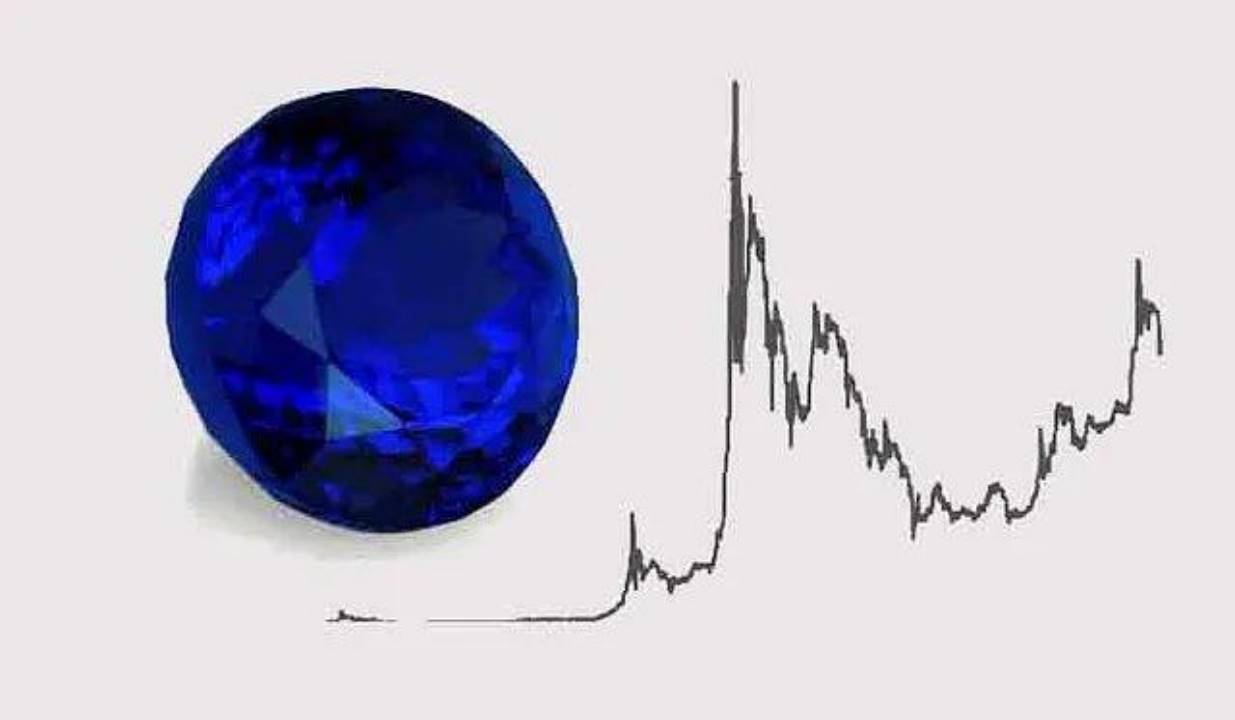
坦桑石现货价格 - NYBlue 的灵感来源。

NYBlue 从坦桑石市场的历史轨迹中汲取灵感,该市场的价格在三年内经历了十倍的增长。该公司预计蓝锆石也会有类似的轨迹,将其战略与过去的成功相结合,以预测潜在的价值飙升。

NYBlue 之前宣布计划推出其以宝石为支撑的加密货币,代号 ZIRC ,每个代币都由一克拉蓝锆石完全支持并可兑换。这种方法使消费者能够在没有传统加密货币波动风险的情况下受益于蓝锆石的升值。ZIRC 代币的持有者可以随时将其加密货币兑换为宝石,从而确保两种资产之间的稳定、套利强制挂钩。

NYBlue 旨在收购全球大部分优质蓝锆石从而有效地将自己定位为市场的主导力量。这一策略旨在对供应链施加影响,创造出对整个行业蓝锆石市场价值的涟漪效应。

NYBlue 的战略举措并非短期行为;而是一个雄心勃勃的最终目标,旨在在数十亿美元的宝石市场中占据控制地位。NYBlue 拥有约 3 亿美元的宝石藏品,力求在全球范围内重新定义宝石的叙事。这一举措使公司成为一个重要的参与者,可能在未来数年内影响行业格局。

在争取在宝石市场主导地位的过程中,NYBlue 宣布了一项新的、颇具颠覆性的举措;推出一种区块链支持的加密货币,名为 ZIRC,每个单位的区块链都完全由一克拉蓝锆石支持并可兑换。这一创新方法使个人能够参与蓝锆石价值潜在飙升的机会,提供对基础商品的曝光,而不必承担与传统高度波动的加密货币相关的固有风险。

买家可以随时将其 ZIRC 代币兑换为实际宝石,有效消除了代币价值低于宝石市场价格的可能性,为消费者提供了一个有形且安全的资产。这种区块链技术的战略整合不仅增强了透明度和安全性,还使个人能够更民主地参与国际宝石贸易的独特世界。

NYBlue 的预售现已在 Zir.co.nz 上线。

关于 Zirc

Zirc 提供一种完全由蓝锆石支持的加密货币。每个 ZIRC 代币可兑换一克拉蓝锆石,提供稳定且有形的资产。该平台旨在整合区块链技术,以增强透明度和安全性,使个人能够参与宝石市场,而无需承担传统加密货币相关的风险。Zirc 的方法使得蓝锆石的获取更加民主化,并提供了一种背后有真实的资产支持的独特投资机会。

联系方式

总监

Mitch Brownlie

NYBlue Pty Ltd

redeem@nyblue.com
Letture associate

Hardcore Research Report: After a Stunning Debut, A Frame-by-Frame Breakdown of Robinhood Chain's Revenue Potential

**Summary: The Revenue Potential of Robinhood Chain vs. Its Declining Core Crypto Business** A detailed analysis of Robinhood's crypto trajectory reveals a stark contrast: while the company's overall revenue hit a record high of $1.31B in Q2 2026, its crypto-specific business is in sharp decline. Crypto revenue fell 38% year-over-year to $100M, now constituting only 8% of total revenue. Retail crypto trading volume and the share of crypto in customer assets also dropped to multi-year lows. In this context, Robinhood Chain, the company's newly launched Layer 2 blockchain, represents a major strategic bet. Its launch was notably strong, generating $3.6M in Real Economic Value (REV) in July 2026, or 38% of all tracked L2 revenue that month—surpassing established networks like Polygon and Base. However, this early activity was heavily driven by meme coins (51% of spot volume), not the chain's stated focus on Real World Assets (RWAs), which accounted for only 5%. The report argues that Robinhood Chain's infrastructure-layer revenue alone is insufficient to meaningfully revive the crypto division. The entire L2 revenue market is structurally shrinking and too small. Robinhood's clearest monetization path lies at the application layer: 1. **USDG Stablecoin:** Robinhood's native stablecoin could generate significant interest income. At a current $333M supply (assuming a 3.5% yield), it represents ~$10.5M in annualized revenue. Scaling USDG to $1B+ would create a substantial, durable income stream. 2. **Application Distribution:** Robinhood's main app holds immense distribution value. Evidence suggests protocols like Morpho pay for integration, driving significant user deposits. In contrast, distribution via the standalone Robinhood Wallet has shown limited value so far. The known, quantifiable revenue streams from Robinhood Chain (chain REV, USDG interest, shared Lighter fees) total ~$54.8M annualized—only about 14% of Robinhood's annualized crypto revenue. The conclusion is that for Robinhood Chain to become a meaningful growth driver, Robinhood must successfully commercialize its application-layer advantages—primarily by scaling USDG and monetizing its main app's user reach—or use the chain as a funnel into its higher-value traditional products. Based on current data, the chain is not yet a significant contributor to company profits.

marsbit6 min fa

Hardcore Research Report: After a Stunning Debut, A Frame-by-Frame Breakdown of Robinhood Chain's Revenue Potential

marsbit6 min fa

Hardcore Research Report: After an Impressive Start, Analyzing Robinhood Chain's Revenue Potential Frame by Frame

Robinhood's crypto business is in steep decline, contributing only 8% of total revenue in Q2 2026 despite the company's overall record performance. Its new Layer 2 blockchain, Robinhood Chain, launched strongly in July, generating $3.6M in Real Economic Value (REV) and capturing 38% of all L2 network revenue that month. However, this early activity is heavily driven by speculative Meme coin trading (51% of spot volume), not the intended Real-World Asset (RWA) use case. While successful as a blockchain, the network's revenue alone is too small to meaningfully impact Robinhood's profits, with known revenue streams annualizing to about $54.8M—just 14% of the crypto segment's annualized revenue. For Robinhood Chain to revitalize the crypto business, Robinhood must monetize beyond infrastructure. The clearest path is scaling its native stablecoin, USDG, to generate interest income from its reserves. Another opportunity lies in commercializing its massive user distribution, particularly through its main app, as evidenced by the successful integration of Morpho. In contrast, distribution via the standalone Robinhood Wallet appears limited. Ultimately, Robinhood Chain may serve more as a user acquisition funnel for higher-value products rather than a major direct revenue line. To become a significant growth driver, Robinhood must successfully expand USDG or effectively monetize its main app's distribution power.

Odaily星球日报12 min fa

Hardcore Research Report: After an Impressive Start, Analyzing Robinhood Chain's Revenue Potential Frame by Frame

Odaily星球日报12 min fa

U.S. Stock Market Trend (August 11): Oil Prices Surge, Treasury Yields Rise, Tech Stocks Under Pressure, Optical Communication Plummets

U.S. Stock Market Trends (August 11): Oil Surge and Rising Bond Yields Pressure Tech; Optical Communication Stocks Plunge. U.S. stock indices closed slightly lower on Monday, with the S&P 500 and Dow Jones retreating from recent record highs. The primary market pressures were a significant oil price jump of over 5% amid unresolved negotiations to reopen the Strait of Hormuz and a consequent rise in U.S. Treasury yields, which weighed on growth stock valuations. The technology sector faced pressure, with Nvidia falling nearly 3% despite news of its pursuit of a $500 billion AI infrastructure financing consortium with major Wall Street firms. The optical communication sector saw a sharp sell-off, with Coherent dropping over 14%. In contrast, Chinese stocks listed in the U.S. were a notable bright spot, as the Nasdaq Golden Dragon China Index rose nearly 2%. Gold prices advanced for a second consecutive session on inflation hedging demand, while Bitcoin fell below $64,000. Key market movers included surging oil prices (WTI and Brent up ~5%) due to stalled Strait of Hormuz talks and heightened supply concerns, pushing the 10-year Treasury yield near 4.71%. Major tech stocks were mixed. Beyond Nvidia's decline, Intel fell over 4% on a new share offering plan. The Philadelphia Semiconductor Index dropped approximately 1.2%. Market attention remains on oil price dynamics, the impact of rising yields, and the forthcoming U.S. CPI data.

marsbit59 min fa

U.S. Stock Market Trend (August 11): Oil Prices Surge, Treasury Yields Rise, Tech Stocks Under Pressure, Optical Communication Plummets

marsbit59 min fa

Trading

Spot
活动图片