猜奥运领空投:如何让手里的Bitlayer积分和宝石翻5倍?

币界网Pubblicato 2024-08-06Pubblicato ultima volta 2024-08-06

币界网报道:

作者:Yumi Kong

最近,高FDV/低流通量项目、积分失效和撸毛时代结束等都是最近非常热门的话题。

虽然有些人被贴上了PUA用户的标签,但在行业里还没有出现更有效的激励方式的情况下,积分激励还是项目方的首选。一方面,项目方需要用积分吸引用户参与生态,完成冷启动和留存,同时也保持更高的灵活性;但另一方面,积分通胀、无法捉摸的分配规则和无法预知的空投收益等问题,尤其是积分缩水和偷积分等乱象,使得用户对积分机制越来越不信任。

不过,作为一种介于消息面与代币间相对中庸的激励模式,积分机制还是有一定的生存空间。尤其对用户来说,在市场低迷的时候,如果能找到一些有潜力和价值的项目,参与进去,低成本积累积分,有机会获得未来的代币空投,这还是有利可图的。

对项目方来说,如果能在积分模式上发挥优势,避免短处,甚至为被锁定的积分设计一些有趣的玩法,激活社区的参与度,也能减少一些社区对积分分配的过高期望和批评。

8月2日,比特币原生二层项目Bitlayer上线了一个2024年奥运会的限时竞猜活动,就是一个把积分玩起来的方法。用户可以用Bitlayer的积分和宝石参与奥运会相关话题竞猜,有机会赢取高达5倍的积分或宝石奖励。这种结合奥运会热点和预测市场的积分玩法,有机会让用户短时间将手中的积分和宝石奖励倍增,值得大家参与。
累积积分,获得未来Bitlayer空投

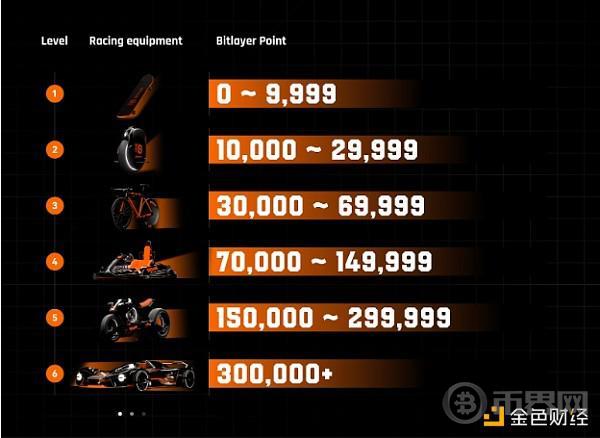
最近,Bitlayer宣布上线用户系统,支持用户链接个人钱包后可查看已获得的Bitlayer宝石空投数量、获取过往交互累计的积分奖励,以及领取过往Bitlayer活动的荣誉勋章。最值得注意的是,团队推出了竞速器升级体系,正式将积分引入生态,并给社区构建了代币空投的预期。

简单来说,用户可以在用户中心完成相应的新手任务、高级任务和每日任务,并获得相应的积分奖励,并用于竞速器升级,对应未来的代币空投。

目前,累积Bitlayer积分的方法具体来说如下:

  • 新手任务主要为熟悉Bitlayer积分面板、推特交互、BTC 跨链以及转账任务,全部完成可获得8,100积分;

  • 高级任务需要完成一定数量的阶梯型任务,达到特定里程碑,例如完成资产跨链、达到一定交易数量后将会获得最多25万积分奖励。

  • 每日任务每日刷新,每天完成该板块所有任务即可获得2,000积分奖励。

在官网的公告里,团队已经说明将来会根据大家手里的积分和竞速器的等级来分配$BTR代币的空投。这听起来挺让人兴奋的,毕竟空投可是白给的福利。

现在,Bitlayer的积分还没有在Whales Market这样的场外积分交易平台上线,也就是说,大家还不能把这些积分换成u。不过别担心,除了在TGE之前尽量积累更多的积分,Bitlayer开始尝试给用户们提供更多的积分使用和获取途径。

让Bitlayer积分和宝石流动起来!

8月2号,Bitlayer宣布上线了一个奥运会竞猜的限时活动(具体活动入口为 https://www.bitlayer.org/guess-to-earn/olympics-2024 )。这个活动挺有意思的,用户可以用自己的Bitlayer积分或者宝石来参与奥运会的赛事竞猜,要是猜对了,还有机会拿到额外的积分或者宝石奖励。

官方也公布了这次活动的规则,我给大家简单梳理一下:

  • 竞猜只有两种奖池,一个是宝石奖池,一个是积分奖池,没有混合奖池。

  • 如果是用积分来竞猜,每次得投入500积分,同一个赛事最多可以竞猜10次,猜赢了的话有额外的积分奖励;如果是用宝石来竞猜,每次需要200宝石,也是最多10次,猜赢了有宝石奖励。

  • 每场竞猜只有一个获胜选项,赢了的人会根据参与的比例来分奖池里的奖励。如果猜错了,那投入的积分或宝石就没了。

  • 每场竞猜都有时间限制,要在截止时间前参与,结果会在赛事结果出来后的12小时内更新并完成结算。

  • 参与竞猜的时候,需要在链上确认,所以提前在钱包里留点Gas fee,经过尝试,每次竞猜需0.12u手续费。

具体的参与教程如下:

1.首先,你需要点击这个链接 Guess to earn | Olympics Paris 2024 来访问Bitlayer的官方活动页面。

2.在活动页面上,你需要连接你的数字钱包并登录到你的账户。

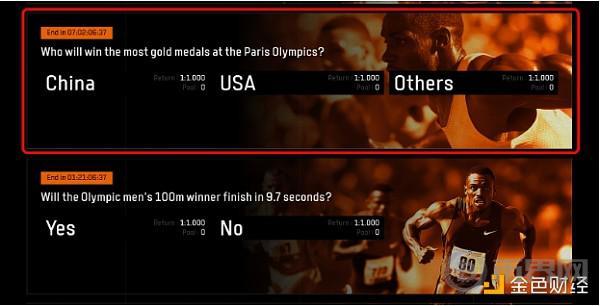
3.登录后,浏览页面上列出的竞猜活动,选择你感兴趣的竞猜题目,比如“哪国会在巴黎奥运会上赢得最多的奖牌?”等。
4.对于你选择的竞猜活动,你需要决定你的竞猜结果,并确定你想要竞猜的次数。
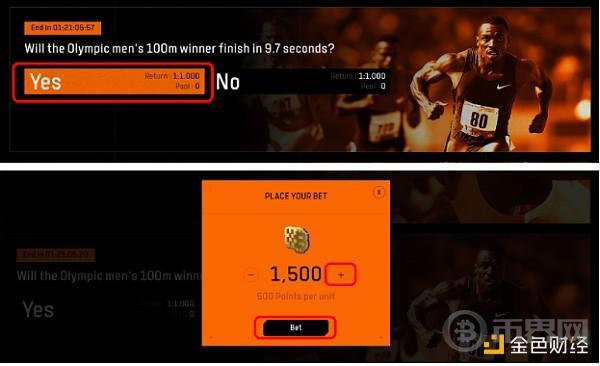
5.点击确认后,你的竞猜将提交到区块链上,这需要你进行签名确认。
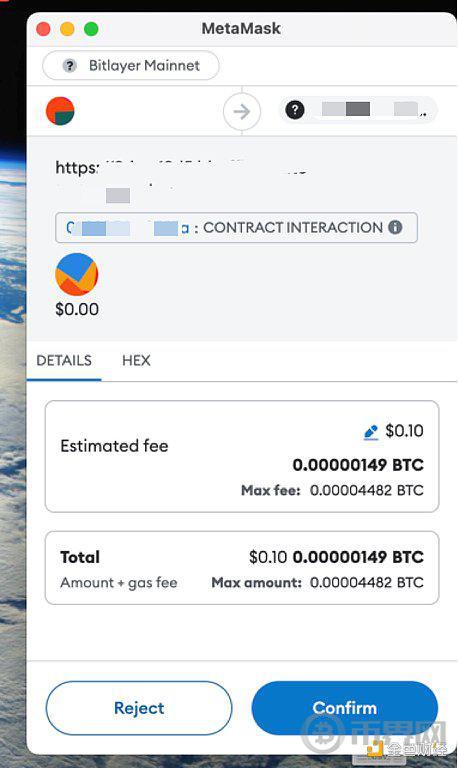
6.提交竞猜后,你只需耐心等待结果揭晓。

7.同时,你还可以访问用户中心 Racer Center 来完成日常任务,积累更多积分,这样你就能参与更多的竞猜活动。
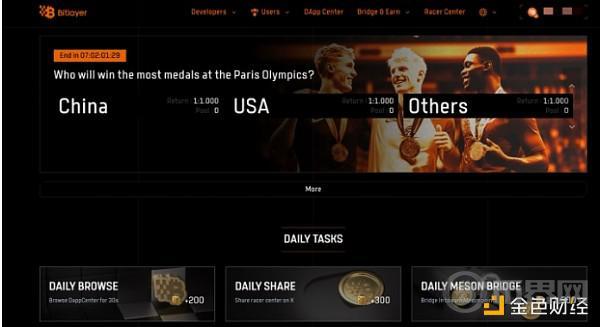
以下述竞猜为例,“哪国会在巴黎奥运会上赢得最多的奖牌?”如果你选择中国,目前赔率是1:5.34,意味着投200个宝石,有可能获得1068枚宝石奖励,整整5倍多。

需要注意的是,所有的操作都应该在官方提供的平台上进行,确保安全性和有效性。

空投积分这事儿,其实就像一场积分猎人的竞赛游戏,看谁攒得多,谁就可能在空投固定比例的空投竞赛里赢得更多。

以前,积分在能上Whales Market这样的市场买卖之前,用户辛辛苦苦攒的积分就只能躺在钱包里睡大觉,既不能流动,也没啥增值的途径。但Bitlayer这回搞了个创新,让积分活了起来,有了用得上的地方。只要你参与活动,就有很大机会赚积分或者宝石奖励。这样一来,大家的积分数量明显增加,将来如果有空投,也能拿到更多的份额。


Letture associate

OpenClaw Founder Peter Steinberg's Latest Speech: The Life and Death Revelation of an Open Source Project, How OpenClaw Emerged from the Eye of the Storm

Peter Steinberg, founder of the wildly popular open-source AI agent project OpenClaw, reflects on its turbulent journey from creation to near-collapse and resurgence. It began in late 2024 from his personal frustration with sending prompts from phone to computer. He built a WhatsApp relay that felt "magical," but initial excitement was limited to friends. After adding Discord support and launching a public server, the project exploded virally overnight, attracting massive attention, rebranding requests (from "Claudis" to OpenClaw), and even praise from NVIDIA's CEO. The intense scrutiny and pressure nearly broke Steinberg. The biggest technical crisis came from over-optimizing for a specific AI model provider, which suddenly canceled subscriptions, forcing a rushed shift to open-weight models. OpenClaw's weekly downloads plummeted before surging to a record high after being "declared dead." Steinberg realized he had stopped enjoying the build process and using his own product, making it a duty rather than a passion. His key lesson: "Fun is speed." Recovery came by refocusing on building for himself, forming a non-profit, and receiving crucial support (e.g., from NVIDIA for security). The team is now using OpenClaw to build OpenClaw itself, emphasizing its core value: a private, open alternative where "your agent, your machine, your life." He shares insights: the first user should be yourself; balance bug fixes with new features to maintain interest; the current bottleneck is reliable toolchains, especially for Mac testing. His story underscores that creation thrives on personal need, endures through storms when the joy of building returns, and persists by "living in the future and building what's missing."

marsbit14 min fa

OpenClaw Founder Peter Steinberg's Latest Speech: The Life and Death Revelation of an Open Source Project, How OpenClaw Emerged from the Eye of the Storm

marsbit14 min fa

US Stocks and Gold Rise Together, Bitcoin Rebound Absent, Have Bottom Signals Appeared?

While traditional assets like U.S. stocks and gold have rebounded strongly, Bitcoin continues to consolidate without following the uptrend. Since hitting an all-time high near $126,000 in October last year, Bitcoin has remained in a corrective phase, trading between $62,000 and $66,000 over the past month. Although U.S. spot Bitcoin ETFs have seen renewed net inflows recently—with the past week marking the best performance since mid-April—this buying pressure has been insufficient to counter persistent selling from miners and crypto companies. For instance, miner-linked wallets have seen their BTC balance drop by about 72% since late 2021. Some long-term indicators are showing early signs of a potential bottom. Metrics such as Reserve Risk, BTC price relative to its 2-year moving average, and the AHR999 index have entered historically oversold territory, suggesting improved long-term value. However, key indicators like MVRV Ratio, NUPL, and the Fear & Greed Index have not yet reached the extreme levels typically seen at major cycle lows. Furthermore, over 53% of Bitcoin supply remains in profit, and stablecoin liquidity is still contracting, indicating the market may need more time for a full capitulation phase. In summary, while select bottom signals are emerging, Bitcoin lacks the broad-based confirmation needed to declare a definitive cycle low. A sustained recovery will likely depend on continued ETF inflows, a reduction in structural selling pressure, and further deterioration in key on-chain metrics toward historical extremes.

marsbit16 min fa

US Stocks and Gold Rise Together, Bitcoin Rebound Absent, Have Bottom Signals Appeared?

marsbit16 min fa

After Yushu Got Hot, a 68-Year-Old Auto Parts Boss Bet 1.85 Billion

After staying relatively low-profile for years, Shanghai Bate Technology, a traditional auto parts supplier, has recently been thrust into the spotlight as a leading humanoid robotics concept stock. This shift is largely tied to the impending IPO of robotics company Unitree, with which Bate collaborates on prototype development. Bate's founder, 68-year-old Jin Kun, is making a bold bet on this new frontier. The company is investing 1.85 billion yuan to build a major R&D and production base in Kunshan for planetary roller screws—a key component in robot joints. With an annual capacity of 2.6 million sets planned, plus overseas expansion, this represents a massive, forward-looking commitment from a firm whose 2025 revenue of 2.3 billion yuan still relies almost entirely on its traditional automotive business (over 98%). The investment highlights a strategic pivot. Bate aims to leverage decades of expertise in metal processing, precision manufacturing, and heat treatment from the automotive sector and apply it to the burgeoning robotics industry. However, this move carries significant risk. The company has not yet secured formal supplier contracts or begun mass deliveries for its roller screws. It is essentially betting on future demand in a market that remains nascent. The broader industry context adds to the uncertainty. While multiple Chinese manufacturers are racing to invest in similar robotics component capacity (totaling over 6 billion yuan), the downstream humanoid robot market is still in its early stages. Estimates put 2025 global shipments at only around 18,000 units, primarily for entertainment, education, and data collection rather than large-scale industrial use. This creates a critical mismatch: the speed of upstream component factory construction and capital investment is far outpacing the commercialization and adoption of the robots themselves. Bate's story, driven by Jin Kun's decisive gamble, encapsulates the high-stakes transition facing traditional manufacturers seeking a "second growth curve" in robotics—a future full of potential but currently backed more by market anticipation than concrete financial results.

marsbit20 min fa

After Yushu Got Hot, a 68-Year-Old Auto Parts Boss Bet 1.85 Billion

marsbit20 min fa

EIP-8363 Explained: Burning Staking Rewards to Save Ethereum? Independent Node Operators Might Be the First to Leave

Analysis of EIP-8363: A Proposal to Burn Staking Rewards and its Potential Impacts on Ethereum A new Ethereum Improvement Proposal, EIP-8363, has sparked significant debate. Its core mechanism is to progressively burn validator consensus rewards, aiming to reduce the issuance rate to 0% once 50% of the total ETH supply is staked. Proponents argue this would cap the staked ETH ratio, enhancing credible neutrality and censorship resistance by discouraging excessive centralization among large staking operators and liquid staking token (LST) providers. However, a critical analysis suggests the proposal may create more problems than it solves. While it compresses the ETH staking range where profitability turns negative (from 70-100 million ETH down to 50-60 million ETH), it does not fundamentally alter the competitive disadvantage of independent stakers. Due to economies of scale, large operators would still retain advantages in costs and MEV opportunities. Independent stakers are predicted to be the first to face negative real returns under the new curve. The economic repercussions could be severe. A sharp decline in base staking yield would disrupt DeFi ecosystems built around this yield, potentially reversing incentives for borrowing ETH and triggering large-scale unwinding of leveraged staking strategies. This could lead to significant selling pressure on ETH as professional staking operations become unprofitable and exit. The proposal is criticized for being based on uncertain future market equilibriums and for potentially imposing costs that outweigh its stated benefits, without fully addressing the underlying issues of centralization it aims to solve.

marsbit20 min fa

EIP-8363 Explained: Burning Staking Rewards to Save Ethereum? Independent Node Operators Might Be the First to Leave

marsbit20 min fa

Trading

Spot
活动图片