
SignalPlus宏观分析(20240215):CPI数据“符合”预期

Odaily星球日报Pubblicato 2024-02-15Pubblicato ultima volta 2024-02-15

Introduzione

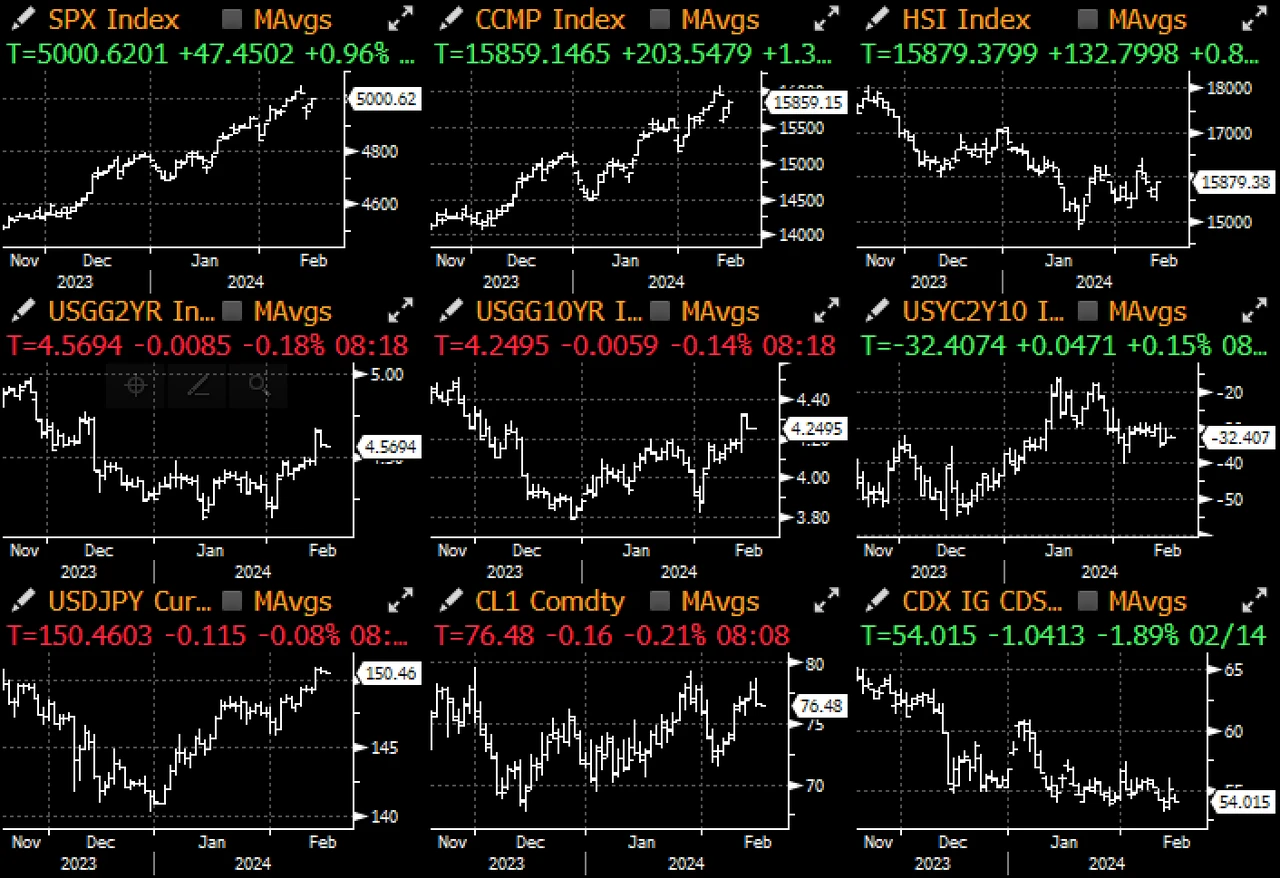
昨天的市场反弹最初由固定收益市场所引领,在地缘政治风险事件(俄罗斯新的太空核武能力)和温和经济数据的推动下,周二CPI熊平走势的回撤进一步扩大为大幅反弹。

SignalPlus宏观分析(20240215):CPI数据“符合”预期

SignalPlus宏观分析(20240215):CPI数据“符合”预期

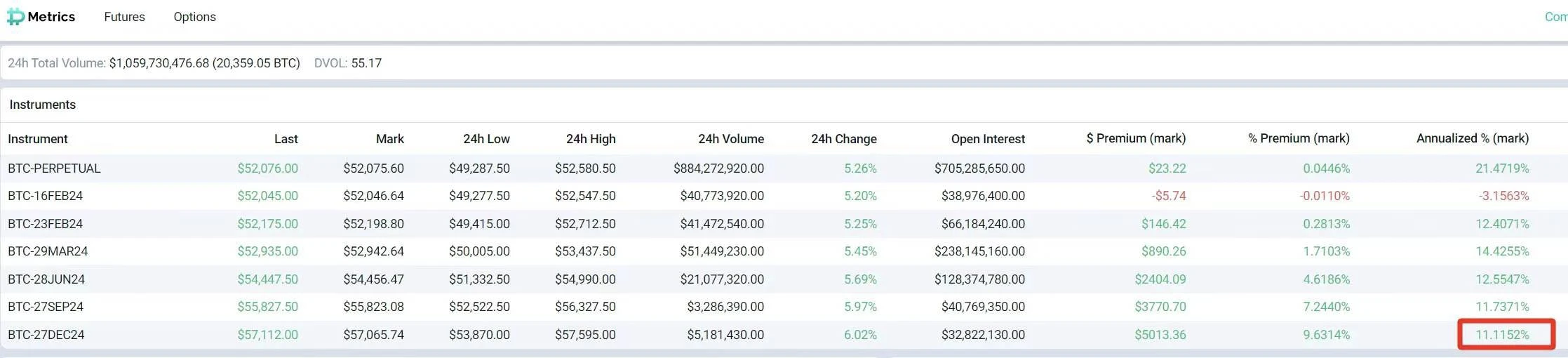
年底的 BTC 和 ETH 的期货升水/溢价纷纷冲回 11% + 。

卖 6 月底 8 万的 BTC 的看涨期权,现在年化收入(币本位)是 13.6% , 但是看这个涨势,我都不敢卖……
SignalPlus宏观分析(20240215):CPI数据“符合”预期

SignalPlus宏观分析(20240215):CPI数据“符合”预期

SignalPlus宏观分析(20240215):CPI数据“符合”预期

SignalPlus宏观分析(20240215):CPI数据“符合”预期

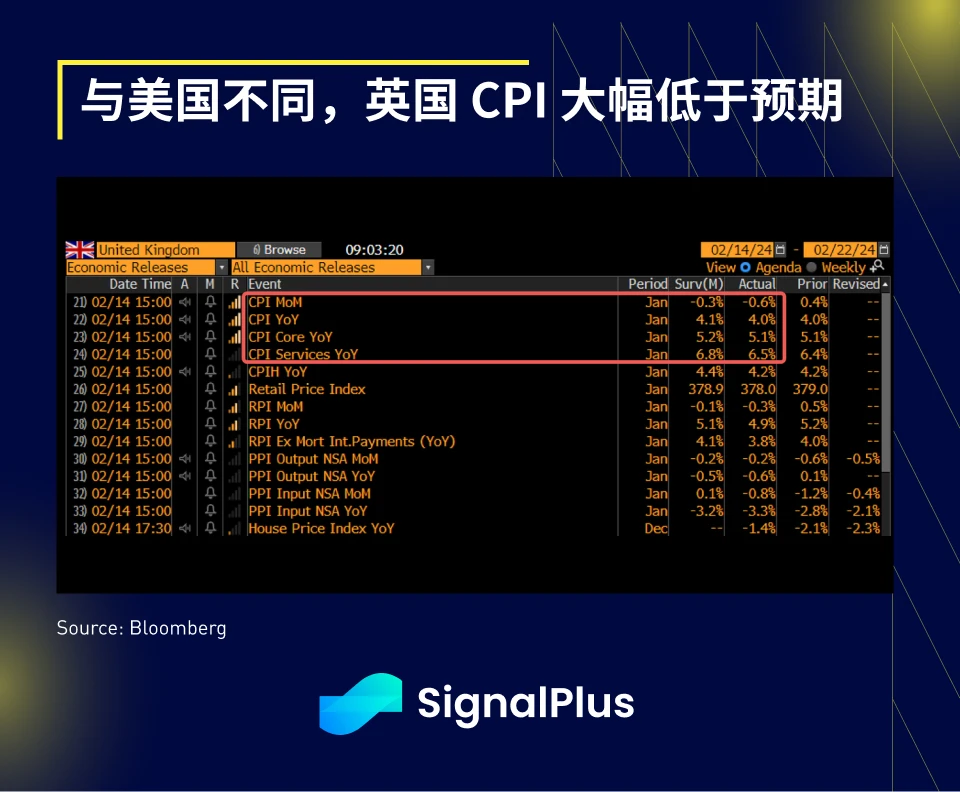
昨天的市场反弹最初由固定收益市场所引领,在地缘政治风险事件(俄罗斯新的太空核武能力)和温和经济数据的推动下,周二 CPI 熊平走势的回撤进一步扩大为大幅反弹。美国 PPI 修正值整体下修至 -0.2% ,核心 PPI 下修至 -0.1% ,使得整体年化率分别降至 1% 和 1.8% ,在昨天令市场失望的 CPI 数据后,这个数据结果令人松了口气。此外,英国 CPI 也大幅低于预期(环比 -0.6% vs 预期的 -0.3% ),英国央行 Bailey 评论称,“通胀放缓将进一步影响薪资谈判”,CPI 结果也使得市场对固定收益的需求异常强劲(30 年期德国公债发行的投标倍数为 2.27 x;Bristol Myers 规模 130 亿的债券供应吸引了 850 亿的资金),为债券反弹增添了动力。
SignalPlus宏观分析(20240215):CPI数据“符合”预期

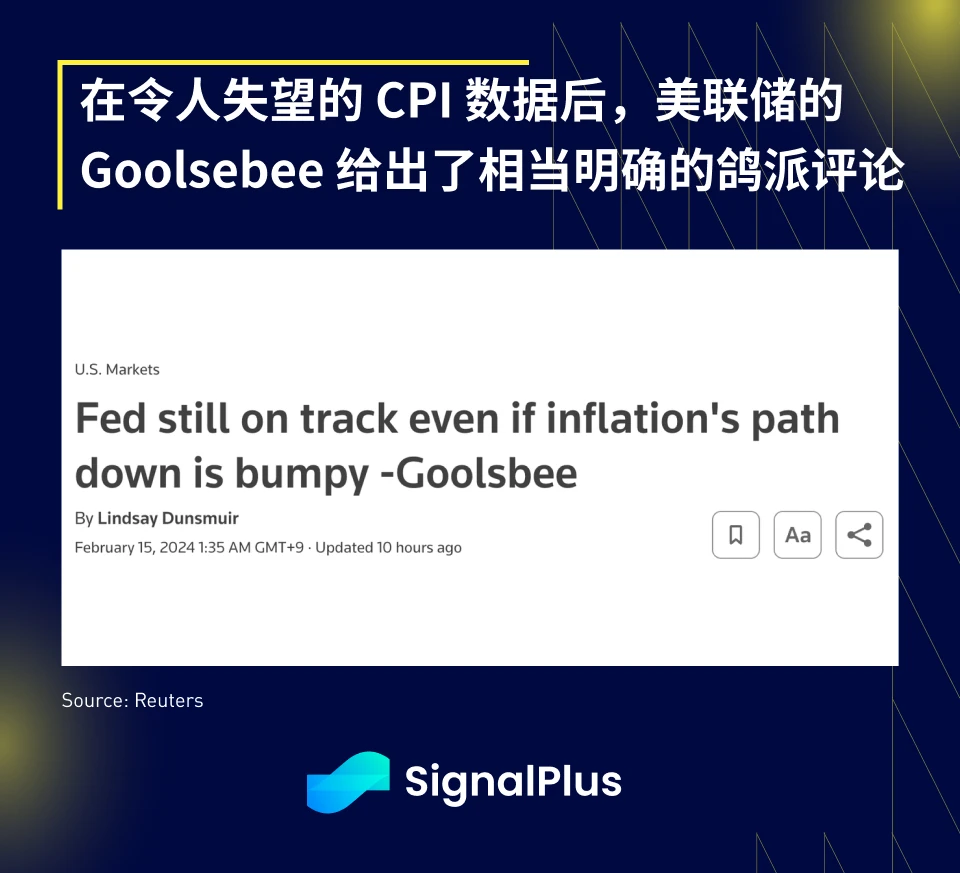
此外,美联储 Goolsbee 意外发表了相当直接和鸽派的评论,称市场“不应因一个月的 CPI 数据而激动”,且“只是一个月的数据,不是几个月”,他还表示,美联储的通胀目标是基于 PCE 而非 CPI,并且“通胀率已经连续 6 到 7 个月往目标接近”,这种明确的鸽派态度与周二 Powell 与立法机构的闭门会议形成了鲜明对比,Powell 在会议上表示,低收入工作者的工资增长一直高于通胀,“而现在对于大多数工作者来说来说越来越是如此”,针对超出预期的 CPI,Powell 重申通胀数据“符合他们先前的预期”,美联储将依赖即将发布的 PCE 报告来提供“更多情报”,同时他拒绝给出任何关于美联储何时降息的线索。
SignalPlus宏观分析(20240215):CPI数据“符合”预期

股市也收复了前一日跌幅的 60-70% ,主要受企业股票回购计划的激励,最近宣布回购的公司包括 Las Vegas Sands、Ford、GM、RTX、Airbnb,当然还有 Uber 和 Meta;Uber 在首度实现全年盈利后,宣布 70 亿美元的股票回购计划,而 Meta 早些时候宣布增加 500 亿美元股票回购,并将首度发放股息。

SignalPlus宏观分析(20240215):CPI数据“符合”预期

SignalPlus宏观分析(20240215):CPI数据“符合”预期

您可在 ChatGPT 4.0 的 Plugin Store 搜索 SignalPlus ,获取实时加密资讯。如果想即时收到我们的更新,欢迎关注我们的推特账号@SignalPlus_Web3 ,或者加入我们的微信群(添加小助手微信:SignalPlus 123)、Telegram 群以及 Discord 社群,和更多朋友一起交流互动。

SignalPlus Official Website:https://www.signalplus.com

Letture associate

Latin America's Payments Landscape Is Not What You Think It Is

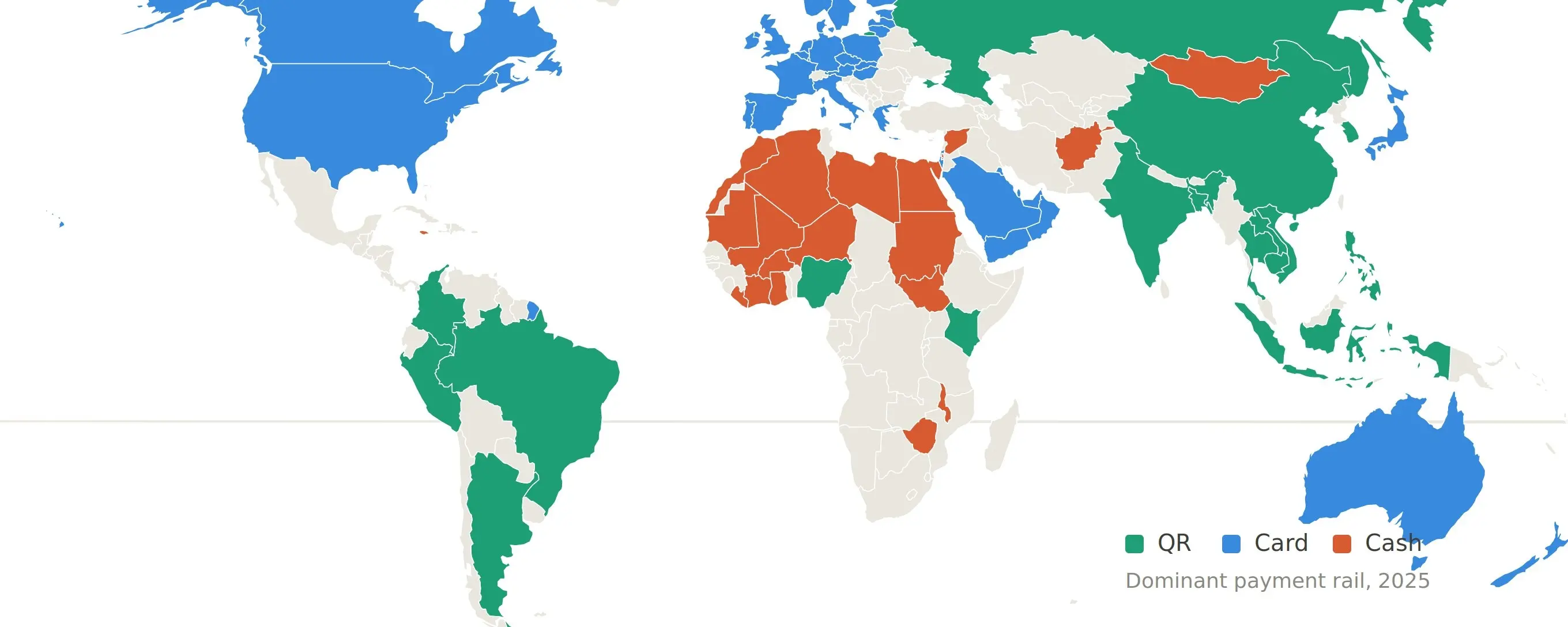
This report challenges common misconceptions about Latin America's payment landscape, based on over 500 hours of firsthand research. Key findings include: 1) Crypto card transaction volume primarily comes from high-net-worth individuals receiving USDT salaries, not retail spending. 2) QR code payments (e.g., Brazil's Pix, Argentina's Mercado Pago) are the dominant payment method across most emerging markets, not cards. 3) A major untapped opportunity lies in enabling cross-border interoperability between domestic instant payment systems. 4) Payment competition is shifting from customer acquisition to owning the settlement layer (e.g., acquiring banks). 5) Latin America is not a single market; Brazil, Mexico, Argentina, and smaller "forgotten five" countries (e.g., Guatemala, Honduras) have vastly different dynamics. 6) Stablecoin-to-fiat conversion margins are collapsing toward zero, pushing companies to build value-added services on top. 7) Future payment winners will be multi-country brands, not single-corridor specialists. 8) Marketing must target specific user segments (e.g., digital nomads, unbanked immigrants) with tailored messaging, not a generic "Brazilian" audience. 9) Contrary to perception, Latin American regulators are often ahead of the US in creating frameworks for digital assets and instant payments, with clear licensing deadlines. The core takeaway is that the region's payment rules are being rewritten, moving beyond cards and stablecoin arbitrage towards integrated, cross-border QR-based solutions.

链捕手13 min fa

Latin America's Payments Landscape Is Not What You Think It Is

链捕手13 min fa

Vitalik's Algorithmic Stablecoin Vision: Interpreting the Mechanism and Challenges from an Options Perspective

Vitalik Buterin's recent algorithmic stablecoin proposal envisions using an option-like mechanism to create a stablecoin without the liquidation risks inherent in traditional collateralized debt position (CDP) models. The design splits one unit of ETH into two components: a 'stable' leg (P) that maintains value up to a certain strike price, and an 'upside' leg (N) that captures any appreciation above that price. Together, they always sum to one ETH, eliminating the need for debt or liquidation mechanisms. From an options perspective, the stable leg essentially functions as a synthetic, covered call position. However, significant challenges exist. For the stable asset to maintain its peg, it must continuously roll deep in-the-money call options, leading to potential rollover slippage, predictable trading paths vulnerable to front-running, and liquidity issues. Crucially, the system's scalability depends on a constant demand for the upside leg—a form of leveraged ETH long position without funding rates or liquidation risk. It's unclear if such persistent, specific demand will materialize from speculators or market makers who have simpler alternatives like perpetual swaps. The author, drawing from experience with Rysk, argues that DeFi options have struggled as standalone trading products due to complexity and fragmented liquidity. Their potential lies instead as foundational infrastructure underpinning more complex financial primitives like stablecoins, structured yields, or index products—transforming from a direct product into a core pricing and risk distribution engine for the next generation of on-chain finance.

marsbit1 h fa

Vitalik's Algorithmic Stablecoin Vision: Interpreting the Mechanism and Challenges from an Options Perspective

marsbit1 h fa

Trading

Spot
Futures
活动图片