隐藏的 LST 新流动性堆栈,详解「老牌 DeFi」Balancer

foresightnewsPubblicato 2024-02-07Pubblicato ultima volta 2024-02-14

Introduzione

深耕 LST 与即将到来的 V3,或给 Balancer 带来真正颠覆游戏规则的变量。

深耕 LST 与即将到来的 V3,或给 Balancer 带来真正颠覆游戏规则的变量。


撰文:Jake Pahor

编译:Frank,Foresight News


鲜为人知的是,Aave、Gyrscope 和 Beethoven X 有一个共同点:它们都有利用 Balancer 的技术堆栈,随着即将推出 V3 版本,Balancer 也可能要迎来出一些真正改变游戏规则的变量。


本文就是加密研究员 Jake Pahor 关于 Balancer 的最新报告,对 Balancer 做了详细的研究,并从使用案例、大规模采用、项目收入、代币经济学等多个角度对 Balancer 进行了深入的探究,Foresight News 对全文进行了编译。


1.概述


Balancer 的核心是一个去中心化的 AMM 协议,然而当深入研究该协议时,我们会发现 Balancer 团队正在构建一个强大的技术堆栈,以成为一个流动性中心:


  • 正在开发新的 AMM/DEX;
  • 收益性资产;
  • DAO 治理;


2.使用案例


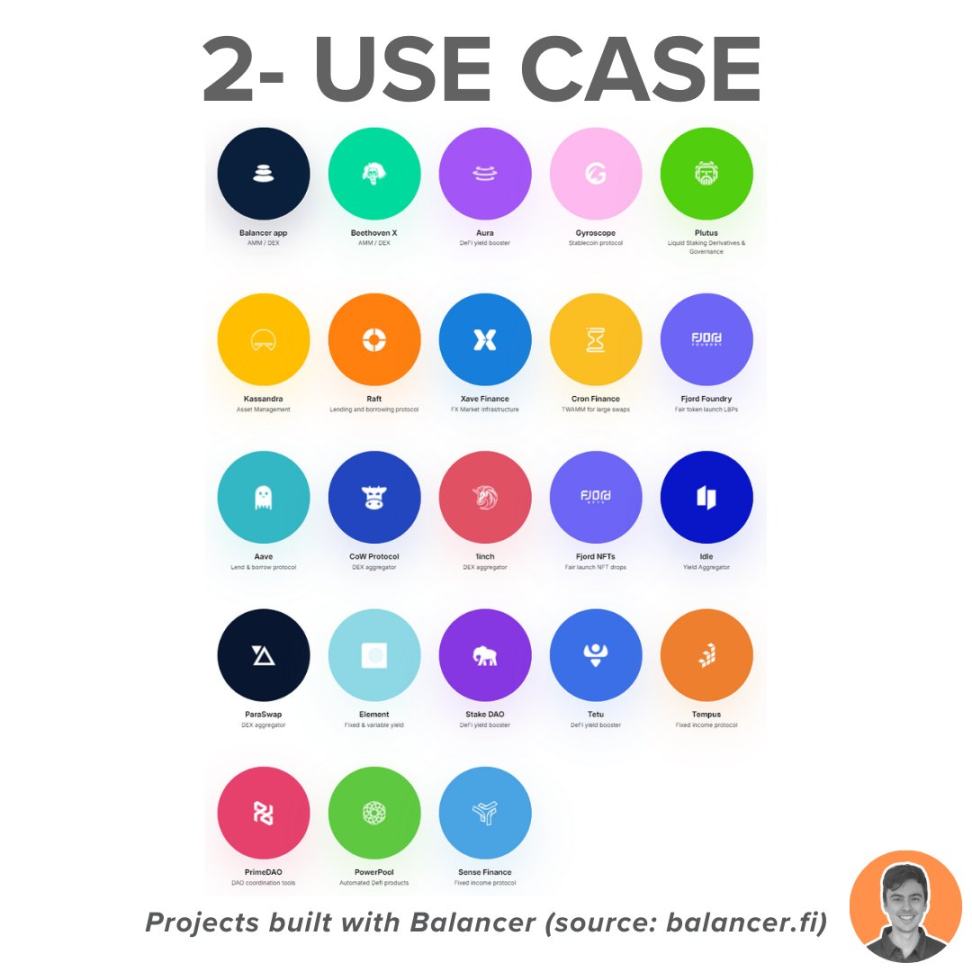
Balancer 不仅是一个具有前瞻性的 DEX,也是培育未来 DeFi 创新的基础技术,其独特的架构简化了向市场提供独特金融服务的流程。


其中 Aave、Beethoven X、Radiant 和 Fjord 目前都在使用其技术堆栈。


关于 Balancer 我最兴奋的是预计今年(2024 年第 2 季度)发布的 V3 版本,它承诺以 V2 的创新为基础,推动 Balancer 成为:


  • DeFi 的收益承载枢纽;
  • 创新 AMM 部署的 Launchpad;


3.大规模采用


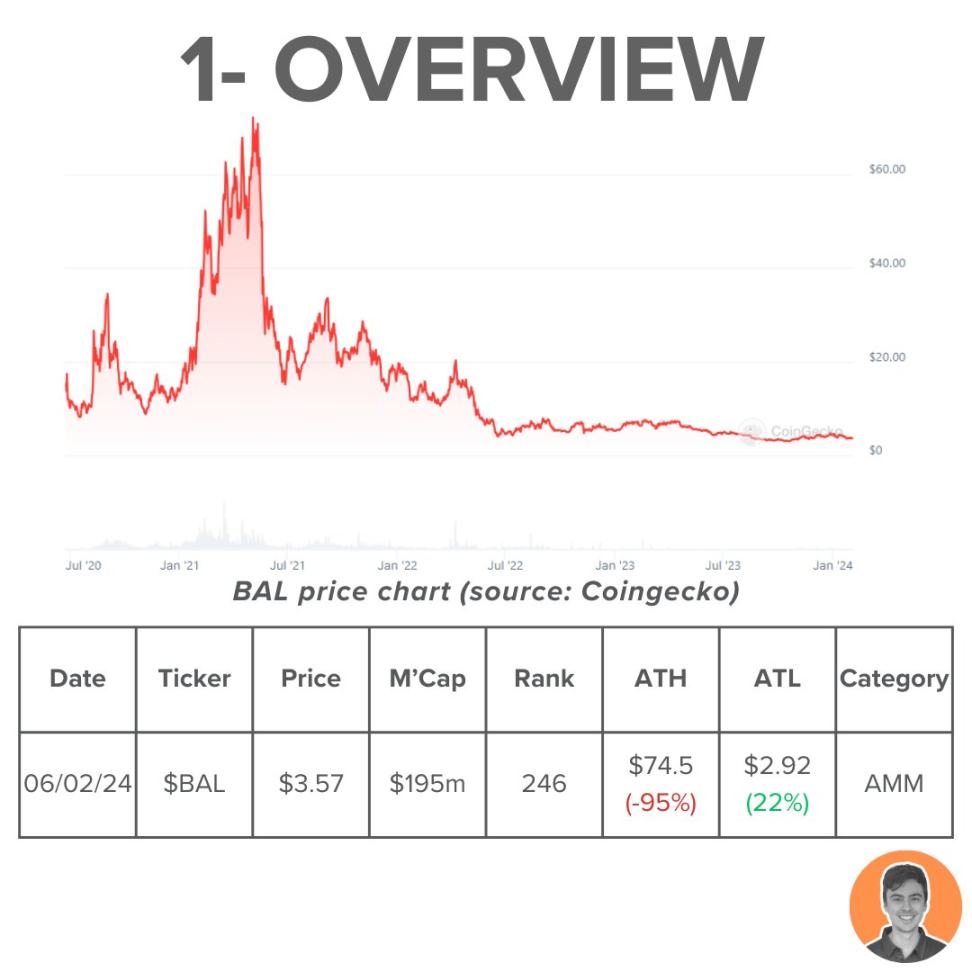
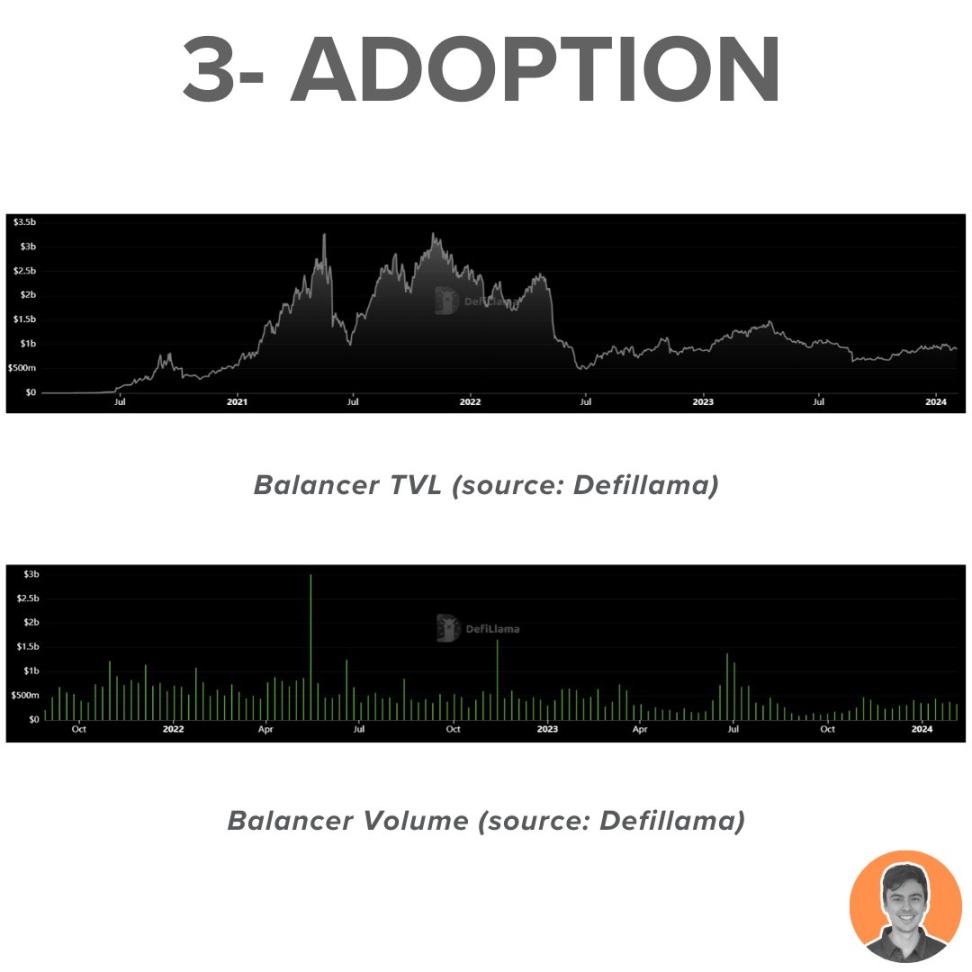
Balancer TVL 目前是 9.15 亿美元,在所有 DeFi 协议中排名第 23 位,在其他 DEX 协议中排名第 4 位。


虽然仍比 ATH(2021 年 11 月的 33.1 亿美元)低 72%,但其 TVL 自 2022 年 7 月以来一直呈缓慢走高趋势,整体锁仓规模有着坚实的基础。


4.项目收入


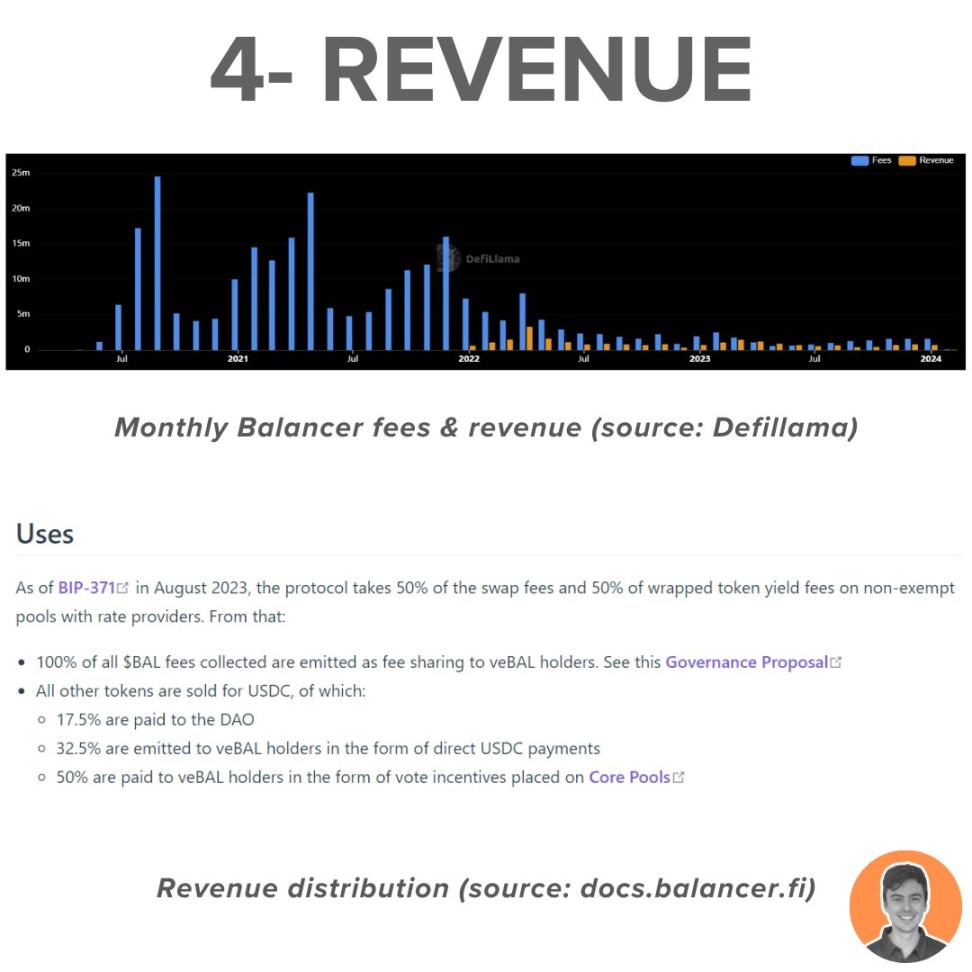
在过去的 30 天里,Balancer 系统累计产生了:


  • 150 万美元的费用;
  • 64.9 万美元的收入;


根据 DefiLlama 的说法,它在总体 DeFi 应用中排名是第 35,在 DEX 中排名第 6。截至 2023 年 8 月,该协议对非豁免池收取 50% 的 Swap 费用和 50% 的封装代币收益费用。


5.代币经济学


生态系统中有两种主要代币:


  • BAL,即生态治理代币;
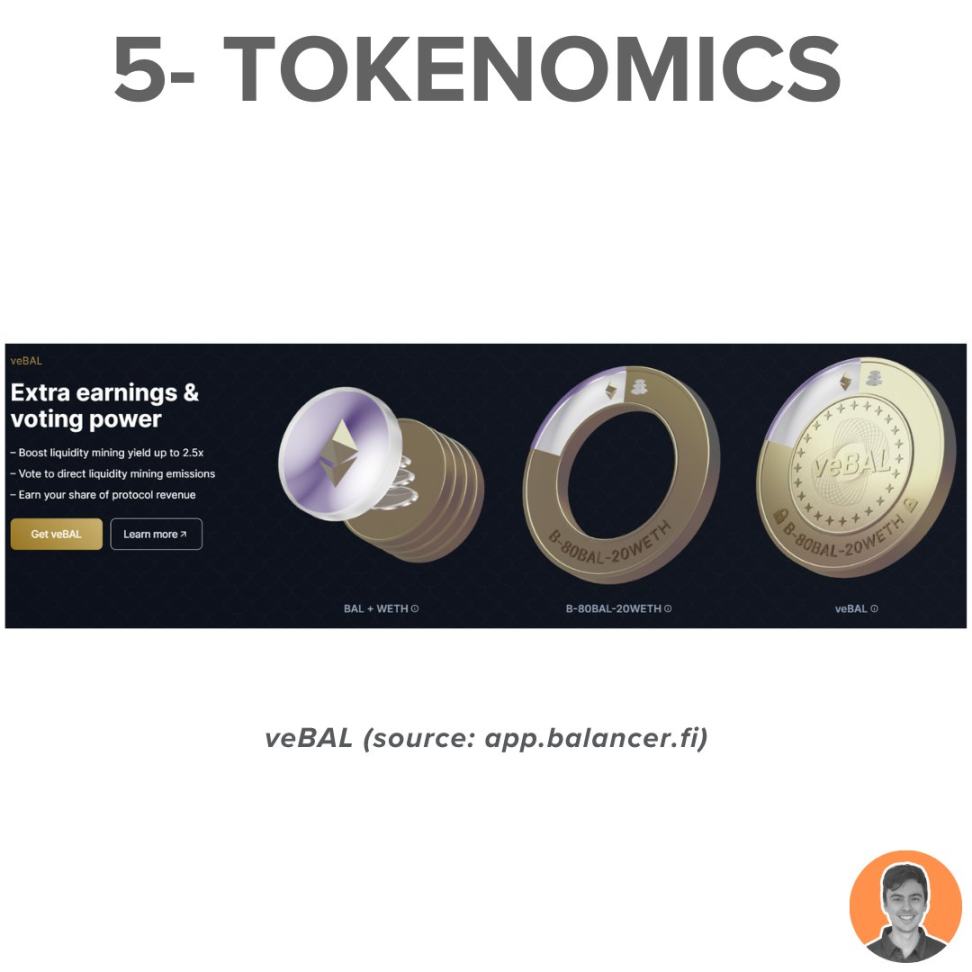
  • veBAL,即锁定一定期限的 BAL(以 80:20 的比例锁定 BAL/WETH);


Balancer 提出的 80:20 比例的 ve 模式是一种创新,旨在解决单方质押给 DAO 治理代币经济(例如 Curve)带来的一些问题。


让我们来看看一些关键的区别:


  • 用户通过锁定 80/20 比例的 BAL/WETH Balancer 池代币而不是纯 BAL 来获得 veBAL,即使大部分 BAL 代币被锁定,也能确保深度流动性;
  • 最长锁定期限为 1 年,比 veCRV 的最长 4 年期限有所缩短;


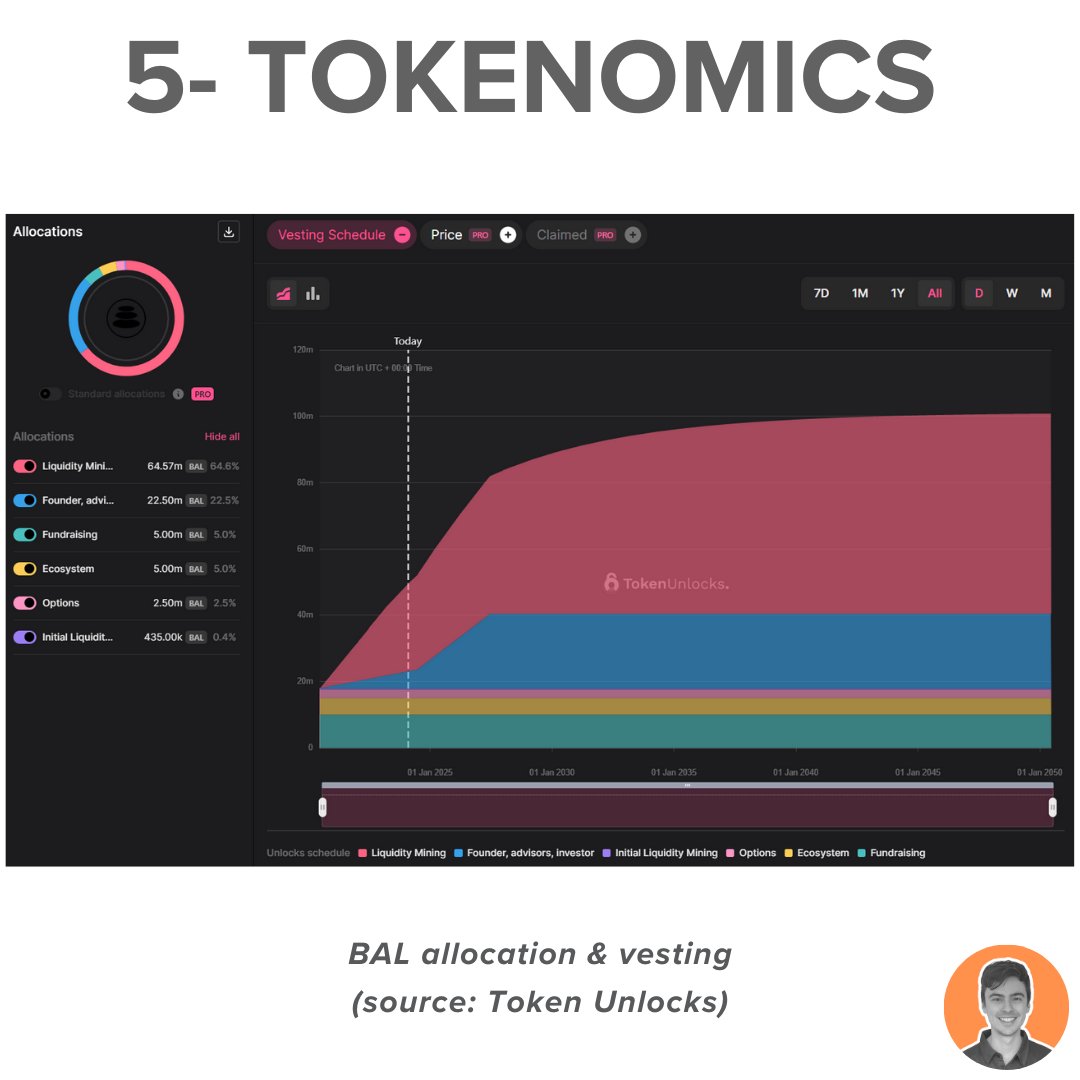
当前供应统计:


  • 循环供应量:5478 万枚;
  • 最大供应量:9615 万枚;
  • 市值:1.95 亿美元;
  • FDV:3.42 亿美元;
  • 市值 /FDV:57%;


6.金库


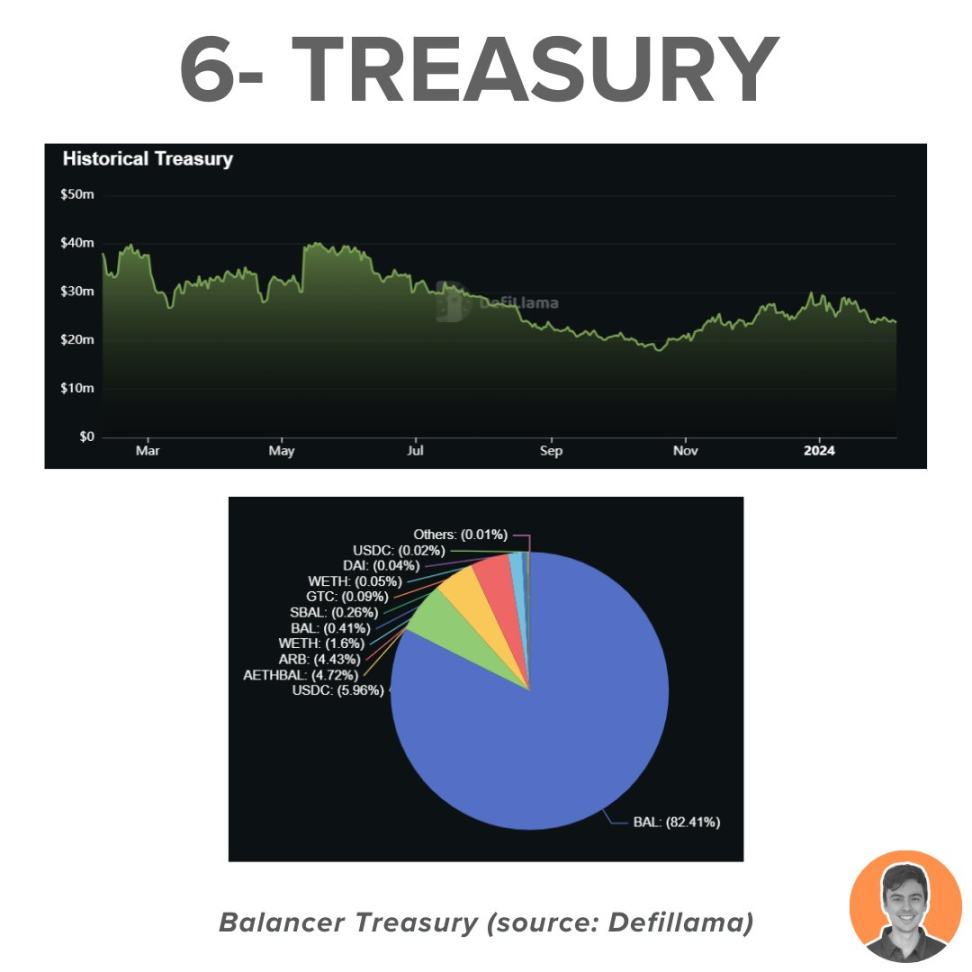
Balancer 金库目前价值 2377 万美元,它由以下部分组成:


  • 价值 1959 万美元的 BAL;
  • 其他价值约 236 万美元的代币(ARB、AETHBAL);
  • 143 万美元的稳定币;
  • 价值 39 万美元的主流代币(BTC 和 ETH);


这些资金目前由 DAO 多重签名钱包持有。


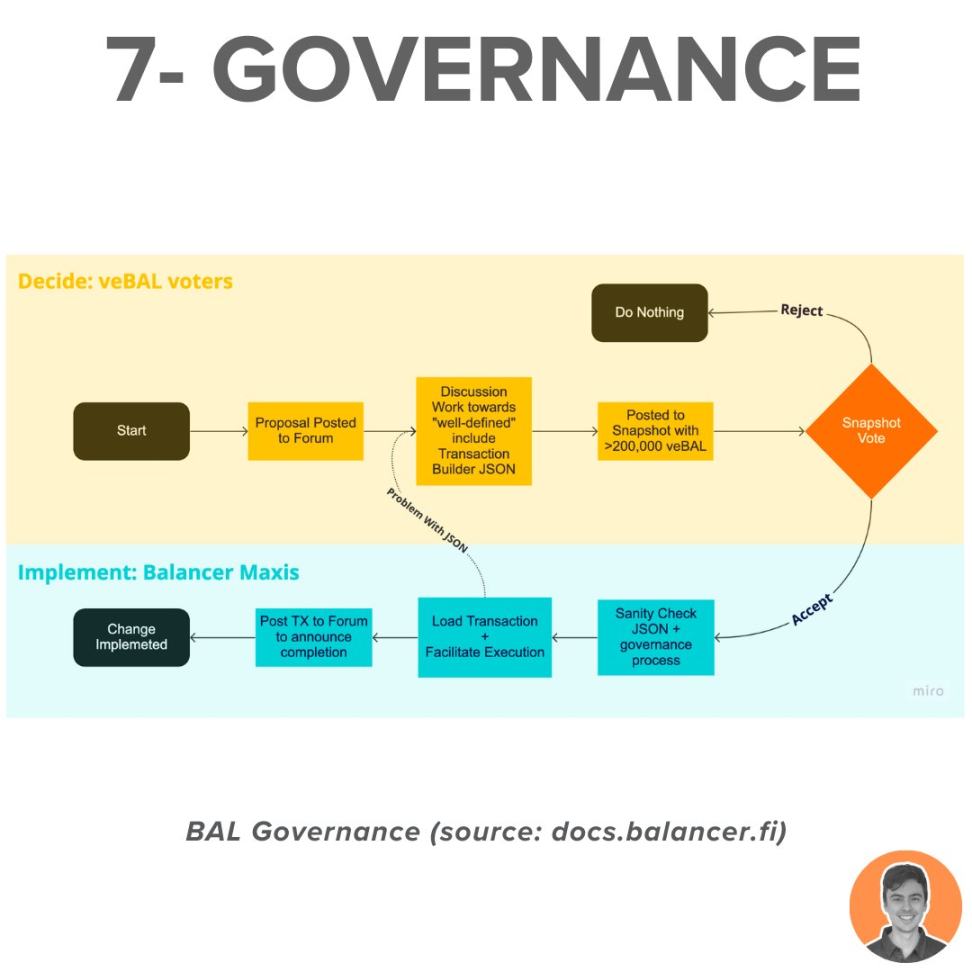
7.治理


Balancer 实施了强大的去中心化治理流程,并且已经运行了相当长的一段时间。


此外,他们还推出了 ve(80/20)计划,旨在显着增强传统 DAO 治理的代币经济学设计。


8.团队及投资者


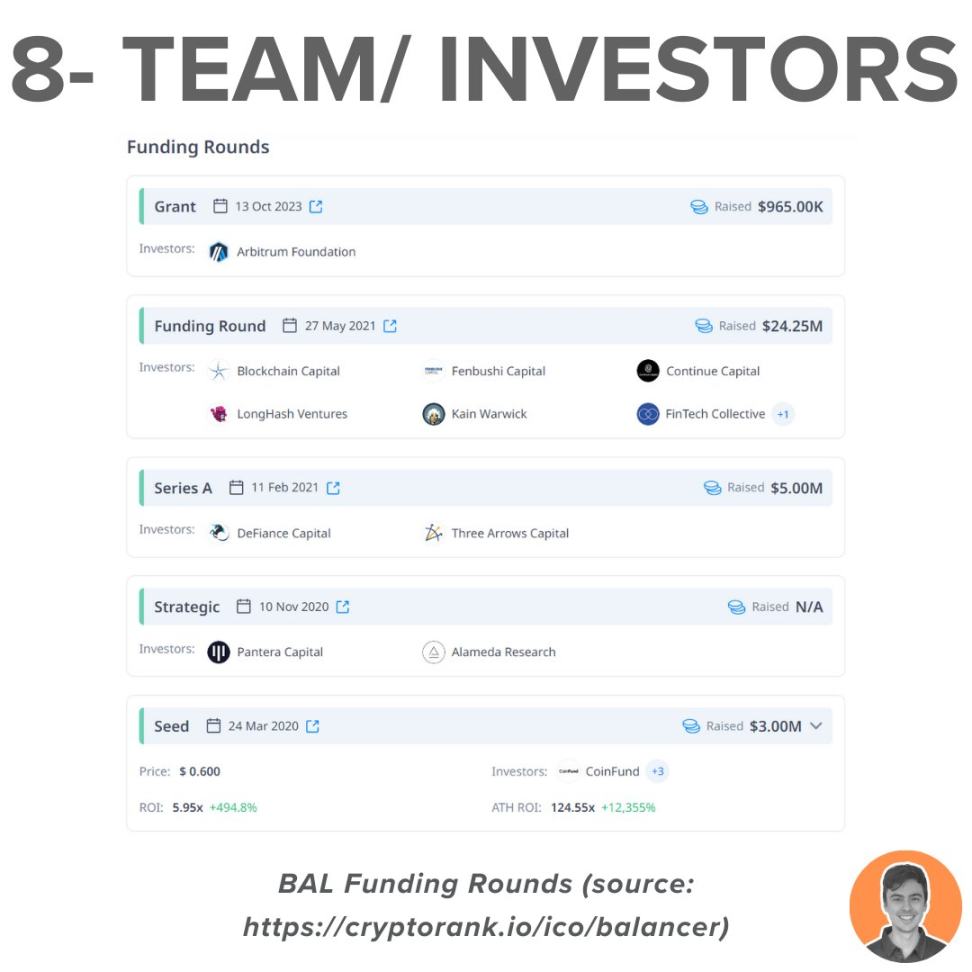
Balancer 由 Fernando Martinelli 和 Mike McDonald 于 2018 年创立,自成立以来,Balancer 已成功筹集 3925 万美元资金。


著名投资者包括 Pantera Capital、Blockchain Capital、CoinFund、Fenbushi Capital 和 Arbitrum 基金会。


9.竞争对手


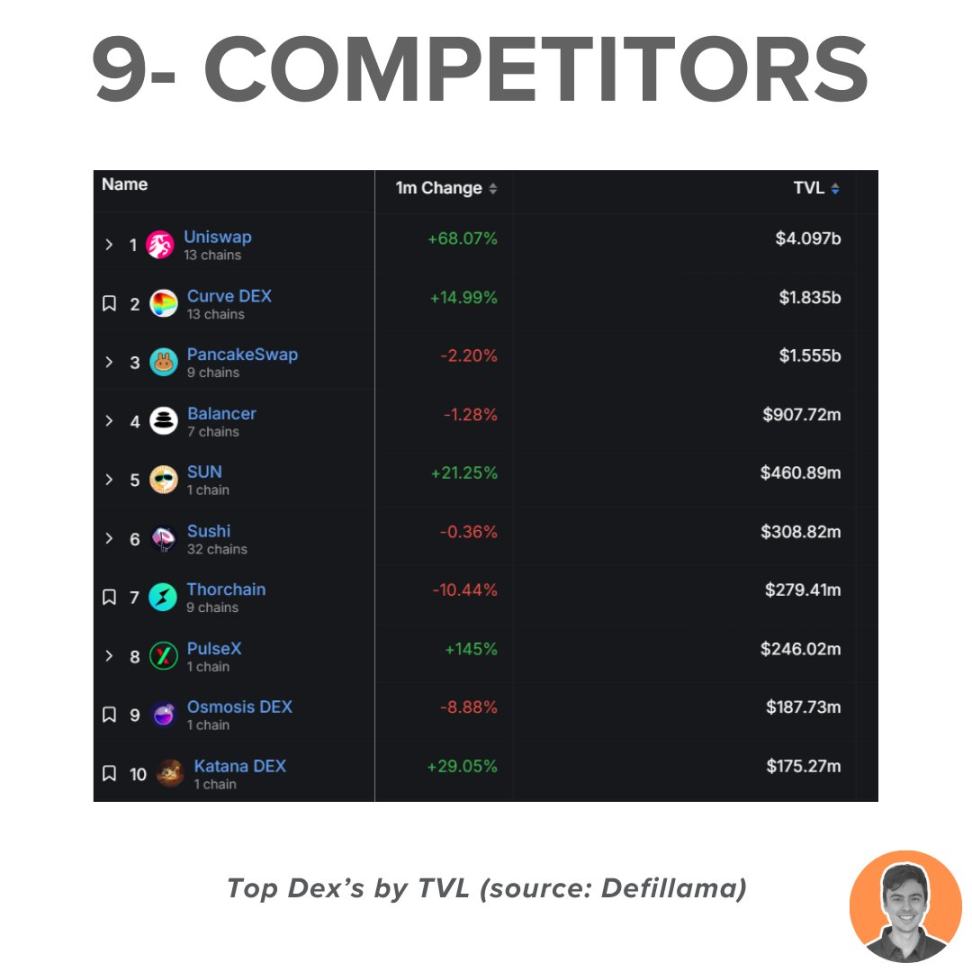
Balancer 是一个著名的 DEX,与其他几个平台竞争,包括 Uniswap、Curve、PancakeSwap、Sushi 和 Thorchain。


然而,Balancer 将自己定位为新项目的最佳 AMM 和技术堆栈,可用于快速扩展和构建。


10.风险与审计


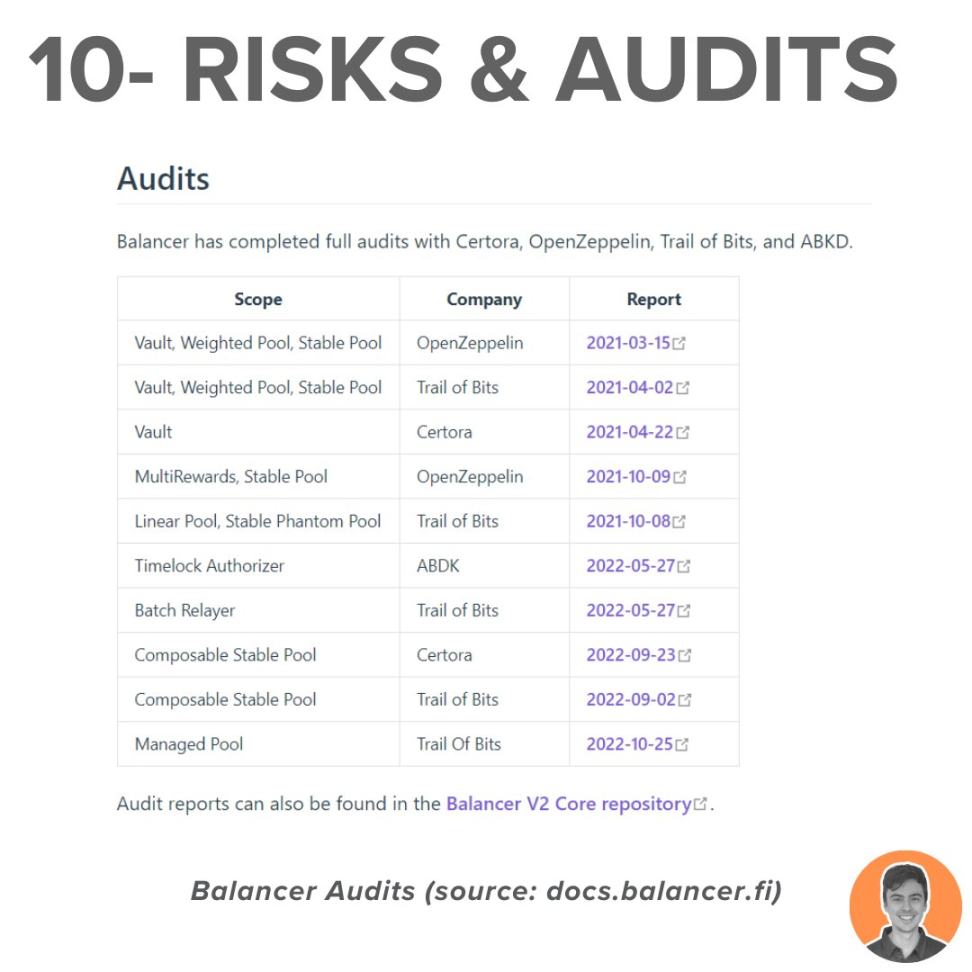
2023 年,Balancer 经历了两次重大漏洞,其中一个影响了 V2 池,而另一个则涉及前端攻击。


值得注意的是,Balancer 经过了多次审计,并推出了大额漏洞赏金计划(最高 100 万美元)。


11.总结


Balancer 正在低调发展,该团队不断开发创新且实用的产品,即将到来的催化剂包括:


  • Balancer V3 升级;
  • LST 和稳定币收益的增长;
  • 治理代币经济学——ve80/20 流动性池;


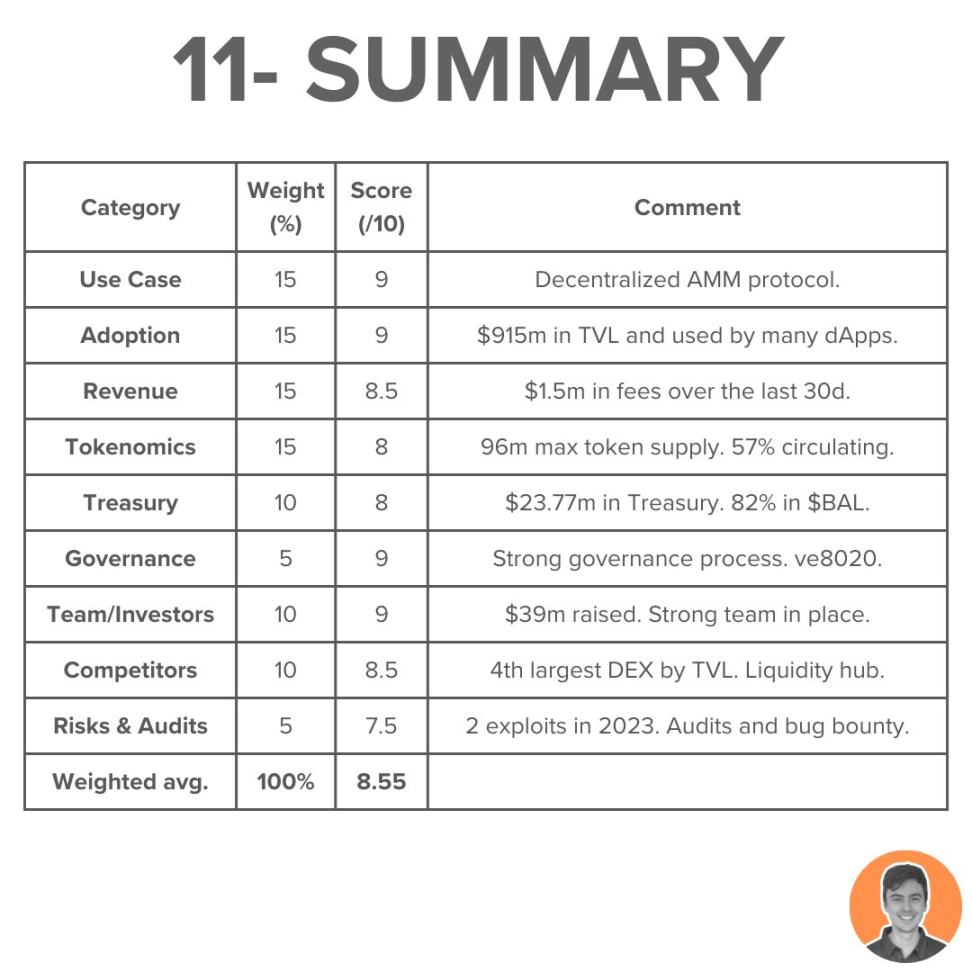
总加权分数= 8.55


Letture associate

How Does Codex Use a Computer? Three Entry Points and Permission Boundaries

This article explains the three primary methods for Codex to interact with a computer, each with distinct use cases, permission boundaries, and trust levels. **1. Computer Use:** This offers the broadest access, allowing Codex to visually control and interact with the graphical user interface of authorized macOS/Windows apps, system settings, and even iOS simulators. It's ideal for tasks lacking APIs or structured tools, such as operating legacy software or multi-app workflows. However, it's the slowest method and has the widest permission scope, requiring careful supervision for sensitive actions. **2. Chrome Extension:** This grants Codex access to the user's logged-in Chrome browser state, including cookies, profiles, and open tabs. It's best for tasks requiring user identity across websites like Gmail, LinkedIn, Salesforce, or internal dashboards. Its key advantage is multi-tab control for complex workflows. While more powerful for browser-based tasks than Computer Use, it carries higher sensitivity as actions are performed under the user's identity. **3. In-App Browser:** This is a browser isolated within the Codex thread, separate from the user's personal browsing data. It excels in web development and debugging scenarios—previewing local servers, testing responsive layouts, or annotating designs directly on the page. Its isolation is a strength for development but a limitation for tasks requiring login sessions. The core principle is to choose the narrowest, safest, and most structured interface for the task. Use plugins or MCPs first, resort to visual control (Computer Use) only for GUI-dependent tasks, employ the Chrome extension for identity-reliant browser work, and prefer the In-App Browser for isolated development. **Appshots** are clarified as a fourth, complementary tool for *inputting* context—capturing a screenshot of a window to point Codex to something—rather than a method for Codex to *act*. Together, this layered approach highlights a key to AI agent productization: not granting unlimited permissions, but constraining them within clear boundaries for specific tasks while preserving user oversight.

marsbit1 h fa

How Does Codex Use a Computer? Three Entry Points and Permission Boundaries

marsbit1 h fa

The "Iron Rule" of Chip Equipment Is Being Broken

For years, the semiconductor equipment industry followed an unwritten "iron rule": suppliers offered steep discounts for new tool introductions (Design-in) and faced consistent price pressure during repeat orders, especially during market downturns. This long-standing buyer's market dynamic is now being upended. Recently, SK Hynix's primary equipment suppliers have reportedly requested a 3-4% price *increase*, a nearly unprecedented move. This shift is driven by a severe supply-demand imbalance fueled by the AI compute boom. Securing equipment has become an urgent arms race as chipmakers' expansion speed dictates their ability to fulfill massive AI chip orders. Key areas feeling the strain include: **TCB (Thermal Compression Bonding) Equipment:** Demand is exploding, driven by the simultaneous needs of HBM4 memory stacking, AI chip Chip-on-Substrate (C2S), and logic Chiplet Chip-on-Wafer (C2W) packaging. Players like Hanmi Semiconductor, Hanwha Semitech, and ASMPT are receiving major orders. While hybrid bonding is seen as the future, TCB remains the pragmatic choice for HBM4 mass production, with its lifecycle extended by relaxed specifications and ongoing technological upgrades. **Test Equipment Bottlenecks:** Ironically, AI-driven shortages are now crippling test equipment manufacturing. Critical components like FPGAs, Driver ICs, and CPUs face severe shortages and extended lead times (up to 52 weeks for FPGAs), as AI data center and server vendors prioritize supply. This creates a paradoxical cycle: AI chip shortages drive fab expansion, which requires more test equipment, whose production is delayed because its key parts are diverted to make AI chips. The industry is entering a broad, AI-powered upcycle. SEMI forecasts global semiconductor equipment sales to hit a record $156 billion by 2027, fueled by investment in advanced logic/foundry, HBM-driven DRAM, and advanced packaging (like CoWoS). Major players like TSMC, SK Hynix, and Micron are aggressively ramping capital expenditure. In conclusion, leading equipment vendors are no longer just selling tools; they are selling the critical capability to deliver AI-era capacity. Pricing power is shifting decisively to those with indispensable technology in key process nodes like advanced logic, HBM, and advanced packaging, rewriting the industry's traditional power structure.

marsbit1 h fa

The "Iron Rule" of Chip Equipment Is Being Broken

marsbit1 h fa

Trading

Spot
Futures
活动图片