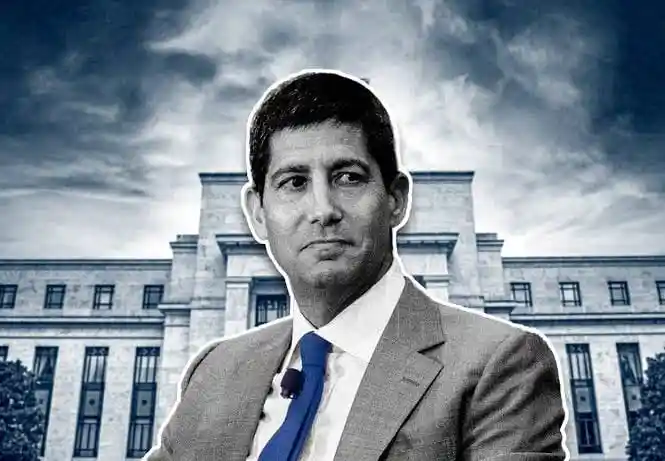
加密行业下颗雷?Silvergate亏到发不出年报,美国监管机构很担忧

智通财经Pubblicato 2023-03-03Pubblicato ultima volta 2023-03-03

Introduzione

Silvergate Capital周三表示,它需要更多时间来评估去年加密货币崩盘对其财务造成的损害程度,包括它是否能够继续生存。这引起了美国监管机构的严肃审视。

Silvergate Capital(SI.US)周三表示,它需要更多时间来评估去年加密货币崩盘对其财务造成的损害程度,包括它是否能够继续生存。这引起了美国监管机构的严肃审视。截至发稿,该股盘前跌超30%。

”“

Silvergate面临资本不足困境,遭监管机构调查

”“

Silvergate表示,将不得不推迟提交2022财年的年度10-K报告,并且还需要两周以上的时间才能完成。这家对加密货币友好的银行的股价周四盘前暴跌33%。

”“

该公司文件称:“公司目前正在分析有关公司的某些监管和其他未决询问和调查。”Silvergate的会计师事务所及其独立审计师也要求提供更多信息。在“前瞻性陈述”部分,Silvergate还暗示监管审查。

”“

Silvergate在文件中写道:“存在或将有重要因素可能导致公司的实际结果与这些前瞻性陈述中指出的结果存在重大差异,包括但不限于......对公司业务的限制,导致针对或与公司有关的各种诉讼(包括私人诉讼)以及监管和其他质询和调查、银行业监管机构的调查、国会质询和美国司法部的调查。”Silvergate补充说,这些事件的影响可能会影响公司“持续经营”的能力。

”“

该公司仍在计算快速出售资产以偿还联邦住房贷款银行系统(Federal Home Loan Bank System)的预付款。其可能还需要减记一些剩余资产的价值。根据 Silvergate 之前公布的第四季财报,为因应加密货币市场的震荡和用户大额提款,Silvergate 出售了 52 亿美元的债券以换取现金流,进而导致 Q4 证券及相关衍生品的出售亏损 7.18 亿美元。该公司此前已公布第四季度亏损10亿美元,称这一数字可能还会攀升。

”“

Silvergate在一份监管文件中写道,这可能导致“资本不足,公司正在评估这些后续事件对其持续经营能力的影响。”一家拥有联邦保险存款和超过110亿美元资产的银行承认资本不足的事实,将加剧美国立法者和监管机构关于银行是否能够管理与数字资产相关风险的辩论。几个月来,美国当局一直在竞相切断银行与高风险加密企业之间的联系,担心金融体系有朝一日可能遭受严重损失。

”“

此前一段时间,Silvergate以一种看似新颖的经营方式让股东们兴奋不已:从加密风险企业吸收现金存款,投资于更保守的证券。但去年11月,当Sam Bankman-Fried的FTX帝国倒闭时,该银行的客户集体撤资以抵御风暴,迫使该行亏本抛售所持资产。

”“

哥伦比亚大学里奇曼商业、法律和公共政策中心高级研究员Todd Baker称:“这证实了许多监管机构的担忧。如果这家银行倒闭了,它将被当作一个例子,以说明为什么银行在与加密公司打交道时应该极其保守。”

“”

Baker表示,即使这种情况没有发生,Silvergate的阵痛也会让监管机构更加谨慎。

“”

监管机构狙击加密活动

“”

事实上,美国监管机构的打击行动已经开始。1月初,美国三大金融监管机构——美联储、美国货币监理署和联邦存款保险公司——向银行发出了明确警告,称不应让无法控制的加密相关风险影响银行系统。

“”

1月晚些时候,美联储又发表了一份政策声明,拒绝了加密货币公司Custodia Bank Inc.获得美联储支付系统使用权的请求。上个月,媒体报道称,全球最大的加密货币交易所币安正在考虑是否在更严格的监管制度下结束与美国合作伙伴的关系。与此同时,美国证券交易委员会(SEC)瞄准了稳定币发行人和所谓的质押(staking),即通过持有代币产生收益的做法。

“”

Silvergate更深地卷入了美国的政策辩论。1月初,该公司披露,在出售数十亿美元资产支付储户取款之后,它正在稳定自己的资产负债表。截至去年年底,该公司持有43亿美元的联邦住房贷款银行短期垫款,这一项目最初是美国总统胡佛为支持抵押贷款而设立的。

“”

该银行周三称,为了偿还这些预付款,它在1月和2月出售了更多证券,这可能会加剧其损失。旧金山联邦住房贷款银行周三在一份声明中表示:“所有预付款在未偿还时都得到了全额抵押。”

“”

Silvergate困境余波未完

“”

Silvergate股价去年暴跌超过88%,首先是因为加密货币价格下跌,后来是FTX崩盘。从那时起,该公司股价就像坐过山车一样,一度在一天内波动超过50%,因为投资者难以衡量该公司的复苏前景。

“”

1月中旬,随着该公司概述了继续前进的步骤,股价上涨。但在月底,一个由美国两党参议员组成的小组指责Silvergate在与FTX和Sam Bankman-Fried旗下投资部门Alameda Research的关系上“闪烁其词”。几天后,媒体爆出消息称,美国司法部的欺诈部门正在调查该银行与FTX和Alameda的交易。

“”

近期根据MarketWatch的资料显示,Silvergate仍被持续放空,空头指标SI(short-Interest) 维持在高点 71.30%,表示有七成的股票被借券拿去放空。

“”

周三,Silvergate列出了可能最终影响财务业绩的因素,包括司法部的调查和监管审查的加强。它在加密市场的影响,以及更广泛的监管打击,也可能使寻找接盘人的努力复杂化。

“”

反过来,该银行的问题可能会对加密货币产生影响。数字资产管理公司Wave Financial去中心化金融主管Henry Elder表示,比特币目前的困境将使其他银行更不愿意与加密风险企业合作,从而对该行业产生寒意。Financial称:“他们是加密银行。在情况变得更加明朗之前,你肯定不会看到任何人成为加密银行。”

Letture associate

Silicon Valley VC's On-the-Ground Observations of Chinese Entrepreneurship: A Harsher Capital Environment Breeding Fiercer Companies

A Silicon Valley VC's on-the-ground observations of China's startup ecosystem reveal a harsher capital environment forging more aggressive and execution-driven companies. Unlike Silicon Valley's patient capital focused on long-term growth, China's venture landscape is characterized by intense pressure for exits. Startups often face "equity in name, debt in reality" terms with strict timelines and personal founder liability, pushing IPO as the nearly mandatory exit path due to a virtually non-existent M&A market. This high-stakes system, while potentially fostering short-termism, cultivates extreme cost discipline, rapid execution, and formidable commercialization skills—traits evident as these companies expand overseas. The funding ecosystem comprises three main pools: local RMB funds (often government-backed with economic development mandates), domestic USD funds (more founder-friendly, like Sequoia China), and dwindling direct foreign capital. Financial Advisors (FAs) play a crucial intermediary role, packaging deals and navigating China's opaque, relationship-based business networks where platforms like LinkedIn haven't taken root. Underpinning it all is significant state influence through industrial policy, directing capital and incentives toward strategic sectors like semiconductors and AI. The result is a distinct, parallel innovation model—less forgiving than Silicon Valley's, but capable of concentrating resources, accelerating iteration, and producing fiercely competitive companies in targeted industries.

marsbit4 min fa

Silicon Valley VC's On-the-Ground Observations of Chinese Entrepreneurship: A Harsher Capital Environment Breeding Fiercer Companies

marsbit4 min fa

SharpLink's Helm: Buying Only, Never Selling, Making ETH Generate Profits Through the Cold Winter

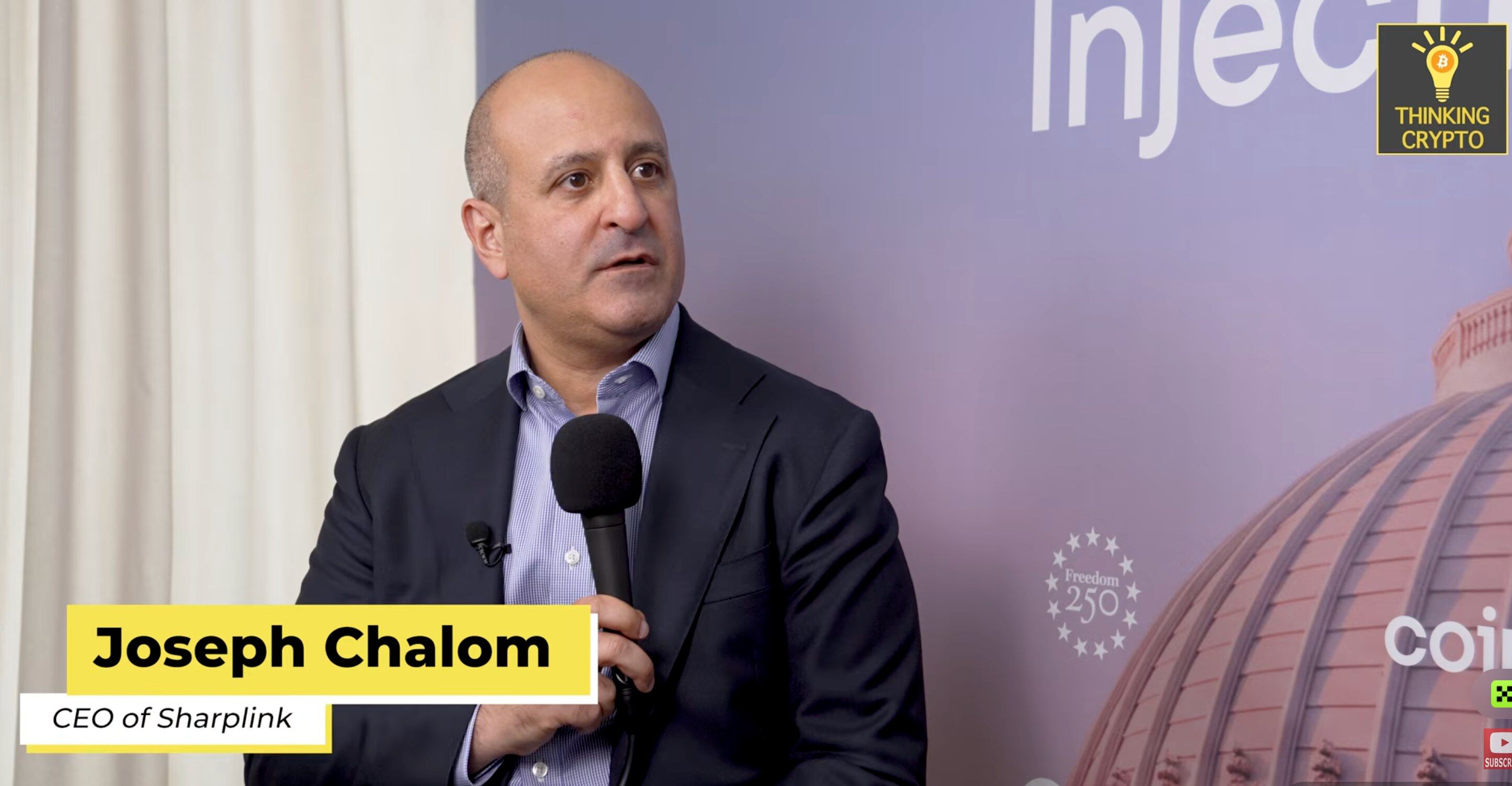
SharpLink co-CEO Joseph Chalom shares his bullish outlook on Ethereum during the recent "Injective Summit 2026." Despite prevailing negative market sentiment, Chalom argues that fundamentals and data tell a different story: Ethereum dominates with over 50% of stablecoin transaction volume, nearly 60% of tokenized real-world assets (RWA), and remains the uncontested leader in DeFi. He attributes the communication gap and lack of confidence partly to the Ethereum Foundation's restructuring. In response, SharpLink, alongside ConsenSys and Bitmain, is funding three key spin-off teams from the Foundation: ETH Labs (for institutional-scale scalability), Ethereum Institutional (for business development and marketing), and EthSystems (for next-gen privacy and compliance solutions). Chalom emphasizes these are critical for accelerating institutional adoption. Regarding SharpLink's strategy, Chalom details a conservative, yield-focused approach. The firm holds 886,725 ETH, acquired with zero leverage or debt. They generate revenue by staking ETH and strategically deploying capital into DeFi protocols via a dedicated fund, aiming for returns above the native staking yield. This contrasts with some Bitcoin-focused firms that have become net sellers. On the broader institutional adoption of tokenization, Chalom sees current progress as just the beginning. He breaks it down into layers: stablecoins as the currency/value layer, tokenized assets as the exposure layer, and DeFi as the execution layer. He predicts regulatory clarity, like the potential Clarity Act, will be a major catalyst. A key future inflection point will be when fiduciary managers prefer tokenized, 24/7 tradable digital assets over traditional "analog" versions due to their programmability and instant settlement. In conclusion, Chalom positions SharpLink not just as an ETH accumulator and yield generator, but as an active "ecosystem steward," funding essential development and marketing initiatives to support Ethereum's long-term growth, which he believes is directly aligned with shareholder interests.

Odaily星球日报4 min fa

SharpLink's Helm: Buying Only, Never Selling, Making ETH Generate Profits Through the Cold Winter

Odaily星球日报4 min fa

Ten European Banks Launch Blockchain Initiative RL1

On July 28, 2026, ten European financial institutions launched the Regulated Layer One (RL1) initiative. This open, neutral, and compliance-focused blockchain network is specialized for institutional digital asset operations. The founding members include ABN AMRO, Cecabank, Chartered Investment, Crédit Mutuel Alliance Fédérale, DekaBank, DZ BANK, LBBW, Natixis CIB, SC Ventures, and Seturion, formed as a European cooperative society (SCE) and led by Henning Voelkel, former head of SWIAT. The network is open to new participants, with NatWest currently in discussions to join. RL1 is built on the SWIAT blockchain, which will remain its software and services provider. The underlying SWIAT network, operational for three years, has processed 50 transactions totaling €700 million. The initiative is described as a collective European effort to create a foundation for a shared, openly and trustworthily managed distributed ledger. Its primary goal is to overcome fragmentation in the regulated financial sector by establishing a neutral, participant-owned, pan-European DLT infrastructure for tokenized assets, digital money, and next-generation financial services. The move responds to growing EU demand for scalable real-world asset (RWA) infrastructure, evidenced by projects like Pontes and Appia. This launch aligns with broader sector growth expectations, including Standard Chartered's forecast for DeFi and RWA market capitalization to reach $2 trillion.

cryptonews.ru10 min fa

Ten European Banks Launch Blockchain Initiative RL1

cryptonews.ru10 min fa

Losing the "Anchor": Walsh's Minimalist Communication is Forcing the Market to Price Itself

Losing the "Anchor": Walsh's Minimalist Communication Forces Markets to Self-Price The probability of a rate hike priced into the market ahead of the Thursday meeting is unusually high at 40%. This stems from the new framework under Chairman Walsh, characterized by "data dependence and low communication." Since taking office, Walsh has implemented reforms: drastically shortening statements, removing traditional forward guidance, and emphasizing that statements only provide facts. He has also established working groups to review practices and strongly reiterated a commitment to price stability amid prolonged high inflation. Walsh does not submit a personal dot-plot forecast, urging markets to price based on their own data interpretation rather than reflecting Fed signals. This has removed the traditional "anchor," forcing markets to independently price in the possibility of sudden action in a truly data-driven environment. Consequently, short-term rate volatility and tail risk premiums have increased, as markets pay for protection against a potential sudden hike to reinforce anti-inflation credibility. Specific catalysts supporting this uncertainty include: 1) Iran-related tensions and volatile energy prices raising inflation tail risks, and 2) The new chairman's potential need to establish his anti-inflation credibility with an early, decisive move. In essence, the 40% hike probability reflects the market pricing protection for tail risks under Walsh's new low-guidance framework, compounded by geopolitical and data uncertainties, rather than treating a hike as the base case. The outcome will signal how this new communication paradigm shapes market adaptation. If rates are held steady, focus will shift to September. An unexpected hike would reinforce the "data and credibility first" narrative, prompting a repricing for higher-for-longer rates and tighter financial conditions.

marsbit14 min fa

Losing the "Anchor": Walsh's Minimalist Communication is Forcing the Market to Price Itself

marsbit14 min fa

Trading

Spot
活动图片