From OpenSea to OpenRouter: The Business Strategy of a Serial Entrepreneur in 'Aggregation'

比推Dipublikasikan tanggal 2026-03-13Terakhir diperbarui pada 2026-03-13

Abstrak

From OpenSea to OpenRouter: The "Aggregation" Playbook of a Serial Entrepreneur Alex Atallah, co-founder of OpenSea (the largest NFT marketplace, once valued at $13 billion), left at the NFT market's height before its collapse. He has now founded OpenRouter, an AI model aggregation platform that unifies API access to over 500 models (including Claude, GPT, and DeepSeek) and charges a 5% fee on transactions. OpenRouter simplifies developer access by providing a single interface, avoiding the complexity of dealing with multiple providers, separate registrations, and API inconsistencies. Its growth has been rapid: monthly transaction volume surged from $800,000 in October 2024 to $8 million by May 2025, with annual processed value exceeding $100 million. The company, recently valued at $500 million after a $40 million funding round led by a16z, benefits from the AI boom and tools like OpenClaw, which uses OpenRouter as a default provider. Atallah’s strategy remains consistent: he doesn’t bet on which specific asset or model will succeed but instead positions himself as the essential intermediary in fragmented market—aggregating supply and capturing value through transaction fees. His approach highlights the power of building platforms that become critical infrastructure, regardless of which trend emerges next.

Author: David, Deep Tide TechFlow

Original Title: The Person Who Exited at the Peak of NFTs Is Now the Most Hidden Winner Behind OpenClaw


OpenClaw is trending, but the one quietly making money in this wave is a company you might not have heard of:

OpenRouter.

To use OpenClaw, you need to connect various AI models to get things done. Claude, GPT, DeepSeek—each has its own pricing and interfaces. What OpenRouter does is bundle these models together. You use them through OpenRouter, and it profits from the margin.

The person behind this business is Alex Atallah. His company just raised $40 million led by a16z, and it's now valued at $500 million.
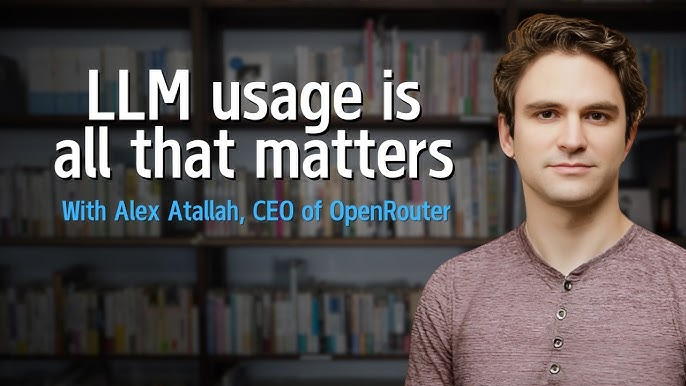
What you might not know is that his previous company was OpenSea, the world's largest NFT marketplace, which once reached a valuation of over $13 billion at its peak.

However, he chose to exit at the height of the NFT craze. A few months later, the NFT market crashed.

Now, he's making money again in the AI boom.

From Liquidity Aggregation to Large Model Aggregation

Alex Atallah, a Stanford computer science graduate.

In 2018, he co-founded OpenSea with Devin Finzer. The idea was simple: others mint NFTs, and they provide a platform for buying and selling, taking a 2.5% cut from each transaction.

OpenSea doesn't produce NFTs or speculate on them; it just provides shelves and aggregates liquidity.

When the NFT craze hit in 2021, breakout projects like Bored Ape Yacht Club became cultural phenomena. At its peak, OpenSea's monthly trading volume exceeded $5 billion. Forbes estimated that he and Finzer had a combined net worth of $2.2 billion.
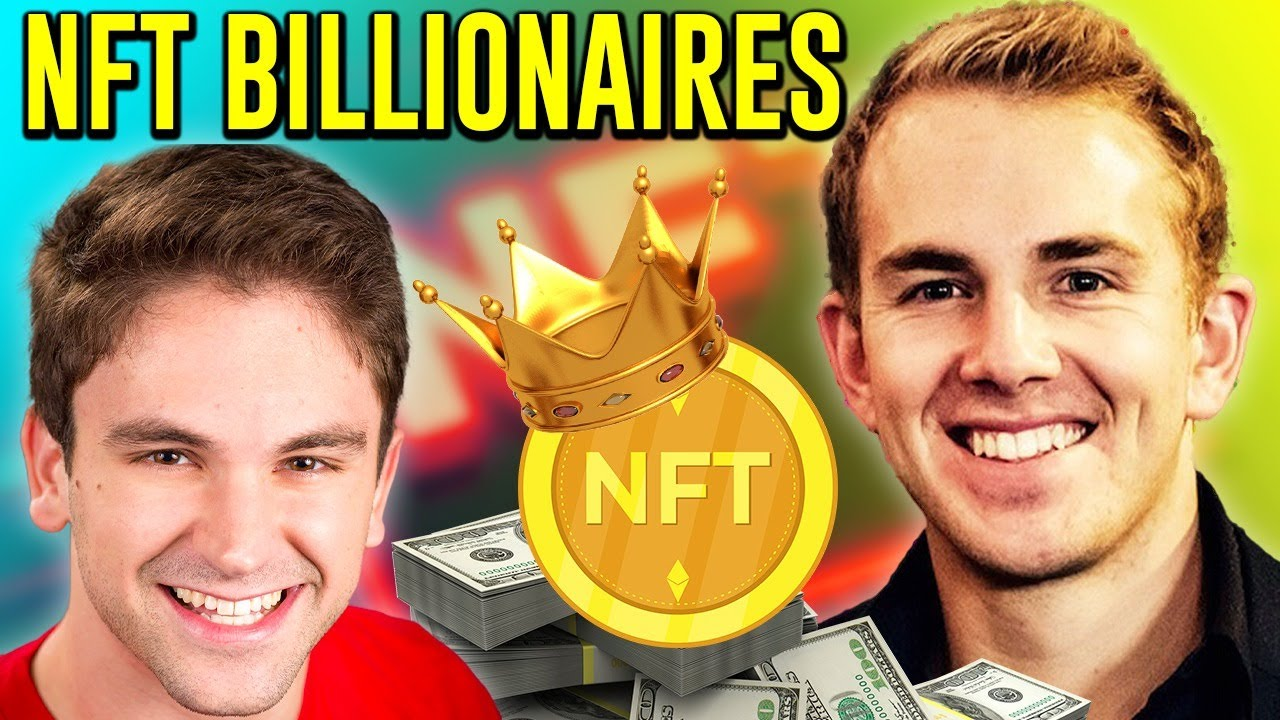
In July 2022, he stepped down as CTO, saying he wanted to work on something new.

What happened next is well-known: NFTs crashed, the market entered a deep freeze, and OpenSea's business was in shambles. However, while the feast had its losers, Alex left before the music stopped.

In 2023, he started working on something called OpenRouter. In a nutshell:

It's an aggregation and routing platform for large models, putting hundreds of model APIs behind a single interface. Developers call them through OpenRouter, which takes a 5% fee.

You might ask, why not just go directly to OpenAI or Anthropic to call Claude or GPT?

Of course, you can.

But nowadays, no one uses just one model. You might use Claude for coding, Gemini for research, and delegate cost-effective tasks to DeepSeek. Each requires separate registration, top-ups, and has different interface formats...

Not to mention that many users who want to use Claude or GPT can't directly access their APIs from within China.

Thus, OpenRouter becomes the path of least resistance. One interface, over 500 models, unified format, automatic switching—one key to rule them all.

You might not have noticed while using OpenClaw, but the default provider (API provider) in the configuration file was OpenRouter.
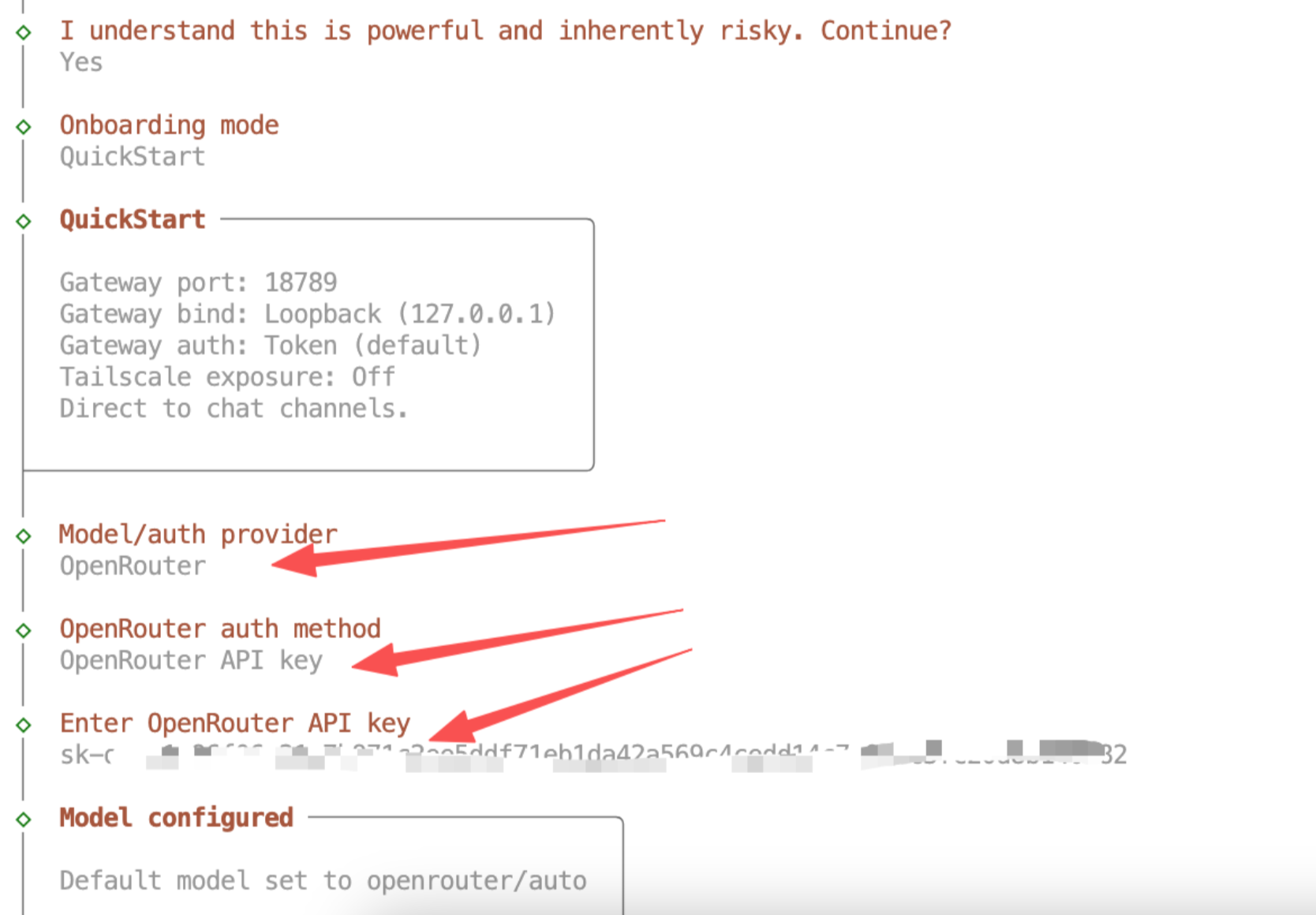
Image source: Zhihu user Feng控炼丹师

When you call Claude or DeepSeek, the request goes to OpenRouter first, then is forwarded to the model provider. Even OpenClaw's documentation states:

If the system doesn't recognize your API key format, it defaults to OpenRouter.

How fast is this business growing?

In October 2024, the amount of money flowing through OpenRouter monthly was $800,000. By May 2025, that number had grown to $8 million.

Seven months, tenfold growth.

Over a year, more than $100 million passed through his hands. He takes a 5% cut, netting $5 million, with a team of fewer than ten people.
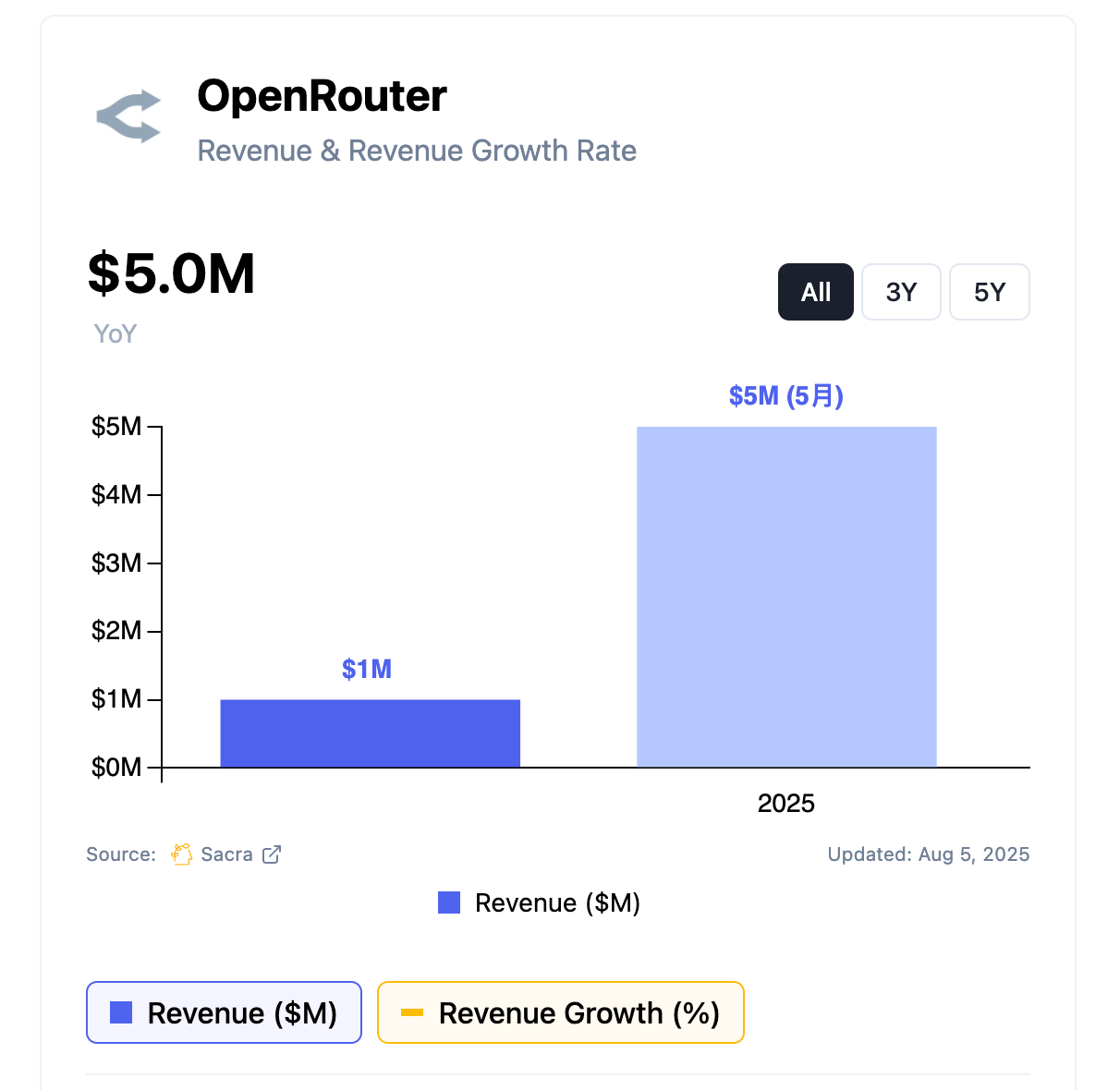
Image source: sacra.com

a16z used his data to write an industry report titled "The State of AI: 100 Trillion Tokens"; Stripe customized a billing system specifically for him.

And with the explosion of OpenClaw this year, more developers and enthusiasts are pouring in, finding creative ways to burn tokens, inevitably needing to call various large models. This has completely fueled OpenRouter's business.

Moreover, a16z led an investment round in the company, valuing it at $500 million.

A seller of shovels has once again become a seller of shovels.

Different Hotspots, Same Model

If you look closely at Alex's two businesses, their structures are actually the same.

OpenSea's business was not minting NFTs but putting others' minted NFTs in one place. Buyers and sellers come to trade, and it takes a 2.5% cut. OpenRouter's business is not training models but putting others' trained models in one place. Developers come to call them, and it takes a 5% cut.

This approach seems to be his comfort zone. Whether it's NFTs or AI, the market structures share very similar characteristics:

The supply side is extremely fragmented, and demand-side buyers don't know where to find the supply. He stands in the middle as the shelf.

How fragmented were NFTs in 2021? Dozens of chains, hundreds of projects, tens of thousands of new collections every day. If you wanted to buy a Bored Ape, you couldn't check each project's website one by one. OpenSea aggregated them; you came to browse and buy, and sellers offered them to you.

How fragmented are large models in 2025? OpenAI, Anthropic, Google, Meta, DeepSeek, Mistral, 01.AI... Dozens of mainstream ones, plus hundreds from the open-source community.

Today, Claude might be best for coding; tomorrow, a new version of Gemini might be stronger for search; the day after, DeepSeek might halve its prices. Each switch requires changing the interface.

Atallah himself once said something that explains this logic very clearly:

"OpenSea brought very fragmented inventory together in one place. AI today looks very similar to that."
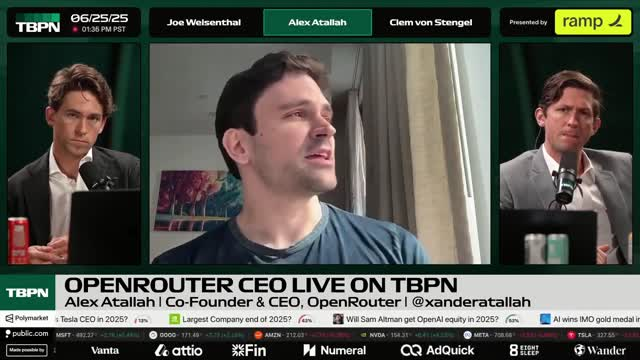
He doesn't need to know which NFT will rise or which model will win. He only needs to know one thing: the more fragmented the supply, the more valuable the middleman.

Moreover, the timing is interesting.

When he left in July 2022, OpenSea's valuation was still high. Although monthly NFT trading volume had fallen from its peak, no one thought it would crash. He said he wanted to "build something new from scratch." Half a year later, ChatGPT was released, and the era of large models began.

Did he see something, or was it just good luck?

I don't know. But one thing is certain:

When he registered OpenRouter in early 2023, AI large model routing products barely existed in the market. By the time everyone realized the need for a unified interface, he was already there.

Last time, he did the same thing in the NFT space. By the time everyone crowded in, he was already the largest platform.

Does It Matter If AI Is Hot?

In every wave of hype, most people ask: What will be hot?

In 2021, it was which NFT would rise; in 2024, which meme coin would 100x; in 2025, which AI application would break out; in 2026, what can be done with crayfish.

Atallah probably asks a different question. I think his thought process is: No matter what becomes hot, where will the money flow?

These two questions seem similar but are actually completely different bets.

Betting on "what will be hot," you need to guess right once. Bored Ape will rise, PEPE will 100x, some AI product will be the next ChatGPT. Guess right and get rich; guess wrong and go to zero. Most people experience the latter.

Betting on "where the money flows," you don't need to guess any single winner correctly. If NFTs rise, transactions happen on OpenSea, and he collects fees. The more fierce the AI model war, the more developers need a unified interface to switch between them, and the busier OpenRouter becomes.

Don't bet on who wins; bet that the battle will be long.

Looking back, those who make the most money in every cycle, in any industry, are usually platforms in this position.

Gold rushers come and go, but the water sellers keep collecting money.

But I think simply saying "selling water" or "selling shovels" isn't enough. Many shovel sellers have also failed. Atallah did something more specific right: he consistently positioned himself at the aggregation point.

Not just any tool can collect tolls. You need to be the one who consolidates fragmented supply. The more fragmented the supply and the higher the switching costs, the more pricing power the aggregation layer in the middle has.

This also explains why he entered both markets so early. Because aggregation businesses have one characteristic:

The first mover signs up the supply, making it hard for others to catch up.

So, Atallah's exceptional skill, I summarize in two sentences:

First, don't guess who will win; find the crossroads everyone must pass through. Second, build the road before others even realize they need a crossroads.

Exceptional People Never Choose the Table

Right now, I feel two voices are particularly loud.

One says AI Agents are toys; installing OpenClaw is useless except for burning tokens. The other says this is just another wave of AI hype, and no one will remember it in three months.

Both views might be right.

But for someone like Alex Atallah, it doesn't really matter.

Whether OpenClaw is useful or not, he's making money. If you think crayfish are boring and uninstall it today, the tokens you burned these two weeks have already passed through his hands.

Some think NFTs are dirty, a Ponzi scheme, a scam. He built a company valued at $13.3 billion on it. Some think AI Agents are a bubble, hype, with no business model. He built a company valued at $500 million on it...

Exceptional people probably don't need us to look down on the fields they're in.

He made money at the NFT table. He's making money again at the AI table. No one knows what the next table will be.

But I guess he'll still be at the door collecting tickets.


Twitter:https://twitter.com/BitpushNewsCN

Bitpush TG Discussion Group:https://t.me/BitPushCommunity

Bitpush TG Subscription: https://t.me/bitpush

Original article link:https://www.bitpush.news/articles/7619501

Pertanyaan Terkait

QWho is the founder of both OpenSea and OpenRouter, and what is his background?

AAlex Atallah, a Stanford computer science graduate, is the co-founder of OpenSea and the founder of OpenRouter.

QWhat is the core business model of OpenRouter, and how does it generate revenue?

AOpenRouter aggregates hundreds of AI models into a single API interface, allowing developers to access them uniformly. It charges a 5% fee on each API call made through its platform.

QHow did Alex Atallah's timing in leaving OpenSea and starting OpenRouter prove advantageous?

AHe left OpenSea at its peak in July 2022, just before the NFT market crashed, and started OpenRouter early in 2023, positioning it as a key aggregator before the AI model market became crowded.

QWhat key market condition does Alex Atallah's business strategy rely on for success?

AHis strategy relies on highly fragmented supply in a market, where both providers and users benefit from a centralized aggregator that reduces complexity and switching costs, giving the middle layer pricing power.

QWhat was OpenRouter's growth in transaction volume from October 2024 to May 2025?

AOpenRouter's monthly transaction volume grew from $800,000 in October 2024 to $8 million in May 2025, a tenfold increase in seven months.

Bacaan Terkait

Tiga Bulan 35 Miliar, Investor Berebut OpenAI Dunia Fisik

Momen akrab itu terulang kembali. Dalam tiga bulan, Jijia Shijie (极佳视界) telah merampungkan tiga putaran pendanaan, mengumpulkan total 35 miliar RMB. Para investor, mulai dari dana 'tim nasional', modal industri, hingga lembaga keuangan ternama, berbaris mendukung. Didirikan oleh Dr. Huang Guan, seorang doktor lulusan Tsinghua berusia 90-an dengan pengalaman di bidang AI fisik, visi Jijia Shijie adalah mencapai AGI Fisik (Kecerdasan Umum Buatan di Dunia Fisik). Mereka mengatasi tantangan utama seperti fragmentasi data dan keterbatasan model bahasa dengan membangun sistem "Piramida Ganda" yang terdiri dari algoritma dan data. Inti teknologinya adalah sistem model "Generasi Dunia-Tindakan". Model tindakan (seperti GigaBrain-0 dan GigaWorld-Policy) mengubah pemahaman dunia menjadi strategi aksi untuk robot, meraih peringkat tertinggi dalam berbagai benchmark global. Model generasi dunia (seperti GigaWorld-1 dan DriveDreamer) memahami dan mensimulasikan dunia fisik, menyediakan data dan dasar simulasi. Keduanya saling melengkapi untuk mendorong AGI Fisik menuju "momen GPT-3"-nya. Jijia Shijie tidak hanya berfokus pada riset. Mereka mengejar realisasi nilai industri melalui dua jalur: masuk ke rumah (sektor C) dan pabrik (sektor B). Untuk sektor C, mereka meluncurkan merek "ShiGuang SeeLight" dan robot humanoid serbaguna "S1", yang telah mendapatkan pesanan nyata dan akan mulai dioperasikan secara komersial. Di sektor B, mereka bekerja sama dengan perusahaan industri seperti FAW Mold dan Longsheng Technology untuk menyebarkan ribuan robot serbaguna dalam skenario manufaktur, menandai dimulainya produksi massal. Model dunia mengemudi DriveDreamer mereka juga telah digunakan oleh lebih dari 30 perusahaan otomotif dan otonom terkemuka. Dengan pendekatan "penggerak ganda" ini, Jijia Shijie bertujuan untuk mengumpulkan data dunia nyata yang berharga dan arus kas, yang selanjutnya akan memberi makan sistem piramida data mereka, menciptakan siklus pertumbuhan yang berkelanjutan. Mereka membayangkan masa depan di mana AGI Fisik, dengan kemampuannya untuk memahami dan bertindak dalam dunia nyata, tidak hanya meningkatkan efisiensi informasi tetapi juga secara mendalam membentuk kembali produksi dan gaya hidup, akhirnya melayani setiap rumah tangga.

marsbit5m yang lalu

Tiga Bulan 35 Miliar, Investor Berebut OpenAI Dunia Fisik

marsbit5m yang lalu

Apa Hubungannya Huang Zheng, Pendiri Pinduoduo, dengan Blockchain?

Menurut artikel ini, pendiri Pinduoduo, Huang Zheng, memandang bisnis inti platformnya sebagai "asuransi terbalik" yang berhubungan dengan ketidakpastian. Argumen utamanya adalah bahwa dalam kapitalisme tradisional, orang kaya mengumpulkan kekayaan dengan menanggung ketidakpastian (seperti risiko finansial) yang tak tertanggungkan bagi orang biasa, yang kemudian membayar premi (seperti melalui tabungan rendah bunga atau membeli produk mahal demi kepastian) untuk mengalihkan risiko tersebut. Uang mengalir dari bawah ke atas. Pinduoduo berusaha "membalikkan" aliran ini. Melalui fitur seperti "pembelian kelompok" dan penawaran waktu terbatas, platform ini mengumpulkan banyak niat pembelian yang tersebar menjadi permintaan agregat yang pasti dan besar dalam waktu singkat. Kepastian permintaan massal ini memungkinkan pabrik mengurangi risiko kelebihan produksi dan menurunkan harga, sehingga mengembalikan sebagian nilai (dalam bentuk diskon) ke konsumen. Namun, tantangan utama adalah janji atau niat beli individu tidak berharga karena mudah dibatalkan tanpa konsekuensi. Di sinilah kaitannya dengan blockchain muncul. Huang Zheng bertanya-tanya apakah teknologi blockchain, dengan kontrak pintar dan sifat terdesentralisasi, bisa menjadi solusi untuk membuat komitmen individu menjadi terikat, dapat dipercaya, dan dapat diberi harga. Kontrak pintar dapat mengunci janji beli dengan jaminan keuangan, sehingga pembatalan akan dikenakan penalti. Ini mengubah "keinginan membeli" menjadi janji yang dapat ditegakkan, memberikan kepastian yang dapat dipercaya pabrik tanpa perantara. Artikel tersebut juga menarik paralel dengan Bitcoin, menyebutkan dua jalan menciptakan kepastian: 1) **Jalan Pinduoduo**: mengumpulkan keinginan tersebar menjadi skala besar untuk menghilangkan ketidakpastian. 2) **Jalan Bitcoin**: mengunci aturan dalam kode yang tidak dapat diubah (seperti pasokan tetap), menggantikan kepercayaan pada manusia dengan kepercayaan pada aturan algoritmik. Kedua pendekatan memiliki trade-off: yang pertama membatasi kebebasan individu untuk koordinasi massa, yang kedua mengorbankan fleksibilitas aturan untuk kepastian absolut.

链捕手1j yang lalu

Apa Hubungannya Huang Zheng, Pendiri Pinduoduo, dengan Blockchain?

链捕手1j yang lalu

Bos Penyimpanan yang Menaklukkan Kerajaan Triliunan, Akhirnya Tak Bisa Jadi Orang Terkaya

**Ringkasan: "Raja Penyimpanan yang Membangun Kerajaan Triliunan, Akhirnya Tak Menjadi Orang Terkaya"** Artikel ini membahas kisah Zhu Yiming, pendiri dua raksasa chip memori Tiongkok: Gigadevice (GigaDevice) dan ChangXin Memory Technologies (CXMT). Gigadevice (terdaftar di Shanghai dan Hong Kong), yang didirikan Zhu pada 2005, memulai bisnisnya dengan memanfaatkan celah pasar. Perusahaan ini mengembangkan bisnis utamanya di NOR Flash—jenis chip memori yang meski dianggap "kelas bawah" oleh raksasa seperti Samsung, tetap penting untuk aplikasi seperti mobil dan elektronik konsumen—hingga menguasai 20% pangsa pasar global (2025). Gigadevice kemudian mendiversifikasi ke Mikrokontroler (MCU), sensor, dan chip analog melalui akuisisi. Meski terdampak siklus industri, perusahaan ini tetap profitable dengan margin kotor stabil di atas 40% dan efisiensi biaya yang baik. Model bisnisnya adalah Fabless (tanpa pabrik fabrikasi). Namun, dalam industri chip memori yang sangat siklis dan kapital-intensif, model Fabless dianggap kurang tangguh. "Pemenang" sejarah seperti Samsung dan SK Hynix adalah perusahaan IDM (integrasi vertikal) yang mampu melakukan ekspansi "anti-siklus" dengan investasi besar saat industri lesu. Menyadari batasan Gigadevice, Zhu Yiming pada 2016 bekerja sama dengan pemerintah Hefei mendirikan CXMT dengan model IDM untuk memproduksi DRAM canggih. Keputusan Zhu untuk memimpin CXMT, menolak gaji hingga perusahaan untung, serta mendedikasikan sebagian besar insentif sahamnya untuk karyawan, membangun kepercayaan dan memungkinkan pendanaan besar dari negara dan bank. Hingga akhir 2025, nilai buku peralatan CXMT mencapai 169 miliar RMB, bahkan melebihi BYD. Meski kedua perusahaan yang dibangunnya—Gigadevice bernilai ~340 miliar RMB dan CXMT diproyeksikan bernilai triliunan RMB—Zhu Yiming hanya memiliki kurang dari 3% saham (tidak langsung) di CXMT dan sekitar 1% setelah IPO. Dengan perkiraan kekayaan kurang dari 50 miliar RMB, ia tidak akan masuk jajaran orang terkaya Tiongkok, menunjukkan pilihan strategisnya untuk membangun kerajaan industri daripada kekayaan pribadi.

marsbit1j yang lalu

Bos Penyimpanan yang Menaklukkan Kerajaan Triliunan, Akhirnya Tak Bisa Jadi Orang Terkaya

marsbit1j yang lalu

Biaya Harian XRP Ledger Turun di Bawah $400 Seiring Pertanyaan Aktivitas Jaringan Kembali Muncul

XRP Ledger kembali menjadi sorotan setelah data biaya menunjukkan biaya jaringan harian turun di bawah $400, menurut metrik yang dilacak oleh DefiLlama dan penjelajah ledger. Biaya rendah memang merupakan desain inti XRPL untuk transaksi murah, namun jumlah biaya yang dihasilkan juga dapat berfungsi sebagai salah satu indikator aktivitas jaringan dan permintaan. Data mingguan menunjukkan pembakaran biaya sekitar $3.100, menggarisbawahi kontras dengan jaringan seperti Ethereum dan Bitcoin. Bagi pendukung, biaya rendah berarti efisiensi dan aksesibilitas tetap terjaga. Bagi pengkritik, angka ini dapat memicu pertanyaan tentang apakah jaringan melihat permintaan bernilai tinggi yang memadai, terutama dalam narasi pembayaran dan adopsi perusahaan yang telah lama dikembangkan. Data on-chain ini memberi para pelaku pasar satu cara untuk menguji aktivitas transaksional yang bermakna. Penting untuk tidak menyimpulkan secara berlebihan. Satu hari dengan biaya rendah tidak berarti jaringan gagal atau penyelesaian transaksi terhenti. Ini adalah satu titik data dalam debat penggunaan XRPL dan menciptakan kontras dengan dorongan Ripple yang lebih luas ke RLUSD, pembayaran agen AI, dan infrastruktur penyelesaian perusahaan. Langkah selanjutnya adalah mengamati apakah angka biaya pulih, apakah jumlah transaksi menunjukkan cerita yang berbeda, dan apakah penjelajah asli XRPL seperti Bithomp mengonfirmasi tren yang sama. Cerita ini mencerminkan pergeseran dalam crypto di mana infrastruktur, utilitas token, dan data on-chain semakin penting, melampaui aksi harga jangka pendek.

bitcoinist6j yang lalu

Biaya Harian XRP Ledger Turun di Bawah $400 Seiring Pertanyaan Aktivitas Jaringan Kembali Muncul

bitcoinist6j yang lalu

Trading

Spot
Futures
活动图片





