Crypto Isn’t A Cult: Why Vanity Fair’s ‘True Believers’ Piece Misses The Point

bitcoinistDipublikasikan tanggal 2026-03-18Terakhir diperbarui pada 2026-03-18

Abstrak

A recent Vanity Fair article portrays the crypto community as a cult of "true believers," depicting participants as naive, decadent, and out-of-touch zealots clinging to a failed dream. The piece uses dramatic photography and mocking captions—such as "the most expensive religion in the world"—to caricature industry figures as extravagant and unserious. The crypto community has pushed back strongly, arguing the article focuses on stereotypical "degenerate" personalities rather than the developers and contributors building real technological infrastructure and value. Critics note that legacy media often ignores the serious, technical side of crypto in favor of sensationalist narratives. Despite the article’s claim that crypto is dead, Bitcoin continues to trade at high values, underscoring the resilience and ongoing activity within the ecosystem. The response highlights a demand for more serious and nuanced coverage of the space.

A recent Vanity Fair piece painted a cartoonish profile of what they called “crypto’s true believers”, framing long‐time participants as cultish die‐hards who won’t admit the dream is over.
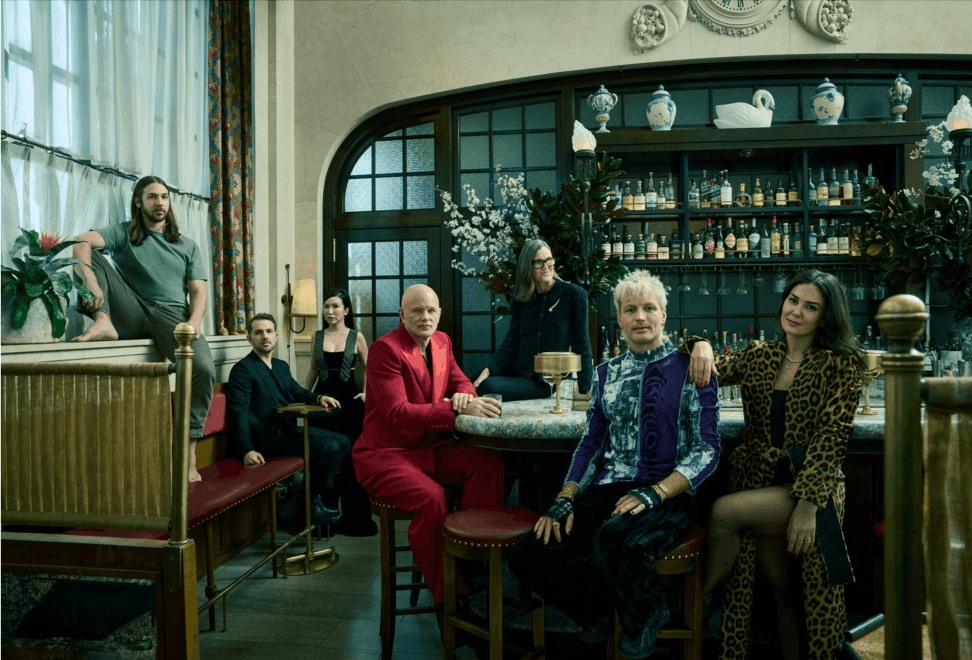
The original caption on the cover picture o the article reads “the most expensive religion on the world”. Source. Vanity Fair.

Crypto: “The Most Expensive Religion In The World”

Dim lights, deep contrast shadows, rich jewel tones, animal print, bright colored suits and a decadentism-old money aesthetic. That’s the depiction of Vanity Fair’s “Crypto’s True Believers”: a group of overdue-old Hollywood ingenuos people that refuse to accept that they have fallen out of grace. A festival of banality and naivety led by capricious people throwing a “tantrum” after living a maximalist-multimillionaire lifestyle that would make Jay Gatsby and Daisy Buchanan blush.

Related Reading: Crypto Donations Branded ‘Dangerous’? UK Security Panel Urges Immediate Ban

Even worse: the “zealots who are holding the line”, as the hit piece calls them, are condescendingly framed as cult members in a way that would make Vitalik Buterin, Ethereum’s co-founder, raise his arms in desperation: this portrayal, the entire piece, is everything that he has been tirelessly warning against — a fact that the article itself, without any sense of self-awareness, is gracious enough to acknowledge.
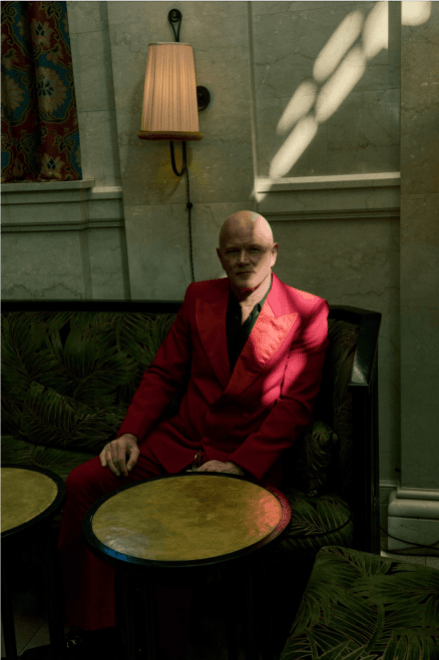
Michael Novogratz, CEO of Galaxy Digital, is made to look like some sort of Wilson Fisk, Daredevil’s Kingpin. Source. Vanity Fair.

As if the pictures weren’t enough, the captions take matters to the next level: from “the bitcoin playboy” and “the couture evangelist” to “the build-a-bear and the product mommy”: the followers of the “sixth asset class” are the successors of Satoshi Nakamoto’s original “hyper online” followers.

Despite acknowledging that the implosion of Lehman Brothers took with it “the myth of institutional security” for the entire world, Vanity Fair depicts the “early believers” of Bitcoin’s White Paper as “cypherpunks on message boards, creating their own echo chamber and convinced that cryptography could do what regulators never would: redistribute power”. A cyberpunk caricature of a rightfully disillusioned generation looking for a different way to rebuild a world that had just collapsed on top of them, crushing their dreams and ambitions with it.

The article positions itself as the “serious” view of crypto from the traditional media bubble, implicitly antagonizing and directly mocking the plead of the subjects they depict to be taken seriously: what could be serious about them, the degen-extravaganza champions? Why would anyone still care about the crashes, frauds, and regulatory crackdowns of this out of touch group of crypto aristocracy?

The Community Takes A Rightful Stand

For obvious reasons, the piece triggered immediate backlash on social media X from builders, founders and on‐chain governance people. One of them is Dennison Bertram, Tally’s founder, who argues that the problem is way bigger than “just another hit piece in a long line of forgettable nonsense”: it’s the angle, the choice to depict all crypto people like “degen” stereotypes.

Legacy outlets keep interviewing the same people, some users on X claimed, instead of people who actually shipped protocols, standards, and tooling for billions in on‐chain value: media loves “degen” archetypes because they’re clickable, but that lens erases the serious, boring, resilient parts of the ecosystem that are actually making a real impact in the world.

On his X’s thread, Bertram analyzes each picture through the lenses of someone who worked as a fashion photographer for over a decade before crypto. With this authority, Bertram argues that not only is the article mean spirited, but photographer Jeremy Liebman’s work “is a deliberate work of mockery”.

The takeaway of all of this seems to be that if you’re going to write that crypto is dead, at least talk to the people still shipping code, running DAOs, maintaining testnets and governance forums every day.
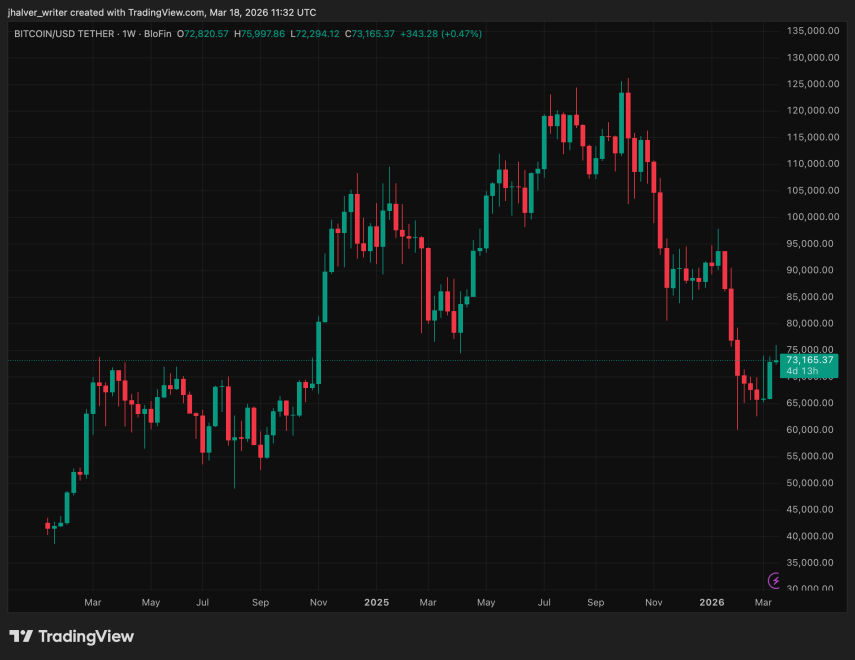
At the time of writing, BTC trades for $73k on the daily chart. Source: BTCUSD on Tradingview

Cover image from Perplexity, BTCUSD chart from Tradingview

Pertanyaan Terkait

QWhat is the main criticism of the Vanity Fair article 'Crypto's True Believers' according to the author?

AThe author criticizes the Vanity Fair article for painting a cartoonish and cultish profile of long-time crypto participants, framing them as naive, decadent, and out-of-touch zealots who refuse to accept that the crypto dream is over, rather than acknowledging the serious work being done in the ecosystem.

QHow does the Vanity Fair article depict the early believers of Bitcoin's White Paper?

AThe article depicts early Bitcoin believers as 'cypherpunks on message boards, creating their own echo chamber and convinced that cryptography could do what regulators never would: redistribute power', portraying them as a cyberpunk caricature of a disillusioned generation.

QWhat does Dennison Bertram, Tally's founder, claim about the Vanity Fair article's photography?

ADennison Bertram, who has a background as a fashion photographer, argues that the photography in the Vanity Fair article is 'a deliberate work of mockery' and a setup to ridicule crypto and those depicted, rather than a serious portrayal.

QAccording to the article, what does the crypto community argue legacy media outlets keep doing wrong?

AThe crypto community argues that legacy media outlets keep interviewing the same stereotypical 'degen' personalities instead of people who actually build protocols, standards, and tooling that create real on-chain value, thus erasing the serious and resilient parts of the ecosystem.

QWhat is the implied message of the article's original cover picture caption, as mentioned in the text?

AThe original caption on the cover picture of the Vanity Fair article reads 'the most expensive religion in the world', implying that crypto is portrayed as a cult-like belief system that demands extreme financial devotion from its followers.

Bacaan Terkait

Proposal Pendanaan Yayasan Arbitrum Minta $16 Juta, 1.700 ETH, dan 230 Juta Token ARB

**Ringkasan Proposal Pendanaan Yayasan Arbitrum** Yayasan Arbitrum sedang mengajukan proposal pendanaan besar untuk satu tahun operasional berikutnya melalui proses tata kelola DAO. Proposal yang disebut "Pendanaan Lanjutan untuk Yayasan Arbitrum" ini meminta alokasi senilai $16 juta dalam aset dunia nyata (RWA), 1.700 ETH, dan 230 juta token ARB. Dana tersebut akan digunakan untuk mendukung berbagai fungsi inti yayasan, termasuk pengembangan teknologi, kemitraan, pendanaan ekosistem, serta biaya operasi untuk jaringan Arbitrum One dan Arbitrum Nova. Menariknya, proyeksi biaya menunjukkan bahwa 54% dari total pengeluaran yang diantisipasi pada tahun 2027 akan dialokasikan untuk biaya teknis, menggarisbawahi kompleksitas dan kebutuhan pengembangan berkelanjutan dari jaringan Layer 2. Pemungutan suara on-chain saat ini sedang berlangsung dan dijadwalkan ditutup pada 25 Juni 2026. Hasilnya akan menjadi indikator penting tentang bagaimana komunitas ARB menyeimbangkan kebutuhan pendanaan operasional pusat dengan prinsip desentralisasi dan akuntabilitas. Proposal ini memiliki implikasi langsung bagi pemegang token ARB, karena besarnya permintaan, terutama untuk 230 juta token ARB, dapat memengaruhi persepsi pasar dan tata kelola treasury. Keputusan ini akan membentuk kemampuan Yayasan Arbitrum untuk mendukung pertumbuhan dan daya saing ekosistemnya dalam lanskap penskalaan Ethereum yang kompetitif.

bitcoinist7j yang lalu

Proposal Pendanaan Yayasan Arbitrum Minta $16 Juta, 1.700 ETH, dan 230 Juta Token ARB

bitcoinist7j yang lalu

TRM Memperingatkan Penipu Kripto Tengah Menyebar Perangkap Tiket dan Taruhan Piala Dunia 2026

TL;DR: Menurut TRM Labs, penipu kripto sudah mulai menyiapkan skema penjualan tiket palsu, taruhan, dan meme coin terkait Piala Dunia 2026. Lembaga analisis blockchain TRM Labs telah memperingatkan kemunculan awal penipuan kripto yang menargetkan penggemar sepak bola menjelang Piala Dunia 2026. Dalam laporan 11 Juni, TRM mengidentifikasi empat alamat dompet digital yang terhubung ke tiga operasi penipuan aktif. Meskipun jumlah uang yang berhasil dikumpulkan masih relatif kecil (sekitar $1.700), aktivitas ini dinilai sebagai infrastruktur awal yang perlu diwaspadai. Jenis penipuan yang terdeteksi meliputi: 1. **Portal Tiket Palsu:** Halaman checkout tiruan yang mengalihkan pembayaran ke alamat kripto penipu. Salah satu alamat di jaringan Polygon dilaporkan menerima $1.562. 2. **Skema Taruhan Pertandingan "Dijamin" Menang:** Janji informasi dalam atau hasil yang sudah diatur dengan imbalan pembayaran kripto di muka. 3. **Token Komemoratif Spekulatif:** Token seperti $WORLDCUP yang tidak berafiliasi resmi dengan FIFA dan berisiko tinggi terhadap skema "pump-and-dump". Penipu diduga menggunakan taktik familiar seperti alur pembayaran palsu, akun pertukaran, dan pertukaran antar-rantai (cross-chain swaps) untuk mengaburkan jejak. TRM menekankan bahwa peringatan ini bersifat pencegahan dini. Masyarakat diimbau untuk lebih berhati-hati terhadap permintaan pembayaran kripto untuk tiket, tip taruhan, atau token penggemar tidak resmi seiring dengan meningkatnya hype menjelang turnamen.

bitcoinist9j yang lalu

TRM Memperingatkan Penipu Kripto Tengah Menyebar Perangkap Tiket dan Taruhan Piala Dunia 2026

bitcoinist9j yang lalu

Trading

Spot
Futures
活动图片





