Following the KelpDAO Hack: $40 Billion in Assets Flee LayerZero, Chainlink Emerges as the Primary 'Beneficiary'

marsbitDipublikasikan tanggal 2026-05-19Terakhir diperbarui pada 2026-05-19

Abstrak

Following a major security breach in April where KelpDAO's bridge using LayerZero was attacked for approximately $292 million, a significant shift is underway in the cross-chain infrastructure landscape. An estimated $40 billion in assets is in the process of migrating or has already migrated from LayerZero to Chainlink's Cross-Chain Interoperability Protocol (CCIP). The attack exploited a single-point-of-failure vulnerability due to KelpDAO's 1-of-1 validator configuration within the LayerZero network. Attackers corrupted RPC nodes and used DDoS attacks to force the system to rely on compromised nodes, allowing fraudulent messages. While LayerZero acknowledged a serious error in allowing its validator network to service high-value transactions with such a configuration, the incident highlighted critical security risks. This triggered a rapid migration wave. Starting with KelpDAO on May 6th, several major protocols—including Solv Protocol, Re, Tydro, Kraken, and Lombard—announced switching their cross-chain infrastructure exclusively to Chainlink CCIP. The combined value of these migrations is estimated to be around $40 billion. This movement followed earlier major adoptions by Coinbase (in late 2025) and Circle (in early 2024). Market sentiment reflected this shift, with LINK's price showing relative stability while ZRO (LayerZero's token) declined significantly. Data indicates a net outflow of approximately $20.1 billion from the LayerZero network over 30 days. The migr...

Since the cross-chain bridge of KelpDAO suffered an attack of approximately $292 million in April this year, the security landscape of cross-chain infrastructure has been undergoing a dramatic reshuffle. Statistics show that about $40 billion in assets have completed or are in the process of migrating from LayerZero to Chainlink's Cross-Chain Interoperability Protocol (CCIP).

The attack occurred in the early hours of April 19. The attacker invoked a function of the LayerZero Endpoint V2 contract, triggering the KelpDAO bridging contract to release approximately 116,500 rsETH, worth about $292 million. The protocol's emergency pause mechanism subsequently prevented further losses of around $100 million.

Following the attack, LayerZero issued a statement suggesting that the initial assessment pointed to a highly sophisticated state actor, suspected to be TraderTraitor, a subgroup of the North Korean Lazarus Group.

The core of the attack method involved poisoning the RPC nodes relied upon by the LayerZero decentralized validator network and forcing a system failover to already compromised nodes through a DDoS attack, allowing forged messages to pass through. The central point of controversy is that KelpDAO was using a 1-of-1 single validator configuration at the time, which, once exploited, led to a single point of failure.

LayerZero acknowledged that allowing its official validator network to service high-value transactions with a 1/1 configuration was a serious mistake and announced the cessation of signing messages for single validator setups. KelpDAO pointed out that this configuration had appeared as a default setting in LayerZero's deployment code. Regardless of where the responsibility lies, this attack exposed the vulnerability of cross-chain message verification under specific configurations.

A wave of migrations began shortly after. On May 6, the victim, KelpDAO, took the lead in announcing its abandonment of LayerZero, fully transitioning its rsETH cross-chain facilities to Chainlink CCIP, becoming the first major protocol to leave.

Two days later, the Bitcoin staking protocol Solv Protocol switched the cross-chain infrastructure for its SolvBTC and xSolvBTC, with a total value exceeding $700 million, to CCIP, covering all supported routes.

On the same day, the decentralized reinsurance protocol Re also migrated the cross-chain solution for its deposit token reUSD to CCIP, designating it as the sole cross-chain solution. The non-custodial lending protocol Tydro was also among the first batch to migrate.

On May 14, Kraken announced replacing LayerZero with Chainlink CCIP as the exclusive cross-chain service for its wrapped crypto assets, including wrapped Bitcoin kBTC, covering multiple blockchains such as Ink, Ethereum, and Optimism. On the 16th, Lombard announced abandoning LayerZero, migrating over $1 billion worth of Bitcoin-backed assets to CCIP, adopting a burn-and-mint cross-chain token standard.

According to DefiLlama data, if only counting the current total value locked (TVL) of the main DeFi protocols, the combined scale of these five exceeds $3.4 billion. Factoring in institutional wrapped assets, the overall migration scale reaches approximately $4 billion.

Coinbase had already chosen CCIP as the exclusive interoperability provider for all its wrapped assets as early as December 2025, covering assets like cbBTC, cbETH, cbDOGE, cbLTC, cbADA, and cbXRP, with a total market capitalization of about $7 billion at that time. In January 2024, Circle had also integrated with CCIP to support multi-chain transfers of USDC.

The market's reaction to this shift in trust was directly reflected in token price movements.

According to CoinMarketCap data, LINK has risen 2.73% over the past 30 days, trading at $9.6, with a market cap of $6.98 billion, steadily holding the 16th position in the crypto market. In contrast, ZRO fell 22.63% over the same period, trading at $1.34, with a market cap of $434 million, its ranking slipping to 92nd. LayerZero also faces additional pressure from the unlocking of over 25.71 million ZRO tokens on May 20, worth approximately $34.45 million, accounting for 5.07% of the circulating supply.
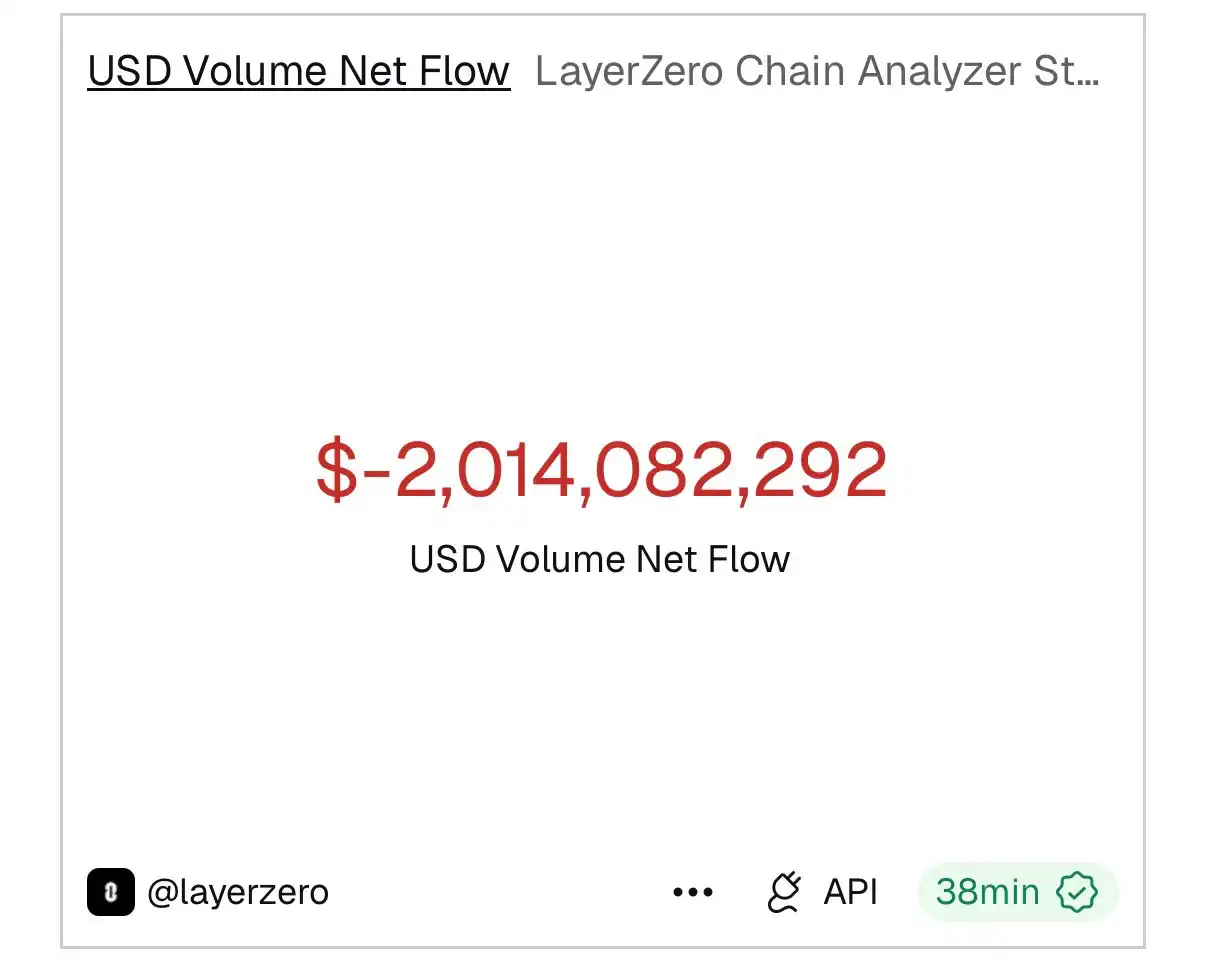
According to Dune data, the LayerZero network has seen a net outflow of approximately $2.01 billion over the past 30 days.
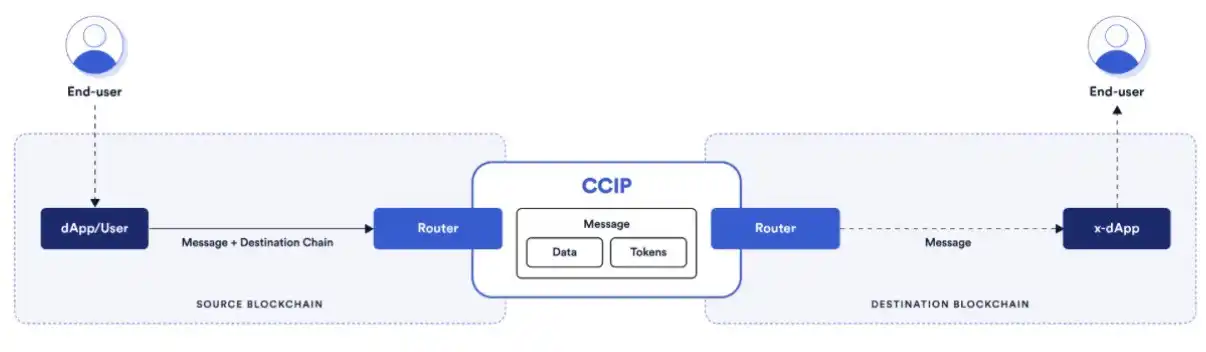
Behind the influx of protocols lies the significant difference in security architecture between Chainlink CCIP and LayerZero. Chainlink previously announced in April 2024 that CCIP had entered general availability, supporting blockchains like Arbitrum, Base, BNB Chain, and Ethereum.

Chainlink CCIP deeply integrates with the decentralized oracle network, consisting of multiple independent node operators forming an off-chain consensus layer to observe, verify, and report cross-chain events, supplemented by an independent risk management network providing additional monitoring and protection. Its token transfer mechanism includes built-in rate limiting and timelock upgrades, forming a defense-in-depth security model.
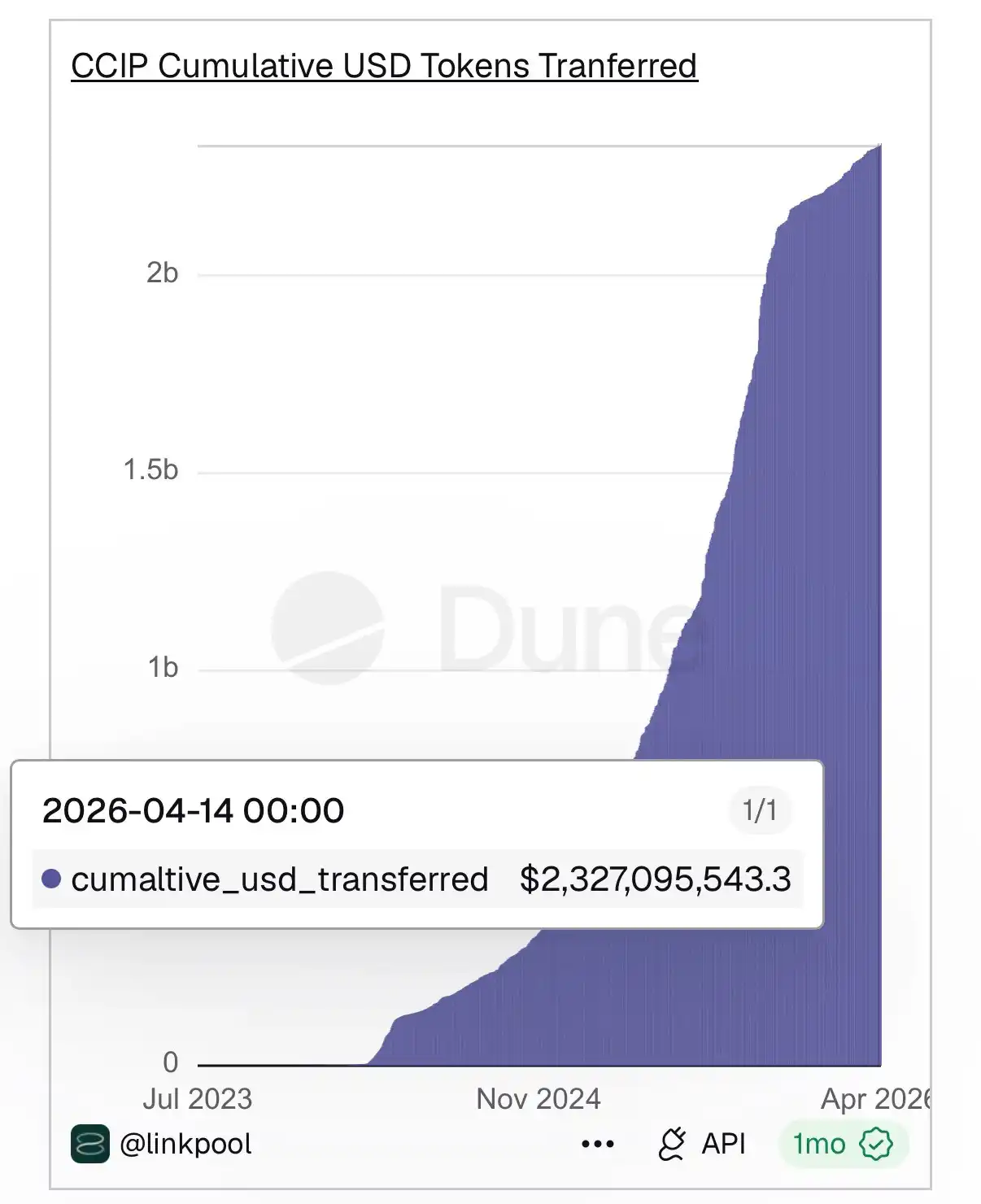
According to Dune data, the cumulative cross-chain token transfer value for Chainlink CCIP has exceeded $2 billion. Among them, the decentralized stablecoin GHO and USDC have the highest shares, reaching 22.4% and 20.2%, respectively, corresponding to amounts of approximately $531 million and $481 million.

In contrast, LayerZero employs a highly modular five-layer architecture, completely separating interfaces, validation, and execution, allowing developers to freely combine decentralized validator networks and configure validation thresholds. This design offers high flexibility but also requires application parties to actively choose and maintain security configurations.

The KelpDAO incident cast a spotlight on the fatal flaw of the single validator configuration. Protocols that had chosen the 1/1 configuration at the time accounted for as much as 47%, prompting many projects to quickly turn to CCIP, which defaults to decentralized validation and offers more comprehensive security controls.

On May 9, LayerZero published a letter of apology, acknowledging mishandling communication over the past three weeks and stating that it should have directly explained the situation earlier rather than prioritizing the completion of a post-mortem analysis report.

LayerZero emphasized that the protocol itself was not affected; rather, the internal RPC used by the LayerZero Labs DVN was poisoned by a data source, while external RPC providers suffered DDoS attacks. It admitted that allowing the Labs DVN to service high-value transactions as a 1/1 configuration was a serious error. The official team will soon release an official post-mortem analysis report in collaboration with external security partners.

Pertanyaan Terkait

QWhat triggered the massive migration of approximately $40 billion in assets from LayerZero to Chainlink's CCIP?

AThe migration was triggered by a major security breach on April 19, where the KelpDAO bridge on LayerZero was exploited for roughly $292 million. The attack exposed vulnerabilities, particularly in the single-validator (1-of-1) configuration, leading to a loss of trust and prompting protocols to seek more secure alternatives.

QWhat was the core vulnerability exploited in the KelpDAO attack on LayerZero?

AThe core vulnerability was the use of a single-validator (1-of-1) configuration for message verification. Attackers poisoned the RPC node relied upon by LayerZero's decentralized validator network and conducted a DDoS attack to force the system to fail over to the compromised node, allowing fraudulent messages to be approved.

QWhich major protocols were mentioned as having migrated from LayerZero to Chainlink CCIP following the attack?

AMajor protocols that migrated include KelpDAO (rsETH), Solv Protocol (SolvBTC, xSolvBTC), Re (reUSD), Tydro, Kraken (for wrapped assets like kBTC), and Lombard (for over $1 billion in Bitcoin-backed assets). Coinbase had already selected CCIP in December 2025 for its wrapped assets.

QHow does Chainlink's CCIP security architecture fundamentally differ from LayerZero's approach?

AChainlink CCIP is built on a decentralized oracle network with multiple independent node operators forming an off-chain consensus layer for validating cross-chain events, complemented by a separate Risk Management Network. It features built-in safeguards like rate limits and timelocks. In contrast, LayerZero offers a highly modular architecture that separates interface, verification, and execution, giving developers flexibility to configure their own validator networks and security thresholds, which can introduce risk if not properly managed.

QWhat was the impact of the KelpDAO incident and subsequent migrations on the market value of LINK and ZRO tokens?

AAccording to the article, LINK (Chainlink's token) rose 2.73% over 30 days to $9.6, with a market cap of $6.98 billion. In contrast, ZRO (LayerZero's token) fell 22.63% to $1.34, with its market cap dropping to $434 million and its rank falling to 92nd. LayerZero also faced additional pressure from a token unlock scheduled for May 20.

Bacaan Terkait

Pasar Saham AS Alami Jatuhnya Terberat Sejak 2025, Tiga Pemicu Meledakkan Penilaian Ulang Valuasi Saham Teknologi

Pasar saham AS mengalami keruntuhan terburuk sejak krisis tarif April 2025 pada 5 Juni. Indeks Nasdaq anjlok 4,18%, S&P 500 turun 2,64%, dan Dow Jones merosot 695 poin. Tiga pemicu utama diidentifikasi: 1. Laporan keuangan Broadcom mengisyaratkan kemungkinan perlambatan dalam pertumbuhan pendapatan chip AI kuartal depan, memicu kepanikan dan penjualan luas di seluruh sektor semikonduktor. Indeks Philadelphia Semiconductor terjun 10,26%. 2. Data tenaga kerja AS (NFP) bulan Mei jauh melampaui ekspektasi (172.000 vs 80.000), memperkuat kekhawatiran bahwa Federal Reserve mungkin tidak akan menurunkan suku bunga dan bahkan berpotensi menaikkannya. Ekspektasi kenaikan suku bunga melonjak di pasar. 3. Bayangan perang Iran dan harga minyak tinggi yang terus-menerus (WTI > $90) memperumit perang Fed melawan inflasi, menambah tekanan pada pasar. Ketiga faktor ini bersama-sama menggoyang narasi dasar pasar: pertumbuhan AI tanpa batas, likuiditas mudah dari Fed, dan inflasi yang telah terkendali. Keruntuhan dengan cepat menyebar ke pasar global di Asia dan Eropa. Apakah ini awal pecahnya gelembung AI? Analisis menunjukkan ini lebih sebagai penyesuaian penilaian ulang (valuasi) daripada keruntuhan narasi sepenuhnya. Permintaan chip AI tetap kuat (pertumbuhan 143% Broadcom), tetapi pasar menjadi lebih realistis mengenai kecepatan pertumbuhan dan harga yang bersedia dibayar. Arah pasar selanjutnya akan bergantung pada pertemuan FOMC Juni, panduan dari perusahaan AI lainnya seperti Nvidia, dan perkembangan situasi di Iran.

marsbit4j yang lalu

Pasar Saham AS Alami Jatuhnya Terberat Sejak 2025, Tiga Pemicu Meledakkan Penilaian Ulang Valuasi Saham Teknologi

marsbit4j yang lalu

AI yang Bisa Membangun Diri Sendiri Melalui 'Rekursi' Menjadi Populer, Google Menuangkan Air Dingin, DeepSeek dkk. Sudah Menyentuh Ujungnya

Konsep Recursive Self-Improvement (RSI), atau kecerdasan buatan yang mampu melatih dan meningkatkan dirinya sendiri secara mandiri, menjadi tren hangat di dunia AI. Beberapa startup seperti Recursive Superintelligence dan proyek Auto-Research dari Andrej Karpathy fokus pada realisasi visi ini. Meski demikian, CEO Google Sundar Pichai menyatakan teknologi ini masih dalam tahap awal dan belum mencapai percepatan skala besar seperti yang dibayangkan. Analisis dari para peneliti membagi kemajuan RSI menjadi tiga tahap: *adequacy* (sistem berjalan tanpa manusia), *parity* (kualitas setara manusia), dan *supremacy* (melebihi kolaborasi manusia-AI). Pencapaian tahap kedua diprediksi akan memicu percepatan yang sangat cepat. Di China, perusahaan seperti DeepSeek dan Baidu secara diam-diam telah menerapkan prinsip-prinsip serupa RSI dalam pengembangan model mereka, seperti optimisasi algoritma efisien dan siklus peningkatan mandiri, meski tidak secara terbuka menyebut istilah RSI. Namun, tantangan RSI tetap ada, termasuk risiko *model collapse* (penurunan kualitas data generasi AI) dan prasyarat lingkungan yang sulit seperti kebutuhan komputasi tak terbatas dan ekosistem penelitian terbuka global. Perkembangan RSI merefleksikan tren di mana peran manusia dalam rantai pengembangan AI secara bertahap berkurang, sebuah proses yang bersifat irreversible.

marsbit6j yang lalu

AI yang Bisa Membangun Diri Sendiri Melalui 'Rekursi' Menjadi Populer, Google Menuangkan Air Dingin, DeepSeek dkk. Sudah Menyentuh Ujungnya

marsbit6j yang lalu

Anthropic Memprediksi secara Global, OpenAI Telah Melampaui "Ambang Keandalan": Akselerasi Mandiri AI Telah Dimulai

**Peringatan Global dari Anthropic: OpenAI Telah Melampaui 'Ambang Keandalan', Memicu Akselerasi Mandiri AI** Anthropic mengeluarkan peringatan mendesak untuk memperlambat atau menghentikan penelitian AI, karena data internal mereka menunjukkan bahwa AI kini mempercepat pengembangan AI itu sendiri, berpotensi mendekati titik kritis perbaikan diri yang rekursif atau "membuat dirinya sendiri." Di sisi lain, Yann Dubois dari tim pasca-pelatihan OpenAI memberikan perspektif mikro: pertumbuhan kemampuan AI sebenarnya linier dan berkelanjutan, tetapi pengguna merasakan "kebergunaan" yang melompat secara diskrit. Ini karena adanya **"ambang keandalan"**. Sebelum mencapai ambang ini, AI hanyalah alat cerdas yang tidak dapat diandalkan sepenuhnya. Setelah melampauinya (sekitar Desember tahun lalu menurut Dubois), AI menjadi seperti karyawan yang dapat dipercaya untuk menangani pekerjaan nyata dan mulai mempercepat perkembangannya sendiri. **Akselerasi Mandiri dan Siklus Penguatan:** Ketika model menjadi cukup andal (misalnya, dalam pemrograman), mereka dapat digunakan untuk membantu peneliti mengembangkan alat dan bahkan melatih generasi model AI berikutnya, menciptakan loop akselerasi yang semakin cepat. Data Anthropic menunjukkan produktivitas kode per insinyur meningkat 8x pada Q2 2026 dibandingkan Q1 2024. **AI sebagai "Kerajinan" (Craft):** Dubois menegaskan bahwa membangun sistem AI yang andal lebih menyerupai kerajinan atau bahkan "alkimia" yang mengandalkan intuisi dan trial-and-error, daripada ilmu pengetahuan murni yang sistematis. Peningkatan keandalan seringkali dicapai dengan menekan "tingkat kesalahan per interval waktu" dalam sistem agen AI. **"Harness" Vertikal dan "Mil Terakhir":** Dubois berpendapat bahwa jika model saat ini "dibekukan" dan fokus dialihkan ke pengembangan *harness* (sistem orkestrasi) yang matang untuk domain spesifik, banyak bidang sudah dapat merasakan fungsi seperti AGI (Kecerdasan Buatan Umum). **Tantangan sebenarnya bukan pada kecerdasan model, tetapi pada "mil terakhir"**—yaitu mengintegrasikan AI dengan sistem yang ada, mengatur izin akses, konektor data, dan alur kerja bisnis tertentu. Inilah peluang besar bagi pengembang dan startup. **Tantangan Masa Depan: Pembelajaran Berkelanjutan (Continual Learning):** Meski memiliki titik awal yang tinggi, model AI saat ini kesulitan untuk terus belajar dan beradaptasi dari pengalaman spesifik di lingkungan barunya seperti manusia. Membentuk kurva pembelajaran AI yang terus naik, bukan mendatar, adalah salah satu masalah terpenting berikutnya.

marsbit6j yang lalu

Anthropic Memprediksi secara Global, OpenAI Telah Melampaui "Ambang Keandalan": Akselerasi Mandiri AI Telah Dimulai

marsbit6j yang lalu

Trading

Spot
Futures

Artikel Populer

Cara Membeli LINK

Selamat datang di HTX.com! Kami telah membuat pembelian ChainLink (LINK) menjadi mudah dan nyaman. Ikuti panduan langkah demi langkah kami untuk memulai perjalanan kripto Anda.Langkah 1: Buat Akun HTX AndaGunakan alamat email atau nomor ponsel Anda untuk mendaftar akun gratis di HTX. Rasakan perjalanan pendaftaran yang mudah dan buka semua fitur.Dapatkan Akun SayaLangkah 2: Buka Beli Kripto, lalu Pilih Metode Pembayaran AndaKartu Kredit/Debit: Gunakan Visa atau Mastercard Anda untuk membeli ChainLink (LINK) secara instan.Saldo: Gunakan dana dari saldo akun HTX Anda untuk melakukan trading dengan lancar.Pihak Ketiga: Kami telah menambahkan metode pembayaran populer seperti Google Pay dan Apple Pay untuk meningkatkan kenyamanan.P2P: Lakukan trading langsung dengan pengguna lain di HTX.Over-the-Counter (OTC): Kami menawarkan layanan yang dibuat khusus dan kurs yang kompetitif bagi para trader.Langkah 3: Simpan ChainLink (LINK) AndaSetelah melakukan pembelian, simpan ChainLink (LINK) di akun HTX Anda. Selain itu, Anda dapat mengirimkannya ke tempat lain melalui transfer blockchain atau menggunakannya untuk memperdagangkan mata uang kripto lainnya.Langkah 4: Lakukan trading ChainLink (LINK)Lakukan trading ChainLink (LINK) dengan mudah di pasar spot HTX. Cukup akses akun Anda, pilih pasangan perdagangan, jalankan trading, lalu pantau secara real-time. Kami menawarkan pengalaman yang ramah pengguna baik untuk pemula maupun trader berpengalaman.

965 Total TayanganDipublikasikan pada 2024.12.13Diperbarui pada 2026.06.02

Cara Membeli LINK

Diskusi

Selamat datang di Komunitas HTX. Di sini, Anda bisa terus mendapatkan informasi terbaru tentang perkembangan platform terkini dan mendapatkan akses ke wawasan pasar profesional. Pendapat pengguna mengenai harga LINK (LINK) disajikan di bawah ini.

活动图片