Fears of another Terra-UST implosion simmer as Tron’s USDD stablecoin loses dollar peg

cryptoslateDipublikasikan tanggal 2022-06-14Terakhir diperbarui pada 2022-06-14

Abstrak

Tron's USDD stablecoin loses dollar peg amid extreme downturn in the crypto market. Fears looms as to its possible crash.

Tron’s algorithmic stablecoin, USDD, has raised fears and speculations in the crypto market after its price dipped to $0.97 and lost its peg to the dollar.

Justin Sun, the founder of TRON, quickly responded via a tweet that the TRON DAO would deploy $2 billion to protect TRX from the funding rate of shorting it on Binance. He followed this up with a tweet that 700 million USDC has been injected to defend the USDD peg.

While the value of USDD has risen to $0.98 according to data from CoinMarketCap, it hasn’t been enough to quell speculation and fear. This fear has been worsened by the extreme downturn in the market, which has seen the total crypto market cap fall below $1 Trillion for the first time since January 20121.

A corresponding negative reaction was recorded on Tron, the network’s native token after it dropped more than 16% in price.

Increased fears of a UST-LUNA reoccurrence

Last month, UST-LUNA, an algorithmic coin like USDD, crashed and wiped $18 billion off the crypto market. This crash came after it struggled to maintain its UST to the dollar peg and fell to 35 cents on May 9.

However, to allay fears of a similar occurrence, USDD has been over-collateralized against the dollar at a scale of 1 to 1.3 by acquiring various assets such as BTC, TRX, and stablecoins such as USDC, USDT, TUSD, and USDJ. This collateral supposedly made USDD the first over-collateralized coin, by 280% as reflected by data on Tron’s official website

However, speculations abound about the over-collateralized nature of USDD. A researcher from ProximityFi that goes by the name Resdegen on Twitter, raised concerns in a thread, stating that USDD is not over-collateralized—being only 92% collateralized, based on available data regarding USDD’s collateral.

Last month, USDT and DEI, dollar-pegged stablecoins, experienced similar turbulence and temporarily lost their pegs to the dollar. While USDT has maintained a strong value, DEI failed to recover and is currently valued at $0.61, according to data from CoinMarketCap.

Bacaan Terkait

9,4 Miliar, Ini Investasi Terbesar Robot Tahun Ini

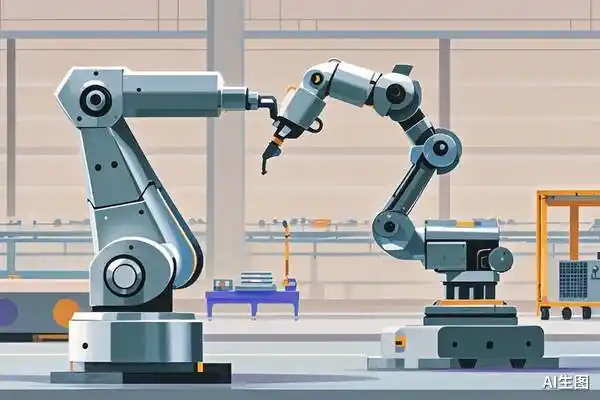
**Neura, Perusahaan Robot Humanoid Jerman, Raup Rp94,9 Triliun dalam Pendanaan Seri C** Neura, perusahaan robot humanoid asal Munich, Jerman, berhasil mengumpulkan pendanaan seri C sebesar $14 miliar atau sekitar Rp94,9 triliun. Pendanaan ini menempatkan valuasi perusahaan sekitar $7 miliar, membawanya ke jajaran teratas perusahaan robot humanoid global. Yang menarik dari pendanaan ini adalah profil investor. Selain raksasa teknologi seperti NVIDIA, Amazon, dan Qualcomm, dua nama besar industri Jerman, **Schaeffler** (pembuat bantalan dan sistem transmisi) dan **Bosch** (komponen otomotif & peralatan industri), turut serta. Keikutsertaan mereka menandakan pergeseran logika dalam industri: robot humanoid tidak lagi sekadar demonstrasi teknologi, tetapi mulai dilihat sebagai solusi yang siap diimplementasikan di lantai pabrik. Neura sendiri sudah memiliki klien nyata seperti BMW. Pendanaan besar-besaran ke sektor ini didorong oleh dua hal utama: **titik kritis kemampuan AI** (terutama model besar yang meningkatkan persepsi dan pengambilan keputusan robot) dan **tekanan kebutuhan industri** (kekurangan tenaga kerja terampil dan biaya tenaga kerja yang terus naik secara global). Saat ini, ada dua jalur berbeda yang ditempuh perusahaan robot: 1. **Robot Humanoid Umum**: Bertujuan membuat robot serbaguna seperti Figure AI. Jalur ini menjanjikan namun penuh tantangan teknis dan siklus komersialisasi panjang. 2. **Fokus pada Skenario Industri Spesifik**: Seperti Neura, yang memprioritaskan tugas-tugas industri berulang dan terdefinisi dengan baik (misalnya, di pabrik mobil). Jalur ini memiliki jalur komersialisasi yang lebih jelas. Tantangan utama ke depan bukan lagi pada kemampuan teknis dasar (bergerak, memahami perintah), tetapi pada **stabilitas, keandalan, dan pembentukan ekosistem komersial** di dunia nyata. Ini termasuk biaya adaptasi yang tinggi untuk setiap pabrik dan pembangunan sistem pemeliharaan yang tangguh. Namun, masuknya modal industri dari perusahaan seperti Schaeffler dan Bosch menunjukkan keyakinan bahwa tantangan-tantangan ini dapat diatasi. Pertempuran sesungguhnya untuk robot humanoid kini telah berpindah dari laboratorium ke lantai pabrik.

marsbit5j yang lalu

9,4 Miliar, Ini Investasi Terbesar Robot Tahun Ini

marsbit5j yang lalu

Trading

Spot
Futures
活动图片