175-Year-Old Western Union: Not Just Playing with Stablecoins, but Also Acquired a Digital Wallet

marsbitDipublikasikan tanggal 2026-04-07Terakhir diperbarui pada 2026-04-07

Abstrak

At 175 years old, Western Union, the global money transfer giant, is undergoing a significant digital shift. After a failed 2018 experiment with Ripple's XRP due to high costs, the company is now aggressively embracing blockchain and digital assets. In April 2026, Western Union acquired Singapore-based digital wallet Dash from Singtel, marking its first digital wallet asset in the Asia-Pacific region. Dash, with 1.4 million users, offers a full suite of services including payments, remittances, savings, insurance, and investments, deeply integrated into Singapore's local life. This move is part of a broader strategy to modernize its legacy business. While Western Union's vast network of over 500,000 physical agent locations remains its backbone, it is also its biggest cost burden. The company faces intense competition from digital-native rivals like Wise and Remitly, which offer significantly lower fees. To compete, Western Union is building a "Digital Asset Network." A key component is its own USD-pegged stablecoin, USDPT, issued on the Solana blockchain in partnership with Anchorage Digital. It is also piloting a stablecoin-linked Visa card with Rain for users in high-inflation countries like Argentina, allowing them to spend or cash out dollars at its agent locations. The acquisition of Dash represents a fundamental change: moving from being a transient "pipe" for money transfers to building a destination where users stay. Dash provides a trusted, established platform ...

Original author: angelilu, Foresight News

In 2018, Western Union conducted a small experiment. They integrated Ripple's cross-border payment product xRapid, using XRP tokens to settle exchanges between the US dollar and the Mexican peso. A total of 10 transactions were tested. After the test, the then CEO publicly stated: Too expensive, did not save any costs. The experiment was paused.

On April 3, 2026, Western Union announced the completion of the acquisition of the Singaporean digital wallet Dash. Dash was originally under Singapore Telecommunications, with 1.4 million users, supporting payments, remittances, savings, insurance, and investments, making it one of the most widely used all-in-one wallets in Singapore. This is the first digital wallet asset acquired by Western Union in the Asia-Pacific region.

Eight years, from "blockchain is too expensive" to issuing its own stablecoin on Solana and now starting to layout crypto wallets, Western Union is quietly undergoing a rebuild.
Western Union's 175 Years

Domestic users may rarely use Western Union and may not even be sure what the name represents. But in over 200 countries and regions worldwide, especially in immigrant communities in Southeast Asia, Latin America, and South Asia, Western Union is almost synonymous with "sending money."

It was founded in 1851, 20 years earlier than China's first telegraph line. It started as a telegraph business, building the first transcontinental telegraph line in the United States. In 1871, it began offering remittance services, using "telegraph transfers" to allow people, for the first time, to send money to another city without carrying cash or being physically present.

More than 170 years later, the core logic remains unchanged: Western Union maintains over 500,000 physical agent locations worldwide, mostly small supermarkets, convenience stores, and post offices. People walk in, fill out a form, hand cash to the counter, and the recipient can withdraw the money at another location. This network covers areas almost untouched by the banking system—immigrant workers without bank accounts, people without access to credit cards, and families in remote areas relying on remittances from relatives.
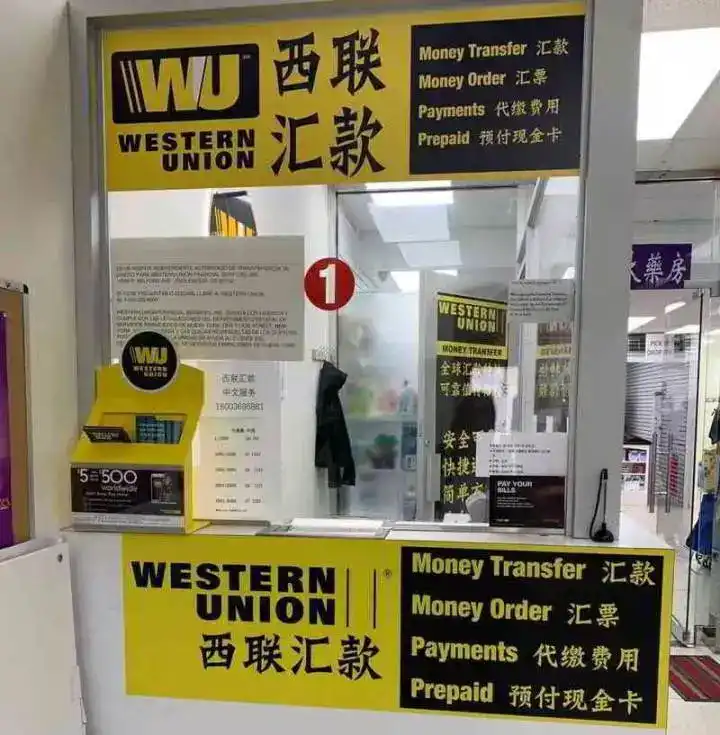
But this network is also Western Union's heaviest burden. The cost of maintaining 500,000 agent points accounts for about 60% of its service costs. Its core customer base—cash-dependent remittance senders—is being eroded by generations of digital-native products. Wise's cross-border transfer fees are 60% to 80% lower than Western Union's; Remitly's revenue reached $1.635 billion in 2025, a 29% year-on-year increase, with 9 million active users. Although Western Union's digital revenue is also growing, it still only accounts for 35% of total C2C revenue, with the vast majority of profits still from users who walk into physical locations and pull out cash.

Western Union is being caught up, and it knows it.

Moving Remittance Paths On-Chain with Stablecoins

In October 2025, Western Union announced it would issue the stablecoin USDPT on Solana, with the issuer being the US-licensed crypto bank Anchorage Digital. As of April 2026, USDPT has entered the actual deployment phase. At the same time, Western Union is building a "Digital Asset Network," connecting multiple on- and off-ramp platforms, aiming to allow users holding any mainstream crypto assets to exchange them for cash through Western Union's network.

A more specific landing scenario is its partnership with Rain to issue a Visa card linked to stablecoins. This card is designed for high-inflation countries, a Visa card tied to a US dollar stablecoin, specifically targeting countries like Argentina and Zimbabwe, where the local currency depreciates by tens or even hundreds of percentage points annually. Western Union CFO Matthew Cagwin mentioned at an industry conference, "Argentina's inflation exceeded 200% last year. After locals obtain US dollar stablecoins, they can directly spend at merchants or walk into Western Union locations to withdraw cash." The final step still relies on that network of 500,000 cash points.

Wallets Are the Real Battlefield

For the past 170-plus years, Western Union has played the role of a "pipeline" in remittances: money flows in from one end and out from the other, used and then gone. Users are not in Western Union's app, nor in Western Union's accounts; they are just passing through. What Wise and Remitly are taking is precisely that time users spend staying—people are getting used to keeping money in digital wallets, where transfers are just one action, not the entirety.

The acquisition of Dash is Western Union's first real attempt to keep users.

Dash was launched by Singapore Telecommunications in 2014 and is deeply embedded in Singapore's local life scenarios: paying utility bills, buying insurance, making small investments, and sending money to family overseas, all within one app. 1.4 million users represent a very high coverage rate for a city-state. More importantly, a large portion of these users are Southeast Asian immigrants working in Singapore, precisely Western Union's core customer group.

Western Union's previous way of reaching these people was to have them walk into convenience store counters. Now, it wants to move directly into their phones.

Dash brings not just users but also a front end for directly testing new products. After the USDPT stablecoin launches, one of the most natural distribution channels will be Dash's wallet interface; the stablecoin card for high-inflation markets also needs a trusted app to support it. Singapore, as a financial hub in Southeast Asia with a relatively mature regulatory environment, is the most suitable place for Western Union to first validate the logic before rolling out this suite of on-chain products across the Asia-Pacific region.


Pertanyaan Terkait

QWhat was Western Union's initial experiment with Ripple's xRapid in 2018, and what was the outcome?

AIn 2018, Western Union conducted a small experiment by integrating Ripple's xRapid product to settle foreign exchange transactions between the US dollar and the Mexican peso using XRP tokens. After testing 10 transactions, the then-CEO stated that it was too expensive and did not save any costs, leading to the suspension of the experiment.

QWhat significant acquisition did Western Union announce on April 3, 2026, and why is it important?

AOn April 3, 2026, Western Union announced the acquisition of Dash, a Singapore-based digital wallet formerly owned by Singapore Telecommunications. With 1.4 million users, Dash supports payments, remittances, savings, insurance, and investments, and is one of the most widely used full-featured wallets in Singapore. This marks Western Union's first digital wallet asset in the Asia-Pacific region.

QHow does Western Union's traditional business model work, and what are its main challenges?

AWestern Union's traditional model relies on a network of over 500,000 physical agent locations, such as small supermarkets, convenience stores, and post offices. Customers fill out a form and hand over cash, and the recipient can collect the money from another agent location. This network serves people without bank accounts or in remote areas. However, maintaining these agent locations accounts for about 60% of service costs, and the core customer base is being eroded by digital-native competitors like Wise and Remitly, which offer lower fees and digital convenience.

QWhat is USDPT, and how does Western Union plan to use it?

AUSDPT is a stablecoin issued by Western Union on the Solana blockchain, with Anchorage Digital as the issuer. It is part of Western Union's 'Digital Asset Network,' which connects multiple on- and off-ramp platforms. The goal is to allow users with any mainstream cryptocurrency to convert it into cash through Western Union's network. Additionally, Western Union partnered with Rain to issue a Visa card linked to the stablecoin, targeting high-inflation countries like Argentina and Zimbabwe, where users can spend the stablecoin at merchants or withdraw cash at Western Union agent locations.

QWhy did Western Union acquire the Dash wallet, and what strategic advantages does it offer?

AWestern Union acquired Dash to move beyond being a mere 'pipeline' for remittances and to retain users within its ecosystem. Dash, with its 1.4 million users in Singapore, is deeply integrated into local life scenarios like bill payments, insurance, investments, and remittances. It particularly serves Southeast Asian immigrants in Singapore, who are part of Western Union's core customer base. The acquisition provides a front-end to test new products, such as distributing the USDPT stablecoin and launching stablecoin Visa cards, making Singapore a strategic hub for expanding these blockchain-based products across the Asia-Pacific region.

Bacaan Terkait

Konsep "VVV" yang Naik 9 Kali Lipat dalam Setengah Tahun, Arus Utama AI Baru di Ekosistem Base

Penulis:律动 Tema utama ekosistem Base belakangan ini masih AI, atau lebih tepatnya, konsep "VVV". Konsep ini berpusat pada token $VVV dari Venice, sebuah platform AI generatif berfokus privasi dan tanpa sensor di Base, yang dipimpin oleh Erik Voorhees, veteran kripto sejak 2011. Pada 2026, Venice mengalami pertumbuhan pesat dengan pengguna melebihi 2 juta, termasuk 55 ribu pelanggan berbayar, menghasilkan pendapatan bulanan $835K. Token $VVV telah naik lebih dari 9x sepanjang tahun ini. Kenaikan ini didorong oleh pertumbuhan pengguna, pengurangan pasokan token tahunan (dari 8 juta menjadi 5 juta, dan akan jadi 3 juta pada Juli), serta mekanisme pembakaran token menggunakan sebagian pendapatan langganan. Sekitar 42.22% dari pasokan saat ini telah dibakar. $VVV juga memiliki utilitas unik: dengan staking $VVV, pengguna mendapatkan $sVVV yang dapat digunakan untuk mencetak $DIEM. Staking 1 $DIEM memberikan kredit API Venice senilai $1 per hari yang dapat digunakan untuk berbagai tugas AI. Saat ini, harga $DIEM sekitar $1500. Artikel ini juga menyebutkan beberapa token lain yang terkait dengan narasi "VVV": * **$POD**: Token Dolphin, jaringan AI terdistribusi. Naik lebih dari 12x karena asosiasinya dengan Venice, sebagai pengembang model AI default Venice (Venice Uncensored 1.2). * **$cyb3rwr3n**: Proyek yang dikaitkan dengan Erik Voorhees (meski Venice telah membantah hubungan resmi), bertujuan membuat pasar lelang kredit penggunaan Venice. Kapitalisasi pasarnya sekitar $4 juta. * **$SR**: Token STRIKEROBOT.AI, platform robotika humanoid. Naik ~4x setelah mengumumkan kolaborasi pengembangan lapisan inferensi VLM untuk robot bersama Venice dan mendapatkan sponsor dana. Secara keseluruhan, narasi "VVV" menghubungkan pertumbuhan produk AI Venice yang nyata dengan mekanisme tokenomics yang dirancang untuk menciptakan kelangkaan dan utilitas, menarik minat terhadap token inti $VVV dan proyek-proyek terkait di sekitarnya.

marsbit1j yang lalu

Konsep "VVV" yang Naik 9 Kali Lipat dalam Setengah Tahun, Arus Utama AI Baru di Ekosistem Base

marsbit1j yang lalu

Anthropic dan OpenAI, Secara Langsung Memotong Logika Saham Kripto Pra-IPO

Anthropic dan OpenAI secara resmi mengeluarkan pernyataan tegas bahwa penjualan atau transfer saham perusahaan tanpa persetujuan dewan direksi adalah **tidak sah dan tidak akan diakui**. Pernyataan ini secara langsung memukul pasar token saham pra-IPO (pre-market) yang banyak mengandalkan struktur **Special Purpose Vehicle (SPV)**. Dalam perdagangan saham pra-IPO, SPV sering digunakan sebagai "perusahaan shell" untuk mengumpulkan dana investor dan secara kolektif membeli saham perusahaan target seperti Anthropic. Platform kemudian menerbitkan token (misal: ANTHROPIC atau OPENAI) yang mengklaim mewakili klaim atas aset ekonomi SPV tersebut. Namun, Anthropic dan OpenAI kini menyatakan bahwa transfer saham ke SPV tanpa otorisasi adalah pelanggaran dan investasi yang ditawarkan pihak ketiga melalui mekanisme ini berpotensi **tidak bernilai atau penipuan**. Pernyataan ini menyebabkan harga token saham pra-IPO seperti ANTHROPIC dan OPENAI di platform seperti PreStocks anjlok tajam (hingga -20% lebih). Alasannya, jika kepemilikan saham di SPV dianggap tidak sah oleh perusahaan, maka token yang mengacu padanya bisa kehilangan landasan nilainya. Namun, kontrak berjangka (futures) pra-IPO yang sepenuhnya mengandalkan taruhan spekulatif pada harga IPO di masa depan relatif stabil, karena produk ini tidak melibatkan kepemilikan saham fisik. Pihak yang pesimis melihat ini sebagai pukulan fatal bagi logika dasar token saham pra-IPO. Sementara pihak lain menganggap ini sebagai pengingat akan risiko yang melekat sejak awal dalam berinvestasi melalui saluran tidak resmi. Pernyataan dari dua raksasa AI ini dianggap sebagai peringatan dan koreksi terhadap pasar yang telah mengalami spekulasi berlebihan dan valuasi tidak realistis.

marsbit2j yang lalu

Anthropic dan OpenAI, Secara Langsung Memotong Logika Saham Kripto Pra-IPO

marsbit2j yang lalu

Anthropic dan OpenAI, Memutuskan Logika Saham Kripto Pra-IPO dengan Tangan Sendiri

Anthropic dan OpenAI baru-baru ini mengeluarkan pernyataan tegas yang menolak pengakuan atas setiap penjualan atau transfer saham perusahaan yang tidak disetujui oleh dewan direksi mereka. Pernyataan ini langsung mengguncang pasar token saham pra-IPO (pre-market), terutama yang menggunakan struktur Special Purpose Vehicle (SPV). Kedua raksasa AI itu menekankan bahwa semua transfer saham, termasuk melalui SPV, memerlukan persetujuan resmi. Tanpa itu, transaksi dianggap tidak sah dan tidak akan diakui dalam catatan perusahaan. Ini membuat token saham pra-IPO yang banyak beredar di platform seperti PreStocks—yang klaim nilainya didukung oleh saham asli melalui SPV—menghadapi risiko besar. Jika kepemilikan saham di SPV inti dinyatakan tidak sah, token yang mewakili klaim ekonomi atas SPV tersebut bisa menjadi tidak berharga. Artikel ini menjelaskan bagaimana model SPV, yang sering dipakai untuk memungkinkan investasi tidak langsung ke perusahaan privat, kini rentan. Bahaya bertambah dengan struktur "SPV berlapis" yang mengurangi transparansi, menambah biaya, dan memperbesar risiko jika satu lapisan gagal. Pasar langsung bereaksi: token ANTHROPIC dan OPENAI di platform tertentu anjlok lebih dari 20% dalam sehari. Sementara token yang klaim didukung aset saham tertekan, kontrak berjangka pra-IPO (yang murni spekulasi harga tanpa klaim kepemilikan) relatif stabil. Kejadian ini dilihat sebagai peringatan dan koreksi atas euforia berlebihan di pasar token saham pra-IPO, yang beberapa valuasinya sudah jauh melampaui harga pembiayaan resmi perusahaan.

Odaily星球日报2j yang lalu

Anthropic dan OpenAI, Memutuskan Logika Saham Kripto Pra-IPO dengan Tangan Sendiri

Odaily星球日报2j yang lalu

Karyawan yang Membeli Langganan AI hingga Jatuh Miskin

Judul: Karyawan yang Terjebak dalam Kemiskinan karena Berlangganan AI Penggunaan AI kini menjadi tuntutan keras di tempat kerja, dengan perusahaan besar hingga kecil mendorong karyawan untuk mengadopsinya. Namun, biaya berlangganan alat-alat AI seperti Cursor, ChatGPT Plus, Midjourney, dan lainnya seringkali harus ditanggung sendiri oleh karyawan, karena banyak perusahaan tidak menyediakan anggaran atau reimbursement. Beberapa karyawan terpaksa mengeluarkan ratusan hingga ribuan yuan per bulan untuk mempertahankan produktivitas dan menghindari ketertinggalan. Cerita mereka beragam: Long Shen, programmer front-end, menggunakan AI untuk mengerjakan 80-90% tugas pengkodean, membantunya naik pangkat tiga kali dalam setahun. Namun, dia merasa waktu luang yang dihasilkan justru diisi dengan "pura-pura sibuk" karena takut diberikan tugas baru. Fang Fang, desainer di perusahaan otomotif, harus menggunakan perangkat pribadi dan membayar sendiri untuk alat AI guna memenuhi permintaan atasan akan gambar AI yang "futuristik", meski prosesnya rumit dan hasilnya tidak selalu memuaskan. Li Huahua, programmer di BUMN, merasa tertekan dan penuh kecurigaan setelah mengetahui rekan di perusahaan swasta meningkatkan KPI setelah menggunakan AI, khawatir dirinya akan tergantikan. Di sisi lain, Jin Tu, mantan profesional konten yang kini berwirausaha, melihat investasi dalam langganan AI sebagai nilai tambah besar, membantunya membangun sistem pengetahuan pribadi dan bahkan membuat website dari nol. Namun, secara umum, AI telah menciptakan dilema: di satu sisi meningkatkan efisiensi individu, di sisi lain berpotensi meningkatkan beban kerja secara kolektif, mengikis pengakuan atas kreativitas manusia, dan menciptakan ketergantungan teknologi yang sulit dilepaskan. Karyawan terjebak dalam siklus membayar untuk bekerja, dengan "masa gratis" alat AI berangsur hilang, meninggalkan pertanyaan tentang siapa yang sebenarnya diuntungkan dalam revolusi produktivitas ini.

marsbit3j yang lalu

Karyawan yang Membeli Langganan AI hingga Jatuh Miskin

marsbit3j yang lalu

Trading

Spot
Futures
活动图片



