From Gold to Crude Oil: WEEX Expands Real-World Asset Tokenization to Energy Markets

marsbitPublié le 2026-03-14Dernière mise à jour le 2026-03-14

Résumé

In recent years, the tokenization of real-world assets (RWA) has become a significant trend in the crypto industry, expanding from stablecoins and U.S. Treasuries to include commodities like precious metals. Gold and silver have been among the earliest assets to be tokenized, with products such as PAX Gold and Tether Gold enabling 24/7 trading, lower entry barriers, and seamless integration into the crypto ecosystem. This movement is now extending into energy markets, with crude oil emerging as a new focus. Tokenized oil products, such as XTI, which tracks the NYMEX WTI crude oil spot price, provide digital exposure to global energy markets and overcome limitations of traditional trading like high entry barriers and restricted trading hours. Platforms like WEEX are actively expanding their commodity offerings by including oil tokens like XTI alongside established precious metal tokens. They are also launching incentive programs to boost liquidity and participation in these markets. The RWA sector is evolving from financial assets to include physical commodities, blurring the lines between traditional and digital asset markets and paving the way for a more diverse on-chain economy.

Over the past two years, the tokenization of real-world assets (RWA) has gradually become an important development direction in the cryptocurrency industry. From stablecoins to U.S. Treasury bonds, and then to precious metals like gold, more and more traditional assets are entering the digital market through blockchain.

Now, this trend is expanding further—energy assets are also moving on-chain.
Precious Metals Lead the Way in On-Chain Exploration

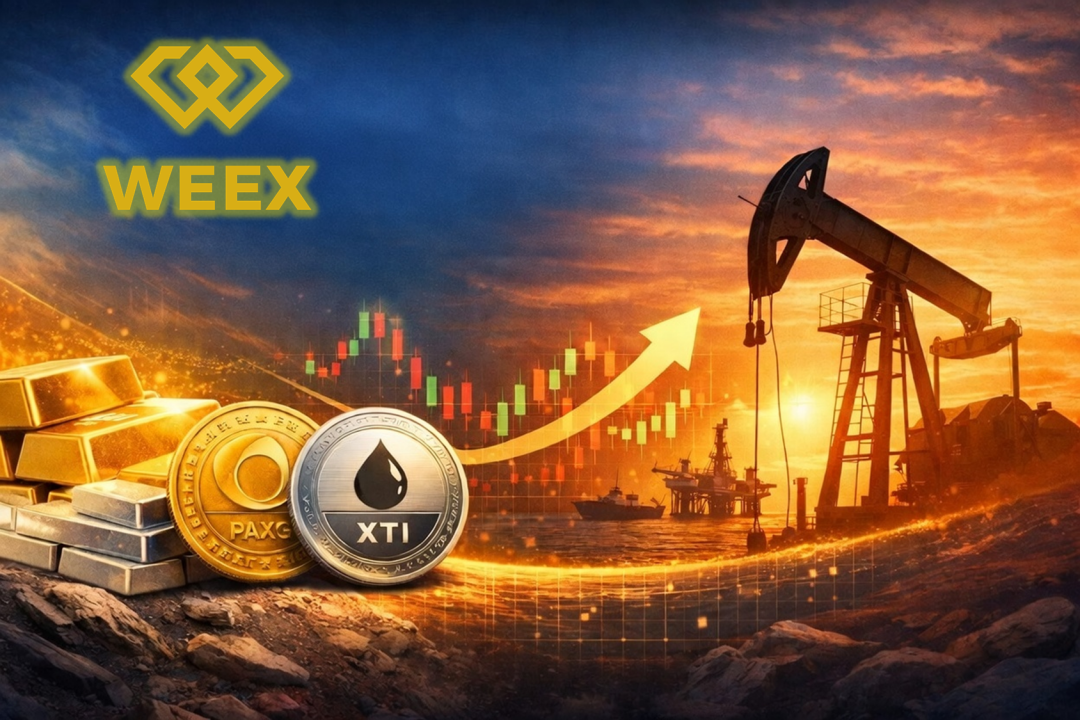
In the RWA sector, precious metals are among the earliest traditional assets to enter the cryptocurrency market. Precious metals like gold, with their globally unified pricing system and mature financial markets, are naturally suitable for tokenization.

Currently, the more mature gold tokens on the market include:

PAX Gold

Tether Gold

Additionally, some platforms have begun launching tokens pegged to the price of silver, such as XAG, enabling precious metal assets to circulate in the cryptocurrency market in digital form.

Compared to traditional precious metal trading, these tokenized assets offer several new features:

24/7 trading

Lower barriers to entry

Natural compatibility with the crypto asset ecosystem

As the market matures, precious metal tokens have evolved from initial experimental products into a stable niche segment of the crypto trading market.

Crude Oil Tokenization Emerges as a New Direction

Following precious metals, another important commodity is entering the tokenization landscape—crude oil.

As one of the world's most important energy assets, crude oil has long been traded primarily through futures markets, such as the WTI crude oil contracts on the New York Mercantile Exchange (NYMEX). However, traditional crude oil markets often face issues like high account thresholds and limited trading hours.

Against this backdrop, some digital asset platforms have begun experimenting with introducing crude oil price exposure through blockchain methods.

Among them, XTI is a digital asset that tokenizes the price of WTI U.S. crude oil. By anchoring the NYMEX WTI crude oil spot price in real-time, it enables users to directly track crude oil price fluctuations in the crypto market, thereby gaining digital exposure to the global energy market.

This model allows crude oil assets to break through the trading boundaries of traditional markets to some extent and introduces a new macro asset class to the crypto market.

Platforms Are Expanding the On-Chain Commodity Landscape

As precious metals and energy assets gradually enter the on-chain market, some trading platforms are also strengthening their layouts in related asset sectors.

The digital asset trading platform WEEX recently included the crude oil token XTI in its commodity asset matrix, while continuing to support trading of gold and silver-related tokens, including PAXG, XAUT, and XAG.

Industry insiders believe that such moves reflect platforms' efforts to align with the RWA development trend by introducing more real-world asset categories to enrich the crypto market's asset structure.

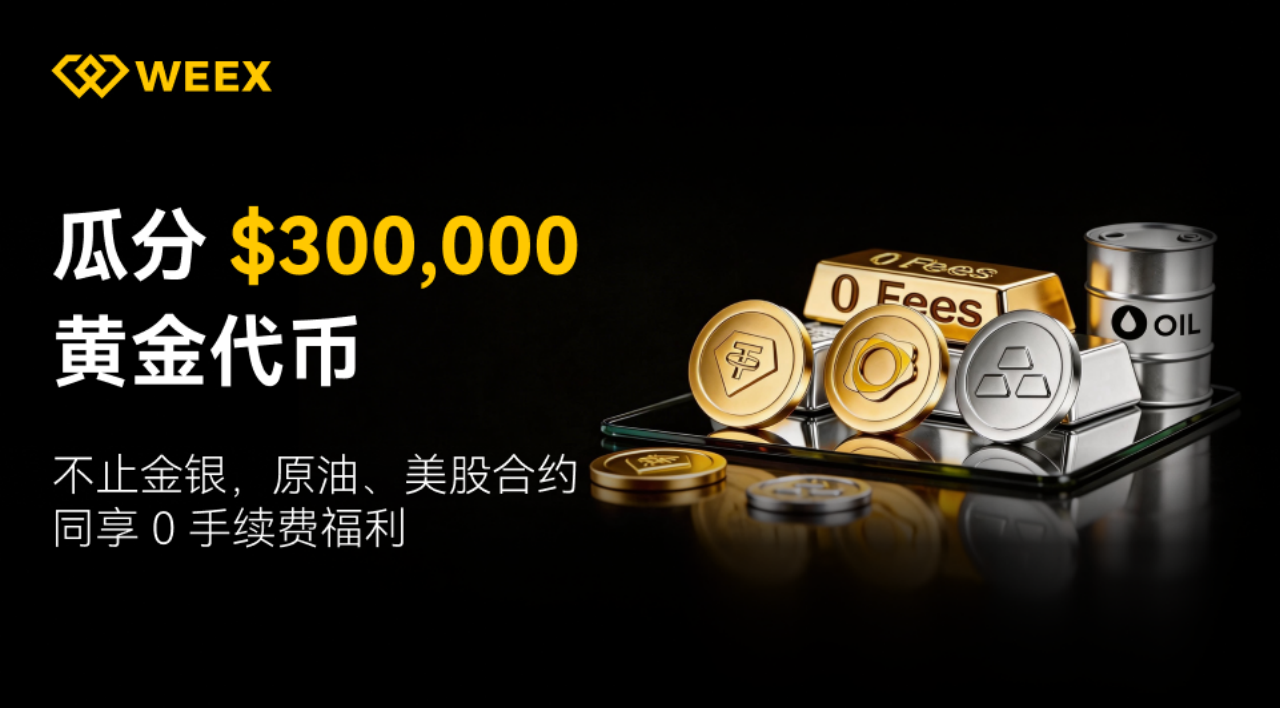
At the same time, WEEX recently launched a phased trading incentive program for commodity assets, covering precious metal tokens, crude oil assets, and some U.S. stock contract products, to further enhance liquidity and participation in related markets.
RWA Sector Is Moving from Financial Assets to Commodities

From an industry development perspective, real-world asset tokenization has gone through several stages:

Initially, stablecoins addressed on-chain pricing issues;

Then, financial assets like U.S. Treasury bonds entered the blockchain;

Now, commodity assets such as precious metals and energy are also becoming an important part of RWA.

As technological infrastructure continues to mature, more traditional assets may be mapped onto the blockchain in the future, forming a more diversified digital asset system.

Under this trend, from gold and silver to crude oil, commodities are gradually achieving digital expression, and the boundary between the crypto market and traditional asset markets is becoming increasingly blurred.

About WEEX

WEEX, founded in 2018, is a global cryptocurrency trading platform dedicated to providing users with secure, stable, and user-friendly trading services. The platform supports spot and contract trading, equipped with multiple risk control systems and a full insurance fund mechanism to safeguard user assets. WEEX has currently entered into an official regional brand partnership with LALIGA for Hong Kong and Taiwan, and is advancing compliance and localization efforts in multiple markets including the Middle East, Europe, Latin America, Africa, and Southeast Asia. As its Web3 ecosystem strategy continues to expand, WEEX is persistently collaborating with global developers and user communities to drive the evolution of digital asset trading toward greater openness and transparency.

For more information, visit: Website | Twitter | Telegram | LinkedIn

Questions liées

QWhat are some examples of tokenized precious metals in the cryptocurrency market?

AExamples of tokenized precious metals include PAX Gold, Tether Gold, and XAG (a silver-pegged token).

QWhich energy asset is mentioned as being tokenized in the article?

ACrude oil, specifically through the token XTI which tracks the NYMEX WTI crude oil spot price.

QWhat platform is expanding its commodity asset matrix to include tokenized crude oil and precious metals?

AWEEX is expanding its commodity asset matrix to include tokenized crude oil (XTI) and precious metals like PAXG, XAUT, and XAG.

QWhat are the advantages of tokenized precious metals compared to traditional trading?

ATokenized precious metals offer advantages such as 24/7 trading, lower participation barriers, and natural compatibility with the crypto asset ecosystem.

QHow has the Real World Asset (RWA) tokenization trend evolved according to the article?

AThe RWA tokenization trend has evolved from stablecoins and financial assets like U.S. Treasuries to include physical commodities such as precious metals and energy assets like crude oil.

Lectures associées

Pourquoi le Bitcoin maintient 64 000 $ après la pause restrictive de la Fed

Le Bitcoin se stabilise autour de 64 000 $ après la décision de la Fed de maintenir ses taux d'intérêt dans la fourchette 3,50-3,75 %. Bien que perçu comme une pause, le vote a révélé des divisions internes, trois membres plaidant pour une hausse, signalant une attitude globalement restrictive. Cette position limite l'appétit pour les actifs risqués comme les cryptomonnaies. Le marché a réagi avec une volatilité modérée. Les FNB spot sur Bitcoin ont enregistré un afflux net de 32,1 millions de dollars, mettant fin à une série de sorties, tandis que les FNB Ethereum ont subi des sorties. Cela indique une rotation des capitaux vers l'actif principal. Les niveaux clés à surveiller pour le Bitcoin sont le support à 63 000-63 500 $ et la résistance autour de 66 000 $. Malgré la pression macroéconomique, le marché ne montre pas de signes de capitulation. Les fondamentaux du réseau Ethereum restent solides avec une file d'attente importante pour le staking. Le report du vote sur le CLARITY Act au Sénat américain a tempéré les attentes réglementaires immédiates. Pour la fin du mois, les données macro américaines (inflation, dépenses) guideront les senteurs. Le scénario de base prévoit une consolidation du Bitcoin entre 63 000 et 66 000 $. La résilience au-dessus de 63 000 $, le maintien de l'Ethereum au-dessus de 1 860 $ et la poursuite des entrées institutionnelles seront des facteurs déterminants pour une éventuelle reprise au second semestre.

cryptonews.ruIl y a 1 h

Pourquoi le Bitcoin maintient 64 000 $ après la pause restrictive de la Fed

cryptonews.ruIl y a 1 h

Parker Lewis explique pourquoi le bitcoin reste la meilleure monnaie

Parker Lewis, un analyste bitcoin renommé, a critiqué les stratégies marketing des entreprises qui se présentent comme des trésoreries crypto. Il estime que la vente d'actions privilégiées perpétuelles, présentées comme un "crédit numérique", déforme fondamentalement la nature du bitcoin. Il souligne que le bitcoin n'a pas de rendement fiduciaire intégré et que les promesses de dividendes reposent sur un modèle risqué nécessitant un afflux constant de nouveaux investisseurs. Lewis met en garde contre les risques de ces dérivés, notant que le marché des actions privilégiées perpétuelles (1 000 milliards de dollars) est minuscule comparé au marché du crédit mondial (300 000 milliards de dollars), car les institutions évitent ces risques qu'elles transfèrent aux particuliers. Il rejette également l'idée que la volatilité du bitcoin le rende impropre à la plupart des gens. Pour lui, cette volatilité est une conséquence naturelle de l'adoption massive d'un actif à offre fixe et inélastique. Il conseille d'acheter des bitcoins directement plutôt que des actions d'entreprises comme MicroStrategy. Détourner l'attention vers ces dérivés corporatifs fait oublier la vraie menace : la dépréciation rapide des monnaies fiduciaires. Lewis illustre cela avec son "indice du ribeye", montrant une inflation annuelle de 12 à 13% sur le prix d'un steak, bien supérieure aux chiffres officiels. La stratégie la plus sûre, selon lui, reste la possession directe de bitcoin et le contrôle de ses clés privées, pour se protéger des turbulences macroéconomiques, plutôt que de courir après des rendements corporatifs douteux qui amplifient les risques systémiques.

cryptonews.ruIl y a 1 h

Parker Lewis explique pourquoi le bitcoin reste la meilleure monnaie

cryptonews.ruIl y a 1 h

Trading

Spot
活动图片