Crypto Tax Data Collection Begins in 48 Countries Ahead of CARF 2027

TheNewsCryptoPublié le 2026-01-02Dernière mise à jour le 2026-01-02

Résumé

Ahead of the 2027 global implementation of the Crypto-Asset Reporting Framework (CARF), tax authorities in 48 countries have begun collecting detailed cryptocurrency transaction data from service providers as of January 1 this year. Developed by the OECD, CARF aims to enhance tax transparency, combat evasion, and address money laundering risks by requiring centralized exchanges, certain decentralized platforms, and crypto brokers to report transaction data. Many jurisdictions have already enacted laws to enforce this data collection, with a second group of 27 countries, including Australia and Canada, set to follow in 2027. While the data is officially for tax purposes, concerns exist about its potential use for broader financial surveillance and tracing anonymous crypto ownership. Investors should expect stricter compliance procedures from trading platforms and increased transparency similar to traditional finance.

Crypto investors across 48 countries will soon face a major shift in tax transparency as authorities begin collecting detailed crypto transaction data ahead of the global rollout of the Crypto-Asset Reporting Framework (CARF) in 2027.

Although CARF officially takes effect in 2027, crypto service providers in participating jurisdictions must begin collecting transaction data from Jan. 1 this year. The early start signals a coordinated push by governments to strengthen oversight, combat tax evasion, and address money laundering risks tied to digital assets.

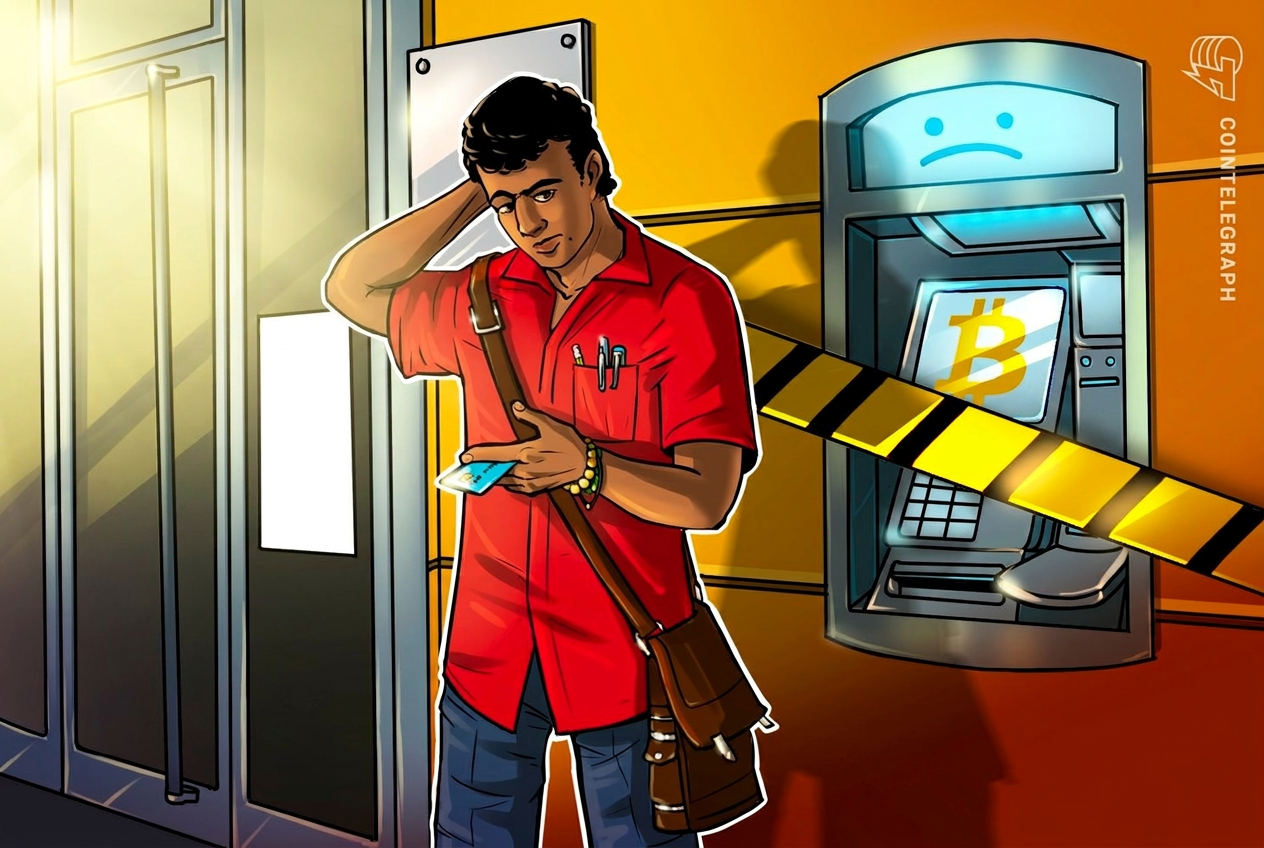
CARF was developed by the Organisation for Economic Co-operation and Development as a global standard for crypto tax transparency. The framework focuses on centralized exchanges, certain decentralized platforms, crypto ATMs, and persons acting as broker-dealers in facilitating crypto-transactions.

Governments move toward early enforcement

In an update released in November, the OECD reported that many of the countries involved have already introduced a law requiring crypto service providers to collect data related to the CARF. Others are in the final stages of enforcement. This progress allows tax authorities to prepare for full-scale information exchange once the framework activates in 2027.

CARF aims to ensure taxpayers meet their obligations regardless of where they trade or hold crypto assets. Regulators designed the system to close loopholes that allow investors to shift activity across borders to avoid detection.

The move comes as a result of many years of lobbying from the G20, whose finance ministers began advocating for improved reporting standards in cryptocurrencies as far back as 2021. By 2022, the OECD refined the fundamental rules of CARF.

Two rollout phases shape global coverage

The first group includes 48 Countries, which will begin reporting transactions in year 2026 and will start exchanging in year 2027. A second group of 27 jurisdictions will follow one year later, with data sharing beginning in 2028.

Countries in the second phase include Australia, Canada, Mexico, and Switzerland. These jurisdictions have until Jan. 1, 2027, to require crypto firms to start collecting the necessary data.

In Asia, Hong Kong has already begun consultations on CARF implementation. The authorities are also assessing changes in the requirements to report taxes, as the matter has been linked with combating cross-border evasion of taxes.

Data may extend beyond tax enforcement

CARF restricts the use of the collected data to taxation, but in the industry, expectations are high regarding the implications that might arise from it. Crypto tax software company TaxBit, in November, warned of the potential deep insights that might arise from CARF data regarding crypto ownership and identity.

This could enable authorities to trace anonymous owners of cryptocurrencies, enable financial intelligence, and enable authorities to link these digital wallets to criminal instances. This has led to an ongoing debate among privacy activists and participants regarding how governments will protect confidentiality.

At the same time, regulators argue that transparency remains essential as crypto markets mature and integrate further into the global financial system.

What investors should expect

While the process of collecting data is intensified, crypto-users can also look forward to stricter compliance procedures from crypto-trading platforms. They might start asking for more personal detail information, with transaction details also under scrutiny.

With CARF looming on the horizon, it is now apparent that the taxation of cryptocurrencies is soon going to have the same transparency standards as the traditional finance sector. For investors, the message is simple: global reporting rules are coming, and preparation has already begun.

Highlighted Crypto News:

Jupiter Launches Mobile V3 With Native Pro Trading Tools

TagsCrypto Tax

Cryptos en tendance

Questions liées

QWhat is the Crypto-Asset Reporting Framework (CARF) and when does it officially take effect?

AThe Crypto-Asset Reporting Framework (CARF) is a global standard for crypto tax transparency developed by the Organisation for Economic Co-operation and Development (OECD). It officially takes effect in 2027.

QWhy are crypto service providers in participating jurisdictions required to start collecting data from January 2024, even though CARF doesn't start until 2027?

ACrypto service providers are required to start collecting data early to allow tax authorities to prepare for full-scale information exchange once the framework activates in 2027. This early start signals a coordinated push by governments to strengthen oversight, combat tax evasion, and address money laundering risks.

QHow many countries are in the first group for CARF rollout, and when will they begin exchanging data?

AThe first group includes 48 countries. They will begin reporting transactions in 2026 and will start exchanging data in 2027.

QBeyond tax enforcement, what are some potential implications of the data collected under CARF according to industry experts?

AAccording to industry experts like crypto tax software company TaxBit, the data collected under CARF could provide deep insights into crypto ownership and identity. This could enable authorities to trace anonymous cryptocurrency owners, enhance financial intelligence, and link digital wallets to criminal activity, raising debates about privacy and confidentiality.

QWhat should crypto investors expect as a result of CARF's implementation?

ACrypto investors should expect stricter compliance procedures from trading platforms, which may start asking for more personal details and scrutinizing transaction information. The taxation of cryptocurrencies is moving toward the same transparency standards as the traditional finance sector, meaning global reporting rules are coming and preparation has already begun.

Lectures associées

Goldman Sachs : juillet a écrasé les transactions surchargées, le marché haussier des actions américaines n'est pas brisé mais devient plus difficile

Selon une analyse de Goldman Sachs, le mois de juillet sur les marchés actions américains a été marqué non par un effondrement des indices, mais par un assainissement brutal des positions spéculatives les plus concentrées. Alors que le S&P 500 affichait une stabilité relative, avec un écart mensuel de seulement 3,5%, les transactions dites « encombrées » (crowded trades), notamment sur les valeurs technologiques à fort momentum, les actions coréennes et les stratégies long/short asiatiques, ont subi d’importantes liquidations et une forte volatilité. Ce mouvement de dé-leveraging, le plus important depuis fin 2022 selon les données de la banque, a fait passer l’exposition des fonds au facteur momentum au 28e percentile sur un an. La question centrale pour les trades liés à l’IA a également évolué, passant du récit de croissance à la visibilité des retours sur investissement, entraînant une divergence de performance entre les grandes capitalisations technologiques. Dans ce contexte, la Réserve fédérale communique désormais de manière plus ambiguë, tandis que la volatilité des taux longs reste une source de pression pour les actions de croissance. Bien que les fondamentaux américains restent solides (croissance économique, bénéfices, flux de capitaux), le potentiel de hausse des actions mondiales s’est amenuisé. En conclusion, la tendance haussière globale, illustrée par le Nasdaq 100 toujours en progression annuelle, n’est pas remise en cause. Cependant, le chemin sera plus difficile et volatil. Le marché ne récompensera plus les positions excessivement concentrées et levier, rendant la phase actuelle plus exigeante pour les investisseurs.

marsbitIl y a 4 h

Goldman Sachs : juillet a écrasé les transactions surchargées, le marché haussier des actions américaines n'est pas brisé mais devient plus difficile

marsbitIl y a 4 h

Trading

Spot

Articles tendance

Comment acheter O

Bienvenue sur HTX.com ! Nous vous permettons d'acheter O1 exchange (O) de manière simple et pratique. Suivez notre guide étape par étape pour commencer votre parcours crypto.Étape 1 : Création de votre compte HTXUtilisez votre adresse e-mail ou votre numéro de téléphone pour ouvrir un compte sur HTX gratuitement. L'inscription se fait en toute simplicité et débloque toutes les fonctionnalités.Créer mon compteÉtape 2 : Choix du mode de paiement (rubrique Acheter des cryptosCarte de crédit/débit : utilisez votre carte Visa ou Mastercard pour acheter instantanément O1 exchange (O).Solde :utilisez les fonds du solde de votre compte HTX pour trader en toute simplicité.Prestataire tiers :pour accroître la commodité d'utilisation, nous avons ajouté des modes de paiement populaires tels que Google Pay et Apple Pay.P2P :tradez directement avec d'autres utilisateurs sur HTX.OTC (de gré à gré) : nous offrons des services personnalisés et des taux de change compétitifs aux traders.Étape 3 : stockage de vos O1 exchange (O)Après avoir acheté vos O1 exchange (O), stockez-les sur votre compte HTX. Vous pouvez également les envoyer ailleurs via un transfert sur la blockchain ou les utiliser pour trader d'autres cryptos.Étape 4 : tradez des O1 exchange (O)Tradez facilement O1 exchange (O) sur le marché Spot de HTX. Il vous suffit d'accéder à votre compte, de sélectionner la paire de trading, d'exécuter vos trades et de les suivre en temps réel. Nous offrons une expérience conviviale aux débutants comme aux traders chevronnés.

641 vues totalesPublié le 2026.06.19Mis à jour le 2026.06.29

Comment acheter O

Comment acheter PROS

Bienvenue sur HTX.com ! Nous vous permettons d'acheter Pharos (PROS) de manière simple et pratique. Suivez notre guide étape par étape pour commencer votre parcours crypto.Étape 1 : Création de votre compte HTXUtilisez votre adresse e-mail ou votre numéro de téléphone pour ouvrir un compte sur HTX gratuitement. L'inscription se fait en toute simplicité et débloque toutes les fonctionnalités.Créer mon compteÉtape 2 : Choix du mode de paiement (rubrique Acheter des cryptosCarte de crédit/débit : utilisez votre carte Visa ou Mastercard pour acheter instantanément Pharos (PROS).Solde :utilisez les fonds du solde de votre compte HTX pour trader en toute simplicité.Prestataire tiers :pour accroître la commodité d'utilisation, nous avons ajouté des modes de paiement populaires tels que Google Pay et Apple Pay.P2P :tradez directement avec d'autres utilisateurs sur HTX.OTC (de gré à gré) : nous offrons des services personnalisés et des taux de change compétitifs aux traders.Étape 3 : stockage de vos Pharos (PROS)Après avoir acheté vos Pharos (PROS), stockez-les sur votre compte HTX. Vous pouvez également les envoyer ailleurs via un transfert sur la blockchain ou les utiliser pour trader d'autres cryptos.Étape 4 : tradez des Pharos (PROS)Tradez facilement Pharos (PROS) sur le marché Spot de HTX. Il vous suffit d'accéder à votre compte, de sélectionner la paire de trading, d'exécuter vos trades et de les suivre en temps réel. Nous offrons une expérience conviviale aux débutants comme aux traders chevronnés.

640 vues totalesPublié le 2026.06.22Mis à jour le 2026.06.29

Comment acheter PROS

Qu'est ce que VERONA

I. Introduction du projet VERONA est une blockchain conçue pour tout le monde, partout grâce à l'abstraction de chaîne. En utilisant sa couche d'abstraction généralisée, VERONA se distingue en intégrant des fonctionnalités blockchain complexes, telles que les comptes, les signatures et l'interopérabilité, directement au niveau du protocole. Cette approche permet d'interagir avec des applications blockchain sans avoir besoin de comprendre les technologies sous-jacentes.1) Informations de base Nom : VERONA (VERONA)III. Liens associés Lien vers le site officiel : https://xion.burnt.com/ Whitepaper : https://xion.burnt.com/whitepaper.pdf Explorateurs : https://explorer.burnt.com/ Médias sociaux : https://x.com/burnt_xion Remarque : L'introduction du projet provient des documents publiés ou fournis par l'équipe officielle du projet, qui est à titre de référence uniquement et ne constitue pas un conseil en investissement. HTX ne prend pas la responsabilité des pertes directes ou indirectes qui en résultent.

651 vues totalesPublié le 2026.06.22Mis à jour le 2026.06.22

Qu'est ce que VERONA

Discussions

Bienvenue dans la Communauté HTX. Ici, vous pouvez vous tenir informé(e) des derniers développements de la plateforme et accéder à des analyses de marché professionnelles. Les opinions des utilisateurs sur le prix de A (A) sont présentées ci-dessous.

活动图片