Crypto Market Structure Bill: Democrat Senators Push For Bipartisan Authorship

bitcoinistPublié le 2025-09-21Dernière mise à jour le 2025-09-21

Résumé

After the Senate Banking Committee advanced the GOP-led legislation on the crypto market structure, a growing number of Democratic senators...

Trusted Editorial content, reviewed by leading industry experts and seasoned editors. Ad Disclosure

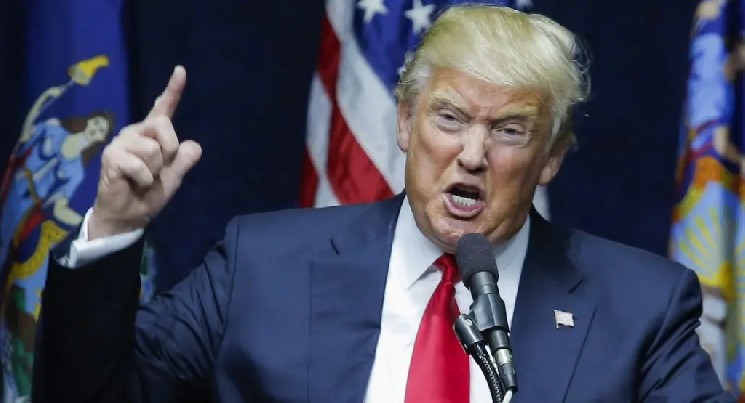
After the Senate Banking Committee advanced the GOP-led legislation on the crypto market structure, a growing number of Democratic senators have stepped forward to demand the chance to actively contribute to one of the most potentially important digital asset regulations. This development comes as the crypto regulatory framework remains center stage in the US Congress, following President Donald Trump’s adoption of a crypto-friendly administrative stance.

Crypto Structure Bill Gathers Traction

Notably, the present crypto market structure bill is led by Republican senators, including Senate Banking Chair Tim Scott (R-S.C.), along with Cynthia Lummis (R-Wyo.), Bill Hagerty (R-Tenn.), and Bernie Moreno (R-Ohio). The updated discussion draft of the “Responsible Financial Innovation Act of 2025” was released in early September, introducing some key changes that sparked public interest. ‘

One of these changes is the proposal of a joint regulatory committee involving the Securities and Exchange Commission (SEC) and the Commodity Futures Trading Commission (CFTC), as well as 14 non-government members from across the industry, academia, user base, and the National Institute of Science and Technology.

However, on September 9, popular crypto critic and Democrat Senator Elizabeth Warren (D-MA) shared heavy criticism of the GOP-led bill, citing a lack of sufficient consultation with Democrats or disclosure of industry feedback. She argues that partisanship and lack of transparency threaten both the integrity and effectiveness of the legislation. Following this development, the Democrats have since released their own version of the cryptocurrency regulatory framework, backing their call for bipartisan authorship.

The Demand For Shared Authorship

In a statement released on September 19, this group of 12 Democratic senators reaffirmed their desire to be more than bystanders in the crypto structure bill. Senators Ruben Gallego (D-AZ), Mark Warner (D-VA), Kirsten Gillibrand (D-NY), Cory Booker (D-NJ), Catherine Cortez Masto (D-NV), Ben Ray Luján (D-NM), John Hickenlooper (D-CO), Raphael Warnock (D-GA), Adam Schiff (D-CA), Andy Kim (D-NJ), Lisa Blunt Rochester (D-DE), and Angela Alsobrooks (D-MD) together called for a bipartisan authorship process matching the norm for legislation of this scale.

The statement read:

Last week, we released a framework on market structure legislation, highlighting our desire to work on this issue. As we stated then, digital assets are a $4 trillion global market that will require a considered and bipartisan approach to regulation.

We hope our Republican colleagues will agree to a bipartisan authorship process, as is the norm for legislation of this scale. Given our shared interest in moving forward quickly on this issue, we hope they will agree to reasonable requests to allow for true collaboration.

The Democratic proposed framework centers around seven key pillars, including clarifying regulatory jurisdiction, integrating digital-asset issuers and trading platforms into oversight, combating illicit finance and corruption, promoting fair regulation, and closing gaps in how non-security digital assets are regulated.

At press time, the total crypto market cap remains valued at $4.03 trillion following a 0.34% gain in the past day.

Crypto
Total crypto market valued at $3.99 trillion on the daily chart | Source: TOTAL chart on Tradingview.com
Featured image from Flickr, chart from Tradingview
Editorial Process for bitcoinist is centered on delivering thoroughly researched, accurate, and unbiased content. We uphold strict sourcing standards, and each page undergoes diligent review by our team of top technology experts and seasoned editors. This process ensures the integrity, relevance, and value of our content for our readers.

Semilore Faleti works as a crypto-journalist at Bitconist, providing the latest updates on blockchain developments, crypto regulations, and the DeFi ecosystem. He is a strong crypto enthusiast passionate about covering the growing footprint of blockchain technology in the financial world.

Lectures associées

Vous serez surpris à quel point WeChat est différent de Telegram au niveau de l'architecture

L'audience mensuelle de WeChat et Weixin a atteint 1,428 milliard d'utilisateurs, confirmant son statut d'outil numérique central en Chine et au-delà. Cette analyse compare l'architecture de WeChat avec celle de Telegram, révélant des philosophies opposées en matière de stockage des données, de monétisation et d'ouverture aux développeurs. **Stockage des conversations :** Telegram utilise un stockage cloud illimité avec synchronisation sur tous les appareils. WeChat stocke les historiques localement sur l'appareil, nécessitant une fonction de migration spécifique pour les transférer et liant strictement la version desktop au téléphone. **Fonctionnalités sociales :** Dans Telegram, les commentaires sous les publications de chaînes sont intégrés. Dans WeChat, les commentaires sous les articles des comptes officiels sont modérés préalablement et ne disposent pas d'un système de discussion unifié. **Développement :** Telegram propose un Bot API ouvert et gratuit. L'écosystème des mini-programmes de WeChat est fermé, nécessitant souvent une vérification et une certification payante pour les développeurs. **Transfert de fichiers :** Telegram permet d'envoyer des fichiers jusqu'à 2 Go (4 Go pour Premium). WeChat limite généralement les envois à 200 Mo, proposant un "assistant de transfert" pour les volumes plus importants. **Paiements :** WeChat Pay est profondément intégré dans la vie économique chinoise, remplaçant souvent les applications bancaires. Telegram ne possède pas de système de paiement fiduciaire intégré comparable, s'appuyant sur des bots tiers et les cryptomonnaies. **Analyse de la sécurité (point de vue IA ajouté) :** L'article soulève indirectement la question de la sécurité. Telegram propose un chiffrement de bout en bout pour ses "chats secrets". WeChat, sans chiffrement de bout en bout standard, fusionne messages et paiements dans une même interface, ce qui pourrait élargir la surface d'attaque en cas de vulnérabilité, comme l'illustrent des cas de fraude signalés à Singapour. En conclusion, WeChat repose sur un modèle intégré et fermé, profondément ancré dans l'économie réelle, tandis que Telegram privilégie les protocoles ouverts, le stockage flexible et une faible barrière à l'entrée pour les développeurs. Ce choix architectural fondamental détermine leurs publics et leurs cas d'utilisation respectifs.

cryptonews.ruIl y a 1 h

Vous serez surpris à quel point WeChat est différent de Telegram au niveau de l'architecture

cryptonews.ruIl y a 1 h

Un pirate divulgué "GTA 6" et lance un jeton cryptographique : Les fuites vidéo deviennent des espaces publicitaires pour $CYBERLEEK, il faut acheter des jetons pour voter et voir le prochain extrait

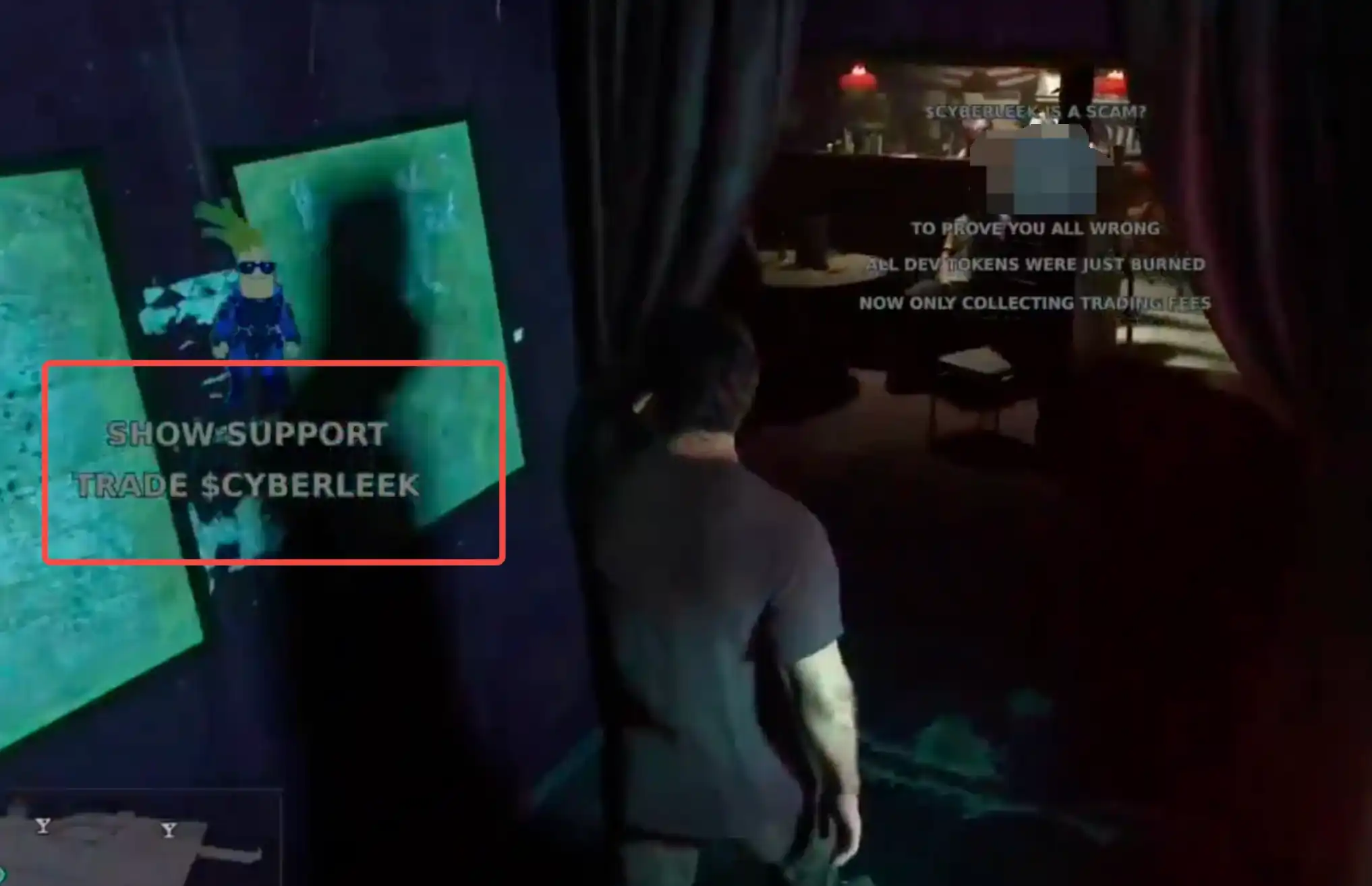
Le 18 août, un groupe de hackers anonyme, CyberLeek, a commencé à divulguer des extraits présumés du jeu en développement *GTA 6*. Chaque vidéo fuitée portait le filigrane "ACHETEZ LE JETON MEME $CYBERLEEK SUR SOLANA". L'opération était en réalité une campagne marketing élaborée pour promouvoir un jeton meme du même nom, créé sur Solana plusieurs heures avant la première fuite. Les enregistrements sur la blockchain révèlent qu'un même portefeuille a financé la création du jeton, du site web et la diffusion des fuites, avec un investissement initial réel d'environ 3 500 $. Un mécanisme de vote a été mis en place : pour choisir la prochaine scène à divulguer, les utilisateurs devaient envoyer (et ainsi brûler) des jetons $CYBERLEEK au projet. Cette stratégie a généré un volume d'échanges de 15 millions de dollars le premier jour, rapportant environ 30 000 $ de frais de transaction au projet. Plus tard, pour afficher sa crédibilité, l'équipe a détruit 27% de l'offre totale du jeton, d'une valeur comptable de plus d'un million de dollars. L'éditeur du jeu, Take-Two Interactive, a engagé des poursuites judiciaires pour identifier les responsables. Ce cas illustre comment des fuites d'un IP mondial peuvent être exploitées pour créer et monétiser un jeton meme, transformant l'attention médiatique en un outil de revenu grâce aux frais de transaction intégrés, avant que les conséquences légales n'arrivent.

marsbitIl y a 3 h

Un pirate divulgué "GTA 6" et lance un jeton cryptographique : Les fuites vidéo deviennent des espaces publicitaires pour $CYBERLEEK, il faut acheter des jetons pour voter et voir le prochain extrait

marsbitIl y a 3 h

Trading

Spot
活动图片