Grayscale Rolls Out First Multi-Token Crypto ETF In The US

bitcoinistPublié le 2025-09-20Dernière mise à jour le 2025-09-20

Résumé

Digital asset investment platform Grayscale, is making significant headlines in the cryptocurrency space with the launch of the first multi-token...

Trusted Editorial content, reviewed by leading industry experts and seasoned editors. Ad Disclosure

Digital asset investment platform Grayscale, is making significant headlines in the cryptocurrency space with the launch of the first multi-token exchange-traded fund (ETF) available in the United States. 

The Grayscale CoinDesk Crypto 5 ETF, which begins trading on the New York Stock Exchange (NYSE) under the ticker “GDLC,” combines the five largest and most liquid digital assets: Bitcoin (BTC), Ethereum (ETH), XRP, Solana (SOL), and Cardano (ADA). 

Grayscale CEO Declares New Era Of Crypto Index Investing

Peter Mintzberg, CEO of Grayscale, emphasized the nature of this new launch, suggesting it heralds a new era of crypto index investing. 

In an interview with CNBC, he stated, “We are typically in the first mover position. Grayscale will continue innovating at scale for investors to access the fastest growing asset class of the last 10 years.” 

The increasing demand for diversified exposure to cryptocurrencies is evident among both institutional and retail investors amid rising prices. 

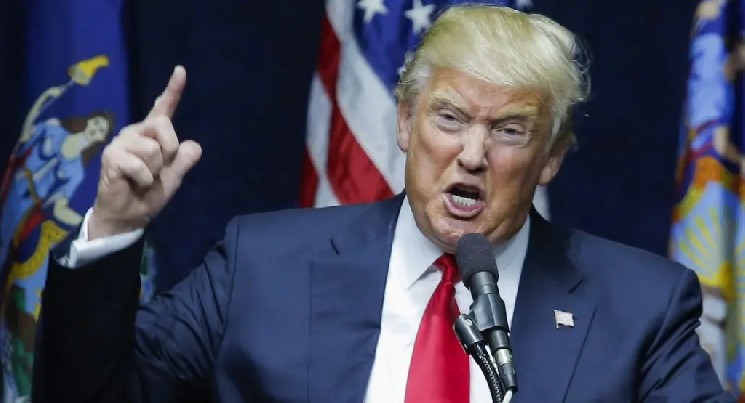
The movement towards mainstream acceptance of digital assets has gained momentum, particularly under the Trump administration, which facilitated the inclusion of cryptocurrencies in retirement plans and a new regulatory framework. 

The GDLC fund allocates approximately 70% of its assets to Bitcoin and 20% to Ether, and it has been trading in various forms since 2018, most recently in over-the-counter markets.

In 2025, Grayscale’s GDLC has already achieved major growth, surging over 40% as many cryptocurrencies reach record highs. Notably, the fund has outperformed Bitcoin by nearly 11% since June, thanks to the strong performance of its other constituent assets.

Analyst Predicts Over 100 New Crypto ETFs

Experts are optimistic that this new standard will streamline the process for launching similar products, potentially ushering in a wave of cryptocurrency exchange-traded funds

Eric Balchunas, a Senior ETF Analyst at Bloomberg, noted on social media that the last time a generic listing standard was implemented for ETFs, the number of launches tripled. He predicts a surge of over 100 crypto ETFs could enter the market in the coming year.

Supporters of this initiative argue that it could position digital assets on equal footing with traditional financial products, a goal that past SEC commissions have been hesitant to embrace. 

Greg Xethalis, General Counsel at MultiCoin Capital, commented on the SEC’s previous regulatory stance, noting that prior commissions often used regulatory frameworks as a means of imposing merit regulations on well-established product structures, despite the novelty of the underlying assets. 

He remarked, “As shown by the Bitcoin ETP launch, the market wants this product option, and this latest move both heeds that call and is a welcome return to normal course at the Commission.”

In addition to the GDLC launch, the SEC is reportedly on the verge of approving Bitwise’s BITW, an index fund that tracks the top ten cryptocurrencies by weighted market capitalization. 

Next month, the SEC is also expected to consider a series of individual spot crypto ETPs, including those focused on Ethereum staking, Litecoin (LTC), Solana, XRP, and Dogecoin (DOGE).

Grayscale
The daily chart shows BTC’s price consolidation. Source: BTCUSDT on TradingView.com

Featured image from DALL-E, chart from TradingView.com 

Editorial Process for bitcoinist is centered on delivering thoroughly researched, accurate, and unbiased content. We uphold strict sourcing standards, and each page undergoes diligent review by our team of top technology experts and seasoned editors. This process ensures the integrity, relevance, and value of our content for our readers.

Ronaldo is a seasoned crypto enthusiast with over four years of experience in the field. He is passionate about exploring the vast and dynamic world of decentralized finance (DeFi) and its practical applications for achieving economic sovereignty. Ronaldo is constantly seeking to expand his knowledge and expertise in the DeFi space, as he believes it holds tremendous potential for transforming the traditional financial landscape.

Lectures associées

Le Bitcoin repasse sous les 60 000 $ ; après 20 mois, nous faisons face à un nouveau plus bas

Le Bitcoin a de nouveau chuté sous la barre des 60 000 dollars, atteignant un creux de 59 023 USD, son niveau le plus bas en près de 20 mois (depuis octobre 2024). Deux facteurs principaux expliquent cette baisse. Premièrement, les ETF spot américains sur Bitcoin subissent des sorties nettes massives et prolongées, avec près de 5,94 milliards de dollars retirés en un mois. Ces retraits forcent des ventes directes sur le marché, exerçant une pression continue. Deuxièmement, les anticipations macroéconomiques ont viré. Des données économiques robustes (comme les postes vacants) et des déclarations de responsables de la Fed évoquant une possible reprise des hausses de taux ont refroidi les investisseurs, incitant à un transfert vers des actifs moins risqués. Les analystes sont partagés : 21Shares maintient un objectif à 100 000 USD d'ici fin d'année, s'appuyant sur le cycle historique post-réduction de moitié. Arthur Hayes, plus pessimiste, anticipe un plancher à 40 000 USD dans les six prochains mois en raison de la politique monétaire restrictive. CryptoQuant estime que le marché pourrait rester baissier jusqu'à fin 2026/début 2027, notant que le prix actuel est encore au-dessus du coût moyen des investisseurs (53 000 USD). Les prochaines données sur l'inflation américaine et les signaux de la Fed seront déterminants pour la suite.

Odaily星球日报Il y a 20 mins

Le Bitcoin repasse sous les 60 000 $ ; après 20 mois, nous faisons face à un nouveau plus bas

Odaily星球日报Il y a 20 mins

Le Bitcoin retombe sous les 60 000 dollars ; après 20 mois, nous atteignons un nouveau creux

Le bitcoin est retombé sous la barre des 60 000 USD, touchant environ 59 023 USD, son plus bas niveau depuis près de 20 mois. La reprise à 60 600 USD au moment de la publication n'atténue pas la pression baissière. Deux facteurs principaux sont à l'origine de cette chute. Premièrement, les ETF spot américains subissent des retraits nets historiques et prolongés, avec près de 5,94 milliards USD sortis en un mois, créant une vente continue. Deuxièmement, les anticipations macroéconomiques ont changé : des données économiques robustes ont ravivé les craintes d'une reprise des hausses de taux par la Fed, drainant les capitaux vers des actifs moins risqués. Les analyses divergent sur la suite. 21Shares, notant un schéma typique post-réduction de moitié, maintient une cible de 100 000 USD d'ici fin d'année, s'appuyant sur les importantes réserves des ETF. À l'inverse, Arthur Hayes anticipe un creux autour de 40 000 USD dans les six prochains mois en raison de la politique restrictive de la Fed. CryptoQuant, se basant sur les données sur la chaîne, estime que le prix moyen d'acquisition des investisseurs est d'environ 53 000 USD et qu'un véritable retournement nécessitera une reprise soutenue de la demande, ce qui pourrait prendre du temps. À court terme, l'attention se porte sur les prochaines données américaines sur l'inflation et les signaux de la Fed. L'évolution des flux des ETF et la capacité du bitcoin à maintenir le support clé des 60 000 USD seront déterminantes pour la suite de la tendance.

marsbitIl y a 41 mins

Le Bitcoin retombe sous les 60 000 dollars ; après 20 mois, nous atteignons un nouveau creux

marsbitIl y a 41 mins

Quand des milliards de personnes s'habituent à tout contrôler par la voix, à quand la « mise en chaîne des actifs totaux » ?

En juin 2026, l’application chinoise WeChat a lancé en phase de test limitée son assistant IA natif, « Xiao Wei ». Cet événement, bien plus qu’un simple ajout fonctionnel, pourrait marquer un tournant dans la transition d’Internet d’un accès universel (« tous en ligne ») vers un paradigme où tous les actifs seraient numérisés et potentiellement enregistrés sur des chaînes de blocs (« tout sur la chaîne »). L'assistant, accessible via une icône en forme d'œil vert dans l'interface principale, utilise un modèle linguistique développé par WeChat (WeLM) et d'autres modèles pour des tâches complexes. Son potentiel se décline en plusieurs niveaux : contrôle natif par la voix (« dit-obtenu »), appel de services via des mini-programmes, compréhension de contenu et génération d'outils à partir du langage naturel. En intégrant un agent IA directement dans le super-application utilisé par des milliards de personnes, WeChat supprime les barrières d'accès et pourrait déclencher une adoption massive. Cette étape annonce le passage d'une interaction « personne-cherche-fonction » à une interaction « fonction-trouve-personne », où l'IA anticipe et exécute les besoins. À plus grande échelle, cela s'inscrit dans l'histoire de l'Internet chinois : la connexion universelle, puis la mise en ligne des services, et aujourd'hui, le potentiel de numérisation des actifs. Le concept de « tout sur la chaîne » dépasse les actifs traditionnels (immobilier, obligations) pour inclure toute valeur quantifiable : influence sociale, attention, crédit personnel. Les prévisions de croissance pour les actifs du monde réel tokenisés (RWA) sont colossales. La convergence d'agents IA omniprésents et d'actifs numérisés ouvre la voie à une nouvelle ère de gestion patrimoniale, où un assistant pourrait gérer automatiquement un portefeuille diversifié d'actifs sur chaîne. Ainsi, l'introduction discrète de « Xiao Wei » représente plus qu'une mise à niveau technique. C'est le signal d'une transition profonde où l'IA, en fluidifiant notre interaction avec le monde numérique, devient le catalyseur d'une reconfiguration radicale de la valeur et de la propriété dans l'ère numérique.

marsbitIl y a 1 h

Quand des milliards de personnes s'habituent à tout contrôler par la voix, à quand la « mise en chaîne des actifs totaux » ?

marsbitIl y a 1 h

Trading

Spot
Futures
活动图片