Base Explains Network Disruption: Sequencer Glitch Led To 33-Minute Block Production Halt

bitcoinistPublié le 2025-08-07Dernière mise à jour le 2025-08-07

Résumé

Base, the Ethereum Layer-2 solution developed by Coinbase, experienced a 33-minute network disruption that halted block production on its Mainnet....

Trusted Editorial content, reviewed by leading industry experts and seasoned editors. Ad Disclosure

Base, the Ethereum Layer-2 solution developed by Coinbase, experienced a 33-minute network disruption that halted block production on its Mainnet. The outage occurred on August 5, 2025, and was caused by unexpected on-chain congestion combined with an unprepared backup sequencer. While Base is designed with high availability in mind—featuring multiple sequencer instances managed by Conductor (an OP Stack component)—a critical handoff failure required manual intervention to resume operations.

This event sparked immediate fear and speculation across the crypto community. Investors and users began to question the sustainability of the network, especially as Layer-2 scaling solutions are expected to offer seamless, reliable performance. The incident highlighted potential vulnerabilities in the sequencer infrastructure, casting doubt on whether Base can maintain uptime and stability during periods of high demand.

As trust in the network was momentarily shaken, critics pointed to the risks of centralized sequencer management, while supporters emphasized that the quick response prevented a longer disruption. Nonetheless, the reputational impact has raised concerns for both institutional users and DeFi projects considering the network for deployment. The coming weeks will be critical as they address these concerns and work to restore confidence in the network.

Base Outlines Root Cause And Fixes Network Outage

Following the recent 33-minute network disruption, Base published a detailed postmortem report explaining the technical root cause and the mitigation steps taken to restore the network. The issue stemmed from a sequencer handoff failure within the system’s High Availability (HA) cluster, which is managed by Conductor, an OP Stack component designed to maintain uptime and minimize single points of failure.

At 6:07am UTC, the active sequencer started lagging behind due to intense on-chain activity. Conductor, functioning as intended, initiated an automated handoff to a new sequencer. However, the new sequencer was still being provisioned and wasn’t yet ready to produce blocks. Typically, if a newly elected sequencer is unhealthy, Conductor would perform another handoff. Unfortunately, since Conductor wasn’t fully operational on this sequencer, it couldn’t initiate another transfer.

By 6:09am UTC, monitoring systems flagged the issue, and the Base team was paged. At 6:12am UTC, the incident was officially declared. To mitigate the issue, Base engineers paused Conductor’s HA software to stop further faulty leadership transfers and manually elected a healthy sequencer. By 6:40am UTC, the network had resumed normal operations.

Base Postmortem Report | Source: Base

To prevent future incidents, Base is working on updating its infrastructure to ensure that any sequencer added to the cluster is always capable of leadership transfer if elected. Additionally, the team is enhancing testing protocols to validate these fixes before deployment. These measures are aimed at bolstering Base’s system robustness and avoiding similar disruptions in the future.

Ethereum Price Action Reflects Market Caution

Ethereum (ETH) is currently trading at $3,611.52 after experiencing a sharp decline from its recent local high of $3,940. The price is struggling to regain bullish momentum, failing to hold above the $3,700 resistance zone. This chart shows that ETH has entered a consolidation phase after its aggressive rally from $2,852.16, which remains a key support level in case of further downside.
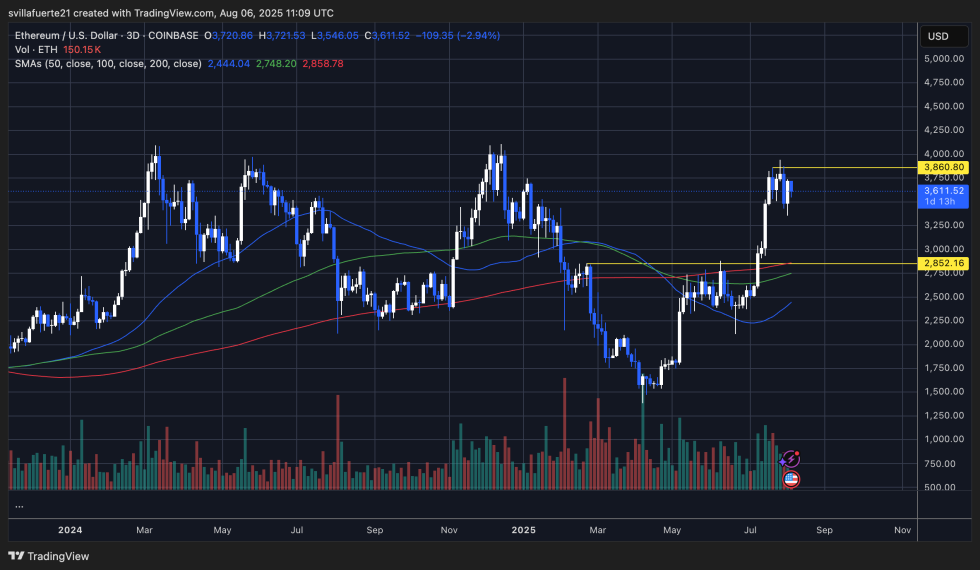
ETH consolidates after aggressive upswing | Source: ETHUSDT chart on TradingView

The 50-day moving average (blue line) is acting as dynamic resistance around the $3,640 zone, while the 100-day (green line) and 200-day (red line) moving averages are still positioned below the price, reflecting a broader bullish trend. However, the recent rejection near the $3,860.80 level indicates that bulls are losing control in the short term.

While Base itself doesn’t have a native token, its performance is closely tied to Ethereum’s Layer-2 ecosystem narrative. Investors are now watching closely to see if ETH can stabilize above $3,600, as any further weakness could amplify doubts about the broader L2 market.

Featured image from Dall-E, chart from TradingView

Editorial Process for bitcoinist is centered on delivering thoroughly researched, accurate, and unbiased content. We uphold strict sourcing standards, and each page undergoes diligent review by our team of top technology experts and seasoned editors. This process ensures the integrity, relevance, and value of our content for our readers.

Sebastian's journey into the world of crypto began four years ago, driven by a fascination with the potential of blockchain technology to revolutionize financial systems. His initial exploration focused on understanding the intricacies of various crypto projects, particularly those focused on building innovative financial solutions. Through countless hours of research and learning, Sebastian developed a deep understanding of the underlying technologies, market dynamics, and potential applications of cryptocurrencies. As his knowledge grew, Sebastian felt compelled to share his insights with others. He began actively contributing to online discussions on platforms like X and LinkedIn, focusing on fintech and crypto-related content. His goal was to expose valuable trends and insights to a wider audience, fostering a deeper understanding of the rapidly evolving crypto landscape. Sebastian's contributions quickly gained recognition, and he became a trusted voice in the online crypto community. To further enhance his expertise, Sebastian pursued a UC Berkeley Fintech: Frameworks, Applications, and Strategies certification. This rigorous program equipped him with valuable skills and knowledge regarding Financial Technology, bridging the gap between traditional finance (TradFi) and decentralized finance (DeFi). The certification deepened his understanding of the broader financial landscape and its intersection with blockchain technology. Sebastian's passion for finance and writing is evident in his work. He enjoys delving into financial research, analyzing market trends, and exploring the latest developments in the crypto space. In his spare time, Sebastian can often be found immersed in charts, studying 10-K forms, or engaging in thought-provoking discussions about the future of finance. Sebastian's journey as a crypto analyst and investor has been marked by a relentless pursuit of knowledge and a dedication to sharing his insights. His ability to navigate the complex world of crypto, combined with his passion for financial research and communication, makes him a valuable asset to the industry. As the crypto landscape continues to evolve, Sebastian remains at the forefront, providing valuable insights and contributing to the growth of this revolutionary technology.

Lectures associées

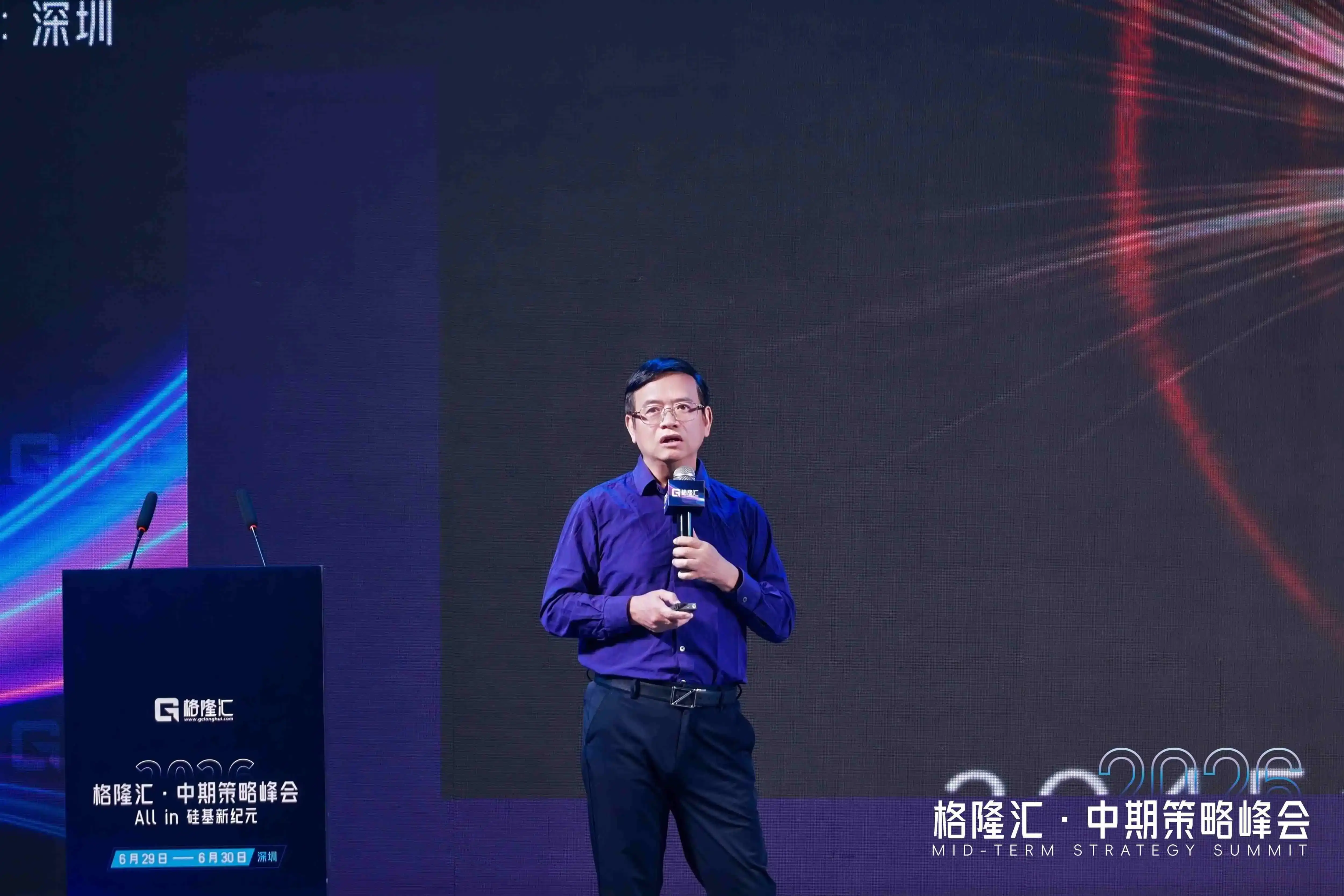
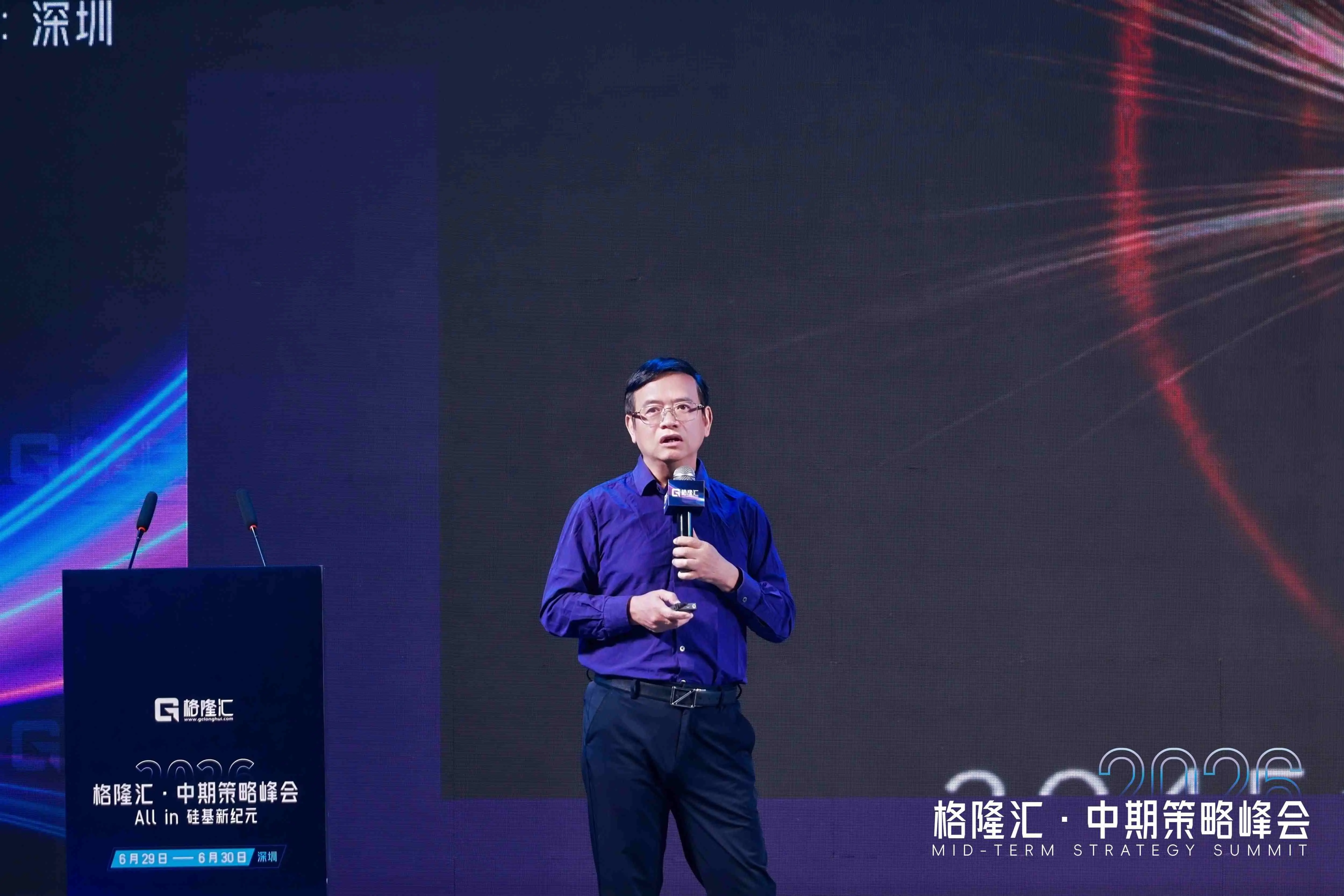
Discours récent de Dan Bin : Ne manquez pas une époque grandiose

Dans son discours intitulé "Ne manquez pas une grande époque", Dan Bin, président de Dongfang Harbor, a partagé sa vision sur l'ère de l'intelligence artificielle (IA) lors du sommet stratégique de Guruiong. Il estime que le risque de manquer cette ère révolutionnaire est plus grand que celui de craindre une bulle à court terme. Selon lui, l'IA, plus disruptive que les époques électronique, Internet et mobile, devrait connaître un cycle industriel d'environ dix ans, similaire à celui d'Internet, avec un point de risque potentiel vers 2033. Dan Bin souligne que le progrès technologique, et non les taux d'intérêt ou les politiques macroéconomiques, est le principal moteur de la croissance à long terme des marchés. Il évoque également une perspective civilisationnelle : le remplacement progressif de la vie carbonée par la vie silicée, portée par l'IA, pourrait être essentiel pour l'avenir de l'humanité. Dans la compétition sino-américaine en IA, aucun des deux pays ne peut se permettre de perdre, chacun ayant ses avantages distincts. S'appuyant sur l'exemple de Warren Buffett qui a tardé à investir dans les géants technologiques, Dan Bin encourage les investisseurs à élargir leurs horizons cognitifs et à saisir les opportunités de cette époque. Il conclut par un poème exhortant à ne pas se laisser piéger par les fluctuations à court terme, mais à embrasser résolument cette ère de transformation historique.

链捕手Il y a 9 mins

Discours récent de Dan Bin : Ne manquez pas une époque grandiose

链捕手Il y a 9 mins

Robinhood lance sa propre blockchain, ne veut plus être locataire sur celle des autres

Le 1er juillet, Robinhood a dévoilé plusieurs nouvelles initiatives, dont le lancement de sa propre blockchain, Robinhood Chain. Il s'agit d'un réseau de couche 2 basé sur Arbitrum, conçu pour les actifs réels tokenisés et les applications DeFi. À travers cette chaîne, les utilisateurs peuvent négocier des actions tokenisées sur des DEX comme Uniswap et utiliser ces actifs dans divers scénarios DeFi. Robinhood a également présenté "Robinhood Earn", un produit permettant de prêter sa stablecoin USDG pour un rendement annuel estimé à 7%, ainsi qu'une expansion de ses produits à terme en Europe et l'introduction de comptes de trading par IA aux États-Unis. Cette série d'annonces marque une évolution stratégique profonde pour Robinhood. Au-delà de son identité initiale de courtier à commission zéro, la plateforme aspire à devenir un "everything exchange" intégré, regroupant actions, cryptomonnaies, actifs tokenisés et outils de trading avancés. Le lancement de sa propre blockchain est au cœur de cette ambition. Plutôt que de rester un simple fournisseur d'interface utilisateur dépendant des infrastructures d'autres chaînes, Robinhood cherche à contrôler la couche de règlement et de compensation pour ses produits financiers émergents, évitant ainsi de n'être qu'un "locataire" sur les réseaux d'autrui. Cette stratégie s'inscrit dans une tendance plus large où les institutions financières comme Coinbase et Circle lancent leurs propres blockchains pour conserver la souveraineté sur leurs écosystèmes. Cependant, ce développement ambitieux intervient dans un contexte opérationnel mitigé pour Robinhood. Alors que ses revenus liés au trading de cryptomonnaies ont chuté, le marché des prédictions, notamment via sa plateforme Rothera, connaît une croissance explosive et pourrait dépasser les revenus cryptos. Ainsi, le défi pour Robinhood n'est pas seulement de construire une blockchain viable, mais de réussir à intégrer de manière durable une multitude de services financiers – actions, cryptos, prédictions, RWA et trading par IA – au sein d'un écosystème économique cohérent et rentable.

链捕手Il y a 19 mins

Robinhood lance sa propre blockchain, ne veut plus être locataire sur celle des autres

链捕手Il y a 19 mins

Trading

Spot
活动图片