Vivek Ramaswamy, Crypto-Friendly U.S. Presidential Candidate, Suspends Campaign

CoinDeskPolicyPublié le 2024-01-15Dernière mise à jour le 2024-01-16

Résumé

The former biotech executive was the only Republican contender to have a crypto plan.

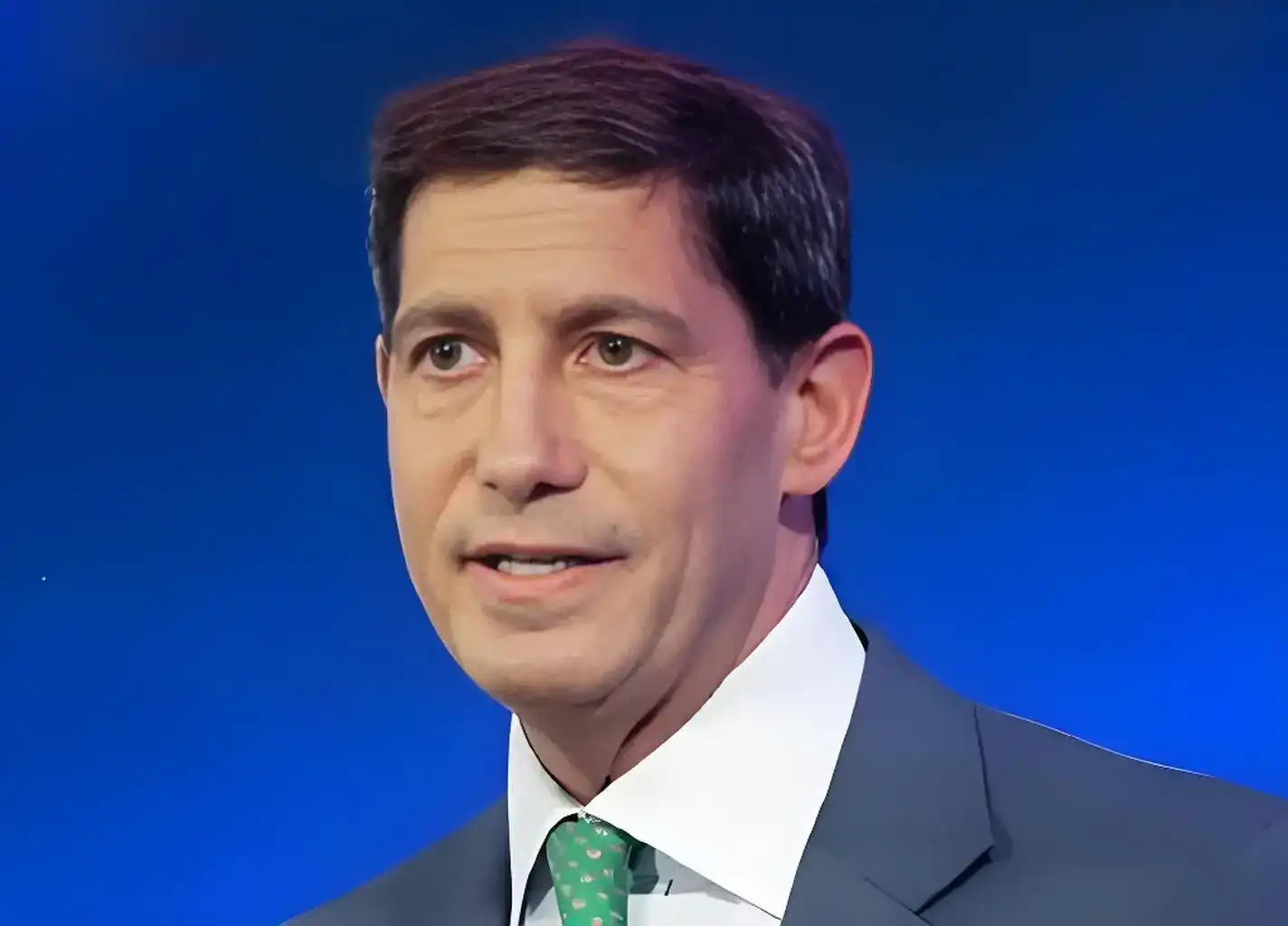
Vivek Ramaswamy – who pledged to lay off most of the Securities and Exchange Commission (SEC) and direct a path for digital assets policy if elected President– suspended his campaign for Republican leadership after a fourth-place finish in Iowa.

In his concession speech, Ramaswamy thanked his supporters and endorsed former President Donald Trump.

“I’m going to appear with Donald Trump at a rally in New Hampshire to lay out what I see and what we see for the future of the country,” he said.

Advertisement
Advertisement

Ramaswamy’s crypto plan emphasized safeguarding software developers and unhosted digital wallets, treating most cryptocurrencies as commodities, and significantly reducing the SEC’s influence in the crypto sector.

“A big part of what we’re missing today is clarity from our regulators,” Ramaswamy said in a prior interview with CoinDesk TV. “What we’re going to have is rescinding any of those regulations that are allowing the regulatory state to go after perfectly legal behavior, but by claiming that somehow it shouldn’t exist because they don’t like it. All of that can end on my watch.

VolumeMuteUnmute
GOP Presidential Candidate Vivek Ramaswamy Unveils Crypto Plan; Bitcoin Bounces
0 seconds of 42 minutes, 15 secondsVolume 0%
Press shift question mark to access a list of keyboard shortcuts
Keyboard Shortcuts
Play/PauseSPACE
Increase Volume
Decrease Volume
Seek Forward
Seek Backward
Captions On/Offc
Fullscreen/Exit Fullscreenf
Mute/Unmutem
Seek %0-9
00:25
41:50
42:15
 

During a Republican leadership debate in December, Ramaswamy said that regulations need to play catch-up to the fast-moving world of digital assets.

“The fact that SBF was able to do what he did FTX shows that whatever they have is the current framework isn’t working,” he said on stage.

"It’s nothing short of embarrassing that Gary Gensler, the SEC chair, couldn’t even confirm in front of Congress whether Ethereum is a regulated security,” he said during the December debate, referring to the debate inside the SEC on whether ether (ETH) is a security.

Advertisement
Advertisement

“This is another example of the administrative state going too far,” he continued.

The SEC is withholding from CoinDesk the emails and notes that influenced William Hinman’s pivotal 2018 speech at the Yahoo Markets Summit, only providing heavily redacted versions, where he declared ether not a security, a significant moment in cryptocurrency history.

According to a disclosure from earlier this year, Ramaswamy owns between $100,001-$250,000 of bitcoin (BTC) in a Coinbase (COIN) account and between $15,001 and $50,000 in ether.

Edited by Parikshit Mishra.


Lectures associées

Le projet de loi CLARITY atteint un moment charnière : la cryptomonnaie américaine à un carrefour réglementaire

Un tournant historique pour la régulation des cryptomonnaies aux États-Unis se joue en 2026. Le « CLARITY Act », loi cruciale pour définir la structure du marché des actifs numériques, doit être approuvé par la commission bancaire du Sénat avant fin avril, sans quoi son adoption pourrait être reportée de plusieurs années. Parallèlement, le « GENIUS Act », déjà adopté, impose un cadre prudentiel aux stablecoins, favorisant une concentration du marché autour d’acteurs conformes comme USDC et USAT (la nouvelle entité de Tether pour le marché institutionnel américain), tout en comprimant la place de l’USDT. Un compromis bipartisan, mené par les sénateurs Tillis et Alsobrooks, propose d’autoriser les récompenses sur les stablecoins liées à des activités, mais d’interdire les rendements passifs purs, une question au cœur des tensions avec le secteur bancaire traditionnel. La Maison Blanche, sous Trump, pousse pour une adoption rapide, mais fait face à des défis politiques, notamment sur les conflits d’intérêts des responsables gouvernementaux. Si la loi est adoptée, elle pourrait déclencher l’entrée de billions de dollars de capitaux institutionnels (fonds de pension, assureurs) et aligner les standards américains avec le règlement européen MiCA, renforçant la compétitivité mondiale des États-Unis. Son rejet profiterait aux places financières concurrentes comme l’UE, Hong Kong ou Singapour, et retarderait considérablement l’intégration des cryptomonnaies dans le système financier traditionnel. La conformité réglementaire devient l’avantage compétitif décisif pour l’avenir.

marsbitIl y a 4 h

Le projet de loi CLARITY atteint un moment charnière : la cryptomonnaie américaine à un carrefour réglementaire

marsbitIl y a 4 h

Trading

Spot
Futures
活动图片