Fed Uncertain About More Rate Hikes, Minutes Show

BarronsPublié le 2023-05-25Dernière mise à jour le 2023-05-25

Résumé

Fed officials continue to debate whether to raise interest rates or hold them steady when the policy committee next meets in mid-June.

Federal Reserve officials appear increasingly divided over the appropriate path forward for monetary policy, with participants acknowledging significant uncertainty at their May meeting and emphasizing a need to keep their options open as they debate whether to continue raising interest rates or holding them steady in the coming months.

Minutes from the central bank’s May 2-3 meeting show that while officials remain focused on reining in “unacceptably high” inflation, they are balancing the need to rein in price growth with the growing likelihood that fallout from recent banking failures will have a dampening impact on economic growth.

“Participants generally expressed uncertainty about how much more policy tightening may be appropriate,” the minutes say.

Several officials felt the impact of stricter financial conditions and the lag with which monetary policy operates could mean their tightening campaign was nearly finished if the economy continued to evolve in line with the current outlook, the minutes say. Some others, however, felt the progress in bringing inflation back in line with the Fed’s 2% target would continue to be “unacceptably slow” and further rate hikes would be necessary.

Officials were able to agree in general on the need to keep a close eye on incoming economic data and to keep their options open ahead of the next policy meeting, scheduled for June 13-14.

The fresh insight, released Wednesday afternoon, underscores how seriously Fed officials considered changing course and holding interest rates steady when they met earlier this month. Officials voted unanimously in May to raise interest rates by a quarter-point to a range of 5-5.25%. The minutes suggest there was significant discussion over what the Fed should do after that and whether it would be time to pause the tightening campaign and hold rates steady.

“In short, the hawks were still in charge in early May,” wrote Ian Shepherdson, chief economist with Pantheon Macroeconomics, after the minutes were released. “But the next round of CPI, PPI, and labor market data likely will strengthen the case for a June pause.”

After the minutes were released on Wednesday, traders put the probability that the Fed holds rates steady at the June meeting at 72%, according to the CME FedWatch Tool.

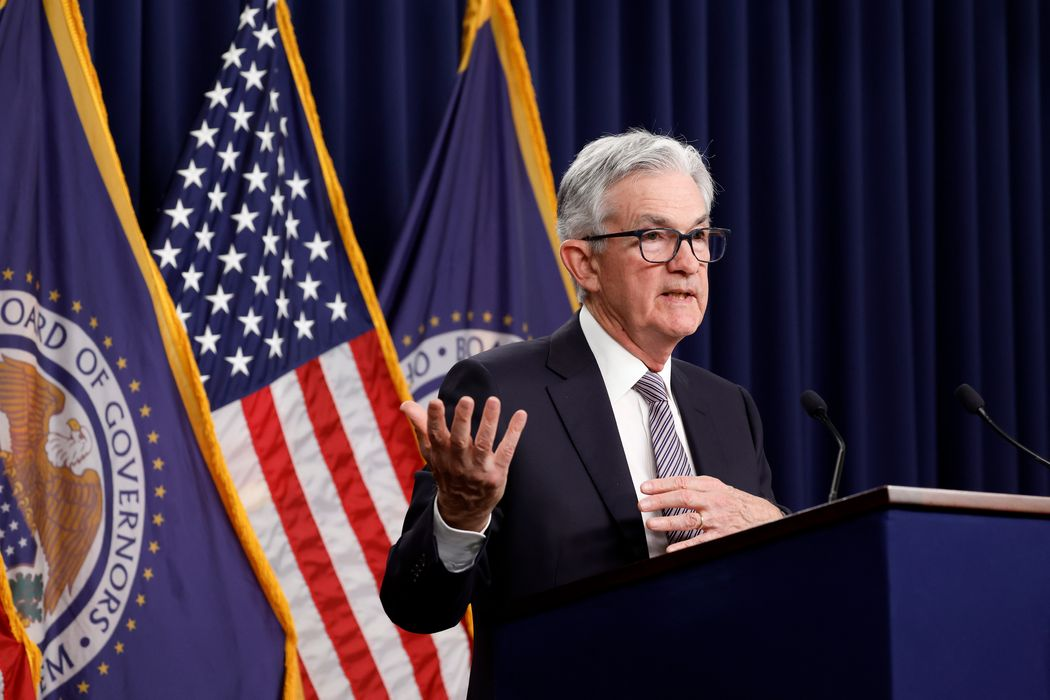
Fed Chairman Jerome Powell laid the groundwork at his postmeeting press conference in May for the central bank to hold rates steady at its next meeting, and officials deleted a line from their policy statement that said “ongoing increases” in the policy rate would be appropriate.

But Powell was careful not to suggest that officials had made a decision about what was coming next, and the minutes show other participants were focused on making sure the shift in their stance wasn’t misinterpreted. Some officials emphasized during the meeting the need to make clear that the changes to the statement didn’t mean the central bank had ruled out further rate hikes this year, or that it was leaning toward cutting rates, the minutes show.

Fed officials have said for months that they don’t anticipate lowering the federal-funds rate this year but will instead be holding it steady once they determine that they have reached a sufficiently restrictive level. That view stands at odds with the consensus forecast among investors, who continue to price in a significant likelihood of at least one quarter-point rate cut by the end of this year.

The Fed’s May rate hike came despite a view from committee staff economists that tightening in the pipeline so far, alongside the expected further tightening in bank credit conditions, would lead to a mild recession beginning later this year, the minutes show. Staff first released their recession forecast during the March meeting, which was held in the immediate aftermath of the failures of Silicon Valley and Signature Banks. The May meetings show committee staff see the downturn being followed by a “moderately paced” recovery.

Fed officials appeared to take a somewhat less dour view of the economic outlook, however, noting that while tightening credit conditions were likely to weigh on economic activity, “the extent of these effects remained uncertain.”

Ultimately, though, their decision on how to move forward in the coming meetings will depend largely on what forthcoming economic data show. April’s personal-consumption expenditures price index—the Fed’s preferred inflation gauge—will be released Friday, while May jobs numbers arrive next week and May consumer-price-index data will come the week after.

Lectures associées

L'industrie informatique américaine contre les interdictions : pourquoi Nvidia, OpenAI et Google se prononcent pour un IA ouverte

Plus de 270 entreprises et organisations, dont Nvidia, OpenAI, Google, Microsoft et SpaceX, ont signé une lettre ouverte s'opposant aux restrictions prématurées sur les modèles d'IA aux poids ouverts (« open weights ») aux États-Unis. Elles plaident pour un écosystème ouvert, estimant que cela stimule l'innovation, la concurrence et la sécurité, en permettant un examen indépendant des modèles. La lettre, datée du 24 juillet 2026, appelle les décideurs politiques à éviter les interdictions générales, à ne pas assimiler des techniques légitimes comme la distillation à une appropriation illégale, et à privilégier des mesures juridiques ciblées contre les abus. Le PDG de Nvidia, Jensen Huang, soutient que l'ouverture renforce la sécurité et la souveraineté technologique. Cependant, des voix comme celle de Dario Amodei, dirigeant d'Anthropic, expriment de vives inquiétudes. Il considère la disponibilité de modèles puissants aux poids ouverts, comme le modèle chinois Kimi K3 récemment publié, comme un risque majeur pour la sécurité, facilitant potentiellement la création d'outils de piratage. Le débat oppose donc deux visions : une majorité de l'industrie américaine prônant l'ouverture comme gage de leadership et de résilience, et une minorité alertant sur les dangers d'une diffusion incontrôlée de capacités d'IA avancées. L'incapacité à retirer des modèles une fois publiés et les risques d'exécution autonome sont au cœur des préoccupations.

cryptonews.ruIl y a 37 mins

L'industrie informatique américaine contre les interdictions : pourquoi Nvidia, OpenAI et Google se prononcent pour un IA ouverte

cryptonews.ruIl y a 37 mins

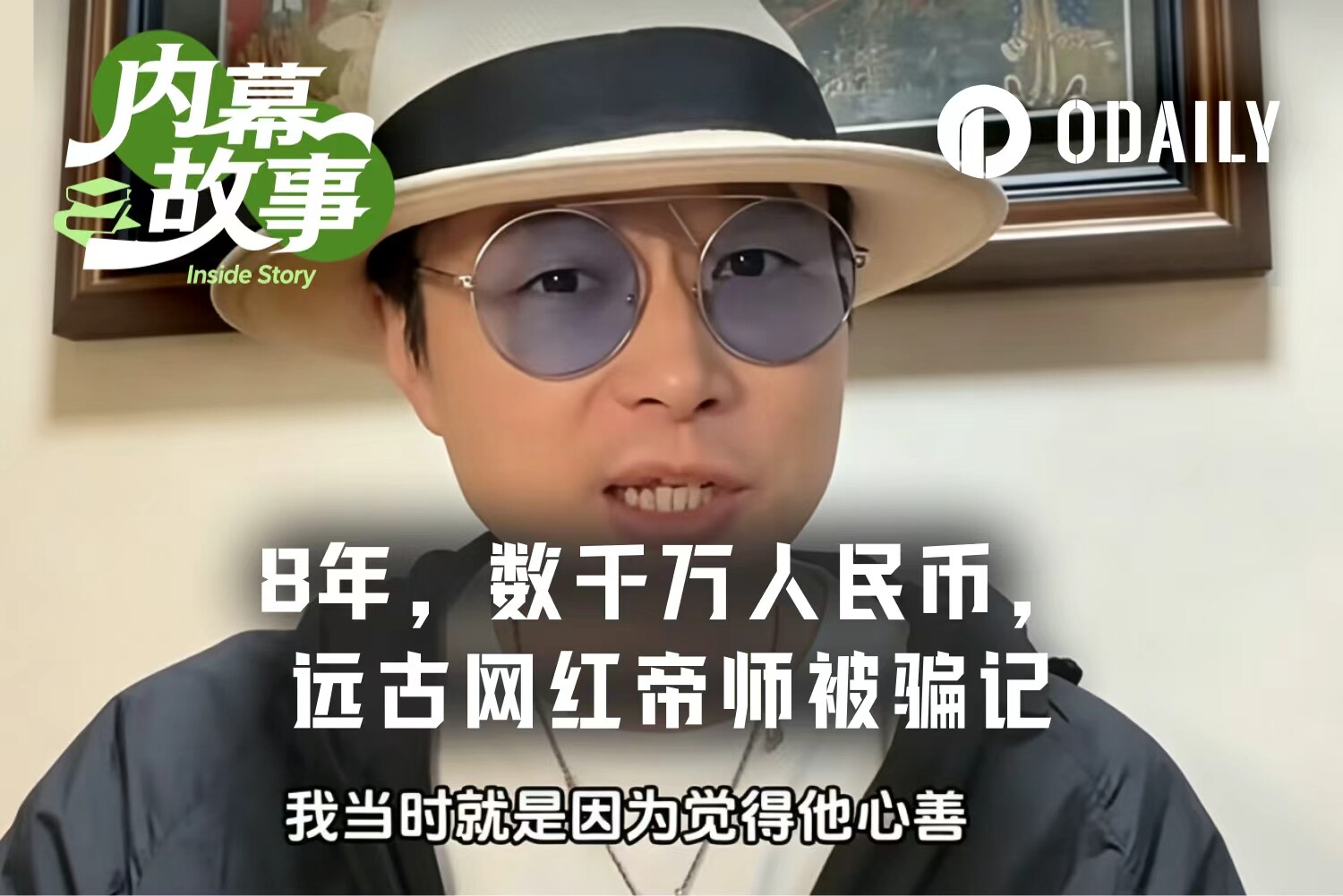
Après 8 ans, le streamer célèbre Dishi découvre que son "frère" de la crypto lui a escroqué des dizaines de millions

Après huit ans, l'influenceur chinois "帝师" (Di Shi) a découvert qu'il avait été escroqué de dizaines de millions de yuans (jusqu'à 30 millions de RMB selon certaines sources) par un ancien ami du secteur des cryptomonnaies, Sun Zeyu. Sun, présenté comme un investisseur expérimenté et co-fondateur du portefeuille matériel CoolBitX et de Genesis Capital, a trompé Di Shi en lui faisant investir dans de faux actifs. Le mécanisme de l'escroquerie était élaboré : au lieu d'acheter de vrais Ethereum (ETH), Sun a créé une blockchain privée forkée, sur laquelle seuls sept portefeuilles existaient (six contrôlés par Sun et un appartenant à Di Shi). Les "jetons" détenus par Di Shi n'avaient donc aucune valeur réelle. La confiance avait été établie sur plusieurs années par des retraits réussis de plusieurs millions de yuans et la réputation publique de Sun. Di Shi n'est pas la seule victime. D'autres acteurs de la crypto auraient également perdu des sommes importantes (de 300 000 à 1,5 million de dollars) dans des "investissements" gérés par Sun, qui aurait désormais quitté la Chine. Cet incident met en lumière les risques majeurs des arnaques par "délégation d'investissement" (代投) dans les cryptomonnaies, exploitant les asymétries d'information et la confiance. Il sert d'avertissement : ne jamais confier ses actifs à un tiers, toujours vérifier soi-même la réalité des actifs sur un explorateur de blockchain publique, acquérir des connaissances de base avant d'investir et se méfier des promesses de rendements élevés ou des recommandations entre "amis".

Odaily星球日报Il y a 1 h

Après 8 ans, le streamer célèbre Dishi découvre que son "frère" de la crypto lui a escroqué des dizaines de millions

Odaily星球日报Il y a 1 h

NGRAVE dévoile le micrologiciel ZERO 1.8 avec le protocole QR universel et le support des jetons Polygon

**NGRAVE dévoile le firmware ZERO 1.8 avec le Protocole QR Universel et la prise en charge des jetons Polygon** Le 27 août 2026, NGRAVE a publié le firmware 1.8 pour son portefeuille matériel ZERO. Cette mise à jour introduit le Protocole QR Universel open-source (sous licence MIT), un nouveau format de QR animé qui accélère et fiabilise significativement la synchronisation et la signature des transactions en permettant un balayage à tout moment. Le support des actifs est élargi avec l'ajout de nombreux jetons sur Polygon (USDC, USDT0, WETH, WBTC, DAI, AAVE, LINK, UNI), ainsi que PAXG et AMP sur Ethereum et USDT sur MultiversX. Parallèlement, la liste des actifs a été rationalisée en supprimant les jetons inactifs ou obsolètes. Le support des chaînes BNB Beacon Chain et Groestlcoin a été arrêté. Conçu comme une norme ouverte et vérifiable, le Protocole QR Universel rend toute communication entre le ZERO et l'application LIQUID visible et vérifiable de manière indépendante. Basé sur l'écosystème UR de Blockchain Commons, il étend son support à plusieurs blockchains. L'application NGRAVE LIQUID supporte déjà le protocole ; les utilisateurs n'ont donc qu'à mettre à jour leur appareil ZERO. NGRAVE, société belge de sécurité des actifs numériques, propose une suite d'auto-garde comprenant le portefeuille ZERO, la solution de sauvegarde GRAPHENE et l'application compagnon LIQUID.

cointelegraphIl y a 1 h

NGRAVE dévoile le micrologiciel ZERO 1.8 avec le protocole QR universel et le support des jetons Polygon

cointelegraphIl y a 1 h

Trading

Spot
活动图片